

#learnwithfatima
learnwithfatima
閲覧回数 1M
2,293人が討論中
注目
最新


·
--
🌕🥮 私のバイナンス・ムーンケーキができました!💛
少しの月明かり、少しの創造性、そしてたっぷりのバイナンス魂!✨
私はこのムーンケーキを、バイナンスのアイデンティティを中心に設計しました。中秋節は、人々をつなぎ、良い時間を分かち合い、コミュニティとしてお祝いすることだからです。
バイナンスファミリーに、明るく楽しい中秋節をお祈りします!🌕💛
#BinanceSquareTG #BinanceMidAutumn @BinanceTG #LearnWithFatima
🌕🥮 私のバイナンス・ムーンケーキができました!💛
少しの月明かり、少しの創造性、そしてたっぷりのバイナンス魂!✨
私はこのムーンケーキを、バイナンスのアイデンティティを中心に設計しました。中秋節は、人々をつなぎ、良い時間を分かち合い、コミュニティとしてお祝いすることだからです。
バイナンスファミリーに、明るく楽しい中秋節をお祈りします!🌕💛
#BinanceSquareTG #BinanceMidAutumn @Binance TG Community #LearnWithFatima
少しの月明かり、少しの創造性、そしてたっぷりのバイナンス魂!✨
私はこのムーンケーキを、バイナンスのアイデンティティを中心に設計しました。中秋節は、人々をつなぎ、良い時間を分かち合い、コミュニティとしてお祝いすることだからです。
バイナンスファミリーに、明るく楽しい中秋節をお祈りします!🌕💛
#BinanceSquareTG #BinanceMidAutumn @Binance TG Community #LearnWithFatima

Crypto Zen 1:
the celebration. 🥮🌕
9
20
2k
·
--
記事
ビットコイン8.3万ドル:利回り上昇、弱いスポット需要、雇用統計が見出しよりも重要な理由ビットコインは9月末に向けて、今年前半の約12万6,000ドルの最高値へと上昇させた局面とは非常に異なる市場構造に入ってきています。
9月30日水曜日、ビットコインはおよそ8万3,700〜8万3,800ドルで取引されており、日中は小幅に下落したまま、9月21日に起きた約8万7,300ドルへのブレイク失敗後もなお調整局面が続いています。一見すると市場は比較的落ち着いて見えます。しかし価格の下では、いくつかの重要な力が互いに逆方向に動いています。
最大の疑問は、もはや単純に国債利回りが上昇しているかどうかだけではありません。
ビットコイン8.3万ドル:利回り上昇、弱いスポット需要、雇用統計が見出しよりも重要な理由
ビットコインは9月末に向けて、今年前半の約12万6,000ドルの最高値へと上昇させた局面とは非常に異なる市場構造に入ってきています。
9月30日水曜日、ビットコインはおよそ8万3,700〜8万3,800ドルで取引されており、日中は小幅に下落したまま、9月21日に起きた約8万7,300ドルへのブレイク失敗後もなお調整局面が続いています。一見すると市場は比較的落ち着いて見えます。しかし価格の下では、いくつかの重要な力が互いに逆方向に動いています。
最大の疑問は、もはや単純に国債利回りが上昇しているかどうかだけではありません。
9月30日水曜日、ビットコインはおよそ8万3,700〜8万3,800ドルで取引されており、日中は小幅に下落したまま、9月21日に起きた約8万7,300ドルへのブレイク失敗後もなお調整局面が続いています。一見すると市場は比較的落ち着いて見えます。しかし価格の下では、いくつかの重要な力が互いに逆方向に動いています。
最大の疑問は、もはや単純に国債利回りが上昇しているかどうかだけではありません。
Veronique Nodarse f4E2:
what about Ena dear
2
5
1.4k
·
--
私のレーダーにある2つの仕掛け 👀
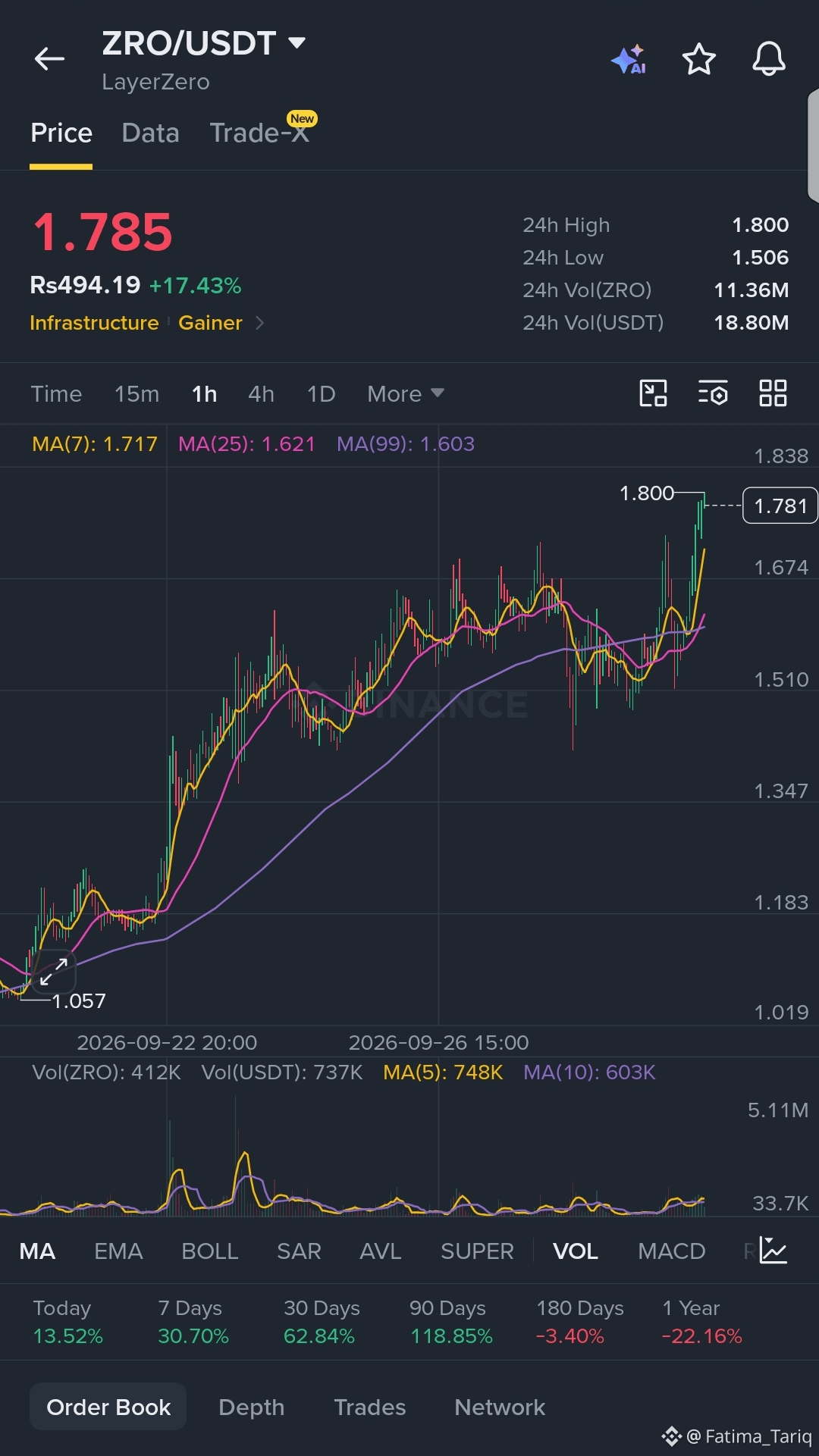
$ZRO 価格が重要なブレイクアウトゾーンに接近しています。エントリーエリアとして$1.75〜$1.80が維持されるなら、$1.90 → $2.00 → $2.20 → $2.50 → $3.00を注視しています。
SL: $1.61
{future}(ZROUSDT)
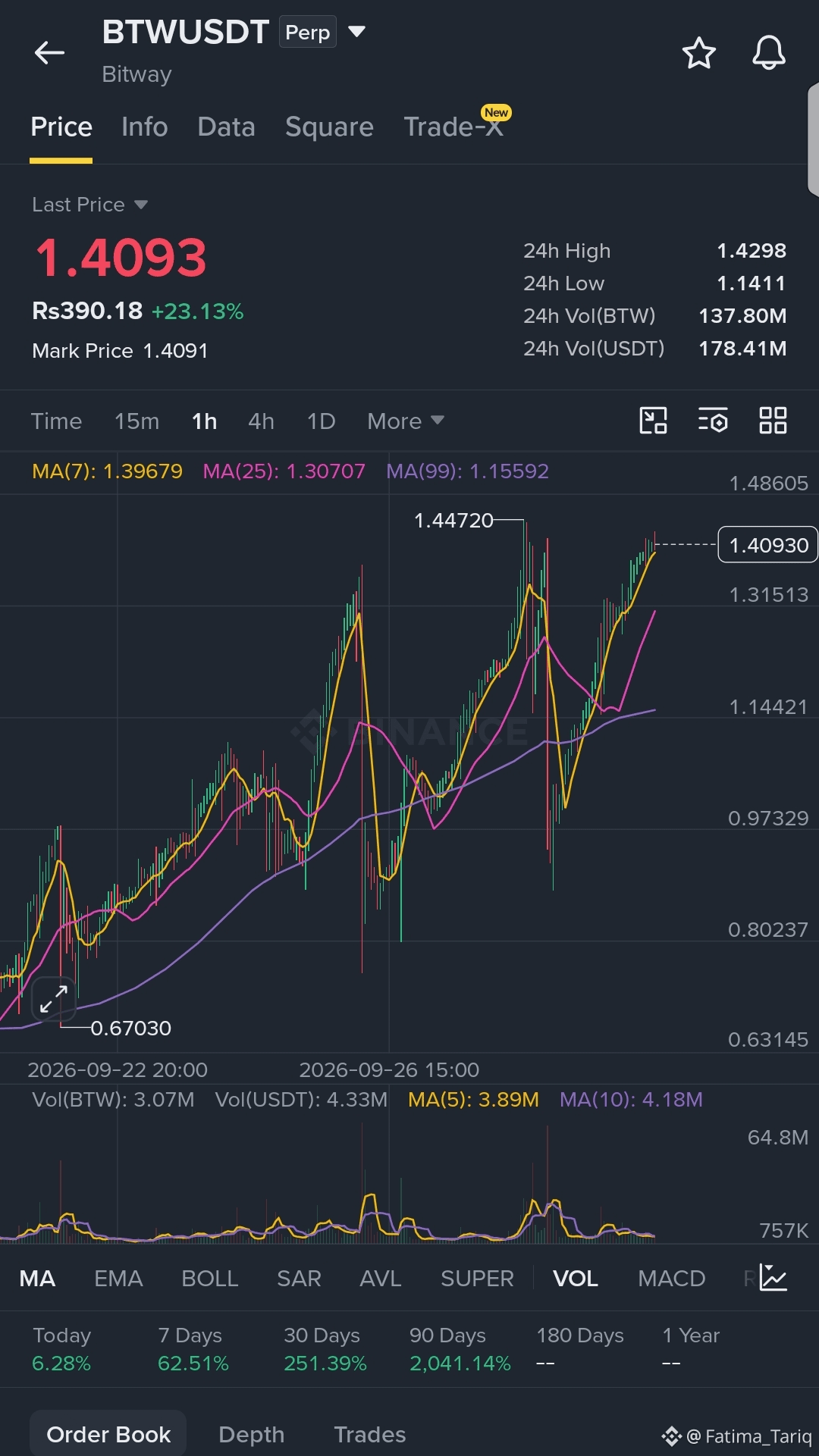
$BTW 1.44〜1.40のショートセットアップを監視中です。売り手が主導権を取れば、下方向の水準は$1.30 → $1.20 → $1.00 → $0.80 → $0.50。
SL: $1.54
{alpha}(560x444045b0ee1ee319a660a5e3d604ca0ffa35acaa)
2つの異なる方向性でも、同じルール:まずは水準、追いかけるのは確証の後。これは金融アドバイスではありません。投資の前に必ずDYORを行ってください。
#zro #BTW
#EarningsSeason
#LearnWithFatima
#CryptoTradingTip
私のレーダーにある2つの仕掛け 👀
$ZRO 価格が重要なブレイクアウトゾーンに接近しています。エントリーエリアとして$1.75〜$1.80が維持されるなら、$1.90 → $2.00 → $2.20 → $2.50 → $3.00を注視しています。
SL: $1.61
$BTW 1.44〜1.40のショートセットアップを監視中です。売り手が主導権を取れば、下方向の水準は$1.30 → $1.20 → $1.00 → $0.80 → $0.50。
SL: $1.54
2つの異なる方向性でも、同じルール:まずは水準、追いかけるのは確証の後。これは金融アドバイスではありません。投資の前に必ずDYORを行ってください。
#zro #BTW
#EarningsSeason
#LearnWithFatima
#CryptoTradingTip
$ZRO 価格が重要なブレイクアウトゾーンに接近しています。エントリーエリアとして$1.75〜$1.80が維持されるなら、$1.90 → $2.00 → $2.20 → $2.50 → $3.00を注視しています。
SL: $1.61
$BTW 1.44〜1.40のショートセットアップを監視中です。売り手が主導権を取れば、下方向の水準は$1.30 → $1.20 → $1.00 → $0.80 → $0.50。
SL: $1.54
2つの異なる方向性でも、同じルール:まずは水準、追いかけるのは確証の後。これは金融アドバイスではありません。投資の前に必ずDYORを行ってください。
#zro #BTW
#EarningsSeason
#LearnWithFatima
#CryptoTradingTip
4
1.1k
·
--
ブリッシュ
今、3つのセットアップを注意深く見ています 👀
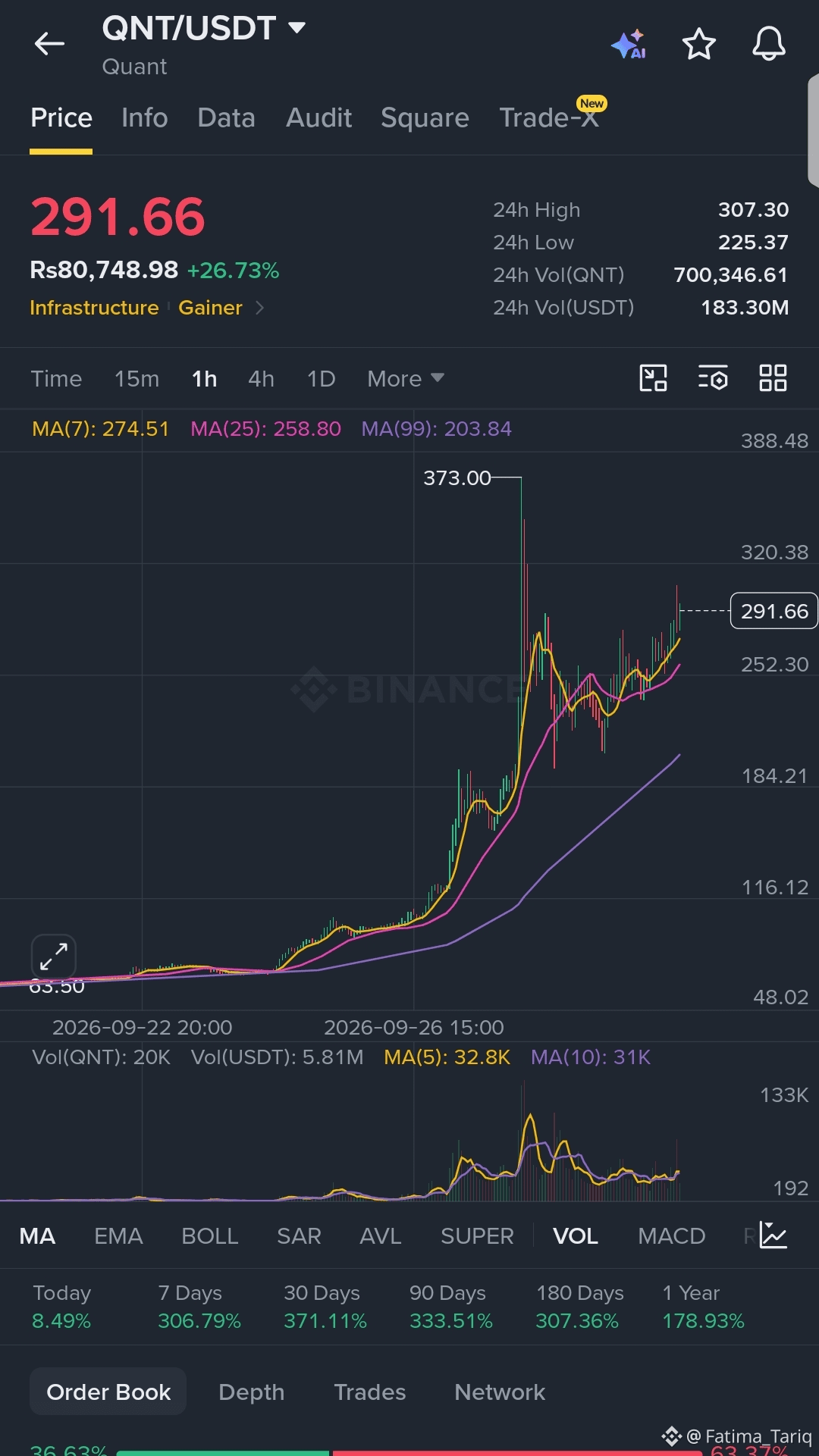
$QNT 安く買って、より高く売る。$270〜$280のゾーンを維持できれば、$300、$330、$360、$400、そして場合によっては$500への道が開ける可能性があります。無効ライン(Invalidation):$252。
{future}(QNTUSDT)
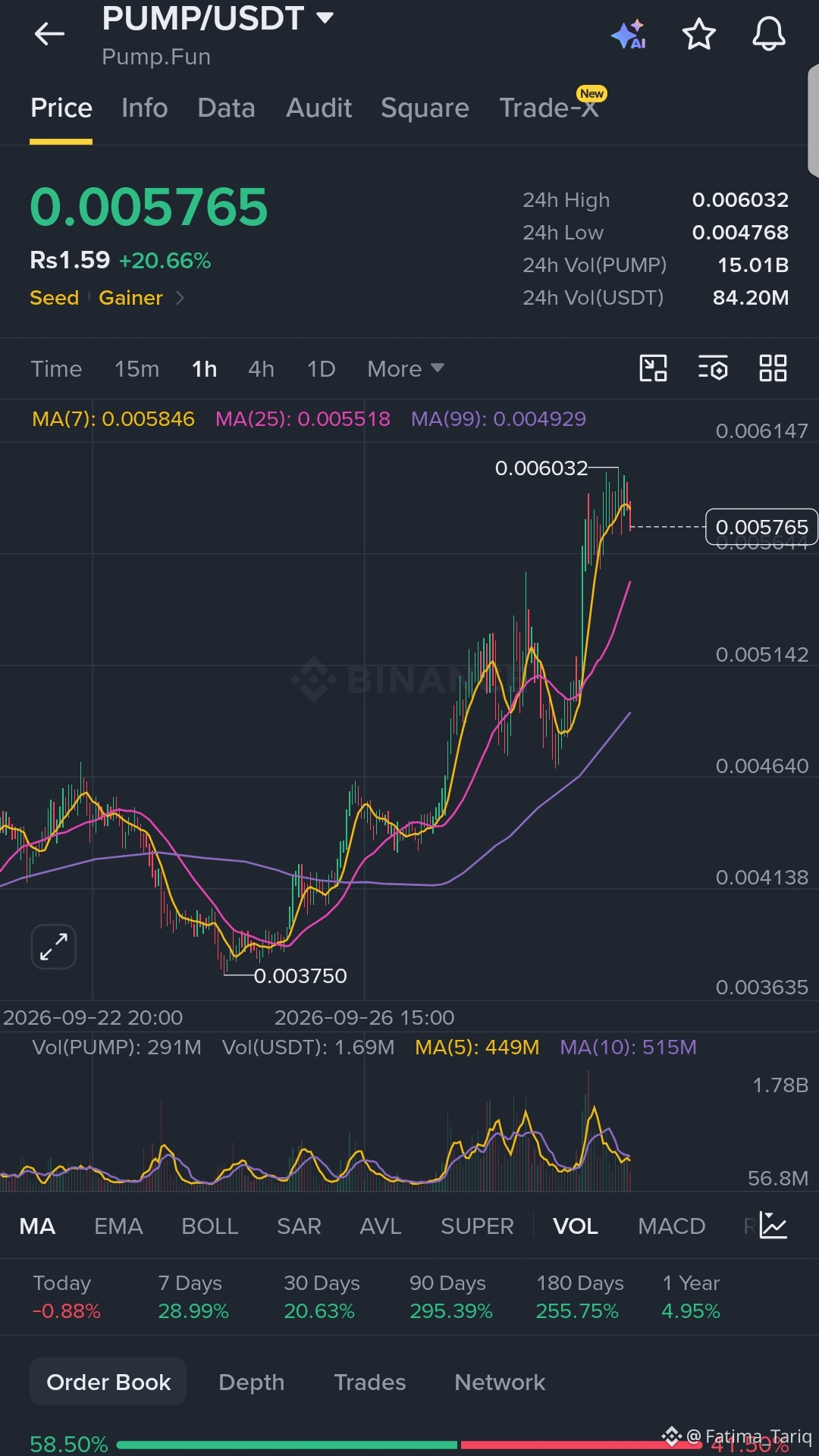
$PUMP $0.0055のレジスタンスが再び奪還され、価格がその上で推移しています。次の水準:$0.0065 → $0.007 → $0.008 → $0.009 → $0.01。SL:$0.0053。
{future}(PUMPUSDT)
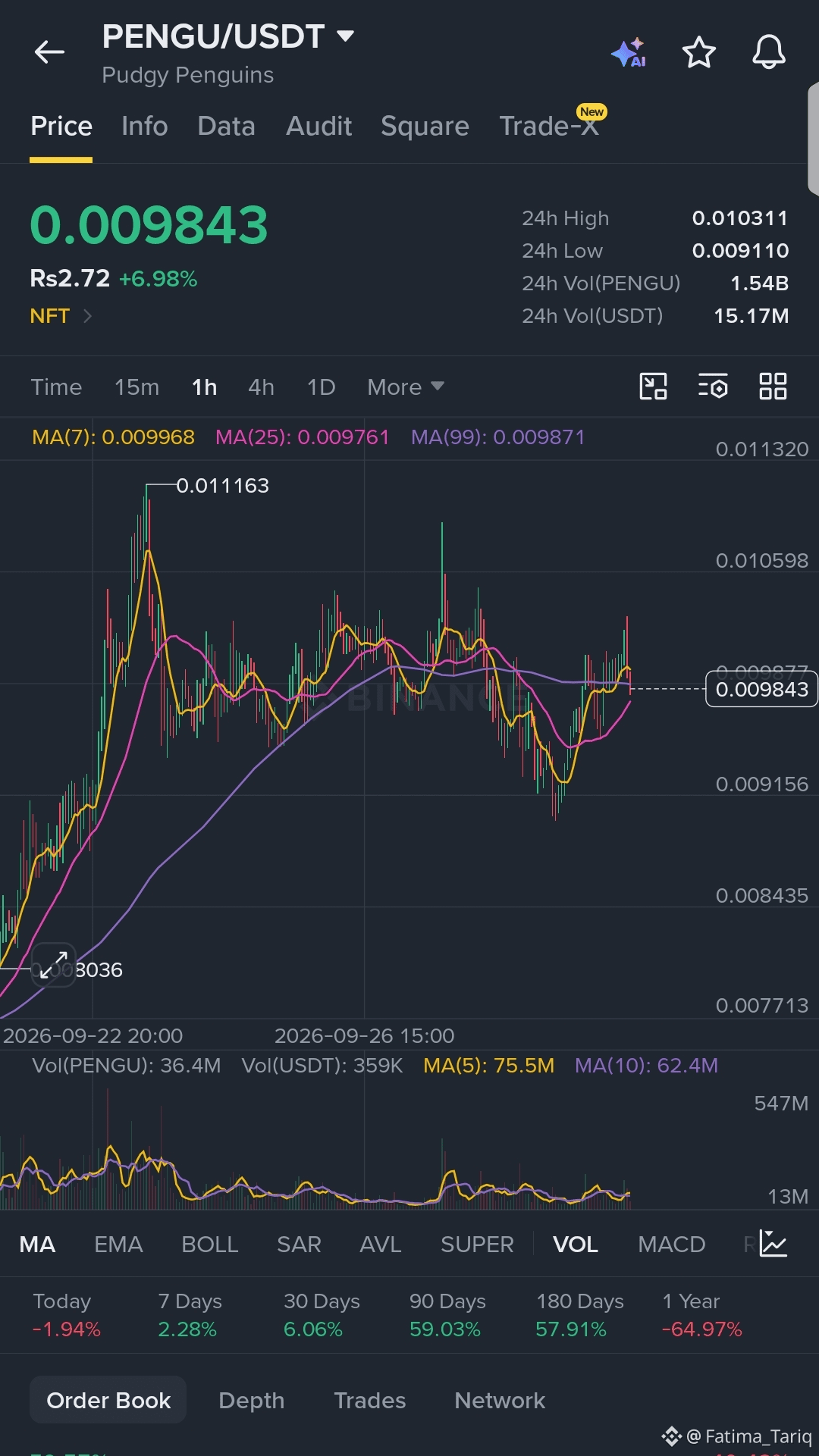
$PENGU $0.0106の再テストが重なり、圧力が蓄積されています。綺麗なブレイクアウトなら、$0.011 → $0.012 → $0.013 → $0.014 → $0.016を狙えます。SL:$0.0092。
{future}(PENGUUSDT)
3つのチャート、3つの異なる構造。確認を待っていて、ローソク足を追いかけてはいません。
これは金融アドバイスではありません。常に自己判断で(DYOR)。
#QNT #pump #PENGU
#LearnWithFatima #EarningsSeason
今、3つのセットアップを注意深く見ています 👀
$QNT 安く買って、より高く売る。$270〜$280のゾーンを維持できれば、$300、$330、$360、$400、そして場合によっては$500への道が開ける可能性があります。無効ライン(Invalidation):$252。
$PUMP $0.0055のレジスタンスが再び奪還され、価格がその上で推移しています。次の水準:$0.0065 → $0.007 → $0.008 → $0.009 → $0.01。SL:$0.0053。
$PENGU $0.0106の再テストが重なり、圧力が蓄積されています。綺麗なブレイクアウトなら、$0.011 → $0.012 → $0.013 → $0.014 → $0.016を狙えます。SL:$0.0092。
3つのチャート、3つの異なる構造。確認を待っていて、ローソク足を追いかけてはいません。
これは金融アドバイスではありません。常に自己判断で(DYOR)。
#QNT #pump #PENGU
#LearnWithFatima #EarningsSeason
$QNT 安く買って、より高く売る。$270〜$280のゾーンを維持できれば、$300、$330、$360、$400、そして場合によっては$500への道が開ける可能性があります。無効ライン(Invalidation):$252。
$PUMP $0.0055のレジスタンスが再び奪還され、価格がその上で推移しています。次の水準:$0.0065 → $0.007 → $0.008 → $0.009 → $0.01。SL:$0.0053。
$PENGU $0.0106の再テストが重なり、圧力が蓄積されています。綺麗なブレイクアウトなら、$0.011 → $0.012 → $0.013 → $0.014 → $0.016を狙えます。SL:$0.0092。
3つのチャート、3つの異なる構造。確認を待っていて、ローソク足を追いかけてはいません。
これは金融アドバイスではありません。常に自己判断で(DYOR)。
#QNT #pump #PENGU
#LearnWithFatima #EarningsSeason
206 Atlas:
QNT’s 25% pump invalidates the $270 support thesis. Chasing momentum after such a move is risky without a pullback.
2
2
1.2k
·
--
本人確認中
#EarningsSeason | $MU : 売上総利益率86%テスト
マイクロンの9月30日付け2026会計年度 第4四半期(Q4)の決算は、単に予想を上回るかどうかという話以上に、現在のメモリ・スーパーサイクルがもう一段の大きなステップアップを支えられるかが焦点です。
マイクロンは第3四半期に売上高41.46Bドルを計上し、第2四半期の23.86Bドルから大幅に増加しました。売上総利益率はおよそ84.6%に達しています。Q4について経営陣は、売上高50Bドル±1Bドル、売上総利益率約86%、非GAAP EPS(1株当たり利益)31±1ドルとガイダンスしました。
このガイダンス自体が非常に高いハードルです。
41.46Bドル → 50Bドル 売上高
約20.6%の四半期比成長
約84.6% → 約86% 売上総利益率
約+1.4ポイント
より大きな論点はHBMとAIインフラです。マイクロンは、HBM4が主要顧客向けにすでに量産出荷(ハイボリューム・シッピング)に入っていると述べています。一方、HBM4Eは開発中で、2027年に量産が見込まれています。
供給の見通しも重要です。サムスンは本日、HBMが来年の世界的なDRAMウエハー生産能力のほぼ30%を占める可能性があると述べました。これは現状の約20%からの増加です。HBMと標準DRAMは同じウエハー生産能力を使うため、HBM向けの配分が大きくなると、従来型DRAMの供給が引き締まりやすくなります。
したがって私の取引プランはシンプルです。私は決算直後の最初のローソク足は追いません。次の3点がそろうのを見たいのです。
1️⃣ 売上高:$MU は50Bドルのガイダンスを「上回る」のか、それとも「単に満たす」だけなのか?
2️⃣ 利益率:マイクロンは実際に約86%の目標を維持、あるいは上回れるのか?
3️⃣ FY2027の見通し:経営陣は、AI/HBM需要と価格の強さが継続することを示しているか?
決算が上振れしても、FY2027のコメントで利益率への圧力が示されるなら、見出しの数字だけでは全体像がわからないかもしれません。
私にとって本当の問いは、「マイクロンが好調な四半期を迎えるかどうか」ではありません。
それは、
メモリ・スーパーサイクルが次の局面に入っても、売上総利益率86%超の環境が持続可能になるのか?
それが、私が$MU のポジション調整をする前に注視するポイントです。
#EarningsSeason #LearnWithFatima
マイクロンがQ4の売上高50Bドルに対し、約86%の売上総利益率を見込んでいる中で、競争と設備増強にもかかわらず、HBM需要とタイトなDRAM供給はFY2027を通じて86%超の利益率を維持できるのか?
#EarningsSeason | $MU : 売上総利益率86%テスト
マイクロンの9月30日付け2026会計年度 第4四半期(Q4)の決算は、単に予想を上回るかどうかという話以上に、現在のメモリ・スーパーサイクルがもう一段の大きなステップアップを支えられるかが焦点です。
マイクロンは第3四半期に売上高41.46Bドルを計上し、第2四半期の23.86Bドルから大幅に増加しました。売上総利益率はおよそ84.6%に達しています。Q4について経営陣は、売上高50Bドル±1Bドル、売上総利益率約86%、非GAAP EPS(1株当たり利益)31±1ドルとガイダンスしました。
このガイダンス自体が非常に高いハードルです。
41.46Bドル → 50Bドル 売上高
約20.6%の四半期比成長
約84.6% → 約86% 売上総利益率
約+1.4ポイント
より大きな論点はHBMとAIインフラです。マイクロンは、HBM4が主要顧客向けにすでに量産出荷(ハイボリューム・シッピング)に入っていると述べています。一方、HBM4Eは開発中で、2027年に量産が見込まれています。
供給の見通しも重要です。サムスンは本日、HBMが来年の世界的なDRAMウエハー生産能力のほぼ30%を占める可能性があると述べました。これは現状の約20%からの増加です。HBMと標準DRAMは同じウエハー生産能力を使うため、HBM向けの配分が大きくなると、従来型DRAMの供給が引き締まりやすくなります。
したがって私の取引プランはシンプルです。私は決算直後の最初のローソク足は追いません。次の3点がそろうのを見たいのです。
1️⃣ 売上高:$MU は50Bドルのガイダンスを「上回る」のか、それとも「単に満たす」だけなのか?
2️⃣ 利益率:マイクロンは実際に約86%の目標を維持、あるいは上回れるのか?
3️⃣ FY2027の見通し:経営陣は、AI/HBM需要と価格の強さが継続することを示しているか?
決算が上振れしても、FY2027のコメントで利益率への圧力が示されるなら、見出しの数字だけでは全体像がわからないかもしれません。
私にとって本当の問いは、「マイクロンが好調な四半期を迎えるかどうか」ではありません。
それは、
メモリ・スーパーサイクルが次の局面に入っても、売上総利益率86%超の環境が持続可能になるのか?
それが、私が$MU のポジション調整をする前に注視するポイントです。
#EarningsSeason #LearnWithFatima
マイクロンがQ4の売上高50Bドルに対し、約86%の売上総利益率を見込んでいる中で、競争と設備増強にもかかわらず、HBM需要とタイトなDRAM供給はFY2027を通じて86%超の利益率を維持できるのか?
マイクロンの9月30日付け2026会計年度 第4四半期(Q4)の決算は、単に予想を上回るかどうかという話以上に、現在のメモリ・スーパーサイクルがもう一段の大きなステップアップを支えられるかが焦点です。
マイクロンは第3四半期に売上高41.46Bドルを計上し、第2四半期の23.86Bドルから大幅に増加しました。売上総利益率はおよそ84.6%に達しています。Q4について経営陣は、売上高50Bドル±1Bドル、売上総利益率約86%、非GAAP EPS(1株当たり利益)31±1ドルとガイダンスしました。
このガイダンス自体が非常に高いハードルです。
41.46Bドル → 50Bドル 売上高
約20.6%の四半期比成長
約84.6% → 約86% 売上総利益率
約+1.4ポイント
より大きな論点はHBMとAIインフラです。マイクロンは、HBM4が主要顧客向けにすでに量産出荷(ハイボリューム・シッピング)に入っていると述べています。一方、HBM4Eは開発中で、2027年に量産が見込まれています。
供給の見通しも重要です。サムスンは本日、HBMが来年の世界的なDRAMウエハー生産能力のほぼ30%を占める可能性があると述べました。これは現状の約20%からの増加です。HBMと標準DRAMは同じウエハー生産能力を使うため、HBM向けの配分が大きくなると、従来型DRAMの供給が引き締まりやすくなります。
したがって私の取引プランはシンプルです。私は決算直後の最初のローソク足は追いません。次の3点がそろうのを見たいのです。
1️⃣ 売上高:$MU は50Bドルのガイダンスを「上回る」のか、それとも「単に満たす」だけなのか?
2️⃣ 利益率:マイクロンは実際に約86%の目標を維持、あるいは上回れるのか?
3️⃣ FY2027の見通し:経営陣は、AI/HBM需要と価格の強さが継続することを示しているか?
決算が上振れしても、FY2027のコメントで利益率への圧力が示されるなら、見出しの数字だけでは全体像がわからないかもしれません。
私にとって本当の問いは、「マイクロンが好調な四半期を迎えるかどうか」ではありません。
それは、
メモリ・スーパーサイクルが次の局面に入っても、売上総利益率86%超の環境が持続可能になるのか?
それが、私が$MU のポジション調整をする前に注視するポイントです。
#EarningsSeason #LearnWithFatima
マイクロンがQ4の売上高50Bドルに対し、約86%の売上総利益率を見込んでいる中で、競争と設備増強にもかかわらず、HBM需要とタイトなDRAM供給はFY2027を通じて86%超の利益率を維持できるのか?
🟢 A. Strong HBM
50%
🟡 B. Margin Normalizes
10%
🔴 C. Supply Pressure
30%
⚪ D. Unclear Outlook
10%
10 投票 • 投票は終了しました
9
3.7k
·
--
弱気相場
私は、最初期の大きなトレード損失のひとつを今でも覚えています。
それは$PEPE で、損失は約1,200ドルでした。
この話が違うのは、最高値を追いかけていなかったことです。私は、良いエントリーだと考えられるところを実際に取れたと思っていました。市場構造は有望に見え、モメンタムも強く、その時点ではそのトレードは私にとって理にかなっていました。
そして10月が来ました。
$PEPE は突然で攻撃的な急落を起こし、私が想定していたよりもずっと速いスピードでポジションに逆行してきました。自信を持っていたトレードが、巨大な損失へと変わったのです。
そのとき、以前は十分に理解できていなかったことを学びました。
良いエントリーは、トレードがうまくいかない可能性を排除するわけではない。
私は、どこに入るべきかを考える時間を、もし市場が突然逆に動いたら自分が何をするのかを考える時間よりも多く費やしていました。
損失は、単に$PEPE の話ではありません。
それは、ポジションサイズ、無効化(インバリデーション)、リスク管理、そして明確なイグジットプランを持つことがどれほど重要かを教えてくれました。
そのトレードの前は、正しいエントリーを見つけることがトレードで最も難しい部分だと思っていました。
約1,200ドルを失ってからは、もっと難しいのは、自分が間違っていたときにどれくらいまで損失を許容するかを知ることだと気づきました。
私は今もトレードしています。相変わらずミスもします。でも、以前ほど「どんなに強く見えるセットアップでも同じように」見なくなりました。
暗号資産は、今日完璧に見えるエントリーを与えてくれたとしても、明日には市場の状況を完全に変えてしまうことがあるからです。
あの1,200ドルの損失は、その時は痛かったです。
でも、それは私が得た最も重要なトレードの学びのひとつになりました。
市場は単に1,200ドルを奪っただけではありません。
私が備えていなかったことを教えてくれました。
#LearnWithFatima
{spot}(PEPEUSDT)
私は、最初期の大きなトレード損失のひとつを今でも覚えています。
それは$PEPE で、損失は約1,200ドルでした。
この話が違うのは、最高値を追いかけていなかったことです。私は、良いエントリーだと考えられるところを実際に取れたと思っていました。市場構造は有望に見え、モメンタムも強く、その時点ではそのトレードは私にとって理にかなっていました。
そして10月が来ました。
$PEPE は突然で攻撃的な急落を起こし、私が想定していたよりもずっと速いスピードでポジションに逆行してきました。自信を持っていたトレードが、巨大な損失へと変わったのです。
そのとき、以前は十分に理解できていなかったことを学びました。
良いエントリーは、トレードがうまくいかない可能性を排除するわけではない。
私は、どこに入るべきかを考える時間を、もし市場が突然逆に動いたら自分が何をするのかを考える時間よりも多く費やしていました。
損失は、単に$PEPE の話ではありません。
それは、ポジションサイズ、無効化(インバリデーション)、リスク管理、そして明確なイグジットプランを持つことがどれほど重要かを教えてくれました。
そのトレードの前は、正しいエントリーを見つけることがトレードで最も難しい部分だと思っていました。
約1,200ドルを失ってからは、もっと難しいのは、自分が間違っていたときにどれくらいまで損失を許容するかを知ることだと気づきました。
私は今もトレードしています。相変わらずミスもします。でも、以前ほど「どんなに強く見えるセットアップでも同じように」見なくなりました。
暗号資産は、今日完璧に見えるエントリーを与えてくれたとしても、明日には市場の状況を完全に変えてしまうことがあるからです。
あの1,200ドルの損失は、その時は痛かったです。
でも、それは私が得た最も重要なトレードの学びのひとつになりました。
市場は単に1,200ドルを奪っただけではありません。
私が備えていなかったことを教えてくれました。
#LearnWithFatima
それは$PEPE で、損失は約1,200ドルでした。
この話が違うのは、最高値を追いかけていなかったことです。私は、良いエントリーだと考えられるところを実際に取れたと思っていました。市場構造は有望に見え、モメンタムも強く、その時点ではそのトレードは私にとって理にかなっていました。
そして10月が来ました。
$PEPE は突然で攻撃的な急落を起こし、私が想定していたよりもずっと速いスピードでポジションに逆行してきました。自信を持っていたトレードが、巨大な損失へと変わったのです。
そのとき、以前は十分に理解できていなかったことを学びました。
良いエントリーは、トレードがうまくいかない可能性を排除するわけではない。
私は、どこに入るべきかを考える時間を、もし市場が突然逆に動いたら自分が何をするのかを考える時間よりも多く費やしていました。
損失は、単に$PEPE の話ではありません。
それは、ポジションサイズ、無効化(インバリデーション)、リスク管理、そして明確なイグジットプランを持つことがどれほど重要かを教えてくれました。
そのトレードの前は、正しいエントリーを見つけることがトレードで最も難しい部分だと思っていました。
約1,200ドルを失ってからは、もっと難しいのは、自分が間違っていたときにどれくらいまで損失を許容するかを知ることだと気づきました。
私は今もトレードしています。相変わらずミスもします。でも、以前ほど「どんなに強く見えるセットアップでも同じように」見なくなりました。
暗号資産は、今日完璧に見えるエントリーを与えてくれたとしても、明日には市場の状況を完全に変えてしまうことがあるからです。
あの1,200ドルの損失は、その時は痛かったです。
でも、それは私が得た最も重要なトレードの学びのひとつになりました。
市場は単に1,200ドルを奪っただけではありません。
私が備えていなかったことを教えてくれました。
#LearnWithFatima


moma83:
Happy for you
6
11
3.5k
·
--
弱気相場
取引は常に利益を出すことではなく、全体としてのミスから学ぶことです
$XAU トレード更新!
$4,297でLONGを建てましたが、価格が約$4,288まで動いたため、エントリーがブレイクアウトの確定より先でした。
サポートレベルは現在$4,286奪回ゾーンが$4,291〜$4,297、そして$4,286を下回るとセットアップが弱くなります
レバレッジ20倍では、すぐに取り返そうとするよりもリスク管理のほうが重要です。ナンピンはしません。次の動きの前に確認待ちです。
これは金融アドバイスではありません。必ず自分で調べてください。
#XAU #LearnWithFatima
取引は常に利益を出すことではなく、全体としてのミスから学ぶことです
$XAU トレード更新!
$4,297でLONGを建てましたが、価格が約$4,288まで動いたため、エントリーがブレイクアウトの確定より先でした。
サポートレベルは現在$4,286奪回ゾーンが$4,291〜$4,297、そして$4,286を下回るとセットアップが弱くなります
レバレッジ20倍では、すぐに取り返そうとするよりもリスク管理のほうが重要です。ナンピンはしません。次の動きの前に確認待ちです。
これは金融アドバイスではありません。必ず自分で調べてください。
#XAU #LearnWithFatima
$XAU トレード更新!
$4,297でLONGを建てましたが、価格が約$4,288まで動いたため、エントリーがブレイクアウトの確定より先でした。
サポートレベルは現在$4,286奪回ゾーンが$4,291〜$4,297、そして$4,286を下回るとセットアップが弱くなります
レバレッジ20倍では、すぐに取り返そうとするよりもリスク管理のほうが重要です。ナンピンはしません。次の動きの前に確認待ちです。
これは金融アドバイスではありません。必ず自分で調べてください。
#XAU #LearnWithFatima

M Crypto expert:
Sister great learning! 🙏 Trading is about learning not just profit, well said! I also trade $XAU! Followed you sister, let's support each other! ❤️🚀 follow me back sister.
2
14
3k

·
--
#LearnWithFatima こんにちは、このキャンプに参加するにはどうすればよいですか?また、取引についてもっと知るにはどうしたらいいですか?
#LearnWithFatima こんにちは、このキャンプに参加するにはどうすればよいですか?また、取引についてもっと知るにはどうしたらいいですか?
81
·
--
親愛なる#LearnWithFatima ファミリー!
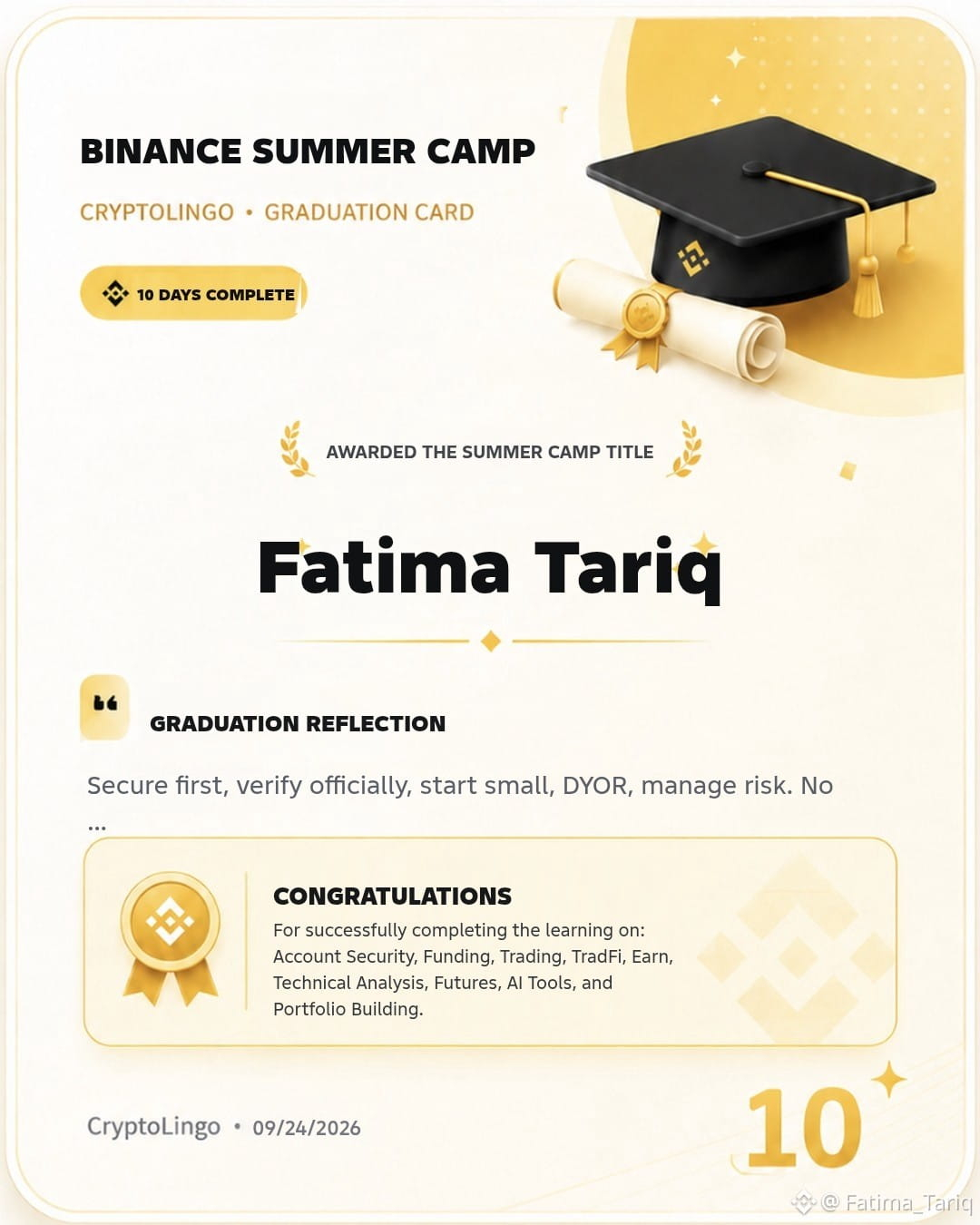
私はキャンプのMVPタイトルを主張します。
私が最も楽しんだのは、Day1から10がどのようにつながっていたかです:セキュリティ → 小さな実取引 → リスク管理 → マインドセット。誇大宣伝なし、ただ安全な習慣を作るだけ:最初に確保し、まず小さく始め、DYOR(自分で調べよう)、多くを見て取引は少なく。これで私はFOMOから、集中する自分へ変わりました。
#BinanceSummerCamp
10日間の旅全体が大好きです。
親愛なる#LearnWithFatima ファミリー!
私はキャンプのMVPタイトルを主張します。
私が最も楽しんだのは、Day1から10がどのようにつながっていたかです:セキュリティ → 小さな実取引 → リスク管理 → マインドセット。誇大宣伝なし、ただ安全な習慣を作るだけ:最初に確保し、まず小さく始め、DYOR(自分で調べよう)、多くを見て取引は少なく。これで私はFOMOから、集中する自分へ変わりました。
#BinanceSummerCamp
10日間の旅全体が大好きです。
私はキャンプのMVPタイトルを主張します。
私が最も楽しんだのは、Day1から10がどのようにつながっていたかです:セキュリティ → 小さな実取引 → リスク管理 → マインドセット。誇大宣伝なし、ただ安全な習慣を作るだけ:最初に確保し、まず小さく始め、DYOR(自分で調べよう)、多くを見て取引は少なく。これで私はFOMOから、集中する自分へ変わりました。
#BinanceSummerCamp
10日間の旅全体が大好きです。
S_R_Kiron:
tnx a lot
4
22
1.9k
·
--
ブリッシュ
アルハムドゥリッラー 😌!取引は運だけではありません。
ある1回の取引では運がよくても、運だけでは一貫性を築けません。
良い取引は、市場を理解し、リスクを管理し、感情をコントロールし、ポジションに入る前に計画を立てることで生まれます。
時には、最良の取引は取引しないことです。
勝っている取引は必ずしも良い判断だったとは限らず、負けている取引も必ずしも悪い判断だったとは限りません。
本当の目標は、悪い取引を生き残り、資本を守り、あなたの優位性が効いてくるまで規律を保つことです。
運は1つの取引に影響を与えることがあります。
プロセスが、何百もの取引の中で起きることを決めます。#LearnWithFatima
アルハムドゥリッラー 😌!取引は運だけではありません。
ある1回の取引では運がよくても、運だけでは一貫性を築けません。
良い取引は、市場を理解し、リスクを管理し、感情をコントロールし、ポジションに入る前に計画を立てることで生まれます。
時には、最良の取引は取引しないことです。
勝っている取引は必ずしも良い判断だったとは限らず、負けている取引も必ずしも悪い判断だったとは限りません。
本当の目標は、悪い取引を生き残り、資本を守り、あなたの優位性が効いてくるまで規律を保つことです。
運は1つの取引に影響を与えることがあります。
プロセスが、何百もの取引の中で起きることを決めます。#LearnWithFatima
ある1回の取引では運がよくても、運だけでは一貫性を築けません。
良い取引は、市場を理解し、リスクを管理し、感情をコントロールし、ポジションに入る前に計画を立てることで生まれます。
時には、最良の取引は取引しないことです。
勝っている取引は必ずしも良い判断だったとは限らず、負けている取引も必ずしも悪い判断だったとは限りません。
本当の目標は、悪い取引を生き残り、資本を守り、あなたの優位性が効いてくるまで規律を保つことです。
運は1つの取引に影響を与えることがあります。
プロセスが、何百もの取引の中で起きることを決めます。#LearnWithFatima
Hasnain Akbar :
Yes Dear Off course
20
55
13k
·
--
記事
Bitcoin Breaks $85K as Short Squeeze Meets a New Macro Testビットコインは9月21日に8万5,000ドルを超え、月内の最高値となる日中高値は約8万5,166ドルに達して、ここ数カ月で最も強い動きで週を迎えました。今回の上昇は、BTCが8万ドル〜8万2,000ドルの水準を取り戻したことの後に起き、また45週間ぶりに50週移動平均線を上回る初めての週次終値を達成したことに続きました。
重要な問題は、単にビットコインがこれ以上高値を維持できるかどうかではありません。BTCが大口保有者の供給ゾーンに入る中で、またマクロ環境が複雑なままである中、リラリー(上昇相場)がショートカバーから持続的なスポット需要へ移行できるかどうかです。
Bitcoin Breaks $85K as Short Squeeze Meets a New Macro Test
ビットコインは9月21日に8万5,000ドルを超え、月内の最高値となる日中高値は約8万5,166ドルに達して、ここ数カ月で最も強い動きで週を迎えました。今回の上昇は、BTCが8万ドル〜8万2,000ドルの水準を取り戻したことの後に起き、また45週間ぶりに50週移動平均線を上回る初めての週次終値を達成したことに続きました。
重要な問題は、単にビットコインがこれ以上高値を維持できるかどうかではありません。BTCが大口保有者の供給ゾーンに入る中で、またマクロ環境が複雑なままである中、リラリー(上昇相場)がショートカバーから持続的なスポット需要へ移行できるかどうかです。
重要な問題は、単にビットコインがこれ以上高値を維持できるかどうかではありません。BTCが大口保有者の供給ゾーンに入る中で、またマクロ環境が複雑なままである中、リラリー(上昇相場)がショートカバーから持続的なスポット需要へ移行できるかどうかです。
8
973
·
--
本人確認中
記事
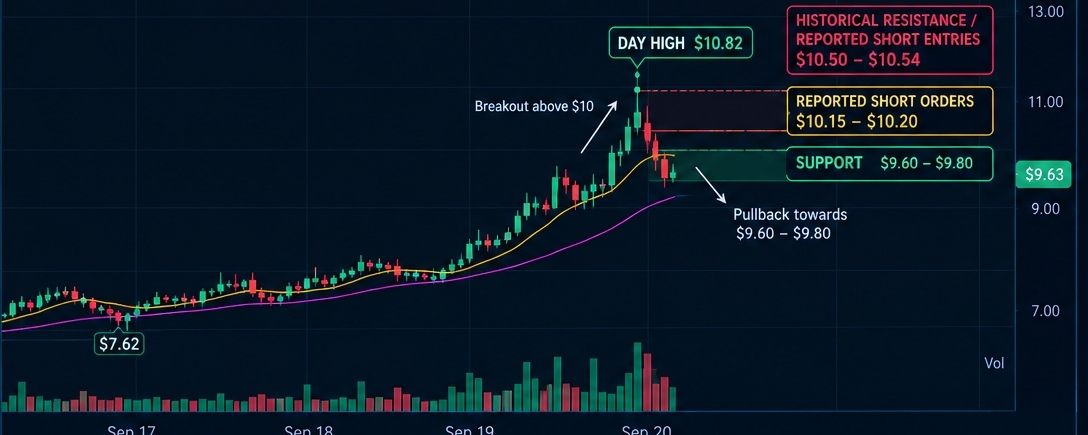
AVAX が $10 を上抜け、その後 $13.86M のショート・ウォールが出現AVAX は $10 を突破したが、その上には $13.86M のショート・ラダー(短期ポジションの壁)が待ち構えている。👀
$AVAX が 9 月に入って最も強い動きの一つを見せたが、オンチェーン上のポジショニングが今、興味深い局面になっている。
2026年9月20日、AVAX は一時的に約 $10.82 まで上昇した。今週は $7.2〜$8.3 付近で取引されていた後の動きだ。日次データによると、AVAX は 9月17日の $7.61 の終値 → 9月18日の $8.20 → 9月19日の $10.10 へと推移し、その後今日は押し戻された。
この動きは、9月22日に予定されているアバランチ(Avalanche)のヘリコン(Helicon)メインネット・アップグレードに先行して起きている。そこでは、最低ステーキング期間の短縮、自動更新されたステーキング、C-Chain における Continuous Execution などの変更が導入される。
AVAX が $10 を上抜け、その後 $13.86M のショート・ウォールが出現
AVAX は $10 を突破したが、その上には $13.86M のショート・ラダー(短期ポジションの壁)が待ち構えている。👀
$AVAX が 9 月に入って最も強い動きの一つを見せたが、オンチェーン上のポジショニングが今、興味深い局面になっている。
2026年9月20日、AVAX は一時的に約 $10.82 まで上昇した。今週は $7.2〜$8.3 付近で取引されていた後の動きだ。日次データによると、AVAX は 9月17日の $7.61 の終値 → 9月18日の $8.20 → 9月19日の $10.10 へと推移し、その後今日は押し戻された。
この動きは、9月22日に予定されているアバランチ(Avalanche)のヘリコン(Helicon)メインネット・アップグレードに先行して起きている。そこでは、最低ステーキング期間の短縮、自動更新されたステーキング、C-Chain における Continuous Execution などの変更が導入される。
$AVAX が 9 月に入って最も強い動きの一つを見せたが、オンチェーン上のポジショニングが今、興味深い局面になっている。
2026年9月20日、AVAX は一時的に約 $10.82 まで上昇した。今週は $7.2〜$8.3 付近で取引されていた後の動きだ。日次データによると、AVAX は 9月17日の $7.61 の終値 → 9月18日の $8.20 → 9月19日の $10.10 へと推移し、その後今日は押し戻された。
この動きは、9月22日に予定されているアバランチ(Avalanche)のヘリコン(Helicon)メインネット・アップグレードに先行して起きている。そこでは、最低ステーキング期間の短縮、自動更新されたステーキング、C-Chain における Continuous Execution などの変更が導入される。
3
8
3.3k
·
--
記事
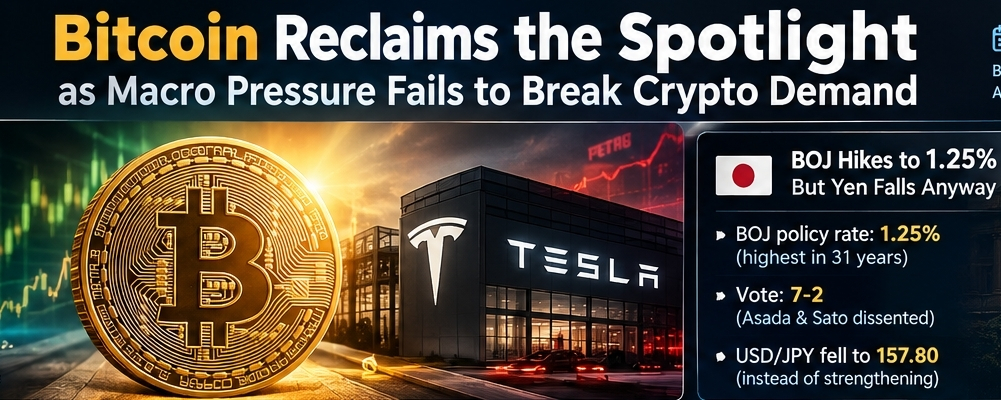
マクロ圧力がクリプト需要を崩せず、ビットコインが再び注目の的に暗号資産市場は、マクロの見出しが示唆していた状況とはまったく異なる形で週末を迎えている。
2026年9月19日、ビットコインの時価総額が1.63兆ドルを上回り、テスラの約1.438兆ドルの時価総額を約1,900億ドル上回って約1910億ドルの差をつけ、ビットコインを世界のトップ層の資産に押し戻した。BTCはまた、米国の利上げ、日銀の利上げ、原油価格の上昇、そして米国の暗号資産(クリプト)関連の法案に対するもう一つの逆風があった1週間にもかかわらず、過去24時間で約5%上昇した。
マクロ圧力がクリプト需要を崩せず、ビットコインが再び注目の的に
暗号資産市場は、マクロの見出しが示唆していた状況とはまったく異なる形で週末を迎えている。
2026年9月19日、ビットコインの時価総額が1.63兆ドルを上回り、テスラの約1.438兆ドルの時価総額を約1,900億ドル上回って約1910億ドルの差をつけ、ビットコインを世界のトップ層の資産に押し戻した。BTCはまた、米国の利上げ、日銀の利上げ、原油価格の上昇、そして米国の暗号資産(クリプト)関連の法案に対するもう一つの逆風があった1週間にもかかわらず、過去24時間で約5%上昇した。
2026年9月19日、ビットコインの時価総額が1.63兆ドルを上回り、テスラの約1.438兆ドルの時価総額を約1,900億ドル上回って約1910億ドルの差をつけ、ビットコインを世界のトップ層の資産に押し戻した。BTCはまた、米国の利上げ、日銀の利上げ、原油価格の上昇、そして米国の暗号資産(クリプト)関連の法案に対するもう一つの逆風があった1週間にもかかわらず、過去24時間で約5%上昇した。
4
17
6.5k
·
--
Fatima_Tariq
·
--
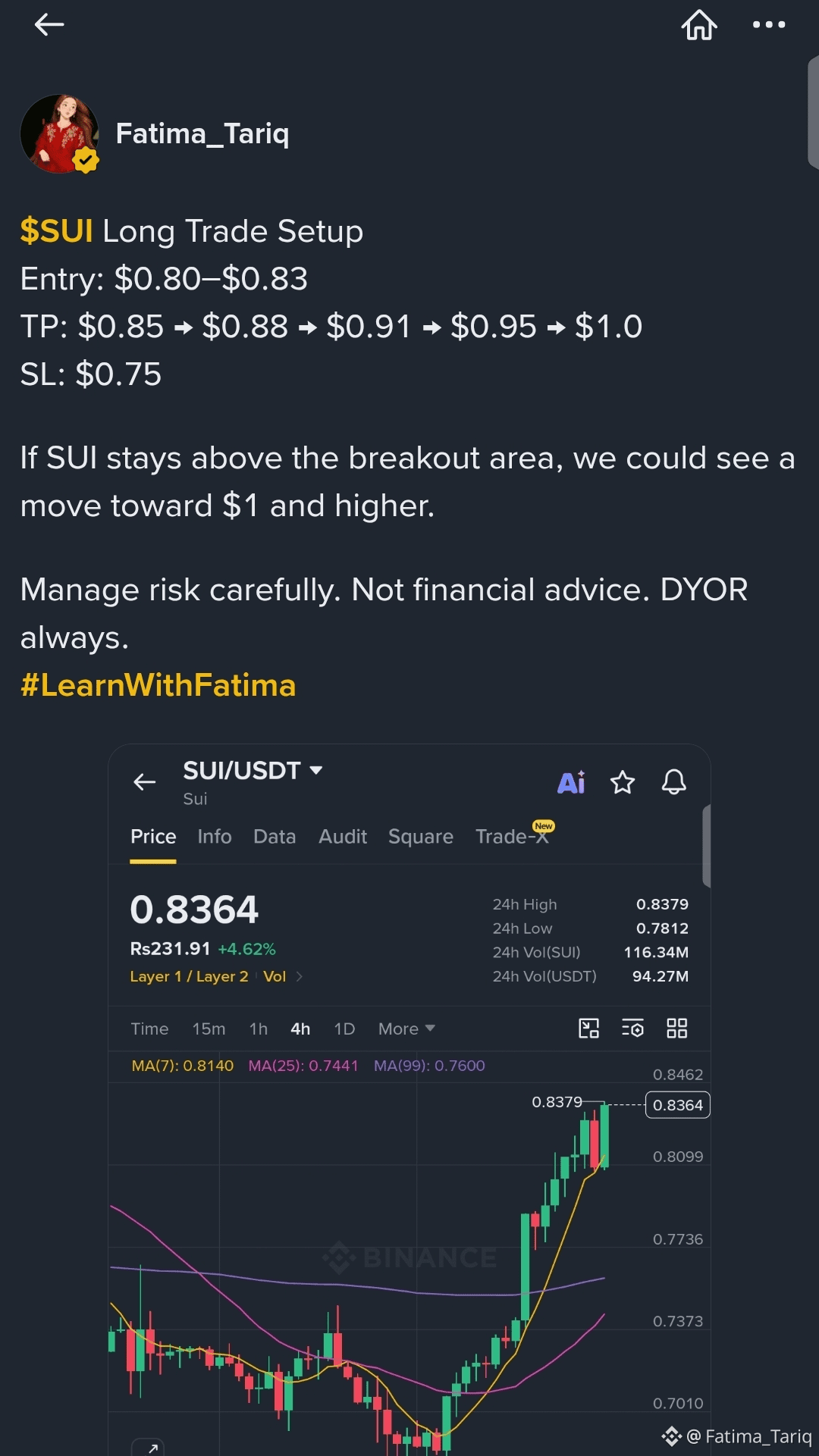
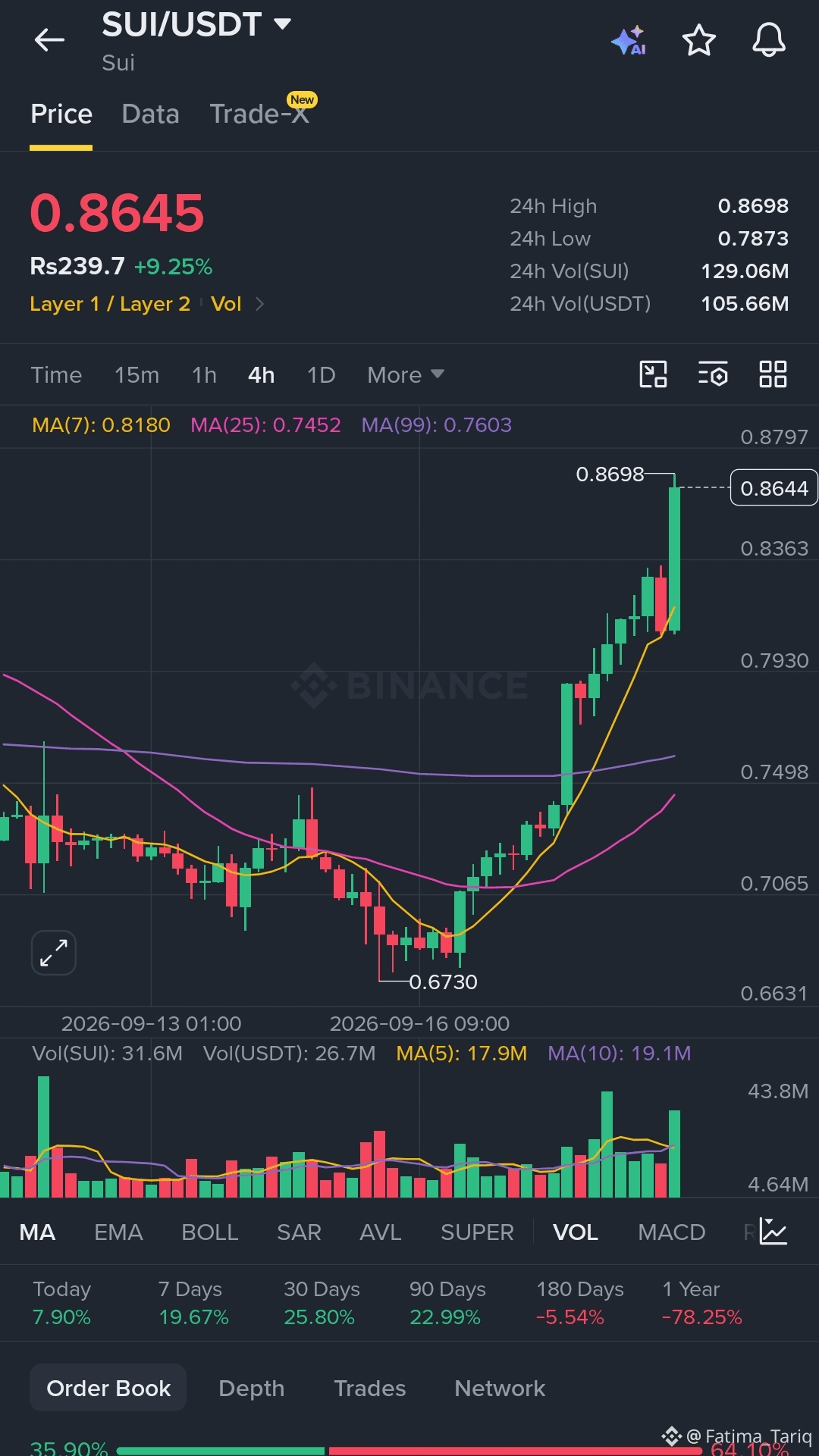
ブリッシュ$SUI ロング・トレード・セットアップ
エントリー: $0.80–$0.83
TP: $0.85 → $0.88 → $0.91 → $0.95 → $1.0
SL: $0.75
SUIがブレイクアウト・エリアの上にとどまるなら、$1およびそれ以上に向かう動きが見られるかもしれません。
リスク管理は慎重に。投資助言ではありません。DYOR(必ず自己調査)を常に。
#LearnWithFatima
エントリー: $0.80–$0.83
TP: $0.85 → $0.88 → $0.91 → $0.95 → $1.0
SL: $0.75
SUIがブレイクアウト・エリアの上にとどまるなら、$1およびそれ以上に向かう動きが見られるかもしれません。
リスク管理は慎重に。投資助言ではありません。DYOR(必ず自己調査)を常に。
#LearnWithFatima
4
336
·
--
ブリッシュ
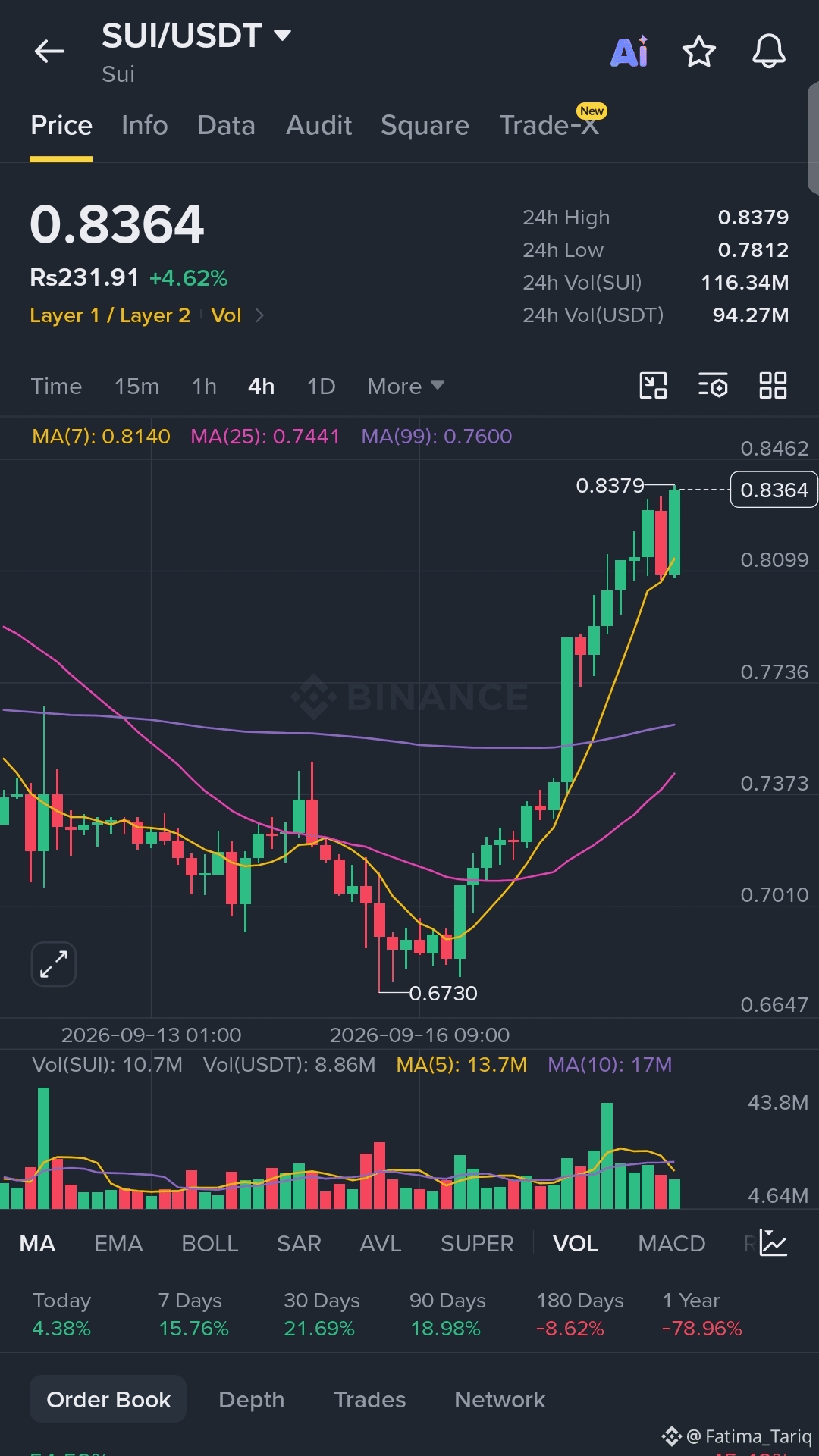
$SUI ロング・トレード・セットアップ
{future}(SUIUSDT)
エントリー: $0.80–$0.83
TP: $0.85 → $0.88 → $0.91 → $0.95 → $1.0
SL: $0.75
SUIがブレイクアウト・エリアの上にとどまるなら、$1およびそれ以上に向かう動きが見られるかもしれません。
リスク管理は慎重に。投資助言ではありません。DYOR(必ず自己調査)を常に。
#LearnWithFatima
$SUI ロング・トレード・セットアップ
エントリー: $0.80–$0.83
TP: $0.85 → $0.88 → $0.91 → $0.95 → $1.0
SL: $0.75
SUIがブレイクアウト・エリアの上にとどまるなら、$1およびそれ以上に向かう動きが見られるかもしれません。
リスク管理は慎重に。投資助言ではありません。DYOR(必ず自己調査)を常に。
#LearnWithFatima
エントリー: $0.80–$0.83
TP: $0.85 → $0.88 → $0.91 → $0.95 → $1.0
SL: $0.75
SUIがブレイクアウト・エリアの上にとどまるなら、$1およびそれ以上に向かう動きが見られるかもしれません。
リスク管理は慎重に。投資助言ではありません。DYOR(必ず自己調査)を常に。
#LearnWithFatima
1
6
876
·
--
ブリッシュ
$TAO Long Trade setup
{future}(TAOUSDT)
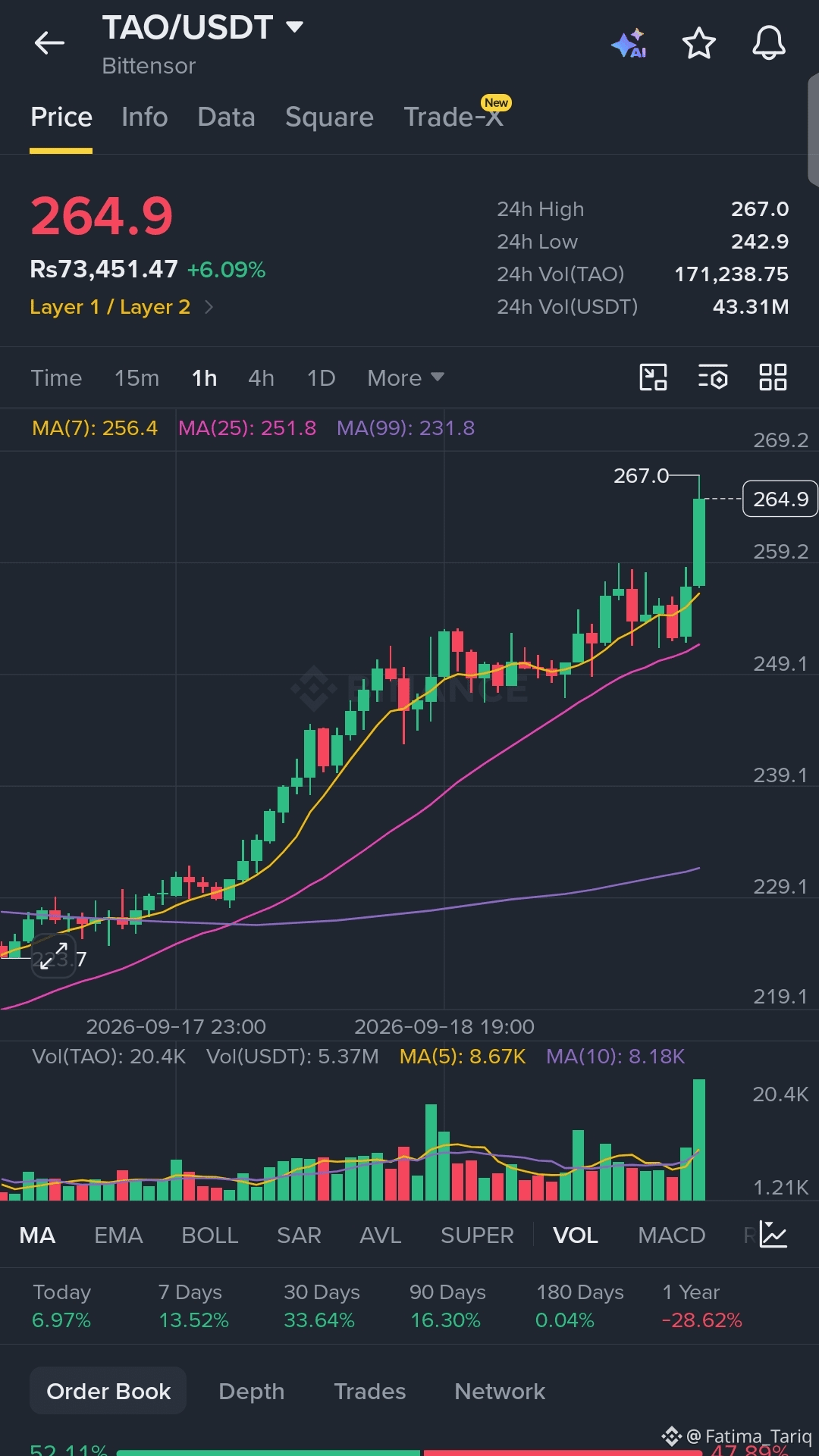
$TAO は、高値切り上げ・安値切り上げの上昇トレンドを維持しており、価格は主要な移動平均線の上にあります。私はエントリーとして$260–$270ゾーンを注視しています。
主要レベルは$290のレジスタンスです。$290を明確にブレイクして上抜け維持できれば、次のような展開が考えられます:
TP1: $279, TP2: $328 ,TP3: $399,
TP4: $399, TP5: $480 , SL: $238 .
私にとって重要な確認は、$290を出来高を伴って上回る強さです。もしそのレベルをブレイクし、維持できれば、構造はさらに上方向へ拡大していく可能性があります。
投資助言ではありません。常に自己判断(DYOR)してください。
#LearnWithFatima
$TAO Long Trade setup
$TAO は、高値切り上げ・安値切り上げの上昇トレンドを維持しており、価格は主要な移動平均線の上にあります。私はエントリーとして$260–$270ゾーンを注視しています。
主要レベルは$290のレジスタンスです。$290を明確にブレイクして上抜け維持できれば、次のような展開が考えられます:
TP1: $279, TP2: $328 ,TP3: $399,
TP4: $399, TP5: $480 , SL: $238 .
私にとって重要な確認は、$290を出来高を伴って上回る強さです。もしそのレベルをブレイクし、維持できれば、構造はさらに上方向へ拡大していく可能性があります。
投資助言ではありません。常に自己判断(DYOR)してください。
#LearnWithFatima
$TAO は、高値切り上げ・安値切り上げの上昇トレンドを維持しており、価格は主要な移動平均線の上にあります。私はエントリーとして$260–$270ゾーンを注視しています。
主要レベルは$290のレジスタンスです。$290を明確にブレイクして上抜け維持できれば、次のような展開が考えられます:
TP1: $279, TP2: $328 ,TP3: $399,
TP4: $399, TP5: $480 , SL: $238 .
私にとって重要な確認は、$290を出来高を伴って上回る強さです。もしそのレベルをブレイクし、維持できれば、構造はさらに上方向へ拡大していく可能性があります。
投資助言ではありません。常に自己判断(DYOR)してください。
#LearnWithFatima

2
5
406

·
--
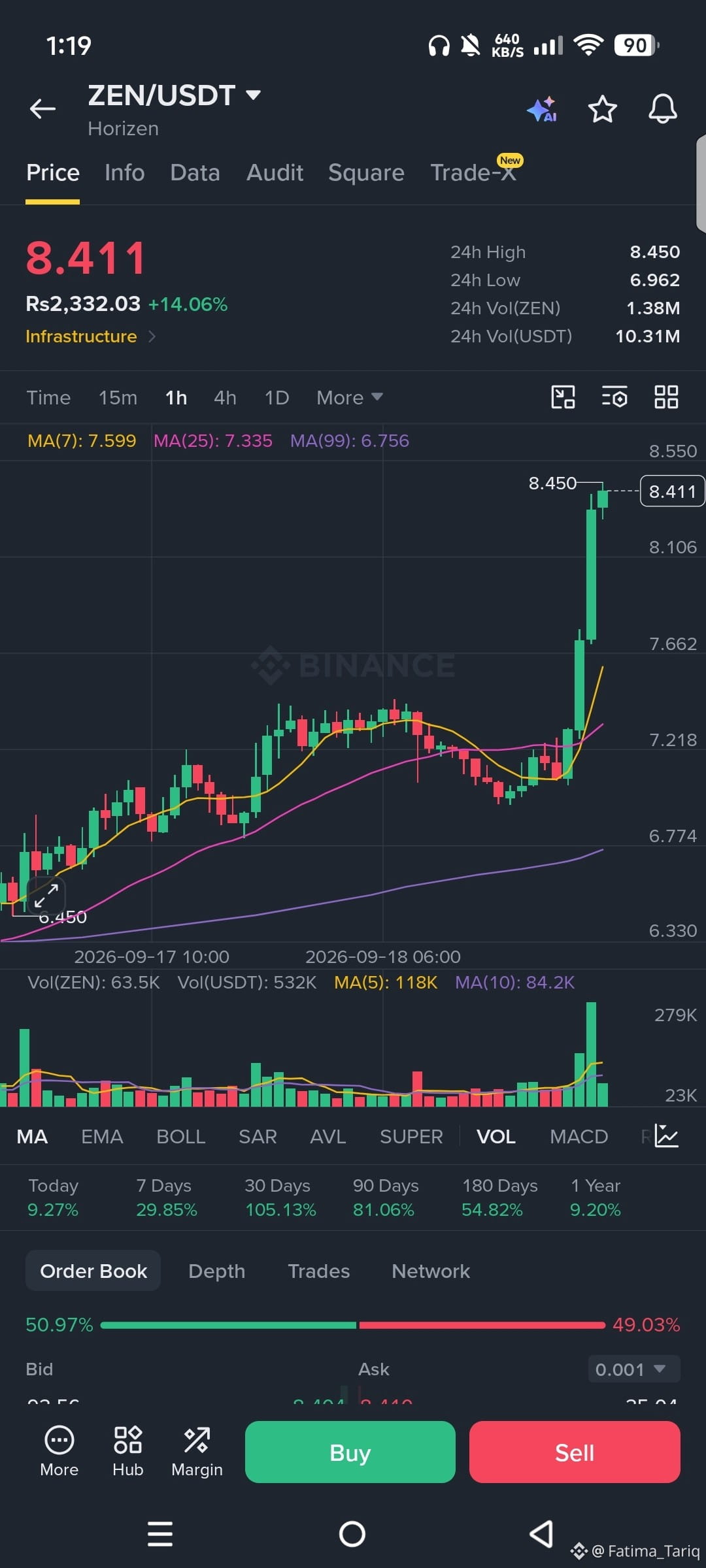
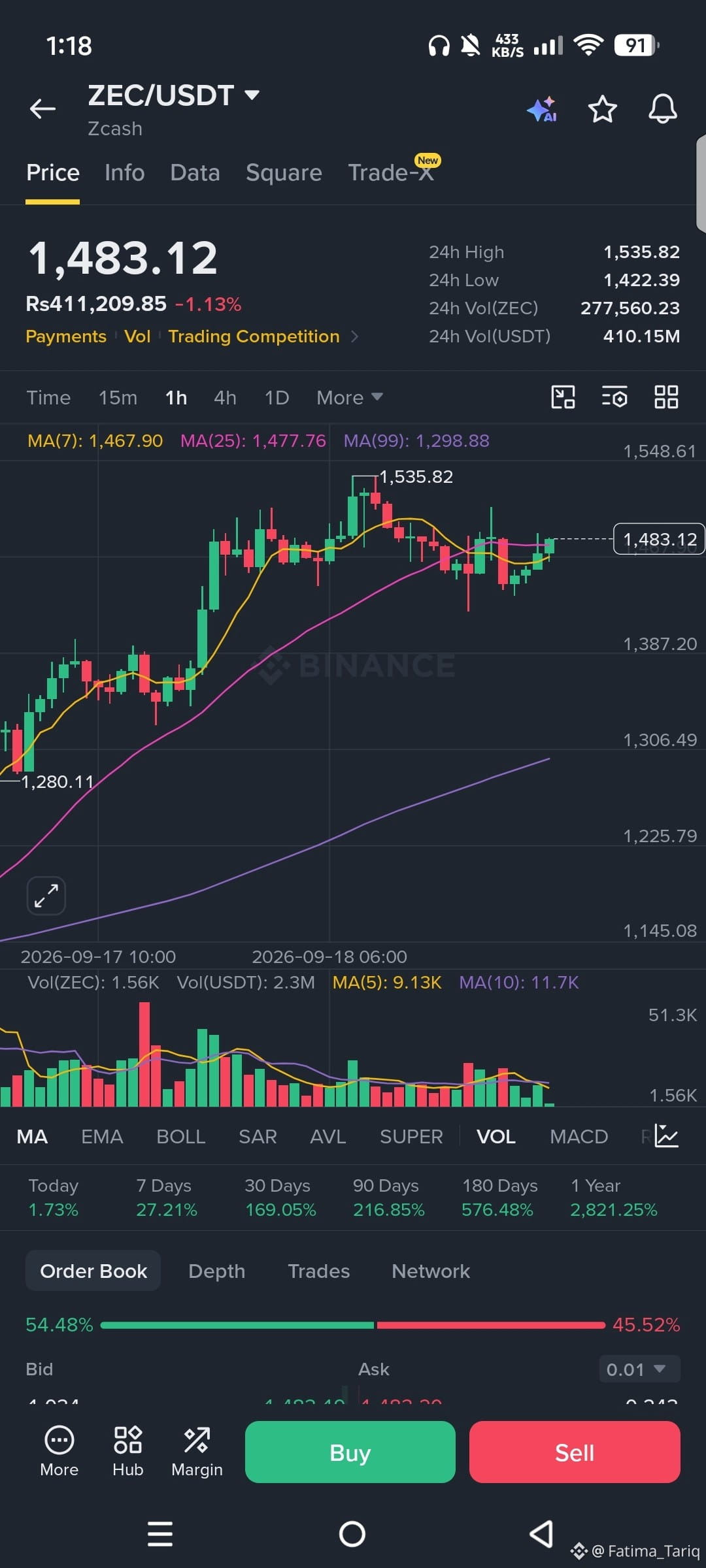
予測通り、$ZEC と$ZEN はいずれも展開しました。🎯
TP(テイクプロフィット)は無事にヒットし、その過程で追加の利益も計上できました。#LearnWithFatima ファミリーの皆さんが利益を確保でき、そして安全に撤退できたことを願っています。
金融助言ではありません。
必ずDYOR(自己調査)し、リスク管理をしてください。
{future}(ZECUSDT)
{spot}(ZENUSDT)
予測通り、$ZEC と$ZEN はいずれも展開しました。🎯
TP(テイクプロフィット)は無事にヒットし、その過程で追加の利益も計上できました。#LearnWithFatima ファミリーの皆さんが利益を確保でき、そして安全に撤退できたことを願っています。
金融助言ではありません。
必ずDYOR(自己調査)し、リスク管理をしてください。
TP(テイクプロフィット)は無事にヒットし、その過程で追加の利益も計上できました。#LearnWithFatima ファミリーの皆さんが利益を確保でき、そして安全に撤退できたことを願っています。
金融助言ではありません。
必ずDYOR(自己調査)し、リスク管理をしてください。
Fatima_Tariq
·
--
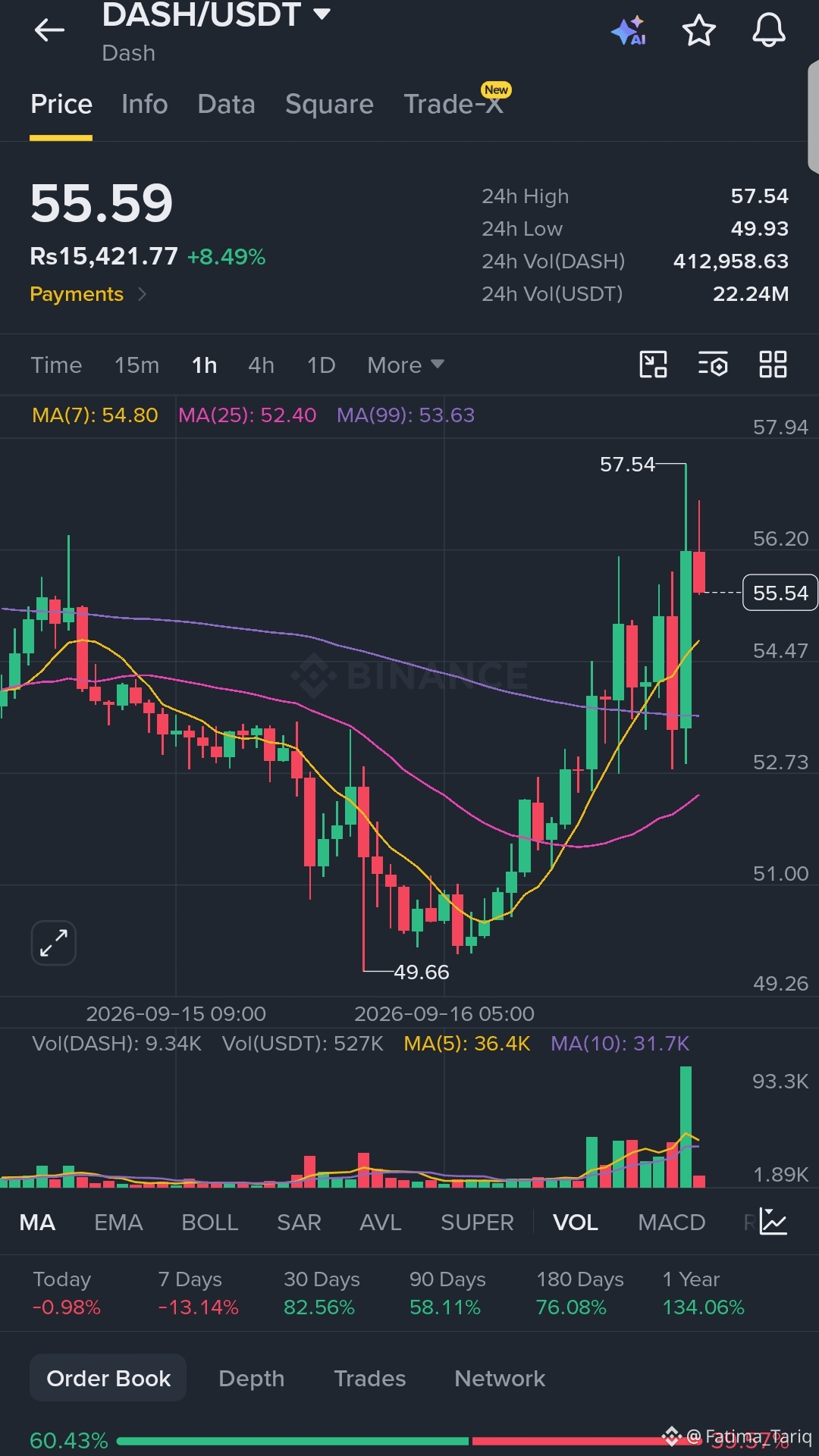
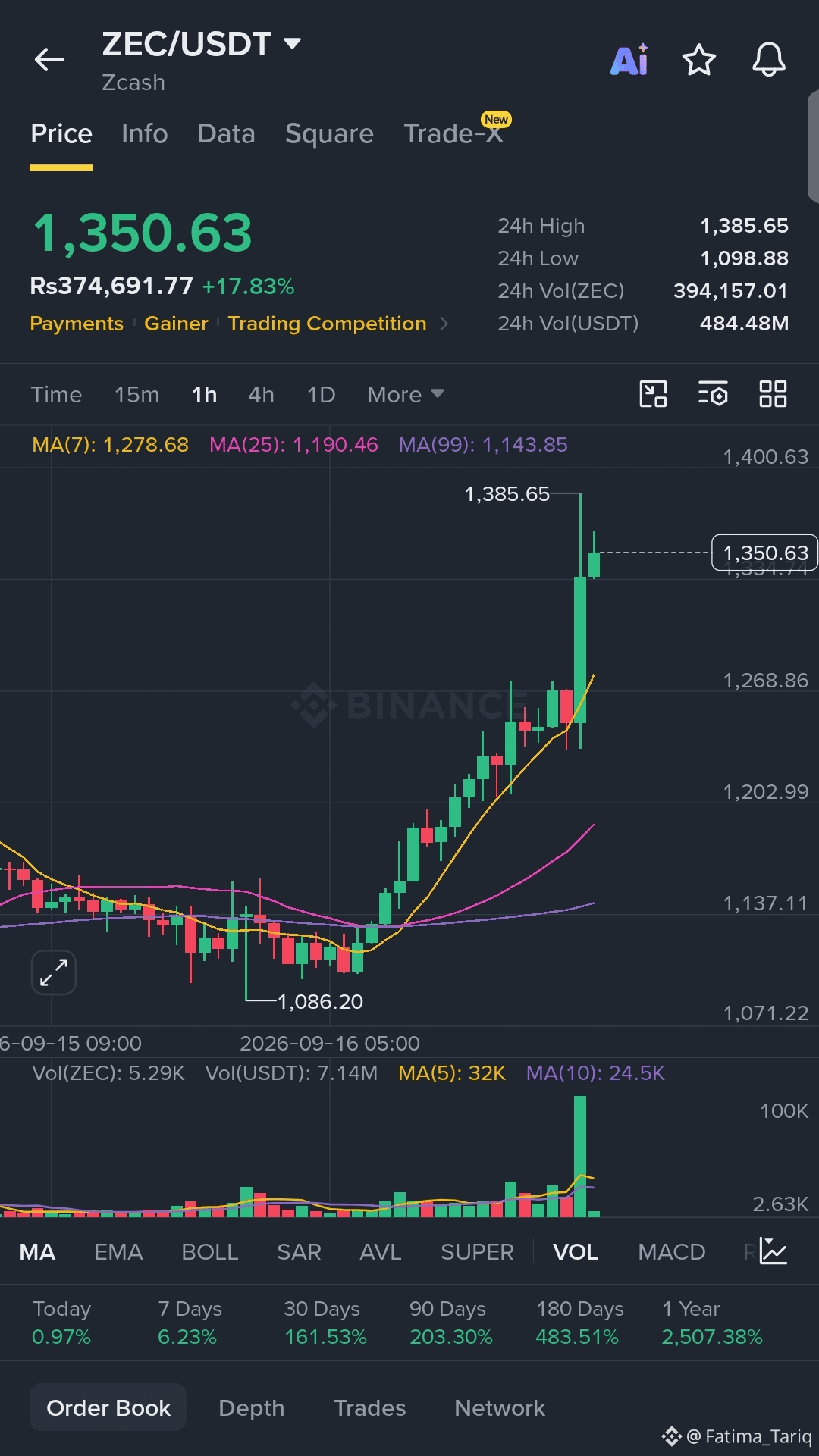
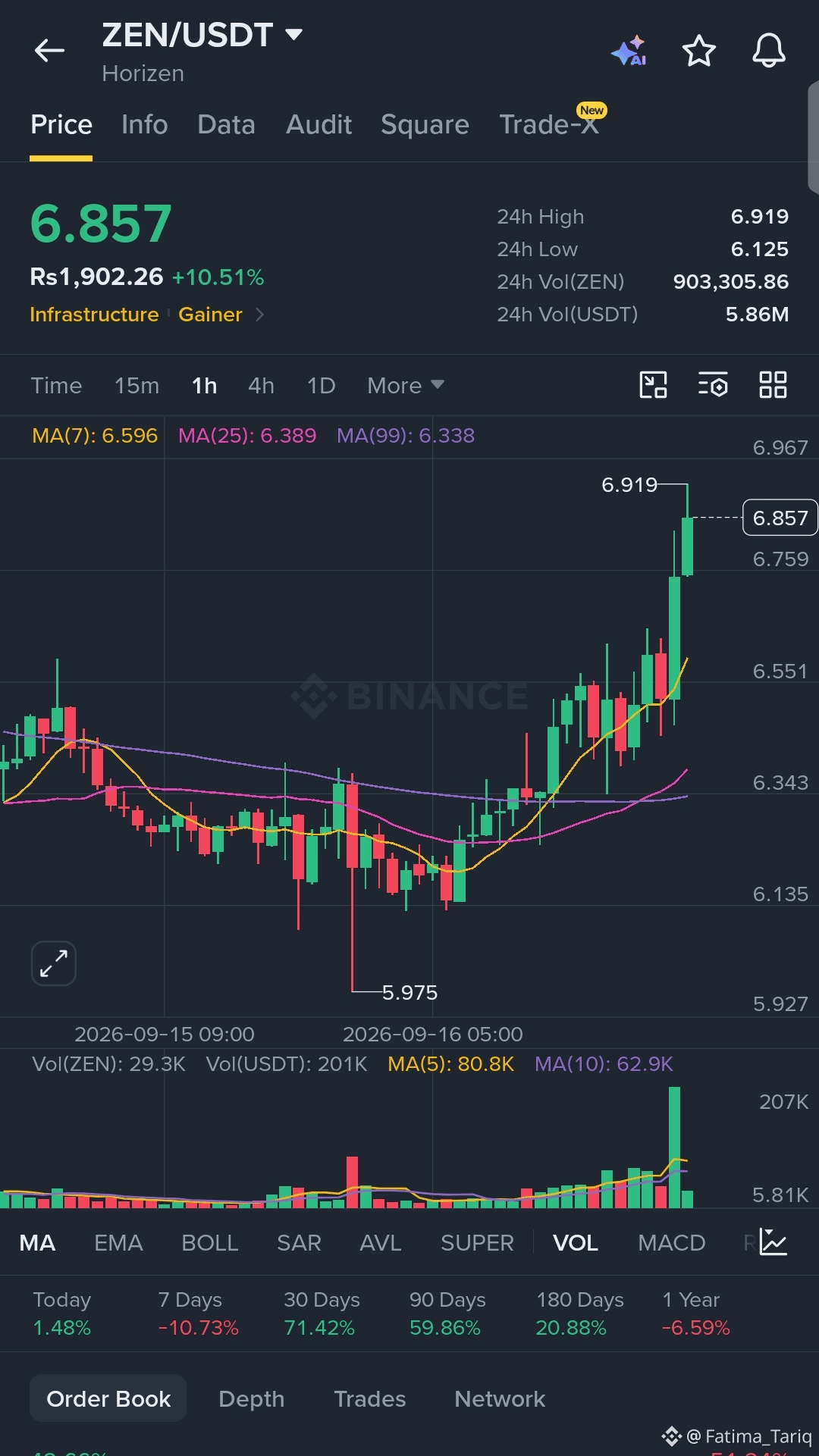
ブリッシュZEC / DASH / ZEN トレード・セットアップ 👀
$ZEC : $1,340 ブレイクアウト → $1,400 / $1,500
エントリー: $1,330–$1,360
無効化: $1,280 未満
$DASH : $56 ブレイクアウト → $62 / $70
エントリー: $54–57
無効化: $51 未満
$ZEN : $6.80 ブレイクアウト → $7.50 / $8.20
エントリー: $6.60–6.85
無効化: $6.20 未満
#ZEC は最も強いモメンタムがあり、#DASH と #ZEN は追随(キャッチアップ)トレードです。ZEC は最近、日次で13.8%の値動きの後、約 $1,263 でクローズしました。このローテーションがいかにボラティリティ(変動性)が高いかが分かります。
これは金融アドバイスではありません。常に自己調査(DYOR)を 。
#LearnWithFatima #ZcashRises6%
$ZEC : $1,340 ブレイクアウト → $1,400 / $1,500
エントリー: $1,330–$1,360
無効化: $1,280 未満
$DASH : $56 ブレイクアウト → $62 / $70
エントリー: $54–57
無効化: $51 未満
$ZEN : $6.80 ブレイクアウト → $7.50 / $8.20
エントリー: $6.60–6.85
無効化: $6.20 未満
#ZEC は最も強いモメンタムがあり、#DASH と #ZEN は追随(キャッチアップ)トレードです。ZEC は最近、日次で13.8%の値動きの後、約 $1,263 でクローズしました。このローテーションがいかにボラティリティ(変動性)が高いかが分かります。
これは金融アドバイスではありません。常に自己調査(DYOR)を 。
#LearnWithFatima #ZcashRises6%
4
800
·
--
ブリッシュ
ZEC / DASH / ZEN トレード・セットアップ 👀
$ZEC : $1,340 ブレイクアウト → $1,400 / $1,500
エントリー: $1,330–$1,360
無効化: $1,280 未満
$DASH : $56 ブレイクアウト → $62 / $70
エントリー: $54–57
無効化: $51 未満
$ZEN : $6.80 ブレイクアウト → $7.50 / $8.20
エントリー: $6.60–6.85
無効化: $6.20 未満
#ZEC は最も強いモメンタムがあり、#DASH と #ZEN は追随(キャッチアップ)トレードです。ZEC は最近、日次で13.8%の値動きの後、約 $1,263 でクローズしました。このローテーションがいかにボラティリティ(変動性)が高いかが分かります。
これは金融アドバイスではありません。常に自己調査(DYOR)を 。
#LearnWithFatima #ZcashRises6%
ZEC / DASH / ZEN トレード・セットアップ 👀
$ZEC : $1,340 ブレイクアウト → $1,400 / $1,500
エントリー: $1,330–$1,360
無効化: $1,280 未満
$DASH : $56 ブレイクアウト → $62 / $70
エントリー: $54–57
無効化: $51 未満
$ZEN : $6.80 ブレイクアウト → $7.50 / $8.20
エントリー: $6.60–6.85
無効化: $6.20 未満
#ZEC は最も強いモメンタムがあり、#DASH と #ZEN は追随(キャッチアップ)トレードです。ZEC は最近、日次で13.8%の値動きの後、約 $1,263 でクローズしました。このローテーションがいかにボラティリティ(変動性)が高いかが分かります。
これは金融アドバイスではありません。常に自己調査(DYOR)を 。
#LearnWithFatima #ZcashRises6%
$ZEC : $1,340 ブレイクアウト → $1,400 / $1,500
エントリー: $1,330–$1,360
無効化: $1,280 未満
$DASH : $56 ブレイクアウト → $62 / $70
エントリー: $54–57
無効化: $51 未満
$ZEN : $6.80 ブレイクアウト → $7.50 / $8.20
エントリー: $6.60–6.85
無効化: $6.20 未満
#ZEC は最も強いモメンタムがあり、#DASH と #ZEN は追随(キャッチアップ)トレードです。ZEC は最近、日次で13.8%の値動きの後、約 $1,263 でクローズしました。このローテーションがいかにボラティリティ(変動性)が高いかが分かります。
これは金融アドバイスではありません。常に自己調査(DYOR)を 。
#LearnWithFatima #ZcashRises6%
2
5
867
·
--
弱気相場
𝗙𝗲𝗱 𝗵𝗶𝗸𝗲𝘀 𝗳𝗼𝗿 𝘁𝗵𝗲 𝗙𝗶𝗿𝘀𝘁 𝗧𝗶𝗺𝗲 𝗦𝗶𝗻𝗰𝗲 𝟮𝟬𝟮𝟯. 𝗡𝗼𝘄 𝘁𝗵𝗲 𝗥𝗲𝗮𝗹 𝗤𝘂𝗲𝘀𝘁𝗶𝗼𝗻 𝗜𝘀: 𝗪𝗵𝗮𝘁 𝗖𝗼𝗺𝗲𝘀 𝗡𝗲𝘅𝘁?
連邦準備制度(FRB)が、市場が注目していた動きを示した。
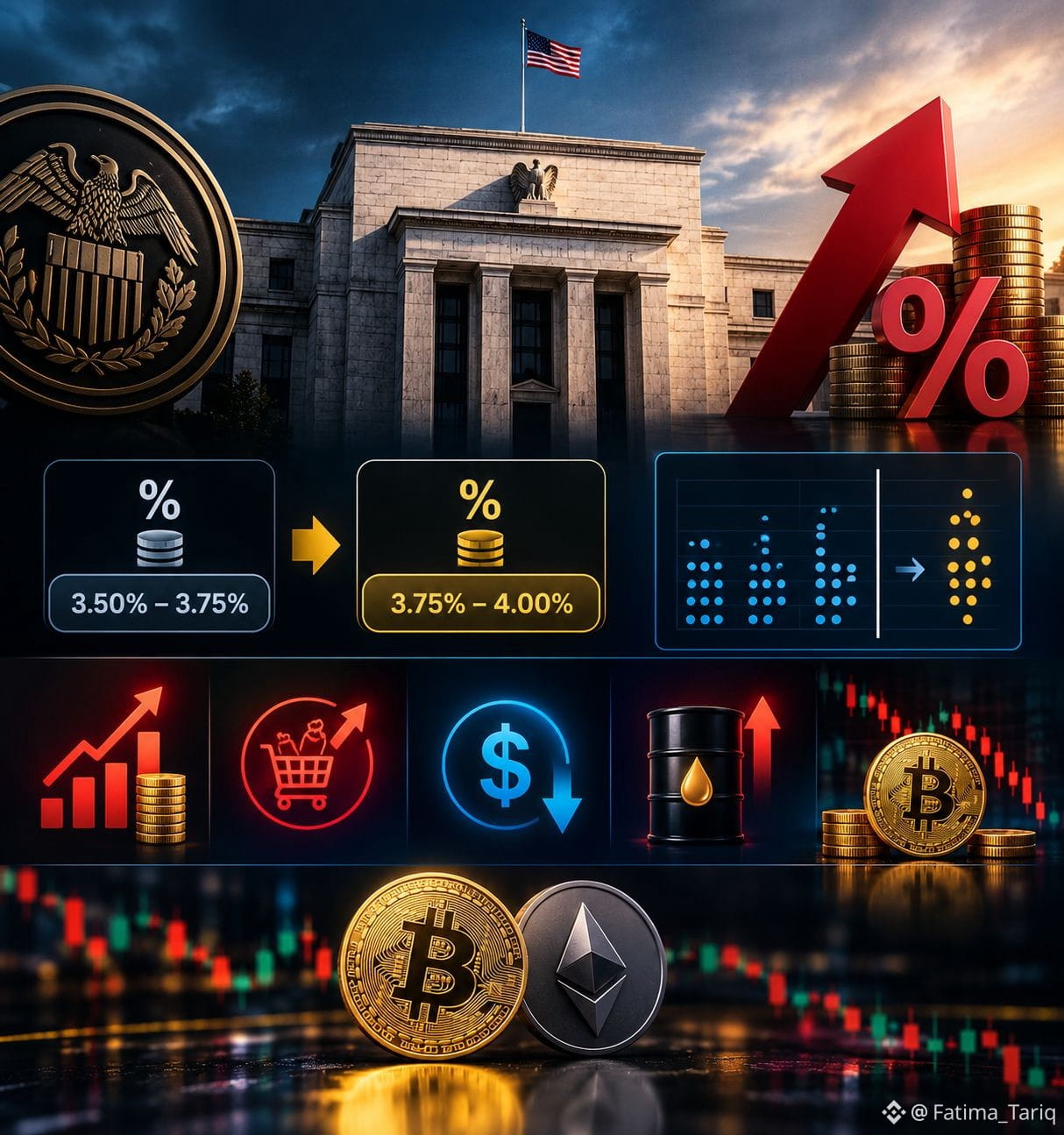
2026年9月16日、米連邦準備制度理事会は政策金利を25bp引き上げ、誘導目標レンジを3.50%〜3.75%から3.75%〜4.00%へとしました。これは2023年7月以来の初めての利上げでした。
しかし、利上げそのものが最大のサプライズだったわけではありません。市場はすでに概ね織り込んでおり、決定前の確率はおよそ92〜94%でした。
𝗖𝗿𝘆𝗽𝘁𝗼 について今、何が重要なのか?
1️⃣ ドット・プロット(政策金利見通し) FRBの予測は、2026年にあともう1回25bpの利上げを示しています。一方、政策当局者は2027年まで金利が高止まりすると見込んでいます。
2️⃣ インフレは依然として問題 FRBは2026年のインフレ見通しを3.7%に引き上げました。これは目標としている2%を大きく上回っています。
3️⃣ BTCは圧力下で決定に臨んだ ビットコインは、CLARITY法案に関する上院での採決が失敗したことを受け、火曜日に約4%下落した後、決定前にはおよそ75.9Kドルで取引されていました。
つまり、「FRB利上げ」という見出しだけを見て判断しないほうがいいでしょう。
暗号資産にとってのより大きな問いは、これが1回限りの孤立した利上げで終わるのか、それとも引き締め局面の再開の始まりになるのか、という点です。
$BTC と $ETH の場合、流動性見通し、米国債利回り、ドル、そしてパウエル/ウォーシュの先行きガイダンスのほうが、25bpという見出しそのものより重要になる可能性があります。
金利決定は予想されていました。
ここから先の「道筋」が、市場が消化しなければならない部分です。#FedRateWatch
#LearnWithFatima
𝗙𝗲𝗱 𝗵𝗶𝗸𝗲𝘀 𝗳𝗼𝗿 𝘁𝗵𝗲 𝗙𝗶𝗿𝘀𝘁 𝗧𝗶𝗺𝗲 𝗦𝗶𝗻𝗰𝗲 𝟮𝟬𝟮𝟯. 𝗡𝗼𝘄 𝘁𝗵𝗲 𝗥𝗲𝗮𝗹 𝗤𝘂𝗲𝘀𝘁𝗶𝗼𝗻 𝗜𝘀: 𝗪𝗵𝗮𝘁 𝗖𝗼𝗺𝗲𝘀 𝗡𝗲𝘅𝘁?
連邦準備制度(FRB)が、市場が注目していた動きを示した。
2026年9月16日、米連邦準備制度理事会は政策金利を25bp引き上げ、誘導目標レンジを3.50%〜3.75%から3.75%〜4.00%へとしました。これは2023年7月以来の初めての利上げでした。
しかし、利上げそのものが最大のサプライズだったわけではありません。市場はすでに概ね織り込んでおり、決定前の確率はおよそ92〜94%でした。
𝗖𝗿𝘆𝗽𝘁𝗼 について今、何が重要なのか?
1️⃣ ドット・プロット(政策金利見通し) FRBの予測は、2026年にあともう1回25bpの利上げを示しています。一方、政策当局者は2027年まで金利が高止まりすると見込んでいます。
2️⃣ インフレは依然として問題 FRBは2026年のインフレ見通しを3.7%に引き上げました。これは目標としている2%を大きく上回っています。
3️⃣ BTCは圧力下で決定に臨んだ ビットコインは、CLARITY法案に関する上院での採決が失敗したことを受け、火曜日に約4%下落した後、決定前にはおよそ75.9Kドルで取引されていました。
つまり、「FRB利上げ」という見出しだけを見て判断しないほうがいいでしょう。
暗号資産にとってのより大きな問いは、これが1回限りの孤立した利上げで終わるのか、それとも引き締め局面の再開の始まりになるのか、という点です。
$BTC と $ETH の場合、流動性見通し、米国債利回り、ドル、そしてパウエル/ウォーシュの先行きガイダンスのほうが、25bpという見出しそのものより重要になる可能性があります。
金利決定は予想されていました。
ここから先の「道筋」が、市場が消化しなければならない部分です。#FedRateWatch
#LearnWithFatima
連邦準備制度(FRB)が、市場が注目していた動きを示した。
2026年9月16日、米連邦準備制度理事会は政策金利を25bp引き上げ、誘導目標レンジを3.50%〜3.75%から3.75%〜4.00%へとしました。これは2023年7月以来の初めての利上げでした。
しかし、利上げそのものが最大のサプライズだったわけではありません。市場はすでに概ね織り込んでおり、決定前の確率はおよそ92〜94%でした。
𝗖𝗿𝘆𝗽𝘁𝗼 について今、何が重要なのか?
1️⃣ ドット・プロット(政策金利見通し) FRBの予測は、2026年にあともう1回25bpの利上げを示しています。一方、政策当局者は2027年まで金利が高止まりすると見込んでいます。
2️⃣ インフレは依然として問題 FRBは2026年のインフレ見通しを3.7%に引き上げました。これは目標としている2%を大きく上回っています。
3️⃣ BTCは圧力下で決定に臨んだ ビットコインは、CLARITY法案に関する上院での採決が失敗したことを受け、火曜日に約4%下落した後、決定前にはおよそ75.9Kドルで取引されていました。
つまり、「FRB利上げ」という見出しだけを見て判断しないほうがいいでしょう。
暗号資産にとってのより大きな問いは、これが1回限りの孤立した利上げで終わるのか、それとも引き締め局面の再開の始まりになるのか、という点です。
$BTC と $ETH の場合、流動性見通し、米国債利回り、ドル、そしてパウエル/ウォーシュの先行きガイダンスのほうが、25bpという見出しそのものより重要になる可能性があります。
金利決定は予想されていました。
ここから先の「道筋」が、市場が消化しなければならない部分です。#FedRateWatch
#LearnWithFatima

5
522
ログインして、さらにコンテンツを読む
厳選トピックで世界の暗号資産トレーダーの仲間入り
⚡️ 暗号資産に関する最新かつ有益な情報が見つかります。
💬 世界最大の暗号資産取引所から信頼されています。
👍 認証を受けたクリエイターから、有益なインサイトを得られます。
メール / 電話番号
トレンドトピック
1
#BitcoinClears$85200
閲覧回数 14,408
229人が討論中
2
#AltcoinSeasonIndexHoldsAbove60For5Days
閲覧回数 69,472
1,239人が討論中
3
#USADPAdds90000JobsInSeptember
閲覧回数 31,869
696人が討論中
4
#USCorePCEEasesTo3%InAugust
閲覧回数 22,713
519人が討論中
5
#KospiPostsWorstQuarterSince2020
閲覧回数 15,752
497人が討論中
6
#SECToClarifyOnChainFundraisingRules
閲覧回数 38,963
673人が討論中
7
#UKFCAOpensCryptoFirmAuthorization
閲覧回数 38,115
565人が討論中
8
#JapanMOFStudyGroupOnTokenizedGovtBonds
閲覧回数 22,189
426人が討論中
9
#QNTRises287%
閲覧回数 108,128
929人が討論中
10
#TrumpRejectsAIRulesForVoluntaryAudits
閲覧回数 61,839
806人が討論中