

#fundamentalanalysis
fundamentalanalysis
閲覧回数 98,394
636人が討論中
注目
最新

·
--
📊 送金する前に、どんな暗号プロジェクトでも監査する方法
市場には何千ものトークンがある中で、95% はゼロに向かいます。
ウォッチリストに追加することを考える前に、私はこの簡単な4ステップの現実チェックを必ず行います:
1️⃣ オンチェーン収益 vs. インフレ:プロジェクトは本当のプロトコル収益を生み出しているのか?それとも利回り報酬が、新規に発行されたインフレだけで支払われているのか?
2️⃣ トークンのアンロック&ベスティング:トケノミクスを確認。30〜60日以内に大規模な投資家アンロックが控えているなら、価格への圧力がかかることを想定してください。
3️⃣ 開発者の活動:GitHub は実際のコミットで活発か?それともトークン発行後に開発が止まっていないか?
4️⃣ ユーティリティ&継続(リテンション):本当に課題を解決するのか?それとも短期のマーケティング施策に頼っているだけなのか?
取引の熱狂(ハイプ)は流動性が尽きるまで機能します。長期的にゲームに残るためには、ファンダメンタルズの調査が必要です。
🔍 トークンを買う前に最初に何を確認しますか?以下で一緒に比べましょう。👇 BP-46E0C96EC431
#BinanceSquare #CryptoResearch #CryptoEducation #fundamentalanalysis $BTC $BNB
📊 送金する前に、どんな暗号プロジェクトでも監査する方法
市場には何千ものトークンがある中で、95% はゼロに向かいます。
ウォッチリストに追加することを考える前に、私はこの簡単な4ステップの現実チェックを必ず行います:
1️⃣ オンチェーン収益 vs. インフレ:プロジェクトは本当のプロトコル収益を生み出しているのか?それとも利回り報酬が、新規に発行されたインフレだけで支払われているのか?
2️⃣ トークンのアンロック&ベスティング:トケノミクスを確認。30〜60日以内に大規模な投資家アンロックが控えているなら、価格への圧力がかかることを想定してください。
3️⃣ 開発者の活動:GitHub は実際のコミットで活発か?それともトークン発行後に開発が止まっていないか?
4️⃣ ユーティリティ&継続(リテンション):本当に課題を解決するのか?それとも短期のマーケティング施策に頼っているだけなのか?
取引の熱狂(ハイプ)は流動性が尽きるまで機能します。長期的にゲームに残るためには、ファンダメンタルズの調査が必要です。
🔍 トークンを買う前に最初に何を確認しますか?以下で一緒に比べましょう。👇 BP-46E0C96EC431
#BinanceSquare #CryptoResearch #CryptoEducation #fundamentalanalysis $BTC $BNB
市場には何千ものトークンがある中で、95% はゼロに向かいます。
ウォッチリストに追加することを考える前に、私はこの簡単な4ステップの現実チェックを必ず行います:
1️⃣ オンチェーン収益 vs. インフレ:プロジェクトは本当のプロトコル収益を生み出しているのか?それとも利回り報酬が、新規に発行されたインフレだけで支払われているのか?
2️⃣ トークンのアンロック&ベスティング:トケノミクスを確認。30〜60日以内に大規模な投資家アンロックが控えているなら、価格への圧力がかかることを想定してください。
3️⃣ 開発者の活動:GitHub は実際のコミットで活発か?それともトークン発行後に開発が止まっていないか?
4️⃣ ユーティリティ&継続(リテンション):本当に課題を解決するのか?それとも短期のマーケティング施策に頼っているだけなのか?
取引の熱狂(ハイプ)は流動性が尽きるまで機能します。長期的にゲームに残るためには、ファンダメンタルズの調査が必要です。
🔍 トークンを買う前に最初に何を確認しますか?以下で一緒に比べましょう。👇 BP-46E0C96EC431
#BinanceSquare #CryptoResearch #CryptoEducation #fundamentalanalysis $BTC $BNB
Feed-Creator-1491430f3:
follow back pls
nice content 👍
1
42
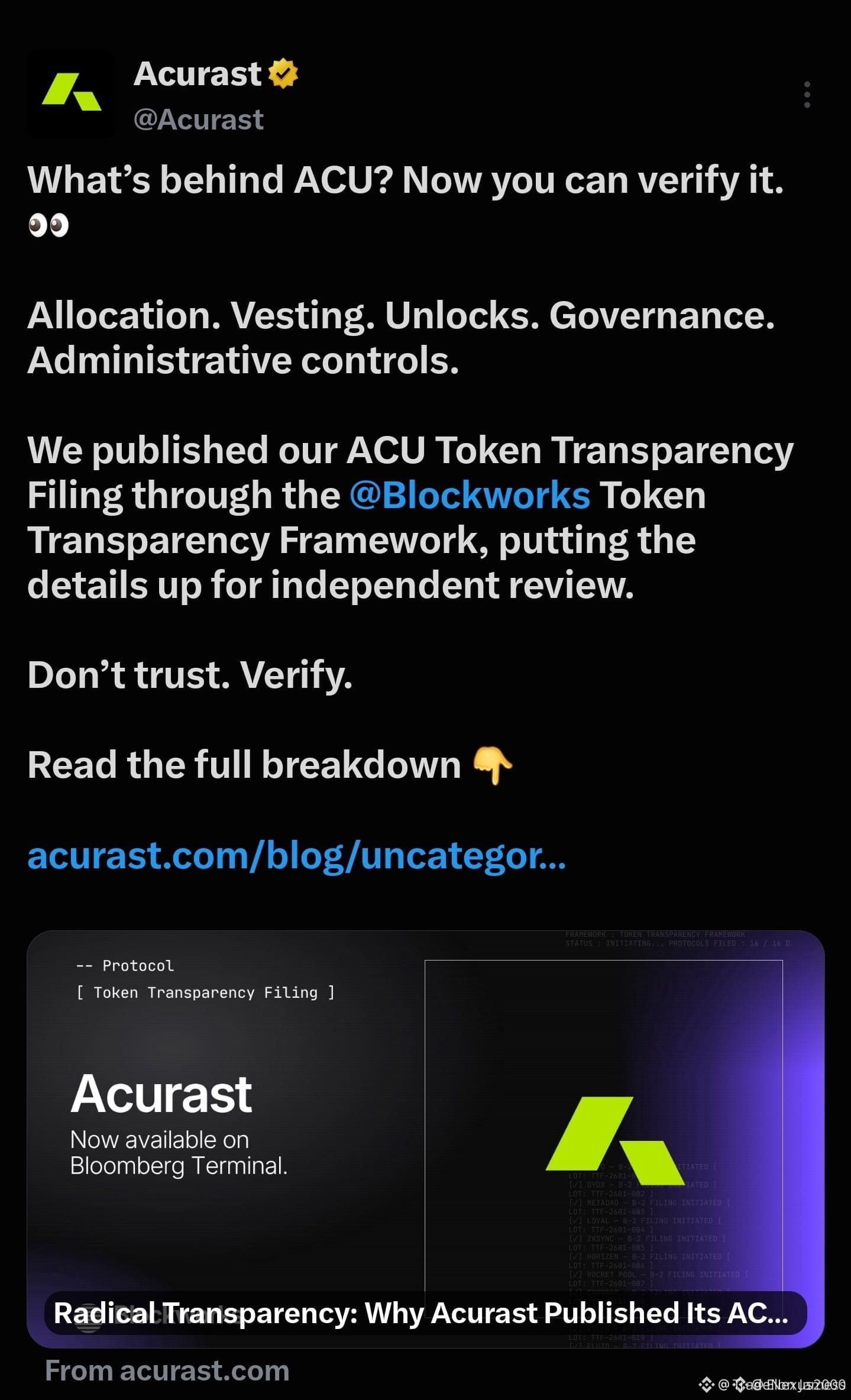
🔍 $ACU 機関の透明性開示をBlockworksフレームワーク経由で公開 🏦
個人投資家が短期的なノイズを追う一方で、賢い資金は構造的な明確さを追跡します。$ACU はBlockworksを通じて正式な透明性開示書類を提出し、重要なトレジャリー・コントロール、アンロック(解放)スケジュール、そして標準化された機関向けのフレームワークのもとでのガバナンス構造を詳述しています。 🔍
検証可能なトークノミクスと明確なベスティング(権利確定)タイムラインにより、供給の不確実性が解消され、より洗練された市場参加者が適切に公正価値を算定できます。 📊 業務上の透明性が投機的な物語に取って代わると、長期的なポジショニングはより大きく精密になります。 💡 💬 標準化されたトークンの透明性は、あなたのファンダメンタルな配分の評価方法を変えますか? 👇
⚠️ 金融アドバイスではありません。常にリスクを管理してください。 🛡️
🏷️ #ACU #Tokenomics #Crypto #FundamentalAnalysis
🎯 🦈
🔍 $ACU 機関の透明性開示をBlockworksフレームワーク経由で公開 🏦
個人投資家が短期的なノイズを追う一方で、賢い資金は構造的な明確さを追跡します。$ACU はBlockworksを通じて正式な透明性開示書類を提出し、重要なトレジャリー・コントロール、アンロック(解放)スケジュール、そして標準化された機関向けのフレームワークのもとでのガバナンス構造を詳述しています。 🔍
検証可能なトークノミクスと明確なベスティング(権利確定)タイムラインにより、供給の不確実性が解消され、より洗練された市場参加者が適切に公正価値を算定できます。 📊 業務上の透明性が投機的な物語に取って代わると、長期的なポジショニングはより大きく精密になります。 💡 💬 標準化されたトークンの透明性は、あなたのファンダメンタルな配分の評価方法を変えますか? 👇
⚠️ 金融アドバイスではありません。常にリスクを管理してください。 🛡️
🏷️ #ACU #Tokenomics #Crypto #FundamentalAnalysis
🎯 🦈
個人投資家が短期的なノイズを追う一方で、賢い資金は構造的な明確さを追跡します。$ACU はBlockworksを通じて正式な透明性開示書類を提出し、重要なトレジャリー・コントロール、アンロック(解放)スケジュール、そして標準化された機関向けのフレームワークのもとでのガバナンス構造を詳述しています。 🔍
検証可能なトークノミクスと明確なベスティング(権利確定)タイムラインにより、供給の不確実性が解消され、より洗練された市場参加者が適切に公正価値を算定できます。 📊 業務上の透明性が投機的な物語に取って代わると、長期的なポジショニングはより大きく精密になります。 💡 💬 標準化されたトークンの透明性は、あなたのファンダメンタルな配分の評価方法を変えますか? 👇
⚠️ 金融アドバイスではありません。常にリスクを管理してください。 🛡️
🏷️ #ACU #Tokenomics #Crypto #FundamentalAnalysis
🎯 🦈
61

·
--
$AGPUB
{spot}(AGPUBUSDT)
#— ファンダメンタル分析
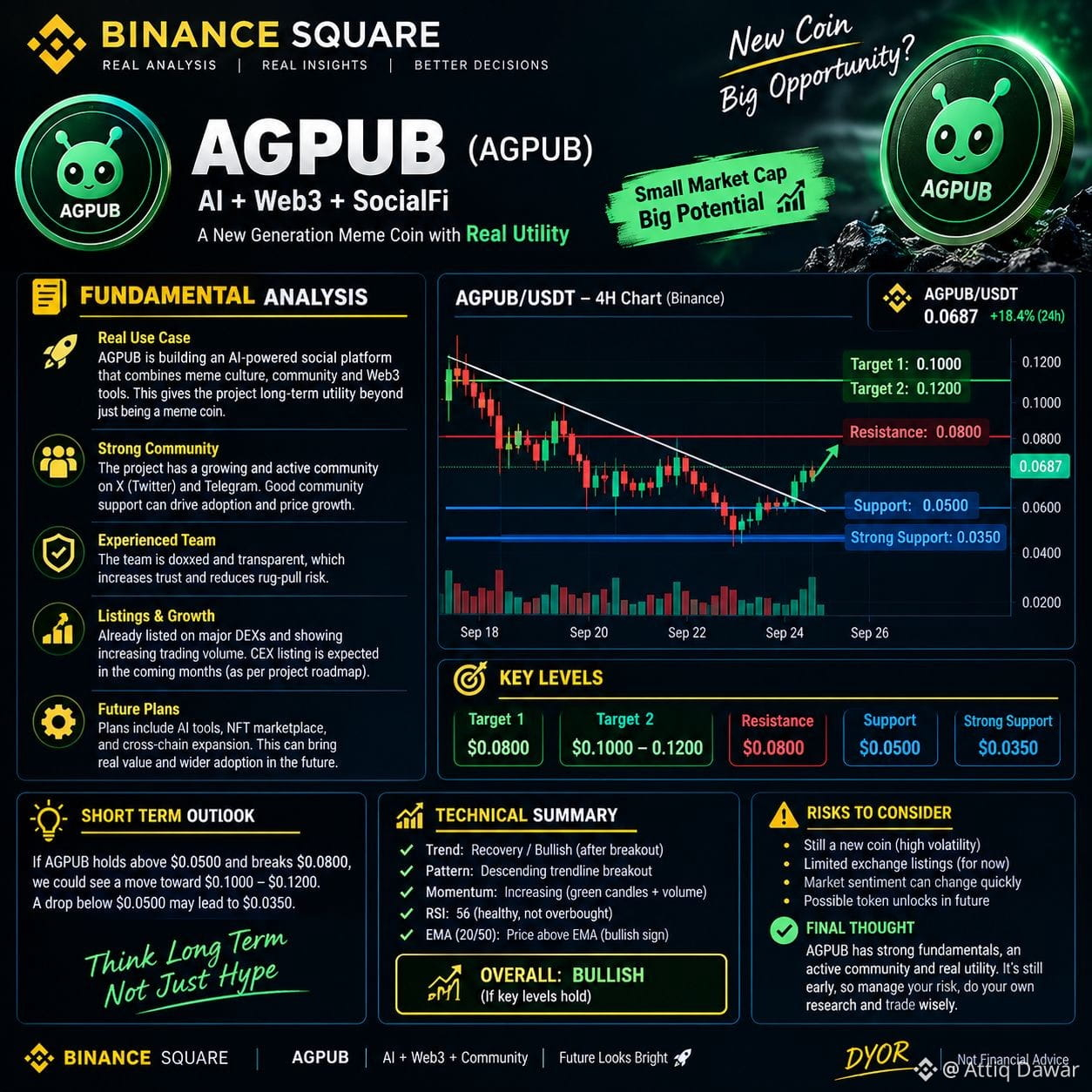
AGPUB(Axe Compute)— AIインフラ + トークン化株式
ファンダメンタルの概要:
Axe Computeは、エンタープライズ向けにAI/GPUインフラを構築しています。同社は2026年の契約金額として30億ドル超を締結済みとして報告しており、8月に顧客の前払いとして3億1,700万ドル超が発表されました。 �
Axe Compute +1
なぜAGPUBが注目されるのか:
🤖 AI/GPUインフラ—急速に拡大するAIコンピュート分野に位置づけられている。
💰 大型契約—同社は15億ドルの5年契約のAIインフラ契約およびその他の主要な合意を発表しています。 �
Axe Compute
🏗️ 実ビジネスへのエクスポージャー—AGPUBは、従来の暗号資産ではなく、基礎となるAGPU株のトークン化された表現を追跡しています。 �
Binance
📈 流動性:Binance — AGPUB/USDTはBinanceのスポットで利用可能です。 �
Binance
⚠️ リスク:Axe Computeはまだ初期段階の事業です。同社の2026年Q1の提出書類では、売上は35,311ドルのみ、純損失は7.71百万ドルだったため、これらの大型契約の数字を、すでに実現した売上や利益と混同しないようにしてください。 �
SEC
📊 トレーダーの見方
ファンダメンタルのバイアス:🟢 ポジティブだが高リスク
注目:
🔹 AGPUBの価格と出来高
🔹 AGPUの株価パフォーマンス
🔹 新たな契約発表
🔹 契約から実際に認識された売上
🔹 AGPUBの流動性とスプレッド
要点:
AGPUBはAIインフラ/トークン化された株式のストーリーであり、単なる別のミームコインではありません。基礎は成長を促す重要な触媒がありますが、実行力と収益性は依然として大きなリスクです。
DYOR — 投資助言ではありません。
#AGPUB #AxeCompute #AI #GPU #Binance #BinanceSquare #Crypto #TokenizedStocks #Trading #fundamentalanalysis
$AGPUB
#— ファンダメンタル分析
AGPUB(Axe Compute)— AIインフラ + トークン化株式
ファンダメンタルの概要:
Axe Computeは、エンタープライズ向けにAI/GPUインフラを構築しています。同社は2026年の契約金額として30億ドル超を締結済みとして報告しており、8月に顧客の前払いとして3億1,700万ドル超が発表されました。 �
Axe Compute +1
なぜAGPUBが注目されるのか:
🤖 AI/GPUインフラ—急速に拡大するAIコンピュート分野に位置づけられている。
💰 大型契約—同社は15億ドルの5年契約のAIインフラ契約およびその他の主要な合意を発表しています。 �
Axe Compute
🏗️ 実ビジネスへのエクスポージャー—AGPUBは、従来の暗号資産ではなく、基礎となるAGPU株のトークン化された表現を追跡しています。 �
Binance
📈 流動性:Binance — AGPUB/USDTはBinanceのスポットで利用可能です。 �
Binance
⚠️ リスク:Axe Computeはまだ初期段階の事業です。同社の2026年Q1の提出書類では、売上は35,311ドルのみ、純損失は7.71百万ドルだったため、これらの大型契約の数字を、すでに実現した売上や利益と混同しないようにしてください。 �
SEC
📊 トレーダーの見方
ファンダメンタルのバイアス:🟢 ポジティブだが高リスク
注目:
🔹 AGPUBの価格と出来高
🔹 AGPUの株価パフォーマンス
🔹 新たな契約発表
🔹 契約から実際に認識された売上
🔹 AGPUBの流動性とスプレッド
要点:
AGPUBはAIインフラ/トークン化された株式のストーリーであり、単なる別のミームコインではありません。基礎は成長を促す重要な触媒がありますが、実行力と収益性は依然として大きなリスクです。
DYOR — 投資助言ではありません。
#AGPUB #AxeCompute #AI #GPU #Binance #BinanceSquare #Crypto #TokenizedStocks #Trading #fundamentalanalysis
#— ファンダメンタル分析
AGPUB(Axe Compute)— AIインフラ + トークン化株式
ファンダメンタルの概要:
Axe Computeは、エンタープライズ向けにAI/GPUインフラを構築しています。同社は2026年の契約金額として30億ドル超を締結済みとして報告しており、8月に顧客の前払いとして3億1,700万ドル超が発表されました。 �
Axe Compute +1
なぜAGPUBが注目されるのか:
🤖 AI/GPUインフラ—急速に拡大するAIコンピュート分野に位置づけられている。
💰 大型契約—同社は15億ドルの5年契約のAIインフラ契約およびその他の主要な合意を発表しています。 �
Axe Compute
🏗️ 実ビジネスへのエクスポージャー—AGPUBは、従来の暗号資産ではなく、基礎となるAGPU株のトークン化された表現を追跡しています。 �
Binance
📈 流動性:Binance — AGPUB/USDTはBinanceのスポットで利用可能です。 �
Binance
⚠️ リスク:Axe Computeはまだ初期段階の事業です。同社の2026年Q1の提出書類では、売上は35,311ドルのみ、純損失は7.71百万ドルだったため、これらの大型契約の数字を、すでに実現した売上や利益と混同しないようにしてください。 �
SEC
📊 トレーダーの見方
ファンダメンタルのバイアス:🟢 ポジティブだが高リスク
注目:
🔹 AGPUBの価格と出来高
🔹 AGPUの株価パフォーマンス
🔹 新たな契約発表
🔹 契約から実際に認識された売上
🔹 AGPUBの流動性とスプレッド
要点:
AGPUBはAIインフラ/トークン化された株式のストーリーであり、単なる別のミームコインではありません。基礎は成長を促す重要な触媒がありますが、実行力と収益性は依然として大きなリスクです。
DYOR — 投資助言ではありません。
#AGPUB #AxeCompute #AI #GPU #Binance #BinanceSquare #Crypto #TokenizedStocks #Trading #fundamentalanalysis
137

#solanatransactionv1goesliveonmainnet
🚨 もし「$SOL の値動き」だけを追っているなら、裏側で起きている本当の基本的な変化を見逃しています。
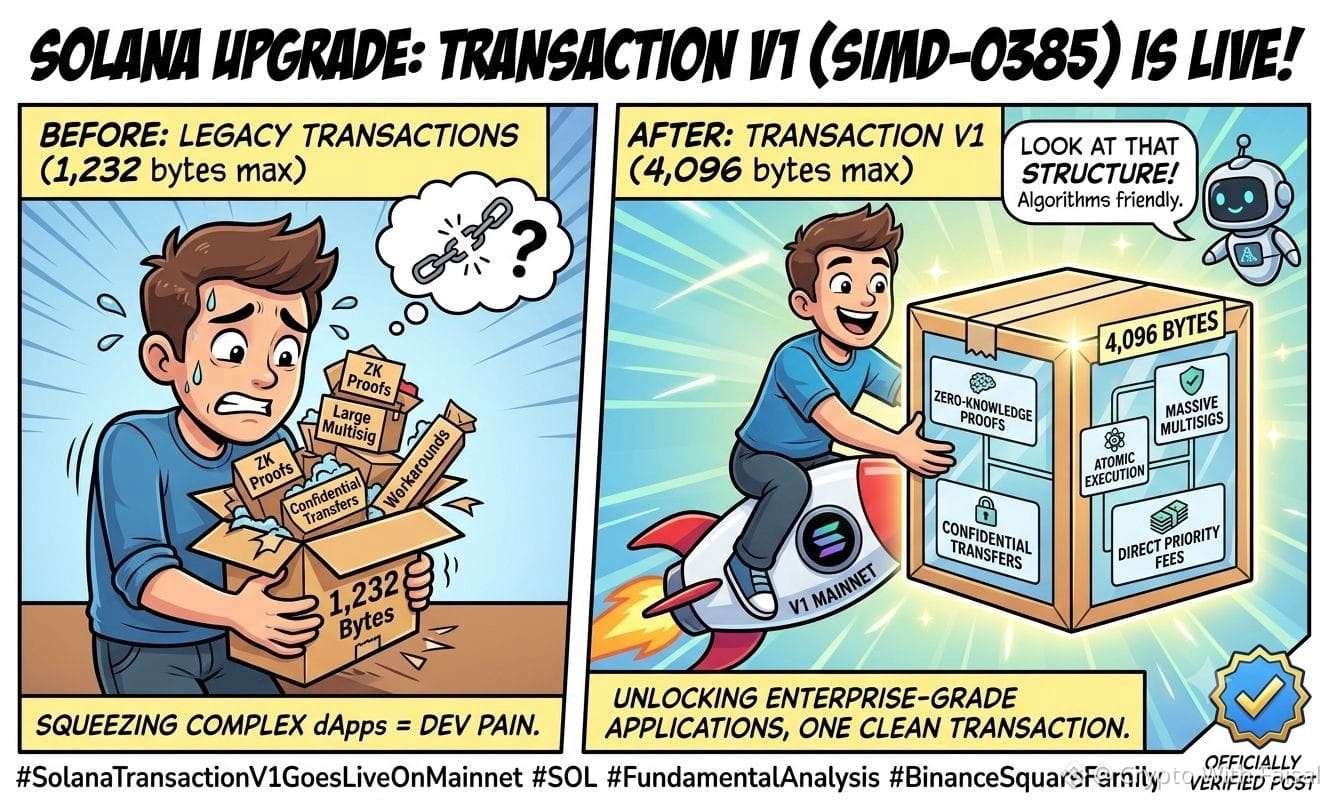
SolanaのTransaction V1がメインネットで稼働を開始しました。これは非常に大きなインフラの解放です。
彼らは最大トランザクションサイズを3倍以上に引き上げ、1,232から4,096バイトへと拡大しました。これは単なる小さな容量調整ではありません。ゼロ知識(ZK)証明や、大規模なマルチシグのような重いオンチェーン処理は、かつては面倒な開発者向けの回避策が必要でした。ですが今は? 1つの、きれいなトランザクションで実行できます。
さらに、ヘッダー内にプライオリティ手数料と計算(compute)上限を直接埋め込むことで、ネットワークがリソースを扱う方法も刷新しました。従来の、もたつく別個の命令を廃したのです。
純粋に分析の観点から見ると、開発者の摩擦を取り除くことこそが、オンチェーン上に本格的でエンタープライズ級のアプリケーションを構築する道を切り開きます。根本の仕組みが大幅に強化されています。
💬 アップグレード後のSolanaエコシステムについて、あなたはどう見ていますか? 下に教えてください! 👇
#SOL #Solana #fundamentalanalysis
{future}(SOLUSDT)
$SUI
{future}(SUIUSDT)
$ZEC
{future}(ZECUSDT)
#solanatransactionv1goesliveonmainnet
🚨 もし「$SOL の値動き」だけを追っているなら、裏側で起きている本当の基本的な変化を見逃しています。
SolanaのTransaction V1がメインネットで稼働を開始しました。これは非常に大きなインフラの解放です。
彼らは最大トランザクションサイズを3倍以上に引き上げ、1,232から4,096バイトへと拡大しました。これは単なる小さな容量調整ではありません。ゼロ知識(ZK)証明や、大規模なマルチシグのような重いオンチェーン処理は、かつては面倒な開発者向けの回避策が必要でした。ですが今は? 1つの、きれいなトランザクションで実行できます。
さらに、ヘッダー内にプライオリティ手数料と計算(compute)上限を直接埋め込むことで、ネットワークがリソースを扱う方法も刷新しました。従来の、もたつく別個の命令を廃したのです。
純粋に分析の観点から見ると、開発者の摩擦を取り除くことこそが、オンチェーン上に本格的でエンタープライズ級のアプリケーションを構築する道を切り開きます。根本の仕組みが大幅に強化されています。
💬 アップグレード後のSolanaエコシステムについて、あなたはどう見ていますか? 下に教えてください! 👇
#SOL #Solana #fundamentalanalysis
$SUI
$ZEC
🚨 もし「$SOL の値動き」だけを追っているなら、裏側で起きている本当の基本的な変化を見逃しています。
SolanaのTransaction V1がメインネットで稼働を開始しました。これは非常に大きなインフラの解放です。
彼らは最大トランザクションサイズを3倍以上に引き上げ、1,232から4,096バイトへと拡大しました。これは単なる小さな容量調整ではありません。ゼロ知識(ZK)証明や、大規模なマルチシグのような重いオンチェーン処理は、かつては面倒な開発者向けの回避策が必要でした。ですが今は? 1つの、きれいなトランザクションで実行できます。
さらに、ヘッダー内にプライオリティ手数料と計算(compute)上限を直接埋め込むことで、ネットワークがリソースを扱う方法も刷新しました。従来の、もたつく別個の命令を廃したのです。
純粋に分析の観点から見ると、開発者の摩擦を取り除くことこそが、オンチェーン上に本格的でエンタープライズ級のアプリケーションを構築する道を切り開きます。根本の仕組みが大幅に強化されています。
💬 アップグレード後のSolanaエコシステムについて、あなたはどう見ていますか? 下に教えてください! 👇
#SOL #Solana #fundamentalanalysis
$SUI
$ZEC
1
152

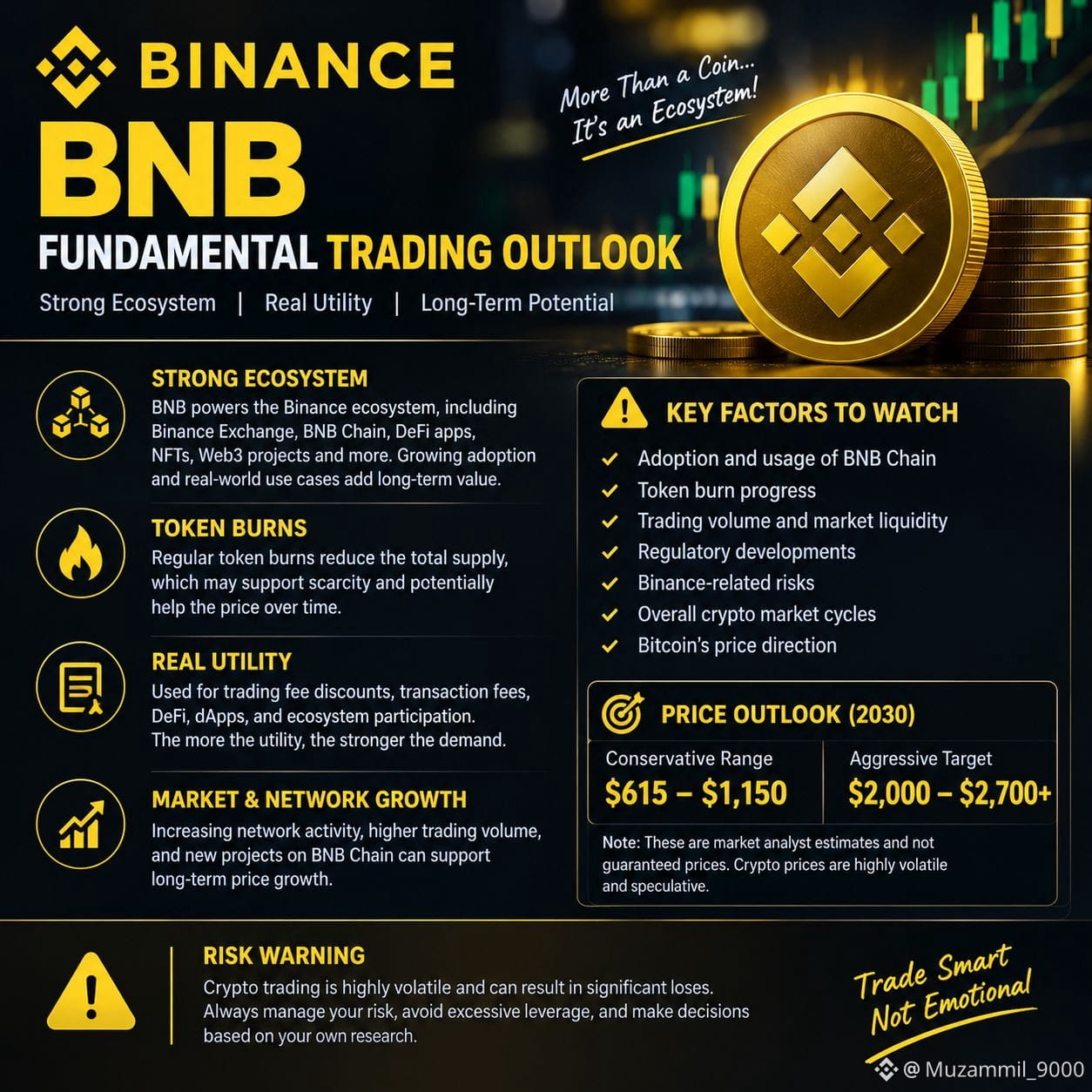
📊 BNB ファンダメンタル・トレーディング見通し
@Binance_News
$BNB は、成長する Binance エコシステムと $BNB チェーンによって支えられ、主要な暗号資産の 1 つとして位置付けられています。ユーティリティには、取引手数料、DeFi アプリケーション、Web3 プロジェクト、そしてエコシステムへの参加が含まれます。トークンバーンによる BNB の供給削減メカニズムは、長期的には希少性を後押しする可能性があります。しかし、規制の動き、市場のセンチメント、Binance 関連リスク、競争、そして暗号市場全体のサイクルが、その価格に強く影響することがあります。長期トレーダーにとっては、ネットワーク活動、導入状況、トークンバーン、取引量、そしてビットコインの市場動向をモニタリングすることが重要です。$BNB は大きな可能性を秘めていますが、価格目標が保証されるわけではありません。常にリスクを管理し、過度なレバレッジを避け、必ず自分自身の調査に基づいて判断してください。
⚠️ リスク警告:暗号資産の取引は非常にボラティリティが高く、大きな損失につながる可能性があります。これは投資助言ではありません。
#2030Mindset #fundamentalanalysis
📊 BNB ファンダメンタル・トレーディング見通し
@Binance News
$BNB は、成長する Binance エコシステムと $BNB チェーンによって支えられ、主要な暗号資産の 1 つとして位置付けられています。ユーティリティには、取引手数料、DeFi アプリケーション、Web3 プロジェクト、そしてエコシステムへの参加が含まれます。トークンバーンによる BNB の供給削減メカニズムは、長期的には希少性を後押しする可能性があります。しかし、規制の動き、市場のセンチメント、Binance 関連リスク、競争、そして暗号市場全体のサイクルが、その価格に強く影響することがあります。長期トレーダーにとっては、ネットワーク活動、導入状況、トークンバーン、取引量、そしてビットコインの市場動向をモニタリングすることが重要です。$BNB は大きな可能性を秘めていますが、価格目標が保証されるわけではありません。常にリスクを管理し、過度なレバレッジを避け、必ず自分自身の調査に基づいて判断してください。
⚠️ リスク警告:暗号資産の取引は非常にボラティリティが高く、大きな損失につながる可能性があります。これは投資助言ではありません。
#2030Mindset #fundamentalanalysis
@Binance News
$BNB は、成長する Binance エコシステムと $BNB チェーンによって支えられ、主要な暗号資産の 1 つとして位置付けられています。ユーティリティには、取引手数料、DeFi アプリケーション、Web3 プロジェクト、そしてエコシステムへの参加が含まれます。トークンバーンによる BNB の供給削減メカニズムは、長期的には希少性を後押しする可能性があります。しかし、規制の動き、市場のセンチメント、Binance 関連リスク、競争、そして暗号市場全体のサイクルが、その価格に強く影響することがあります。長期トレーダーにとっては、ネットワーク活動、導入状況、トークンバーン、取引量、そしてビットコインの市場動向をモニタリングすることが重要です。$BNB は大きな可能性を秘めていますが、価格目標が保証されるわけではありません。常にリスクを管理し、過度なレバレッジを避け、必ず自分自身の調査に基づいて判断してください。
⚠️ リスク警告:暗号資産の取引は非常にボラティリティが高く、大きな損失につながる可能性があります。これは投資助言ではありません。
#2030Mindset #fundamentalanalysis
77

·
--
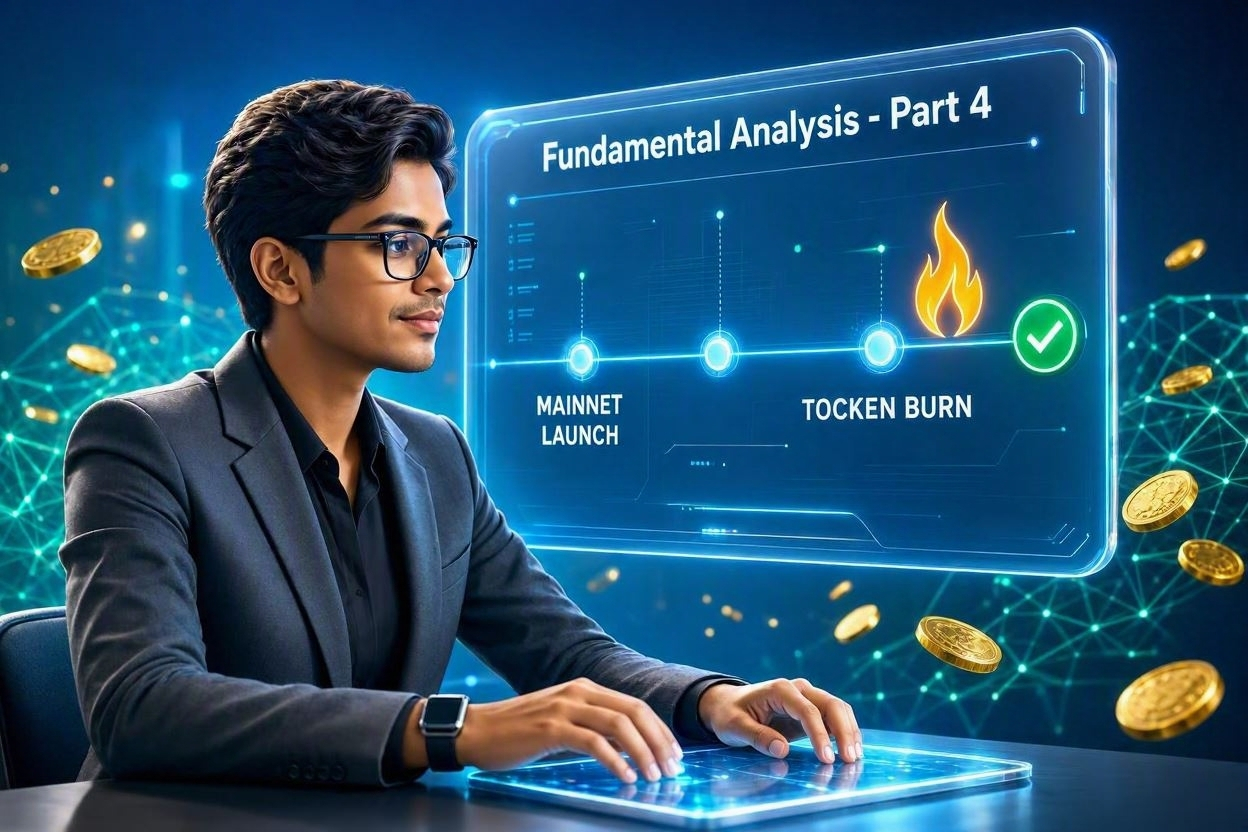
📊 ファンダメンタル分析(パート4):仮想通貨のロードマップとマイルストーンをどう分析するか
💧💧💧
優れた仮想通貨のアイデアも、適切なチームの実行がなければ完全に無用です。私が初めての頃は派手な約束を見てコインを買っていましたが、後になって開発者がプロジェクトを見捨てていたと気づきました。今では、公式のロードマップを分析し、重要な技術マイルストーンを追跡することが、死にかけのコインを本物のビルダーからふるい分けるための絶対ルールです。
🎈なぜロードマップの構造が重要なのか:
ロードマップは、今後のアップグレードやプロダクトローンチのためのプロジェクトのタイムラインです。私は「メインネットローンチ」のような大規模な技術マイルストーンを重視します。これは、借り物のブロックチェーンから自分たちの独立したネットワークへ移行することで、トークンのユーティリティを大きく押し上げます。また、供給を永久に減らして価値を高めるディフレ(減少)を促す「トークン・バーン(バーンイベント)」も追跡します。
チームの実行をどう確認するか:
✦ 📌️約束と現実の比較:チームが過去の目標を期限どおりに達成してきたかを確認します。マネジメントが原因でアップグレードが常に遅れるようなプロジェクトは、即スキップします。
✦📌️公開されている開発者の活動の確認:GitHubのようなプラットフォームを見て、開発者がコードの更新を継続的にコミットしているかを確認します。継続的な活動は、そのプロジェクトが生きていて、安全であり、未来に向けて構築している証拠になります。
💡 さあ雑談:投資する前にプロジェクトのロードマップを確認しますか?それとも現在の価格の動きだけに完全に注目していますか?追跡するのが一番好きなマイルストーンは何ですか?下に教えてください!👇👇
💥免責事項:投資助言ではありません。教育目的のみ。DYOR。
#fundamentalanalysis #CryptoRoadmap #MainnetLaunch #TokenBurn #TradingTips $BNB $ETH $SOL
{spot}(BTCUSDT)
📊 ファンダメンタル分析(パート4):仮想通貨のロードマップとマイルストーンをどう分析するか
💧💧💧
優れた仮想通貨のアイデアも、適切なチームの実行がなければ完全に無用です。私が初めての頃は派手な約束を見てコインを買っていましたが、後になって開発者がプロジェクトを見捨てていたと気づきました。今では、公式のロードマップを分析し、重要な技術マイルストーンを追跡することが、死にかけのコインを本物のビルダーからふるい分けるための絶対ルールです。
🎈なぜロードマップの構造が重要なのか:
ロードマップは、今後のアップグレードやプロダクトローンチのためのプロジェクトのタイムラインです。私は「メインネットローンチ」のような大規模な技術マイルストーンを重視します。これは、借り物のブロックチェーンから自分たちの独立したネットワークへ移行することで、トークンのユーティリティを大きく押し上げます。また、供給を永久に減らして価値を高めるディフレ(減少)を促す「トークン・バーン(バーンイベント)」も追跡します。
チームの実行をどう確認するか:
✦ 📌️約束と現実の比較:チームが過去の目標を期限どおりに達成してきたかを確認します。マネジメントが原因でアップグレードが常に遅れるようなプロジェクトは、即スキップします。
✦📌️公開されている開発者の活動の確認:GitHubのようなプラットフォームを見て、開発者がコードの更新を継続的にコミットしているかを確認します。継続的な活動は、そのプロジェクトが生きていて、安全であり、未来に向けて構築している証拠になります。
💡 さあ雑談:投資する前にプロジェクトのロードマップを確認しますか?それとも現在の価格の動きだけに完全に注目していますか?追跡するのが一番好きなマイルストーンは何ですか?下に教えてください!👇👇
💥免責事項:投資助言ではありません。教育目的のみ。DYOR。
#fundamentalanalysis #CryptoRoadmap #MainnetLaunch #TokenBurn #TradingTips $BNB $ETH $SOL
💧💧💧
優れた仮想通貨のアイデアも、適切なチームの実行がなければ完全に無用です。私が初めての頃は派手な約束を見てコインを買っていましたが、後になって開発者がプロジェクトを見捨てていたと気づきました。今では、公式のロードマップを分析し、重要な技術マイルストーンを追跡することが、死にかけのコインを本物のビルダーからふるい分けるための絶対ルールです。
🎈なぜロードマップの構造が重要なのか:
ロードマップは、今後のアップグレードやプロダクトローンチのためのプロジェクトのタイムラインです。私は「メインネットローンチ」のような大規模な技術マイルストーンを重視します。これは、借り物のブロックチェーンから自分たちの独立したネットワークへ移行することで、トークンのユーティリティを大きく押し上げます。また、供給を永久に減らして価値を高めるディフレ(減少)を促す「トークン・バーン(バーンイベント)」も追跡します。
チームの実行をどう確認するか:
✦ 📌️約束と現実の比較:チームが過去の目標を期限どおりに達成してきたかを確認します。マネジメントが原因でアップグレードが常に遅れるようなプロジェクトは、即スキップします。
✦📌️公開されている開発者の活動の確認:GitHubのようなプラットフォームを見て、開発者がコードの更新を継続的にコミットしているかを確認します。継続的な活動は、そのプロジェクトが生きていて、安全であり、未来に向けて構築している証拠になります。
💡 さあ雑談:投資する前にプロジェクトのロードマップを確認しますか?それとも現在の価格の動きだけに完全に注目していますか?追跡するのが一番好きなマイルストーンは何ですか?下に教えてください!👇👇
💥免責事項:投資助言ではありません。教育目的のみ。DYOR。
#fundamentalanalysis #CryptoRoadmap #MainnetLaunch #TokenBurn #TradingTips $BNB $ETH $SOL
284
·
--
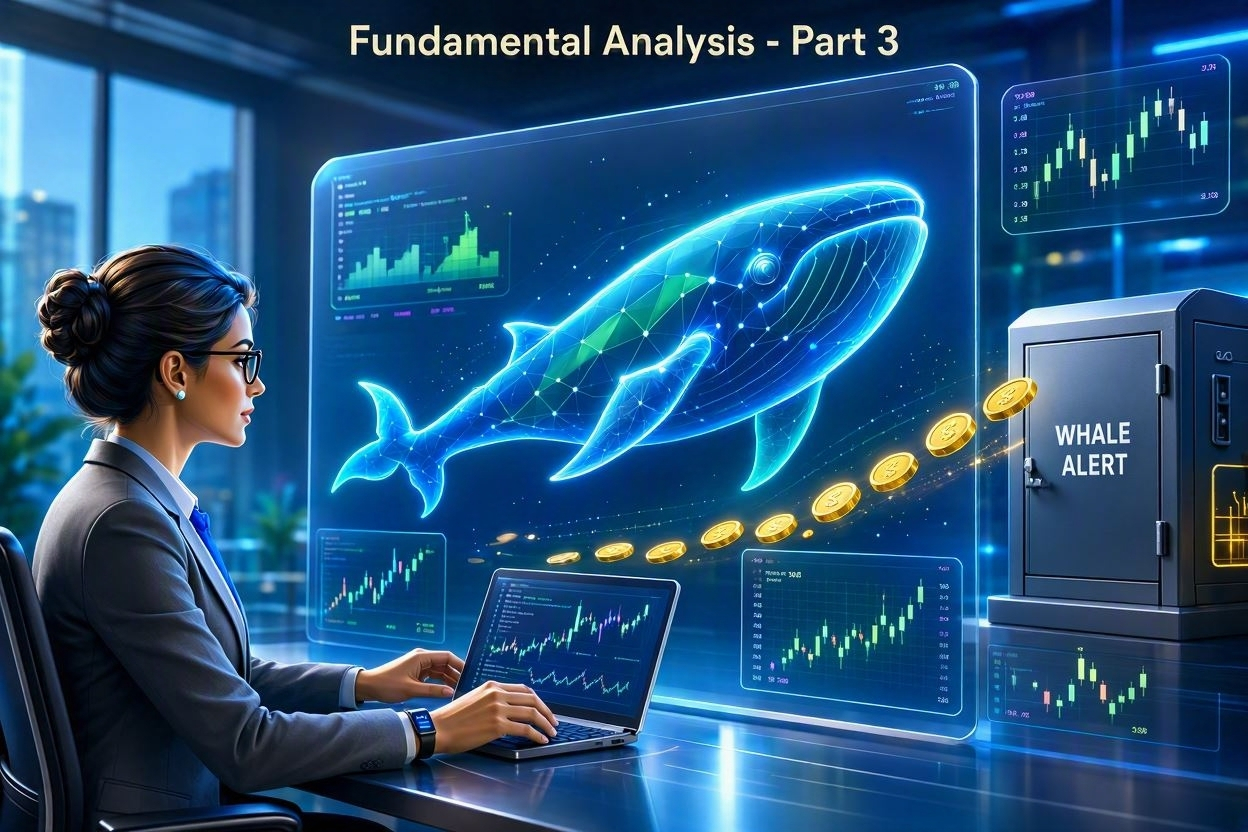
📊 ファンダメンタル分析(第3部):暗号クジラとニュースの追跡術 完全ガイド
暗号市場では、価格は無作為に動きません。主要な世界的ニュースの出来事や、隠された「クジラ」の動き—数百万ドルを動かす大規模な機関投資家—に反応します。私がまだ始めた頃は、コインが急騰した後に買ってしまうことがありましたが、すでにクジラが投げ売り(売却)していることを知りませんでした。今では、クジラのウォレットを追跡することが私の安全のための秘密戦略です。
なぜクジラ追跡が重要なのか:
クジラには内部情報があり、巨額の資金力を持っています。たとえば、単一のウォレットが50,000 BTCをBinanceのような認証済みの暗号取引所に送金すると、売却の意図を示すことが多く、結果として相場が急に下がる原因になります。逆に、彼らが資金をプライベートのコールドストレージに移す場合は、長期的な信頼があることを示しています。
大口資金の流れをどうモニターしているか:
🎈. 検証済みソーシャルアラート・ボットのツール:私は、X(Twitter)のWhale Alertのような自動化ツールを強く頼っています。ウォレット間や取引所との間で大規模なブロックチェーン送金が発生すると、即座にアラートを投稿してくれます。
🎈. 本物のニュースとノイズの切り分け:TikTokやTelegramにあるような何気ない噂は決して信じません。CoinDeskや公式のBinance Newsポータルのような信頼できるニュースソースで、規制のアップデート、提携発表、トークンのアンロック情報などを必ず二重に確認します。
💡 さあ雑談しよう:あなたは取引に入る前にクジラの動きを確認しますか?それとも暗号ニュースが日々追うには多すぎると感じていますか?下にあなたの見解をシェアしてください!👇🌹🌹
💥免責事項:投資助言ではありません。教育目的のみ。自己調査(DYOR)してください。
#fundamentalanalysis #whalealert🔔🔥🔥 #CryptoNews🚀🔥V #Marketsentimentstoday #BinanceSquare $DOGE $BNB $ETH
{spot}(ETHUSDT)
📊 ファンダメンタル分析(第3部):暗号クジラとニュースの追跡術 完全ガイド
暗号市場では、価格は無作為に動きません。主要な世界的ニュースの出来事や、隠された「クジラ」の動き—数百万ドルを動かす大規模な機関投資家—に反応します。私がまだ始めた頃は、コインが急騰した後に買ってしまうことがありましたが、すでにクジラが投げ売り(売却)していることを知りませんでした。今では、クジラのウォレットを追跡することが私の安全のための秘密戦略です。
なぜクジラ追跡が重要なのか:
クジラには内部情報があり、巨額の資金力を持っています。たとえば、単一のウォレットが50,000 BTCをBinanceのような認証済みの暗号取引所に送金すると、売却の意図を示すことが多く、結果として相場が急に下がる原因になります。逆に、彼らが資金をプライベートのコールドストレージに移す場合は、長期的な信頼があることを示しています。
大口資金の流れをどうモニターしているか:
🎈. 検証済みソーシャルアラート・ボットのツール:私は、X(Twitter)のWhale Alertのような自動化ツールを強く頼っています。ウォレット間や取引所との間で大規模なブロックチェーン送金が発生すると、即座にアラートを投稿してくれます。
🎈. 本物のニュースとノイズの切り分け:TikTokやTelegramにあるような何気ない噂は決して信じません。CoinDeskや公式のBinance Newsポータルのような信頼できるニュースソースで、規制のアップデート、提携発表、トークンのアンロック情報などを必ず二重に確認します。
💡 さあ雑談しよう:あなたは取引に入る前にクジラの動きを確認しますか?それとも暗号ニュースが日々追うには多すぎると感じていますか?下にあなたの見解をシェアしてください!👇🌹🌹
💥免責事項:投資助言ではありません。教育目的のみ。自己調査(DYOR)してください。
#fundamentalanalysis #whalealert🔔🔥🔥 #CryptoNews🚀🔥V #Marketsentimentstoday #BinanceSquare $DOGE $BNB $ETH
暗号市場では、価格は無作為に動きません。主要な世界的ニュースの出来事や、隠された「クジラ」の動き—数百万ドルを動かす大規模な機関投資家—に反応します。私がまだ始めた頃は、コインが急騰した後に買ってしまうことがありましたが、すでにクジラが投げ売り(売却)していることを知りませんでした。今では、クジラのウォレットを追跡することが私の安全のための秘密戦略です。
なぜクジラ追跡が重要なのか:
クジラには内部情報があり、巨額の資金力を持っています。たとえば、単一のウォレットが50,000 BTCをBinanceのような認証済みの暗号取引所に送金すると、売却の意図を示すことが多く、結果として相場が急に下がる原因になります。逆に、彼らが資金をプライベートのコールドストレージに移す場合は、長期的な信頼があることを示しています。
大口資金の流れをどうモニターしているか:
🎈. 検証済みソーシャルアラート・ボットのツール:私は、X(Twitter)のWhale Alertのような自動化ツールを強く頼っています。ウォレット間や取引所との間で大規模なブロックチェーン送金が発生すると、即座にアラートを投稿してくれます。
🎈. 本物のニュースとノイズの切り分け:TikTokやTelegramにあるような何気ない噂は決して信じません。CoinDeskや公式のBinance Newsポータルのような信頼できるニュースソースで、規制のアップデート、提携発表、トークンのアンロック情報などを必ず二重に確認します。
💡 さあ雑談しよう:あなたは取引に入る前にクジラの動きを確認しますか?それとも暗号ニュースが日々追うには多すぎると感じていますか?下にあなたの見解をシェアしてください!👇🌹🌹
💥免責事項:投資助言ではありません。教育目的のみ。自己調査(DYOR)してください。
#fundamentalanalysis #whalealert🔔🔥🔥 #CryptoNews🚀🔥V #Marketsentimentstoday #BinanceSquare $DOGE $BNB $ETH
76

·
--
ブリッシュ
$BNB 🤑Bは短期的なボラティリティを見せていますが、長期的なファンダメンタルの見通しは建設的です。
主要ファンダメンタル: • バイナンス・エコシステム全体における強いユーティリティ
• BNBチェーンのDeFi&Web3活動の継続的な成長
• 定期的なBNBトークンバーンが長期の供給減少を支える
• RWA、決済、オンチェーン・アプリケーションでの採用拡大
• スケーラビリティ、スピード、エコシステム成長に焦点を当てた継続的なアップグレード
📊 テクニカルの状況:$BNB は現在約$751.85で、チャートは短期的な売り圧力を示しています。$750のエリアは注目ポイントですが、$753〜$755の回復があれば🙄短期の構造が強まる可能性があります。
結論:
ファンダメンタル = 🟢 強い🤩
短期モメンタム = 🟡 ニュートラル/ボラティリティあり
長期見通し = 🟢 建設的
感情ではなく計画に従って取引しましょう。
DYOR+適切なリスク管理を。
#BNB #BNBUSDT #Binance #cryptouniverseofficial #BNB走势 $BNB #FundamentalAnalysis
$BNB 🤑Bは短期的なボラティリティを見せていますが、長期的なファンダメンタルの見通しは建設的です。
主要ファンダメンタル: • バイナンス・エコシステム全体における強いユーティリティ
• BNBチェーンのDeFi&Web3活動の継続的な成長
• 定期的なBNBトークンバーンが長期の供給減少を支える
• RWA、決済、オンチェーン・アプリケーションでの採用拡大
• スケーラビリティ、スピード、エコシステム成長に焦点を当てた継続的なアップグレード
📊 テクニカルの状況:$BNB は現在約$751.85で、チャートは短期的な売り圧力を示しています。$750のエリアは注目ポイントですが、$753〜$755の回復があれば🙄短期の構造が強まる可能性があります。
結論:
ファンダメンタル = 🟢 強い🤩
短期モメンタム = 🟡 ニュートラル/ボラティリティあり
長期見通し = 🟢 建設的
感情ではなく計画に従って取引しましょう。
DYOR+適切なリスク管理を。
#BNB #BNBUSDT #Binance #cryptouniverseofficial #BNB走势 $BNB #FundamentalAnalysis
主要ファンダメンタル: • バイナンス・エコシステム全体における強いユーティリティ
• BNBチェーンのDeFi&Web3活動の継続的な成長
• 定期的なBNBトークンバーンが長期の供給減少を支える
• RWA、決済、オンチェーン・アプリケーションでの採用拡大
• スケーラビリティ、スピード、エコシステム成長に焦点を当てた継続的なアップグレード
📊 テクニカルの状況:$BNB は現在約$751.85で、チャートは短期的な売り圧力を示しています。$750のエリアは注目ポイントですが、$753〜$755の回復があれば🙄短期の構造が強まる可能性があります。
結論:
ファンダメンタル = 🟢 強い🤩
短期モメンタム = 🟡 ニュートラル/ボラティリティあり
長期見通し = 🟢 建設的
感情ではなく計画に従って取引しましょう。
DYOR+適切なリスク管理を。
#BNB #BNBUSDT #Binance #cryptouniverseofficial #BNB走势 $BNB #FundamentalAnalysis
76
·
--
📊 ファンダメンタル分析(パート2):トークノミクスと供給リスクの理解
💧💧💧
取引を始めた頃、私は「安いコインを買えば上がるはず」と思って、期待を込めて購入していました。けれど、なぜ価格が上がらないのか分からず、苦い経験をしました。その後、トークノミクスという厳しい現実を知りました。プロジェクトが最良の技術を持っていても、供給の仕組みがずさんに設計されていれば、トークンのインフレが継続的に価格を押し下げ、個人投資家が閉じ込められてしまいます。
トークノミクスとは?
トークノミクスは、暗号資産の数学的な経済モデルです。これは、コインの流通供給量(現在、市場に出回っているトークン)と、最大供給量(将来的に存在しうる絶対上限)の関係を示します。もしあるプロジェクトが流通しているのがトークンの10%だけで、残り90%が後で放出されるようロックされている場合、大量投げ(ダンピング)のリスクが非常に大きいことになります。
Binanceで供給指標を分析する方法:
🎈 流通量 vs 最大供給量:私はいつもBinanceで供給割合を確認します。総供給の少なくとも60%〜70%がすでに流通しているプロジェクトを好みます。これにより、予期しないインフレのリスクが大幅に下がります。
🎈 ベスティング(権利確定)スケジュール:初期投資家や開発者がいつトークンのアンロックを受けるのかを調べます。開発者の大規模アンロックが控えた直前にコインを買うのは災いのもとです。彼らはしばしば市場に売り(ダンプ)を出すためです。
💡 さあ、雑談しよう:あなたはアルトコインに投資する前にBinanceで流通供給量を確認しますか?それともドル価格だけを見ていますか?下にあなたのチェックリストを共有してください!👇👇
💥免責事項:投資助言ではありません。教育目的のみ。自己調査(DYOR)。
#FundamentalAnalysis #Tokenomics #CryptoResearch #CryptoSlon #BinanceSquare $BNB $BTC $SOL
{spot}(SOLUSDT)
📊 ファンダメンタル分析(パート2):トークノミクスと供給リスクの理解
💧💧💧
取引を始めた頃、私は「安いコインを買えば上がるはず」と思って、期待を込めて購入していました。けれど、なぜ価格が上がらないのか分からず、苦い経験をしました。その後、トークノミクスという厳しい現実を知りました。プロジェクトが最良の技術を持っていても、供給の仕組みがずさんに設計されていれば、トークンのインフレが継続的に価格を押し下げ、個人投資家が閉じ込められてしまいます。
トークノミクスとは?
トークノミクスは、暗号資産の数学的な経済モデルです。これは、コインの流通供給量(現在、市場に出回っているトークン)と、最大供給量(将来的に存在しうる絶対上限)の関係を示します。もしあるプロジェクトが流通しているのがトークンの10%だけで、残り90%が後で放出されるようロックされている場合、大量投げ(ダンピング)のリスクが非常に大きいことになります。
Binanceで供給指標を分析する方法:
🎈 流通量 vs 最大供給量:私はいつもBinanceで供給割合を確認します。総供給の少なくとも60%〜70%がすでに流通しているプロジェクトを好みます。これにより、予期しないインフレのリスクが大幅に下がります。
🎈 ベスティング(権利確定)スケジュール:初期投資家や開発者がいつトークンのアンロックを受けるのかを調べます。開発者の大規模アンロックが控えた直前にコインを買うのは災いのもとです。彼らはしばしば市場に売り(ダンプ)を出すためです。
💡 さあ、雑談しよう:あなたはアルトコインに投資する前にBinanceで流通供給量を確認しますか?それともドル価格だけを見ていますか?下にあなたのチェックリストを共有してください!👇👇
💥免責事項:投資助言ではありません。教育目的のみ。自己調査(DYOR)。
#FundamentalAnalysis #Tokenomics #CryptoResearch #CryptoSlon #BinanceSquare $BNB $BTC $SOL
💧💧💧
取引を始めた頃、私は「安いコインを買えば上がるはず」と思って、期待を込めて購入していました。けれど、なぜ価格が上がらないのか分からず、苦い経験をしました。その後、トークノミクスという厳しい現実を知りました。プロジェクトが最良の技術を持っていても、供給の仕組みがずさんに設計されていれば、トークンのインフレが継続的に価格を押し下げ、個人投資家が閉じ込められてしまいます。
トークノミクスとは?
トークノミクスは、暗号資産の数学的な経済モデルです。これは、コインの流通供給量(現在、市場に出回っているトークン)と、最大供給量(将来的に存在しうる絶対上限)の関係を示します。もしあるプロジェクトが流通しているのがトークンの10%だけで、残り90%が後で放出されるようロックされている場合、大量投げ(ダンピング)のリスクが非常に大きいことになります。
Binanceで供給指標を分析する方法:
🎈 流通量 vs 最大供給量:私はいつもBinanceで供給割合を確認します。総供給の少なくとも60%〜70%がすでに流通しているプロジェクトを好みます。これにより、予期しないインフレのリスクが大幅に下がります。
🎈 ベスティング(権利確定)スケジュール:初期投資家や開発者がいつトークンのアンロックを受けるのかを調べます。開発者の大規模アンロックが控えた直前にコインを買うのは災いのもとです。彼らはしばしば市場に売り(ダンプ)を出すためです。
💡 さあ、雑談しよう:あなたはアルトコインに投資する前にBinanceで流通供給量を確認しますか?それともドル価格だけを見ていますか?下にあなたのチェックリストを共有してください!👇👇
💥免責事項:投資助言ではありません。教育目的のみ。自己調査(DYOR)。
#FundamentalAnalysis #Tokenomics #CryptoResearch #CryptoSlon #BinanceSquare $BNB $BTC $SOL

93
·
--
📊 ファンダメンタル分析(パート1):クリプト・ホワイトペーパーの読み方究極ガイド 🎈🎈
私が仮想通貨に投資し始めた頃は、テクノロジーを無視して緑のチャートを追いかけていました。そのせいで、しばしば大きな損失につながったのです。後になって、どの仮想通貨プロジェクトにおいても最も重要な文書はホワイトペーパーだと気づきました。これは、そのコインが革新的な技術なのか、それとも空っぽの約束に作られたマーケティング詐欺なのかを見分けるための公式な設計図です。
クリプト・ホワイトペーパーとは?
ホワイトペーパーは、創業者たちが書いた詳細なプロジェクトマニュアルだと考えてください。プロジェクトが解決しようとしている具体的な現実の課題、(コンセンサスメカニズムのような)その裏にある技術、そしてネイティブトークンが自社のエコシステム内でどのように使われるのかを説明します。ホワイトペーパーに明確なユースケースが書かれていないプロジェクトは、私はすぐにスキップします。
ホワイトペーパーの探し方と評価方法:
🎈見る場所:私は適当なリンクは絶対にクリックしません。CoinMarketCap や CoinGecko のような信頼できるトラッキングサイトに必ずアクセスし、公式コインページを見つけて、公式サイトに移動する「Whitepaper(ホワイトペーパー)」の検証済みリンクをクリックします。
🎈読むポイント:導入部分を注意深く読み、課題の提示(プロブレムステートメント)を確認し、ロードマップで将来のマイルストーンをチェックし、技術図がないか探します。真に信頼できるプロジェクトは、単なる煽り文句だけでなく深い技術的な詳細を提供してくれます。
💡 ちょっとお話:投資する前に、仮想通貨プロジェクトのホワイトペーパーを読んだことはありますか?それとも難しすぎると感じますか?あなたの調査方法を下に共有してください!👇👇
🔴免責事項:投資助言ではありません。教育目的のみ。DYOR。
#fundamentalanalysis #CryptoResearch #WhitepaperGuide #CryptoSlump #TradingTips
{spot}(ETHUSDT)
📊 ファンダメンタル分析(パート1):クリプト・ホワイトペーパーの読み方究極ガイド 🎈🎈
私が仮想通貨に投資し始めた頃は、テクノロジーを無視して緑のチャートを追いかけていました。そのせいで、しばしば大きな損失につながったのです。後になって、どの仮想通貨プロジェクトにおいても最も重要な文書はホワイトペーパーだと気づきました。これは、そのコインが革新的な技術なのか、それとも空っぽの約束に作られたマーケティング詐欺なのかを見分けるための公式な設計図です。
クリプト・ホワイトペーパーとは?
ホワイトペーパーは、創業者たちが書いた詳細なプロジェクトマニュアルだと考えてください。プロジェクトが解決しようとしている具体的な現実の課題、(コンセンサスメカニズムのような)その裏にある技術、そしてネイティブトークンが自社のエコシステム内でどのように使われるのかを説明します。ホワイトペーパーに明確なユースケースが書かれていないプロジェクトは、私はすぐにスキップします。
ホワイトペーパーの探し方と評価方法:
🎈見る場所:私は適当なリンクは絶対にクリックしません。CoinMarketCap や CoinGecko のような信頼できるトラッキングサイトに必ずアクセスし、公式コインページを見つけて、公式サイトに移動する「Whitepaper(ホワイトペーパー)」の検証済みリンクをクリックします。
🎈読むポイント:導入部分を注意深く読み、課題の提示(プロブレムステートメント)を確認し、ロードマップで将来のマイルストーンをチェックし、技術図がないか探します。真に信頼できるプロジェクトは、単なる煽り文句だけでなく深い技術的な詳細を提供してくれます。
💡 ちょっとお話:投資する前に、仮想通貨プロジェクトのホワイトペーパーを読んだことはありますか?それとも難しすぎると感じますか?あなたの調査方法を下に共有してください!👇👇
🔴免責事項:投資助言ではありません。教育目的のみ。DYOR。
#fundamentalanalysis #CryptoResearch #WhitepaperGuide #CryptoSlump #TradingTips
私が仮想通貨に投資し始めた頃は、テクノロジーを無視して緑のチャートを追いかけていました。そのせいで、しばしば大きな損失につながったのです。後になって、どの仮想通貨プロジェクトにおいても最も重要な文書はホワイトペーパーだと気づきました。これは、そのコインが革新的な技術なのか、それとも空っぽの約束に作られたマーケティング詐欺なのかを見分けるための公式な設計図です。
クリプト・ホワイトペーパーとは?
ホワイトペーパーは、創業者たちが書いた詳細なプロジェクトマニュアルだと考えてください。プロジェクトが解決しようとしている具体的な現実の課題、(コンセンサスメカニズムのような)その裏にある技術、そしてネイティブトークンが自社のエコシステム内でどのように使われるのかを説明します。ホワイトペーパーに明確なユースケースが書かれていないプロジェクトは、私はすぐにスキップします。
ホワイトペーパーの探し方と評価方法:
🎈見る場所:私は適当なリンクは絶対にクリックしません。CoinMarketCap や CoinGecko のような信頼できるトラッキングサイトに必ずアクセスし、公式コインページを見つけて、公式サイトに移動する「Whitepaper(ホワイトペーパー)」の検証済みリンクをクリックします。
🎈読むポイント:導入部分を注意深く読み、課題の提示(プロブレムステートメント)を確認し、ロードマップで将来のマイルストーンをチェックし、技術図がないか探します。真に信頼できるプロジェクトは、単なる煽り文句だけでなく深い技術的な詳細を提供してくれます。
💡 ちょっとお話:投資する前に、仮想通貨プロジェクトのホワイトペーパーを読んだことはありますか?それとも難しすぎると感じますか?あなたの調査方法を下に共有してください!👇👇
🔴免責事項:投資助言ではありません。教育目的のみ。DYOR。
#fundamentalanalysis #CryptoResearch #WhitepaperGuide #CryptoSlump #TradingTips

72

売るな🤯 ビットコイン・ウィークリーレポート — 2026年9月7日ビットコイン・ウィークリーレポート — 2026年9月7日
1. ビットコインは今どこにありますか?
ビットコインはおよそ80,000ドルで取引されています。8月には急激に上昇し、約64,000ドルから80,000ドルへとわずか数週間でジャンプしました。現在は一息ついており、市場が次にどうするかを決める間、だいたい79,000ドルから80,600ドルの範囲で上下しています。
2. 大口投資家は買いか売りか?(ETFマネー)
「スポット・ビットコインETF」とは、要するに一般の人が暗号資産のウォレットを直接扱うことなく、通常の証券会社の口座を通じてビットコインを買えるようにする手段です。
売るな🤯 ビットコイン・ウィークリーレポート — 2026年9月7日
ビットコイン・ウィークリーレポート — 2026年9月7日
1. ビットコインは今どこにありますか?
ビットコインはおよそ80,000ドルで取引されています。8月には急激に上昇し、約64,000ドルから80,000ドルへとわずか数週間でジャンプしました。現在は一息ついており、市場が次にどうするかを決める間、だいたい79,000ドルから80,600ドルの範囲で上下しています。
2. 大口投資家は買いか売りか?(ETFマネー)
「スポット・ビットコインETF」とは、要するに一般の人が暗号資産のウォレットを直接扱うことなく、通常の証券会社の口座を通じてビットコインを買えるようにする手段です。
1. ビットコインは今どこにありますか?
ビットコインはおよそ80,000ドルで取引されています。8月には急激に上昇し、約64,000ドルから80,000ドルへとわずか数週間でジャンプしました。現在は一息ついており、市場が次にどうするかを決める間、だいたい79,000ドルから80,600ドルの範囲で上下しています。
2. 大口投資家は買いか売りか?(ETFマネー)
「スポット・ビットコインETF」とは、要するに一般の人が暗号資産のウォレットを直接扱うことなく、通常の証券会社の口座を通じてビットコインを買えるようにする手段です。
68

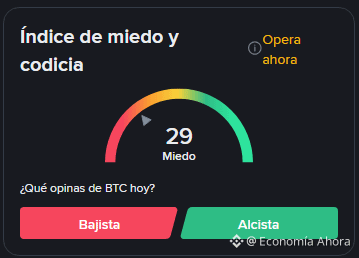
🚨 ファンダメンタル分析:恐怖が29レベルに戻る中、ビットコインは週に備える
暗号資産市場のファンダメンタル・パルスは、過去数週間の絶望的なパニックの日々に比べると、わずかな落ち着きを見せています。チャートデータによると、本日の「恐怖と強欲指数」は29ポイント(恐怖)です。支配的な感情は依然として防衛的で慎重ですが、29ポイントへの上昇は、より強い小口投資家の投げ売り(キャピチュレーション)が止まりつつあり、構造的なサポート上での「調整・吸収」の期間に移行していることを示唆します。
📰 重要ニュースと暗号資産全体の見通し
現物ETFへの吸収:価格を押し下げた連日の純流出の後、米国のビットコイン現物ETFは再び安定化の兆しと、わずかな資金流入を示しています。機関投資家は、現在のディスカウント帯での買いを平均的に継続しています。
注目のマクロ経済データ:世界の投資家は、主要国で発表される今後のインフレ指標と雇用指標に引き続き注目しています。世界経済の冷え込み、または金利に対する緩和の兆しが見えれば、暗号資産セクターのようなリスク資産に強い追い風が戻る可能性があります。
マイニングとネットワークの健全性:ビットコイン・ネットワークのハッシュレート(hasrate)は、非常に健全で競争力のある水準を維持しています。直近のボラティリティによってマージンに圧力がかかっているにもかかわらず、大規模なマイナーはネットワークを確保し続けており、マイニング設備の大規模な停止の兆候は見られません。
💰 週間展望:何を期待する?
センチメント指標が29ポイントに落ち着いたことで、市場全体の見通しは横ばいの蓄積(レンジ形成)です。買いの出来高が主要暗号資産の直近安値をうまく防衛できれば、積み上がった過剰売り(オーバーソールド)が緩和されるテクニカルなリバウンドのシナリオが整っています。
#BTC #Bitcoin #FundamentalAnalysis $BTC
祝福を!
{spot}(NVDABUSDT)
{spot}(MSFTBUSDT)
{spot}(BTCUSDT)
🚨 ファンダメンタル分析:恐怖が29レベルに戻る中、ビットコインは週に備える
暗号資産市場のファンダメンタル・パルスは、過去数週間の絶望的なパニックの日々に比べると、わずかな落ち着きを見せています。チャートデータによると、本日の「恐怖と強欲指数」は29ポイント(恐怖)です。支配的な感情は依然として防衛的で慎重ですが、29ポイントへの上昇は、より強い小口投資家の投げ売り(キャピチュレーション)が止まりつつあり、構造的なサポート上での「調整・吸収」の期間に移行していることを示唆します。
📰 重要ニュースと暗号資産全体の見通し
現物ETFへの吸収:価格を押し下げた連日の純流出の後、米国のビットコイン現物ETFは再び安定化の兆しと、わずかな資金流入を示しています。機関投資家は、現在のディスカウント帯での買いを平均的に継続しています。
注目のマクロ経済データ:世界の投資家は、主要国で発表される今後のインフレ指標と雇用指標に引き続き注目しています。世界経済の冷え込み、または金利に対する緩和の兆しが見えれば、暗号資産セクターのようなリスク資産に強い追い風が戻る可能性があります。
マイニングとネットワークの健全性:ビットコイン・ネットワークのハッシュレート(hasrate)は、非常に健全で競争力のある水準を維持しています。直近のボラティリティによってマージンに圧力がかかっているにもかかわらず、大規模なマイナーはネットワークを確保し続けており、マイニング設備の大規模な停止の兆候は見られません。
💰 週間展望:何を期待する?
センチメント指標が29ポイントに落ち着いたことで、市場全体の見通しは横ばいの蓄積(レンジ形成)です。買いの出来高が主要暗号資産の直近安値をうまく防衛できれば、積み上がった過剰売り(オーバーソールド)が緩和されるテクニカルなリバウンドのシナリオが整っています。
#BTC #Bitcoin #FundamentalAnalysis $BTC
祝福を!
暗号資産市場のファンダメンタル・パルスは、過去数週間の絶望的なパニックの日々に比べると、わずかな落ち着きを見せています。チャートデータによると、本日の「恐怖と強欲指数」は29ポイント(恐怖)です。支配的な感情は依然として防衛的で慎重ですが、29ポイントへの上昇は、より強い小口投資家の投げ売り(キャピチュレーション)が止まりつつあり、構造的なサポート上での「調整・吸収」の期間に移行していることを示唆します。
📰 重要ニュースと暗号資産全体の見通し
現物ETFへの吸収:価格を押し下げた連日の純流出の後、米国のビットコイン現物ETFは再び安定化の兆しと、わずかな資金流入を示しています。機関投資家は、現在のディスカウント帯での買いを平均的に継続しています。
注目のマクロ経済データ:世界の投資家は、主要国で発表される今後のインフレ指標と雇用指標に引き続き注目しています。世界経済の冷え込み、または金利に対する緩和の兆しが見えれば、暗号資産セクターのようなリスク資産に強い追い風が戻る可能性があります。
マイニングとネットワークの健全性:ビットコイン・ネットワークのハッシュレート(hasrate)は、非常に健全で競争力のある水準を維持しています。直近のボラティリティによってマージンに圧力がかかっているにもかかわらず、大規模なマイナーはネットワークを確保し続けており、マイニング設備の大規模な停止の兆候は見られません。
💰 週間展望:何を期待する?
センチメント指標が29ポイントに落ち着いたことで、市場全体の見通しは横ばいの蓄積(レンジ形成)です。買いの出来高が主要暗号資産の直近安値をうまく防衛できれば、積み上がった過剰売り(オーバーソールド)が緩和されるテクニカルなリバウンドのシナリオが整っています。
#BTC #Bitcoin #FundamentalAnalysis $BTC
祝福を!
1
90

·
--
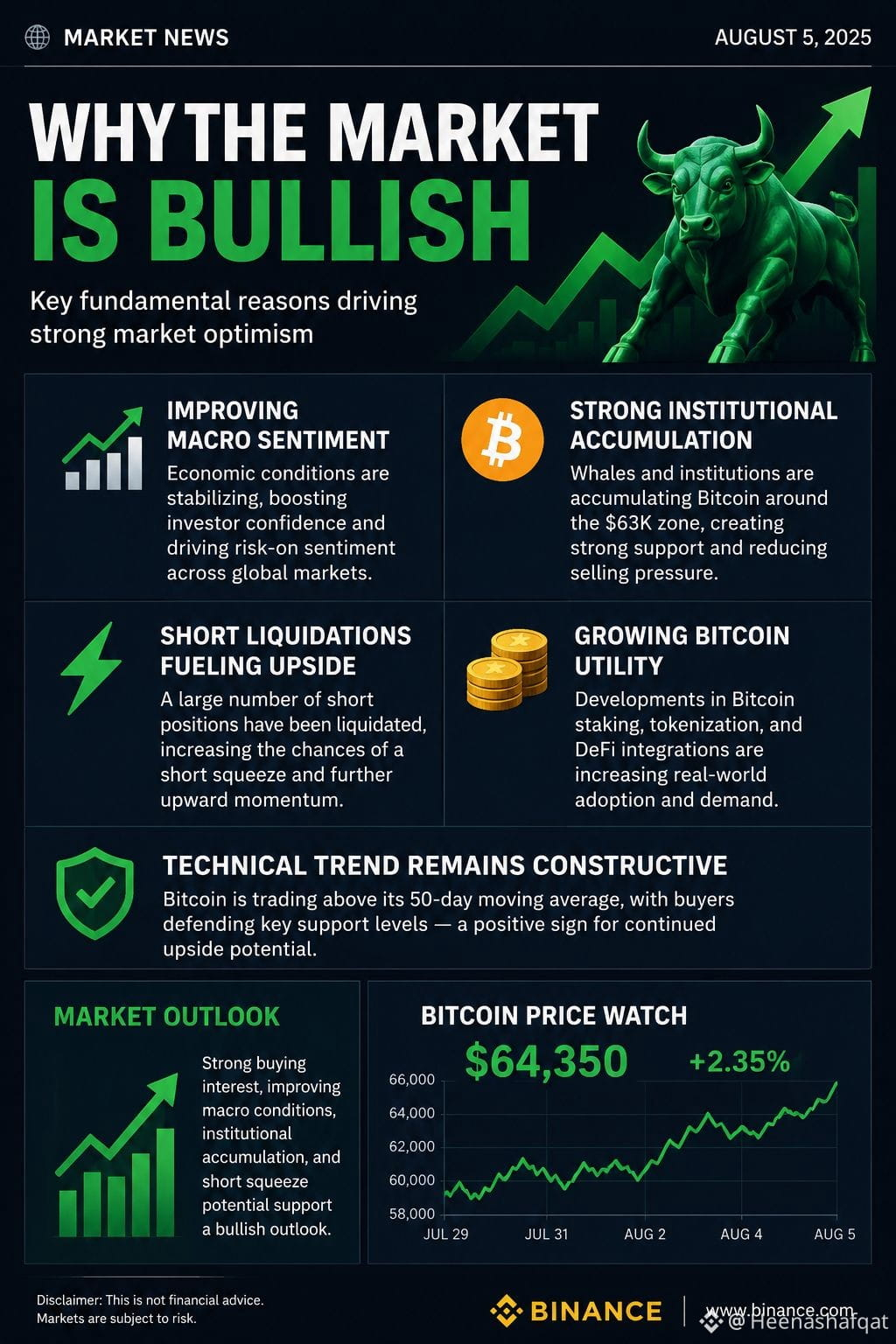
🚨 市場が強気に見える理由 🧐
いま市場を押し上げている最も強い強気材料は以下の通りです:
1. 改善するマクロ指標のセンチメント – 経済状況が安定してきたことで、投資家がリスク資産へと再び資金を振り向けており、ビットコインが重要な水準を上回るのを後押ししています。
2. 強い機関投資家の蓄積 – オンチェーンデータは、大口保有者(クジラ)と個人投資家の両方が約63Kドルのビットコイン・ゾーン付近で買いを入れていることを示しており、強固なサポート領域を形成しています。
3. 追随するショートの清算が上昇を加速 – 最近のBTC清算の大きな割合がショートポジションによるもので、ショートスクイーズ(踏み上げ)と、より強い上昇モメンタムが起きやすくなっています。
4. ビットコインのユーティリティ(用途)の拡大 – ビットコインのステーキングやトークン化に関する新しい動きが、長期的な採用と需要を引き続き強化しています。
5. テクニカル面のトレンドは引き続き堅調 – ビットコインは上昇中の50日移動平均線の上で取引されており、買い手が重要なサポート水準を守っていることを示唆しています。
#TRUMP #fundamentalanalysis #TradingSignals $BNB $XAUT $BTC
🚨 市場が強気に見える理由 🧐
いま市場を押し上げている最も強い強気材料は以下の通りです:
1. 改善するマクロ指標のセンチメント – 経済状況が安定してきたことで、投資家がリスク資産へと再び資金を振り向けており、ビットコインが重要な水準を上回るのを後押ししています。
2. 強い機関投資家の蓄積 – オンチェーンデータは、大口保有者(クジラ)と個人投資家の両方が約63Kドルのビットコイン・ゾーン付近で買いを入れていることを示しており、強固なサポート領域を形成しています。
3. 追随するショートの清算が上昇を加速 – 最近のBTC清算の大きな割合がショートポジションによるもので、ショートスクイーズ(踏み上げ)と、より強い上昇モメンタムが起きやすくなっています。
4. ビットコインのユーティリティ(用途)の拡大 – ビットコインのステーキングやトークン化に関する新しい動きが、長期的な採用と需要を引き続き強化しています。
5. テクニカル面のトレンドは引き続き堅調 – ビットコインは上昇中の50日移動平均線の上で取引されており、買い手が重要なサポート水準を守っていることを示唆しています。
#TRUMP #fundamentalanalysis #TradingSignals $BNB $XAUT $BTC
いま市場を押し上げている最も強い強気材料は以下の通りです:
1. 改善するマクロ指標のセンチメント – 経済状況が安定してきたことで、投資家がリスク資産へと再び資金を振り向けており、ビットコインが重要な水準を上回るのを後押ししています。
2. 強い機関投資家の蓄積 – オンチェーンデータは、大口保有者(クジラ)と個人投資家の両方が約63Kドルのビットコイン・ゾーン付近で買いを入れていることを示しており、強固なサポート領域を形成しています。
3. 追随するショートの清算が上昇を加速 – 最近のBTC清算の大きな割合がショートポジションによるもので、ショートスクイーズ(踏み上げ)と、より強い上昇モメンタムが起きやすくなっています。
4. ビットコインのユーティリティ(用途)の拡大 – ビットコインのステーキングやトークン化に関する新しい動きが、長期的な採用と需要を引き続き強化しています。
5. テクニカル面のトレンドは引き続き堅調 – ビットコインは上昇中の50日移動平均線の上で取引されており、買い手が重要なサポート水準を守っていることを示唆しています。
#TRUMP #fundamentalanalysis #TradingSignals $BNB $XAUT $BTC
2
93

·
--
🥊 タイタンの戦い: テクニカル分析 vs ファンダメンタル分析
ポスト本文:
テクニカル分析(TA)は宝の地図だと言われているが、ファンダメンタル分析(FA)は船に穴が開いているかどうかを教えてくれる。 🗺️ vs 🚢
もし残りの年をこの二つのうちのどちらかだけで取引しなければならないとしたら... どちらを選ぶ?そしてその理由は?
私の短い意見: TAはエントリーを与えてくれるが、FAはポジションを保持するための信念を与えてくれる。
行動を促す呼びかけ(CTA): 下に投票して: 📈 テクニカル | 🧠 ファンダメンタル. あなたの立場を守れ!
#TechnicalAnalysis #fundamentalanalysis #cryptodebate
🥊 タイタンの戦い: テクニカル分析 vs ファンダメンタル分析
ポスト本文:
テクニカル分析(TA)は宝の地図だと言われているが、ファンダメンタル分析(FA)は船に穴が開いているかどうかを教えてくれる。 🗺️ vs 🚢
もし残りの年をこの二つのうちのどちらかだけで取引しなければならないとしたら... どちらを選ぶ?そしてその理由は?
私の短い意見: TAはエントリーを与えてくれるが、FAはポジションを保持するための信念を与えてくれる。
行動を促す呼びかけ(CTA): 下に投票して: 📈 テクニカル | 🧠 ファンダメンタル. あなたの立場を守れ!
#TechnicalAnalysis #fundamentalanalysis #cryptodebate
ポスト本文:
テクニカル分析(TA)は宝の地図だと言われているが、ファンダメンタル分析(FA)は船に穴が開いているかどうかを教えてくれる。 🗺️ vs 🚢
もし残りの年をこの二つのうちのどちらかだけで取引しなければならないとしたら... どちらを選ぶ?そしてその理由は?
私の短い意見: TAはエントリーを与えてくれるが、FAはポジションを保持するための信念を与えてくれる。
行動を促す呼びかけ(CTA): 下に投票して: 📈 テクニカル | 🧠 ファンダメンタル. あなたの立場を守れ!
#TechnicalAnalysis #fundamentalanalysis #cryptodebate
77

·
--
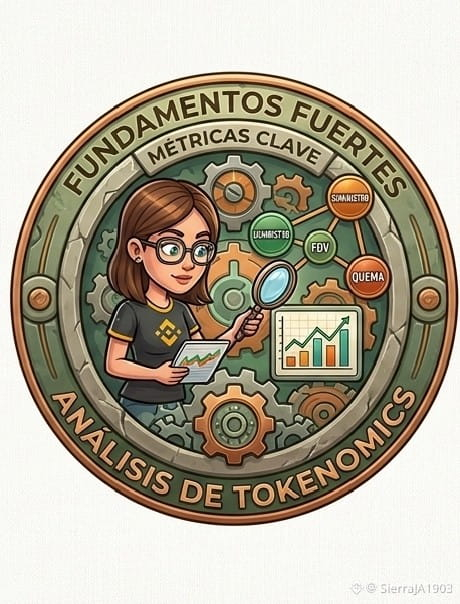
🎒 グラフを超えて:今日チェックすべき3つのトークノミクス指標
多くの初心者はBinanceのインターフェースでトークンの価格が上がっているか下がっているかを見ることに限られているが、プロジェクトに未来があるか、あるいは時間の爆弾なのかを理解するためには、そのトークノミクス(トークンの経済)について学ぶ必要がある。
新しいプロジェクトに資本を割り当てる前に、データセクションに行くか、Binance Researchでこれらの3つの重要指標を探してレポートを読むことをお勧めする:
循環供給 vs. 最大供給(Circulating vs. Max Supply):循環供給は今日購入および販売可能なコインの量である。もしプロジェクトがトークンの10%しか流通しておらず、残りの90%が今後数ヶ月で解除される場合、大量の売り圧力が発生し、技術がどれほど優れていても価格が希薄化することになる。
時価総額 vs. 完全希薄化評価(Market Cap vs. FDV):FDVは、すべてのトークンが市場に出回った場合、プロジェクトがどれだけの価値になるかを示す。現在の時価総額とFDVのギャップが巨大であれば、中期的には非常にインフレ的な資産に直面していることになる。
バーニングメカニズム(Burn Mechanisms):トークンにデフレ的なダイナミクス(ネットワーク手数料の一部を自動的に焼却するか、企業の自己買い戻しなど)があるかどうかを調査する。供給が時間とともに減少する資産は、持続的な需要に対して価値を保持しやすい。
💡 教育は力:ソーシャルメディアで魅力的なナarrativeを購入する前に、トークンの実際の分配に関する数字を対比させよう。ファンダメンタルズに基づいて投資しよう!
#BinanceAcademy #Tokenomics #CryptoEducation #FundamentalAnalysis
🎒 グラフを超えて:今日チェックすべき3つのトークノミクス指標
多くの初心者はBinanceのインターフェースでトークンの価格が上がっているか下がっているかを見ることに限られているが、プロジェクトに未来があるか、あるいは時間の爆弾なのかを理解するためには、そのトークノミクス(トークンの経済)について学ぶ必要がある。
新しいプロジェクトに資本を割り当てる前に、データセクションに行くか、Binance Researchでこれらの3つの重要指標を探してレポートを読むことをお勧めする:
循環供給 vs. 最大供給(Circulating vs. Max Supply):循環供給は今日購入および販売可能なコインの量である。もしプロジェクトがトークンの10%しか流通しておらず、残りの90%が今後数ヶ月で解除される場合、大量の売り圧力が発生し、技術がどれほど優れていても価格が希薄化することになる。
時価総額 vs. 完全希薄化評価(Market Cap vs. FDV):FDVは、すべてのトークンが市場に出回った場合、プロジェクトがどれだけの価値になるかを示す。現在の時価総額とFDVのギャップが巨大であれば、中期的には非常にインフレ的な資産に直面していることになる。
バーニングメカニズム(Burn Mechanisms):トークンにデフレ的なダイナミクス(ネットワーク手数料の一部を自動的に焼却するか、企業の自己買い戻しなど)があるかどうかを調査する。供給が時間とともに減少する資産は、持続的な需要に対して価値を保持しやすい。
💡 教育は力:ソーシャルメディアで魅力的なナarrativeを購入する前に、トークンの実際の分配に関する数字を対比させよう。ファンダメンタルズに基づいて投資しよう!
#BinanceAcademy #Tokenomics #CryptoEducation #FundamentalAnalysis
多くの初心者はBinanceのインターフェースでトークンの価格が上がっているか下がっているかを見ることに限られているが、プロジェクトに未来があるか、あるいは時間の爆弾なのかを理解するためには、そのトークノミクス(トークンの経済)について学ぶ必要がある。
新しいプロジェクトに資本を割り当てる前に、データセクションに行くか、Binance Researchでこれらの3つの重要指標を探してレポートを読むことをお勧めする:
循環供給 vs. 最大供給(Circulating vs. Max Supply):循環供給は今日購入および販売可能なコインの量である。もしプロジェクトがトークンの10%しか流通しておらず、残りの90%が今後数ヶ月で解除される場合、大量の売り圧力が発生し、技術がどれほど優れていても価格が希薄化することになる。
時価総額 vs. 完全希薄化評価(Market Cap vs. FDV):FDVは、すべてのトークンが市場に出回った場合、プロジェクトがどれだけの価値になるかを示す。現在の時価総額とFDVのギャップが巨大であれば、中期的には非常にインフレ的な資産に直面していることになる。
バーニングメカニズム(Burn Mechanisms):トークンにデフレ的なダイナミクス(ネットワーク手数料の一部を自動的に焼却するか、企業の自己買い戻しなど)があるかどうかを調査する。供給が時間とともに減少する資産は、持続的な需要に対して価値を保持しやすい。
💡 教育は力:ソーシャルメディアで魅力的なナarrativeを購入する前に、トークンの実際の分配に関する数字を対比させよう。ファンダメンタルズに基づいて投資しよう!
#BinanceAcademy #Tokenomics #CryptoEducation #FundamentalAnalysis
1
69
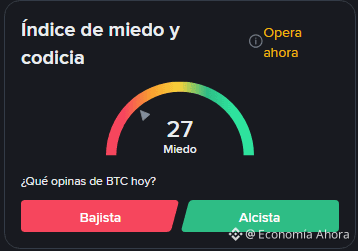
🚨 ファンダメンタル分析:恐怖が27ポイントでさらに強まる キャピチュレーション(投げ売り)ゾーンか、それともビットコインの蓄積ゾーンか?
暗号資産市場の鼓動は再び、極度の警戒領域へと収縮しています。現在のデータによると、恐怖と強欲指数(F&G)は27ポイント(恐怖)まで低下しました。直近日からの下方修正は、小口投資家が強い感情的な不確実性のもとで取引を続けていることを裏づけます。とはいえ、歴史的に20〜30ポイントの範囲は、機関投資家にとってのチャンス領域であり、中長期ポジションの蓄積の窓となります。
📰 重要ニュースと暗号資産全体の展望
マクロ経済の圧力:伝統的な市場は、米国における金融政策決定や金利に関する不確実性を吸収しており、その結果、ヘッジファンドは $BTC のようなリスク資産に対して防御的な姿勢を維持せざるを得ません。
現物ETFのフロー:ビットコインETFは入金ペースがやや控えめである一方、主要な機関投資家の資金は“受け皿”として機能し、重要なサポート・ブロック内で流動性を吸収することで、パニック売りの緩和を図っています。
ネットワークの健全性と安定:採掘難易度とハッシュレート(hasrate)は高い堅調さを維持しており、ネットワークの安全性が確保され、マイナーによる大規模なキャピチュレーションへの懸念を払拭しています。
💰 週間展望:何を期待すべき?
指標が27ポイントに落ち着いたことで、市場は感情の圧縮局面にあります。今週は、構造的な底を固めるうえで決定的な週になるでしょう。もし機関資本が現行のサポート水準を防衛できれば、恐怖のセンチメントは、オーバーソールドによるテクニカルなリバウンドへと素早く転換する可能性があります。
#BTC #Bitcoin #FundamentalAnalysis
$BTC
{spot}(BNBUSDT)
{spot}(GOOGLBUSDT)
{spot}(BTCUSDT)
祝福を!
🚨 ファンダメンタル分析:恐怖が27ポイントでさらに強まる キャピチュレーション(投げ売り)ゾーンか、それともビットコインの蓄積ゾーンか?
暗号資産市場の鼓動は再び、極度の警戒領域へと収縮しています。現在のデータによると、恐怖と強欲指数(F&G)は27ポイント(恐怖)まで低下しました。直近日からの下方修正は、小口投資家が強い感情的な不確実性のもとで取引を続けていることを裏づけます。とはいえ、歴史的に20〜30ポイントの範囲は、機関投資家にとってのチャンス領域であり、中長期ポジションの蓄積の窓となります。
📰 重要ニュースと暗号資産全体の展望
マクロ経済の圧力:伝統的な市場は、米国における金融政策決定や金利に関する不確実性を吸収しており、その結果、ヘッジファンドは $BTC のようなリスク資産に対して防御的な姿勢を維持せざるを得ません。
現物ETFのフロー:ビットコインETFは入金ペースがやや控えめである一方、主要な機関投資家の資金は“受け皿”として機能し、重要なサポート・ブロック内で流動性を吸収することで、パニック売りの緩和を図っています。
ネットワークの健全性と安定:採掘難易度とハッシュレート(hasrate)は高い堅調さを維持しており、ネットワークの安全性が確保され、マイナーによる大規模なキャピチュレーションへの懸念を払拭しています。
💰 週間展望:何を期待すべき?
指標が27ポイントに落ち着いたことで、市場は感情の圧縮局面にあります。今週は、構造的な底を固めるうえで決定的な週になるでしょう。もし機関資本が現行のサポート水準を防衛できれば、恐怖のセンチメントは、オーバーソールドによるテクニカルなリバウンドへと素早く転換する可能性があります。
#BTC #Bitcoin #FundamentalAnalysis
$BTC
祝福を!
暗号資産市場の鼓動は再び、極度の警戒領域へと収縮しています。現在のデータによると、恐怖と強欲指数(F&G)は27ポイント(恐怖)まで低下しました。直近日からの下方修正は、小口投資家が強い感情的な不確実性のもとで取引を続けていることを裏づけます。とはいえ、歴史的に20〜30ポイントの範囲は、機関投資家にとってのチャンス領域であり、中長期ポジションの蓄積の窓となります。
📰 重要ニュースと暗号資産全体の展望
マクロ経済の圧力:伝統的な市場は、米国における金融政策決定や金利に関する不確実性を吸収しており、その結果、ヘッジファンドは $BTC のようなリスク資産に対して防御的な姿勢を維持せざるを得ません。
現物ETFのフロー:ビットコインETFは入金ペースがやや控えめである一方、主要な機関投資家の資金は“受け皿”として機能し、重要なサポート・ブロック内で流動性を吸収することで、パニック売りの緩和を図っています。
ネットワークの健全性と安定:採掘難易度とハッシュレート(hasrate)は高い堅調さを維持しており、ネットワークの安全性が確保され、マイナーによる大規模なキャピチュレーションへの懸念を払拭しています。
💰 週間展望:何を期待すべき?
指標が27ポイントに落ち着いたことで、市場は感情の圧縮局面にあります。今週は、構造的な底を固めるうえで決定的な週になるでしょう。もし機関資本が現行のサポート水準を防衛できれば、恐怖のセンチメントは、オーバーソールドによるテクニカルなリバウンドへと素早く転換する可能性があります。
#BTC #Bitcoin #FundamentalAnalysis
$BTC
祝福を!
1
110

·
--
「マッシブタイムセーバー」(プロジェクト/エアドロップガイド)
これが評価される理由: ユーザーはディープダイブが好きだけど、ホワイトペーパーを何時間も読むのは嫌い。複雑なエコシステムデータを1分で読めるように簡略化すると、その努力に感謝される。
🧵 エコシステムディープダイブ: $TRX デフレーションの秘密 🔴
誰もがレイヤー1のガス料金について話すが、背景にあるバurnレートを見ている人は少ない。$TRX が現在、静かに大きな構造的アドバンテージを持っている理由を解説しよう。
📑 60秒のブレイクダウン:
エンジン: TRONは、世界のデイリー$USDT トランザクションボリュームの40-50%を処理している。
バurn: ピアツーピアの各転送はエネルギー/バンド幅を消費する。ユーザーが凍結されたエネルギーを保持していない場合、スポットTRXが代わりにバurnされる。
数学: 過去数四半期にわたり、デイリーバurnレートは新しいトークン発行を常に上回っている。これは攻撃的なデフレーションループだ。
💡 テイクアウェイ: 他のチェーンが市場のヒypeに完全に依存している間、TRONのトークンモデルはステーブルコインのユーティリティに直接結びついている。供給が少なく、需要が一貫している。
☕ この構造的ブレイクダウンがあなたの研究を1時間節約しましたか? いいね!チップは大歓迎で、これらのディープダイブを続ける助けになる。👇
#TronNetwork #Trxusdt #fundamentalanalysis #CryptoGuides
「マッシブタイムセーバー」(プロジェクト/エアドロップガイド)
これが評価される理由: ユーザーはディープダイブが好きだけど、ホワイトペーパーを何時間も読むのは嫌い。複雑なエコシステムデータを1分で読めるように簡略化すると、その努力に感謝される。
🧵 エコシステムディープダイブ: $TRX デフレーションの秘密 🔴
誰もがレイヤー1のガス料金について話すが、背景にあるバurnレートを見ている人は少ない。$TRX が現在、静かに大きな構造的アドバンテージを持っている理由を解説しよう。
📑 60秒のブレイクダウン:
エンジン: TRONは、世界のデイリー$USDT トランザクションボリュームの40-50%を処理している。
バurn: ピアツーピアの各転送はエネルギー/バンド幅を消費する。ユーザーが凍結されたエネルギーを保持していない場合、スポットTRXが代わりにバurnされる。
数学: 過去数四半期にわたり、デイリーバurnレートは新しいトークン発行を常に上回っている。これは攻撃的なデフレーションループだ。
💡 テイクアウェイ: 他のチェーンが市場のヒypeに完全に依存している間、TRONのトークンモデルはステーブルコインのユーティリティに直接結びついている。供給が少なく、需要が一貫している。
☕ この構造的ブレイクダウンがあなたの研究を1時間節約しましたか? いいね!チップは大歓迎で、これらのディープダイブを続ける助けになる。👇
#TronNetwork #Trxusdt #fundamentalanalysis #CryptoGuides
これが評価される理由: ユーザーはディープダイブが好きだけど、ホワイトペーパーを何時間も読むのは嫌い。複雑なエコシステムデータを1分で読めるように簡略化すると、その努力に感謝される。
🧵 エコシステムディープダイブ: $TRX デフレーションの秘密 🔴
誰もがレイヤー1のガス料金について話すが、背景にあるバurnレートを見ている人は少ない。$TRX が現在、静かに大きな構造的アドバンテージを持っている理由を解説しよう。
📑 60秒のブレイクダウン:
エンジン: TRONは、世界のデイリー$USDT トランザクションボリュームの40-50%を処理している。
バurn: ピアツーピアの各転送はエネルギー/バンド幅を消費する。ユーザーが凍結されたエネルギーを保持していない場合、スポットTRXが代わりにバurnされる。
数学: 過去数四半期にわたり、デイリーバurnレートは新しいトークン発行を常に上回っている。これは攻撃的なデフレーションループだ。
💡 テイクアウェイ: 他のチェーンが市場のヒypeに完全に依存している間、TRONのトークンモデルはステーブルコインのユーティリティに直接結びついている。供給が少なく、需要が一貫している。
☕ この構造的ブレイクダウンがあなたの研究を1時間節約しましたか? いいね!チップは大歓迎で、これらのディープダイブを続ける助けになる。👇
#TronNetwork #Trxusdt #fundamentalanalysis #CryptoGuides
1
155
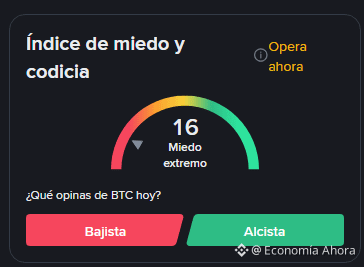
🚨 ファンダメンタル分析:パニックはチャンスを開く。ビットコインの「重要サポート」は?
暗号資産市場における全体的なセンチメントは、警戒を要するほどの不信レベルにまで低下しています。提示された画像チャートが示す通り、「恐怖と強欲指数」は16ポイントまで急落(極度の恐怖)しています。歴史的に、小口投資家が絶望的なパニックによって投げ売りする局面では、価格における大きな底が形成される前触れとなることが多いです。リテール市場が恐怖に押されて損失を抱えて売りを出す一方で、機関投資家やクジラ(大口)は、安値の流動性を求めて蓄積ゾーンを作動させる傾向があります。
📰 主要ニュースとマクロ経済環境
政府・機関による売り圧力:政府による差し押さえとそれに伴う強制的な返金(リベート)が関連する過去のウォレットにおける継続的な動きが、オーダーブックを警戒状態に置き、短期的にはパニック売りがスポット市場を圧倒します。
マクロ環境との相関:ウォール街は、大手テック企業のリバランスと金融政策をめぐる不確実性により、やや慎重な姿勢を保っています。高金利を維持する強いスタンスは、世界の過剰流動性を抑制し、リスク資産に直接的な影響を及ぼします。
オンチェーンの強靭さ:価格が下落しているにもかかわらず、ビットコイン・ネットワークの内部指標は、取引処理と計算能力(ハッシュレート)が安定していることを示しています。プロトコルに構造的な障害はなく、買い手の資金が一時的に枯渇しているだけです。
クマがムードを支配している一方で、パニックによる極端な売られ過ぎが見られます。機関サポートが売りを吸収できれば、センチメント指数16ポイントはテクニカルな跳ね返りの足場になり得ます。慎重に、ショートでの過度なレバレッジを避け、重要な取引セッションでの機関出来高を注視しましょう。
#BTC #Bitcoin #FundamentalAnalysis
$BTC
¡祝福を!
{spot}(NVDABUSDT)
{spot}(TSLABUSDT)
{spot}(BTCUSDT)
🚨 ファンダメンタル分析:パニックはチャンスを開く。ビットコインの「重要サポート」は?
暗号資産市場における全体的なセンチメントは、警戒を要するほどの不信レベルにまで低下しています。提示された画像チャートが示す通り、「恐怖と強欲指数」は16ポイントまで急落(極度の恐怖)しています。歴史的に、小口投資家が絶望的なパニックによって投げ売りする局面では、価格における大きな底が形成される前触れとなることが多いです。リテール市場が恐怖に押されて損失を抱えて売りを出す一方で、機関投資家やクジラ(大口)は、安値の流動性を求めて蓄積ゾーンを作動させる傾向があります。
📰 主要ニュースとマクロ経済環境
政府・機関による売り圧力:政府による差し押さえとそれに伴う強制的な返金(リベート)が関連する過去のウォレットにおける継続的な動きが、オーダーブックを警戒状態に置き、短期的にはパニック売りがスポット市場を圧倒します。
マクロ環境との相関:ウォール街は、大手テック企業のリバランスと金融政策をめぐる不確実性により、やや慎重な姿勢を保っています。高金利を維持する強いスタンスは、世界の過剰流動性を抑制し、リスク資産に直接的な影響を及ぼします。
オンチェーンの強靭さ:価格が下落しているにもかかわらず、ビットコイン・ネットワークの内部指標は、取引処理と計算能力(ハッシュレート)が安定していることを示しています。プロトコルに構造的な障害はなく、買い手の資金が一時的に枯渇しているだけです。
クマがムードを支配している一方で、パニックによる極端な売られ過ぎが見られます。機関サポートが売りを吸収できれば、センチメント指数16ポイントはテクニカルな跳ね返りの足場になり得ます。慎重に、ショートでの過度なレバレッジを避け、重要な取引セッションでの機関出来高を注視しましょう。
#BTC #Bitcoin #FundamentalAnalysis
$BTC
¡祝福を!
暗号資産市場における全体的なセンチメントは、警戒を要するほどの不信レベルにまで低下しています。提示された画像チャートが示す通り、「恐怖と強欲指数」は16ポイントまで急落(極度の恐怖)しています。歴史的に、小口投資家が絶望的なパニックによって投げ売りする局面では、価格における大きな底が形成される前触れとなることが多いです。リテール市場が恐怖に押されて損失を抱えて売りを出す一方で、機関投資家やクジラ(大口)は、安値の流動性を求めて蓄積ゾーンを作動させる傾向があります。
📰 主要ニュースとマクロ経済環境
政府・機関による売り圧力:政府による差し押さえとそれに伴う強制的な返金(リベート)が関連する過去のウォレットにおける継続的な動きが、オーダーブックを警戒状態に置き、短期的にはパニック売りがスポット市場を圧倒します。
マクロ環境との相関:ウォール街は、大手テック企業のリバランスと金融政策をめぐる不確実性により、やや慎重な姿勢を保っています。高金利を維持する強いスタンスは、世界の過剰流動性を抑制し、リスク資産に直接的な影響を及ぼします。
オンチェーンの強靭さ:価格が下落しているにもかかわらず、ビットコイン・ネットワークの内部指標は、取引処理と計算能力(ハッシュレート)が安定していることを示しています。プロトコルに構造的な障害はなく、買い手の資金が一時的に枯渇しているだけです。
クマがムードを支配している一方で、パニックによる極端な売られ過ぎが見られます。機関サポートが売りを吸収できれば、センチメント指数16ポイントはテクニカルな跳ね返りの足場になり得ます。慎重に、ショートでの過度なレバレッジを避け、重要な取引セッションでの機関出来高を注視しましょう。
#BTC #Bitcoin #FundamentalAnalysis
$BTC
¡祝福を!
1
45

TRXがビットコインを上回るのは、季節性によるローテーションでも、ムード主導の“ミーム的な急騰”でもなく、センチメントが変われば反転する類いではありません。これは、市場がTRONのネットワークの基礎が、1トランザクション、1アカウント、そして手数料収益の1ドルあたりの観点で見た場合に、ビットコインよりも大幅に高いバリュエーションを正当化すると認め始めていることを意味します。ビットコインの価値は主としてナラティブ(物語)に由来します。すなわち、価値の保存、デジタル・ゴールド、インフレへのヘッジ、検閲に強い通貨です。これらのナラティブは価値があり、実際に大きな時価総額を生み出してきましたが、オンチェーン上の経済活動や手数料発生とは直接的には相関していません。TRONの価値はユーティリティ(実需)に由来します。TRONは、USDT-TRC20の決済レイヤーとして、あらゆるネットワークよりも多いステーブルコインの取引量を処理し、Hamilton Laneの9,000億ドル規模のトークン化ファンドのためのプラットフォームとなっており、2億のアクティブアカウントをホストし、累計100億件のトランザクションを処理するインフラを備えています。これらの各ユースケースは、27人のSuper Representatives(スーパー代表者)によるステーキングメカニズムを通じてTRXホルダーへ流れ込む、測定可能な手数料収益を生み出します。ジャスティン・サンの1,800万ドルの個人投資は、このユーティリティに基づくバリュエーション仮説と、いずれ市場がTRONの本質的価値を認識するという確信を反映しています。TRON Incのトレジャリーによる買いは、企業の観点から同じ仮説を裏付けるものであり、さらに手数料の経済性に関する運用面の洞察という追加の利点があります。Bitnomialの上場、OKXのパーペチュアル取引、モスクワ証券取引所の指数は、制度資本がTRONのユーティリティ指標を見出すにつれて、この再評価が加速するための機関投資家向けアクセスチャネルを提供します。TRXが37セントという価格は、市場がTRONの現在の指標に対して付けている評価です。いま規制されたチャネルを通じて流入している機関投資家の資金は、ファンダメンタル分析に基づいてTRONのファンダメンタルが実際に正当化するとする指標の水準へ、価格を押し上げるでしょう。@TRON DAO, @Justin Sun孙宇晨, #TRONEcoStar #TRXvsBitcoin #MarketRevaluation #FundamentalAnalysis
TRXがビットコインを上回るのは、季節性によるローテーションでも、ムード主導の“ミーム的な急騰”でもなく、センチメントが変われば反転する類いではありません。これは、市場がTRONのネットワークの基礎が、1トランザクション、1アカウント、そして手数料収益の1ドルあたりの観点で見た場合に、ビットコインよりも大幅に高いバリュエーションを正当化すると認め始めていることを意味します。ビットコインの価値は主としてナラティブ(物語)に由来します。すなわち、価値の保存、デジタル・ゴールド、インフレへのヘッジ、検閲に強い通貨です。これらのナラティブは価値があり、実際に大きな時価総額を生み出してきましたが、オンチェーン上の経済活動や手数料発生とは直接的には相関していません。TRONの価値はユーティリティ(実需)に由来します。TRONは、USDT-TRC20の決済レイヤーとして、あらゆるネットワークよりも多いステーブルコインの取引量を処理し、Hamilton Laneの9,000億ドル規模のトークン化ファンドのためのプラットフォームとなっており、2億のアクティブアカウントをホストし、累計100億件のトランザクションを処理するインフラを備えています。これらの各ユースケースは、27人のSuper Representatives(スーパー代表者)によるステーキングメカニズムを通じてTRXホルダーへ流れ込む、測定可能な手数料収益を生み出します。ジャスティン・サンの1,800万ドルの個人投資は、このユーティリティに基づくバリュエーション仮説と、いずれ市場がTRONの本質的価値を認識するという確信を反映しています。TRON Incのトレジャリーによる買いは、企業の観点から同じ仮説を裏付けるものであり、さらに手数料の経済性に関する運用面の洞察という追加の利点があります。Bitnomialの上場、OKXのパーペチュアル取引、モスクワ証券取引所の指数は、制度資本がTRONのユーティリティ指標を見出すにつれて、この再評価が加速するための機関投資家向けアクセスチャネルを提供します。TRXが37セントという価格は、市場がTRONの現在の指標に対して付けている評価です。いま規制されたチャネルを通じて流入している機関投資家の資金は、ファンダメンタル分析に基づいてTRONのファンダメンタルが実際に正当化するとする指標の水準へ、価格を押し上げるでしょう。@TRON DAO, @Justin Sun孙宇晨, #TRONEcoStar #TRXvsBitcoin #MarketRevaluation #FundamentalAnalysis
14

記事
どんなコインでも買う前に私は5つだけ確認します。大半の人はまったくそこから始めません。多くの人が新しいコインの勉強を始めると、ほとんど全員が同じことを調べ始めます。
チャート。
赤いローソク足?つまり怖いということです。
緑?つまり買うタイミングです。
しかし問題は、そのチャートはすでに起きたことを示しているだけだという点です。
ずっと面白いのは、そもそもなぜ価格が動くのかを理解することです。
だからこそ、どんなプロジェクトでも購入する前に、まずはいくつかの質問に答えようとしています。
どんなコインでも買う前に私は5つだけ確認します。大半の人はまったくそこから始めません。
多くの人が新しいコインの勉強を始めると、ほとんど全員が同じことを調べ始めます。
チャート。
赤いローソク足?つまり怖いということです。
緑?つまり買うタイミングです。
しかし問題は、そのチャートはすでに起きたことを示しているだけだという点です。
ずっと面白いのは、そもそもなぜ価格が動くのかを理解することです。
だからこそ、どんなプロジェクトでも購入する前に、まずはいくつかの質問に答えようとしています。
チャート。
赤いローソク足?つまり怖いということです。
緑?つまり買うタイミングです。
しかし問題は、そのチャートはすでに起きたことを示しているだけだという点です。
ずっと面白いのは、そもそもなぜ価格が動くのかを理解することです。
だからこそ、どんなプロジェクトでも購入する前に、まずはいくつかの質問に答えようとしています。
1
78
ログインして、さらにコンテンツを読む
厳選トピックで世界の暗号資産トレーダーの仲間入り
⚡️ 暗号資産に関する最新かつ有益な情報が見つかります。
💬 世界最大の暗号資産取引所から信頼されています。
👍 認証を受けたクリエイターから、有益なインサイトを得られます。
メール / 電話番号
トレンドトピック
1
#CerebrasSinksNearly20%OnReportNvidiaToPowerOpenAI
閲覧回数 742
45人が討論中
2
#SECProposesCryptoCustodyRules
閲覧回数 16,236
193人が討論中
3
#SECApproves3xLongCryptoCommodityETPs
閲覧回数 15,029
200人が討論中
4
#G7PlansToReleaseUpTo100MBarrelsOilDiesel
閲覧回数 15,993
241人が討論中
5
#ICBASuesOCCOverCryptoBankCharters
閲覧回数 13,672
162人が討論中
6
#USStocksCloseHigherOnWeakJobsData
閲覧回数 12,901
145人が討論中
7
#AnchorageReportedlyCuts17%Workforce
閲覧回数 1,231
50人が討論中
8
#NFPWatch
閲覧回数 11M
19,638人が討論中
9
#NEARIntentsRecovers$3.8MAfterAttack
閲覧回数 0
1人が討論中
10
#BlastToGraduallyShutDownItsL2Network
閲覧回数 755
43人が討論中