

#federalreserve
federalreserve
閲覧回数 5.4M
11,117人が討論中
注目
最新
·
--
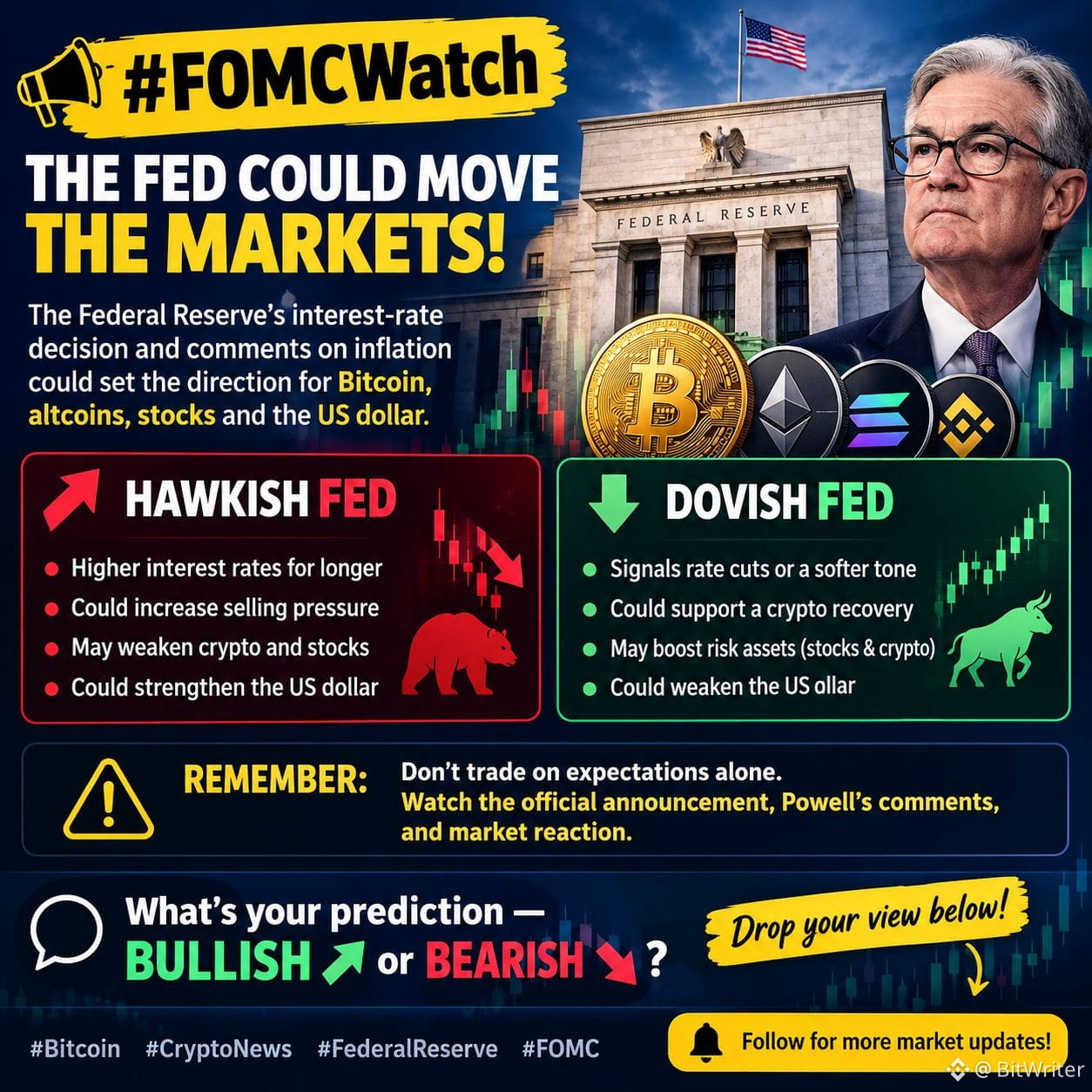
🚨 #FOMCWatch: FRBが市場を動かすかも!📊
#FOMCWatch
仮想通貨トレーダーの皆さん、連邦準備制度理事会に注目してください!👀
FRBの金利決定とインフレに関するコメントは、ビットコイン$BTC 、アルトコイン、株式、そして米ドルの方向性を左右する可能性があります。
🟢 ハト派的なFRB: 仮想通貨の回復を後押しするかもしれません。
🔴 タカ派的なFRB: 売り圧力を強める可能性があります。
あなたの予想は何ですか — 強気 📈 それとも 弱気 📉?
#Bitcoin #FederalReserve #FOMO
🚨 #FOMCWatch: FRBが市場を動かすかも!📊
#FOMCWatch
仮想通貨トレーダーの皆さん、連邦準備制度理事会に注目してください!👀
FRBの金利決定とインフレに関するコメントは、ビットコイン$BTC 、アルトコイン、株式、そして米ドルの方向性を左右する可能性があります。
🟢 ハト派的なFRB: 仮想通貨の回復を後押しするかもしれません。
🔴 タカ派的なFRB: 売り圧力を強める可能性があります。
あなたの予想は何ですか — 強気 📈 それとも 弱気 📉?
#Bitcoin #FederalReserve #FOMO
#FOMCWatch
仮想通貨トレーダーの皆さん、連邦準備制度理事会に注目してください!👀
FRBの金利決定とインフレに関するコメントは、ビットコイン$BTC 、アルトコイン、株式、そして米ドルの方向性を左右する可能性があります。
🟢 ハト派的なFRB: 仮想通貨の回復を後押しするかもしれません。
🔴 タカ派的なFRB: 売り圧力を強める可能性があります。
あなたの予想は何ですか — 強気 📈 それとも 弱気 📉?
#Bitcoin #FederalReserve #FOMO
90

#FOMSWatch
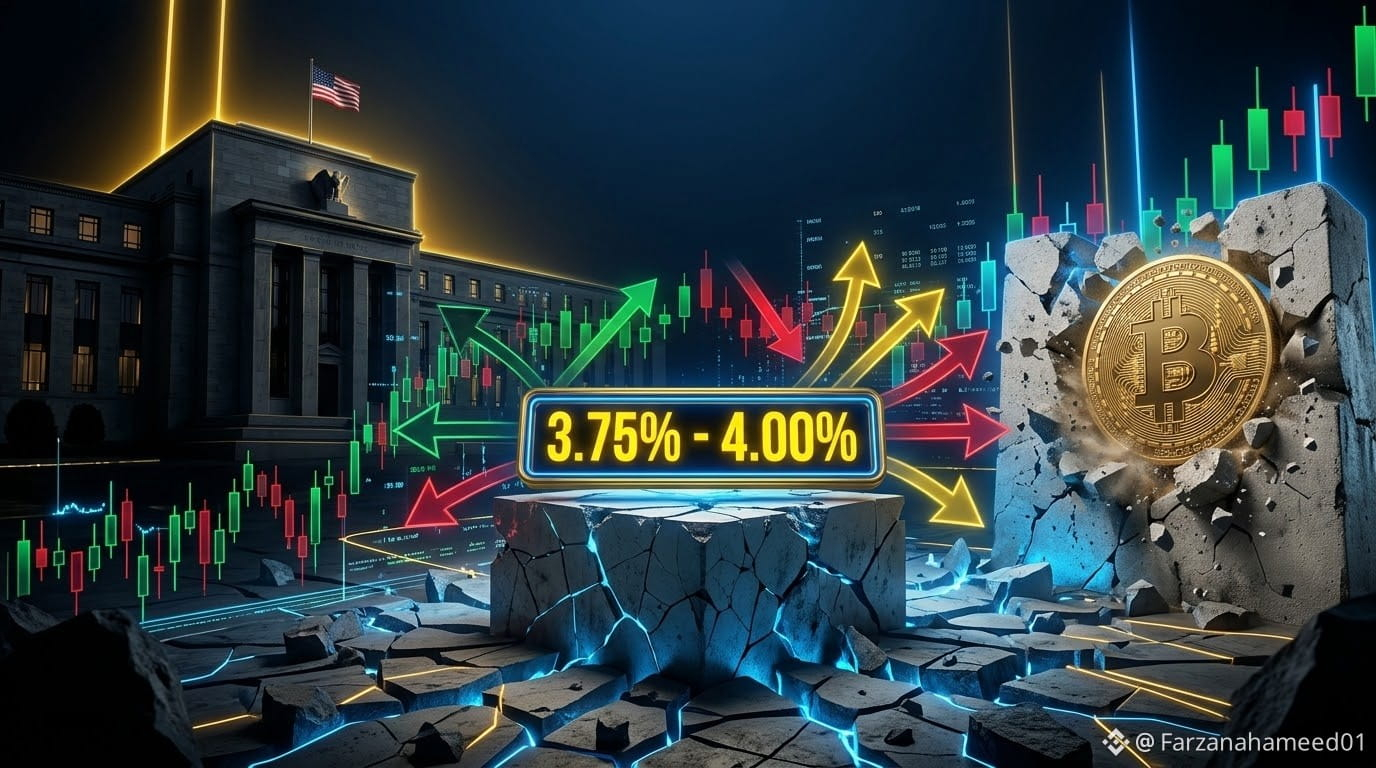
FRBの一つの決定が、明日暗号資産市場を揺るがす!💥
極端な値動きへの準備はできていますか?
明日10月28日、パキスタン時間午後11時にFRBが金利を発表します。3.75%~4.00%で据え置きとの予想です。
ここがポイントです。重要なのは金利ではなく、声明です。FRBがタカ派的な姿勢を示せば、DXYは上昇し、BTCは下落。ハト派なら、暗号資産は急騰するかも!🚀
インフレ率はまだ3.7%で、ウォーシュ議長は12月の利上げを視野に入れています。そのため市場は神経質になっています。
注目すべき銘柄:
BTCは67,000ドルを維持し、ETHも堅調です。この2つが最初に動くでしょう。
私の見解は?最初のローソク足にFOMOで飛び乗らないこと。本当の方向性が見えてくるのは質疑応答の後です。レバレッジは低く抑え、確認を待ちましょう。チャンスは大きいですが、リスクはそれ以上です。
どう思いますか?FOMCをきっかけに上昇するでしょうか、それとも罠でしょうか?強気、それとも弱気?👇
#FOMCWatch #Bitcoin #暗号資産市場 #FederalReserve #BTC
#FOMSWatch
FRBの一つの決定が、明日暗号資産市場を揺るがす!💥
極端な値動きへの準備はできていますか?
明日10月28日、パキスタン時間午後11時にFRBが金利を発表します。3.75%~4.00%で据え置きとの予想です。
ここがポイントです。重要なのは金利ではなく、声明です。FRBがタカ派的な姿勢を示せば、DXYは上昇し、BTCは下落。ハト派なら、暗号資産は急騰するかも!🚀
インフレ率はまだ3.7%で、ウォーシュ議長は12月の利上げを視野に入れています。そのため市場は神経質になっています。
注目すべき銘柄:
BTCは67,000ドルを維持し、ETHも堅調です。この2つが最初に動くでしょう。
私の見解は?最初のローソク足にFOMOで飛び乗らないこと。本当の方向性が見えてくるのは質疑応答の後です。レバレッジは低く抑え、確認を待ちましょう。チャンスは大きいですが、リスクはそれ以上です。
どう思いますか?FOMCをきっかけに上昇するでしょうか、それとも罠でしょうか?強気、それとも弱気?👇
#FOMCWatch #Bitcoin #暗号資産市場 #FederalReserve #BTC
FRBの一つの決定が、明日暗号資産市場を揺るがす!💥
極端な値動きへの準備はできていますか?
明日10月28日、パキスタン時間午後11時にFRBが金利を発表します。3.75%~4.00%で据え置きとの予想です。
ここがポイントです。重要なのは金利ではなく、声明です。FRBがタカ派的な姿勢を示せば、DXYは上昇し、BTCは下落。ハト派なら、暗号資産は急騰するかも!🚀
インフレ率はまだ3.7%で、ウォーシュ議長は12月の利上げを視野に入れています。そのため市場は神経質になっています。
注目すべき銘柄:
BTCは67,000ドルを維持し、ETHも堅調です。この2つが最初に動くでしょう。
私の見解は?最初のローソク足にFOMOで飛び乗らないこと。本当の方向性が見えてくるのは質疑応答の後です。レバレッジは低く抑え、確認を待ちましょう。チャンスは大きいですが、リスクはそれ以上です。
どう思いますか?FOMCをきっかけに上昇するでしょうか、それとも罠でしょうか?強気、それとも弱気?👇
#FOMCWatch #Bitcoin #暗号資産市場 #FederalReserve #BTC
3
138

·
--
翻訳参照
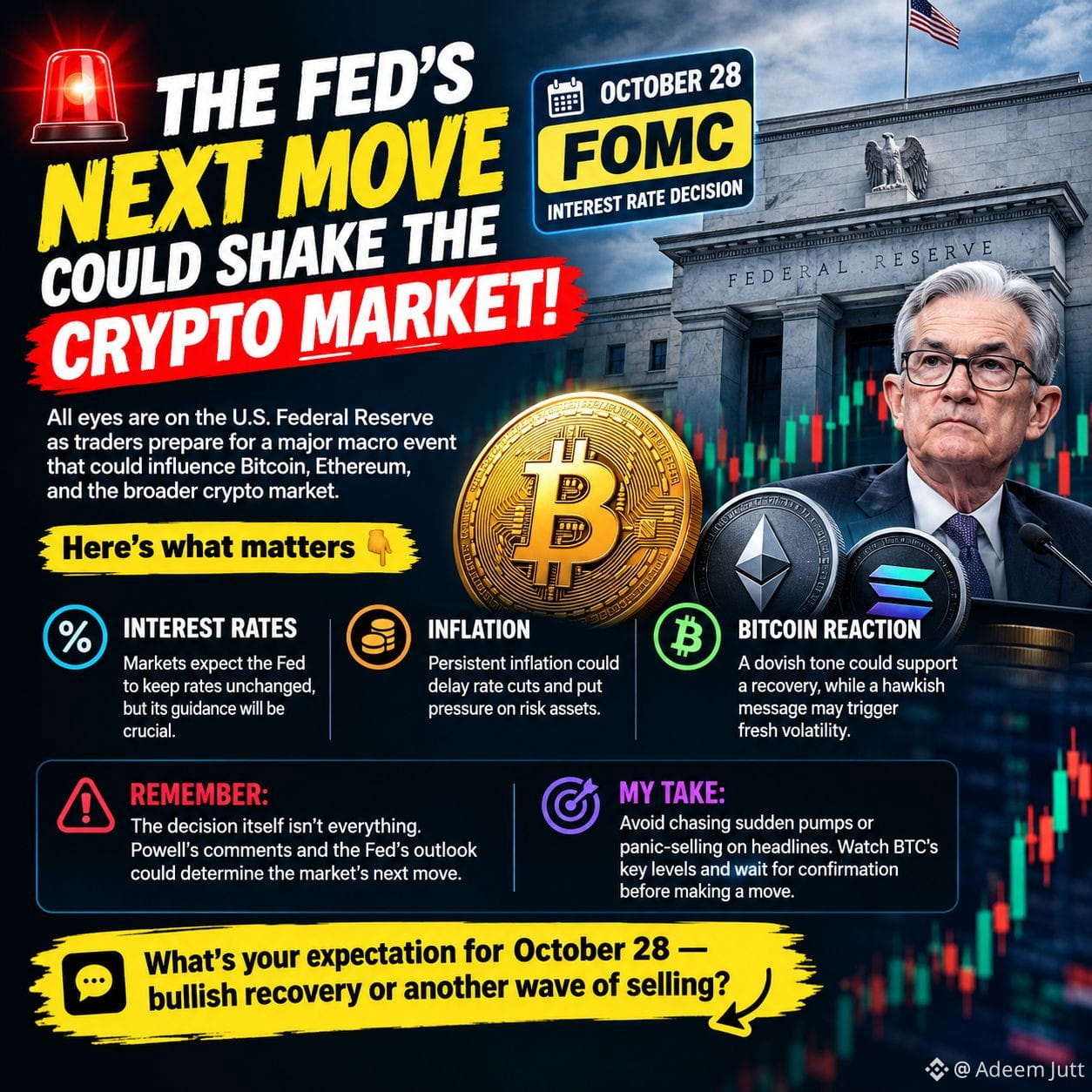
🚨 THE FED’S NEXT MOVE COULD SHAKE THE CRYPTO MARKET!
📅 October 28 — FOMC Interest Rate Decision
All eyes are on the U.S. Federal Reserve as traders prepare for a major macro event that could influence Bitcoin, Ethereum, and the broader crypto market.
Here’s what matters 👇
📌 Interest Rates: Markets expect the Fed to keep rates unchanged, but its guidance will be crucial.
📌 Inflation: Persistent inflation could delay rate cuts and put pressure on risk assets.
📌 Bitcoin Reaction: A dovish tone could support a recovery, while a hawkish message may trigger fresh volatility.
⚠️ Remember: The decision itself isn't everything. Powell’s comments and the Fed’s outlook could determine the market’s next move.
🎯 My Take: Avoid chasing sudden pumps or panic-selling on headlines. Watch BTC’s key levels and wait for confirmation before making a move.
What’s your expectation for October 28 bullish recovery or another wave of selling? 👇
$BTC $HUMA $BEAT
{spot}(BTCUSDT)
#FOMCWatch #fomc #FederalReserve #Ethereum #CryptoNews
🚨 THE FED’S NEXT MOVE COULD SHAKE THE CRYPTO MARKET!
📅 October 28 — FOMC Interest Rate Decision
All eyes are on the U.S. Federal Reserve as traders prepare for a major macro event that could influence Bitcoin, Ethereum, and the broader crypto market.
Here’s what matters 👇
📌 Interest Rates: Markets expect the Fed to keep rates unchanged, but its guidance will be crucial.
📌 Inflation: Persistent inflation could delay rate cuts and put pressure on risk assets.
📌 Bitcoin Reaction: A dovish tone could support a recovery, while a hawkish message may trigger fresh volatility.
⚠️ Remember: The decision itself isn't everything. Powell’s comments and the Fed’s outlook could determine the market’s next move.
🎯 My Take: Avoid chasing sudden pumps or panic-selling on headlines. Watch BTC’s key levels and wait for confirmation before making a move.
What’s your expectation for October 28 bullish recovery or another wave of selling? 👇
$BTC $HUMA $BEAT
#FOMCWatch #fomc #FederalReserve #Ethereum #CryptoNews
📅 October 28 — FOMC Interest Rate Decision
All eyes are on the U.S. Federal Reserve as traders prepare for a major macro event that could influence Bitcoin, Ethereum, and the broader crypto market.
Here’s what matters 👇
📌 Interest Rates: Markets expect the Fed to keep rates unchanged, but its guidance will be crucial.
📌 Inflation: Persistent inflation could delay rate cuts and put pressure on risk assets.
📌 Bitcoin Reaction: A dovish tone could support a recovery, while a hawkish message may trigger fresh volatility.
⚠️ Remember: The decision itself isn't everything. Powell’s comments and the Fed’s outlook could determine the market’s next move.
🎯 My Take: Avoid chasing sudden pumps or panic-selling on headlines. Watch BTC’s key levels and wait for confirmation before making a move.
What’s your expectation for October 28 bullish recovery or another wave of selling? 👇
$BTC $HUMA $BEAT
#FOMCWatch #fomc #FederalReserve #Ethereum #CryptoNews
1
1
74

·
--
翻訳参照
📊 FOMC WATCH: THE FED COULD SHAKE THE CRYPTO MARKET! 🚨
The crypto market doesn't move on charts alone. Sometimes, one decision from the U.S. Federal Reserve can change the entire market sentiment.
🇺🇸 What is FOMC?
The Federal Open Market Committee (FOMC) makes key U.S. monetary policy decisions, especially interest rates. These decisions can influence the U.S. dollar, global liquidity, and risk assets like Bitcoin and Ethereum.
🔥 Why should crypto traders care?
📉 Hawkish Fed: Higher-for-longer interest rates may put pressure on risk assets.
📈 Dovish Fed: Expectations of easier monetary policy may improve risk sentiment.
⚡ The real game-changer: Market expectations versus the Fed's actual message.
Even if the Fed cuts rates, BTC can still fall if the decision disappoints investors. Likewise, unexpected positive signals can trigger a rally.
🎯 My strategy: Don't blindly trade FOMC headlines. Watch BTC price action, trading volume, market sentiment, and the reaction after the announcement. Manage risk and avoid excessive leverage during high volatility.
💬 What's your prediction?
Will the next FOMC decision be bullish or bearish for Bitcoin? 👇
#FOMCWatch #Bitcoin #BinanceSquare #FederalReserve
📊 FOMC WATCH: THE FED COULD SHAKE THE CRYPTO MARKET! 🚨
The crypto market doesn't move on charts alone. Sometimes, one decision from the U.S. Federal Reserve can change the entire market sentiment.
🇺🇸 What is FOMC?
The Federal Open Market Committee (FOMC) makes key U.S. monetary policy decisions, especially interest rates. These decisions can influence the U.S. dollar, global liquidity, and risk assets like Bitcoin and Ethereum.
🔥 Why should crypto traders care?
📉 Hawkish Fed: Higher-for-longer interest rates may put pressure on risk assets.
📈 Dovish Fed: Expectations of easier monetary policy may improve risk sentiment.
⚡ The real game-changer: Market expectations versus the Fed's actual message.
Even if the Fed cuts rates, BTC can still fall if the decision disappoints investors. Likewise, unexpected positive signals can trigger a rally.
🎯 My strategy: Don't blindly trade FOMC headlines. Watch BTC price action, trading volume, market sentiment, and the reaction after the announcement. Manage risk and avoid excessive leverage during high volatility.
💬 What's your prediction?
Will the next FOMC decision be bullish or bearish for Bitcoin? 👇
#FOMCWatch #Bitcoin #BinanceSquare #FederalReserve
The crypto market doesn't move on charts alone. Sometimes, one decision from the U.S. Federal Reserve can change the entire market sentiment.
🇺🇸 What is FOMC?
The Federal Open Market Committee (FOMC) makes key U.S. monetary policy decisions, especially interest rates. These decisions can influence the U.S. dollar, global liquidity, and risk assets like Bitcoin and Ethereum.
🔥 Why should crypto traders care?
📉 Hawkish Fed: Higher-for-longer interest rates may put pressure on risk assets.
📈 Dovish Fed: Expectations of easier monetary policy may improve risk sentiment.
⚡ The real game-changer: Market expectations versus the Fed's actual message.
Even if the Fed cuts rates, BTC can still fall if the decision disappoints investors. Likewise, unexpected positive signals can trigger a rally.
🎯 My strategy: Don't blindly trade FOMC headlines. Watch BTC price action, trading volume, market sentiment, and the reaction after the announcement. Manage risk and avoid excessive leverage during high volatility.
💬 What's your prediction?
Will the next FOMC decision be bullish or bearish for Bitcoin? 👇
#FOMCWatch #Bitcoin #BinanceSquare #FederalReserve
72

翻訳参照
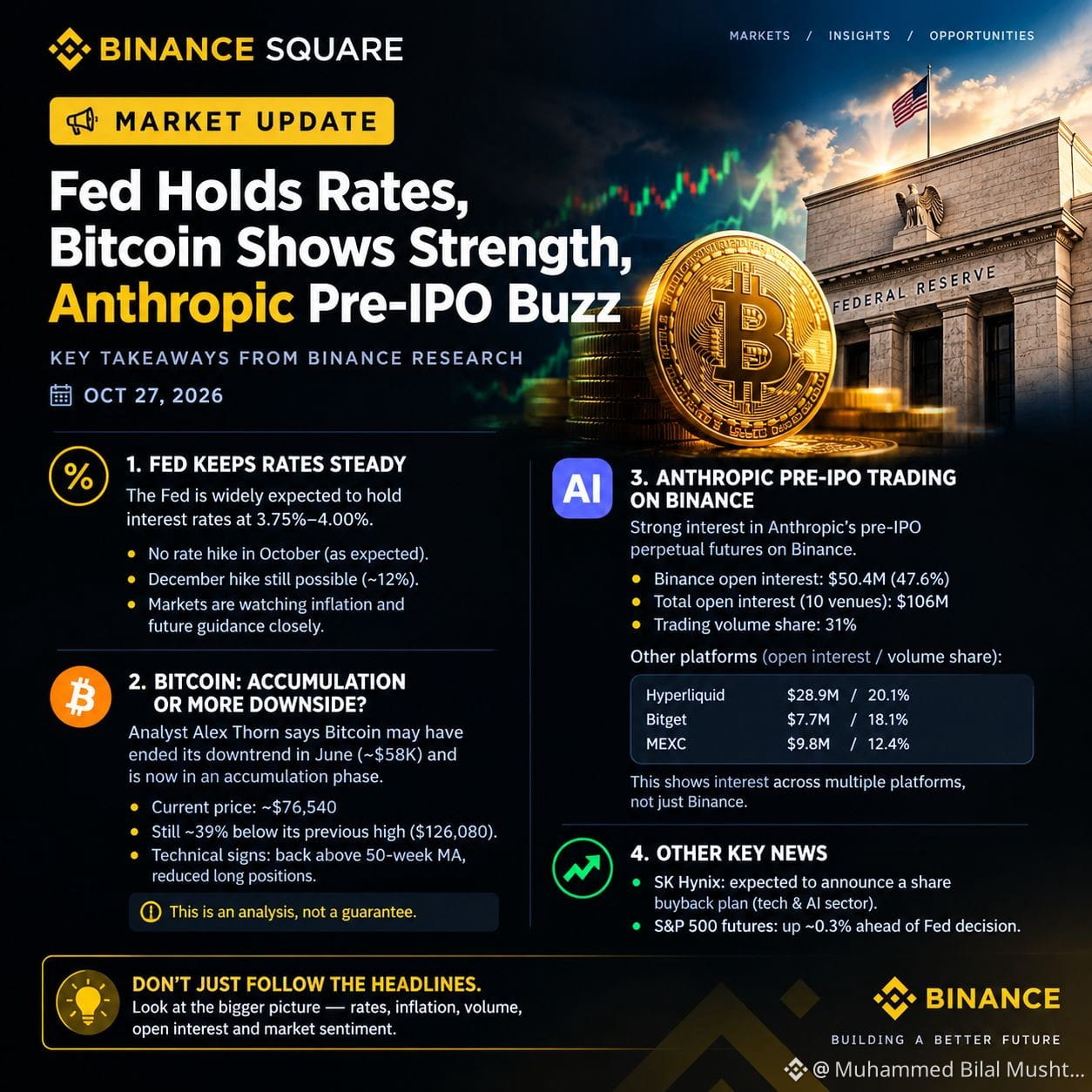
📊 Crypto Market Update: Fed, Bitcoin & AI
Aaj market ki nazar Federal Reserve ke interest rate decision par hai. Fed se umeed hai ke woh rates ko 3.75%–4.00% par hold karega, lekin December mein rate hike ka possibility abhi bhi discussion mein hai.
₿ Bitcoin Update
Galaxy Research ke Alex Thorn ke mutabiq, Bitcoin June mein $58,000 ke qareeb apni bearish phase ke end par ho sakta hai aur ab accumulation phase mein enter kar raha hai.
• Current price
$76,540
• Previous ATH: $126,080
• Bitcoin abhi bhi previous ATH se kaafi neeche hai.
• 50-week moving average ke upar recovery ek positive technical signal hai, lekin trend reversal ki confirmation abhi zaroori hai.
🤖 Anthropic Pre-IPO Trading
Binance par Anthropic ke pre-IPO perpetual futures mein significant activity report hui hai.
• Binance Open Interest: $50.4M
• Total Open Interest across 10 venues: $106M
• Binance trading volume share: 31%
High Open Interest interest ko show karta hai, lekin yeh apne aap mein bullish signal nahi hota.
📌 What Should Traders Watch?
Fed ka statement, inflation outlook, Bitcoin ka price action aur trading volume market ki next move samajhne mein important honge.
Remember: News ko blindly follow na karein. Market expectations, risk management aur confirmation ko saath lekar chalein.
Educational purpose only. Not financial advice.
$BTC
{spot}(BTCUSDT)
#BTC #CryptoNews #BinanceSquare #FederalReserve #CryptoMarket
📊 Crypto Market Update: Fed, Bitcoin & AI
Aaj market ki nazar Federal Reserve ke interest rate decision par hai. Fed se umeed hai ke woh rates ko 3.75%–4.00% par hold karega, lekin December mein rate hike ka possibility abhi bhi discussion mein hai.
₿ Bitcoin Update
Galaxy Research ke Alex Thorn ke mutabiq, Bitcoin June mein $58,000 ke qareeb apni bearish phase ke end par ho sakta hai aur ab accumulation phase mein enter kar raha hai.
• Current price
$76,540
• Previous ATH: $126,080
• Bitcoin abhi bhi previous ATH se kaafi neeche hai.
• 50-week moving average ke upar recovery ek positive technical signal hai, lekin trend reversal ki confirmation abhi zaroori hai.
🤖 Anthropic Pre-IPO Trading
Binance par Anthropic ke pre-IPO perpetual futures mein significant activity report hui hai.
• Binance Open Interest: $50.4M
• Total Open Interest across 10 venues: $106M
• Binance trading volume share: 31%
High Open Interest interest ko show karta hai, lekin yeh apne aap mein bullish signal nahi hota.
📌 What Should Traders Watch?
Fed ka statement, inflation outlook, Bitcoin ka price action aur trading volume market ki next move samajhne mein important honge.
Remember: News ko blindly follow na karein. Market expectations, risk management aur confirmation ko saath lekar chalein.
Educational purpose only. Not financial advice.
$BTC
#BTC #CryptoNews #BinanceSquare #FederalReserve #CryptoMarket
Aaj market ki nazar Federal Reserve ke interest rate decision par hai. Fed se umeed hai ke woh rates ko 3.75%–4.00% par hold karega, lekin December mein rate hike ka possibility abhi bhi discussion mein hai.
₿ Bitcoin Update
Galaxy Research ke Alex Thorn ke mutabiq, Bitcoin June mein $58,000 ke qareeb apni bearish phase ke end par ho sakta hai aur ab accumulation phase mein enter kar raha hai.
• Current price
$76,540
• Previous ATH: $126,080
• Bitcoin abhi bhi previous ATH se kaafi neeche hai.
• 50-week moving average ke upar recovery ek positive technical signal hai, lekin trend reversal ki confirmation abhi zaroori hai.
🤖 Anthropic Pre-IPO Trading
Binance par Anthropic ke pre-IPO perpetual futures mein significant activity report hui hai.
• Binance Open Interest: $50.4M
• Total Open Interest across 10 venues: $106M
• Binance trading volume share: 31%
High Open Interest interest ko show karta hai, lekin yeh apne aap mein bullish signal nahi hota.
📌 What Should Traders Watch?
Fed ka statement, inflation outlook, Bitcoin ka price action aur trading volume market ki next move samajhne mein important honge.
Remember: News ko blindly follow na karein. Market expectations, risk management aur confirmation ko saath lekar chalein.
Educational purpose only. Not financial advice.
$BTC
#BTC #CryptoNews #BinanceSquare #FederalReserve #CryptoMarket
82


🚨 FOMCプレビュー:基本シナリオは「据え置き」—ただし確実ではない
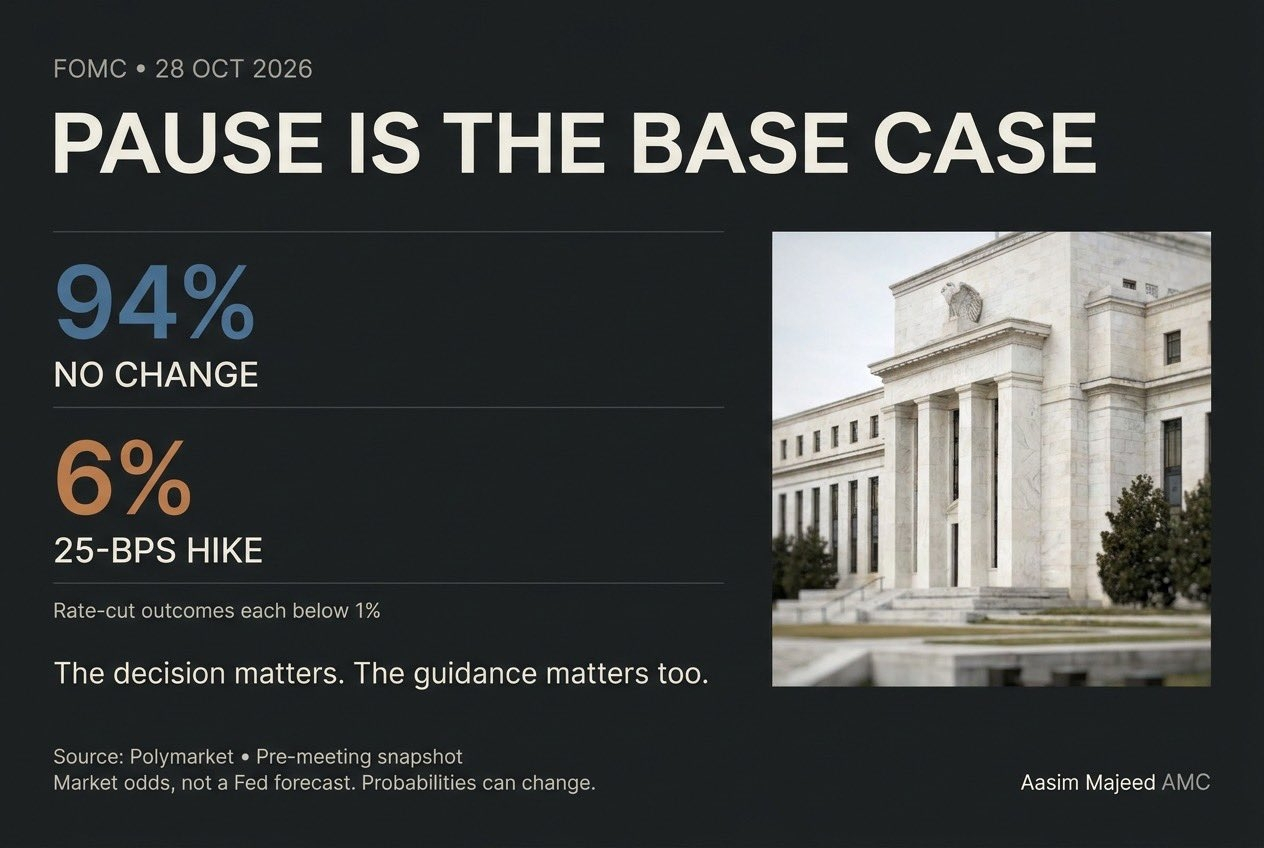
10月28日のFRB決定を前に、Polymarketの最新予測は次のとおりです。
変更なし:94%
25ベーシスポイントの利上げ:6%
各利下げシナリオ:1%未満
トレーダーの大多数は据え置きを予想しています。
しかし、金利が据え置かれても、市場が自動的に強気に反応するとは限りません。
より大きなサプライズは、FRBの今後の方針を示す発言から生じる可能性があります。
政策担当者は、追加利上げの可能性を残すのでしょうか?
インフレをどの程度懸念しているのでしょうか?
12月に向けた見通しが変わるのは、どのような場合でしょうか?
タカ派的な据え置きなら、リスク資産に圧力がかかる可能性があります。
より穏やかなメッセージは投資家心理を支えるかもしれませんが、相場上昇を保証するものではありません。
注目すべき指標:
米国債利回り
ドル
ナスダック
ビットコイン
金
決定そのものも重要です。
次にFRBが発するシグナルも、同じくらい重要になる可能性があります。
これらは市場が織り込む確率であり、FRBの予測ではありません。発表前に確率が変動する可能性があります。
— Aasim Majeed AMC
#FOMC #FederalReserve #Markets #Bitcoin #GoldenOpportunity
🚨 FOMCプレビュー:基本シナリオは「据え置き」—ただし確実ではない
10月28日のFRB決定を前に、Polymarketの最新予測は次のとおりです。
変更なし:94%
25ベーシスポイントの利上げ:6%
各利下げシナリオ:1%未満
トレーダーの大多数は据え置きを予想しています。
しかし、金利が据え置かれても、市場が自動的に強気に反応するとは限りません。
より大きなサプライズは、FRBの今後の方針を示す発言から生じる可能性があります。
政策担当者は、追加利上げの可能性を残すのでしょうか?
インフレをどの程度懸念しているのでしょうか?
12月に向けた見通しが変わるのは、どのような場合でしょうか?
タカ派的な据え置きなら、リスク資産に圧力がかかる可能性があります。
より穏やかなメッセージは投資家心理を支えるかもしれませんが、相場上昇を保証するものではありません。
注目すべき指標:
米国債利回り
ドル
ナスダック
ビットコイン
金
決定そのものも重要です。
次にFRBが発するシグナルも、同じくらい重要になる可能性があります。
これらは市場が織り込む確率であり、FRBの予測ではありません。発表前に確率が変動する可能性があります。
— Aasim Majeed AMC
#FOMC #FederalReserve #Markets #Bitcoin #GoldenOpportunity
10月28日のFRB決定を前に、Polymarketの最新予測は次のとおりです。
変更なし:94%
25ベーシスポイントの利上げ:6%
各利下げシナリオ:1%未満
トレーダーの大多数は据え置きを予想しています。
しかし、金利が据え置かれても、市場が自動的に強気に反応するとは限りません。
より大きなサプライズは、FRBの今後の方針を示す発言から生じる可能性があります。
政策担当者は、追加利上げの可能性を残すのでしょうか?
インフレをどの程度懸念しているのでしょうか?
12月に向けた見通しが変わるのは、どのような場合でしょうか?
タカ派的な据え置きなら、リスク資産に圧力がかかる可能性があります。
より穏やかなメッセージは投資家心理を支えるかもしれませんが、相場上昇を保証するものではありません。
注目すべき指標:
米国債利回り
ドル
ナスダック
ビットコイン
金
決定そのものも重要です。
次にFRBが発するシグナルも、同じくらい重要になる可能性があります。
これらは市場が織り込む確率であり、FRBの予測ではありません。発表前に確率が変動する可能性があります。
— Aasim Majeed AMC
#FOMC #FederalReserve #Markets #Bitcoin #GoldenOpportunity
1
186

·
--
記事
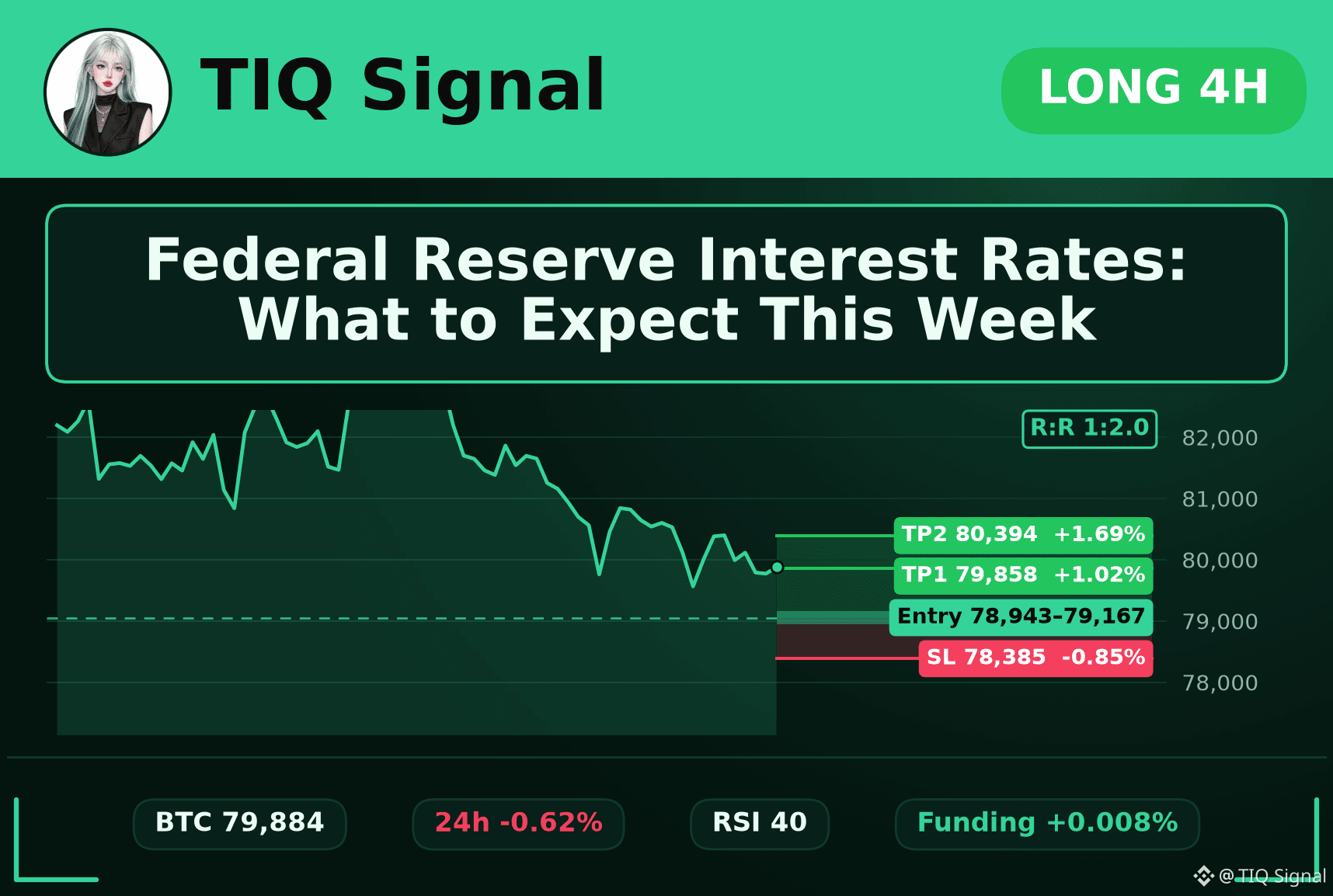
連邦準備制度理事会の金利:今週は何を予想すべきか連邦準備制度理事会の金利決定が話題の中心となっており、ほとんどの専門家は次回の会合で据え置きになると予想しています。
マクロ経済の動向を注視してきたなら、FRBの次の一手が常に大きな意味を持つことをご存じでしょう。最近の調査によると、回答者の実に93%が、今回中央銀行は政策金利を据え置くと考えています。政策担当者たちは次のステップを決める前に、いったん一息ついているようです。
「高金利が長期化する」という考えはしばらく前からささやかれてきましたが、今回の会合についてのコンセンサスはかなり明確です。市場は実質的に様子見姿勢を織り込んでおり、まるで主人公が2時間ずっとドアを見つめている映画を見ているようなものです。私たちは皆、彼らがついにノブを回す決断をするのかを待っています。
連邦準備制度理事会の金利:今週は何を予想すべきか
連邦準備制度理事会の金利決定が話題の中心となっており、ほとんどの専門家は次回の会合で据え置きになると予想しています。
マクロ経済の動向を注視してきたなら、FRBの次の一手が常に大きな意味を持つことをご存じでしょう。最近の調査によると、回答者の実に93%が、今回中央銀行は政策金利を据え置くと考えています。政策担当者たちは次のステップを決める前に、いったん一息ついているようです。
「高金利が長期化する」という考えはしばらく前からささやかれてきましたが、今回の会合についてのコンセンサスはかなり明確です。市場は実質的に様子見姿勢を織り込んでおり、まるで主人公が2時間ずっとドアを見つめている映画を見ているようなものです。私たちは皆、彼らがついにノブを回す決断をするのかを待っています。
マクロ経済の動向を注視してきたなら、FRBの次の一手が常に大きな意味を持つことをご存じでしょう。最近の調査によると、回答者の実に93%が、今回中央銀行は政策金利を据え置くと考えています。政策担当者たちは次のステップを決める前に、いったん一息ついているようです。
「高金利が長期化する」という考えはしばらく前からささやかれてきましたが、今回の会合についてのコンセンサスはかなり明確です。市場は実質的に様子見姿勢を織り込んでおり、まるで主人公が2時間ずっとドアを見つめている映画を見ているようなものです。私たちは皆、彼らがついにノブを回す決断をするのかを待っています。

記事
翻訳参照
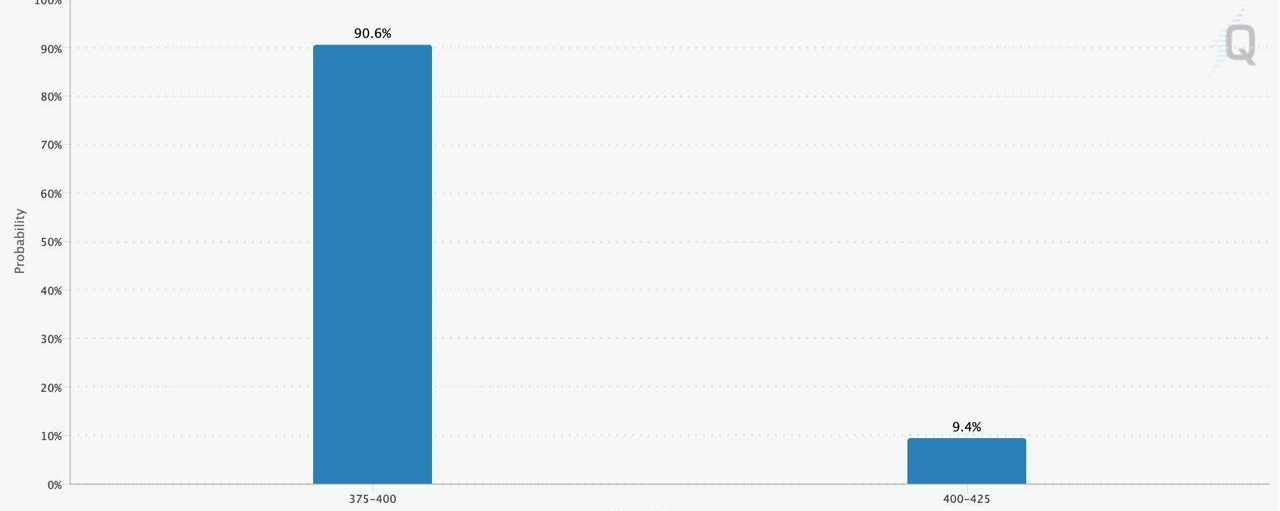
🇺🇸 LATEST: Fed Rate Decision — October 28Markets are pricing in a 90.6% chance that the US Federal Reserve will keep interest rates unchanged at its October 28 meeting.
📊 Current Market Expectations: 🔹 Hold rates steady: 90.6% 🔹 Raise rates: 9.4%
The decision could influence market sentiment across stocks and crypto, while the Fed’s comments may offer clues about its next move.
👀 What do you think — will the Fed hold rates or announce another hike?
#FederalReserve #Fed #CryptoNews #Bitcoin #BTC
🇺🇸 LATEST: Fed Rate Decision — October 28
Markets are pricing in a 90.6% chance that the US Federal Reserve will keep interest rates unchanged at its October 28 meeting.
📊 Current Market Expectations: 🔹 Hold rates steady: 90.6% 🔹 Raise rates: 9.4%
The decision could influence market sentiment across stocks and crypto, while the Fed’s comments may offer clues about its next move.
👀 What do you think — will the Fed hold rates or announce another hike?
#FederalReserve #Fed #CryptoNews #Bitcoin #BTC
📊 Current Market Expectations: 🔹 Hold rates steady: 90.6% 🔹 Raise rates: 9.4%
The decision could influence market sentiment across stocks and crypto, while the Fed’s comments may offer clues about its next move.
👀 What do you think — will the Fed hold rates or announce another hike?
#FederalReserve #Fed #CryptoNews #Bitcoin #BTC
101

·
--
BTCが80,000米ドルを下回る:水曜日は暗号資産市場にとって重要な局面となる可能性
$BTC は再び圧力にさらされており、今や注目は米連邦準備制度理事会(FRB)に集まっています。
CoinDeskの10月26日のデータによると、BTCは約79,800米ドルまで下落し、$ETH は2,300米ドルに向けて下落、$XRP は約3%下落しました。投資家は10月28日のFRB会合を前に、リスクを抑えています。
重要な理由:
金融政策の影響:FRBの金利決定は、米ドル指数、流動性環境、そしてリスク資産に対する投資家全体の意欲に直接影響を与えます。
タカ派的なリスク:中央銀行のタカ派姿勢や政策シグナルは、デジタル資産市場全体で売り圧力を強める可能性があります。
ハト派的な追い風:金融緩和の可能性を示す兆候は、BTCに構造的な反発に必要な勢いをもたらす可能性があります。
FRBの姿勢はビットコインの回復を後押しすると予想しますか?それとも市場は新たな安値に向かっているのでしょうか?
#FederalReserve #InvestSmartly #bitcoin
BTCが80,000米ドルを下回る:水曜日は暗号資産市場にとって重要な局面となる可能性
$BTC は再び圧力にさらされており、今や注目は米連邦準備制度理事会(FRB)に集まっています。
CoinDeskの10月26日のデータによると、BTCは約79,800米ドルまで下落し、$ETH は2,300米ドルに向けて下落、$XRP は約3%下落しました。投資家は10月28日のFRB会合を前に、リスクを抑えています。
重要な理由:
金融政策の影響:FRBの金利決定は、米ドル指数、流動性環境、そしてリスク資産に対する投資家全体の意欲に直接影響を与えます。
タカ派的なリスク:中央銀行のタカ派姿勢や政策シグナルは、デジタル資産市場全体で売り圧力を強める可能性があります。
ハト派的な追い風:金融緩和の可能性を示す兆候は、BTCに構造的な反発に必要な勢いをもたらす可能性があります。
FRBの姿勢はビットコインの回復を後押しすると予想しますか?それとも市場は新たな安値に向かっているのでしょうか?
#FederalReserve #InvestSmartly #bitcoin
$BTC は再び圧力にさらされており、今や注目は米連邦準備制度理事会(FRB)に集まっています。
CoinDeskの10月26日のデータによると、BTCは約79,800米ドルまで下落し、$ETH は2,300米ドルに向けて下落、$XRP は約3%下落しました。投資家は10月28日のFRB会合を前に、リスクを抑えています。
重要な理由:
金融政策の影響:FRBの金利決定は、米ドル指数、流動性環境、そしてリスク資産に対する投資家全体の意欲に直接影響を与えます。
タカ派的なリスク:中央銀行のタカ派姿勢や政策シグナルは、デジタル資産市場全体で売り圧力を強める可能性があります。
ハト派的な追い風:金融緩和の可能性を示す兆候は、BTCに構造的な反発に必要な勢いをもたらす可能性があります。
FRBの姿勢はビットコインの回復を後押しすると予想しますか?それとも市場は新たな安値に向かっているのでしょうか?
#FederalReserve #InvestSmartly #bitcoin
70

本人確認中
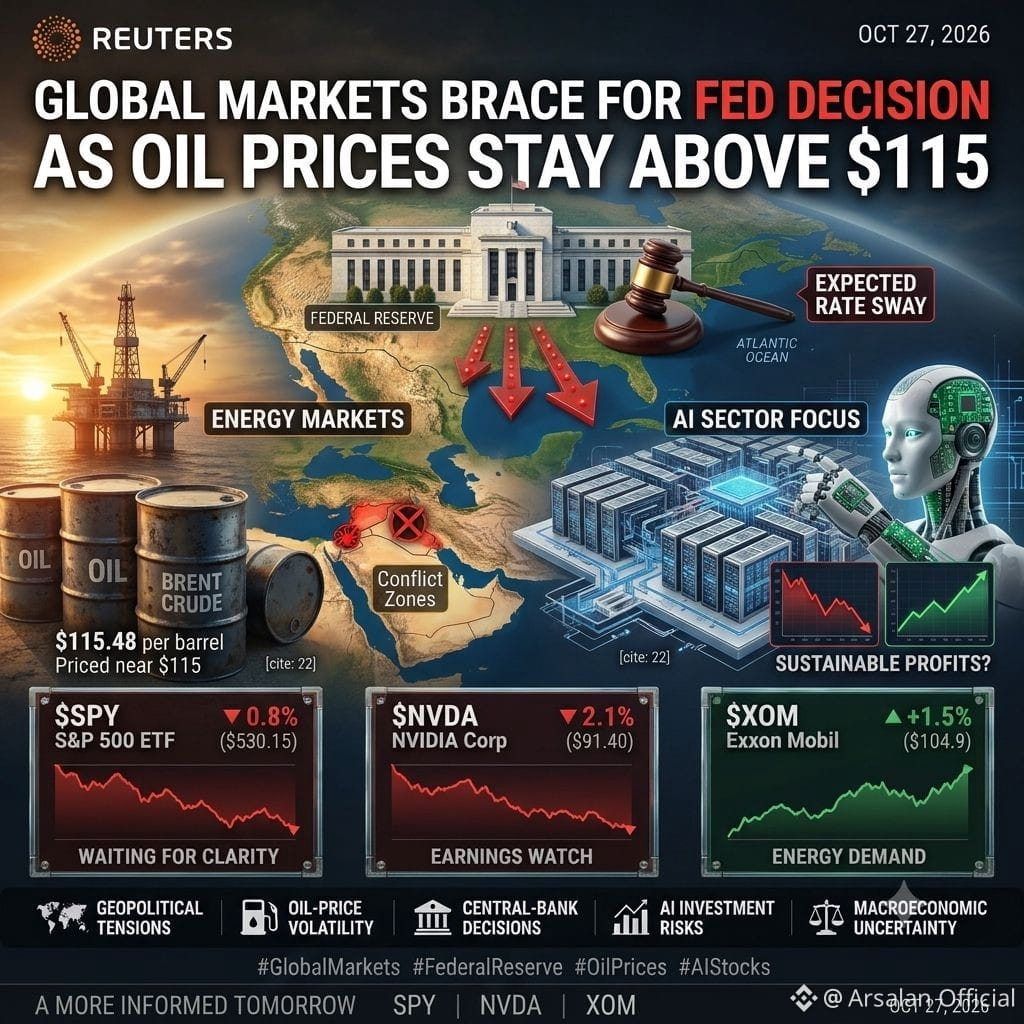
🌍 原油価格が115ドルを上回るなか、世界市場はFRBの決定に備える
中央銀行が金利決定を検討し、大手テクノロジー企業が決算発表を控えるなか、世界の投資家は重要な一週間に備えています。10月27日、中東情勢の緊迫化を背景にブレント原油は1バレル115ドル近辺で推移し、市場はAIへの支出が持続可能な利益につながるかどうかを注視しました。高止まりするエネルギーコスト、インフレリスク、金利をめぐる不透明感が重なり、世界市場で新たな変動を引き起こす可能性があります。
ロイター
+1
#GlobalMarkets #FederalReserve #OilPrices #AIStocks
トークン: $SPY · $NVDA · $XOM
🌍 原油価格が115ドルを上回るなか、世界市場はFRBの決定に備える
中央銀行が金利決定を検討し、大手テクノロジー企業が決算発表を控えるなか、世界の投資家は重要な一週間に備えています。10月27日、中東情勢の緊迫化を背景にブレント原油は1バレル115ドル近辺で推移し、市場はAIへの支出が持続可能な利益につながるかどうかを注視しました。高止まりするエネルギーコスト、インフレリスク、金利をめぐる不透明感が重なり、世界市場で新たな変動を引き起こす可能性があります。
ロイター
+1
#GlobalMarkets #FederalReserve #OilPrices #AIStocks
トークン: $SPY · $NVDA · $XOM
中央銀行が金利決定を検討し、大手テクノロジー企業が決算発表を控えるなか、世界の投資家は重要な一週間に備えています。10月27日、中東情勢の緊迫化を背景にブレント原油は1バレル115ドル近辺で推移し、市場はAIへの支出が持続可能な利益につながるかどうかを注視しました。高止まりするエネルギーコスト、インフレリスク、金利をめぐる不透明感が重なり、世界市場で新たな変動を引き起こす可能性があります。
ロイター
+1
#GlobalMarkets #FederalReserve #OilPrices #AIStocks
トークン: $SPY · $NVDA · $XOM
1
439

·
--
FRB週間:次にビットコインと世界市場を動かすものは?
投資家が10月28日の米連邦準備制度理事会(FRB)の政策決定に備えるなか、市場は重要な週を迎えています。
注目すべき3つの材料をご紹介します。
1. FRBの金利決定
市場が注目しているのは金利決定だけでなく、12月に向けたFRBの見通しもです。予想に変化があれば、米国債利回り、米ドル、株式、暗号資産に影響を及ぼす可能性があります。
2. ビットコインETFの資金フロー
米国の現物ビットコインETFは、10月23日までの週に約3億100万ドルの純流入を記録しました。しかし、週後半に大規模な資金流出があったことから、機関投資家の需要は依然として不安定です。
3. 原油とテクノロジー株
ブレント原油は10月23日に1バレル116ドルを上回って取引を終えました。一方、AI関連支出への懸念を受け、テクノロジー株は急落しました。どちらの動向も、インフレ見通しやリスク選好に影響する可能性があります。
市場シグナル:方向感はまちまち、下落リスクは高まる
ビットコインの最近の軟調さは、ETFへの週間資金流入がプラスだったことと対照的です。そのため、確認が重要になります。1日だけの大規模な資金流入や価格反発が、必ずしも持続的な回復を示すわけではありません。
重要なのは、FRBの決定後に市場がどう反応するか、そして機関投資家の需要が安定するかどうかです。
あなたの意見は?
今週、最も大きな影響を及ぼすのはどれでしょうか。FRB、ビットコインETFの資金フロー、それとも原油価格に影響する地政学的緊張でしょうか?
ぜひ下に理由をお聞かせください。
#bitcoin #FederalReserve #CryptoMarket #MarketAnalysis $BTC
{future}(BTCUSDT)
FRB週間:次にビットコインと世界市場を動かすものは?
投資家が10月28日の米連邦準備制度理事会(FRB)の政策決定に備えるなか、市場は重要な週を迎えています。
注目すべき3つの材料をご紹介します。
1. FRBの金利決定
市場が注目しているのは金利決定だけでなく、12月に向けたFRBの見通しもです。予想に変化があれば、米国債利回り、米ドル、株式、暗号資産に影響を及ぼす可能性があります。
2. ビットコインETFの資金フロー
米国の現物ビットコインETFは、10月23日までの週に約3億100万ドルの純流入を記録しました。しかし、週後半に大規模な資金流出があったことから、機関投資家の需要は依然として不安定です。
3. 原油とテクノロジー株
ブレント原油は10月23日に1バレル116ドルを上回って取引を終えました。一方、AI関連支出への懸念を受け、テクノロジー株は急落しました。どちらの動向も、インフレ見通しやリスク選好に影響する可能性があります。
市場シグナル:方向感はまちまち、下落リスクは高まる
ビットコインの最近の軟調さは、ETFへの週間資金流入がプラスだったことと対照的です。そのため、確認が重要になります。1日だけの大規模な資金流入や価格反発が、必ずしも持続的な回復を示すわけではありません。
重要なのは、FRBの決定後に市場がどう反応するか、そして機関投資家の需要が安定するかどうかです。
あなたの意見は?
今週、最も大きな影響を及ぼすのはどれでしょうか。FRB、ビットコインETFの資金フロー、それとも原油価格に影響する地政学的緊張でしょうか?
ぜひ下に理由をお聞かせください。
#bitcoin #FederalReserve #CryptoMarket #MarketAnalysis $BTC
投資家が10月28日の米連邦準備制度理事会(FRB)の政策決定に備えるなか、市場は重要な週を迎えています。
注目すべき3つの材料をご紹介します。
1. FRBの金利決定
市場が注目しているのは金利決定だけでなく、12月に向けたFRBの見通しもです。予想に変化があれば、米国債利回り、米ドル、株式、暗号資産に影響を及ぼす可能性があります。
2. ビットコインETFの資金フロー
米国の現物ビットコインETFは、10月23日までの週に約3億100万ドルの純流入を記録しました。しかし、週後半に大規模な資金流出があったことから、機関投資家の需要は依然として不安定です。
3. 原油とテクノロジー株
ブレント原油は10月23日に1バレル116ドルを上回って取引を終えました。一方、AI関連支出への懸念を受け、テクノロジー株は急落しました。どちらの動向も、インフレ見通しやリスク選好に影響する可能性があります。
市場シグナル:方向感はまちまち、下落リスクは高まる
ビットコインの最近の軟調さは、ETFへの週間資金流入がプラスだったことと対照的です。そのため、確認が重要になります。1日だけの大規模な資金流入や価格反発が、必ずしも持続的な回復を示すわけではありません。
重要なのは、FRBの決定後に市場がどう反応するか、そして機関投資家の需要が安定するかどうかです。
あなたの意見は?
今週、最も大きな影響を及ぼすのはどれでしょうか。FRB、ビットコインETFの資金フロー、それとも原油価格に影響する地政学的緊張でしょうか?
ぜひ下に理由をお聞かせください。
#bitcoin #FederalReserve #CryptoMarket #MarketAnalysis $BTC
566

·
--
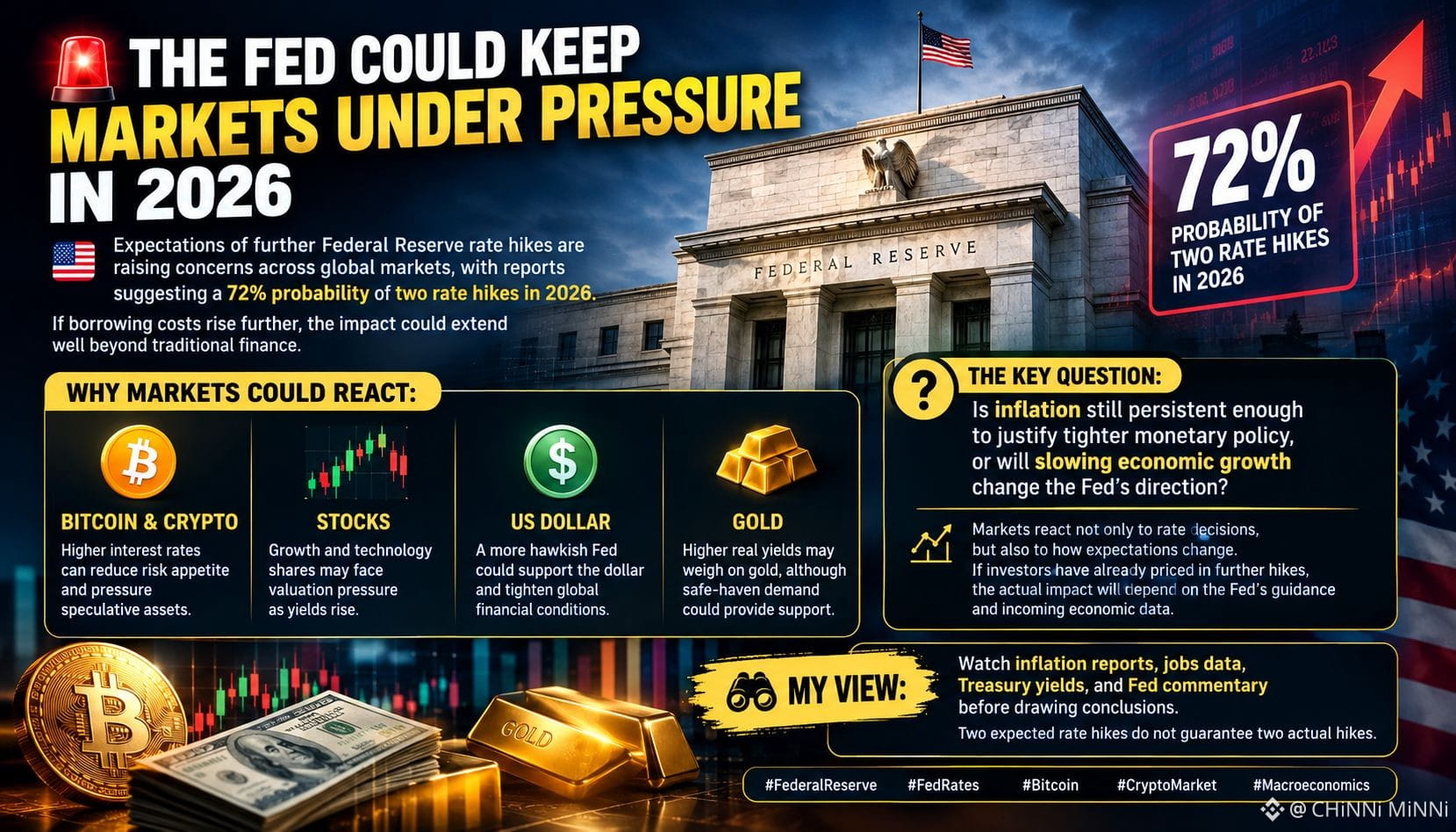
🚨 FRBは2026年も市場に圧力をかけ続ける可能性
🇺🇸 FRBによる追加利上げの見通しが世界市場で懸念を呼んでおり、2026年に2回利上げが行われる確率は72%との報道もあります。
借入コストがさらに上昇すれば、その影響は従来の金融市場をはるかに超えて広がる可能性があります。
📉 市場が反応する可能性がある理由:
• ビットコイン&暗号資産:金利上昇はリスク選好を弱め、投機的な資産に圧力をかける可能性があります。
• 株式:利回りの上昇に伴い、成長株やテクノロジー株はバリュエーション面で圧力を受ける可能性があります。
• 米ドル:FRBのタカ派姿勢が強まれば、ドルを支え、世界的な金融環境を引き締める可能性があります。
• 金:実質利回りの上昇は金の重しとなる可能性がありますが、安全資産への需要が下支えとなることもあります。
⚠️ 焦点となるのは、インフレが金融引き締めを正当化するほど根強く続いているのか、それとも景気減速によってFRBの方針が変わるのか、という点です。
市場は金利決定だけでなく、見通しの変化にも反応します。投資家がすでに追加利上げを織り込んでいる場合、実際の影響はFRBの政策方針に関する発信や、今後発表される経済指標次第となります。
私の見解:結論を出す前に、インフレ指標、雇用統計、米国債利回り、FRBの発言に注目しましょう。利上げが2回予想されているからといって、実際に2回実施されるとは限りません。
#FederalReserve #FedRates #bitcoin #CryptoMarket #MacroEconomics
🚨 FRBは2026年も市場に圧力をかけ続ける可能性
🇺🇸 FRBによる追加利上げの見通しが世界市場で懸念を呼んでおり、2026年に2回利上げが行われる確率は72%との報道もあります。
借入コストがさらに上昇すれば、その影響は従来の金融市場をはるかに超えて広がる可能性があります。
📉 市場が反応する可能性がある理由:
• ビットコイン&暗号資産:金利上昇はリスク選好を弱め、投機的な資産に圧力をかける可能性があります。
• 株式:利回りの上昇に伴い、成長株やテクノロジー株はバリュエーション面で圧力を受ける可能性があります。
• 米ドル:FRBのタカ派姿勢が強まれば、ドルを支え、世界的な金融環境を引き締める可能性があります。
• 金:実質利回りの上昇は金の重しとなる可能性がありますが、安全資産への需要が下支えとなることもあります。
⚠️ 焦点となるのは、インフレが金融引き締めを正当化するほど根強く続いているのか、それとも景気減速によってFRBの方針が変わるのか、という点です。
市場は金利決定だけでなく、見通しの変化にも反応します。投資家がすでに追加利上げを織り込んでいる場合、実際の影響はFRBの政策方針に関する発信や、今後発表される経済指標次第となります。
私の見解:結論を出す前に、インフレ指標、雇用統計、米国債利回り、FRBの発言に注目しましょう。利上げが2回予想されているからといって、実際に2回実施されるとは限りません。
#FederalReserve #FedRates #bitcoin #CryptoMarket #MacroEconomics
🇺🇸 FRBによる追加利上げの見通しが世界市場で懸念を呼んでおり、2026年に2回利上げが行われる確率は72%との報道もあります。
借入コストがさらに上昇すれば、その影響は従来の金融市場をはるかに超えて広がる可能性があります。
📉 市場が反応する可能性がある理由:
• ビットコイン&暗号資産:金利上昇はリスク選好を弱め、投機的な資産に圧力をかける可能性があります。
• 株式:利回りの上昇に伴い、成長株やテクノロジー株はバリュエーション面で圧力を受ける可能性があります。
• 米ドル:FRBのタカ派姿勢が強まれば、ドルを支え、世界的な金融環境を引き締める可能性があります。
• 金:実質利回りの上昇は金の重しとなる可能性がありますが、安全資産への需要が下支えとなることもあります。
⚠️ 焦点となるのは、インフレが金融引き締めを正当化するほど根強く続いているのか、それとも景気減速によってFRBの方針が変わるのか、という点です。
市場は金利決定だけでなく、見通しの変化にも反応します。投資家がすでに追加利上げを織り込んでいる場合、実際の影響はFRBの政策方針に関する発信や、今後発表される経済指標次第となります。
私の見解:結論を出す前に、インフレ指標、雇用統計、米国債利回り、FRBの発言に注目しましょう。利上げが2回予想されているからといって、実際に2回実施されるとは限りません。
#FederalReserve #FedRates #bitcoin #CryptoMarket #MacroEconomics
245

·
--
翻訳参照
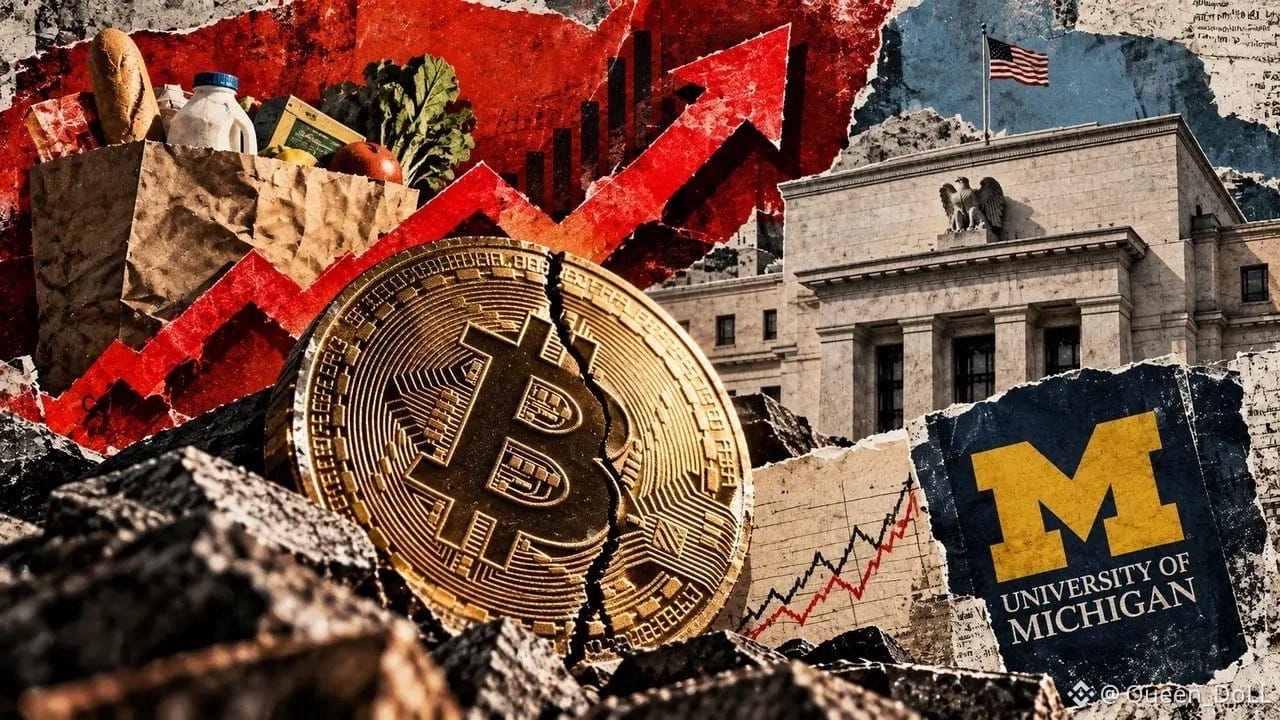
🚨 U.S. INFLATION EXPECTATIONS ARE RAISING CONCERNS FOR BITCOIN! 🇺🇸
Fresh data from the University of Michigan shows that long-term inflation expectations remain elevated, with October's final reading reaching 3.5% for the long term and 4.7% for the year ahead. Consumer sentiment also fell to just 48.
Why does this matter for crypto? 👀
If inflation stays stubborn, the Federal Reserve could have less room to cut interest rates. That could keep financial conditions tight and put pressure on risk assets, including Bitcoin.
For me, the key thing to watch isn't just Bitcoin's price action. It's how inflation expectations influence the Fed's next move.
📉 If inflation fears grow, volatility could increase.
📈 If inflation cools, crypto may get some breathing room.
The real question is: Will Bitcoin hold its ground if markets start pricing in higher-for-longer interest rates?
$DOOD $BULLA
#Bitcoin #CryptoMarket #Inflation #FederalReserve #BinanceSquare
🚨 U.S. INFLATION EXPECTATIONS ARE RAISING CONCERNS FOR BITCOIN! 🇺🇸
Fresh data from the University of Michigan shows that long-term inflation expectations remain elevated, with October's final reading reaching 3.5% for the long term and 4.7% for the year ahead. Consumer sentiment also fell to just 48.
Why does this matter for crypto? 👀
If inflation stays stubborn, the Federal Reserve could have less room to cut interest rates. That could keep financial conditions tight and put pressure on risk assets, including Bitcoin.
For me, the key thing to watch isn't just Bitcoin's price action. It's how inflation expectations influence the Fed's next move.
📉 If inflation fears grow, volatility could increase.
📈 If inflation cools, crypto may get some breathing room.
The real question is: Will Bitcoin hold its ground if markets start pricing in higher-for-longer interest rates?
$DOOD $BULLA
#Bitcoin #CryptoMarket #Inflation #FederalReserve #BinanceSquare
Fresh data from the University of Michigan shows that long-term inflation expectations remain elevated, with October's final reading reaching 3.5% for the long term and 4.7% for the year ahead. Consumer sentiment also fell to just 48.
Why does this matter for crypto? 👀
If inflation stays stubborn, the Federal Reserve could have less room to cut interest rates. That could keep financial conditions tight and put pressure on risk assets, including Bitcoin.
For me, the key thing to watch isn't just Bitcoin's price action. It's how inflation expectations influence the Fed's next move.
📉 If inflation fears grow, volatility could increase.
📈 If inflation cools, crypto may get some breathing room.
The real question is: Will Bitcoin hold its ground if markets start pricing in higher-for-longer interest rates?
$DOOD $BULLA
#Bitcoin #CryptoMarket #Inflation #FederalReserve #BinanceSquare
469

連邦準備制度に注目が集まる
10月27〜28日のFRB会合は、暗号資産市場の重要イベントです。金利に関するシグナルは、米ドルや投資家心理、ビットコインのようなリスクに敏感な資産への需要に影響を与える可能性があります。
市場は注視しています。今回の発表で見通しが明らかになるのでしょうか。それとも、ボラティリティがさらに高まるのでしょうか?
#BinancePicks #FederalReserve #BTC #CryptoMarket
連邦準備制度に注目が集まる
10月27〜28日のFRB会合は、暗号資産市場の重要イベントです。金利に関するシグナルは、米ドルや投資家心理、ビットコインのようなリスクに敏感な資産への需要に影響を与える可能性があります。
市場は注視しています。今回の発表で見通しが明らかになるのでしょうか。それとも、ボラティリティがさらに高まるのでしょうか?
#BinancePicks #FederalReserve #BTC #CryptoMarket
10月27〜28日のFRB会合は、暗号資産市場の重要イベントです。金利に関するシグナルは、米ドルや投資家心理、ビットコインのようなリスクに敏感な資産への需要に影響を与える可能性があります。
市場は注視しています。今回の発表で見通しが明らかになるのでしょうか。それとも、ボラティリティがさらに高まるのでしょうか?
#BinancePicks #FederalReserve #BTC #CryptoMarket
30

·
--
流動性が洪水のように押し寄せ、ビットコイン急騰!
FRBのバランスシートが再び拡大し、新たな流動性を供給。インフレは高止まりしているため、紙幣の増刷を止められません。つまり、通貨価値のさらなる希薄化が進み、資本は避難先を求めています。
🔥 注目銘柄:$HUMA $ENA
この流動性の急増は、特にビットコインをはじめとする実物資産へと流れ込みます。次はアルトコインです。この環境で資本が利回りを求めるなか、大きな値動きへの準備が整っています。
次の上昇局面を牽引するアルトコインは?
#HUMA #Bitcoin #FederalReserve #Altcoins #アルトシーズン
流動性が洪水のように押し寄せ、ビットコイン急騰!
FRBのバランスシートが再び拡大し、新たな流動性を供給。インフレは高止まりしているため、紙幣の増刷を止められません。つまり、通貨価値のさらなる希薄化が進み、資本は避難先を求めています。
🔥 注目銘柄:$HUMA $ENA
この流動性の急増は、特にビットコインをはじめとする実物資産へと流れ込みます。次はアルトコインです。この環境で資本が利回りを求めるなか、大きな値動きへの準備が整っています。
次の上昇局面を牽引するアルトコインは?
#HUMA #Bitcoin #FederalReserve #Altcoins #アルトシーズン
FRBのバランスシートが再び拡大し、新たな流動性を供給。インフレは高止まりしているため、紙幣の増刷を止められません。つまり、通貨価値のさらなる希薄化が進み、資本は避難先を求めています。
🔥 注目銘柄:$HUMA $ENA
この流動性の急増は、特にビットコインをはじめとする実物資産へと流れ込みます。次はアルトコインです。この環境で資本が利回りを求めるなか、大きな値動きへの準備が整っています。
次の上昇局面を牽引するアルトコインは?
#HUMA #Bitcoin #FederalReserve #Altcoins #アルトシーズン
1
406
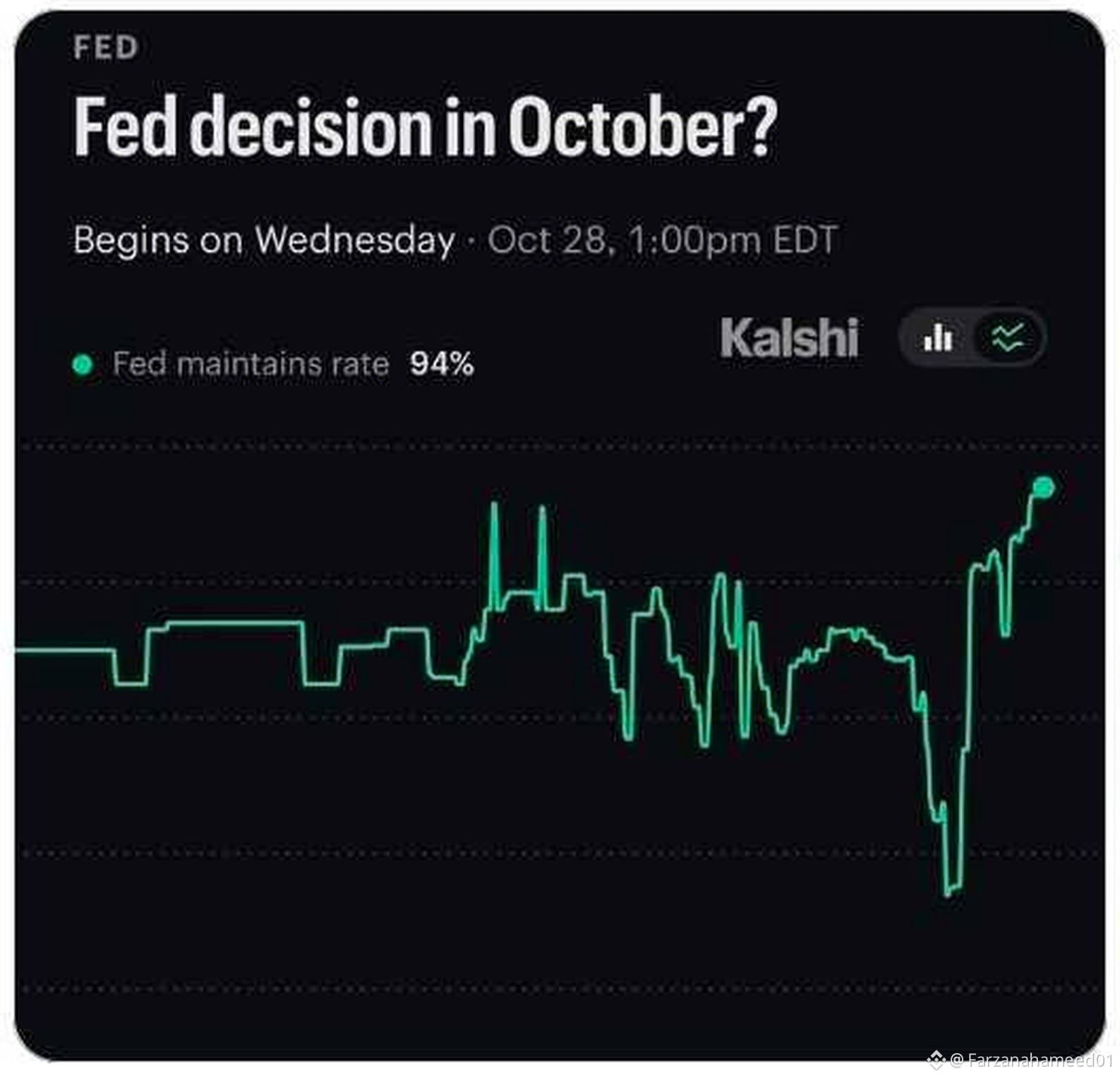
💥速報:FRBが金利を据え置く可能性は94%!💥
暗号資産市場にビッグニュースです 👇
Kalshiのデータによると、2日後にFRBが政策金利を据え置くと予想されています。
📅 FRBの決定:10月28日(水)午後1時(米東部夏時間)
📊 確率:金利据え置きが94%
なぜ私たちにとって重要なのでしょうか?
FRBが利上げをしないということは、次のような意味があります。
✅ 市場の流動性が高まる
✅ $BTC $ETH のようなリスク資産が強くなる
✅ アルトコインシーズンの可能性が高まる
前回FRBが利上げを見送ったとき、ビットコインは大きく上昇しました。今回も同じ展開になるでしょうか?
もしそうなれば、私は個人的に強気です。あなたはどうですか?
FRBの決定後、陽線になると予想していますか? 🚀📈
#Bitcoin #CryptoNews #FederalReserve #FED #BTC
💥速報:FRBが金利を据え置く可能性は94%!💥
暗号資産市場にビッグニュースです 👇
Kalshiのデータによると、2日後にFRBが政策金利を据え置くと予想されています。
📅 FRBの決定:10月28日(水)午後1時(米東部夏時間)
📊 確率:金利据え置きが94%
なぜ私たちにとって重要なのでしょうか?
FRBが利上げをしないということは、次のような意味があります。
✅ 市場の流動性が高まる
✅ $BTC $ETH のようなリスク資産が強くなる
✅ アルトコインシーズンの可能性が高まる
前回FRBが利上げを見送ったとき、ビットコインは大きく上昇しました。今回も同じ展開になるでしょうか?
もしそうなれば、私は個人的に強気です。あなたはどうですか?
FRBの決定後、陽線になると予想していますか? 🚀📈
#Bitcoin #CryptoNews #FederalReserve #FED #BTC
暗号資産市場にビッグニュースです 👇
Kalshiのデータによると、2日後にFRBが政策金利を据え置くと予想されています。
📅 FRBの決定:10月28日(水)午後1時(米東部夏時間)
📊 確率:金利据え置きが94%
なぜ私たちにとって重要なのでしょうか?
FRBが利上げをしないということは、次のような意味があります。
✅ 市場の流動性が高まる
✅ $BTC $ETH のようなリスク資産が強くなる
✅ アルトコインシーズンの可能性が高まる
前回FRBが利上げを見送ったとき、ビットコインは大きく上昇しました。今回も同じ展開になるでしょうか?
もしそうなれば、私は個人的に強気です。あなたはどうですか?
FRBの決定後、陽線になると予想していますか? 🚀📈
#Bitcoin #CryptoNews #FederalReserve #FED #BTC
3
85

🚨 FRBの金利動向 🇺🇸
フィナンシャル・タイムズによると、FRBは2025年の「予防的利下げ」を撤回した後も、四半期ごとの利上げを続ける方針です。
暗号資産にとって重要な理由:
FRBの政策は市場の流動性に影響を与える可能性があります。
金利見通しはBTCの価格変動を左右する可能性があります。
トレーダーはFRBの次のシグナルに注目するでしょう。
この方針転換は暗号資産市場に圧力をかけるのでしょうか、それとも新たなチャンスを生むのでしょうか?
#Bitcoin #CryptoNews #FederalReserve #CryptoMarketAlert
🚨 FRBの金利動向 🇺🇸
フィナンシャル・タイムズによると、FRBは2025年の「予防的利下げ」を撤回した後も、四半期ごとの利上げを続ける方針です。
暗号資産にとって重要な理由:
FRBの政策は市場の流動性に影響を与える可能性があります。
金利見通しはBTCの価格変動を左右する可能性があります。
トレーダーはFRBの次のシグナルに注目するでしょう。
この方針転換は暗号資産市場に圧力をかけるのでしょうか、それとも新たなチャンスを生むのでしょうか?
#Bitcoin #CryptoNews #FederalReserve #CryptoMarketAlert
フィナンシャル・タイムズによると、FRBは2025年の「予防的利下げ」を撤回した後も、四半期ごとの利上げを続ける方針です。
暗号資産にとって重要な理由:
FRBの政策は市場の流動性に影響を与える可能性があります。
金利見通しはBTCの価格変動を左右する可能性があります。
トレーダーはFRBの次のシグナルに注目するでしょう。
この方針転換は暗号資産市場に圧力をかけるのでしょうか、それとも新たなチャンスを生むのでしょうか?
#Bitcoin #CryptoNews #FederalReserve #CryptoMarketAlert
18

·
--
ブリッシュ
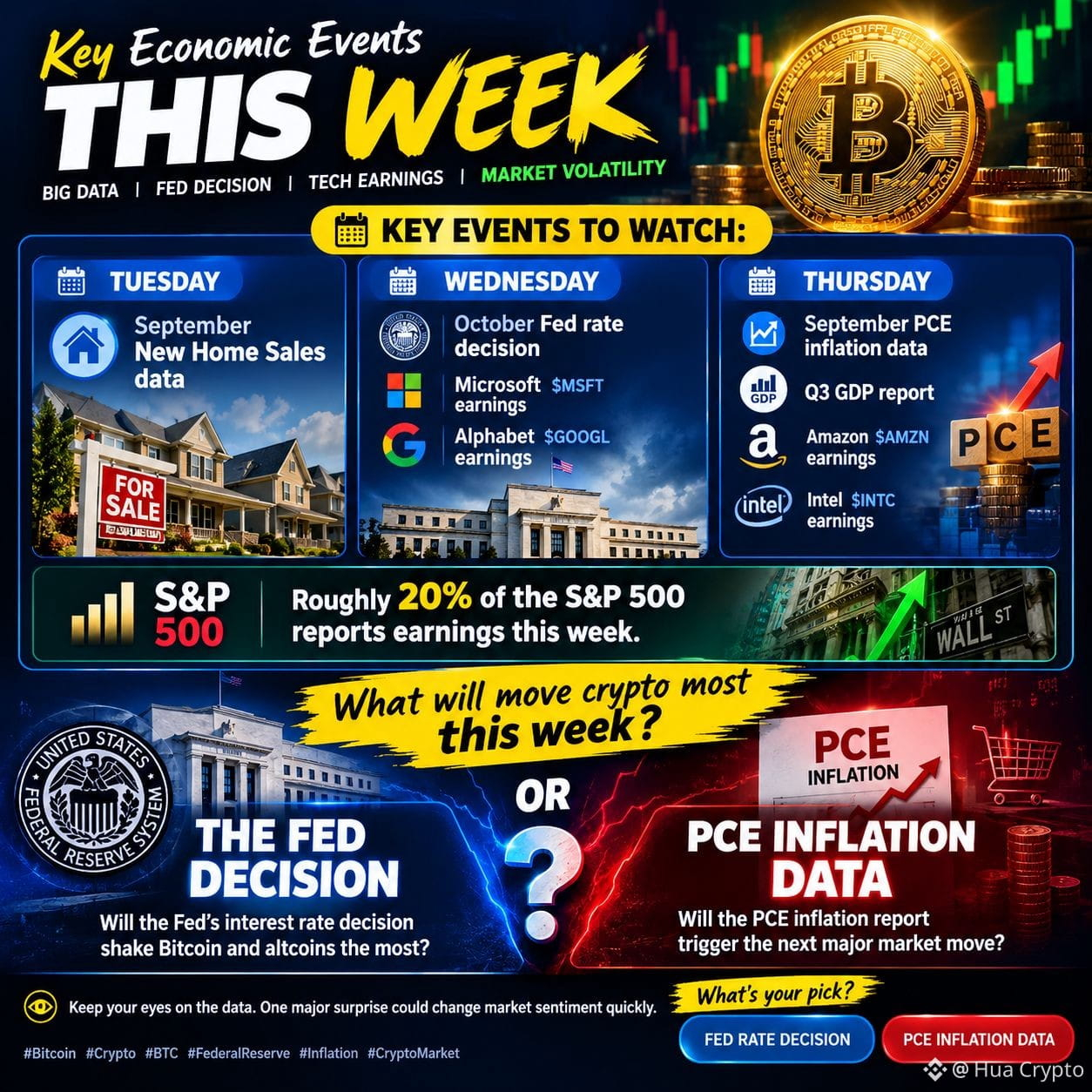
🚨 今週は暗号資産にとって大きな転換点になるかもしれません!📊
経済指標、FRBの決定、大手テクノロジー企業の決算が目白押しの重要な週を迎えます。
📅 注目イベント:
🔹 火曜日:9月の新築住宅販売件数 🔹 水曜日:10月のFRB金利決定+Microsoft ($MSFT ) と Alphabet ($GOOGL ) の決算 🔹 木曜日:9月のPCEインフレ指標+第3四半期GDP発表+Amazon ($AMZN) と Intel ($INTC ) の決算
📈 今週はS&P 500企業の約20%が決算を発表する見込みで、市場のボラティリティがさらに高まる可能性があります。
₿ 暗号資産トレーダーにとっての大きな疑問:
FRBの金利決定がビットコインやアルトコインを最も大きく揺さぶるのか、それともPCEインフレ指標が次の大きな相場変動の引き金になるのでしょうか?
👀 指標に注目しましょう。大きなサプライズひとつで、市場のセンチメントはすぐに変わるかもしれません。
あなたはどちらだと思いますか?
🟢 FRBの金利決定 🔴 PCEインフレ指標
#bitcoin #crypto #BTC #FederalReserve #Inflation #CryptoMarket
🚨 今週は暗号資産にとって大きな転換点になるかもしれません!📊
経済指標、FRBの決定、大手テクノロジー企業の決算が目白押しの重要な週を迎えます。
📅 注目イベント:
🔹 火曜日:9月の新築住宅販売件数 🔹 水曜日:10月のFRB金利決定+Microsoft ($MSFT ) と Alphabet ($GOOGL ) の決算 🔹 木曜日:9月のPCEインフレ指標+第3四半期GDP発表+Amazon ($AMZN) と Intel ($INTC ) の決算
📈 今週はS&P 500企業の約20%が決算を発表する見込みで、市場のボラティリティがさらに高まる可能性があります。
₿ 暗号資産トレーダーにとっての大きな疑問:
FRBの金利決定がビットコインやアルトコインを最も大きく揺さぶるのか、それともPCEインフレ指標が次の大きな相場変動の引き金になるのでしょうか?
👀 指標に注目しましょう。大きなサプライズひとつで、市場のセンチメントはすぐに変わるかもしれません。
あなたはどちらだと思いますか?
🟢 FRBの金利決定 🔴 PCEインフレ指標
#bitcoin #crypto #BTC #FederalReserve #Inflation #CryptoMarket
経済指標、FRBの決定、大手テクノロジー企業の決算が目白押しの重要な週を迎えます。
📅 注目イベント:
🔹 火曜日:9月の新築住宅販売件数 🔹 水曜日:10月のFRB金利決定+Microsoft ($MSFT ) と Alphabet ($GOOGL ) の決算 🔹 木曜日:9月のPCEインフレ指標+第3四半期GDP発表+Amazon ($AMZN) と Intel ($INTC ) の決算
📈 今週はS&P 500企業の約20%が決算を発表する見込みで、市場のボラティリティがさらに高まる可能性があります。
₿ 暗号資産トレーダーにとっての大きな疑問:
FRBの金利決定がビットコインやアルトコインを最も大きく揺さぶるのか、それともPCEインフレ指標が次の大きな相場変動の引き金になるのでしょうか?
👀 指標に注目しましょう。大きなサプライズひとつで、市場のセンチメントはすぐに変わるかもしれません。
あなたはどちらだと思いますか?
🟢 FRBの金利決定 🔴 PCEインフレ指標
#bitcoin #crypto #BTC #FederalReserve #Inflation #CryptoMarket
77
🇺🇸 米連邦準備制度理事会の決定に世界市場が警戒
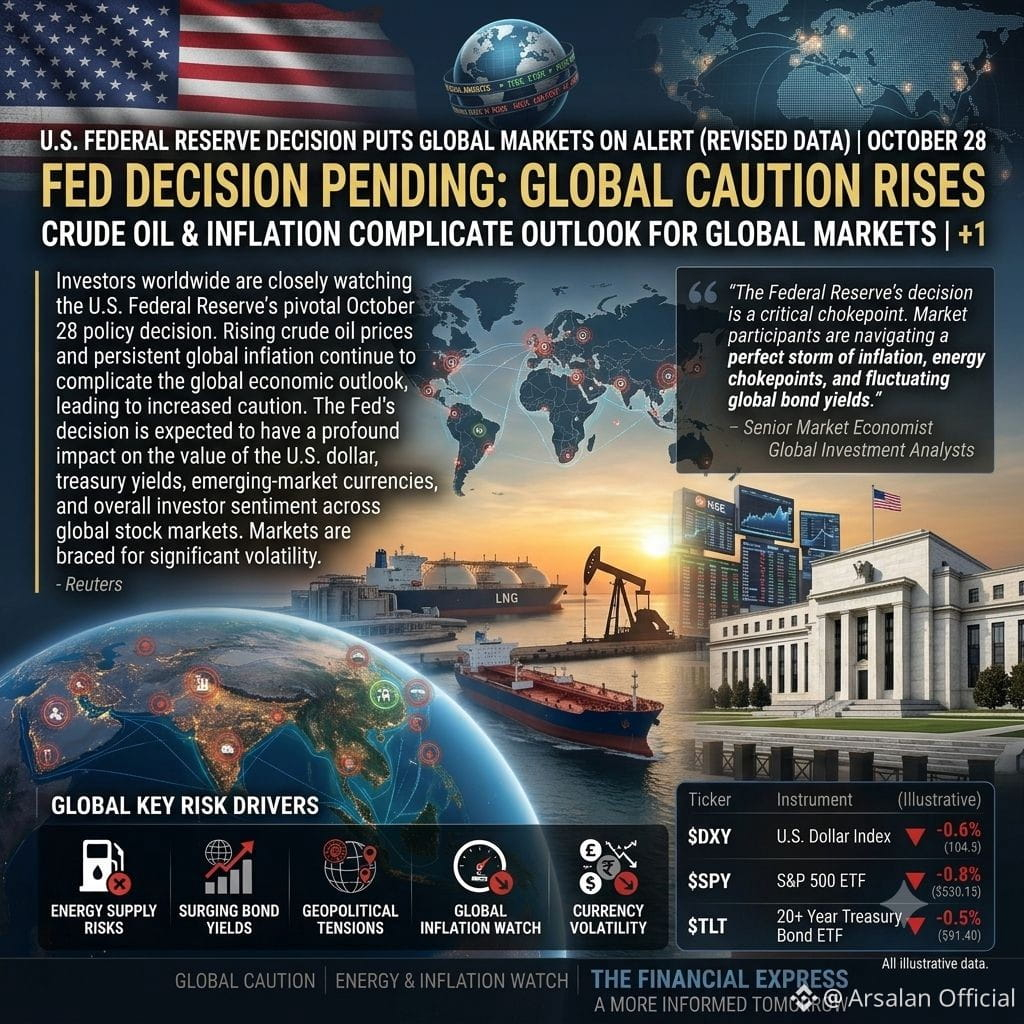
原油価格の高止まりと根強いインフレが世界経済の見通しを複雑にするなか、投資家は10月28日に発表される米連邦準備制度理事会(FRB)の政策決定に注目しています。この決定は、米ドル、債券利回り、新興国通貨、そして世界の株式市場における投資家心理に影響を及ぼす可能性があります。
Reuters
+1
#FederalReserve #GlobalMarkets #InflationWatch #StockMarketNews
トークン: $DXYZ.US · $SPY · $TLT.ETF
🇺🇸 米連邦準備制度理事会の決定に世界市場が警戒
原油価格の高止まりと根強いインフレが世界経済の見通しを複雑にするなか、投資家は10月28日に発表される米連邦準備制度理事会(FRB)の政策決定に注目しています。この決定は、米ドル、債券利回り、新興国通貨、そして世界の株式市場における投資家心理に影響を及ぼす可能性があります。
Reuters
+1
#FederalReserve #GlobalMarkets #InflationWatch #StockMarketNews
トークン: $DXYZ.US · $SPY · $TLT.ETF
原油価格の高止まりと根強いインフレが世界経済の見通しを複雑にするなか、投資家は10月28日に発表される米連邦準備制度理事会(FRB)の政策決定に注目しています。この決定は、米ドル、債券利回り、新興国通貨、そして世界の株式市場における投資家心理に影響を及ぼす可能性があります。
Reuters
+1
#FederalReserve #GlobalMarkets #InflationWatch #StockMarketNews
トークン: $DXYZ.US · $SPY · $TLT.ETF
1
39
ログインして、さらにコンテンツを読む
厳選トピックで世界の暗号資産トレーダーの仲間入り
⚡️ 暗号資産に関する最新かつ有益な情報が見つかります。
💬 世界最大の暗号資産取引所から信頼されています。
👍 認証を受けたクリエイターから、有益なインサイトを得られます。
メール / 電話番号
トレンドトピック
1
#CanMicrosoftDeliverOnAI
閲覧回数 4,025
183人が討論中
2
#CanGoogleDefindItsCore
閲覧回数 2,944
160人が討論中
3
#FOMCWatch
閲覧回数 9M
27,349人が討論中
4
#EthereumDropsBelow$2300
閲覧回数 5,921
120人が討論中
5
#BitcoinSlipsBelow$80KAgain
閲覧回数 19,295
87人が討論中
6
#ThailandLaunchesWORPTStablecoinToQRPaymentApp
閲覧回数 34,368
578人が討論中
7
#StrategySkipsBitcoinPurchasesSpends$205MOnSTRCBuybacks
閲覧回数 8,382
87人が討論中
8
#BitmineAdds10452ETH
閲覧回数 73,167
971人が討論中
9
#SouthKoreaConsidersEducationTaxOnCryptoExchanges
閲覧回数 39,085
722人が討論中
10
#OCCUrgesCommunityBanksToEnterStablecoinPayments
閲覧回数 30,347
514人が討論中