

#cryptoeducation
cryptoeducation
閲覧回数 3.6M
22,522人が討論中
注目
最新
翻訳参照
Good Morning Binance Family! ☀️
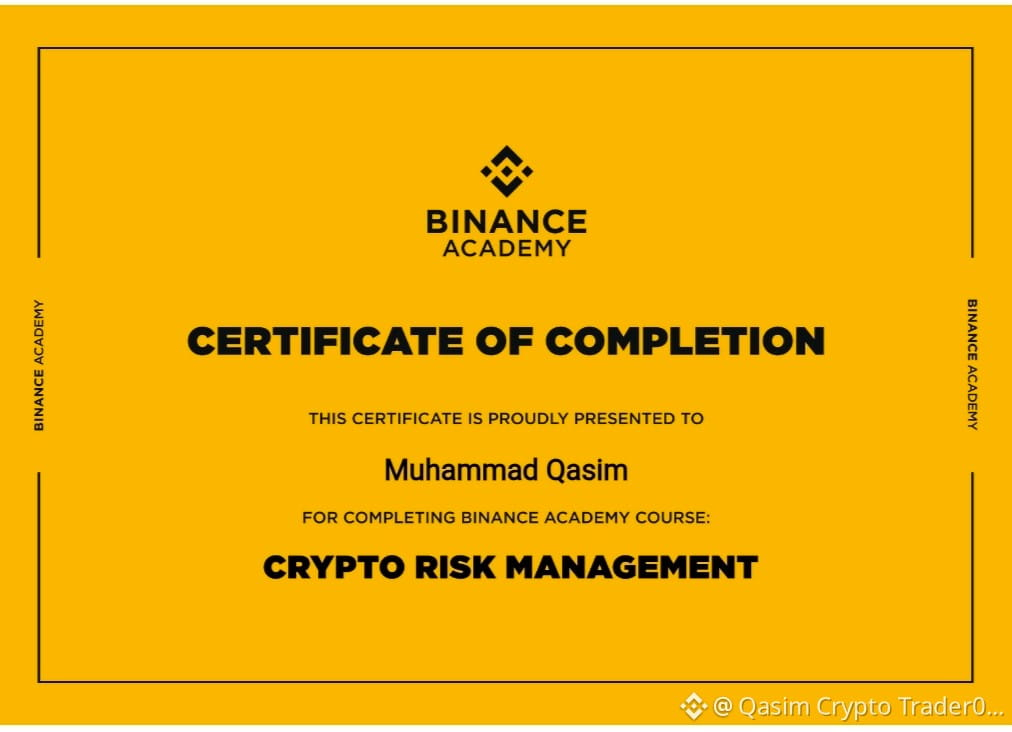
Lesson from my Crypto Risk Management course:
1. Not your keys, not your coins 🔑
2. Never risk more than you can afford to lose 💰
3. Risk Management > Profit Hunting 📊
Market upar neeche hota rahega, lekin jo risk manage karna seekh gaya wohi long term survive karega!
What is your #1 risk management rule? Comment below 👇
#BinanceAcademy #CryptoEducation #RiskManagement #CryptoPakistan
Good Morning Binance Family! ☀️
Lesson from my Crypto Risk Management course:
1. Not your keys, not your coins 🔑
2. Never risk more than you can afford to lose 💰
3. Risk Management > Profit Hunting 📊
Market upar neeche hota rahega, lekin jo risk manage karna seekh gaya wohi long term survive karega!
What is your #1 risk management rule? Comment below 👇
#BinanceAcademy #CryptoEducation #RiskManagement #CryptoPakistan
Lesson from my Crypto Risk Management course:
1. Not your keys, not your coins 🔑
2. Never risk more than you can afford to lose 💰
3. Risk Management > Profit Hunting 📊
Market upar neeche hota rahega, lekin jo risk manage karna seekh gaya wohi long term survive karega!
What is your #1 risk management rule? Comment below 👇
#BinanceAcademy #CryptoEducation #RiskManagement #CryptoPakistan
1
67

翻訳参照
Small Steps Today, Stronger Crypto Knowledge Tomorrow!Success in crypto is not just about making profits. It is also about learning, staying patient, managing risk, and making informed decisions.
💡 Keep learning about Bitcoin and blockchain technology.
📈 Focus on long-term goals instead of short-term hype.
🛡️ Always do your own research before investing.
💎 Stay consistent, stay disciplined, and never invest more than you can afford to lose.
Every day is an opportunity to become a smarter investor. Let's keep learning and growing together with the Binance community!
What is one crypto lesson that has helped you the most? Share it in the comments! 👇
#Binance #crypto #bitcoin #blockchain #cryptoeducation
Small Steps Today, Stronger Crypto Knowledge Tomorrow!
Success in crypto is not just about making profits. It is also about learning, staying patient, managing risk, and making informed decisions.
💡 Keep learning about Bitcoin and blockchain technology.
📈 Focus on long-term goals instead of short-term hype.
🛡️ Always do your own research before investing.
💎 Stay consistent, stay disciplined, and never invest more than you can afford to lose.
Every day is an opportunity to become a smarter investor. Let's keep learning and growing together with the Binance community!
What is one crypto lesson that has helped you the most? Share it in the comments! 👇
#Binance #crypto #bitcoin #blockchain #cryptoeducation
💡 Keep learning about Bitcoin and blockchain technology.
📈 Focus on long-term goals instead of short-term hype.
🛡️ Always do your own research before investing.
💎 Stay consistent, stay disciplined, and never invest more than you can afford to lose.
Every day is an opportunity to become a smarter investor. Let's keep learning and growing together with the Binance community!
What is one crypto lesson that has helped you the most? Share it in the comments! 👇
#Binance #crypto #bitcoin #blockchain #cryptoeducation
1
19

·
--
翻訳参照
Myth: You need to buy a whole Bitcoin to get started 🙅
Fact: 1 BTC = 100,000,000 satoshis (sats). Bitcoin is divisible to 8 decimal places, so you can own 0.001 BTC or just a few thousand sats.
Why it matters:
1️⃣ The price of one coin doesn't tell you if it's "expensive" - your position size is what counts
2️⃣ Small, regular buys work with almost any budget
3️⃣ Thinking in sats makes small amounts feel a lot less silly 😄
How many sats was your first buy? 👇
#bitcoin #cryptoeducation #Binance #crypto $BTC
Myth: You need to buy a whole Bitcoin to get started 🙅
Fact: 1 BTC = 100,000,000 satoshis (sats). Bitcoin is divisible to 8 decimal places, so you can own 0.001 BTC or just a few thousand sats.
Why it matters:
1️⃣ The price of one coin doesn't tell you if it's "expensive" - your position size is what counts
2️⃣ Small, regular buys work with almost any budget
3️⃣ Thinking in sats makes small amounts feel a lot less silly 😄
How many sats was your first buy? 👇
#bitcoin #cryptoeducation #Binance #crypto $BTC
Fact: 1 BTC = 100,000,000 satoshis (sats). Bitcoin is divisible to 8 decimal places, so you can own 0.001 BTC or just a few thousand sats.
Why it matters:
1️⃣ The price of one coin doesn't tell you if it's "expensive" - your position size is what counts
2️⃣ Small, regular buys work with almost any budget
3️⃣ Thinking in sats makes small amounts feel a lot less silly 😄
How many sats was your first buy? 👇
#bitcoin #cryptoeducation #Binance #crypto $BTC
13
·
--
翻訳参照
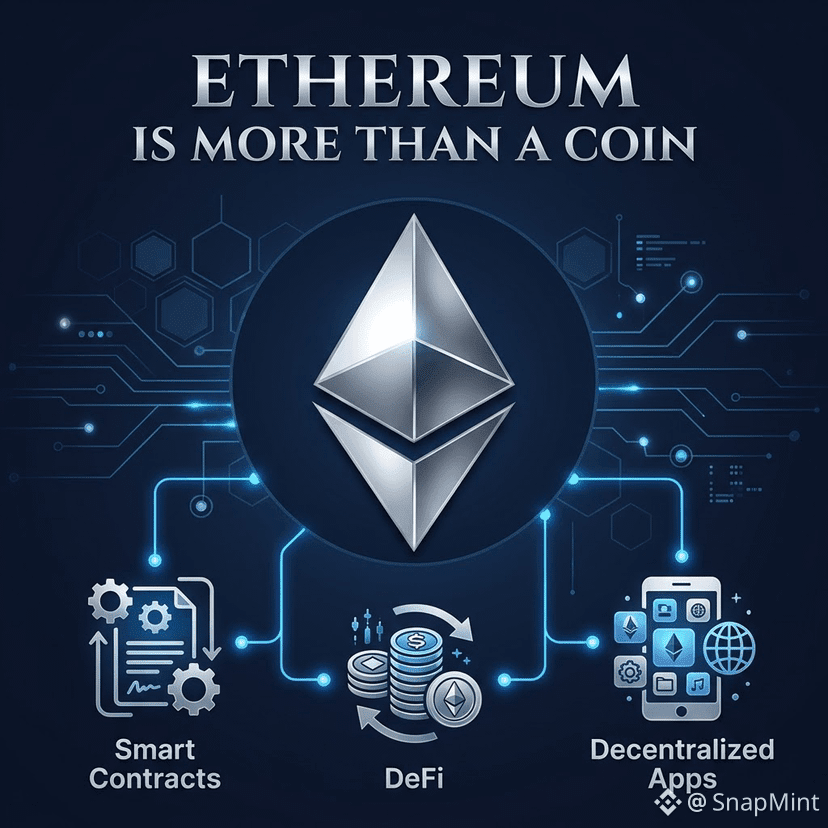
🔷 ETHEREUM: MORE THAN JUST A COIN
Did you know Ethereum can do more than transfer digital assets?
Ethereum supports smart contracts — programs that run on its blockchain when their specified conditions are met.
🌐 What can smart contracts help power?
✅ Decentralized finance (DeFi)
✅ Digital collectibles and NFTs
✅ Decentralized applications
✅ Blockchain-based services
The ETH token is used within the Ethereum ecosystem, including to pay transaction fees.
However, smart contracts and decentralized applications can have bugs, security vulnerabilities, and financial risks.
💬 Let’s discuss: Which Ethereum use case interests you most — DeFi, NFTs, or decentralized apps?
$ETH $BTC
#Ethereum #Web3 #SmartContracts #CryptoEducation
🔷 ETHEREUM: MORE THAN JUST A COIN
Did you know Ethereum can do more than transfer digital assets?
Ethereum supports smart contracts — programs that run on its blockchain when their specified conditions are met.
🌐 What can smart contracts help power?
✅ Decentralized finance (DeFi)
✅ Digital collectibles and NFTs
✅ Decentralized applications
✅ Blockchain-based services
The ETH token is used within the Ethereum ecosystem, including to pay transaction fees.
However, smart contracts and decentralized applications can have bugs, security vulnerabilities, and financial risks.
💬 Let’s discuss: Which Ethereum use case interests you most — DeFi, NFTs, or decentralized apps?
$ETH $BTC
#Ethereum #Web3 #SmartContracts #CryptoEducation
Did you know Ethereum can do more than transfer digital assets?
Ethereum supports smart contracts — programs that run on its blockchain when their specified conditions are met.
🌐 What can smart contracts help power?
✅ Decentralized finance (DeFi)
✅ Digital collectibles and NFTs
✅ Decentralized applications
✅ Blockchain-based services
The ETH token is used within the Ethereum ecosystem, including to pay transaction fees.
However, smart contracts and decentralized applications can have bugs, security vulnerabilities, and financial risks.
💬 Let’s discuss: Which Ethereum use case interests you most — DeFi, NFTs, or decentralized apps?
$ETH $BTC
#Ethereum #Web3 #SmartContracts #CryptoEducation

35
·
--
翻訳参照
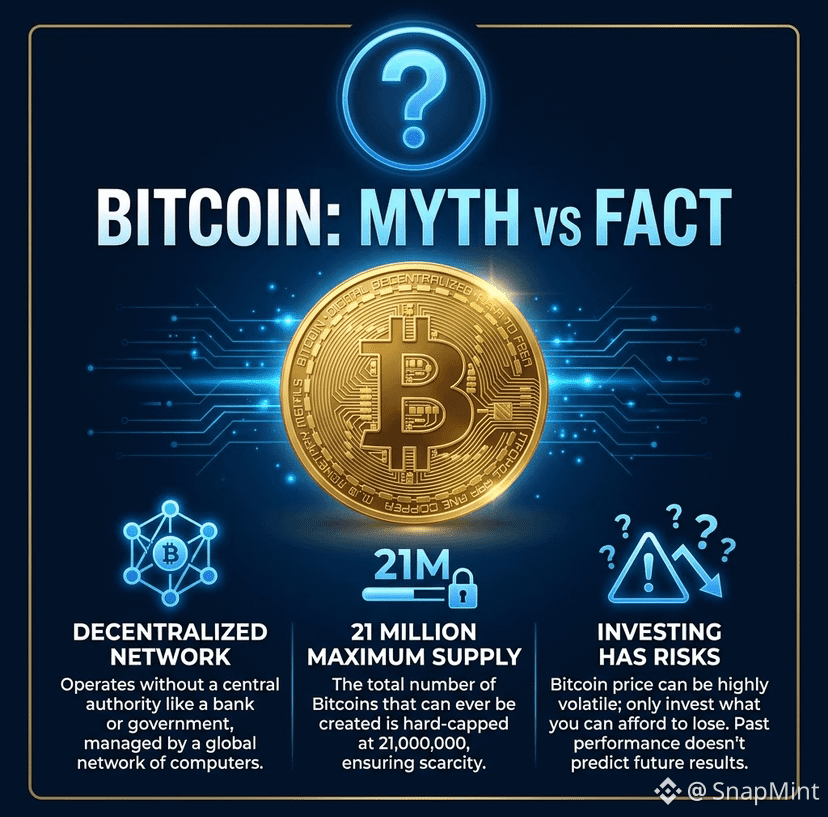
🟠 CRYPTO MYTH vs. FACT: BITCOIN
❌ Myth: Bitcoin is controlled by one company.
✅ Fact: Bitcoin is a decentralized network. Its rules are maintained through open-source software and participation by independent network participants.
Here are 3 things every beginner should know:
🔹 Bitcoin has a maximum supply of 21 million BTC.
🔹 Transactions are recorded on a public blockchain.
🔹 Decentralization does not mean the price cannot fall or that investing is risk-free.
The smartest crypto investors keep learning instead of blindly following hype.
💬 Question of the day: What attracted you to Bitcoin first — its technology, limited supply, or potential as a digital asset?
$BTC
#Bitcoin #cryptoeducation #blockchain #BinanceSquare
🟠 CRYPTO MYTH vs. FACT: BITCOIN
❌ Myth: Bitcoin is controlled by one company.
✅ Fact: Bitcoin is a decentralized network. Its rules are maintained through open-source software and participation by independent network participants.
Here are 3 things every beginner should know:
🔹 Bitcoin has a maximum supply of 21 million BTC.
🔹 Transactions are recorded on a public blockchain.
🔹 Decentralization does not mean the price cannot fall or that investing is risk-free.
The smartest crypto investors keep learning instead of blindly following hype.
💬 Question of the day: What attracted you to Bitcoin first — its technology, limited supply, or potential as a digital asset?
$BTC
#Bitcoin #cryptoeducation #blockchain #BinanceSquare
❌ Myth: Bitcoin is controlled by one company.
✅ Fact: Bitcoin is a decentralized network. Its rules are maintained through open-source software and participation by independent network participants.
Here are 3 things every beginner should know:
🔹 Bitcoin has a maximum supply of 21 million BTC.
🔹 Transactions are recorded on a public blockchain.
🔹 Decentralization does not mean the price cannot fall or that investing is risk-free.
The smartest crypto investors keep learning instead of blindly following hype.
💬 Question of the day: What attracted you to Bitcoin first — its technology, limited supply, or potential as a digital asset?
$BTC
#Bitcoin #cryptoeducation #blockchain #BinanceSquare
75
·
--
翻訳参照
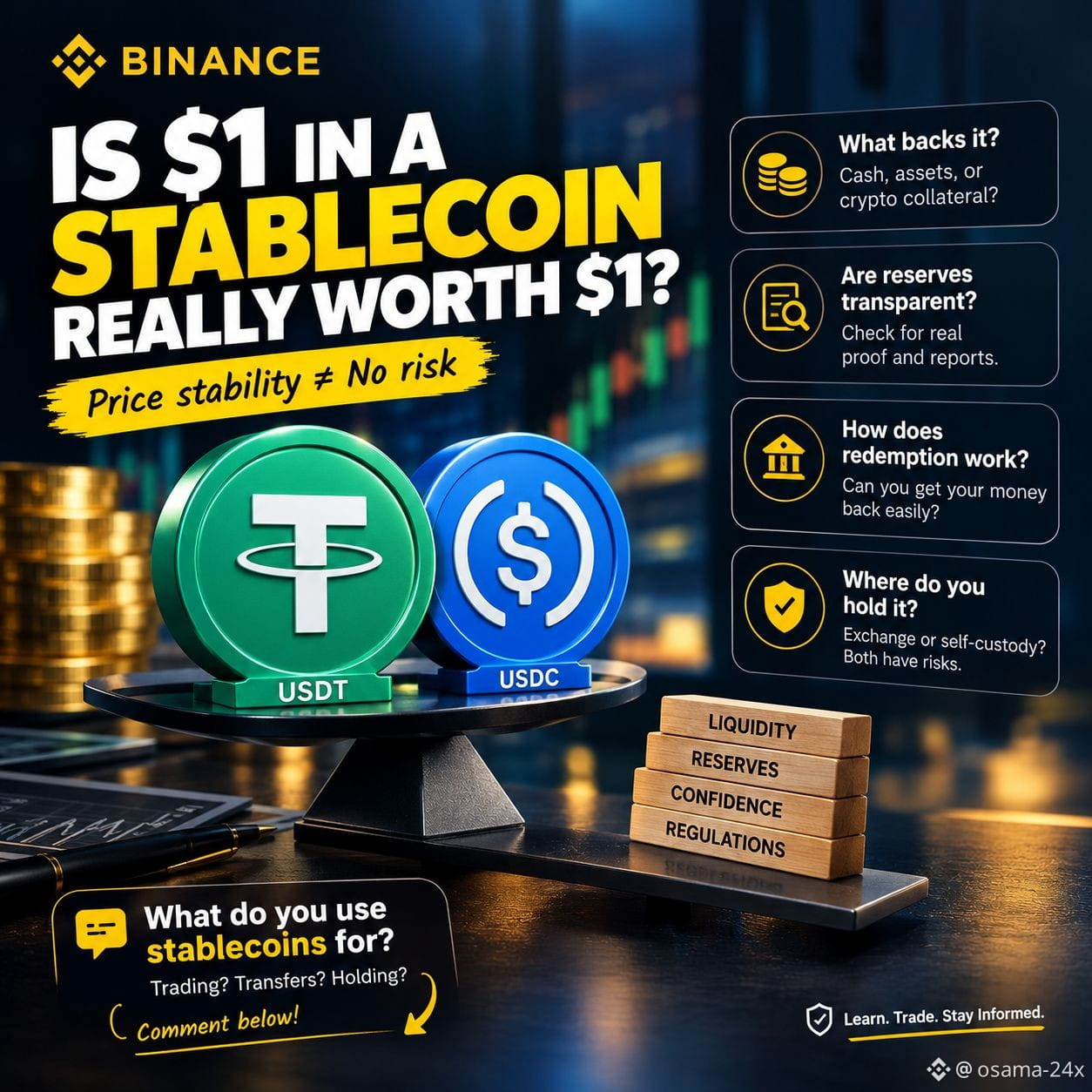
ok Is $1 in a Stablecoin Really Worth $1?
$USDT , $USDC , and other stablecoins are designed to track the value of the US dollar. But here's what many crypto users overlook:
⚠️ Price stability is not the same as zero risk.
A stablecoin can temporarily lose its $1 peg because of liquidity problems, concerns about reserves, or a loss of market confidence.
Before choosing one, ask yourself:
🔎 What backs the token?
📊 Are reserve disclosures available?
💧 How does redemption work?
🔐 Where and how are you holding it?
💬 Your turn: Do you use stablecoins mainly for trading, transferring money, or holding funds between market moves?
Comment below 👇
#Stablecoins #USDT #USDC #cryptoeducation #BinanceSquare
Educational content only. Stablecoins carry risks and may lose their peg.
ok Is $1 in a Stablecoin Really Worth $1?
$USDT , $USDC , and other stablecoins are designed to track the value of the US dollar. But here's what many crypto users overlook:
⚠️ Price stability is not the same as zero risk.
A stablecoin can temporarily lose its $1 peg because of liquidity problems, concerns about reserves, or a loss of market confidence.
Before choosing one, ask yourself:
🔎 What backs the token?
📊 Are reserve disclosures available?
💧 How does redemption work?
🔐 Where and how are you holding it?
💬 Your turn: Do you use stablecoins mainly for trading, transferring money, or holding funds between market moves?
Comment below 👇
#Stablecoins #USDT #USDC #cryptoeducation #BinanceSquare
Educational content only. Stablecoins carry risks and may lose their peg.
$USDT , $USDC , and other stablecoins are designed to track the value of the US dollar. But here's what many crypto users overlook:
⚠️ Price stability is not the same as zero risk.
A stablecoin can temporarily lose its $1 peg because of liquidity problems, concerns about reserves, or a loss of market confidence.
Before choosing one, ask yourself:
🔎 What backs the token?
📊 Are reserve disclosures available?
💧 How does redemption work?
🔐 Where and how are you holding it?
💬 Your turn: Do you use stablecoins mainly for trading, transferring money, or holding funds between market moves?
Comment below 👇
#Stablecoins #USDT #USDC #cryptoeducation #BinanceSquare
Educational content only. Stablecoins carry risks and may lose their peg.
72
·
--
翻訳参照
🧭 Beginner tip: Market order vs Limit order
Two buttons, very different results. Here's the quick version 👇
🔹 Market order
✅ Fills right away at the best price available now
⚠️ In fast or thin markets you can get a worse price than you saw (slippage)
🔹 Limit order
✅ You set the exact price you're willing to pay or sell at
⚠️ It only fills if the market reaches your price, so it might not fill at all
💡 Simple rule of thumb
Need it done now? Market.
Care more about the price than the timing? Limit.
Bonus: limit orders that rest on the order book are "maker" orders, and on many exchanges makers pay the same or lower fees than takers (market orders).
Which one do you use most? 👇
#cryptotrading #cryptoeducation #Binance #crypto
🧭 Beginner tip: Market order vs Limit order
Two buttons, very different results. Here's the quick version 👇
🔹 Market order
✅ Fills right away at the best price available now
⚠️ In fast or thin markets you can get a worse price than you saw (slippage)
🔹 Limit order
✅ You set the exact price you're willing to pay or sell at
⚠️ It only fills if the market reaches your price, so it might not fill at all
💡 Simple rule of thumb
Need it done now? Market.
Care more about the price than the timing? Limit.
Bonus: limit orders that rest on the order book are "maker" orders, and on many exchanges makers pay the same or lower fees than takers (market orders).
Which one do you use most? 👇
#cryptotrading #cryptoeducation #Binance #crypto
Two buttons, very different results. Here's the quick version 👇
🔹 Market order
✅ Fills right away at the best price available now
⚠️ In fast or thin markets you can get a worse price than you saw (slippage)
🔹 Limit order
✅ You set the exact price you're willing to pay or sell at
⚠️ It only fills if the market reaches your price, so it might not fill at all
💡 Simple rule of thumb
Need it done now? Market.
Care more about the price than the timing? Limit.
Bonus: limit orders that rest on the order book are "maker" orders, and on many exchanges makers pay the same or lower fees than takers (market orders).
Which one do you use most? 👇
#cryptotrading #cryptoeducation #Binance #crypto
1

·
--
翻訳参照
#EarningsSeason
🧠 Crypto Quiz for Beginners!
Let’s test your crypto knowledge 👇
What makes Bitcoin different from traditional money?
A) It is controlled by one central bank
B) It operates on a decentralized network
C) Its price never changes
💬 Comment your answer: A, B, or C!
Follow me for simple crypto learning posts and beginner-friendly explanations.
#crypto #Quiz #EarningsSeason #cryptoeducation $BTC
#EarningsSeason
🧠 Crypto Quiz for Beginners!
Let’s test your crypto knowledge 👇
What makes Bitcoin different from traditional money?
A) It is controlled by one central bank
B) It operates on a decentralized network
C) Its price never changes
💬 Comment your answer: A, B, or C!
Follow me for simple crypto learning posts and beginner-friendly explanations.
#crypto #Quiz #EarningsSeason #cryptoeducation $BTC
🧠 Crypto Quiz for Beginners!
Let’s test your crypto knowledge 👇
What makes Bitcoin different from traditional money?
A) It is controlled by one central bank
B) It operates on a decentralized network
C) Its price never changes
💬 Comment your answer: A, B, or C!
Follow me for simple crypto learning posts and beginner-friendly explanations.
#crypto #Quiz #EarningsSeason #cryptoeducation $BTC
64
·
--
#BinancePick
🚀 ビットコインはお金の未来を変えられる? ₿
ビットコインは単なる暗号資産ではありません。従来の銀行にすべての取引を頼ることなく、ブロックチェーン技術を使って価値を移転する新しい方法をもたらしました。
💡 初心者が知っておくべき3つのこと:
✅ ビットコインは分散型ネットワーク上で運用されています。
✅ 価格は大きく上昇することも、下落することもあります。
✅ 投資する前に、リスク管理について学ぶことが大切です。
📚 私の目標は、暗号資産についてもっと学び、このコミュニティに役立つ知識を共有することです。
👇 ぜひ話し合いましょう!
ビットコインは将来、今より重要な存在になると思いますか?それとも、従来のお金が主流であり続けるでしょうか?
コメントであなたの考えを聞かせてください!
#bitcoin #cryptoeducation #blockchain #BinanceSquare
#BinancePick
🚀 ビットコインはお金の未来を変えられる? ₿
ビットコインは単なる暗号資産ではありません。従来の銀行にすべての取引を頼ることなく、ブロックチェーン技術を使って価値を移転する新しい方法をもたらしました。
💡 初心者が知っておくべき3つのこと:
✅ ビットコインは分散型ネットワーク上で運用されています。
✅ 価格は大きく上昇することも、下落することもあります。
✅ 投資する前に、リスク管理について学ぶことが大切です。
📚 私の目標は、暗号資産についてもっと学び、このコミュニティに役立つ知識を共有することです。
👇 ぜひ話し合いましょう!
ビットコインは将来、今より重要な存在になると思いますか?それとも、従来のお金が主流であり続けるでしょうか?
コメントであなたの考えを聞かせてください!
#bitcoin #cryptoeducation #blockchain #BinanceSquare
🚀 ビットコインはお金の未来を変えられる? ₿
ビットコインは単なる暗号資産ではありません。従来の銀行にすべての取引を頼ることなく、ブロックチェーン技術を使って価値を移転する新しい方法をもたらしました。
💡 初心者が知っておくべき3つのこと:
✅ ビットコインは分散型ネットワーク上で運用されています。
✅ 価格は大きく上昇することも、下落することもあります。
✅ 投資する前に、リスク管理について学ぶことが大切です。
📚 私の目標は、暗号資産についてもっと学び、このコミュニティに役立つ知識を共有することです。
👇 ぜひ話し合いましょう!
ビットコインは将来、今より重要な存在になると思いますか?それとも、従来のお金が主流であり続けるでしょうか?
コメントであなたの考えを聞かせてください!
#bitcoin #cryptoeducation #blockchain #BinanceSquare
76
·
--
📊 暗号資産市場を学ぼう:ビットコインを理解する
ビットコインは、世界で最も人気のある暗号資産の一つです。取引を始める前に、初心者は市場の動向、価格変動の大きさ、リスク管理について理解しておきましょう。
✅ 取引する前に学びましょう。
✅ 失っても困らない金額だけを投資しましょう。
✅ 必ず自分で調査しましょう。
ビットコインの長期的な将来について、どう思いますか?
#bitcoin #cryptoeducation #BinanceSquare $BTC
📊 暗号資産市場を学ぼう:ビットコインを理解する
ビットコインは、世界で最も人気のある暗号資産の一つです。取引を始める前に、初心者は市場の動向、価格変動の大きさ、リスク管理について理解しておきましょう。
✅ 取引する前に学びましょう。
✅ 失っても困らない金額だけを投資しましょう。
✅ 必ず自分で調査しましょう。
ビットコインの長期的な将来について、どう思いますか?
#bitcoin #cryptoeducation #BinanceSquare $BTC
ビットコインは、世界で最も人気のある暗号資産の一つです。取引を始める前に、初心者は市場の動向、価格変動の大きさ、リスク管理について理解しておきましょう。
✅ 取引する前に学びましょう。
✅ 失っても困らない金額だけを投資しましょう。
✅ 必ず自分で調査しましょう。
ビットコインの長期的な将来について、どう思いますか?
#bitcoin #cryptoeducation #BinanceSquare $BTC
46

·
--
翻訳参照
📚 LEARN CRYPTO. BUILD KNOWLEDGE. EXPLORE REWARDS. 🚀
Want to understand crypto better?
🟡 Start with the basics
🟡 Explore educational programs
🟡 Complete eligible quizzes
🟡 Follow official announcements
🟡 Protect your account
Your knowledge is an investment in yourself! 🧠
⚠️ Educational rewards depend on availability and eligibility.
#Binance #learnAndEarn #CryptoEducation
📚 LEARN CRYPTO. BUILD KNOWLEDGE. EXPLORE REWARDS. 🚀
Want to understand crypto better?
🟡 Start with the basics
🟡 Explore educational programs
🟡 Complete eligible quizzes
🟡 Follow official announcements
🟡 Protect your account
Your knowledge is an investment in yourself! 🧠
⚠️ Educational rewards depend on availability and eligibility.
#Binance #learnAndEarn #CryptoEducation
Want to understand crypto better?
🟡 Start with the basics
🟡 Explore educational programs
🟡 Complete eligible quizzes
🟡 Follow official announcements
🟡 Protect your account
Your knowledge is an investment in yourself! 🧠
⚠️ Educational rewards depend on availability and eligibility.
#Binance #learnAndEarn #CryptoEducation
47
·
--
翻訳参照
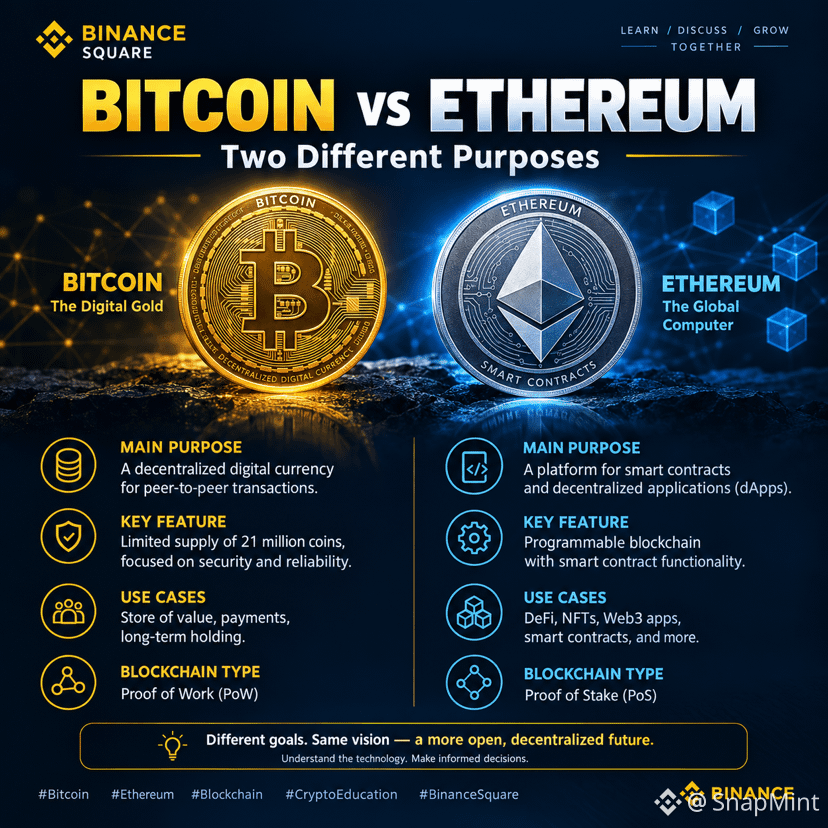
🚀 Bitcoin vs. Ethereum: What Makes Them Different?
Bitcoin and Ethereum are two of the most recognized names in crypto, but they serve different purposes.
🟠 Bitcoin ($BTC) was designed as a decentralized digital currency with a limited maximum supply of 21 million coins.
🔷 Ethereum ($ETH) is a blockchain platform that supports smart contracts and decentralized applications.
💡 The key lesson? A cryptocurrency’s purpose matters more than its popularity.
Before investing, learn how the technology works, understand the risks, and never invest money you cannot afford to lose.
Question: Which blockchain concept would you like to understand better — Bitcoin mining or Ethereum smart contracts?
$BTC $ETH
#bitcoin #Ethereum #cryptoeducation #Blockchain
🚀 Bitcoin vs. Ethereum: What Makes Them Different?
Bitcoin and Ethereum are two of the most recognized names in crypto, but they serve different purposes.
🟠 Bitcoin ($BTC) was designed as a decentralized digital currency with a limited maximum supply of 21 million coins.
🔷 Ethereum ($ETH) is a blockchain platform that supports smart contracts and decentralized applications.
💡 The key lesson? A cryptocurrency’s purpose matters more than its popularity.
Before investing, learn how the technology works, understand the risks, and never invest money you cannot afford to lose.
Question: Which blockchain concept would you like to understand better — Bitcoin mining or Ethereum smart contracts?
$BTC $ETH
#bitcoin #Ethereum #cryptoeducation #Blockchain
Bitcoin and Ethereum are two of the most recognized names in crypto, but they serve different purposes.
🟠 Bitcoin ($BTC) was designed as a decentralized digital currency with a limited maximum supply of 21 million coins.
🔷 Ethereum ($ETH) is a blockchain platform that supports smart contracts and decentralized applications.
💡 The key lesson? A cryptocurrency’s purpose matters more than its popularity.
Before investing, learn how the technology works, understand the risks, and never invest money you cannot afford to lose.
Question: Which blockchain concept would you like to understand better — Bitcoin mining or Ethereum smart contracts?
$BTC $ETH
#bitcoin #Ethereum #cryptoeducation #Blockchain
88

·
--
翻訳参照
📚 Crypto Education: Don't Judge a Coin by Its Price Alone!
Have you ever wondered why a cryptocurrency with a very low price isn't automatically cheaper or a better investment?
Here are 3 things every beginner should know:
🔹 1. Coin Price: The current price of one unit of a cryptocurrency.
🔹 2. Market Capitalization: The coin's price multiplied by its circulating supply.
🔹 3. Supply Matters: Two cryptocurrencies can have very different prices because their circulating supplies are different.
For example, a coin priced at $1 is not necessarily a better investment than a coin priced at $100.
Remember: Market cap is one useful metric, but it doesn't guarantee future performance or eliminate investment risk.
💬 Question: Before researching a cryptocurrency, do you check its price, market cap, or circulating supply first?
Let's learn together! 🤝
#CryptoEducation #Bitcoin #xrp #BinanceSquare
📚 Crypto Education: Don't Judge a Coin by Its Price Alone!
Have you ever wondered why a cryptocurrency with a very low price isn't automatically cheaper or a better investment?
Here are 3 things every beginner should know:
🔹 1. Coin Price: The current price of one unit of a cryptocurrency.
🔹 2. Market Capitalization: The coin's price multiplied by its circulating supply.
🔹 3. Supply Matters: Two cryptocurrencies can have very different prices because their circulating supplies are different.
For example, a coin priced at $1 is not necessarily a better investment than a coin priced at $100.
Remember: Market cap is one useful metric, but it doesn't guarantee future performance or eliminate investment risk.
💬 Question: Before researching a cryptocurrency, do you check its price, market cap, or circulating supply first?
Let's learn together! 🤝
#CryptoEducation #Bitcoin #xrp #BinanceSquare
Have you ever wondered why a cryptocurrency with a very low price isn't automatically cheaper or a better investment?
Here are 3 things every beginner should know:
🔹 1. Coin Price: The current price of one unit of a cryptocurrency.
🔹 2. Market Capitalization: The coin's price multiplied by its circulating supply.
🔹 3. Supply Matters: Two cryptocurrencies can have very different prices because their circulating supplies are different.
For example, a coin priced at $1 is not necessarily a better investment than a coin priced at $100.
Remember: Market cap is one useful metric, but it doesn't guarantee future performance or eliminate investment risk.
💬 Question: Before researching a cryptocurrency, do you check its price, market cap, or circulating supply first?
Let's learn together! 🤝
#CryptoEducation #Bitcoin #xrp #BinanceSquare
67
·
--
🚨 暗号資産を買う前に、必ず読んで! ⚠️
ちょっとしたミスが、暗号資産では損失につながることがあります。💸
そして厄介なのは、多くの初心者が気づかないうちにこうしたミスをしていること。
新しく暗号資産に投資する人みんなに知っておいてほしいことを3つ紹介します👇
🔴 1. コインが急騰しているという理由だけで買う
コインが突然値上がりすると、FOMO(乗り遅れることへの焦り)が生まれます。
みんなが話題にし始めると、自分だけチャンスを逃しているように感じるものです。
でも、大きく急騰したあとに買うと、急激な調整に巻き込まれるおそれがあります。
📊 2. 価格が安いコインはお買い得だと思い込む
1枚0.01ドルのコインが、1枚100ドルのコインより必ず優れた投資先とは限りません。
流通供給量、時価総額、トークンのロック解除、実際の実用性を理解する必要があります。
トークン1枚あたりの価格だけでは、ほとんど何もわかりません。
🔐 3. リスク管理を怠る
有望なプロジェクトであっても、失敗することはあります。
失っても困らない金額だけを投資し、興奮に流されて調査や明確な計画をおろそかにしないでください。
💡 覚えておいてください。暗号資産では、資金を守ることもチャンスを見つけることと同じくらい大切です。
🔥 暗号資産コミュニティのみなさん、あなたの意見を聞かせて!
初心者にとって、どのミスが最も大きな痛手になると思いますか?
A) 急騰中に買う 📈
B) 調べずに話題に乗る 🗣️
C) 計画なしで投資する 🎯
D) 過度なリスクを取る 💸
👇 A、B、C、Dのどれかをコメントしてください。みんなの意見を見てみましょう!
暗号資産を始めたばかりなら、この投稿を保存して、知っておくべき人にもシェアしてください。🤝
#crypto #BinanceSquareBTC #Bitcoin #cryptoeducation #tradingtips
教育目的のコンテンツです。これは金融アドバイスではありません。暗号資産は価格変動が大きく、損失が生じる可能性があります。
$BTC $BTTC $SOL
🚨 暗号資産を買う前に、必ず読んで! ⚠️
ちょっとしたミスが、暗号資産では損失につながることがあります。💸
そして厄介なのは、多くの初心者が気づかないうちにこうしたミスをしていること。
新しく暗号資産に投資する人みんなに知っておいてほしいことを3つ紹介します👇
🔴 1. コインが急騰しているという理由だけで買う
コインが突然値上がりすると、FOMO(乗り遅れることへの焦り)が生まれます。
みんなが話題にし始めると、自分だけチャンスを逃しているように感じるものです。
でも、大きく急騰したあとに買うと、急激な調整に巻き込まれるおそれがあります。
📊 2. 価格が安いコインはお買い得だと思い込む
1枚0.01ドルのコインが、1枚100ドルのコインより必ず優れた投資先とは限りません。
流通供給量、時価総額、トークンのロック解除、実際の実用性を理解する必要があります。
トークン1枚あたりの価格だけでは、ほとんど何もわかりません。
🔐 3. リスク管理を怠る
有望なプロジェクトであっても、失敗することはあります。
失っても困らない金額だけを投資し、興奮に流されて調査や明確な計画をおろそかにしないでください。
💡 覚えておいてください。暗号資産では、資金を守ることもチャンスを見つけることと同じくらい大切です。
🔥 暗号資産コミュニティのみなさん、あなたの意見を聞かせて!
初心者にとって、どのミスが最も大きな痛手になると思いますか?
A) 急騰中に買う 📈
B) 調べずに話題に乗る 🗣️
C) 計画なしで投資する 🎯
D) 過度なリスクを取る 💸
👇 A、B、C、Dのどれかをコメントしてください。みんなの意見を見てみましょう!
暗号資産を始めたばかりなら、この投稿を保存して、知っておくべき人にもシェアしてください。🤝
#crypto #BinanceSquareBTC #Bitcoin #cryptoeducation #tradingtips
教育目的のコンテンツです。これは金融アドバイスではありません。暗号資産は価格変動が大きく、損失が生じる可能性があります。
$BTC $BTTC $SOL
ちょっとしたミスが、暗号資産では損失につながることがあります。💸
そして厄介なのは、多くの初心者が気づかないうちにこうしたミスをしていること。
新しく暗号資産に投資する人みんなに知っておいてほしいことを3つ紹介します👇
🔴 1. コインが急騰しているという理由だけで買う
コインが突然値上がりすると、FOMO(乗り遅れることへの焦り)が生まれます。
みんなが話題にし始めると、自分だけチャンスを逃しているように感じるものです。
でも、大きく急騰したあとに買うと、急激な調整に巻き込まれるおそれがあります。
📊 2. 価格が安いコインはお買い得だと思い込む
1枚0.01ドルのコインが、1枚100ドルのコインより必ず優れた投資先とは限りません。
流通供給量、時価総額、トークンのロック解除、実際の実用性を理解する必要があります。
トークン1枚あたりの価格だけでは、ほとんど何もわかりません。
🔐 3. リスク管理を怠る
有望なプロジェクトであっても、失敗することはあります。
失っても困らない金額だけを投資し、興奮に流されて調査や明確な計画をおろそかにしないでください。
💡 覚えておいてください。暗号資産では、資金を守ることもチャンスを見つけることと同じくらい大切です。
🔥 暗号資産コミュニティのみなさん、あなたの意見を聞かせて!
初心者にとって、どのミスが最も大きな痛手になると思いますか?
A) 急騰中に買う 📈
B) 調べずに話題に乗る 🗣️
C) 計画なしで投資する 🎯
D) 過度なリスクを取る 💸
👇 A、B、C、Dのどれかをコメントしてください。みんなの意見を見てみましょう!
暗号資産を始めたばかりなら、この投稿を保存して、知っておくべき人にもシェアしてください。🤝
#crypto #BinanceSquareBTC #Bitcoin #cryptoeducation #tradingtips
教育目的のコンテンツです。これは金融アドバイスではありません。暗号資産は価格変動が大きく、損失が生じる可能性があります。
$BTC $BTTC $SOL
1
249
翻訳参照
🧠 ما هي تقنية Blockchain ببساطة؟
تخيّل دفترًا رقميًا يسجّل المعاملات، وتحتفظ نسخ متعددة منه بالمعلومات، وفق قواعد محددة للتحقق من صحتها.
هذا هو المبدأ العام للبلوكشين: سجل رقمي موزّع يصعب تغيير بياناته السابقة دون استيفاء شروط الشبكة.
لكن انتبه: ليست كل Blockchain متطابقة، وليست كل معاملة مجهولة الهوية بالكامل.
💬 برأيك، ما أكبر فائدة لهذه التقنية خارج العملات الرقمية؟
#Blockchain #CryptoEducation $NVDAB
{spot}(NVDABUSDT)
$MSFTB
{spot}(MSFTBUSDT)
🧠 ما هي تقنية Blockchain ببساطة؟
تخيّل دفترًا رقميًا يسجّل المعاملات، وتحتفظ نسخ متعددة منه بالمعلومات، وفق قواعد محددة للتحقق من صحتها.
هذا هو المبدأ العام للبلوكشين: سجل رقمي موزّع يصعب تغيير بياناته السابقة دون استيفاء شروط الشبكة.
لكن انتبه: ليست كل Blockchain متطابقة، وليست كل معاملة مجهولة الهوية بالكامل.
💬 برأيك، ما أكبر فائدة لهذه التقنية خارج العملات الرقمية؟
#Blockchain #CryptoEducation $NVDAB
$MSFTB
تخيّل دفترًا رقميًا يسجّل المعاملات، وتحتفظ نسخ متعددة منه بالمعلومات، وفق قواعد محددة للتحقق من صحتها.
هذا هو المبدأ العام للبلوكشين: سجل رقمي موزّع يصعب تغيير بياناته السابقة دون استيفاء شروط الشبكة.
لكن انتبه: ليست كل Blockchain متطابقة، وليست كل معاملة مجهولة الهوية بالكامل.
💬 برأيك، ما أكبر فائدة لهذه التقنية خارج العملات الرقمية؟
#Blockchain #CryptoEducation $NVDAB
$MSFTB
Abu Fahadأ:
💛
1
82

·
--
翻訳参照
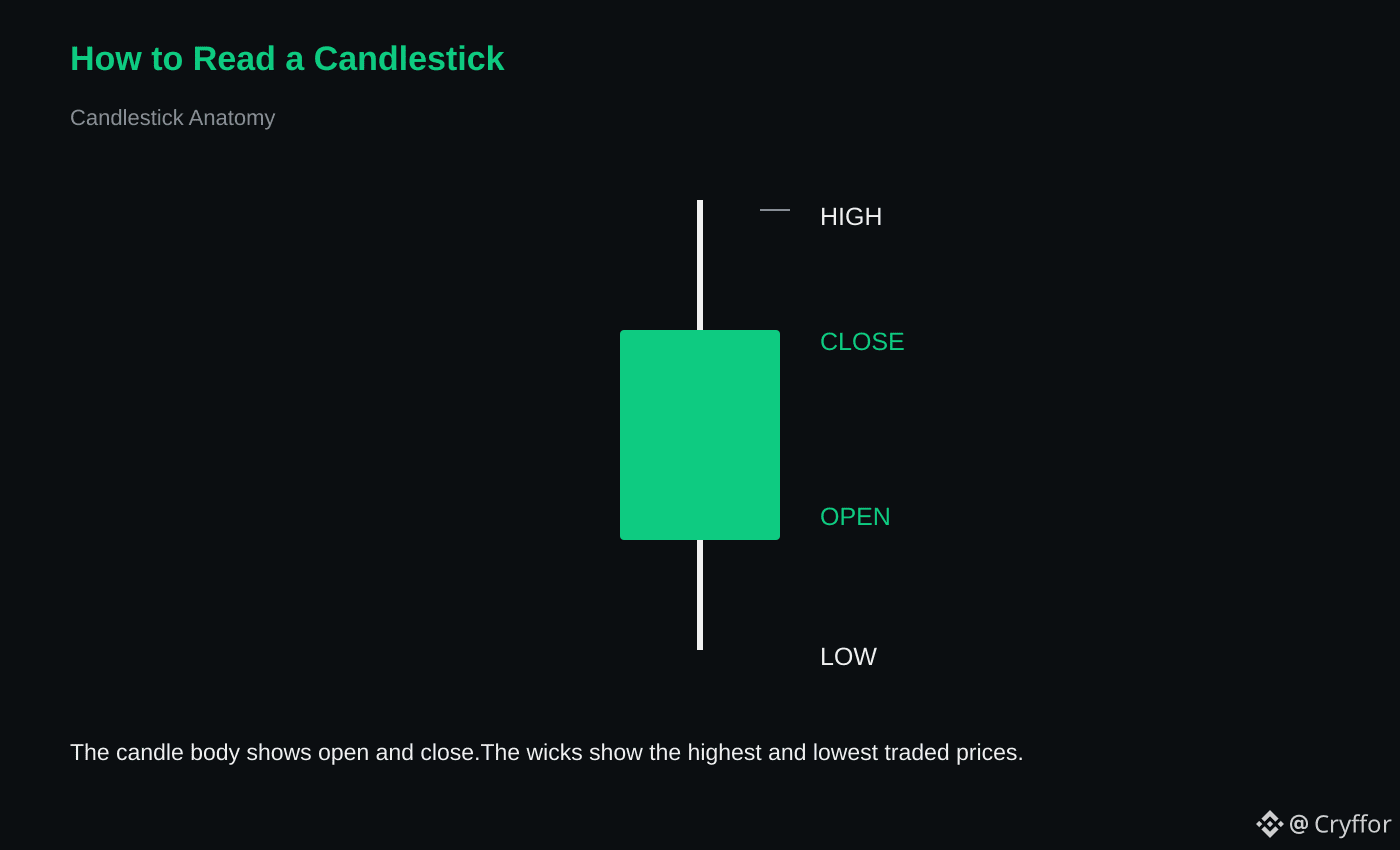
📚 Crypto Education — Candlesticks
🟢 Bullish candle: buyers controlled the period.
🔴 Bearish candle: sellers controlled the period.
📍 The wick shows where price traded but failed to hold.
📊 Candles become more useful with:
🔎 Support/resistance
📈 Trend
⚡ Volume
👀 Higher-timeframe structure
🤔 Which candle pattern do you watch most?
#CryptoEducation #Binance #Candlesticks #Trading
📚 Crypto Education — Candlesticks
🟢 Bullish candle: buyers controlled the period.
🔴 Bearish candle: sellers controlled the period.
📍 The wick shows where price traded but failed to hold.
📊 Candles become more useful with:
🔎 Support/resistance
📈 Trend
⚡ Volume
👀 Higher-timeframe structure
🤔 Which candle pattern do you watch most?
#CryptoEducation #Binance #Candlesticks #Trading
🟢 Bullish candle: buyers controlled the period.
🔴 Bearish candle: sellers controlled the period.
📍 The wick shows where price traded but failed to hold.
📊 Candles become more useful with:
🔎 Support/resistance
📈 Trend
⚡ Volume
👀 Higher-timeframe structure
🤔 Which candle pattern do you watch most?
#CryptoEducation #Binance #Candlesticks #Trading
3

翻訳参照
🚀 The Journey Continues! | Binance Square
🔥 7 Days of Learning, 7 Days of Growth!
The crypto journey is not about getting rich overnight. It's about learning every day, staying patient, managing risk, and making smarter decisions. 📈
💡 My 3 Key Lessons: ✅ Never invest based on hype alone. ✅ Always do your own research (DYOR). ✅ Patience and risk management are essential in crypto.
💎 Success in crypto takes knowledge, discipline, and consistency — not luck alone!
🎯 Question for the Community: What is the most important lesson you have learned in your crypto journey? Share your thoughts in the comments! 👇
Let's learn, grow, and build together! 🤝
Follow me for more crypto insights and educational content. 🚀
#BinanceSquare #CryptoJourney #Bitcoin #BTC #CryptoEducation #DYOR #TradingMindset
🚀 The Journey Continues! | Binance Square
🔥 7 Days of Learning, 7 Days of Growth!
The crypto journey is not about getting rich overnight. It's about learning every day, staying patient, managing risk, and making smarter decisions. 📈
💡 My 3 Key Lessons: ✅ Never invest based on hype alone. ✅ Always do your own research (DYOR). ✅ Patience and risk management are essential in crypto.
💎 Success in crypto takes knowledge, discipline, and consistency — not luck alone!
🎯 Question for the Community: What is the most important lesson you have learned in your crypto journey? Share your thoughts in the comments! 👇
Let's learn, grow, and build together! 🤝
Follow me for more crypto insights and educational content. 🚀
#BinanceSquare #CryptoJourney #Bitcoin #BTC #CryptoEducation #DYOR #TradingMindset
🔥 7 Days of Learning, 7 Days of Growth!
The crypto journey is not about getting rich overnight. It's about learning every day, staying patient, managing risk, and making smarter decisions. 📈
💡 My 3 Key Lessons: ✅ Never invest based on hype alone. ✅ Always do your own research (DYOR). ✅ Patience and risk management are essential in crypto.
💎 Success in crypto takes knowledge, discipline, and consistency — not luck alone!
🎯 Question for the Community: What is the most important lesson you have learned in your crypto journey? Share your thoughts in the comments! 👇
Let's learn, grow, and build together! 🤝
Follow me for more crypto insights and educational content. 🚀
#BinanceSquare #CryptoJourney #Bitcoin #BTC #CryptoEducation #DYOR #TradingMindset
54

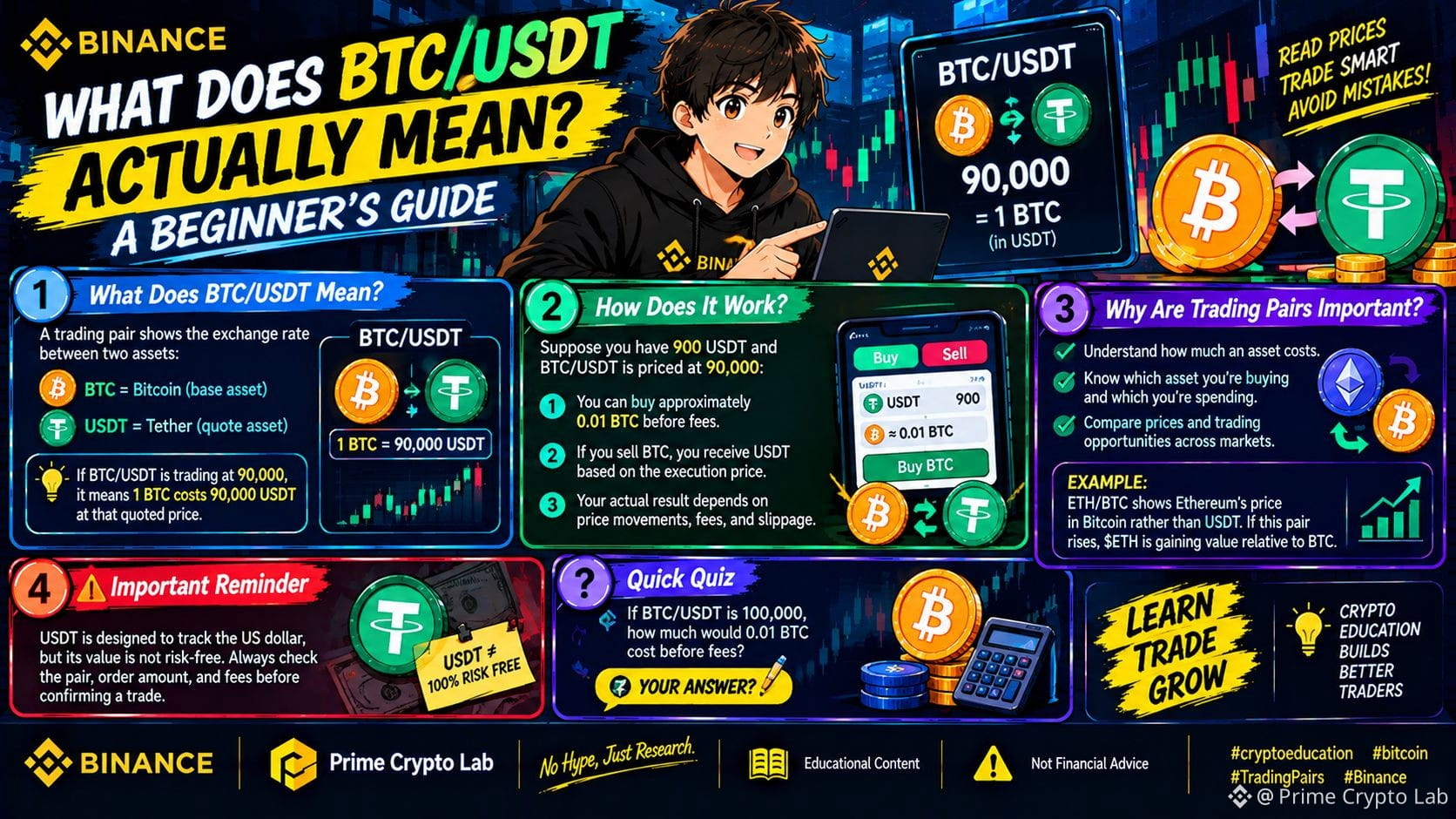
📊 $BTC | BTC/USDTって実際どういう意味?初心者向けガイド
BinanceでBTC/USDTを見て、どういう意味だろうと思ったことはありませんか?このシンプルな取引ペアを理解すると、暗号資産の価格を読み取り、よくある取引のミスを避けるのに役立ちます。
🔍 BTC/USDTとは?
取引ペアは、2つの資産の交換レートを示します。
🟠 BTC = ビットコイン(基軸資産)
🟢 USDT = テザー(決済通貨)
BTC/USDTが90,000で取引されている場合、その提示価格では1 BTCが90,000 USDTという意味です。
💰 どのように取引するの?
900 USDTを持っていて、BTC/USDTの価格が90,000だとします。
• 手数料を差し引く前なら、約0.01 BTCを購入できます。
• BTCを売ると、約定価格に応じたUSDTを受け取ります。
• 実際の損益は、価格変動、手数料、スリッページによって異なります。
📈 取引ペアが重要なのはなぜ?
✅ 資産の価格がいくらなのかを把握できます。
✅ どの資産を買い、どの資産で支払うのかがわかります。
✅ 市場ごとの価格や取引機会を比較できます。
たとえば、ETH/BTCはイーサリアムの価格をUSDTではなくビットコインで示します。このペアが上昇すると、$ETH はBTCに対して価値が上がっていることになります。
⚠️ 注意:USDTは米ドルに連動するよう設計されていますが、リスクがないわけではありません。取引を確定する前に、取引ペア、注文数量、手数料を必ず確認しましょう。
💬 クイッククイズ:BTC/USDTが100,000の場合、手数料を差し引く前の0.01 $BTC の価格はいくらでしょう?
答えを下にコメントしてください! 👇
教育目的のコンテンツであり、金融アドバイスではありません。
#cryptoeducation #bitcoin #TradingPairs #Binance
📊 $BTC | BTC/USDTって実際どういう意味?初心者向けガイド
BinanceでBTC/USDTを見て、どういう意味だろうと思ったことはありませんか?このシンプルな取引ペアを理解すると、暗号資産の価格を読み取り、よくある取引のミスを避けるのに役立ちます。
🔍 BTC/USDTとは?
取引ペアは、2つの資産の交換レートを示します。
🟠 BTC = ビットコイン(基軸資産)
🟢 USDT = テザー(決済通貨)
BTC/USDTが90,000で取引されている場合、その提示価格では1 BTCが90,000 USDTという意味です。
💰 どのように取引するの?
900 USDTを持っていて、BTC/USDTの価格が90,000だとします。
• 手数料を差し引く前なら、約0.01 BTCを購入できます。
• BTCを売ると、約定価格に応じたUSDTを受け取ります。
• 実際の損益は、価格変動、手数料、スリッページによって異なります。
📈 取引ペアが重要なのはなぜ?
✅ 資産の価格がいくらなのかを把握できます。
✅ どの資産を買い、どの資産で支払うのかがわかります。
✅ 市場ごとの価格や取引機会を比較できます。
たとえば、ETH/BTCはイーサリアムの価格をUSDTではなくビットコインで示します。このペアが上昇すると、$ETH はBTCに対して価値が上がっていることになります。
⚠️ 注意:USDTは米ドルに連動するよう設計されていますが、リスクがないわけではありません。取引を確定する前に、取引ペア、注文数量、手数料を必ず確認しましょう。
💬 クイッククイズ:BTC/USDTが100,000の場合、手数料を差し引く前の0.01 $BTC の価格はいくらでしょう?
答えを下にコメントしてください! 👇
教育目的のコンテンツであり、金融アドバイスではありません。
#cryptoeducation #bitcoin #TradingPairs #Binance
BinanceでBTC/USDTを見て、どういう意味だろうと思ったことはありませんか?このシンプルな取引ペアを理解すると、暗号資産の価格を読み取り、よくある取引のミスを避けるのに役立ちます。
🔍 BTC/USDTとは?
取引ペアは、2つの資産の交換レートを示します。
🟠 BTC = ビットコイン(基軸資産)
🟢 USDT = テザー(決済通貨)
BTC/USDTが90,000で取引されている場合、その提示価格では1 BTCが90,000 USDTという意味です。
💰 どのように取引するの?
900 USDTを持っていて、BTC/USDTの価格が90,000だとします。
• 手数料を差し引く前なら、約0.01 BTCを購入できます。
• BTCを売ると、約定価格に応じたUSDTを受け取ります。
• 実際の損益は、価格変動、手数料、スリッページによって異なります。
📈 取引ペアが重要なのはなぜ?
✅ 資産の価格がいくらなのかを把握できます。
✅ どの資産を買い、どの資産で支払うのかがわかります。
✅ 市場ごとの価格や取引機会を比較できます。
たとえば、ETH/BTCはイーサリアムの価格をUSDTではなくビットコインで示します。このペアが上昇すると、$ETH はBTCに対して価値が上がっていることになります。
⚠️ 注意:USDTは米ドルに連動するよう設計されていますが、リスクがないわけではありません。取引を確定する前に、取引ペア、注文数量、手数料を必ず確認しましょう。
💬 クイッククイズ:BTC/USDTが100,000の場合、手数料を差し引く前の0.01 $BTC の価格はいくらでしょう?
答えを下にコメントしてください! 👇
教育目的のコンテンツであり、金融アドバイスではありません。
#cryptoeducation #bitcoin #TradingPairs #Binance
76

·
--
翻訳参照
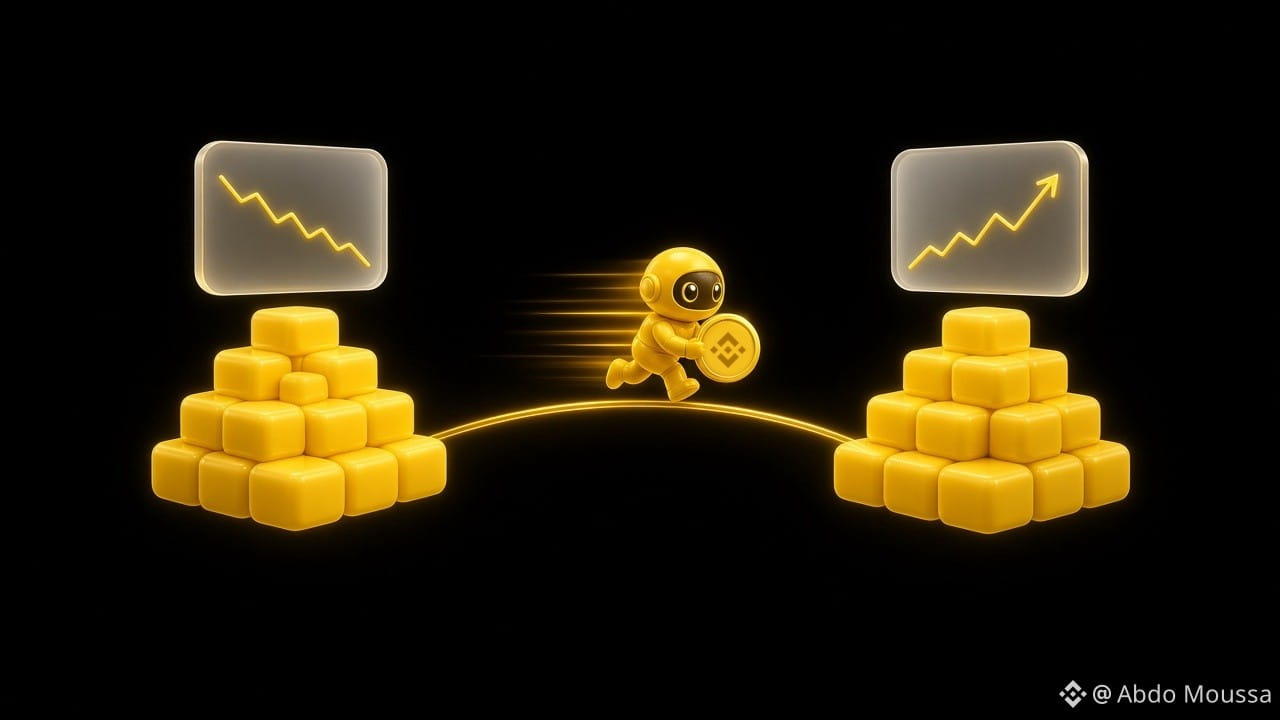
𝗘𝘃𝗲𝗿 𝘄𝗼𝗻𝗱𝗲𝗿𝗲𝗱 𝗵𝗼𝘄 𝗮𝘂𝘁𝗼𝗺𝗮𝘁𝗲𝗱 𝗮𝗿𝗯𝗶𝘁𝗿𝗮𝗴𝗲 𝗯𝗼𝘁𝘀 𝗰𝗮𝗽𝘁𝘂𝗿𝗲 𝗽𝗿𝗶𝗰𝗲 𝗱𝗶𝗳𝗳𝗲𝗿𝗲𝗻𝗰𝗲𝘀 𝗮𝗰𝗿𝗼𝘀𝘀 𝗱𝗶𝗳𝗳𝗲𝗿𝗲𝗻𝘁 𝗯𝗹𝗼𝗰𝗸𝗰𝗵𝗮𝗶𝗻𝘀 𝗮𝘁 𝗻𝗲𝗮𝗿𝗹𝘆 𝘁𝗵𝗲 𝘀𝗮𝗺𝗲 𝘁𝗶𝗺𝗲? 𝗘𝗻𝘁𝗲𝗿 𝗖𝗿𝗼𝘀𝘀-𝗖𝗵𝗮𝗶𝗻 𝗠𝗘𝗩 🌉⚡
𝘋𝘳𝘢𝘸𝘪𝘯𝘨 𝘧𝘳𝘰𝘮 𝘧𝘰𝘶𝘯𝘥𝘢𝘵𝘪𝘰𝘯𝘢𝘭 𝘭𝘦𝘴𝘴𝘰𝘯𝘴 𝘰𝘯 #BinanceAcademy, 𝘩𝘦𝘳𝘦 𝘪𝘴 𝘺𝘰𝘶𝘳 𝘲𝘶𝘪𝘤𝘬 𝘮𝘶𝘭𝘵𝘪-𝘤𝘩𝘢𝘪𝘯 𝘮𝘢𝘳𝘬𝘦𝘵 𝘣𝘳𝘦𝘢𝘬𝘥𝘰𝘸𝘯:
1️⃣ 𝗕𝗲𝘆𝗼𝗻𝗱 𝗦𝗶𝗻𝗴𝗹𝗲-𝗖𝗵𝗮𝗶𝗻 𝗠𝗘𝗩:
• Standard MEV (Maximal Extractable Value) is the extra value captured by ordering transactions on a single chain, Cross-Chain MEV targets price gaps, latency, and liquidity imbalances across different L1s and L2s.
2️⃣ 𝗖𝗿𝗼𝘀𝘀-𝗖𝗵𝗮𝗶𝗻 𝗔𝗿𝗯𝗶𝘁𝗿𝗮𝗴𝗲 & 𝗟𝗶𝗾𝘂𝗶𝗱𝗮𝘁𝗶𝗼𝗻𝘀:
• Automated bots can execute complex multi-leg trades, buying discounted assets on one network while hedging or selling near-simultaneously on another via cross-chain relayers.
3️⃣ 𝗦𝘆𝘀𝘁𝗲𝗺𝗶𝗰 𝗥𝗶𝘀𝗸𝘀 & 𝗡𝗲𝘁𝘄𝗼𝗿𝗸 𝗦𝘁𝗿𝗲𝘀𝘀:
• Cross-Chain MEV can add block builder complexity, strain cross-chain messaging bridges, and worsen price slippage for cross-chain swaps.
⚠️ 𝗥𝗶𝘀𝗸 𝗡𝗼𝘁𝗲:
Cross-chain trading involves bridge, infrastructure and latency risks.
Expand your technical literacy, track multi-chain dynamics 🔗
📖 Learn more on Binance Academy: https://www.binance.com/en/academy/articles/what-is-maximal-extractable-value-mev
Crypto involves risk, this is not financial advice, Always DYOR 💡
#CrossChainMEV #Blockchain #CryptoEducation
Follow me for more 💛
𝗘𝘃𝗲𝗿 𝘄𝗼𝗻𝗱𝗲𝗿𝗲𝗱 𝗵𝗼𝘄 𝗮𝘂𝘁𝗼𝗺𝗮𝘁𝗲𝗱 𝗮𝗿𝗯𝗶𝘁𝗿𝗮𝗴𝗲 𝗯𝗼𝘁𝘀 𝗰𝗮𝗽𝘁𝘂𝗿𝗲 𝗽𝗿𝗶𝗰𝗲 𝗱𝗶𝗳𝗳𝗲𝗿𝗲𝗻𝗰𝗲𝘀 𝗮𝗰𝗿𝗼𝘀𝘀 𝗱𝗶𝗳𝗳𝗲𝗿𝗲𝗻𝘁 𝗯𝗹𝗼𝗰𝗸𝗰𝗵𝗮𝗶𝗻𝘀 𝗮𝘁 𝗻𝗲𝗮𝗿𝗹𝘆 𝘁𝗵𝗲 𝘀𝗮𝗺𝗲 𝘁𝗶𝗺𝗲? 𝗘𝗻𝘁𝗲𝗿 𝗖𝗿𝗼𝘀𝘀-𝗖𝗵𝗮𝗶𝗻 𝗠𝗘𝗩 🌉⚡
𝘋𝘳𝘢𝘸𝘪𝘯𝘨 𝘧𝘳𝘰𝘮 𝘧𝘰𝘶𝘯𝘥𝘢𝘵𝘪𝘰𝘯𝘢𝘭 𝘭𝘦𝘴𝘴𝘰𝘯𝘴 𝘰𝘯 #BinanceAcademy, 𝘩𝘦𝘳𝘦 𝘪𝘴 𝘺𝘰𝘶𝘳 𝘲𝘶𝘪𝘤𝘬 𝘮𝘶𝘭𝘵𝘪-𝘤𝘩𝘢𝘪𝘯 𝘮𝘢𝘳𝘬𝘦𝘵 𝘣𝘳𝘦𝘢𝘬𝘥𝘰𝘸𝘯:
1️⃣ 𝗕𝗲𝘆𝗼𝗻𝗱 𝗦𝗶𝗻𝗴𝗹𝗲-𝗖𝗵𝗮𝗶𝗻 𝗠𝗘𝗩:
• Standard MEV (Maximal Extractable Value) is the extra value captured by ordering transactions on a single chain, Cross-Chain MEV targets price gaps, latency, and liquidity imbalances across different L1s and L2s.
2️⃣ 𝗖𝗿𝗼𝘀𝘀-𝗖𝗵𝗮𝗶𝗻 𝗔𝗿𝗯𝗶𝘁𝗿𝗮𝗴𝗲 & 𝗟𝗶𝗾𝘂𝗶𝗱𝗮𝘁𝗶𝗼𝗻𝘀:
• Automated bots can execute complex multi-leg trades, buying discounted assets on one network while hedging or selling near-simultaneously on another via cross-chain relayers.
3️⃣ 𝗦𝘆𝘀𝘁𝗲𝗺𝗶𝗰 𝗥𝗶𝘀𝗸𝘀 & 𝗡𝗲𝘁𝘄𝗼𝗿𝗸 𝗦𝘁𝗿𝗲𝘀𝘀:
• Cross-Chain MEV can add block builder complexity, strain cross-chain messaging bridges, and worsen price slippage for cross-chain swaps.
⚠️ 𝗥𝗶𝘀𝗸 𝗡𝗼𝘁𝗲:
Cross-chain trading involves bridge, infrastructure and latency risks.
Expand your technical literacy, track multi-chain dynamics 🔗
📖 Learn more on Binance Academy: https://www.binance.com/en/academy/articles/what-is-maximal-extractable-value-mev
Crypto involves risk, this is not financial advice, Always DYOR 💡
#CrossChainMEV #Blockchain #CryptoEducation
Follow me for more 💛
𝘋𝘳𝘢𝘸𝘪𝘯𝘨 𝘧𝘳𝘰𝘮 𝘧𝘰𝘶𝘯𝘥𝘢𝘵𝘪𝘰𝘯𝘢𝘭 𝘭𝘦𝘴𝘴𝘰𝘯𝘴 𝘰𝘯 #BinanceAcademy, 𝘩𝘦𝘳𝘦 𝘪𝘴 𝘺𝘰𝘶𝘳 𝘲𝘶𝘪𝘤𝘬 𝘮𝘶𝘭𝘵𝘪-𝘤𝘩𝘢𝘪𝘯 𝘮𝘢𝘳𝘬𝘦𝘵 𝘣𝘳𝘦𝘢𝘬𝘥𝘰𝘸𝘯:
1️⃣ 𝗕𝗲𝘆𝗼𝗻𝗱 𝗦𝗶𝗻𝗴𝗹𝗲-𝗖𝗵𝗮𝗶𝗻 𝗠𝗘𝗩:
• Standard MEV (Maximal Extractable Value) is the extra value captured by ordering transactions on a single chain, Cross-Chain MEV targets price gaps, latency, and liquidity imbalances across different L1s and L2s.
2️⃣ 𝗖𝗿𝗼𝘀𝘀-𝗖𝗵𝗮𝗶𝗻 𝗔𝗿𝗯𝗶𝘁𝗿𝗮𝗴𝗲 & 𝗟𝗶𝗾𝘂𝗶𝗱𝗮𝘁𝗶𝗼𝗻𝘀:
• Automated bots can execute complex multi-leg trades, buying discounted assets on one network while hedging or selling near-simultaneously on another via cross-chain relayers.
3️⃣ 𝗦𝘆𝘀𝘁𝗲𝗺𝗶𝗰 𝗥𝗶𝘀𝗸𝘀 & 𝗡𝗲𝘁𝘄𝗼𝗿𝗸 𝗦𝘁𝗿𝗲𝘀𝘀:
• Cross-Chain MEV can add block builder complexity, strain cross-chain messaging bridges, and worsen price slippage for cross-chain swaps.
⚠️ 𝗥𝗶𝘀𝗸 𝗡𝗼𝘁𝗲:
Cross-chain trading involves bridge, infrastructure and latency risks.
Expand your technical literacy, track multi-chain dynamics 🔗
📖 Learn more on Binance Academy: https://www.binance.com/en/academy/articles/what-is-maximal-extractable-value-mev
Crypto involves risk, this is not financial advice, Always DYOR 💡
#CrossChainMEV #Blockchain #CryptoEducation
Follow me for more 💛
2
87

翻訳参照
Bitcoin #BTC #CryptoEducation
Before buying Bitcoin ($BTC), beginners should learn these 3 things:
Understand the Trend: Learn basic candlestick charts and support and resistance.
Practise First: Use demo trading before risking real money.
Manage Risk: Never invest more than you can afford to lose.
Remember: Crypto prices can change quickly. Always do your own research.
What is the first thing you learned about Bitcoin?
#Bitcoin #BTC #CryptoEducation
Bitcoin #BTC #CryptoEducation
Before buying Bitcoin ($BTC), beginners should learn these 3 things:
Understand the Trend: Learn basic candlestick charts and support and resistance.
Practise First: Use demo trading before risking real money.
Manage Risk: Never invest more than you can afford to lose.
Remember: Crypto prices can change quickly. Always do your own research.
What is the first thing you learned about Bitcoin?
#Bitcoin #BTC #CryptoEducation
Before buying Bitcoin ($BTC), beginners should learn these 3 things:
Understand the Trend: Learn basic candlestick charts and support and resistance.
Practise First: Use demo trading before risking real money.
Manage Risk: Never invest more than you can afford to lose.
Remember: Crypto prices can change quickly. Always do your own research.
What is the first thing you learned about Bitcoin?
#Bitcoin #BTC #CryptoEducation
67
ログインして、さらにコンテンツを読む
厳選トピックで世界の暗号資産トレーダーの仲間入り
⚡️ 暗号資産に関する最新かつ有益な情報が見つかります。
💬 世界最大の暗号資産取引所から信頼されています。
👍 認証を受けたクリエイターから、有益なインサイトを得られます。
メール / 電話番号
トレンドトピック
1
#BinancePick
閲覧回数 3.4M
164,454人が討論中
2
#EarningsSeason
閲覧回数 5.5M
26,859人が討論中
3
#StrategySkipsBitcoinPurchasesSpends$205MOnSTRCBuybacks
閲覧回数 761
24人が討論中
4
#BitmineAdds10452ETH
閲覧回数 9,255
213人が討論中
5
#SouthKoreaConsidersEducationTaxOnCryptoExchanges
閲覧回数 7,508
200人が討論中
6
#OCCUrgesCommunityBanksToEnterStablecoinPayments
閲覧回数 7,216
125人が討論中
7
#RippleWinsFullApprovalAsNationalTrustBank
閲覧回数 6,634
130人が討論中
8
#AkashSelectsSolanaAsMigrationTarget
閲覧回数 4,083
61人が討論中
9
#OndoToOpenSubscriptionsForOpenAIPreIPOTokenizedNotes
閲覧回数 283
17人が討論中
10
#AnthropicTTMRevenueGrewAbout1200%
閲覧回数 59,096
597人が討論中