

#crypto
crypto
閲覧回数 390.1M
2.1M人が討論中
注目
最新

·
--
风中浪客:
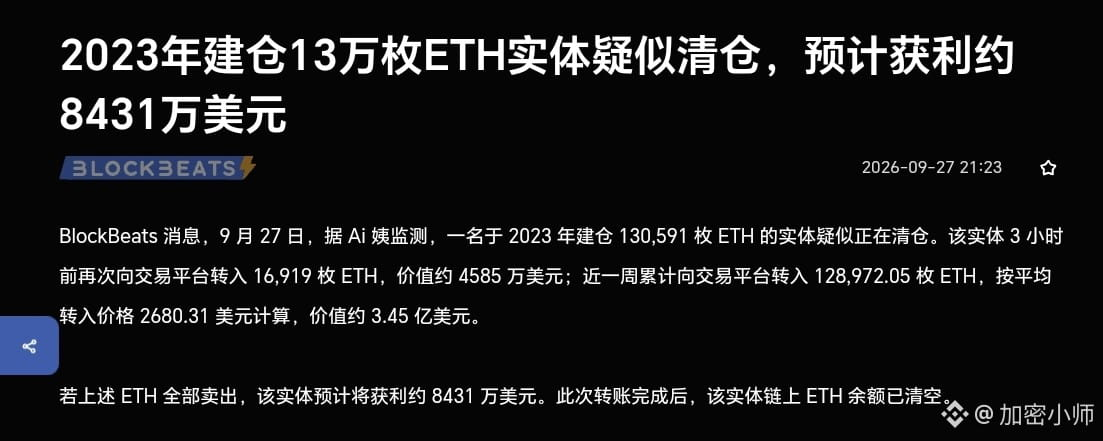
能全清在2680附近,确实吃到大肉了,赚到手的才是钱;但链上数据看看就好,别一激动跟着梭,$ETH 后面还一堆变数
2
1.4k

·
--
ブリッシュ
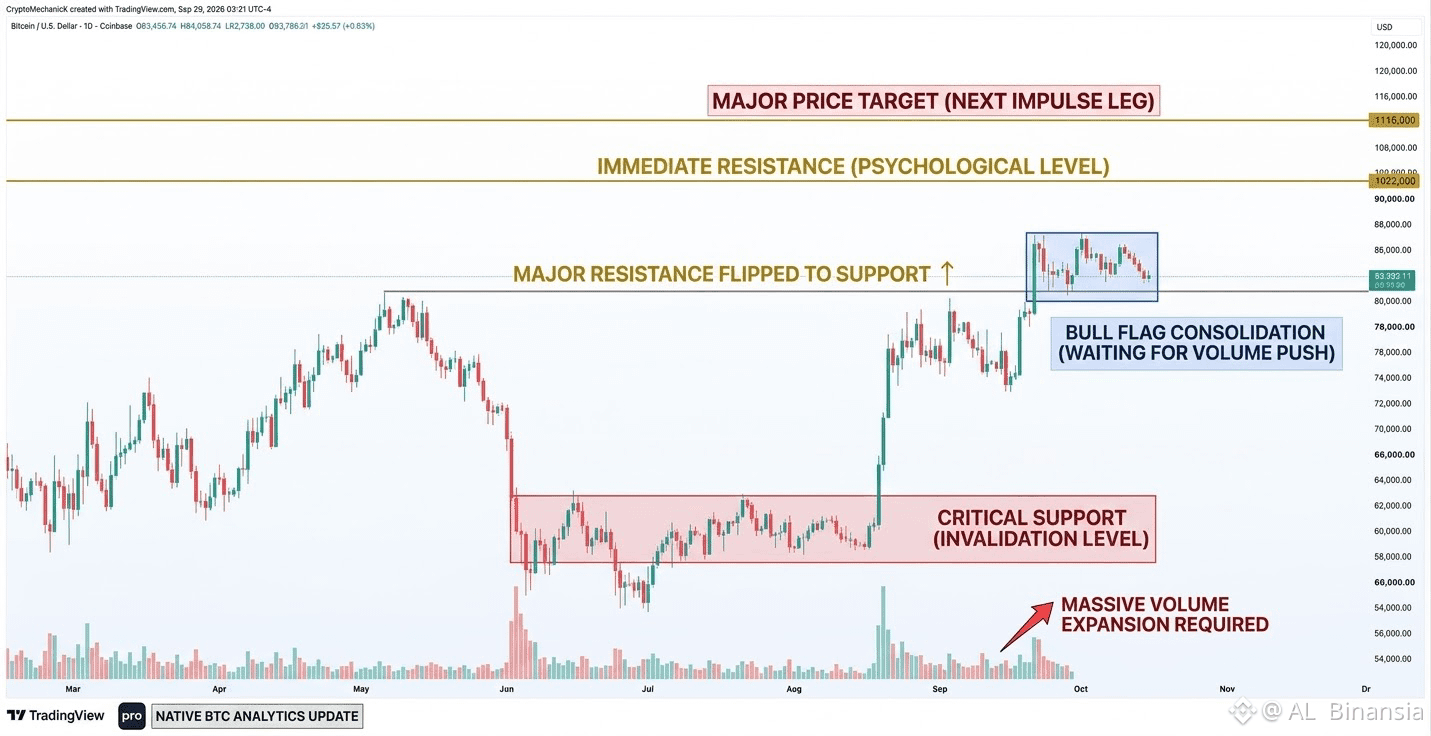
⚡ $BTC マーケット見通し:スイング・ハイ維持
Bitcoin($BTC)が直近のスイング・ハイを上回って推移しているのは、確かなテクニカルシグナルです!
📊 ゲームプラン:
• 強気シナリオ:価格を直近の高値付近へ押し戻すには、出来高の拡大が必要です。
• 弱気/無効化シナリオ:この重要なスイング・ハイの水準を下回る下落が起きると、下位時間足でのセットアップは無効になります。
いま $BTC はロングですか?それともショートですか? 💭
$BTC #BTC #Crypto #BinanceSquare #PriceAction
⚡ $BTC マーケット見通し:スイング・ハイ維持
Bitcoin($BTC)が直近のスイング・ハイを上回って推移しているのは、確かなテクニカルシグナルです!
📊 ゲームプラン:
• 強気シナリオ:価格を直近の高値付近へ押し戻すには、出来高の拡大が必要です。
• 弱気/無効化シナリオ:この重要なスイング・ハイの水準を下回る下落が起きると、下位時間足でのセットアップは無効になります。
いま $BTC はロングですか?それともショートですか? 💭
$BTC #BTC #Crypto #BinanceSquare #PriceAction
Bitcoin($BTC)が直近のスイング・ハイを上回って推移しているのは、確かなテクニカルシグナルです!
📊 ゲームプラン:
• 強気シナリオ:価格を直近の高値付近へ押し戻すには、出来高の拡大が必要です。
• 弱気/無効化シナリオ:この重要なスイング・ハイの水準を下回る下落が起きると、下位時間足でのセットアップは無効になります。
いま $BTC はロングですか?それともショートですか? 💭
$BTC #BTC #Crypto #BinanceSquare #PriceAction
1
251

翻訳参照
#EarningsSeason 🚨 WALL STREET IS GOING ONCHAIN? — A BIG SHIFT MAY BE UNDERWAY!
Earnings season is bringing fresh attention to crypto as traditional finance explores tokenization while the Fed maintains tight monetary conditions.
🏦 Wall Street: Growing interest in tokenized assets and blockchain infrastructure.
💵 The Fed: Tight monetary policy continues to influence market liquidity.
₿ Crypto: $BTC , $ETH and $ONDO remain worth watching as institutional interest in blockchain evolves.
The big question is whether traditional finance’s move toward onchain assets will translate into broader crypto adoption.
Is this the beginning of a major shift in global finance? 👀
#Crypto
#Bitcoin
#Ethereum #ONDO #Tokenization #EarningsSeason
#EarningsSeason 🚨 WALL STREET IS GOING ONCHAIN? — A BIG SHIFT MAY BE UNDERWAY!
Earnings season is bringing fresh attention to crypto as traditional finance explores tokenization while the Fed maintains tight monetary conditions.
🏦 Wall Street: Growing interest in tokenized assets and blockchain infrastructure.
💵 The Fed: Tight monetary policy continues to influence market liquidity.
₿ Crypto: $BTC , $ETH and $ONDO remain worth watching as institutional interest in blockchain evolves.
The big question is whether traditional finance’s move toward onchain assets will translate into broader crypto adoption.
Is this the beginning of a major shift in global finance? 👀
#Crypto
#Bitcoin
#Ethereum #ONDO #Tokenization #EarningsSeason
Earnings season is bringing fresh attention to crypto as traditional finance explores tokenization while the Fed maintains tight monetary conditions.
🏦 Wall Street: Growing interest in tokenized assets and blockchain infrastructure.
💵 The Fed: Tight monetary policy continues to influence market liquidity.
₿ Crypto: $BTC , $ETH and $ONDO remain worth watching as institutional interest in blockchain evolves.
The big question is whether traditional finance’s move toward onchain assets will translate into broader crypto adoption.
Is this the beginning of a major shift in global finance? 👀
#Crypto
#Bitcoin
#Ethereum #ONDO #Tokenization #EarningsSeason

182

·
--
翻訳参照
AVAX is moving — but having a plan matters more than chasing the candle.
Data: 11.30 · 7.62% · Vol 116M USDT.
AVAX đáng theo dõi vì biến động 24h; câu hỏi chính là lực mua còn tiếp diễn hay đã muộn.
Mình chưa gán câu chuyện quá sớm; trước mắt chỉ xem volume, vùng giá và phản ứng sau cú biến động. +7.62% cho thấy có dòng tiền vào. Mình muốn thấy giá xử lý vùng 12.01: đi qua sạch khác với chạm rồi bị bán xuống.
Nếu không biết điểm sai ở đâu, market sẽ chỉ ra bằng tiền thật. Mình chờ phản ứng ở 10.42 hoặc breakout rõ ở 12.01.
Do you have a plan or just a feeling?
#AVAX #RiskFirst #Crypto
AVAX is moving — but having a plan matters more than chasing the candle.
Data: 11.30 · 7.62% · Vol 116M USDT.
AVAX đáng theo dõi vì biến động 24h; câu hỏi chính là lực mua còn tiếp diễn hay đã muộn.
Mình chưa gán câu chuyện quá sớm; trước mắt chỉ xem volume, vùng giá và phản ứng sau cú biến động. +7.62% cho thấy có dòng tiền vào. Mình muốn thấy giá xử lý vùng 12.01: đi qua sạch khác với chạm rồi bị bán xuống.
Nếu không biết điểm sai ở đâu, market sẽ chỉ ra bằng tiền thật. Mình chờ phản ứng ở 10.42 hoặc breakout rõ ở 12.01.
Do you have a plan or just a feeling?
#AVAX #RiskFirst #Crypto
Data: 11.30 · 7.62% · Vol 116M USDT.
AVAX đáng theo dõi vì biến động 24h; câu hỏi chính là lực mua còn tiếp diễn hay đã muộn.
Mình chưa gán câu chuyện quá sớm; trước mắt chỉ xem volume, vùng giá và phản ứng sau cú biến động. +7.62% cho thấy có dòng tiền vào. Mình muốn thấy giá xử lý vùng 12.01: đi qua sạch khác với chạm rồi bị bán xuống.
Nếu không biết điểm sai ở đâu, market sẽ chỉ ra bằng tiền thật. Mình chờ phản ứng ở 10.42 hoặc breakout rõ ở 12.01.
Do you have a plan or just a feeling?
#AVAX #RiskFirst #Crypto
85

·
--
翻訳参照
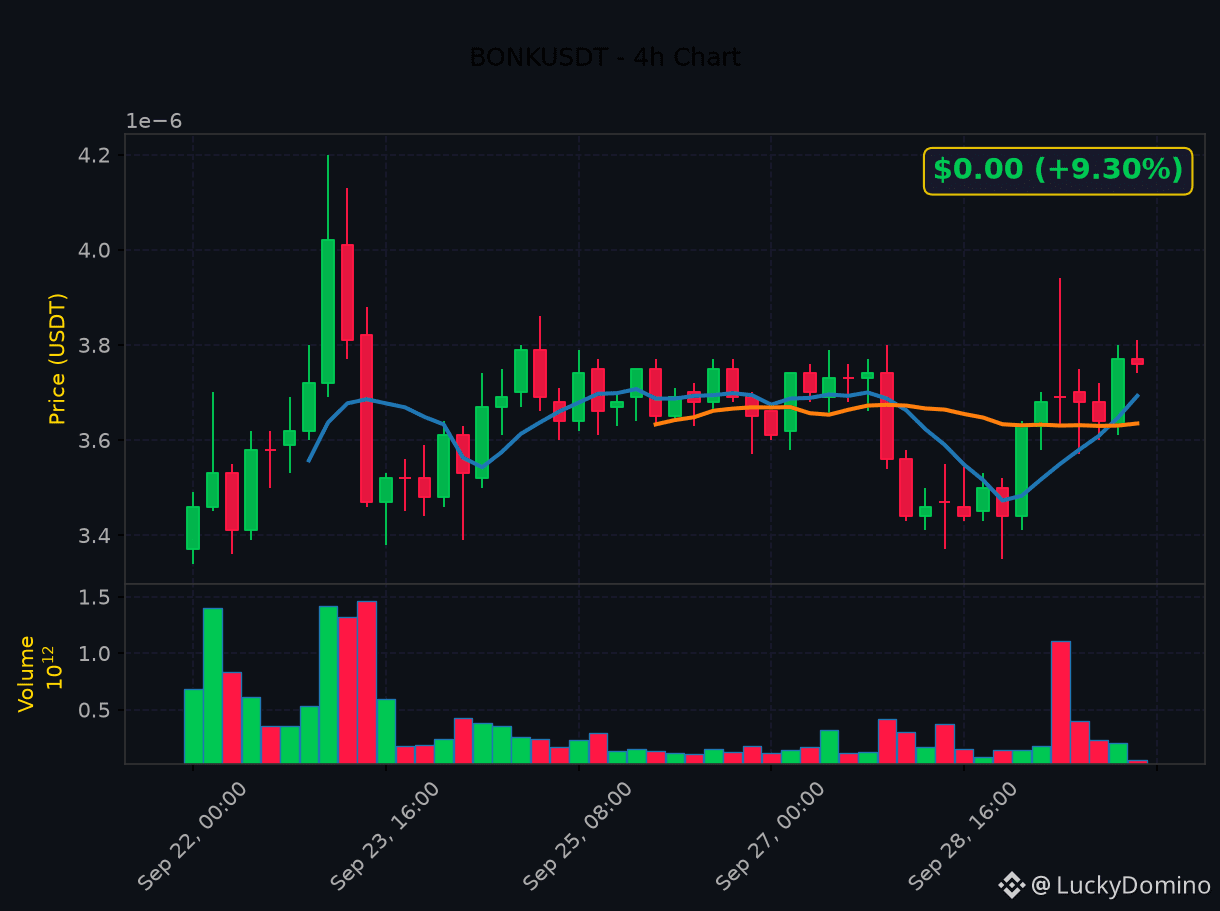
🚀 $BONK — Đọc nhanh kỹ thuật
💰 Giá: $0.00 (+9.30%)
📊 Biên độ 24h: $0.00 - $0.00 (15.5%)
🔍 Kiểm tra chỉ báo:
• RSI: 51.1 | Xu hướng: strong uptrend
• Giá vs EMA20: Trên ✅ ($0.00)
• MACD: Tăng ✅
⚡ Kết luận: TÍN HIỆU MẠNH MUA từ nhiều chỉ báo
Lưu ngay. Chia sẻ phân tích của bạn bên dưới.
$BONK $WIF
#BONK #Crypto #Trading
🚀 $BONK — Đọc nhanh kỹ thuật
💰 Giá: $0.00 (+9.30%)
📊 Biên độ 24h: $0.00 - $0.00 (15.5%)
🔍 Kiểm tra chỉ báo:
• RSI: 51.1 | Xu hướng: strong uptrend
• Giá vs EMA20: Trên ✅ ($0.00)
• MACD: Tăng ✅
⚡ Kết luận: TÍN HIỆU MẠNH MUA từ nhiều chỉ báo
Lưu ngay. Chia sẻ phân tích của bạn bên dưới.
$BONK $WIF
#BONK #Crypto #Trading
💰 Giá: $0.00 (+9.30%)
📊 Biên độ 24h: $0.00 - $0.00 (15.5%)
🔍 Kiểm tra chỉ báo:
• RSI: 51.1 | Xu hướng: strong uptrend
• Giá vs EMA20: Trên ✅ ($0.00)
• MACD: Tăng ✅
⚡ Kết luận: TÍN HIỆU MẠNH MUA từ nhiều chỉ báo
Lưu ngay. Chia sẻ phân tích của bạn bên dưới.
$BONK $WIF
#BONK #Crypto #Trading
72

·
--
弱気相場
翻訳参照
$ETH – فقدان الزخم حول هذه المنطقة، مع استعداد البائعين للضغط على مستويات الدعم التالية. 🔻
$ETH - قصير
📊 خطة التداول:
🔹 الدخول: ٢٬٦٢٨ – ٢٬٧٠٨
🛑 وقف الخسارة: ٢٬٨٠١
🎯 الأهداف:
🎯 الهدف 1: ٢٬٥٨٠
🎯 الهدف 2: ٢٬٥١٠
🎯 الهدف 3: ٢٬٤٤٠
⚠️ يُعدّ الإبطال واضحًا فوق ٢٬٨٠٠. إذا استعادها المشترون، فإن الإعداد الهبوطي يصبح ملغى.
✅ الزخم يتلاشى
✅ البائعون جاهزون
✅ أهداف هبوط واضحة
مستويات الدعم التالية قيد اللعب—ابقَ جاهزًا. اضغط بالأسفل للتداول الآن $ETH
{future}(ETHUSDT)
#Crypto #Altcoins #تداولكريبتو #عملاترقمية
$ETH – فقدان الزخم حول هذه المنطقة، مع استعداد البائعين للضغط على مستويات الدعم التالية. 🔻
$ETH - قصير
📊 خطة التداول:
🔹 الدخول: ٢٬٦٢٨ – ٢٬٧٠٨
🛑 وقف الخسارة: ٢٬٨٠١
🎯 الأهداف:
🎯 الهدف 1: ٢٬٥٨٠
🎯 الهدف 2: ٢٬٥١٠
🎯 الهدف 3: ٢٬٤٤٠
⚠️ يُعدّ الإبطال واضحًا فوق ٢٬٨٠٠. إذا استعادها المشترون، فإن الإعداد الهبوطي يصبح ملغى.
✅ الزخم يتلاشى
✅ البائعون جاهزون
✅ أهداف هبوط واضحة
مستويات الدعم التالية قيد اللعب—ابقَ جاهزًا. اضغط بالأسفل للتداول الآن $ETH
#Crypto #Altcoins #تداولكريبتو #عملاترقمية
$ETH - قصير
📊 خطة التداول:
🔹 الدخول: ٢٬٦٢٨ – ٢٬٧٠٨
🛑 وقف الخسارة: ٢٬٨٠١
🎯 الأهداف:
🎯 الهدف 1: ٢٬٥٨٠
🎯 الهدف 2: ٢٬٥١٠
🎯 الهدف 3: ٢٬٤٤٠
⚠️ يُعدّ الإبطال واضحًا فوق ٢٬٨٠٠. إذا استعادها المشترون، فإن الإعداد الهبوطي يصبح ملغى.
✅ الزخم يتلاشى
✅ البائعون جاهزون
✅ أهداف هبوط واضحة
مستويات الدعم التالية قيد اللعب—ابقَ جاهزًا. اضغط بالأسفل للتداول الآن $ETH
#Crypto #Altcoins #تداولكريبتو #عملاترقمية
131

·
--
記事
翻訳参照
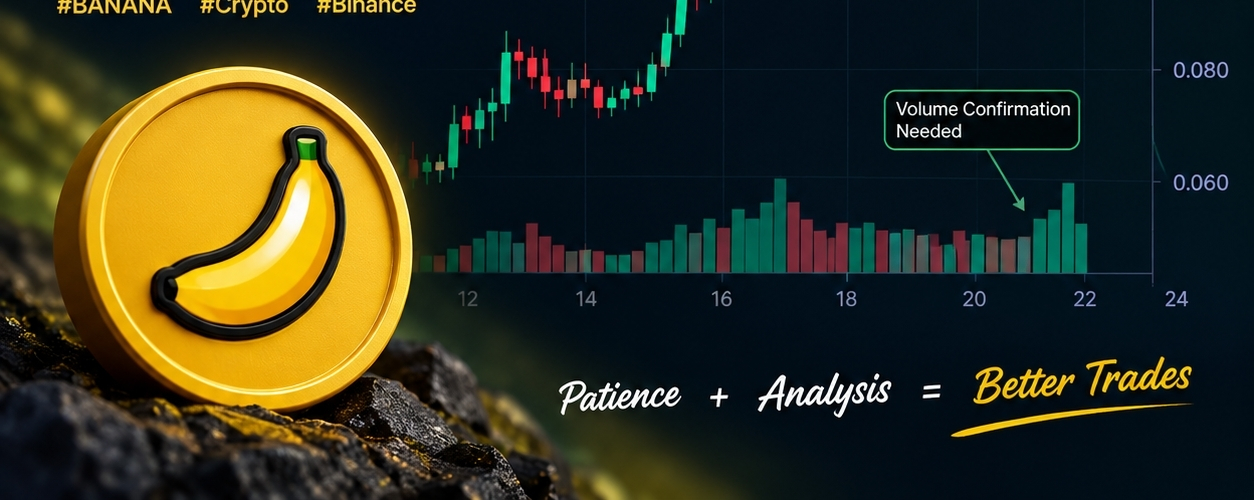
$BANANA is looking interesting. 🍌$BANANA After the recent move, price is holding the new structure and showing signs of strength.
$BANANA In my opinion, holding the current support zone could keep the momentum positive. A clean breakout above the recent resistance may open the way toward the next upside levels.$BANANAS31
I’m watching for confirmation and volume before entering — not chasing the candle.
#banana #crypto #Binance
$BANANA is looking interesting. 🍌
$BANANA After the recent move, price is holding the new structure and showing signs of strength.
$BANANA In my opinion, holding the current support zone could keep the momentum positive. A clean breakout above the recent resistance may open the way toward the next upside levels.$BANANAS31
I’m watching for confirmation and volume before entering — not chasing the candle.
#banana #crypto #Binance
$BANANA In my opinion, holding the current support zone could keep the momentum positive. A clean breakout above the recent resistance may open the way toward the next upside levels.$BANANAS31
I’m watching for confirmation and volume before entering — not chasing the candle.
#banana #crypto #Binance
206 Atlas:
Structural breaks require volume confirmation, not just price holding. Are you waiting for a retest or taking the breakout?
1
220

·
--
翻訳参照
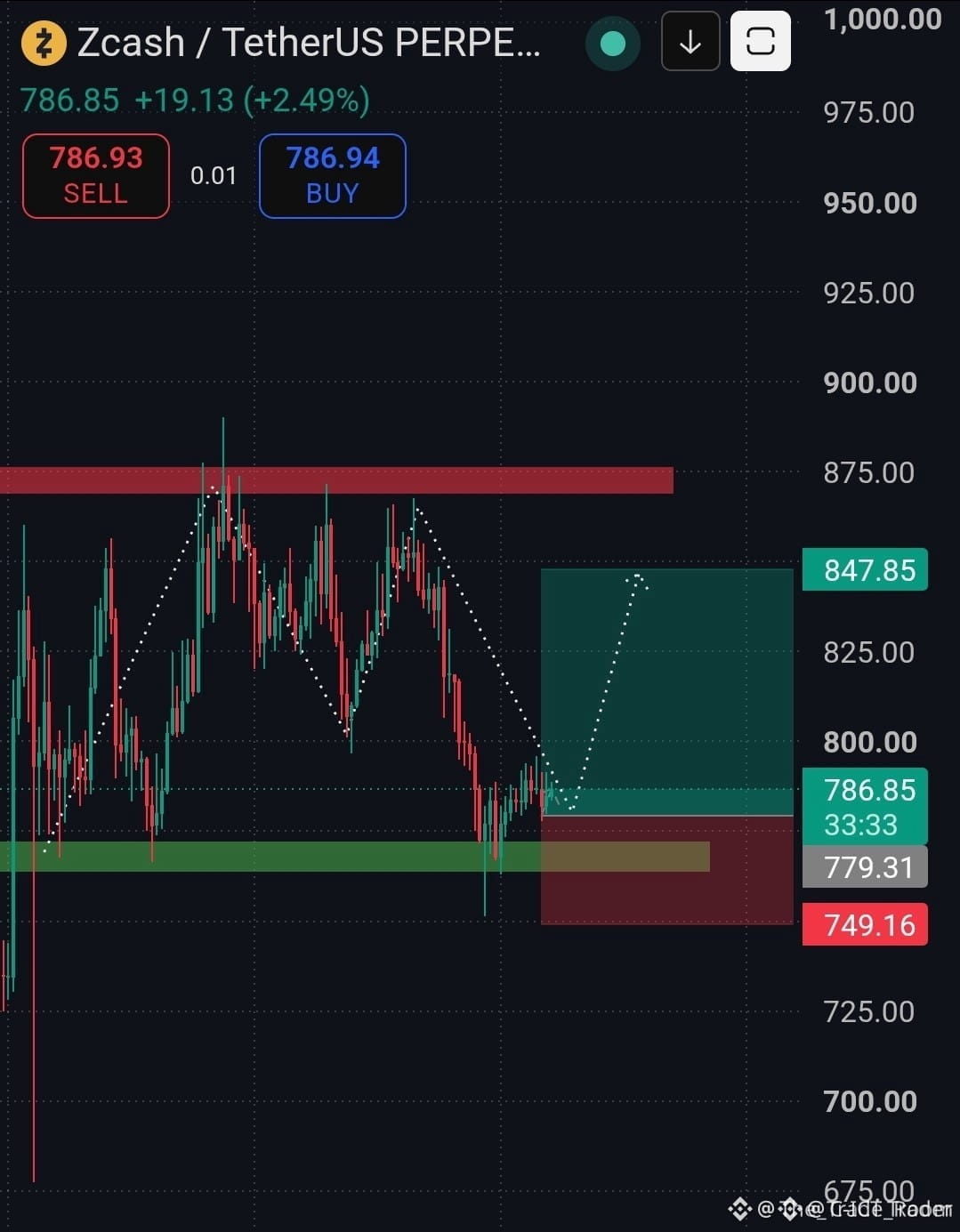
🚨 $ZEC PREPARES FOR STRUCTURAL EXPANSION AS LIQUIDITY BUILDS AT DEMAND ⚡
Entry: 786 ⚡
Target: 800 / 825 / 840 🚀
Stop Loss: 748 ⚠️
Smart money has established a clean accumulation shelf around the 786 level, capturing sell-side liquidity before the expected expansion. 📊 Order flow indicates institutional defense of this order block, clearing the path toward upper fair value gaps up to 840.
💡 Invalidation remains strictly defined below 748, maintaining an optimal risk-to-reward ratio for this setup. 🔍 As momentum builds, monitoring price action at intermediate targets will be crucial for managing position efficiency.
💬 Are you taking the entry at this demand zone, or waiting for further structural confirmation? 👇
⚠️ Not financial advice. Always manage your risk. 🛡️
🏷️ #ZEC #LongSetup #MarketStructure #Crypto
🎯 🦈
🚨 $ZEC PREPARES FOR STRUCTURAL EXPANSION AS LIQUIDITY BUILDS AT DEMAND ⚡
Entry: 786 ⚡
Target: 800 / 825 / 840 🚀
Stop Loss: 748 ⚠️
Smart money has established a clean accumulation shelf around the 786 level, capturing sell-side liquidity before the expected expansion. 📊 Order flow indicates institutional defense of this order block, clearing the path toward upper fair value gaps up to 840.
💡 Invalidation remains strictly defined below 748, maintaining an optimal risk-to-reward ratio for this setup. 🔍 As momentum builds, monitoring price action at intermediate targets will be crucial for managing position efficiency.
💬 Are you taking the entry at this demand zone, or waiting for further structural confirmation? 👇
⚠️ Not financial advice. Always manage your risk. 🛡️
🏷️ #ZEC #LongSetup #MarketStructure #Crypto
🎯 🦈
Entry: 786 ⚡
Target: 800 / 825 / 840 🚀
Stop Loss: 748 ⚠️
Smart money has established a clean accumulation shelf around the 786 level, capturing sell-side liquidity before the expected expansion. 📊 Order flow indicates institutional defense of this order block, clearing the path toward upper fair value gaps up to 840.
💡 Invalidation remains strictly defined below 748, maintaining an optimal risk-to-reward ratio for this setup. 🔍 As momentum builds, monitoring price action at intermediate targets will be crucial for managing position efficiency.
💬 Are you taking the entry at this demand zone, or waiting for further structural confirmation? 👇
⚠️ Not financial advice. Always manage your risk. 🛡️
🏷️ #ZEC #LongSetup #MarketStructure #Crypto
🎯 🦈
11


翻訳参照
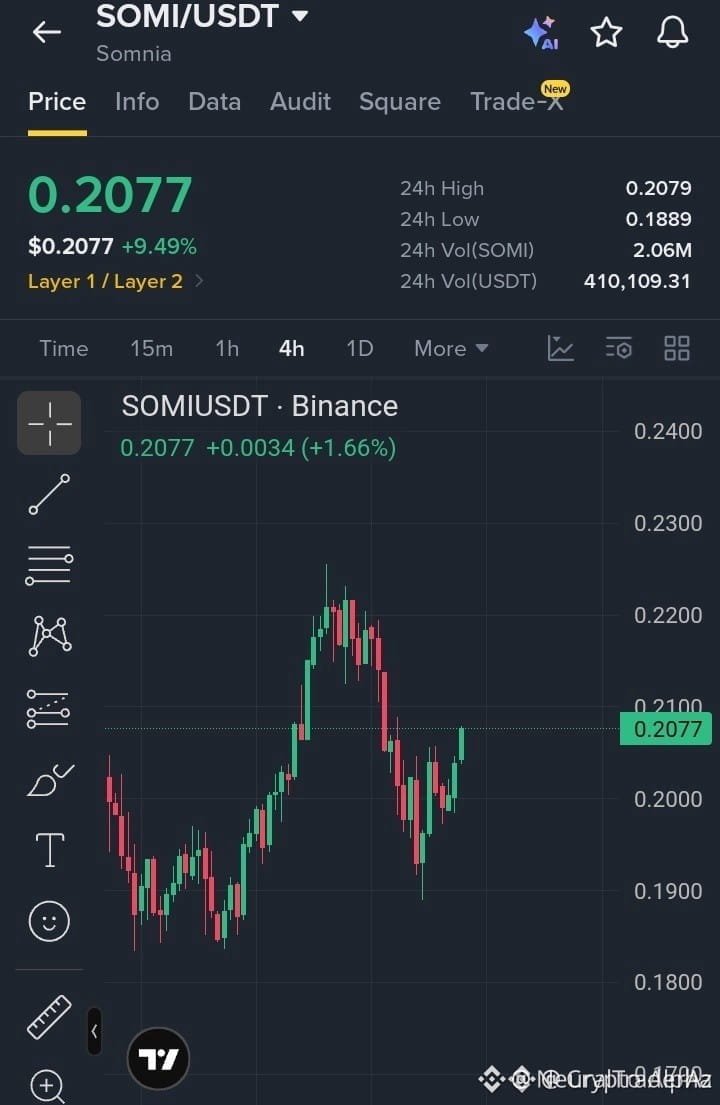
⚡ $SOMI RECLAIMS KEY SUPPORT AS SMART MONEY TARGETS THE $0.2100 LIQUIDITY POOL 📈
Entry: 0.2040 - 0.2080 ⚡
Target: 0.2110 - 0.2170 🚀
Stop Loss: 0.1980 ⚠️
📌 Price defended the $0.1900 demand tail and successfully reclaimed the critical $0.2000 structural pivot. 🦈 Institutional absorption is evident on the 4H chart as price action builds a tight consolidation structure right beneath the $0.2100 overhead liquidity block.
📊 A sustained breakout above $0.2100 offers a clean inefficiency fill toward upper expansion targets, while $ZEC and $BTW show aligned market breadth. 💬 Are you bidding this structural consolidation or waiting for the breakout confirmation? 👇
⚠️ Not financial advice. Always manage your risk. 🛡️
🏷️ #SOMI #MarketStructure #Crypto #Trading
🎯 🦈
⚡ $SOMI RECLAIMS KEY SUPPORT AS SMART MONEY TARGETS THE $0.2100 LIQUIDITY POOL 📈
Entry: 0.2040 - 0.2080 ⚡
Target: 0.2110 - 0.2170 🚀
Stop Loss: 0.1980 ⚠️
📌 Price defended the $0.1900 demand tail and successfully reclaimed the critical $0.2000 structural pivot. 🦈 Institutional absorption is evident on the 4H chart as price action builds a tight consolidation structure right beneath the $0.2100 overhead liquidity block.
📊 A sustained breakout above $0.2100 offers a clean inefficiency fill toward upper expansion targets, while $ZEC and $BTW show aligned market breadth. 💬 Are you bidding this structural consolidation or waiting for the breakout confirmation? 👇
⚠️ Not financial advice. Always manage your risk. 🛡️
🏷️ #SOMI #MarketStructure #Crypto #Trading
🎯 🦈
Entry: 0.2040 - 0.2080 ⚡
Target: 0.2110 - 0.2170 🚀
Stop Loss: 0.1980 ⚠️
📌 Price defended the $0.1900 demand tail and successfully reclaimed the critical $0.2000 structural pivot. 🦈 Institutional absorption is evident on the 4H chart as price action builds a tight consolidation structure right beneath the $0.2100 overhead liquidity block.
📊 A sustained breakout above $0.2100 offers a clean inefficiency fill toward upper expansion targets, while $ZEC and $BTW show aligned market breadth. 💬 Are you bidding this structural consolidation or waiting for the breakout confirmation? 👇
⚠️ Not financial advice. Always manage your risk. 🛡️
🏷️ #SOMI #MarketStructure #Crypto #Trading
🎯 🦈
10

·
--
翻訳参照
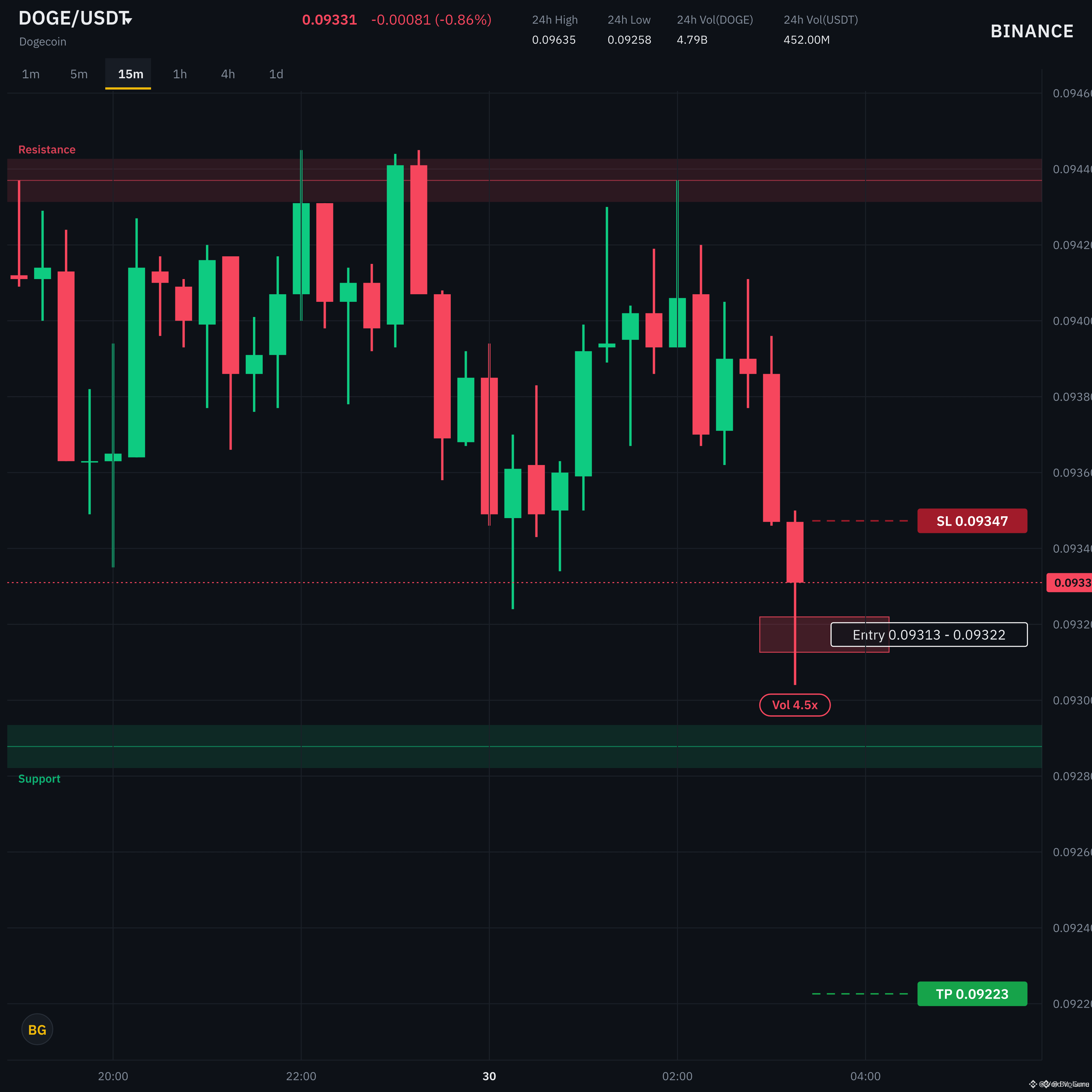
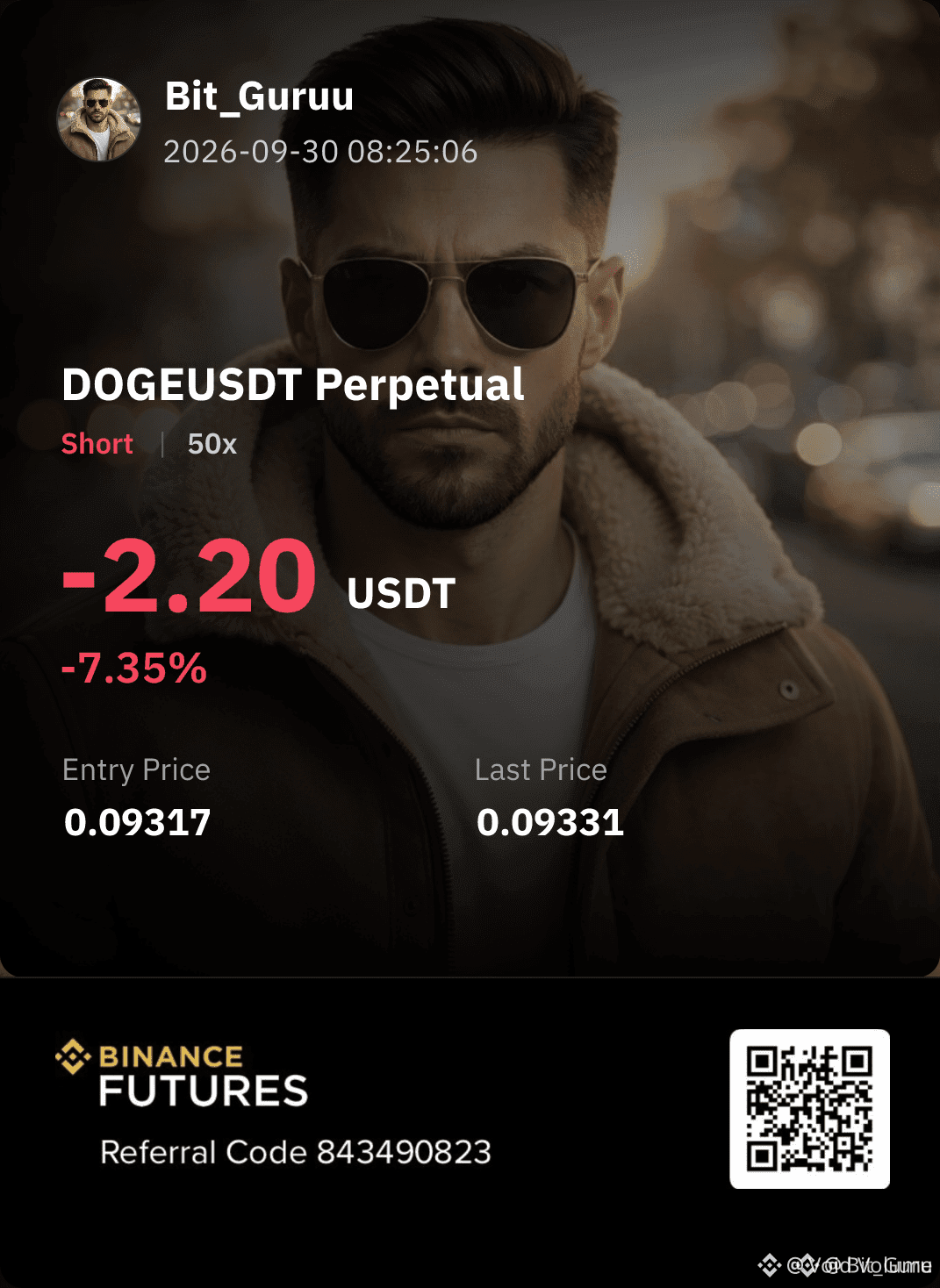
🚨 $DOGE PREPARES FOR DOWNWARD CONTINUATION FOLLOWING LOCAL LIQUIDITY SWEEP 🔻
Entry: 0.09313 - 0.09322 ⚡
Target: 0.09278 / 0.09250 / 0.09223 🎯
Stop Loss: 0.09347 ⚠️
Price action on $DOGE is displaying structural exhaustion after sweeping buy-side liquidity directly into a key supply block. 📊 Institutional distribution is evident around this immediate pivot, favoring a shift toward seller dominance.
This setup targets the uncollected sell-side liquidity pools down to the 0.09223 inefficiency fill. 💡 Maintaining strict invalidation above 0.09347 preserves ideal asymmetric risk parameters. 💬 Are you positioning for this order flow breakdown or waiting for support to hold? 👇
⚠️ Not financial advice. Always manage your risk. 🛡️
🏷️ #DOGE #ShortSetup #MarketStructure #Crypto
🐻 📉
🚨 $DOGE PREPARES FOR DOWNWARD CONTINUATION FOLLOWING LOCAL LIQUIDITY SWEEP 🔻
Entry: 0.09313 - 0.09322 ⚡
Target: 0.09278 / 0.09250 / 0.09223 🎯
Stop Loss: 0.09347 ⚠️
Price action on $DOGE is displaying structural exhaustion after sweeping buy-side liquidity directly into a key supply block. 📊 Institutional distribution is evident around this immediate pivot, favoring a shift toward seller dominance.
This setup targets the uncollected sell-side liquidity pools down to the 0.09223 inefficiency fill. 💡 Maintaining strict invalidation above 0.09347 preserves ideal asymmetric risk parameters. 💬 Are you positioning for this order flow breakdown or waiting for support to hold? 👇
⚠️ Not financial advice. Always manage your risk. 🛡️
🏷️ #DOGE #ShortSetup #MarketStructure #Crypto
🐻 📉
Entry: 0.09313 - 0.09322 ⚡
Target: 0.09278 / 0.09250 / 0.09223 🎯
Stop Loss: 0.09347 ⚠️
Price action on $DOGE is displaying structural exhaustion after sweeping buy-side liquidity directly into a key supply block. 📊 Institutional distribution is evident around this immediate pivot, favoring a shift toward seller dominance.
This setup targets the uncollected sell-side liquidity pools down to the 0.09223 inefficiency fill. 💡 Maintaining strict invalidation above 0.09347 preserves ideal asymmetric risk parameters. 💬 Are you positioning for this order flow breakdown or waiting for support to hold? 👇
⚠️ Not financial advice. Always manage your risk. 🛡️
🏷️ #DOGE #ShortSetup #MarketStructure #Crypto
🐻 📉
4

·
--
翻訳参照
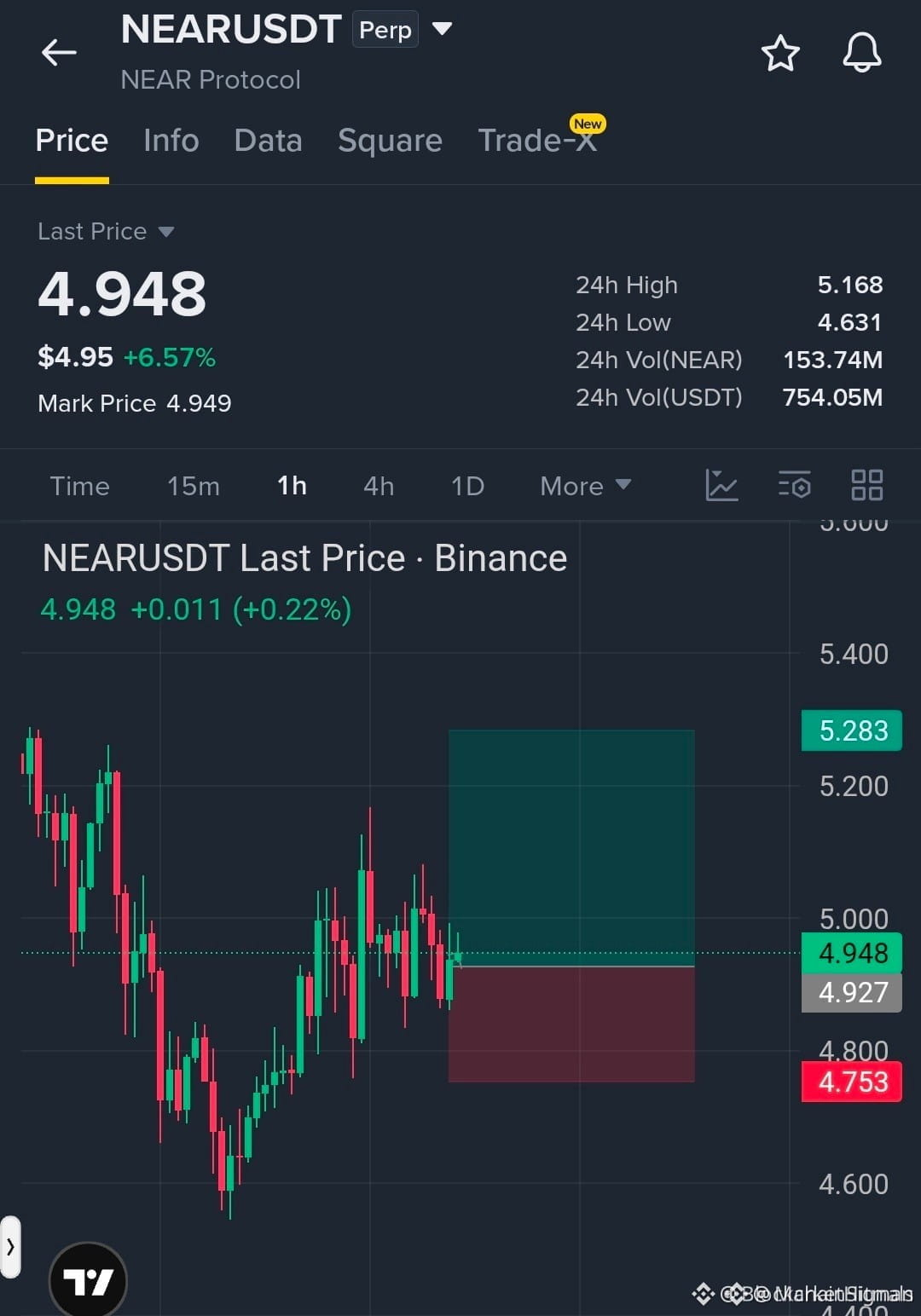
🚨 $NEAR DEFENDING KEY SUPPORT AS BULLS EYE EXPLOSIVE FLIP ABOVE $5! 📈
Entry: 4.927 - 4.948 ⚡
Target: 5.000 / 5.200 / 5.283 🚀
Stop Loss: 4.753 ⚠️
Buyers are holding the line around the 4.92 demand zone with conviction, turning seller pressure into a structured launchpad. 📊 Order flow reflects heavy defense at the lower bound as momentum quietly builds for an aggressive move upward.
💡 A decisive reclaim of the psychological $5 barrier unlocks clear runway toward the 5.20 level and the 5.283 liquidity target. ⚡ Smart capital is positioning early before the volatility shift triggers broader momentum buyers.
💬 Are you loading bids on this consolidation or waiting for the $5 breakout confirmation? 👇
⚠️ Not financial advice. Always manage your risk. 🛡️
🏷️ #NEAR #LongSetup #Crypto #Breakout
🔥 💎
🚨 $NEAR DEFENDING KEY SUPPORT AS BULLS EYE EXPLOSIVE FLIP ABOVE $5! 📈
Entry: 4.927 - 4.948 ⚡
Target: 5.000 / 5.200 / 5.283 🚀
Stop Loss: 4.753 ⚠️
Buyers are holding the line around the 4.92 demand zone with conviction, turning seller pressure into a structured launchpad. 📊 Order flow reflects heavy defense at the lower bound as momentum quietly builds for an aggressive move upward.
💡 A decisive reclaim of the psychological $5 barrier unlocks clear runway toward the 5.20 level and the 5.283 liquidity target. ⚡ Smart capital is positioning early before the volatility shift triggers broader momentum buyers.
💬 Are you loading bids on this consolidation or waiting for the $5 breakout confirmation? 👇
⚠️ Not financial advice. Always manage your risk. 🛡️
🏷️ #NEAR #LongSetup #Crypto #Breakout
🔥 💎
Entry: 4.927 - 4.948 ⚡
Target: 5.000 / 5.200 / 5.283 🚀
Stop Loss: 4.753 ⚠️
Buyers are holding the line around the 4.92 demand zone with conviction, turning seller pressure into a structured launchpad. 📊 Order flow reflects heavy defense at the lower bound as momentum quietly builds for an aggressive move upward.
💡 A decisive reclaim of the psychological $5 barrier unlocks clear runway toward the 5.20 level and the 5.283 liquidity target. ⚡ Smart capital is positioning early before the volatility shift triggers broader momentum buyers.
💬 Are you loading bids on this consolidation or waiting for the $5 breakout confirmation? 👇
⚠️ Not financial advice. Always manage your risk. 🛡️
🏷️ #NEAR #LongSetup #Crypto #Breakout
🔥 💎
27
·
--
翻訳参照
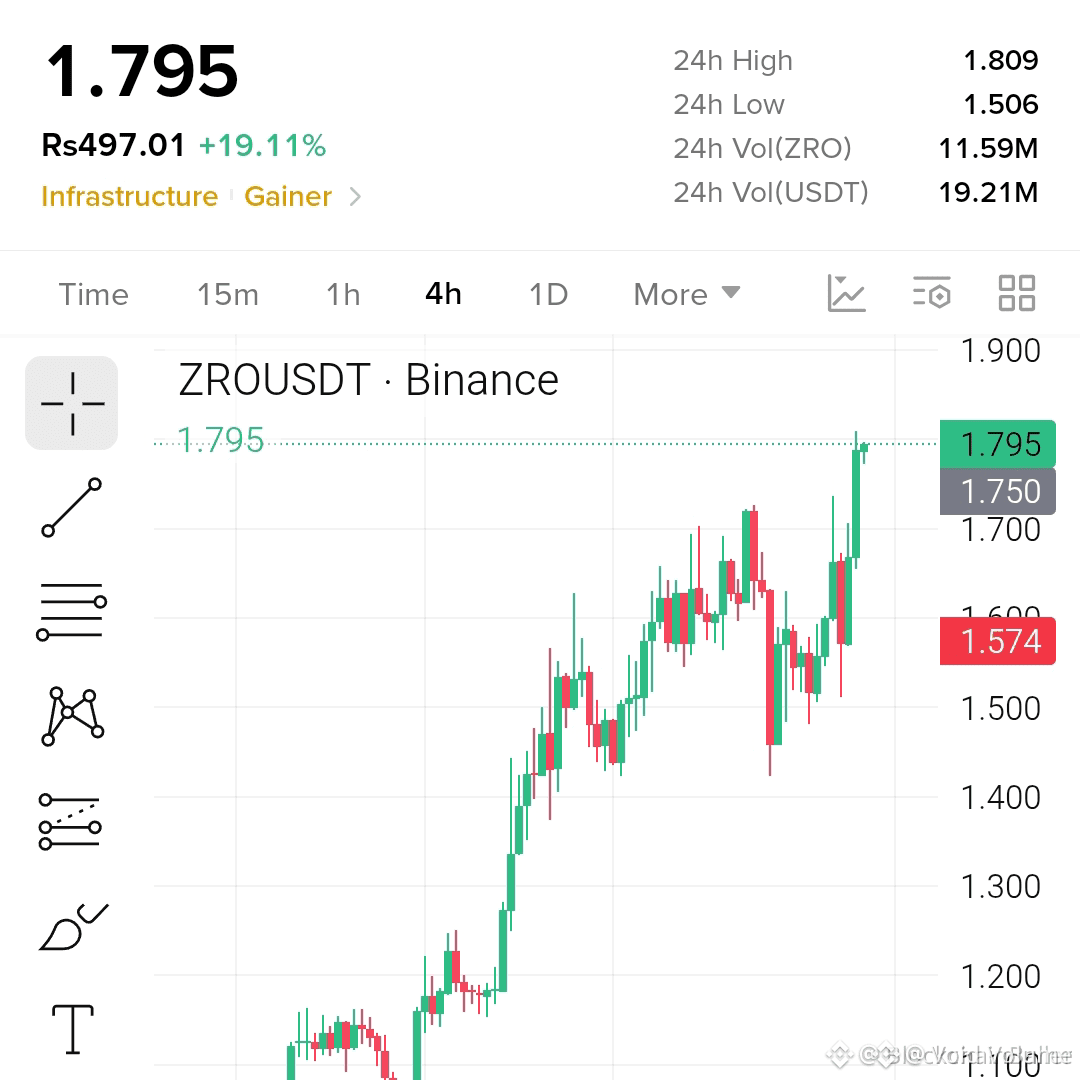
🚨 $ZRO SHOWS POWERFUL INSTITUTIONAL MOMENTUM AS LIQUIDITY ACCUMULATES ABOVE KEY SUPPORT! ⚡
Entry: 1.75 - 1.79 ⚡
Target: 1.82 / 1.86 / 1.90 🚀
Stop Loss: 1.69 ⚠️
Smart money momentum is building rapidly on $ZRO as buyers defend the structural accumulation range between 1.75 and 1.79. 📊 Institutional order flow suggests sellers are getting absorbed, opening a clean path toward upside inefficiency fills.
With the market structure aligning for expansion, holding 1.69 preserves the integrity of this impulse move while offering an asymmetric risk-to-reward profile. 💡 🔍
Are you taking the pullback entry in this zone, or waiting for a clean 4H close above resistance? 👇
⚠️ Not financial advice. Always manage your risk. 🛡️
🏷️ #ZRO #Crypto #TradingSetup #MarketStructure
🎯 🦈
🚨 $ZRO SHOWS POWERFUL INSTITUTIONAL MOMENTUM AS LIQUIDITY ACCUMULATES ABOVE KEY SUPPORT! ⚡
Entry: 1.75 - 1.79 ⚡
Target: 1.82 / 1.86 / 1.90 🚀
Stop Loss: 1.69 ⚠️
Smart money momentum is building rapidly on $ZRO as buyers defend the structural accumulation range between 1.75 and 1.79. 📊 Institutional order flow suggests sellers are getting absorbed, opening a clean path toward upside inefficiency fills.
With the market structure aligning for expansion, holding 1.69 preserves the integrity of this impulse move while offering an asymmetric risk-to-reward profile. 💡 🔍
Are you taking the pullback entry in this zone, or waiting for a clean 4H close above resistance? 👇
⚠️ Not financial advice. Always manage your risk. 🛡️
🏷️ #ZRO #Crypto #TradingSetup #MarketStructure
🎯 🦈
Entry: 1.75 - 1.79 ⚡
Target: 1.82 / 1.86 / 1.90 🚀
Stop Loss: 1.69 ⚠️
Smart money momentum is building rapidly on $ZRO as buyers defend the structural accumulation range between 1.75 and 1.79. 📊 Institutional order flow suggests sellers are getting absorbed, opening a clean path toward upside inefficiency fills.
With the market structure aligning for expansion, holding 1.69 preserves the integrity of this impulse move while offering an asymmetric risk-to-reward profile. 💡 🔍
Are you taking the pullback entry in this zone, or waiting for a clean 4H close above resistance? 👇
⚠️ Not financial advice. Always manage your risk. 🛡️
🏷️ #ZRO #Crypto #TradingSetup #MarketStructure
🎯 🦈
23

翻訳参照
$NEAR is consolidating in a tight 24-hour range, but the 24-hour volume is unusually high.
The current setup suggests traders are accumulating at key levels, but the lack of a clear breakout indicates hesitation. The high volume relative to the small price movement implies strong interest, but the market is still waiting for a decisive move.
What's next for $NEAR? Is this the moment for a breakout, or will the range continue?
Current read: $NEAR, spot tape.
I'm marking levels on NEAR/USDT and waiting for a clean trigger.
#near #crypto #trading #spottrading
$NEAR is consolidating in a tight 24-hour range, but the 24-hour volume is unusually high.
The current setup suggests traders are accumulating at key levels, but the lack of a clear breakout indicates hesitation. The high volume relative to the small price movement implies strong interest, but the market is still waiting for a decisive move.
What's next for $NEAR ? Is this the moment for a breakout, or will the range continue?
Current read: $NEAR , spot tape.
I'm marking levels on NEAR/USDT and waiting for a clean trigger.
#near #crypto #trading #spottrading
The current setup suggests traders are accumulating at key levels, but the lack of a clear breakout indicates hesitation. The high volume relative to the small price movement implies strong interest, but the market is still waiting for a decisive move.
What's next for $NEAR ? Is this the moment for a breakout, or will the range continue?
Current read: $NEAR , spot tape.
I'm marking levels on NEAR/USDT and waiting for a clean trigger.
#near #crypto #trading #spottrading
9


翻訳参照
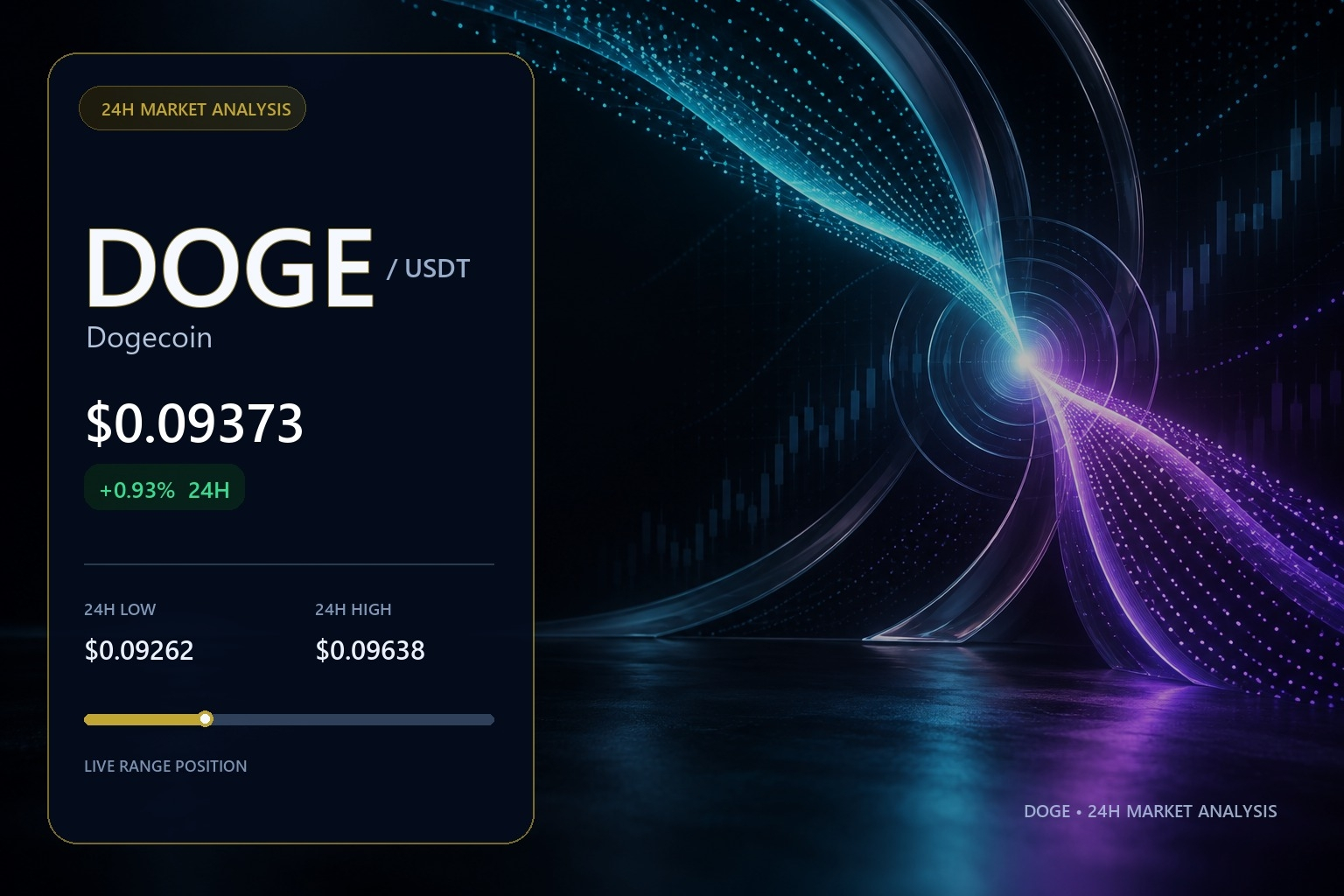
Flash update on $DOGE. Price sits at 0.09373 USD with a 0.926 percent gain. Volatility defines the session. High reached 0.09638 USD. Low printed at 0.09262 USD.
1. Bulls eye a long entry at 0.09373 USD, setting a stop loss at 0.090918 USD and a target at 0.098417 USD.
2. Bears look at a short entry at 0.09373 USD, risking up to 0.096542 USD with a downside objective near 0.089043 USD.
3. Risk management remains vital as the market tests critical intraday boundaries.
Not a prediction. Not financial advice. DYOR. #Write2Earn #Crypto #Trading #DOGE
Flash update on $DOGE . Price sits at 0.09373 USD with a 0.926 percent gain. Volatility defines the session. High reached 0.09638 USD. Low printed at 0.09262 USD.
1. Bulls eye a long entry at 0.09373 USD, setting a stop loss at 0.090918 USD and a target at 0.098417 USD.
2. Bears look at a short entry at 0.09373 USD, risking up to 0.096542 USD with a downside objective near 0.089043 USD.
3. Risk management remains vital as the market tests critical intraday boundaries.
Not a prediction. Not financial advice. DYOR. #Write2Earn #Crypto #Trading #DOGE
1. Bulls eye a long entry at 0.09373 USD, setting a stop loss at 0.090918 USD and a target at 0.098417 USD.
2. Bears look at a short entry at 0.09373 USD, risking up to 0.096542 USD with a downside objective near 0.089043 USD.
3. Risk management remains vital as the market tests critical intraday boundaries.
Not a prediction. Not financial advice. DYOR. #Write2Earn #Crypto #Trading #DOGE
21



翻訳参照
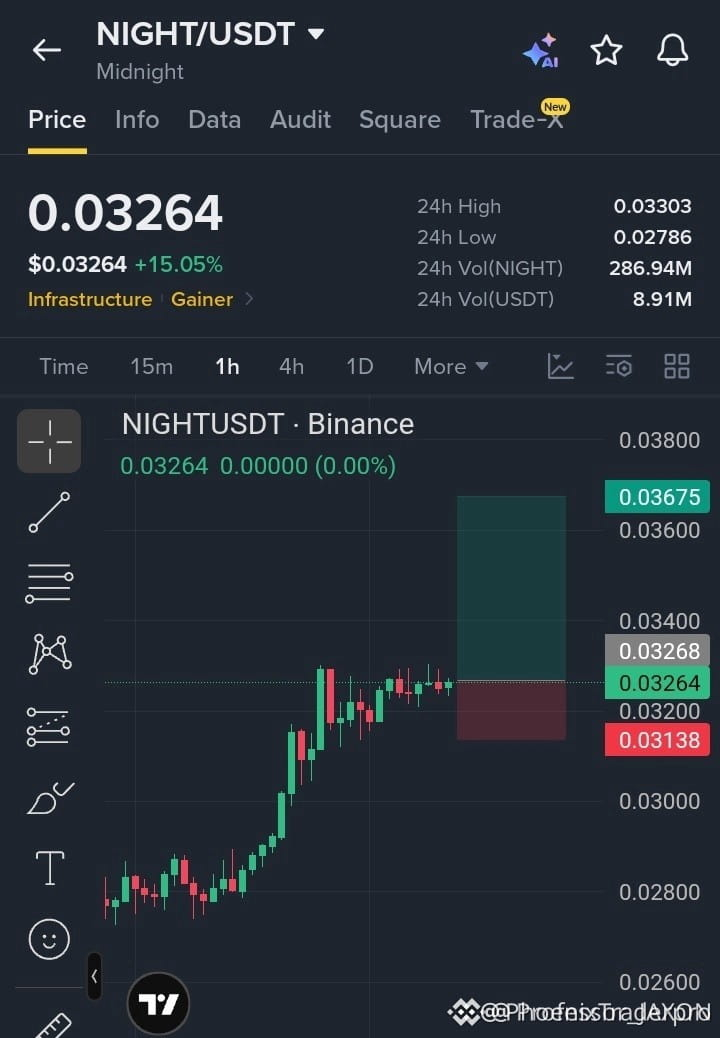
💥 $NIGHT HOLDING THE BREAKOUT ZONE BEFORE THE NEXT EXPLOSIVE PUSH! 🚀
Entry: 0.0325 - 0.0328 ⚡
Target: 0.03675 🚀
Stop Loss: 0.03138 ⚠️
📌 Buyers are aggressively defending the post-breakout consolidation on the 1H timeframe, absorbing every minor dip above support with clear intent. Volume structure signals steady accumulation rather than exhaustion.
📊 As long as the market respects 0.03138, the path of least resistance points directly toward the upper supply zone at 0.03675. 💡 Sellers are losing leverage, creating an ideal window for momentum continuation.
💬 Are you riding this retest flip or waiting for a clean reclaim of the local high? 👇
⚠️ Not financial advice. Always manage your risk. 🛡️
🏷️ #NIGHT #LongSetup #Breakout #Crypto
🔥 ⚡
💥 $NIGHT HOLDING THE BREAKOUT ZONE BEFORE THE NEXT EXPLOSIVE PUSH! 🚀
Entry: 0.0325 - 0.0328 ⚡
Target: 0.03675 🚀
Stop Loss: 0.03138 ⚠️
📌 Buyers are aggressively defending the post-breakout consolidation on the 1H timeframe, absorbing every minor dip above support with clear intent. Volume structure signals steady accumulation rather than exhaustion.
📊 As long as the market respects 0.03138, the path of least resistance points directly toward the upper supply zone at 0.03675. 💡 Sellers are losing leverage, creating an ideal window for momentum continuation.
💬 Are you riding this retest flip or waiting for a clean reclaim of the local high? 👇
⚠️ Not financial advice. Always manage your risk. 🛡️
🏷️ #NIGHT #LongSetup #Breakout #Crypto
🔥 ⚡
Entry: 0.0325 - 0.0328 ⚡
Target: 0.03675 🚀
Stop Loss: 0.03138 ⚠️
📌 Buyers are aggressively defending the post-breakout consolidation on the 1H timeframe, absorbing every minor dip above support with clear intent. Volume structure signals steady accumulation rather than exhaustion.
📊 As long as the market respects 0.03138, the path of least resistance points directly toward the upper supply zone at 0.03675. 💡 Sellers are losing leverage, creating an ideal window for momentum continuation.
💬 Are you riding this retest flip or waiting for a clean reclaim of the local high? 👇
⚠️ Not financial advice. Always manage your risk. 🛡️
🏷️ #NIGHT #LongSetup #Breakout #Crypto
🔥 ⚡
13

·
--
弱気相場
翻訳参照
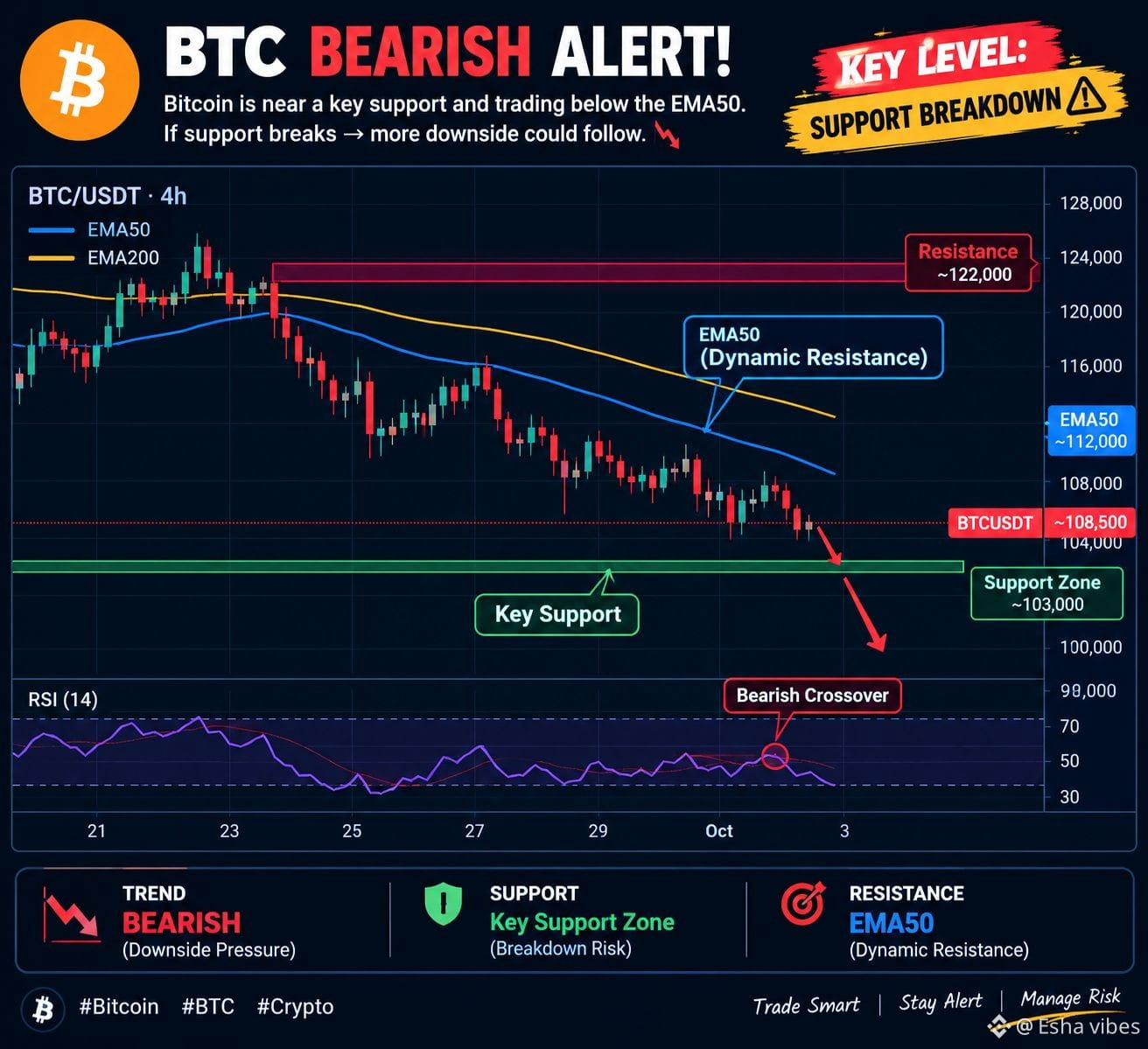
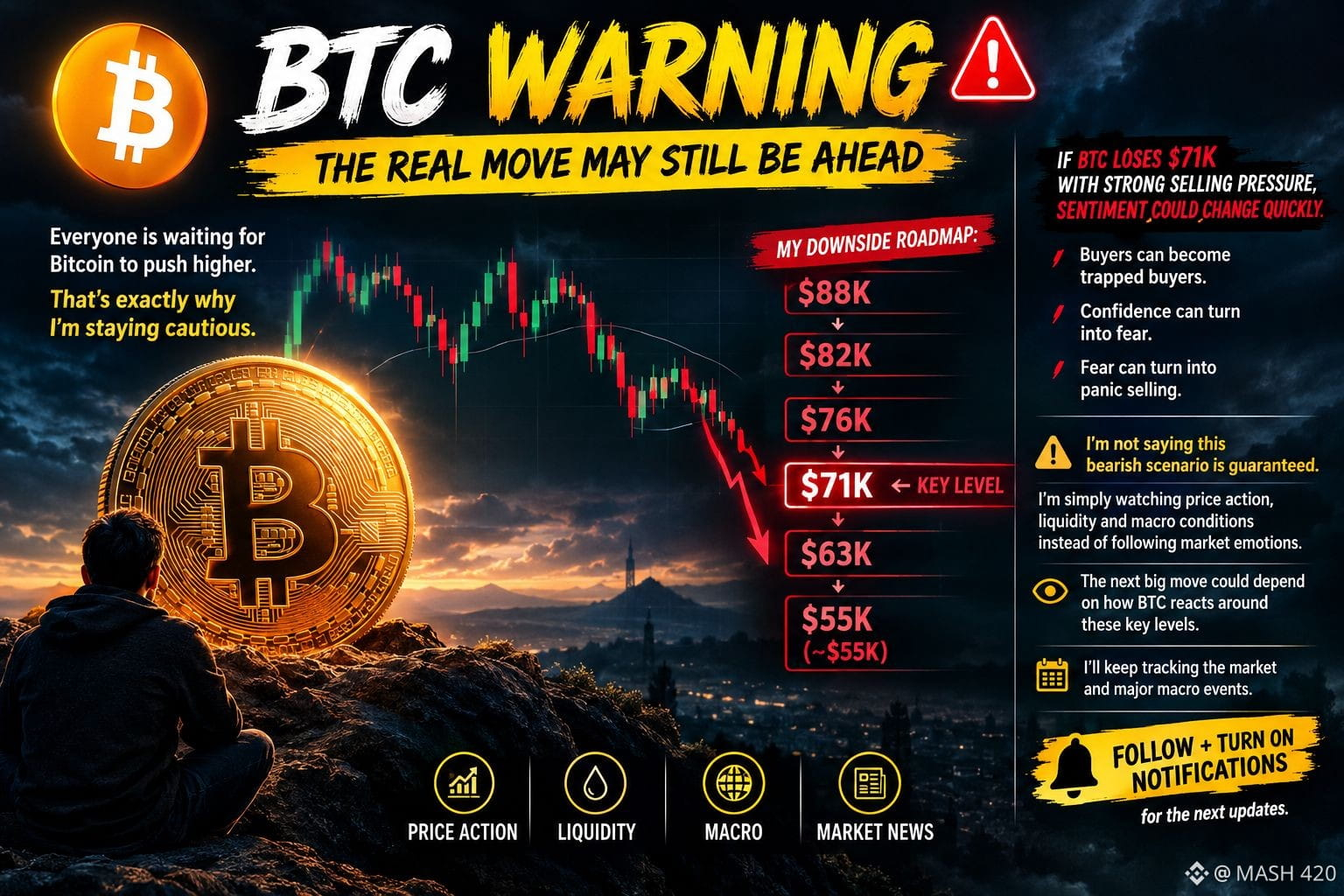
$BTC 𝐖𝐀𝐑𝐍𝐈𝐍𝐆 — THE REAL MOVE MAY STILL BE AHEAD
Everyone is waiting for Bitcoin to push higher.
That’s exactly why I’m staying cautious.
$BTC has recovered strongly from the recent lows, but the market still looks very comfortable. Many traders are treating every dip as a buying opportunity.
My downside roadmap:
$88K → $82K → $76K → $71K → $63K → ~$55K
⚠️ The $71K area is the key zone I’m watching.
If BTC loses that level with strong selling pressure, sentiment could change quickly.
Buyers can become trapped.
Confidence can turn into fear.
Fear can turn into panic selling.
I’m not saying this bearish scenario is guaranteed.
I’m simply watching price action, liquidity and macro conditions instead of following market emotions.
The next major move could depend on how BTC reacts around these key levels.
I’ll keep tracking the market and major macro events.
Follow + turn on notifications 🔔 for the next updates.
$BTC #Bitcoin #Crypto #BTC
{spot}(BTCUSDT)
$BTC 𝐖𝐀𝐑𝐍𝐈𝐍𝐆 — THE REAL MOVE MAY STILL BE AHEAD
Everyone is waiting for Bitcoin to push higher.
That’s exactly why I’m staying cautious.
$BTC has recovered strongly from the recent lows, but the market still looks very comfortable. Many traders are treating every dip as a buying opportunity.
My downside roadmap:
$88K → $82K → $76K → $71K → $63K → ~$55K
⚠️ The $71K area is the key zone I’m watching.
If BTC loses that level with strong selling pressure, sentiment could change quickly.
Buyers can become trapped.
Confidence can turn into fear.
Fear can turn into panic selling.
I’m not saying this bearish scenario is guaranteed.
I’m simply watching price action, liquidity and macro conditions instead of following market emotions.
The next major move could depend on how BTC reacts around these key levels.
I’ll keep tracking the market and major macro events.
Follow + turn on notifications 🔔 for the next updates.
$BTC #Bitcoin #Crypto #BTC
Everyone is waiting for Bitcoin to push higher.
That’s exactly why I’m staying cautious.
$BTC has recovered strongly from the recent lows, but the market still looks very comfortable. Many traders are treating every dip as a buying opportunity.
My downside roadmap:
$88K → $82K → $76K → $71K → $63K → ~$55K
⚠️ The $71K area is the key zone I’m watching.
If BTC loses that level with strong selling pressure, sentiment could change quickly.
Buyers can become trapped.
Confidence can turn into fear.
Fear can turn into panic selling.
I’m not saying this bearish scenario is guaranteed.
I’m simply watching price action, liquidity and macro conditions instead of following market emotions.
The next major move could depend on how BTC reacts around these key levels.
I’ll keep tracking the market and major macro events.
Follow + turn on notifications 🔔 for the next updates.
$BTC #Bitcoin #Crypto #BTC
80

翻訳参照
$NEAR's 24-hour range is 52% wider than its 7-day average. That means today's consolidation is unusually deep, and the crowd is likely waiting for a breakout. The 24-hour change of +1.2% suggests hesitant buying, but the current position near the high of the range raises questions: is this a temporary pause or the start of a new trend? Traders should watch for volume spikes and price action above the recent high to gauge momentum. What are you watching on $NEAR right now?
Watching $NEAR vs this range.
#near #crypto #trading #cryptocurrency
$NEAR 's 24-hour range is 52% wider than its 7-day average. That means today's consolidation is unusually deep, and the crowd is likely waiting for a breakout. The 24-hour change of +1.2% suggests hesitant buying, but the current position near the high of the range raises questions: is this a temporary pause or the start of a new trend? Traders should watch for volume spikes and price action above the recent high to gauge momentum. What are you watching on $NEAR right now?
Watching $NEAR vs this range.
#near #crypto #trading #cryptocurrency
Watching $NEAR vs this range.
#near #crypto #trading #cryptocurrency
7

ログインして、さらにコンテンツを読む
厳選トピックで世界の暗号資産トレーダーの仲間入り
⚡️ 暗号資産に関する最新かつ有益な情報が見つかります。
💬 世界最大の暗号資産取引所から信頼されています。
👍 認証を受けたクリエイターから、有益なインサイトを得られます。
メール / 電話番号
トレンドトピック
1
#TrumpRejectsAIRulesForVoluntaryAudits
閲覧回数 501
82人が討論中
2
#BitgetHotWalletBreachTiedToThirdPartySecurityFlaw
閲覧回数 264
58人が討論中
3
#OpenAIUnveilsAlwaysOnAgentDots
閲覧回数 1,351
108人が討論中
4
#ChainlinkLaunchesBankSWIFTLedgerFramework
閲覧回数 2,922
100人が討論中
5
#EarningsSeason
閲覧回数 439,249
3,321人が討論中
6
#SECChairWantsStockMarketsOnChain
閲覧回数 6,226
185人が討論中
7
#MulticoinInvestsInGrass
閲覧回数 3,679
131人が討論中
8
#CEARenamesToBNBStandardUnderBNC
閲覧回数 4,708
133人が討論中
9
#BitwiseLaunchesFirstSpotNEARETF
閲覧回数 59,217
761人が討論中
10
#USJobOpeningsFallToFiveMonthLow
閲覧回数 63,039
592人が討論中