
#bnbanalysis
bnbanalysis
閲覧回数 3.4M
4,552人が討論中
注目
最新


·
--
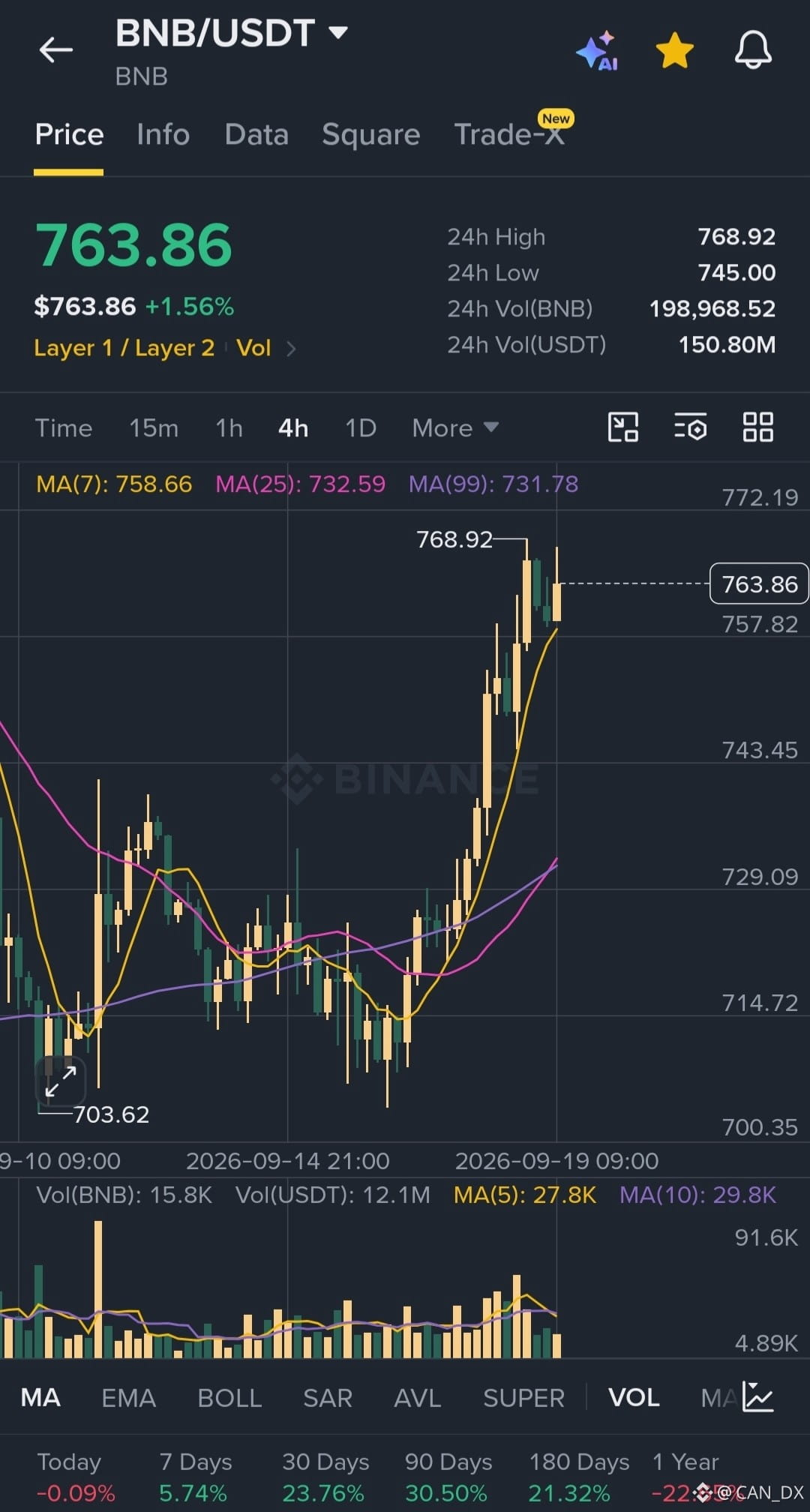
$BNB は$764の近くにあり、$769のレジスタンスのすぐ下です。
4Hチャートで$758〜$759のサポートを監視しています。ここを維持できれば勢いが強く保たれますが、$769を上抜けてクローズすればブレイクアウトのシナリオがより強まります。サポートを失うと、$745が再び視野に入ってくる可能性があります。
強い動きですが、レジスタンスの中に追いかけることはしません。
サポートが維持されている間は強気です。
#BNB #Binance #Crypto #BNBAnalysis
$BNB は$764の近くにあり、$769のレジスタンスのすぐ下です。
4Hチャートで$758〜$759のサポートを監視しています。ここを維持できれば勢いが強く保たれますが、$769を上抜けてクローズすればブレイクアウトのシナリオがより強まります。サポートを失うと、$745が再び視野に入ってくる可能性があります。
強い動きですが、レジスタンスの中に追いかけることはしません。
サポートが維持されている間は強気です。
#BNB #Binance #Crypto #BNBAnalysis
4Hチャートで$758〜$759のサポートを監視しています。ここを維持できれば勢いが強く保たれますが、$769を上抜けてクローズすればブレイクアウトのシナリオがより強まります。サポートを失うと、$745が再び視野に入ってくる可能性があります。
強い動きですが、レジスタンスの中に追いかけることはしません。
サポートが維持されている間は強気です。
#BNB #Binance #Crypto #BNBAnalysis
Asa_d33:
Watching how BNB handles $769 from here.
19
13
692

翻訳参照
$BNB BREAKOUT MODE?
BNB is showing strong momentum, recently reclaiming the $740 area and gaining around 2.1% in 24H.
📈 Bullish: Holding above $730–$740 could keep buyers in control and open the door toward $760–$780.
⚠️ Bearish: A rejection from $740–$760 followed by a break below $730 could trigger a deeper pullback toward $710–$720.
👀 Key zone: $730–$740
🚀 Breakout trigger: Sustained move above $760
🔻 Breakdown trigger: Loss of $730
BNB bulls are pushing—but can they turn this momentum into the next breakout?
#BNB #BNBChain #Binance #Crypto #BNBAnalysis #BinanceSquare
{spot}(BNBUSDT)
$BNB BREAKOUT MODE?
BNB is showing strong momentum, recently reclaiming the $740 area and gaining around 2.1% in 24H.
📈 Bullish: Holding above $730–$740 could keep buyers in control and open the door toward $760–$780.
⚠️ Bearish: A rejection from $740–$760 followed by a break below $730 could trigger a deeper pullback toward $710–$720.
👀 Key zone: $730–$740
🚀 Breakout trigger: Sustained move above $760
🔻 Breakdown trigger: Loss of $730
BNB bulls are pushing—but can they turn this momentum into the next breakout?
#BNB #BNBChain #Binance #Crypto #BNBAnalysis #BinanceSquare
BNB is showing strong momentum, recently reclaiming the $740 area and gaining around 2.1% in 24H.
📈 Bullish: Holding above $730–$740 could keep buyers in control and open the door toward $760–$780.
⚠️ Bearish: A rejection from $740–$760 followed by a break below $730 could trigger a deeper pullback toward $710–$720.
👀 Key zone: $730–$740
🚀 Breakout trigger: Sustained move above $760
🔻 Breakdown trigger: Loss of $730
BNB bulls are pushing—but can they turn this momentum into the next breakout?
#BNB #BNBChain #Binance #Crypto #BNBAnalysis #BinanceSquare
1
12

·
--
📊 BNB短期分析
$BNB は約$711で取引されています。
🟢 サポート: $704–700
🔴 レジスタンス: $716–720
$720を上抜けると買い圧力が強まる可能性があります。一方で$700を下回ると売り圧力が増すかもしれません。
📈 次の足を注意深く見てください。
#BNB #Binance #Crypto #BNBAnalysis
$740 ┤ 🟢
$730 ┤ 🟢 🔴
$720 ┤ 🟢 🔴
$710 ┤ 🟢🔴 ← 現在 約 $711
$700 ┤ └─ サポートエリア
📊 BNB短期分析
$BNB は約$711で取引されています。
🟢 サポート: $704–700
🔴 レジスタンス: $716–720
$720を上抜けると買い圧力が強まる可能性があります。一方で$700を下回ると売り圧力が増すかもしれません。
📈 次の足を注意深く見てください。
#BNB #Binance #Crypto #BNBAnalysis
$740 ┤ 🟢
$730 ┤ 🟢 🔴
$720 ┤ 🟢 🔴
$710 ┤ 🟢🔴 ← 現在 約 $711
$700 ┤ └─ サポートエリア
$BNB は約$711で取引されています。
🟢 サポート: $704–700
🔴 レジスタンス: $716–720
$720を上抜けると買い圧力が強まる可能性があります。一方で$700を下回ると売り圧力が増すかもしれません。
📈 次の足を注意深く見てください。
#BNB #Binance #Crypto #BNBAnalysis
$740 ┤ 🟢
$730 ┤ 🟢 🔴
$720 ┤ 🟢 🔴
$710 ┤ 🟢🔴 ← 現在 約 $711
$700 ┤ └─ サポートエリア
1
99

·
--
📊 BNB/USDT 市場アップデート
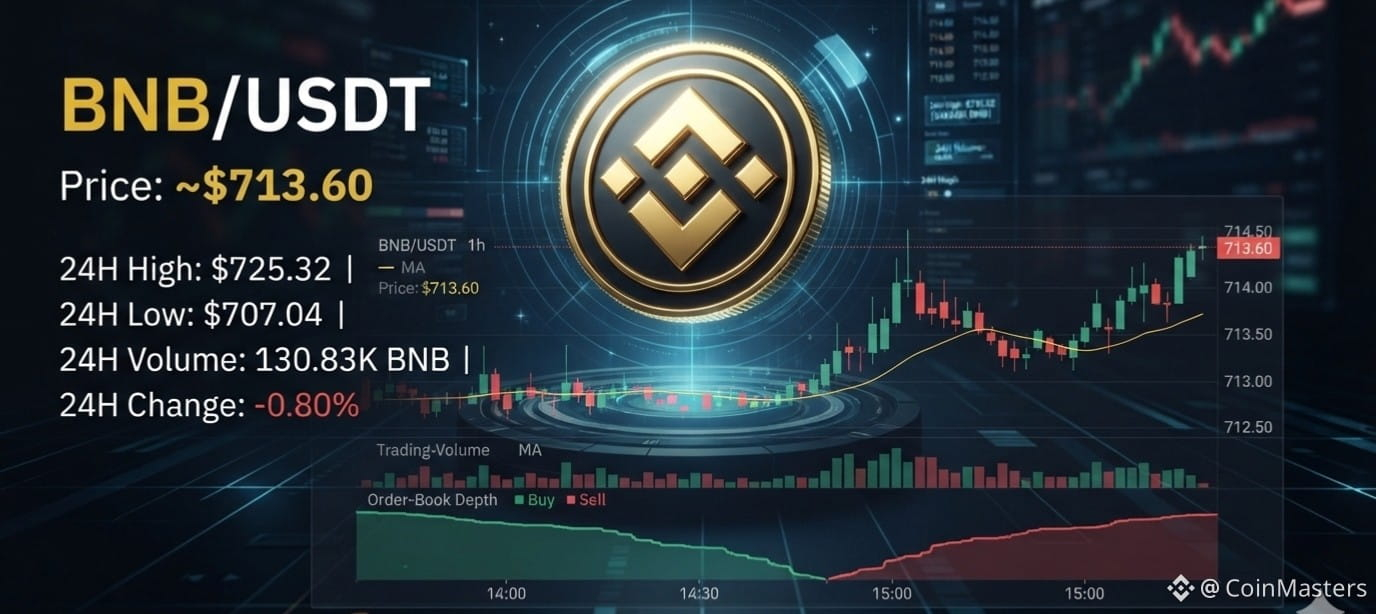
BNBは現在約$713.60で取引されており、日中で約0.8%の小幅な下落を示しています。
チャートからの主要な市場データ:
24H 高値: $725.32
24H 安値: $707.04
24H 取引高: 130.83K BNB
24H USDT 取引高: 約$93.88M
注文板: ビッド(買い)は現在約57.83%で、アスク(売り)は42.17%です。
短期チャートでは、価格が表示されているMA60(約$714.53)を下回って推移しています。
📌 市場の観察:
BNBは現在、$713〜$714付近で比較的狭いレンジ内で取引されています。注文板のデータでは、現時点で買い側の存在感が強い一方、短期の値動きは不安定です。
$707〜$725のレンジを注視し、さらなる市場の方向性を見極めるために出来高と価格動向を監視してください。
本情報は教育目的の市場情報であり、金融アドバイスではありません。
#BNB走势 #BNBUSD #Binance #BNBAnalysis
📊 BNB/USDT 市場アップデート
BNBは現在約$713.60で取引されており、日中で約0.8%の小幅な下落を示しています。
チャートからの主要な市場データ:
24H 高値: $725.32
24H 安値: $707.04
24H 取引高: 130.83K BNB
24H USDT 取引高: 約$93.88M
注文板: ビッド(買い)は現在約57.83%で、アスク(売り)は42.17%です。
短期チャートでは、価格が表示されているMA60(約$714.53)を下回って推移しています。
📌 市場の観察:
BNBは現在、$713〜$714付近で比較的狭いレンジ内で取引されています。注文板のデータでは、現時点で買い側の存在感が強い一方、短期の値動きは不安定です。
$707〜$725のレンジを注視し、さらなる市場の方向性を見極めるために出来高と価格動向を監視してください。
本情報は教育目的の市場情報であり、金融アドバイスではありません。
#BNB走势 #BNBUSD #Binance #BNBAnalysis
BNBは現在約$713.60で取引されており、日中で約0.8%の小幅な下落を示しています。
チャートからの主要な市場データ:
24H 高値: $725.32
24H 安値: $707.04
24H 取引高: 130.83K BNB
24H USDT 取引高: 約$93.88M
注文板: ビッド(買い)は現在約57.83%で、アスク(売り)は42.17%です。
短期チャートでは、価格が表示されているMA60(約$714.53)を下回って推移しています。
📌 市場の観察:
BNBは現在、$713〜$714付近で比較的狭いレンジ内で取引されています。注文板のデータでは、現時点で買い側の存在感が強い一方、短期の値動きは不安定です。
$707〜$725のレンジを注視し、さらなる市場の方向性を見極めるために出来高と価格動向を監視してください。
本情報は教育目的の市場情報であり、金融アドバイスではありません。
#BNB走势 #BNBUSD #Binance #BNBAnalysis
84

翻訳参照
$BNB
At $724.77, I’d choose SELL for the short-term setup. Current technical readings are bearish, with price sitting around the key $724–$725 area; a break below it could open the way toward $710 and $700. �
Investing.com UK +1
🔴 BNB/USDT — SELL Setup
Entry: $724–$727
SL: $733
TP1: $718
TP2: $710
TP3: $700
Invalidation: If BNB reclaims $730+ with strong momentum, avoid the short.
#BNB_Market_Update #bnb一輩子 #BNBAnalysis
$BNB
At $724.77, I’d choose SELL for the short-term setup. Current technical readings are bearish, with price sitting around the key $724–$725 area; a break below it could open the way toward $710 and $700. �
Investing.com UK +1
🔴 BNB/USDT — SELL Setup
Entry: $724–$727
SL: $733
TP1: $718
TP2: $710
TP3: $700
Invalidation: If BNB reclaims $730+ with strong momentum, avoid the short.
#BNB_Market_Update #bnb一輩子 #BNBAnalysis
At $724.77, I’d choose SELL for the short-term setup. Current technical readings are bearish, with price sitting around the key $724–$725 area; a break below it could open the way toward $710 and $700. �
Investing.com UK +1
🔴 BNB/USDT — SELL Setup
Entry: $724–$727
SL: $733
TP1: $718
TP2: $710
TP3: $700
Invalidation: If BNB reclaims $730+ with strong momentum, avoid the short.
#BNB_Market_Update #bnb一輩子 #BNBAnalysis
53

🚨 BNB価格アラート — 注目すべき重要レベル
トレーダーが$700〜$750のゾーンを注視する中、$BNBが再び脚光を浴びています。📊
🔹 サポート:$700
🔹 レジスタンス:$725〜$750
🔹 強気シグナル:$750を上抜けする強いブレイク
🔹 弱気リスク:$700を失うと、$680〜$690の領域に向けて道が開く可能性。
🔥 BNBがサポートを維持し、買い手が戻ってくれば、さらなる上昇局面も視野に入るかもしれません。
⚠️ ポンプを追いかけないでください。確認を待ち、リスク管理をしましょう。
どう思いますか?👇
🚀 $750以上のBNB
🐻 $700未満のBNB
#BNB #Binance #Crypto #CryptoTrading #Bitcoin #Altcoins #BNBAnalysis #SECReceivesGrayscaleLitecoinTrustETFFiling #ClarityActFacesProceduralVoteSept15 #US10YearTreasuryYieldNears5% #TokenizedStockHoldersUp619.1%
🚨 BNB価格アラート — 注目すべき重要レベル
トレーダーが$700〜$750のゾーンを注視する中、$BNBが再び脚光を浴びています。📊
🔹 サポート:$700
🔹 レジスタンス:$725〜$750
🔹 強気シグナル:$750を上抜けする強いブレイク
🔹 弱気リスク:$700を失うと、$680〜$690の領域に向けて道が開く可能性。
🔥 BNBがサポートを維持し、買い手が戻ってくれば、さらなる上昇局面も視野に入るかもしれません。
⚠️ ポンプを追いかけないでください。確認を待ち、リスク管理をしましょう。
どう思いますか?👇
🚀 $750以上のBNB
🐻 $700未満のBNB
#BNB #Binance #Crypto #CryptoTrading #Bitcoin #Altcoins #BNBAnalysis #SECReceivesGrayscaleLitecoinTrustETFFiling #ClarityActFacesProceduralVoteSept15 #US10YearTreasuryYieldNears5% #TokenizedStockHoldersUp619.1%
トレーダーが$700〜$750のゾーンを注視する中、$BNBが再び脚光を浴びています。📊
🔹 サポート:$700
🔹 レジスタンス:$725〜$750
🔹 強気シグナル:$750を上抜けする強いブレイク
🔹 弱気リスク:$700を失うと、$680〜$690の領域に向けて道が開く可能性。
🔥 BNBがサポートを維持し、買い手が戻ってくれば、さらなる上昇局面も視野に入るかもしれません。
⚠️ ポンプを追いかけないでください。確認を待ち、リスク管理をしましょう。
どう思いますか?👇
🚀 $750以上のBNB
🐻 $700未満のBNB
#BNB #Binance #Crypto #CryptoTrading #Bitcoin #Altcoins #BNBAnalysis #SECReceivesGrayscaleLitecoinTrustETFFiling #ClarityActFacesProceduralVoteSept15 #US10YearTreasuryYieldNears5% #TokenizedStockHoldersUp619.1%
AngelOfCrypto_-:
nice
3
5
887
🚨🔥 迫るブレイクアウト?BNBがちょうど$730を突破!
$BNB の買い手が騒ぎ立てています!⚡
$730を上抜けたことでモメンタムが加熱 — しかし、このブレイクアウトをもっと大きな上昇に変えられるでしょうか?
🎯 強気:$730の上でホールド → $750以上が視野に入るかも。
⚠️ 弱気:$730を失う → ブレイクアウトが“強気の罠(ブルトラップ)”に変わる可能性。
🔥 取引の質問:
BNBはさらに高く爆発しそう?それとも$730が罠?
狙いを下に👇📊
#BNB #Binance #Crypto #BNBAnalysis #Breakout #Trading #AltcoinStrategies
{spot}(BNBUSDT)
🚨🔥 迫るブレイクアウト?BNBがちょうど$730を突破!
$BNB の買い手が騒ぎ立てています!⚡
$730を上抜けたことでモメンタムが加熱 — しかし、このブレイクアウトをもっと大きな上昇に変えられるでしょうか?
🎯 強気:$730の上でホールド → $750以上が視野に入るかも。
⚠️ 弱気:$730を失う → ブレイクアウトが“強気の罠(ブルトラップ)”に変わる可能性。
🔥 取引の質問:
BNBはさらに高く爆発しそう?それとも$730が罠?
狙いを下に👇📊
#BNB #Binance #Crypto #BNBAnalysis #Breakout #Trading #AltcoinStrategies
$BNB の買い手が騒ぎ立てています!⚡
$730を上抜けたことでモメンタムが加熱 — しかし、このブレイクアウトをもっと大きな上昇に変えられるでしょうか?
🎯 強気:$730の上でホールド → $750以上が視野に入るかも。
⚠️ 弱気:$730を失う → ブレイクアウトが“強気の罠(ブルトラップ)”に変わる可能性。
🔥 取引の質問:
BNBはさらに高く爆発しそう?それとも$730が罠?
狙いを下に👇📊
#BNB #Binance #Crypto #BNBAnalysis #Breakout #Trading #AltcoinStrategies
4

·
--
ブリッシュ
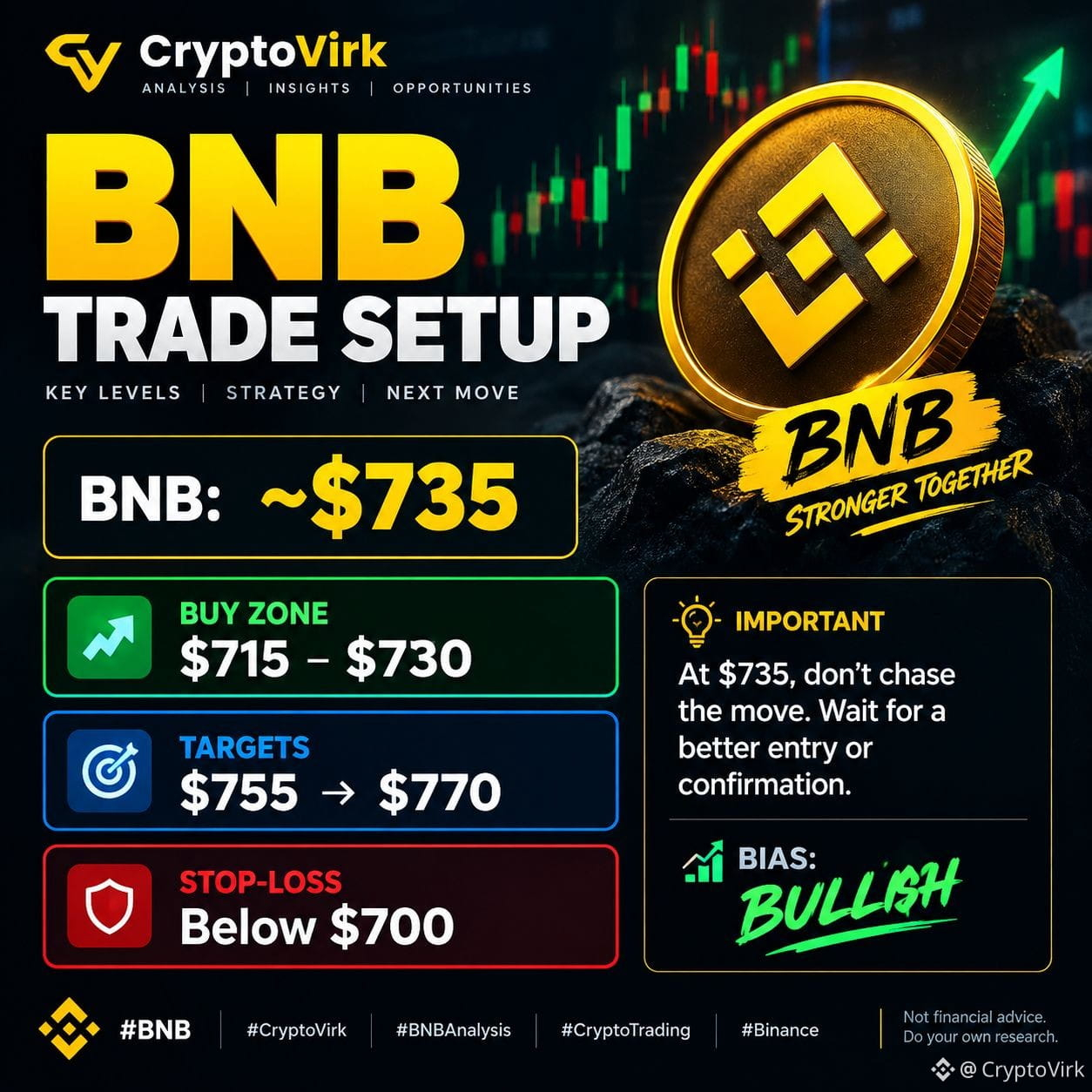
$BNB : ~$735
🟢 買いゾーン: $715–$730
🎯 目標: $755 → $770
🛑 ストップロス: $700 以下
⚠️ $735 で追いかけないでください。より良いエントリーか、確証を待ちましょう。
バイアス: 強気 📈 $BNB
#BNB_Market_Update #BNBAnalysis #CryptoVirk
{spot}(BNBUSDT)
$BNB : ~$735
🟢 買いゾーン: $715–$730
🎯 目標: $755 → $770
🛑 ストップロス: $700 以下
⚠️ $735 で追いかけないでください。より良いエントリーか、確証を待ちましょう。
バイアス: 強気 📈 $BNB
#BNB_Market_Update #BNBAnalysis #CryptoVirk
🟢 買いゾーン: $715–$730
🎯 目標: $755 → $770
🛑 ストップロス: $700 以下
⚠️ $735 で追いかけないでください。より良いエントリーか、確証を待ちましょう。
バイアス: 強気 📈 $BNB
#BNB_Market_Update #BNBAnalysis #CryptoVirk
64

{future}(BNBUSDT)
🚨 $BNB /USDT: モメンタムが高まっている—ブレイクアウトゾーンを注視
BNBは強い強気の構造を示しており、価格は主要な移動平均を上回った状態を維持し、取引活動も高水準のままです。
📊 注目すべき主要レベル
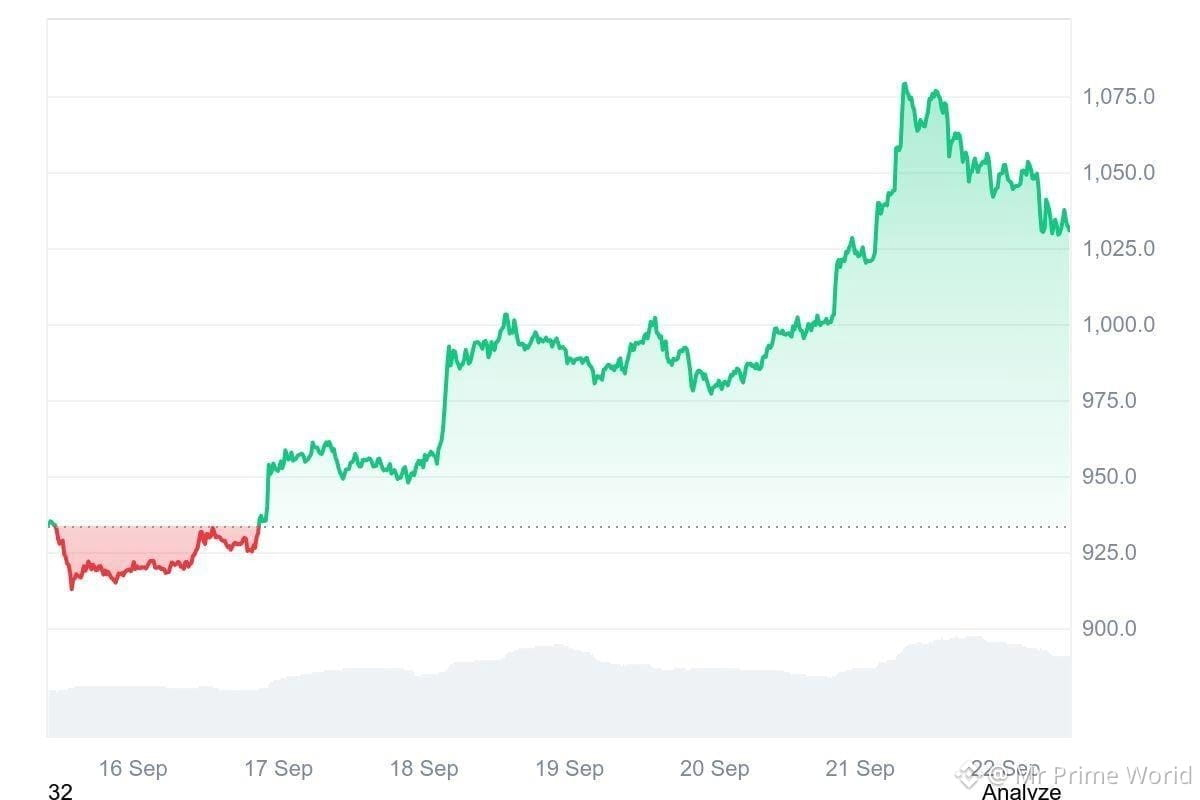
• 現在のゾーン: 約$1,024
• サポート: $980 / $940
• レジスタンス: $1,070 / $1,100
• 想定されるブレイクアウトゾーン: $1,100超
• 市場構造: 強気
• モメンタム: 強いが、追いかける前に確認を要します。
今のシンプルな疑問はこれです:BNBはモメンタムを維持し、$1,070〜$1,100のレジスタンスゾーンを突破できるのか?
強い出来高を伴う確定ブレイクアウトなら、さらに多くの市場の注目を集める可能性があります。一方、レジスタンス付近での拒否(跳ね返り)は、サポートに向けた短期の押し戻しを引き起こすかもしれません。
🔥 BNBは、今日ウォッチリストに入れておく価値のあるコインです。
あなたはどう思いますか—次は$1,100、それとも先に押し目でしょうか?👇
#bnb #BNBUSDT #BinanceSquare #CryptoMarketAlert #BNBAnalysis
🚨 $BNB /USDT: モメンタムが高まっている—ブレイクアウトゾーンを注視
BNBは強い強気の構造を示しており、価格は主要な移動平均を上回った状態を維持し、取引活動も高水準のままです。
📊 注目すべき主要レベル
• 現在のゾーン: 約$1,024
• サポート: $980 / $940
• レジスタンス: $1,070 / $1,100
• 想定されるブレイクアウトゾーン: $1,100超
• 市場構造: 強気
• モメンタム: 強いが、追いかける前に確認を要します。
今のシンプルな疑問はこれです:BNBはモメンタムを維持し、$1,070〜$1,100のレジスタンスゾーンを突破できるのか?
強い出来高を伴う確定ブレイクアウトなら、さらに多くの市場の注目を集める可能性があります。一方、レジスタンス付近での拒否(跳ね返り)は、サポートに向けた短期の押し戻しを引き起こすかもしれません。
🔥 BNBは、今日ウォッチリストに入れておく価値のあるコインです。
あなたはどう思いますか—次は$1,100、それとも先に押し目でしょうか?👇
#bnb #BNBUSDT #BinanceSquare #CryptoMarketAlert #BNBAnalysis
BNBは強い強気の構造を示しており、価格は主要な移動平均を上回った状態を維持し、取引活動も高水準のままです。
📊 注目すべき主要レベル
• 現在のゾーン: 約$1,024
• サポート: $980 / $940
• レジスタンス: $1,070 / $1,100
• 想定されるブレイクアウトゾーン: $1,100超
• 市場構造: 強気
• モメンタム: 強いが、追いかける前に確認を要します。
今のシンプルな疑問はこれです:BNBはモメンタムを維持し、$1,070〜$1,100のレジスタンスゾーンを突破できるのか?
強い出来高を伴う確定ブレイクアウトなら、さらに多くの市場の注目を集める可能性があります。一方、レジスタンス付近での拒否(跳ね返り)は、サポートに向けた短期の押し戻しを引き起こすかもしれません。
🔥 BNBは、今日ウォッチリストに入れておく価値のあるコインです。
あなたはどう思いますか—次は$1,100、それとも先に押し目でしょうか?👇
#bnb #BNBUSDT #BinanceSquare #CryptoMarketAlert #BNBAnalysis

3
76

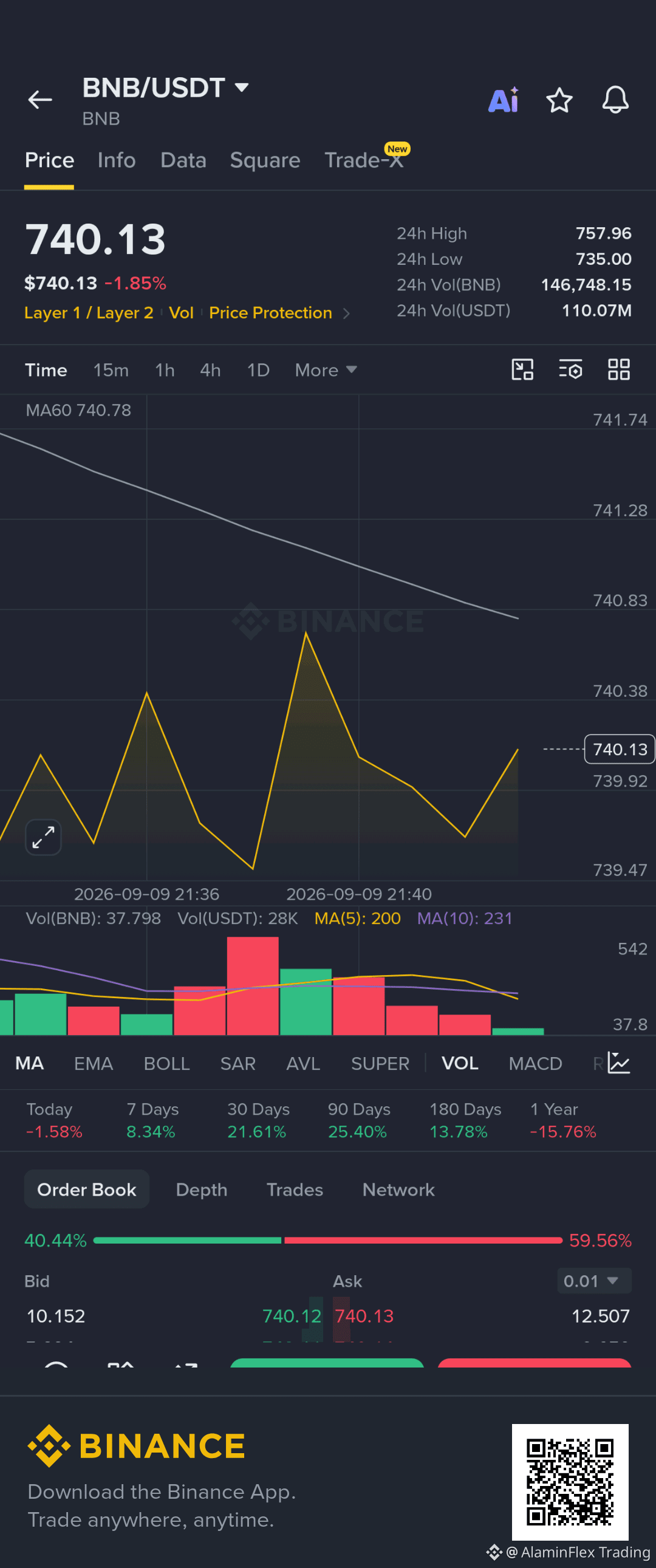
📉 BNBは下落中 — パニックか、それともチャンスか?
BNBは売り圧力に直面しており、多くのトレーダーがパニックを始めています。ですが、仮想通貨では「調整」が必ずしもトレンド終了を意味するわけではありません。
🔍 いま注目していること:• 重要なサポート水準
• 取引量
• ビットコイン全体の方向性
• 市場のセンチメント
• 買い手が再び戻ってくるかどうか
個人的には、FOMOで買うことも、パニック売りも避けています。大きな動きをする前に、確証を待ちたいです。
💬 あなたはどう思いますか?
BNBはここから反発するのか、それともさらに深い調整に向かっているのか?👇
#BNB #Binance #Crypto #CryptoMarket #Altcoins #BNBAnalysis #bitcoin
$BNB $BTC
📉 BNBは下落中 — パニックか、それともチャンスか?
BNBは売り圧力に直面しており、多くのトレーダーがパニックを始めています。ですが、仮想通貨では「調整」が必ずしもトレンド終了を意味するわけではありません。
🔍 いま注目していること:• 重要なサポート水準
• 取引量
• ビットコイン全体の方向性
• 市場のセンチメント
• 買い手が再び戻ってくるかどうか
個人的には、FOMOで買うことも、パニック売りも避けています。大きな動きをする前に、確証を待ちたいです。
💬 あなたはどう思いますか?
BNBはここから反発するのか、それともさらに深い調整に向かっているのか?👇
#BNB #Binance #Crypto #CryptoMarket #Altcoins #BNBAnalysis #bitcoin
$BNB $BTC
BNBは売り圧力に直面しており、多くのトレーダーがパニックを始めています。ですが、仮想通貨では「調整」が必ずしもトレンド終了を意味するわけではありません。
🔍 いま注目していること:• 重要なサポート水準
• 取引量
• ビットコイン全体の方向性
• 市場のセンチメント
• 買い手が再び戻ってくるかどうか
個人的には、FOMOで買うことも、パニック売りも避けています。大きな動きをする前に、確証を待ちたいです。
💬 あなたはどう思いますか?
BNBはここから反発するのか、それともさらに深い調整に向かっているのか?👇
#BNB #Binance #Crypto #CryptoMarket #Altcoins #BNBAnalysis #bitcoin
$BNB $BTC
72

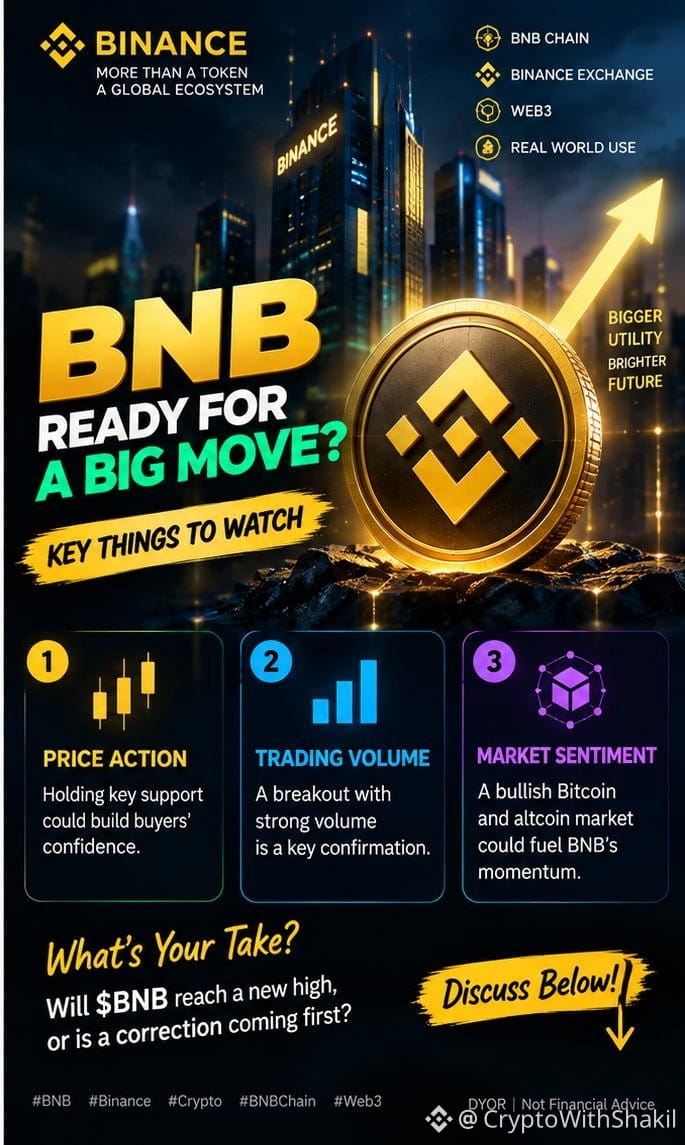
🚀 BNBはもう一段大きな動きの準備ができている?
$BNB は注目すべきコインの一つだったが、さらに強い値動きを期待する前に、いくつか重要な点を考慮する必要がある。👀
📊 1. 値動き
BNBが重要なサポート水準を維持し、買い手の動きが活発であれば、強気の構造はそのまま保たれる可能性がある。
📈 2. 取引量
強い取引量に支えられたブレイクアウトは、出来高が弱いブレイクアウトよりも一般的に説得力がある。
🌐 3. 市場のセンチメント
ビットコインおよび幅広いアルトコイン市場が強気のままであれば、BNBはより強い市場の勢いから恩恵を受けるかもしれない。
⚠️ ただし忘れないで—どのコインも上がることが保証されているわけではない。必ず自分で調べ、取引前にリスク管理を行おう。
あなたはどう思う?
$BNB は新高値を更新するのか、それとも最初に調整が来るのか?🚀 📉
#bnb #Binance #crypto #BNBAnalysis #cryptotrading
🚀 BNBはもう一段大きな動きの準備ができている?
$BNB は注目すべきコインの一つだったが、さらに強い値動きを期待する前に、いくつか重要な点を考慮する必要がある。👀
📊 1. 値動き
BNBが重要なサポート水準を維持し、買い手の動きが活発であれば、強気の構造はそのまま保たれる可能性がある。
📈 2. 取引量
強い取引量に支えられたブレイクアウトは、出来高が弱いブレイクアウトよりも一般的に説得力がある。
🌐 3. 市場のセンチメント
ビットコインおよび幅広いアルトコイン市場が強気のままであれば、BNBはより強い市場の勢いから恩恵を受けるかもしれない。
⚠️ ただし忘れないで—どのコインも上がることが保証されているわけではない。必ず自分で調べ、取引前にリスク管理を行おう。
あなたはどう思う?
$BNB は新高値を更新するのか、それとも最初に調整が来るのか?🚀 📉
#bnb #Binance #crypto #BNBAnalysis #cryptotrading
$BNB は注目すべきコインの一つだったが、さらに強い値動きを期待する前に、いくつか重要な点を考慮する必要がある。👀
📊 1. 値動き
BNBが重要なサポート水準を維持し、買い手の動きが活発であれば、強気の構造はそのまま保たれる可能性がある。
📈 2. 取引量
強い取引量に支えられたブレイクアウトは、出来高が弱いブレイクアウトよりも一般的に説得力がある。
🌐 3. 市場のセンチメント
ビットコインおよび幅広いアルトコイン市場が強気のままであれば、BNBはより強い市場の勢いから恩恵を受けるかもしれない。
⚠️ ただし忘れないで—どのコインも上がることが保証されているわけではない。必ず自分で調べ、取引前にリスク管理を行おう。
あなたはどう思う?
$BNB は新高値を更新するのか、それとも最初に調整が来るのか?🚀 📉
#bnb #Binance #crypto #BNBAnalysis #cryptotrading
55

·
--
BNB テクニカル分析:強気派が重要な$740サポート水準を守る攻撃的で複数週間に及ぶ上昇ラリーの後、バイナンス・コイン($BNB )は局所的な利益確定が見られる中で、穏やかなテクニカル・クーリングオフ局面に入っている。執筆時点で $BNB は約$743のゾーン付近で取引されており、日中の全体市場が横ばいの推移を見せるなかでも、過去7日間で目覚ましい8%〜9%の純上昇を維持している。バイナンス・スクエアに寄稿する主要な市場アナリストは、この資産が$755〜$760の間に位置する手強い上方レジスタンスの壁に直面していると強調する。出来高プロファイルは、4時間足のモメンタム指標がやや買われ過ぎの状態にある一方で、マクロの買い手が$740の心理的サポートの底を積極的に守っていることを示している。強気派がこの重要なサポート構造における売り圧力を、今後の数セッションでうまく吸収できれば、市場心理的には、今月後半に$800という心理的節目を狙うセカンダリーのインパルス・ウェーブのための道が引き続き開けているとみられる。
BNB テクニカル分析:強気派が重要な$740サポート水準を守る
攻撃的で複数週間に及ぶ上昇ラリーの後、バイナンス・コイン($BNB )は局所的な利益確定が見られる中で、穏やかなテクニカル・クーリングオフ局面に入っている。執筆時点で $BNB は約$743のゾーン付近で取引されており、日中の全体市場が横ばいの推移を見せるなかでも、過去7日間で目覚ましい8%〜9%の純上昇を維持している。バイナンス・スクエアに寄稿する主要な市場アナリストは、この資産が$755〜$760の間に位置する手強い上方レジスタンスの壁に直面していると強調する。出来高プロファイルは、4時間足のモメンタム指標がやや買われ過ぎの状態にある一方で、マクロの買い手が$740の心理的サポートの底を積極的に守っていることを示している。強気派がこの重要なサポート構造における売り圧力を、今後の数セッションでうまく吸収できれば、市場心理的には、今月後半に$800という心理的節目を狙うセカンダリーのインパルス・ウェーブのための道が引き続き開けているとみられる。
1
31

·
--
🚀 $BNB 更新:次の一手は$800へ向かう?
$BNB は現在、強い週次の急騰の後、$740〜$750あたりで取引されています。短期的な利確によって健全な押し目が入っていますが、全体の構造は依然として前向きです。
📌 重要サポート:$720〜$730
🎯 レジスタンス:$760 → $800
🚀 $800を上抜けできれば、$850〜$900への道が開ける可能性があります。
現時点では、トレーダーは$BNB がブレイクアウト・ゾーンを維持できるか、そして強い出来高で$760を取り戻せるかを注視すべきです。
#bnb #Binance #Crypto #BNBAnalysis
{future}(BNBUSDT)
🚀 $BNB 更新:次の一手は$800へ向かう?
$BNB は現在、強い週次の急騰の後、$740〜$750あたりで取引されています。短期的な利確によって健全な押し目が入っていますが、全体の構造は依然として前向きです。
📌 重要サポート:$720〜$730
🎯 レジスタンス:$760 → $800
🚀 $800を上抜けできれば、$850〜$900への道が開ける可能性があります。
現時点では、トレーダーは$BNB がブレイクアウト・ゾーンを維持できるか、そして強い出来高で$760を取り戻せるかを注視すべきです。
#bnb #Binance #Crypto #BNBAnalysis
$BNB は現在、強い週次の急騰の後、$740〜$750あたりで取引されています。短期的な利確によって健全な押し目が入っていますが、全体の構造は依然として前向きです。
📌 重要サポート:$720〜$730
🎯 レジスタンス:$760 → $800
🚀 $800を上抜けできれば、$850〜$900への道が開ける可能性があります。
現時点では、トレーダーは$BNB がブレイクアウト・ゾーンを維持できるか、そして強い出来高で$760を取り戻せるかを注視すべきです。
#bnb #Binance #Crypto #BNBAnalysis
78

·
--
ブリッシュ
🚨 BNB — 770ドルのテスト
BNBは判断の分かれ目にいます 👀
BNBは現在約760ドルで取引されており、RSIは約73。勢いは強いものの、市場は過熱ゾーンに近づいています。
📊 主要レベル:
🟢 現在: 約760ドル
🔴 レジスタンス: 769〜770ドル
🔵 サポート: 726ドル
🔥 強気シナリオ:
770ドルを明確に上抜けて維持できれば、さらなる上昇の勢いが開ける可能性があります。
⚠️ 弱気シナリオ:
もしBNBが770ドル付近で跳ね返され、726ドルを失うと、強気の構造は大きく弱まる可能性があります。
🎯 私の見方:
BNBはここで魅力的ですが、値動きを追いかけるよりも、ブレイクアウトと出来高の確認を待ちたいです。
🐂 強気 or 🐻 弱気?
#BNB #BNBUSDT #Binance #Crypto #Altcoins #BNBAnalysis
🚨 BNB — 770ドルのテスト
BNBは判断の分かれ目にいます 👀
BNBは現在約760ドルで取引されており、RSIは約73。勢いは強いものの、市場は過熱ゾーンに近づいています。
📊 主要レベル:
🟢 現在: 約760ドル
🔴 レジスタンス: 769〜770ドル
🔵 サポート: 726ドル
🔥 強気シナリオ:
770ドルを明確に上抜けて維持できれば、さらなる上昇の勢いが開ける可能性があります。
⚠️ 弱気シナリオ:
もしBNBが770ドル付近で跳ね返され、726ドルを失うと、強気の構造は大きく弱まる可能性があります。
🎯 私の見方:
BNBはここで魅力的ですが、値動きを追いかけるよりも、ブレイクアウトと出来高の確認を待ちたいです。
🐂 強気 or 🐻 弱気?
#BNB #BNBUSDT #Binance #Crypto #Altcoins #BNBAnalysis
BNBは判断の分かれ目にいます 👀
BNBは現在約760ドルで取引されており、RSIは約73。勢いは強いものの、市場は過熱ゾーンに近づいています。
📊 主要レベル:
🟢 現在: 約760ドル
🔴 レジスタンス: 769〜770ドル
🔵 サポート: 726ドル
🔥 強気シナリオ:
770ドルを明確に上抜けて維持できれば、さらなる上昇の勢いが開ける可能性があります。
⚠️ 弱気シナリオ:
もしBNBが770ドル付近で跳ね返され、726ドルを失うと、強気の構造は大きく弱まる可能性があります。
🎯 私の見方:
BNBはここで魅力的ですが、値動きを追いかけるよりも、ブレイクアウトと出来高の確認を待ちたいです。
🐂 強気 or 🐻 弱気?
#BNB #BNBUSDT #Binance #Crypto #Altcoins #BNBAnalysis
94

·
--
ブリッシュ
🔥 $BNB — 注目すべき重要な水準
{spot}(BNBUSDT)
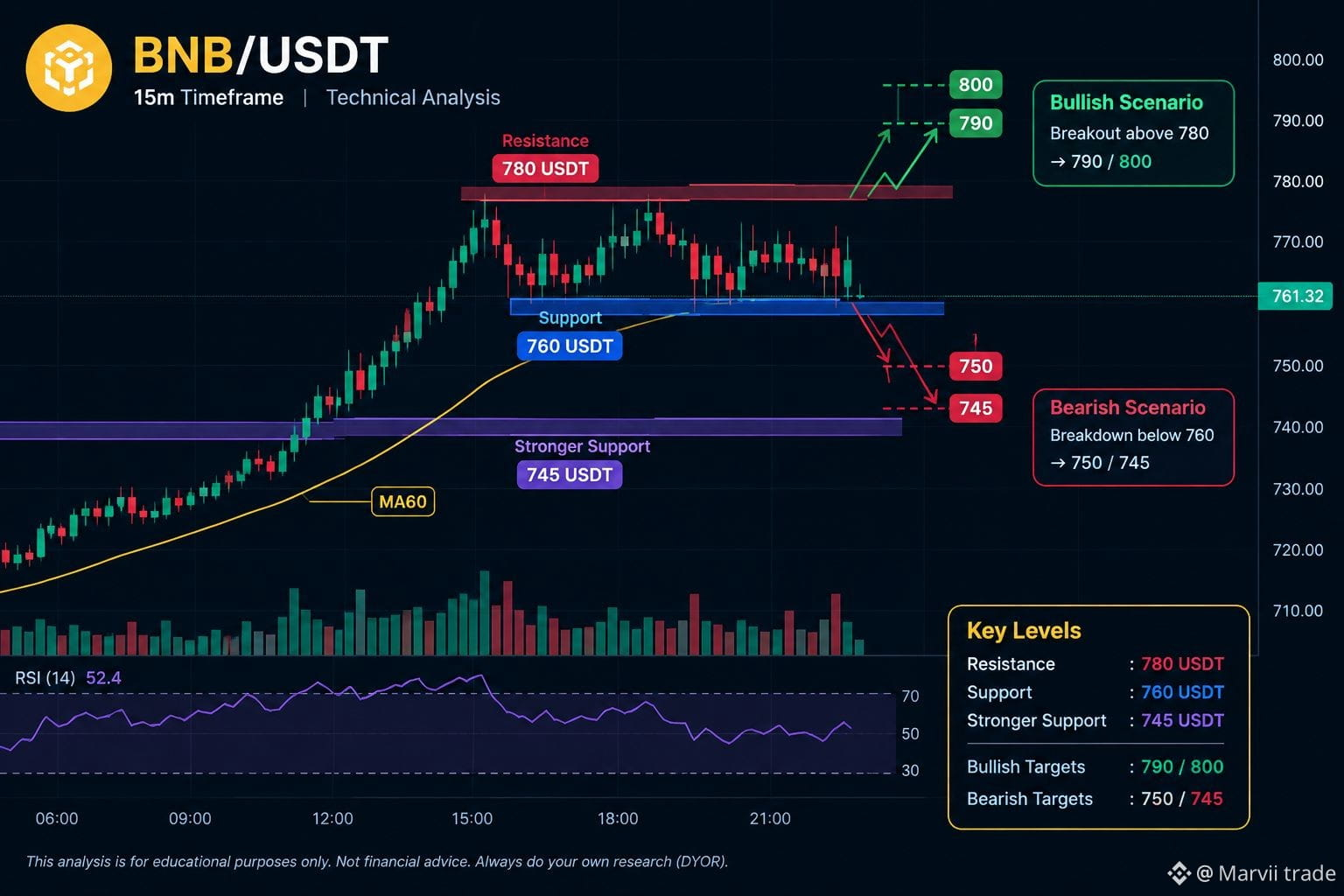
$BNB は$761付近、重要なサポートゾーンのちょうど近くで推移しています。
👀 本当の動きはブレイクアウト後に来るかもしれません:
🟢 $780超え: 強気の確認 → $790–$800ゾーン
🔴 $760割れ: 弱気圧力 → $750–$745ゾーン
今のところ、明確な方向感を持つ前に$760のサポートと$780のレジスタンスを見ています。
FOMOは禁物。確認を待ちましょう。
DYOR & リスク管理をしましょう。
#BinanceSquare #crypto #TechnicalAnalysis #cryptotrading #BNBAnalysis 現在の市場データでも、BNBは$760台半ば〜$770付近で推移しており、最近は強い上昇モメンタムも見られるため、これらの水準は確実な目標というよりシナリオとして示す方が適切です.
🔥 $BNB — 注目すべき重要な水準
$BNB は$761付近、重要なサポートゾーンのちょうど近くで推移しています。
👀 本当の動きはブレイクアウト後に来るかもしれません:
🟢 $780超え: 強気の確認 → $790–$800ゾーン
🔴 $760割れ: 弱気圧力 → $750–$745ゾーン
今のところ、明確な方向感を持つ前に$760のサポートと$780のレジスタンスを見ています。
FOMOは禁物。確認を待ちましょう。
DYOR & リスク管理をしましょう。
#BinanceSquare #crypto #TechnicalAnalysis #cryptotrading #BNBAnalysis 現在の市場データでも、BNBは$760台半ば〜$770付近で推移しており、最近は強い上昇モメンタムも見られるため、これらの水準は確実な目標というよりシナリオとして示す方が適切です.
$BNB は$761付近、重要なサポートゾーンのちょうど近くで推移しています。
👀 本当の動きはブレイクアウト後に来るかもしれません:
🟢 $780超え: 強気の確認 → $790–$800ゾーン
🔴 $760割れ: 弱気圧力 → $750–$745ゾーン
今のところ、明確な方向感を持つ前に$760のサポートと$780のレジスタンスを見ています。
FOMOは禁物。確認を待ちましょう。
DYOR & リスク管理をしましょう。
#BinanceSquare #crypto #TechnicalAnalysis #cryptotrading #BNBAnalysis 現在の市場データでも、BNBは$760台半ば〜$770付近で推移しており、最近は強い上昇モメンタムも見られるため、これらの水準は確実な目標というよりシナリオとして示す方が適切です.
79
·
--
ブリッシュ
🚨 $BNB
{spot}(BNBUSDT)
— ブレイクアウトか、それとも反落か?
BNBは重要なレジスタンスゾーン付近で推移しています。
🟢 $780を上抜けて維持できた場合のみロング
🎯 TP1: $790
🎯 TP2: $800
🛑 SL: $772
🔴 $780で反落し、$760を割り込めば、弱気圧力が再び$750に向かう可能性があります。
FOMOは禁物 — 確認を待ち、リスク管理を徹底してください。DYOR.
#BinanceSquare #cryptotrading #TechnicalAnalysis #trading #BNBAnalysis
🚨 $BNB
— ブレイクアウトか、それとも反落か?
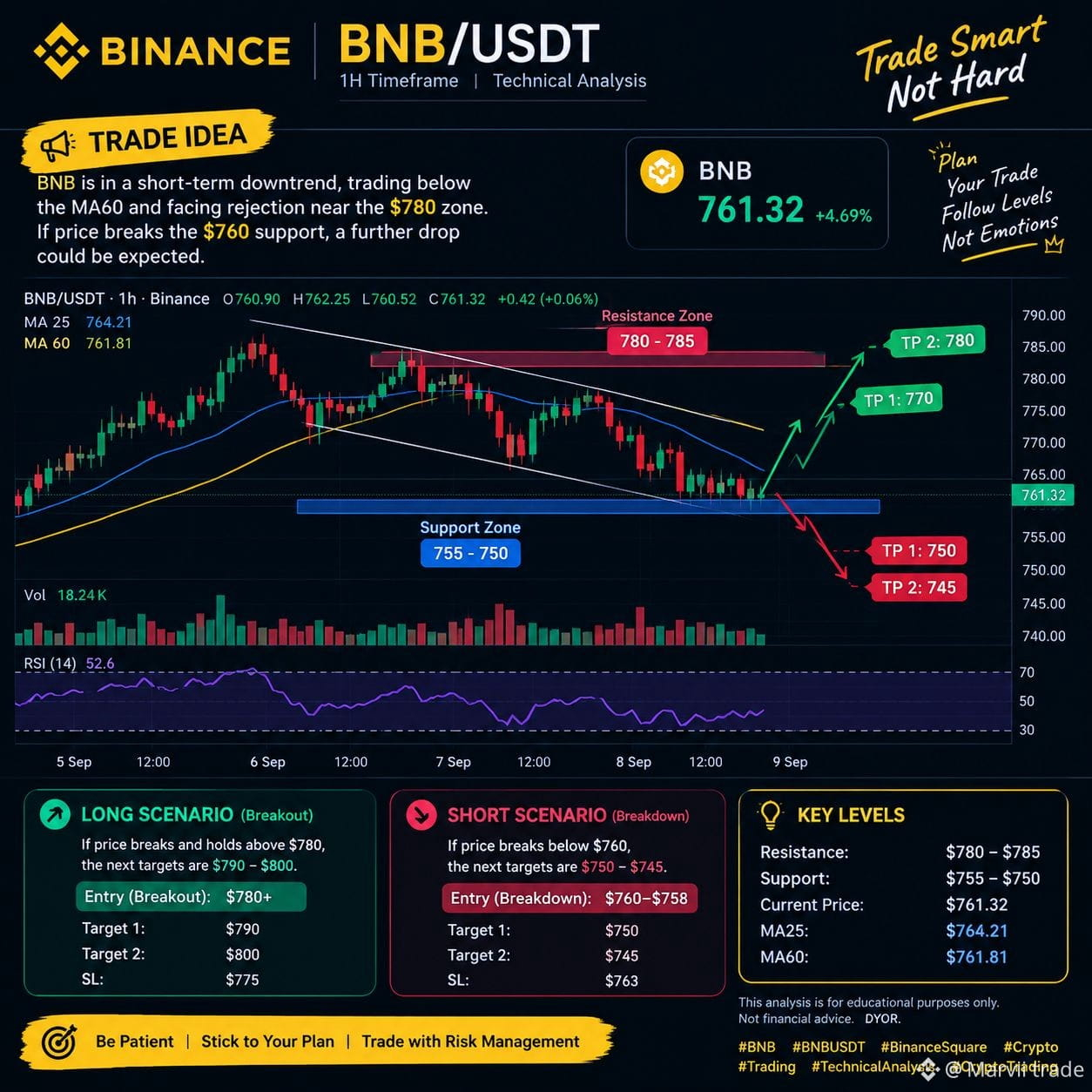
BNBは重要なレジスタンスゾーン付近で推移しています。
🟢 $780を上抜けて維持できた場合のみロング
🎯 TP1: $790
🎯 TP2: $800
🛑 SL: $772
🔴 $780で反落し、$760を割り込めば、弱気圧力が再び$750に向かう可能性があります。
FOMOは禁物 — 確認を待ち、リスク管理を徹底してください。DYOR.
#BinanceSquare #cryptotrading #TechnicalAnalysis #trading #BNBAnalysis
— ブレイクアウトか、それとも反落か?
BNBは重要なレジスタンスゾーン付近で推移しています。
🟢 $780を上抜けて維持できた場合のみロング
🎯 TP1: $790
🎯 TP2: $800
🛑 SL: $772
🔴 $780で反落し、$760を割り込めば、弱気圧力が再び$750に向かう可能性があります。
FOMOは禁物 — 確認を待ち、リスク管理を徹底してください。DYOR.
#BinanceSquare #cryptotrading #TechnicalAnalysis #trading #BNBAnalysis
57

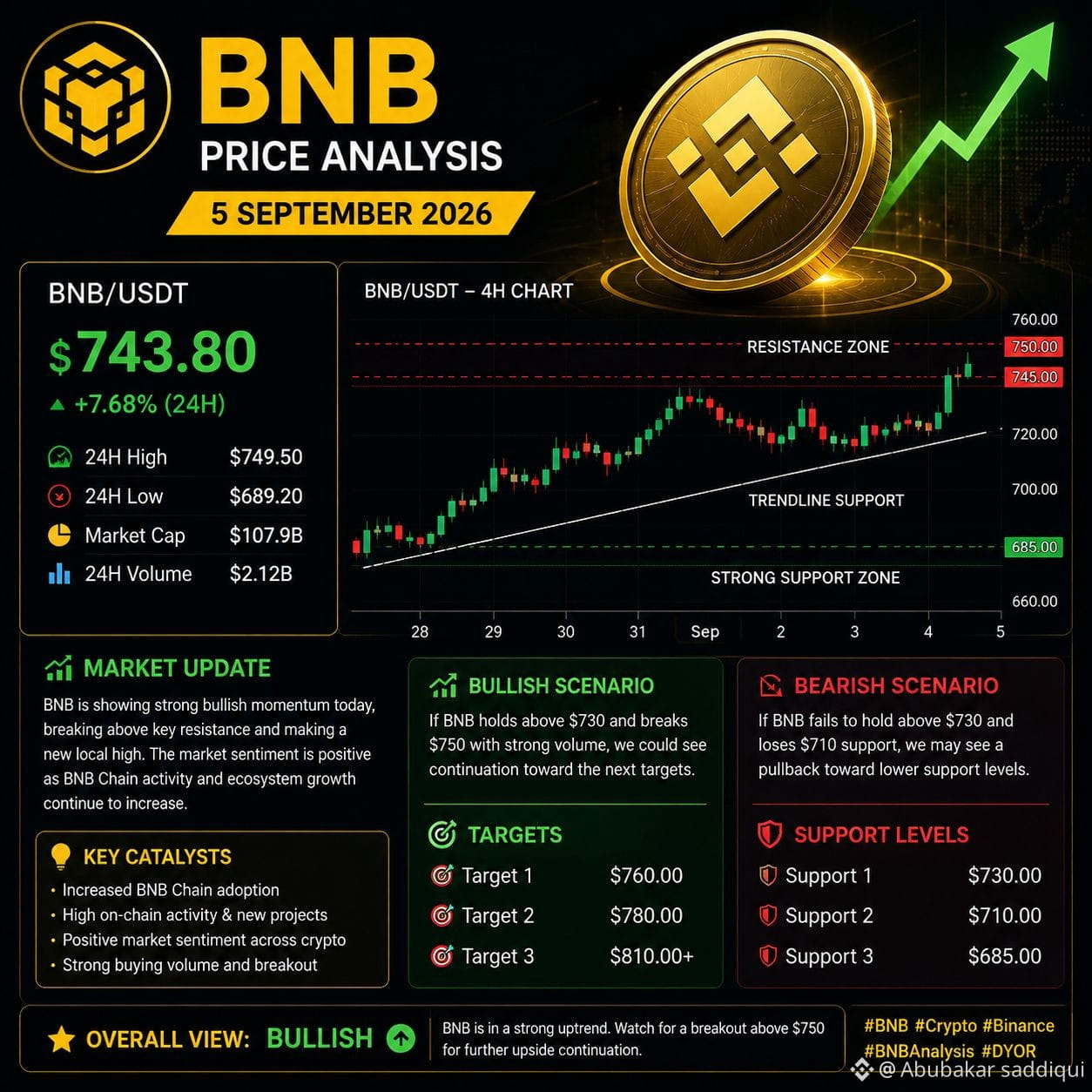
$BNB — 最新分析 | 2026年9月5日
最近の回復後、BNBは$720–$727付近で堅調に推移しています。短期構造は依然として強気ですが、$740–$760が重要なレジスタンスゾーンです。
📈 強気シナリオ: 強いブレイクアウトで$760を上抜け、その水準を維持できれば、$800–$825への道が開ける可能性があります。
📉 弱気シナリオ: もしBNBが$700を失えば、次の重要なサポート水準は$680–$685付近です。
主要レベル: レジスタンス: $740–$760 サポート: $700–$710 主要サポート: $680–$685
{spot}(BNBUSDT)
全体的な見方: 慎重に強気
BNBは、より強い強気の確認のために$760を上抜けて維持する必要があります。
#BNB_Market_Update #BNBAnalysis #ZECHitsANewAllTimeHigh #LululemonTumbles20%OnWeakGuidance
$BNB — 最新分析 | 2026年9月5日
最近の回復後、BNBは$720–$727付近で堅調に推移しています。短期構造は依然として強気ですが、$740–$760が重要なレジスタンスゾーンです。
📈 強気シナリオ: 強いブレイクアウトで$760を上抜け、その水準を維持できれば、$800–$825への道が開ける可能性があります。
📉 弱気シナリオ: もしBNBが$700を失えば、次の重要なサポート水準は$680–$685付近です。
主要レベル: レジスタンス: $740–$760 サポート: $700–$710 主要サポート: $680–$685
全体的な見方: 慎重に強気
BNBは、より強い強気の確認のために$760を上抜けて維持する必要があります。
#BNB_Market_Update #BNBAnalysis #ZECHitsANewAllTimeHigh #LululemonTumbles20%OnWeakGuidance
最近の回復後、BNBは$720–$727付近で堅調に推移しています。短期構造は依然として強気ですが、$740–$760が重要なレジスタンスゾーンです。
📈 強気シナリオ: 強いブレイクアウトで$760を上抜け、その水準を維持できれば、$800–$825への道が開ける可能性があります。
📉 弱気シナリオ: もしBNBが$700を失えば、次の重要なサポート水準は$680–$685付近です。
主要レベル: レジスタンス: $740–$760 サポート: $700–$710 主要サポート: $680–$685
全体的な見方: 慎重に強気
BNBは、より強い強気の確認のために$760を上抜けて維持する必要があります。
#BNB_Market_Update #BNBAnalysis #ZECHitsANewAllTimeHigh #LululemonTumbles20%OnWeakGuidance
76

·
--
ブリッシュ
BNBは現在、強い強気構造を示しています。📈
🎯 レジスタンス: $725–$730
🟢 サポート: $700–$705
$730を上抜ける強いブレイクアウトがあれば、$750–$760への道が開く可能性があります。ただし、$700を下抜けると短期的な調整が発生するかもしれません。
📊 全体のバイアス: 強気 🔥
適切なリスク管理のもとで取引し、必ずご自身で調査してください。
#BNB走势 #Trading #TechnicalAnalys is #BNBAnalysis $BNB #trading
BNBは現在、強い強気構造を示しています。📈
🎯 レジスタンス: $725–$730
🟢 サポート: $700–$705
$730を上抜ける強いブレイクアウトがあれば、$750–$760への道が開く可能性があります。ただし、$700を下抜けると短期的な調整が発生するかもしれません。
📊 全体のバイアス: 強気 🔥
適切なリスク管理のもとで取引し、必ずご自身で調査してください。
#BNB走势 #Trading #TechnicalAnalys is #BNBAnalysis $BNB #trading
🎯 レジスタンス: $725–$730
🟢 サポート: $700–$705
$730を上抜ける強いブレイクアウトがあれば、$750–$760への道が開く可能性があります。ただし、$700を下抜けると短期的な調整が発生するかもしれません。
📊 全体のバイアス: 強気 🔥
適切なリスク管理のもとで取引し、必ずご自身で調査してください。
#BNB走势 #Trading #TechnicalAnalys is #BNBAnalysis $BNB #trading
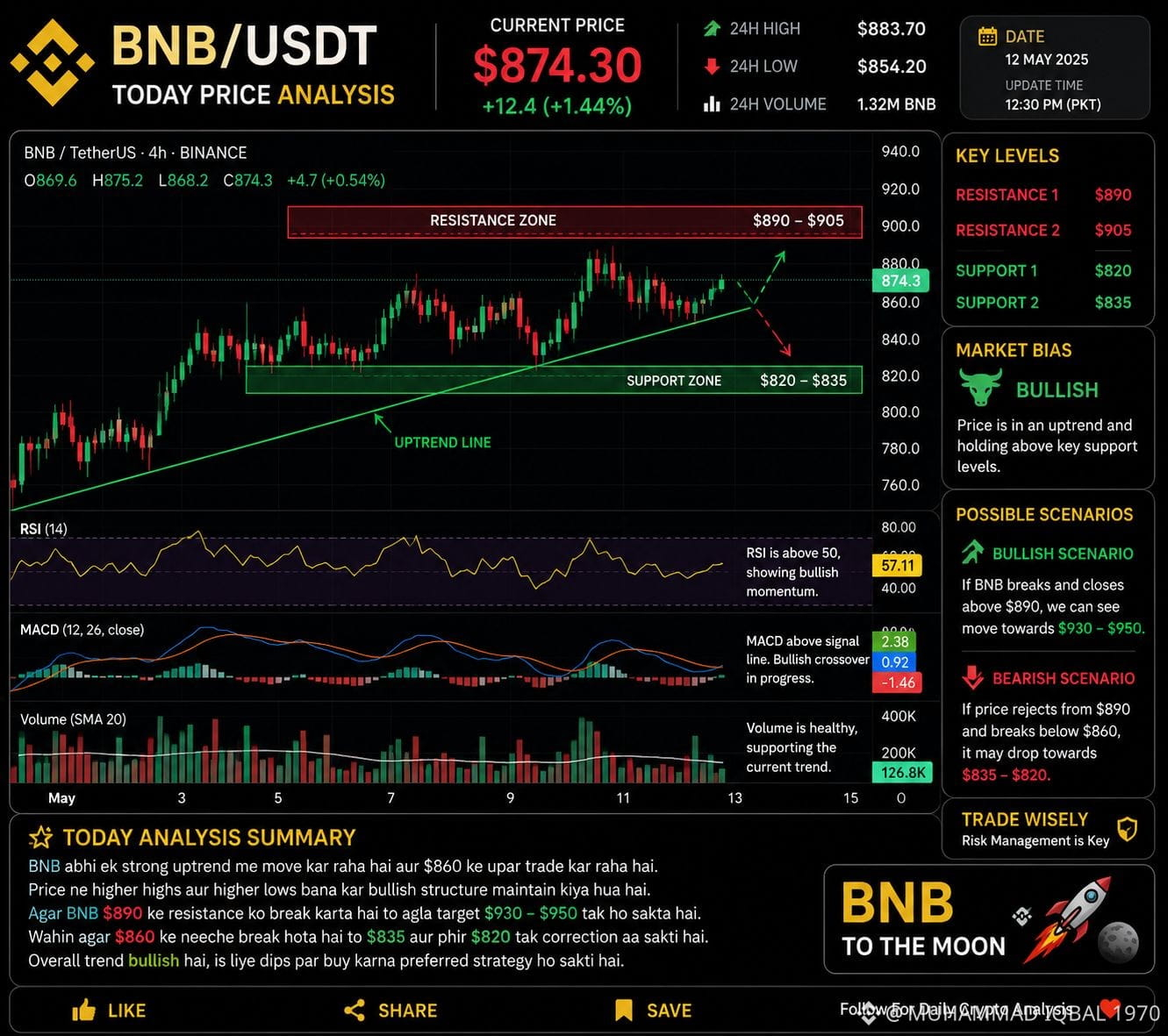
80

·
--
#USAugustJobGrowthNearlyTriplesForecast #USAugustAvgHourlyEarningsRise3.1% #USAugustNonfarmPayrollsDueToday #BitcoinEthereumHitMultiMonthHighs
{spot}(BNBUSDT)
BNBは強い勢いを示しており、最近$750の水準を突破し、24時間で約4.57%上昇しました。📈
🔹 重要なゾーン: $750 🔹 モメンタム: 強気 🔹 $750を上回る確認に注目 🔹 ボラティリティは依然として高い
辛抱強く、常にリスク管理を行いましょう。DYOR.
#BNB #Binance #Crypto #BinanceSquare #BNBAnalysis
#USAugustJobGrowthNearlyTriplesForecast #USAugustAvgHourlyEarningsRise3.1% #USAugustNonfarmPayrollsDueToday #BitcoinEthereumHitMultiMonthHighs
BNBは強い勢いを示しており、最近$750の水準を突破し、24時間で約4.57%上昇しました。📈
🔹 重要なゾーン: $750 🔹 モメンタム: 強気 🔹 $750を上回る確認に注目 🔹 ボラティリティは依然として高い
辛抱強く、常にリスク管理を行いましょう。DYOR.
#BNB #Binance #Crypto #BinanceSquare #BNBAnalysis
BNBは強い勢いを示しており、最近$750の水準を突破し、24時間で約4.57%上昇しました。📈
🔹 重要なゾーン: $750 🔹 モメンタム: 強気 🔹 $750を上回る確認に注目 🔹 ボラティリティは依然として高い
辛抱強く、常にリスク管理を行いましょう。DYOR.
#BNB #Binance #Crypto #BinanceSquare #BNBAnalysis
37

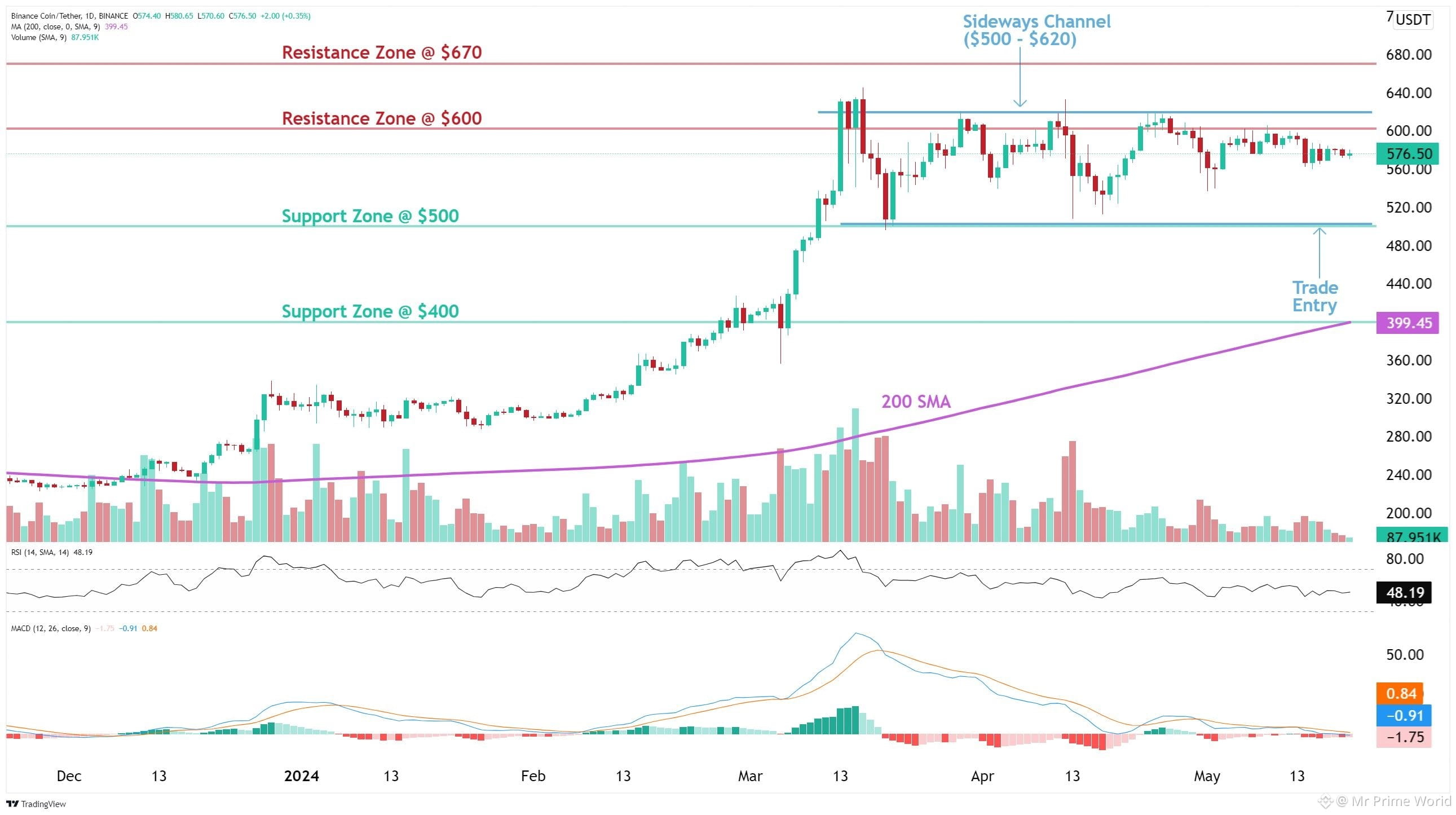
$BNB Bは、データソースにより現在約$688〜$693で取引されています。#BNBAnalysis
📈 傾向:短期のモメンタムはまちまちで、BNBは$680〜$700のゾーン付近で推移(レンジ形成)しています。🟢 強気シナリオ:~$680を上回って維持できれば、$720〜$750に向かう道が開ける可能性があります。現在の9月予測では、上限レンジの可能性が約$752とされています。🔴 弱気シナリオ:~$680を割り込むと、さらにもう一段の押し目として$650〜$660方向へ戻る可能性があります。🔥 ファンダメンタルズ:BNBは、BNBチェーンのユーティリティと、進行中のトークンバーン機構の恩恵を引き続き受けています。
全体として:🟡 中立〜強気 — $680は重要なサポート領域であり、$700〜$720は注目すべき最初のレジスタンスゾーンです。
これは市場分析であり、投資助言ではありません。暗号資産の価格は急速に変動し得ます。
#BNBAnalysis #CryptoAnalysis
{spot}(BNBUSDT)
$BNB Bは、データソースにより現在約$688〜$693で取引されています。#BNBAnalysis
📈 傾向:短期のモメンタムはまちまちで、BNBは$680〜$700のゾーン付近で推移(レンジ形成)しています。🟢 強気シナリオ:~$680を上回って維持できれば、$720〜$750に向かう道が開ける可能性があります。現在の9月予測では、上限レンジの可能性が約$752とされています。🔴 弱気シナリオ:~$680を割り込むと、さらにもう一段の押し目として$650〜$660方向へ戻る可能性があります。🔥 ファンダメンタルズ:BNBは、BNBチェーンのユーティリティと、進行中のトークンバーン機構の恩恵を引き続き受けています。
全体として:🟡 中立〜強気 — $680は重要なサポート領域であり、$700〜$720は注目すべき最初のレジスタンスゾーンです。
これは市場分析であり、投資助言ではありません。暗号資産の価格は急速に変動し得ます。
#BNBAnalysis #CryptoAnalysis
📈 傾向:短期のモメンタムはまちまちで、BNBは$680〜$700のゾーン付近で推移(レンジ形成)しています。🟢 強気シナリオ:~$680を上回って維持できれば、$720〜$750に向かう道が開ける可能性があります。現在の9月予測では、上限レンジの可能性が約$752とされています。🔴 弱気シナリオ:~$680を割り込むと、さらにもう一段の押し目として$650〜$660方向へ戻る可能性があります。🔥 ファンダメンタルズ:BNBは、BNBチェーンのユーティリティと、進行中のトークンバーン機構の恩恵を引き続き受けています。
全体として:🟡 中立〜強気 — $680は重要なサポート領域であり、$700〜$720は注目すべき最初のレジスタンスゾーンです。
これは市場分析であり、投資助言ではありません。暗号資産の価格は急速に変動し得ます。
#BNBAnalysis #CryptoAnalysis

63
ログインして、さらにコンテンツを読む
厳選トピックで世界の暗号資産トレーダーの仲間入り
⚡️ 暗号資産に関する最新かつ有益な情報が見つかります。
💬 世界最大の暗号資産取引所から信頼されています。
👍 認証を受けたクリエイターから、有益なインサイトを得られます。
メール / 電話番号
トレンドトピック
1
#BOJRaisesRatesTo31YearHigh
閲覧回数 17,397
529人が討論中
2
#BuffettStepsDownAsBerkshireChairman
閲覧回数 3,820
191人が討論中
3
#XRPExchangeReservesHitSevenYearLow
閲覧回数 7,043
220人が討論中
4
#HKCompletesFirstHKDStablecoinUseCase
閲覧回数 35,060
760人が討論中
5
#VietnamPlansFirstCryptoLicensesIn2026
閲覧回数 25,941
523人が討論中
6
#BTCBreaks80K
閲覧回数 272,923
4,034人が討論中
7
#比特币突破8万
閲覧回数 142,581
443人が討論中
8
#BitcoinMarketCapTopsTesla
閲覧回数 42,167
841人が討論中
9
#SOLJumpsAbout10%
閲覧回数 55,878
869人が討論中
10
#EthereumReclaims$2600
閲覧回数 4,788
98人が討論中