
#baby
baby
閲覧回数 10.2M
82,694人が討論中
注目
最新

·
--
$BABY 3 USDTを保有
翻訳参照
🚀$BABY اليوم ليست قصة شمعة فقط…
بعد أن لامست $0.01073، رجعت فوق $0.0115 بهدوء.
الجميل أن الارتداد جاء من منطقة
كان فيها البيع واضحًا،
لكن الاختبار الحقيقي ما زال أمامها
قرب $0.0128 — قمة اليوم.
لو بقيت الحركة فوق $0.0110، فالسوق يقول إن المشترين لم يختفوا.
أما كسرها، فسيعيد الضغط بسرعة.
BABY$ الآن في لحظة بسيطة لكن حساسة:
إما أن يتحول الارتداد إلى ثقة…
أو تكون مجرد شمعة أمل وسط ضجيج السوق.
{future}(BABYUSDT)
#baby #altcoins #BinanceSquare
🚀$BABY اليوم ليست قصة شمعة فقط…
بعد أن لامست $0.01073، رجعت فوق $0.0115 بهدوء.
الجميل أن الارتداد جاء من منطقة
كان فيها البيع واضحًا،
لكن الاختبار الحقيقي ما زال أمامها
قرب $0.0128 — قمة اليوم.
لو بقيت الحركة فوق $0.0110، فالسوق يقول إن المشترين لم يختفوا.
أما كسرها، فسيعيد الضغط بسرعة.
BABY$ الآن في لحظة بسيطة لكن حساسة:
إما أن يتحول الارتداد إلى ثقة…
أو تكون مجرد شمعة أمل وسط ضجيج السوق.
#baby #altcoins #BinanceSquare
بعد أن لامست $0.01073، رجعت فوق $0.0115 بهدوء.
الجميل أن الارتداد جاء من منطقة
كان فيها البيع واضحًا،
لكن الاختبار الحقيقي ما زال أمامها
قرب $0.0128 — قمة اليوم.
لو بقيت الحركة فوق $0.0110، فالسوق يقول إن المشترين لم يختفوا.
أما كسرها، فسيعيد الضغط بسرعة.
BABY$ الآن في لحظة بسيطة لكن حساسة:
إما أن يتحول الارتداد إلى ثقة…
أو تكون مجرد شمعة أمل وسط ضجيج السوق.
#baby #altcoins #BinanceSquare
2
20

$BABY SHORT
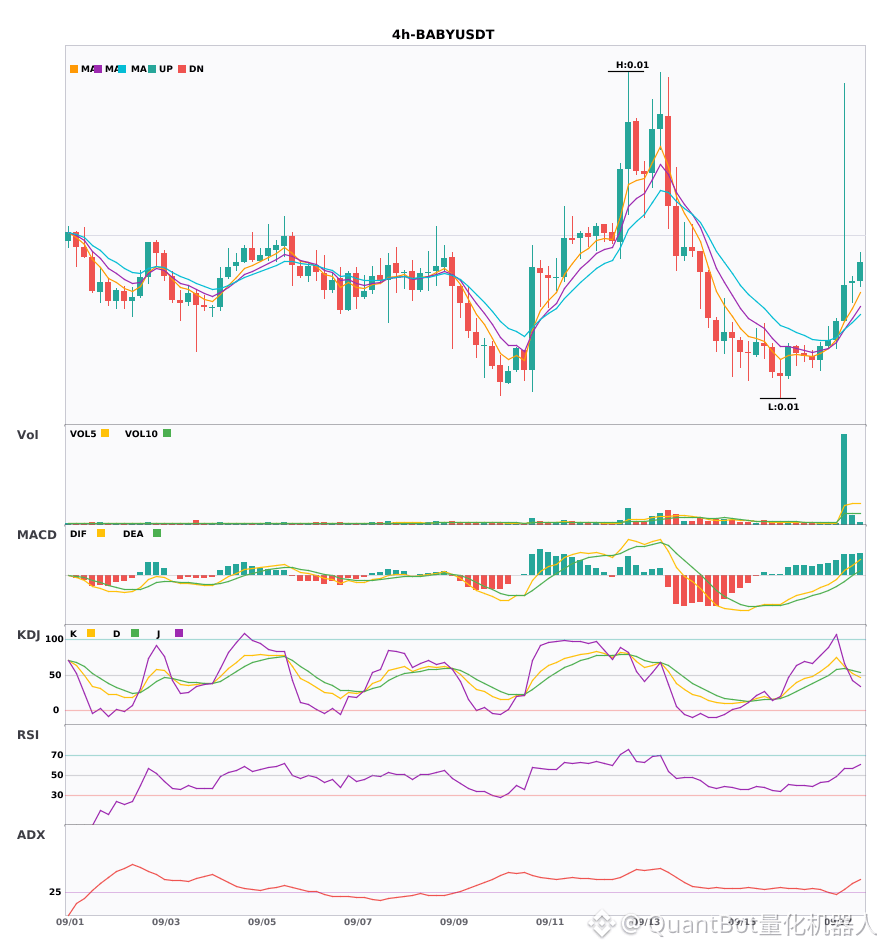
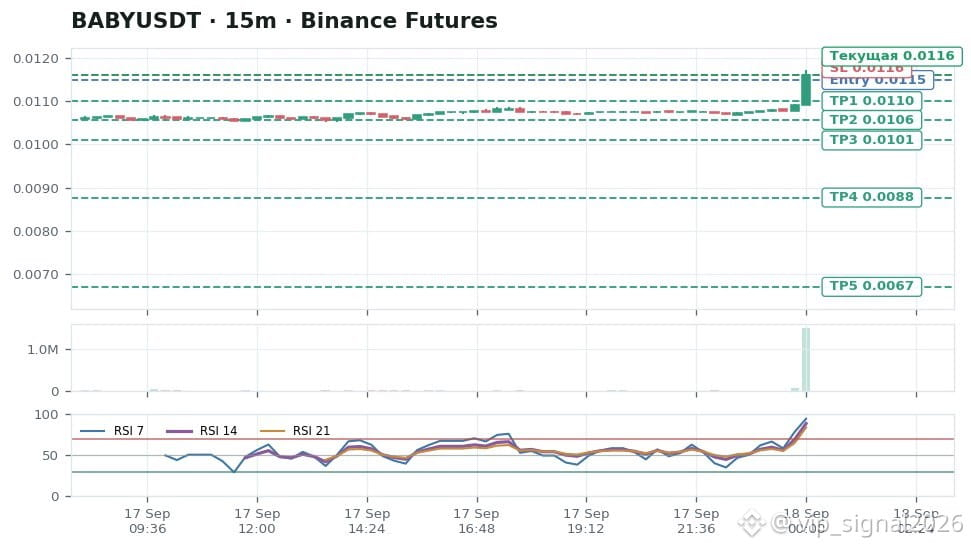
販売者が主導権を失うまでは、優先事項はSHORTシナリオの発展です。反対のインパルスはいつでも起こり得るため、ここで重要なのは理想的な動きを当てようとすることよりもリスク管理です。
🏁エントリー: 0.01149$
✅テイク1: 0.01100145$
✅テイク2: 0.01056621$
✅テイク3: 0.01009137$
✅テイク4: 0.00877066$
✅テイク5: 0.00670358$
🛡保護: 0.0116088$
🧲 OI: 0.01161$ • 📊 ROI: -26.1%
⚠️ これは金融アドバイスではありません。自己責任で取引してください。DYOR。
#BABY #skalper_76 #skalping 📈
$BABY
$BABY SHORT
販売者が主導権を失うまでは、優先事項はSHORTシナリオの発展です。反対のインパルスはいつでも起こり得るため、ここで重要なのは理想的な動きを当てようとすることよりもリスク管理です。
🏁エントリー: 0.01149$
✅テイク1: 0.01100145$
✅テイク2: 0.01056621$
✅テイク3: 0.01009137$
✅テイク4: 0.00877066$
✅テイク5: 0.00670358$
🛡保護: 0.0116088$
🧲 OI: 0.01161$ • 📊 ROI: -26.1%
⚠️ これは金融アドバイスではありません。自己責任で取引してください。DYOR。
#BABY #skalper_76 #skalping 📈
$BABY
販売者が主導権を失うまでは、優先事項はSHORTシナリオの発展です。反対のインパルスはいつでも起こり得るため、ここで重要なのは理想的な動きを当てようとすることよりもリスク管理です。
🏁エントリー: 0.01149$
✅テイク1: 0.01100145$
✅テイク2: 0.01056621$
✅テイク3: 0.01009137$
✅テイク4: 0.00877066$
✅テイク5: 0.00670358$
🛡保護: 0.0116088$
🧲 OI: 0.01161$ • 📊 ROI: -26.1%
⚠️ これは金融アドバイスではありません。自己責任で取引してください。DYOR。
#BABY #skalper_76 #skalping 📈
$BABY
61

Cryoto_Boost27:
kep Your TA in your Asshole
1
146

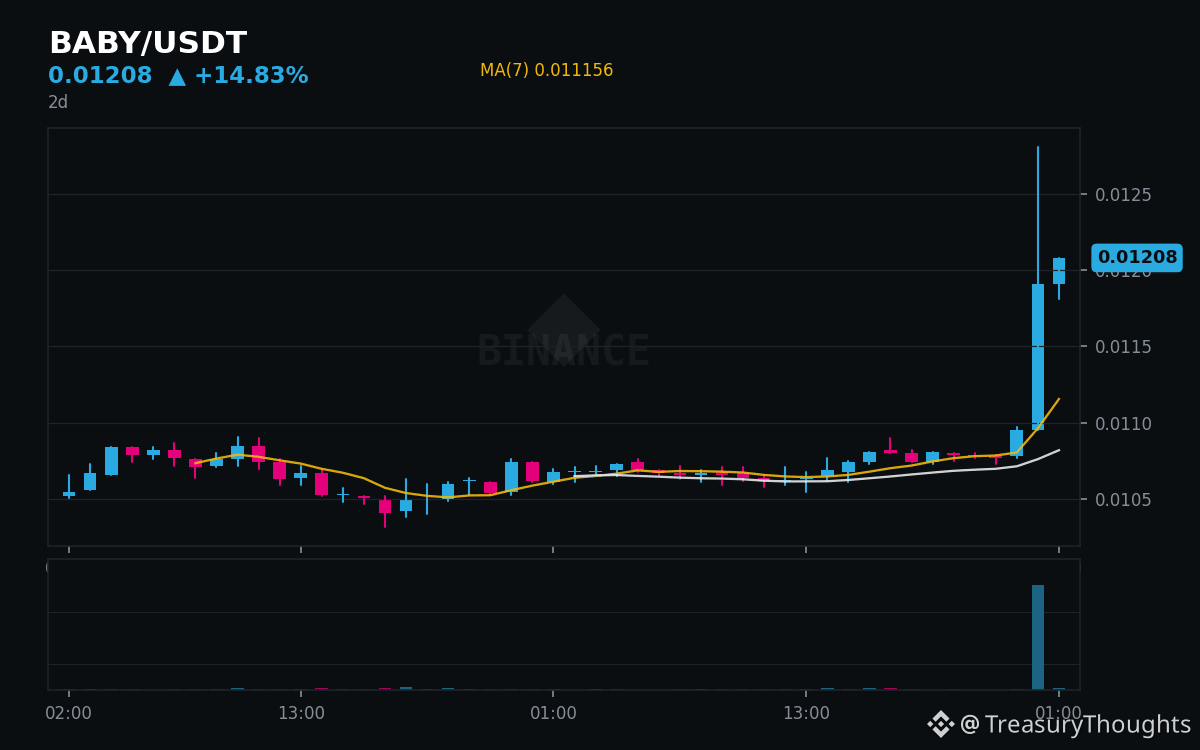
$BABY как будто шлюз, 15‑минутка 上限を突き抜け、出来高が轟く 🚀
上位タイムフレームはもう頷いている——そろそろ波を掴むタイミングかも。
🟢 ロング(上方向へのレンジブレイク) | ドンチアン・ブレイクアウト
エントリー: 0.0122877 - 0.0123369
ストップ: 0.0118206
テイク: 0.01303
RSI: 記載なし | スコア: 100/100
R:R 1:1.5
情報投稿であり、金融アドバイスではありません。
リマインド: Binanceは、アクティブ取引においてコミッションが非常に有利な取引所の1つで、Squareはアプリ内に直接あります。
#BABY #Trading
$BABY как будто шлюз, 15‑минутка 上限を突き抜け、出来高が轟く 🚀
上位タイムフレームはもう頷いている——そろそろ波を掴むタイミングかも。
🟢 ロング(上方向へのレンジブレイク) | ドンチアン・ブレイクアウト
エントリー: 0.0122877 - 0.0123369
ストップ: 0.0118206
テイク: 0.01303
RSI: 記載なし | スコア: 100/100
R:R 1:1.5
情報投稿であり、金融アドバイスではありません。
リマインド: Binanceは、アクティブ取引においてコミッションが非常に有利な取引所の1つで、Squareはアプリ内に直接あります。
#BABY #Trading
上位タイムフレームはもう頷いている——そろそろ波を掴むタイミングかも。
🟢 ロング(上方向へのレンジブレイク) | ドンチアン・ブレイクアウト
エントリー: 0.0122877 - 0.0123369
ストップ: 0.0118206
テイク: 0.01303
RSI: 記載なし | スコア: 100/100
R:R 1:1.5
情報投稿であり、金融アドバイスではありません。
リマインド: Binanceは、アクティブ取引においてコミッションが非常に有利な取引所の1つで、Squareはアプリ内に直接あります。
#BABY #Trading
1
118


·
--
ブリッシュ
$BABY は強い強気モメンタムを示しています。
{future}(BABYUSDT)
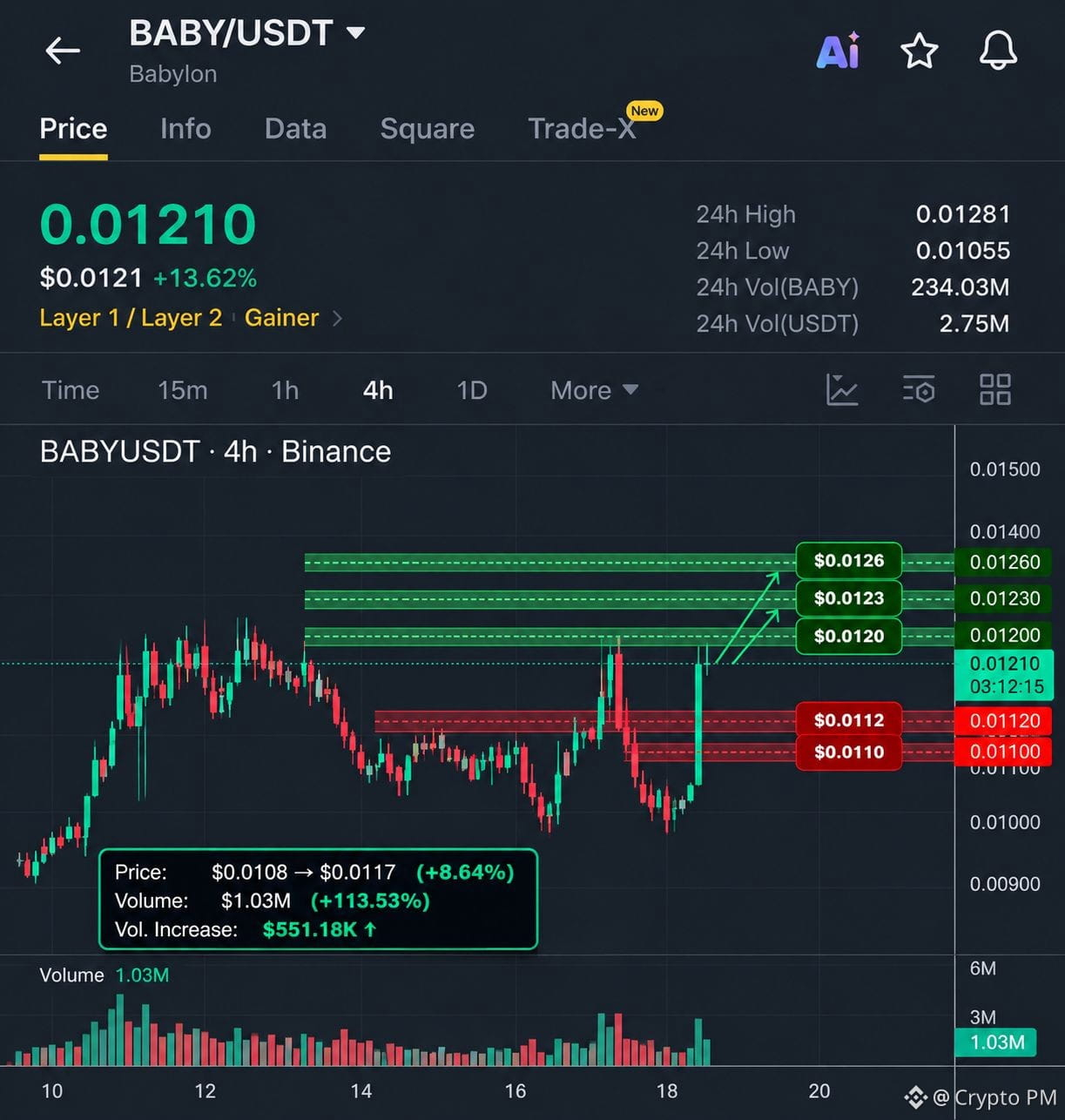
価格は$0.0108から$0.0117へと動き、+8.64%の上昇を記録しました。
📊 出来高は$1.03Mまで急増し、113.53%増加。さらに出来高として$551.18Kが加わり、取引活動が急激に活発化しています。
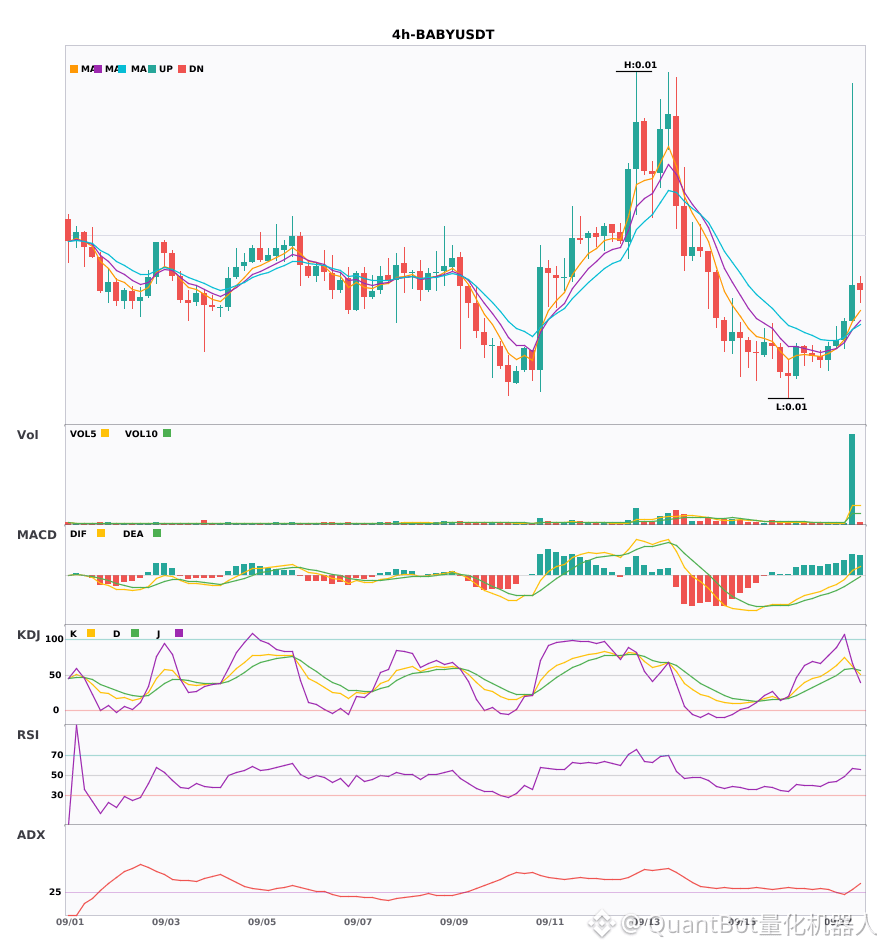
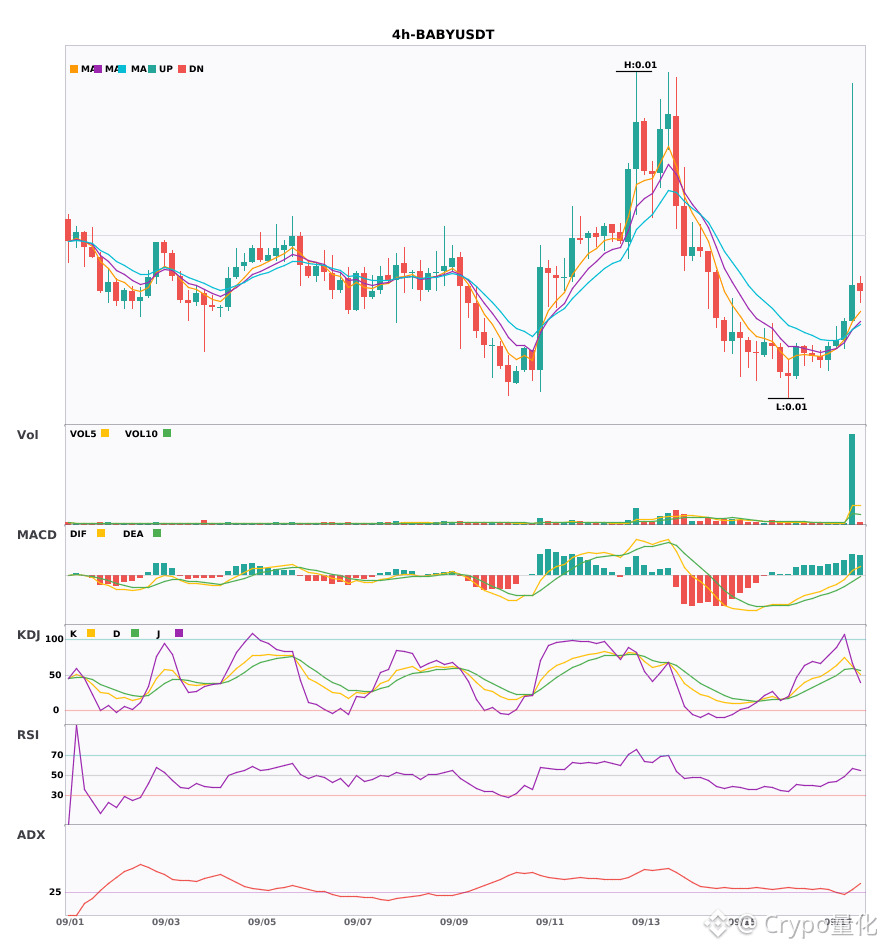
4Hチャートでは、$BABY が$0.0105〜$0.0110のゾーンから強く回復し、直近の高値に向けて押し戻されています。出来高の拡大は、現在の強気な動きの裏付けになります。
🎯 注目すべき水準:• $0.0120 • $0.0123 • $0.0126
主要なサポート:$0.0110〜$0.0112
出来高を伴った$0.0120を上回る持続的なブレイクが実現すれば、$0.0123および$0.0126へ向かう道が開ける可能性があります。
#baby
$BABY は強い強気モメンタムを示しています。
価格は$0.0108から$0.0117へと動き、+8.64%の上昇を記録しました。
📊 出来高は$1.03Mまで急増し、113.53%増加。さらに出来高として$551.18Kが加わり、取引活動が急激に活発化しています。
4Hチャートでは、$BABY が$0.0105〜$0.0110のゾーンから強く回復し、直近の高値に向けて押し戻されています。出来高の拡大は、現在の強気な動きの裏付けになります。
🎯 注目すべき水準:• $0.0120 • $0.0123 • $0.0126
主要なサポート:$0.0110〜$0.0112
出来高を伴った$0.0120を上回る持続的なブレイクが実現すれば、$0.0123および$0.0126へ向かう道が開ける可能性があります。
#baby
価格は$0.0108から$0.0117へと動き、+8.64%の上昇を記録しました。
📊 出来高は$1.03Mまで急増し、113.53%増加。さらに出来高として$551.18Kが加わり、取引活動が急激に活発化しています。
4Hチャートでは、$BABY が$0.0105〜$0.0110のゾーンから強く回復し、直近の高値に向けて押し戻されています。出来高の拡大は、現在の強気な動きの裏付けになります。
🎯 注目すべき水準:• $0.0120 • $0.0123 • $0.0126
主要なサポート:$0.0110〜$0.0112
出来高を伴った$0.0120を上回る持続的なブレイクが実現すれば、$0.0123および$0.0126へ向かう道が開ける可能性があります。
#baby
1
2
1.1k

$BABY SHORT
🔹エントリーゾーン: 0.011389
✅テイク1: 0.01097765(+3.61%)
✅テイク2: 0.0105633(+7.25%)
✅テイク3: 0.00994178(+12.71%)
❌ストップロス: 0.01201352(-5.48%)
弱気(ベア)の構造は、売り手が現在のレンジ内で主導権を維持し続けているため、依然として有効です。買い手がローカルな動きを打ち破る意思を示すまでは、さらなる下落を想定したシナリオが基本シナリオとして残ります。これにより、上方向へのあらゆるリトレース(調整)の試みは、主要な売り圧力に加わるための可能性のあるチャンスに見える一方で、突発的なボラティリティ(変動リスク)には注意が必要です。
⚠️ これは金融アドバイスではありません。自己責任で取引してください。DYOR。
#BABY #cryptotrading #STG 📈
$BABY
$BABY SHORT
🔹エントリーゾーン: 0.011389
✅テイク1: 0.01097765(+3.61%)
✅テイク2: 0.0105633(+7.25%)
✅テイク3: 0.00994178(+12.71%)
❌ストップロス: 0.01201352(-5.48%)
弱気(ベア)の構造は、売り手が現在のレンジ内で主導権を維持し続けているため、依然として有効です。買い手がローカルな動きを打ち破る意思を示すまでは、さらなる下落を想定したシナリオが基本シナリオとして残ります。これにより、上方向へのあらゆるリトレース(調整)の試みは、主要な売り圧力に加わるための可能性のあるチャンスに見える一方で、突発的なボラティリティ(変動リスク)には注意が必要です。
⚠️ これは金融アドバイスではありません。自己責任で取引してください。DYOR。
#BABY #cryptotrading #STG 📈
$BABY
🔹エントリーゾーン: 0.011389
✅テイク1: 0.01097765(+3.61%)
✅テイク2: 0.0105633(+7.25%)
✅テイク3: 0.00994178(+12.71%)
❌ストップロス: 0.01201352(-5.48%)
弱気(ベア)の構造は、売り手が現在のレンジ内で主導権を維持し続けているため、依然として有効です。買い手がローカルな動きを打ち破る意思を示すまでは、さらなる下落を想定したシナリオが基本シナリオとして残ります。これにより、上方向へのあらゆるリトレース(調整)の試みは、主要な売り圧力に加わるための可能性のあるチャンスに見える一方で、突発的なボラティリティ(変動リスク)には注意が必要です。
⚠️ これは金融アドバイスではありません。自己責任で取引してください。DYOR。
#BABY #cryptotrading #STG 📈
$BABY
32

·
--
弱気相場
$BABY ... 弱気圧力が高まる
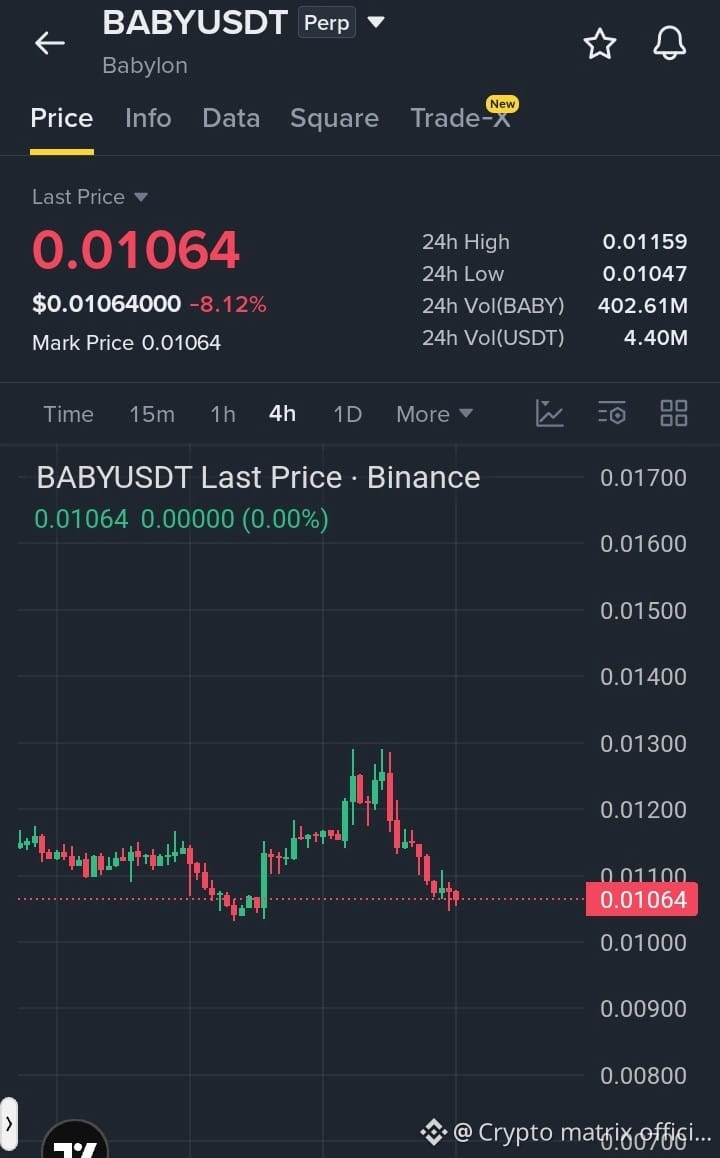
#BABY は0.0128ゾーンからの堅調な拒否の後、0.0106付近で苦戦している。最新の4H足は依然として弱く、下方向への勢いが維持されており、価格は直近のサポート近辺で取引されている。
ショート取引のセットアップ
エントリー: 0.01060 ~ 0.01085
TP1: 0.01020
TP2: 0.00980
TP3: 0.00940
SL: 0.01120
売りで取引
{future}(BABYUSDT)
$LSK
{future}(LSKUSDT)
$龙虾
{future}(龙虾USDT)
$BABY ... 弱気圧力が高まる
#BABY は0.0128ゾーンからの堅調な拒否の後、0.0106付近で苦戦している。最新の4H足は依然として弱く、下方向への勢いが維持されており、価格は直近のサポート近辺で取引されている。
ショート取引のセットアップ
エントリー: 0.01060 ~ 0.01085
TP1: 0.01020
TP2: 0.00980
TP3: 0.00940
SL: 0.01120
売りで取引
$LSK
$龙虾
#BABY は0.0128ゾーンからの堅調な拒否の後、0.0106付近で苦戦している。最新の4H足は依然として弱く、下方向への勢いが維持されており、価格は直近のサポート近辺で取引されている。
ショート取引のセットアップ
エントリー: 0.01060 ~ 0.01085
TP1: 0.01020
TP2: 0.00980
TP3: 0.00940
SL: 0.01120
売りで取引
$LSK
$龙虾
2
702

·
--
ブリッシュ
$BABY 23.6 USDT(30日間の取引)
BABYのショート・スクイーズが、$0.01074付近まで迫っています。
この上昇の流動性を2つの銃が監視しています。
$BABY
$AIN
$AKE 🟢 LIQUIDITY ZONE HIT 🟢
ショートの清算を確認 🧨
🔫🔫
$1.2363K が $0.01074 でクリアされました
上方向の流動性を刈り取った — 反応を見てください 👀
🎯 TP目標:
TP1: 約 $0.01085
TP2: 約 $0.01095
TP3: 約 $0.01106
#baby
BABYのショート・スクイーズが、$0.01074付近まで迫っています。
この上昇の流動性を2つの銃が監視しています。
$BABY
$AIN
$AKE 🟢 LIQUIDITY ZONE HIT 🟢
ショートの清算を確認 🧨
🔫🔫
$1.2363K が $0.01074 でクリアされました
上方向の流動性を刈り取った — 反応を見てください 👀
🎯 TP目標:
TP1: 約 $0.01085
TP2: 約 $0.01095
TP3: 約 $0.01106
#baby
この上昇の流動性を2つの銃が監視しています。
$BABY
$AIN
$AKE 🟢 LIQUIDITY ZONE HIT 🟢
ショートの清算を確認 🧨
🔫🔫
$1.2363K が $0.01074 でクリアされました
上方向の流動性を刈り取った — 反応を見てください 👀
🎯 TP目標:
TP1: 約 $0.01085
TP2: 約 $0.01095
TP3: 約 $0.01106
#baby
1
299

·
--
📉 今日の最大の弱気コイン
本日の市場の弱さは、LSK、UAI、STEEM、BABYに集中しています。これらのトークンは売り圧力が強まっており、価格モメンタムも弱い状況です。$LSK は弱気なセンチメントの中で苦戦を続け、$UAI は直近のボラティリティ後にモメンタムを失っています。$STEEM も、トレーダーがリスクエクスポージャーを引き下げることで圧力がかかったままです。また、#BABY も売り手が主導権を維持しており、下方向への動きが見られます。市場環境が弱いまま推移する場合、これらのコインは今日の取引セッションを通じて、ボラティリティの上昇と下落リスクの高まりが続く可能性があります。
📉 今日の最大の弱気コイン
本日の市場の弱さは、LSK、UAI、STEEM、BABYに集中しています。これらのトークンは売り圧力が強まっており、価格モメンタムも弱い状況です。$LSK は弱気なセンチメントの中で苦戦を続け、$UAI は直近のボラティリティ後にモメンタムを失っています。$STEEM も、トレーダーがリスクエクスポージャーを引き下げることで圧力がかかったままです。また、#BABY も売り手が主導権を維持しており、下方向への動きが見られます。市場環境が弱いまま推移する場合、これらのコインは今日の取引セッションを通じて、ボラティリティの上昇と下落リスクの高まりが続く可能性があります。
本日の市場の弱さは、LSK、UAI、STEEM、BABYに集中しています。これらのトークンは売り圧力が強まっており、価格モメンタムも弱い状況です。$LSK は弱気なセンチメントの中で苦戦を続け、$UAI は直近のボラティリティ後にモメンタムを失っています。$STEEM も、トレーダーがリスクエクスポージャーを引き下げることで圧力がかかったままです。また、#BABY も売り手が主導権を維持しており、下方向への動きが見られます。市場環境が弱いまま推移する場合、これらのコインは今日の取引セッションを通じて、ボラティリティの上昇と下落リスクの高まりが続く可能性があります。

阿拉登:
11
1
511

·
--
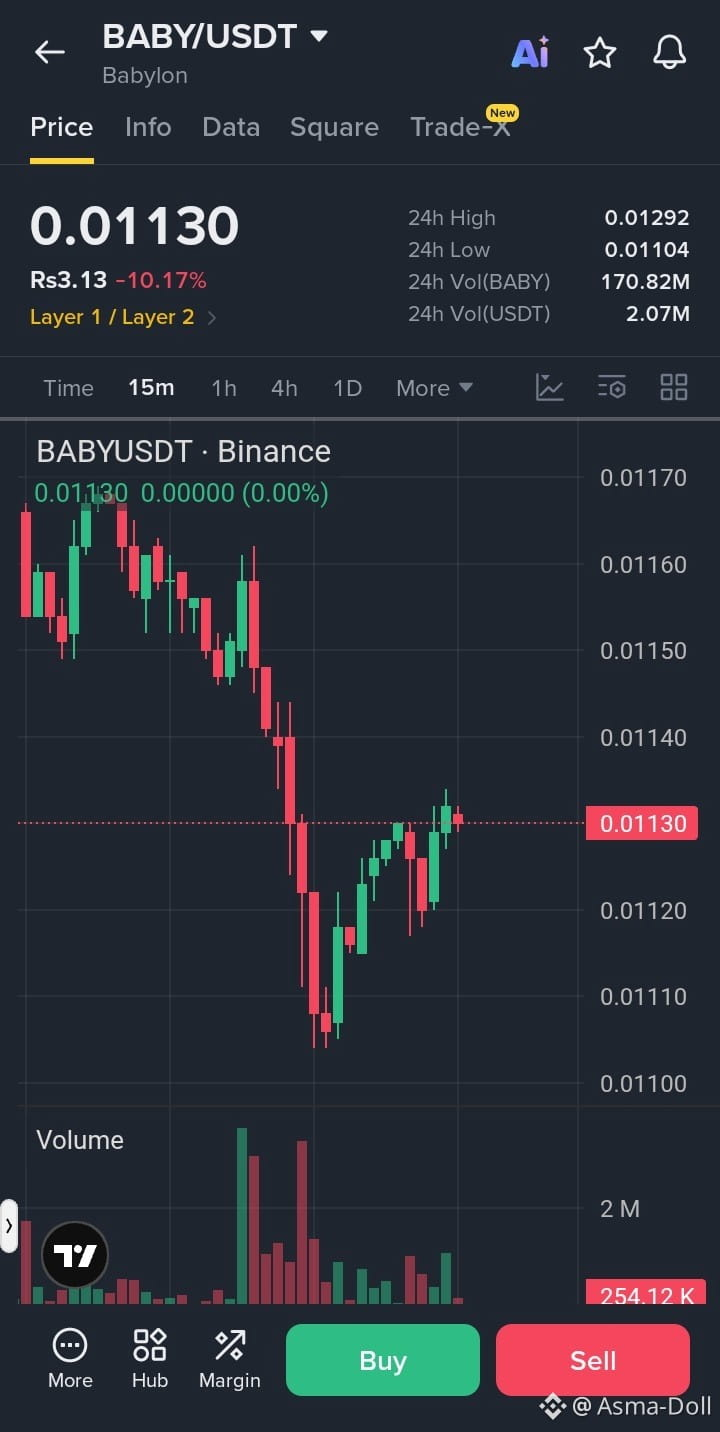
$BABY /USDT — ショート 📉
エントリー: 0.01125 – 0.01145
損切り: 0.01175
TP1: 0.01105
TP2: 0.01080
TP3: 0.01050
ここで取引 $BABY
{future}(BABYUSDT)
分析:
価格は10.17%下落しており、強い弱気圧力が見られます。
24時間安値 0.01104 近辺での取引です。
弱い反発の形は、サポートが割れれば継続を後押しします。
確認: ボリュームを伴って 0.01100–0.01104 を明確に下抜け。
⚠️ 価格が 0.01175 を回復したら、ショートは回避/キャンセルしてください。
#BABY #BABYUSDT #Binance #CryptoShort #Altcoins
$BABY /USDT — ショート 📉
エントリー: 0.01125 – 0.01145
損切り: 0.01175
TP1: 0.01105
TP2: 0.01080
TP3: 0.01050
ここで取引 $BABY
分析:
価格は10.17%下落しており、強い弱気圧力が見られます。
24時間安値 0.01104 近辺での取引です。
弱い反発の形は、サポートが割れれば継続を後押しします。
確認: ボリュームを伴って 0.01100–0.01104 を明確に下抜け。
⚠️ 価格が 0.01175 を回復したら、ショートは回避/キャンセルしてください。
#BABY #BABYUSDT #Binance #CryptoShort #Altcoins
エントリー: 0.01125 – 0.01145
損切り: 0.01175
TP1: 0.01105
TP2: 0.01080
TP3: 0.01050
ここで取引 $BABY
分析:
価格は10.17%下落しており、強い弱気圧力が見られます。
24時間安値 0.01104 近辺での取引です。
弱い反発の形は、サポートが割れれば継続を後押しします。
確認: ボリュームを伴って 0.01100–0.01104 を明確に下抜け。
⚠️ 価格が 0.01175 を回復したら、ショートは回避/キャンセルしてください。
#BABY #BABYUSDT #Binance #CryptoShort #Altcoins
22
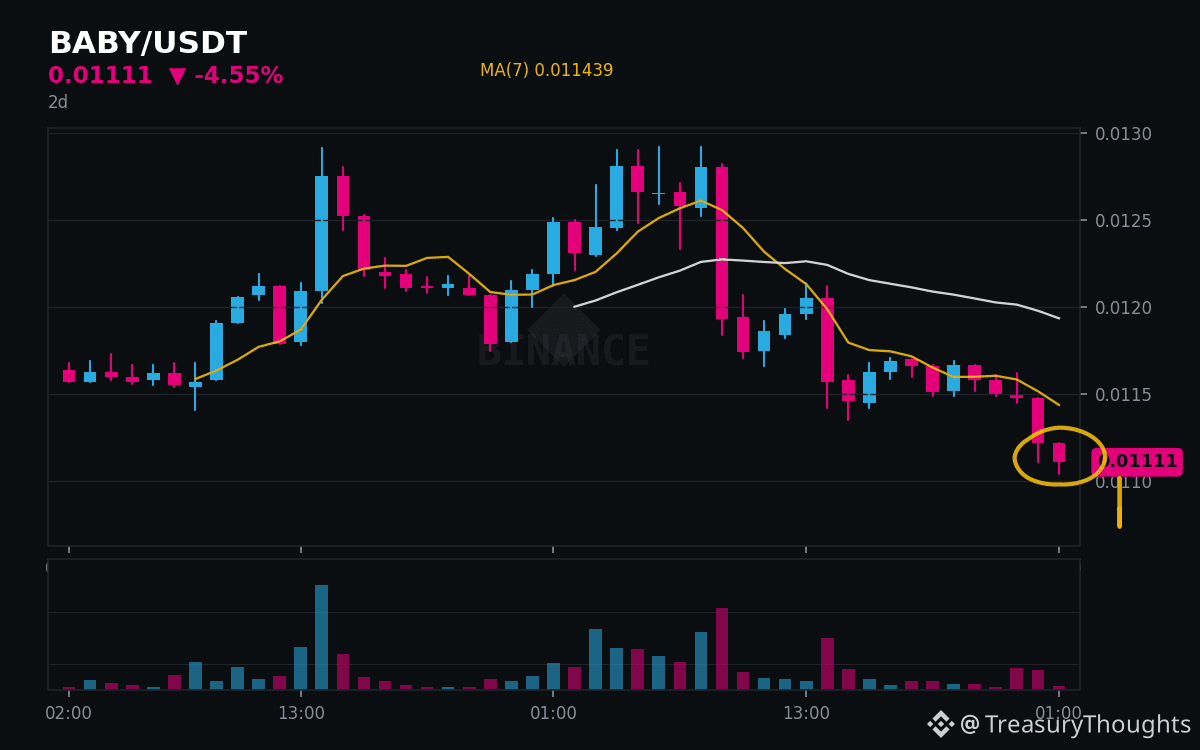
$BABY 下部ドンチアンを破壊、出来高が数倍に。15分足でショートの急反発が始まりそうです📉
🔴 ショート(レンジ下抜け)| ドンチアン・ブレイクアウト
エントリー:0.0111165 - 0.0111611
ストップ:0.0112962
テイク:0.01079
RSI:n/a | スコア:93/100
R:R 1:2.2
情報投稿であり、金融アドバイスではありません。
#BABY #Crypto
$BABY 下部ドンチアンを破壊、出来高が数倍に。15分足でショートの急反発が始まりそうです📉
🔴 ショート(レンジ下抜け)| ドンチアン・ブレイクアウト
エントリー:0.0111165 - 0.0111611
ストップ:0.0112962
テイク:0.01079
RSI:n/a | スコア:93/100
R:R 1:2.2
情報投稿であり、金融アドバイスではありません。
#BABY #Crypto
🔴 ショート(レンジ下抜け)| ドンチアン・ブレイクアウト
エントリー:0.0111165 - 0.0111611
ストップ:0.0112962
テイク:0.01079
RSI:n/a | スコア:93/100
R:R 1:2.2
情報投稿であり、金融アドバイスではありません。
#BABY #Crypto
82
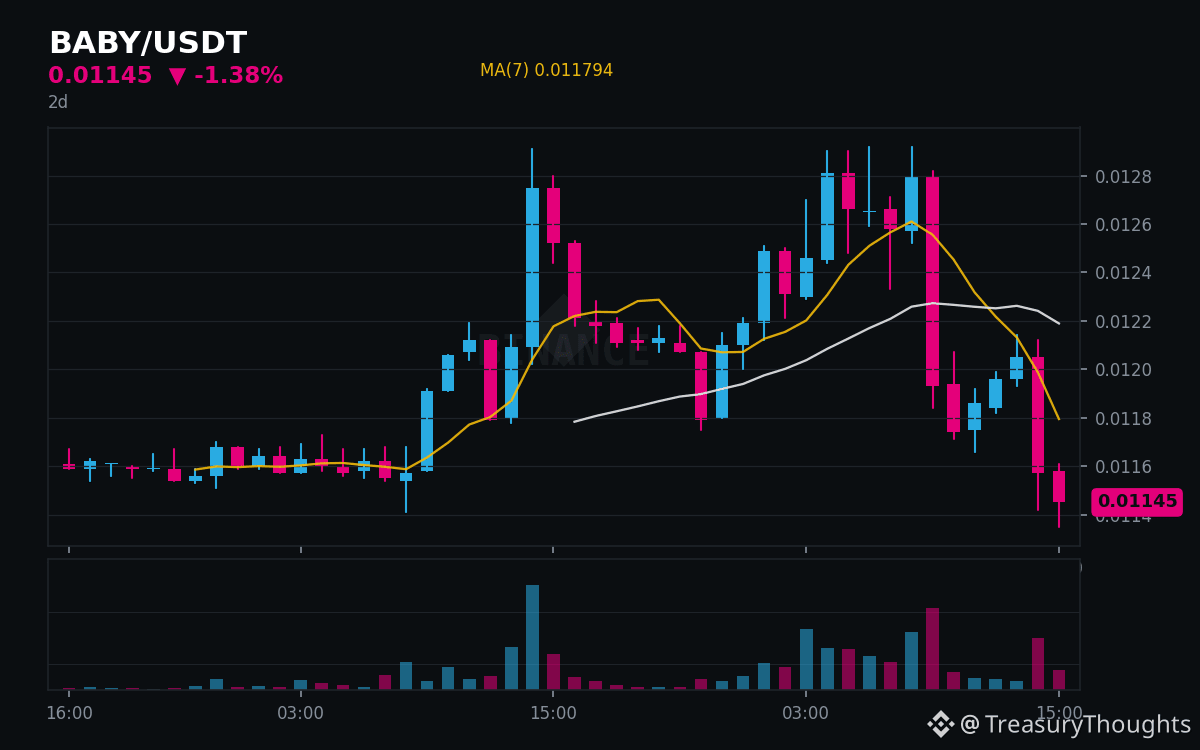
$BABY 急に落ちる、まるで床に落ちた鍋のフタのように。勢いのボリュームが急上昇、ショートはスタートの合図みたいに鳴る 🚀
🔴 ショート(下方向へのレンジブレイク) | ドンチャン・ブレイクアウト
エントリー:0.0114555 - 0.0115015
ストップ:0.0117183
テイク:0.01118
RSI:— | スコア:78/100
R:R 1:1.2
情報提供の投稿であり、投資助言ではありません。
#BABY #CryptoTrading
$BABY 急に落ちる、まるで床に落ちた鍋のフタのように。勢いのボリュームが急上昇、ショートはスタートの合図みたいに鳴る 🚀
🔴 ショート(下方向へのレンジブレイク) | ドンチャン・ブレイクアウト
エントリー:0.0114555 - 0.0115015
ストップ:0.0117183
テイク:0.01118
RSI:— | スコア:78/100
R:R 1:1.2
情報提供の投稿であり、投資助言ではありません。
#BABY #CryptoTrading
🔴 ショート(下方向へのレンジブレイク) | ドンチャン・ブレイクアウト
エントリー:0.0114555 - 0.0115015
ストップ:0.0117183
テイク:0.01118
RSI:— | スコア:78/100
R:R 1:1.2
情報提供の投稿であり、投資助言ではありません。
#BABY #CryptoTrading
11

·
--
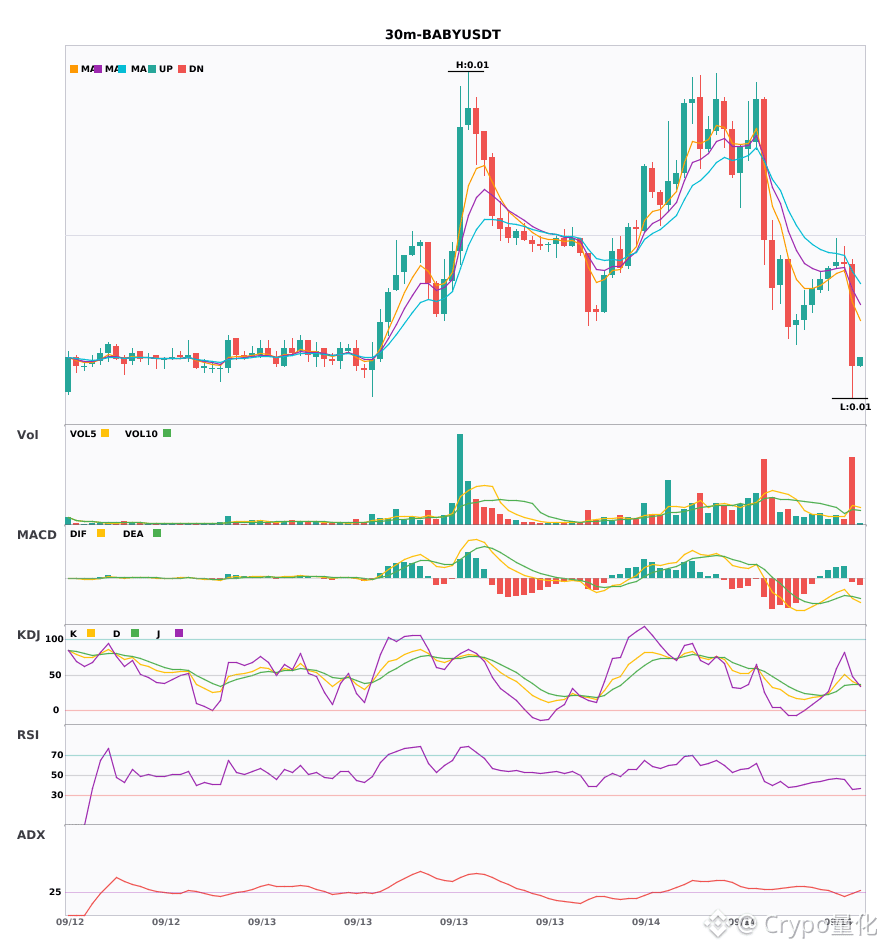
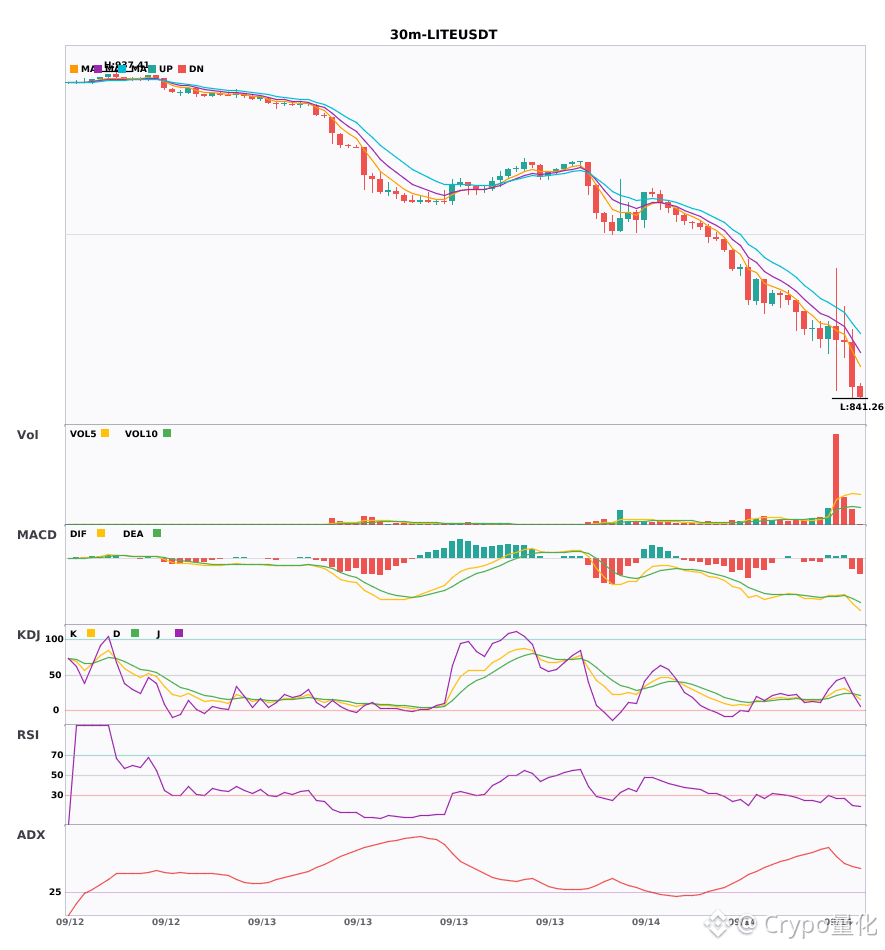
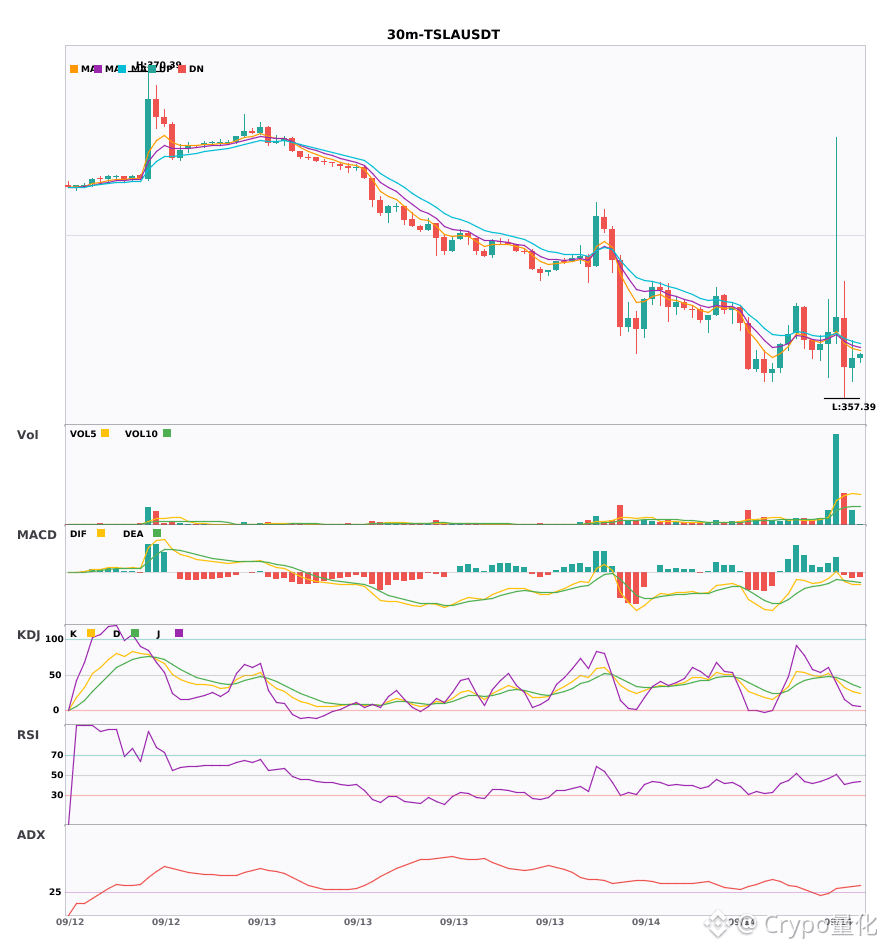
$BABY / $LITE / $TSLA 30分で齐翻空、空売りのサインが同時に赤いランプが点灯🔥
════════════════════
🟢 $BABY 30分 空売りサイン
⚠️テクニカル面:トレンドがちょうど形成されたばかりで追随可能。MACDはゼロ下のデッドクロスで空売りが加速、移動平均線は空売りの並びになって下方向へ分散。KDJは弱気のKがDの下で推移、出来高は4.4倍で空売りが優勢。
════════════════════
🟢 $LITE 30分 空売りサイン
⚠️テクニカル面:MACDはゼロ下のデッドクロスでグリーンのヒストグラムが拡大、移動平均線は下向きに空売りの並び。KDJはデッドクロスで短期的に弱気、出来高は1.6倍。トレンドは強いものの、押し目(調整)に注意。
════════════════════
🟢 $TSLA 30分 空売りサイン
⚠️テクニカル面:ADX(33) 明確なトレンド相場 | MACDはゼロ下のデッドクロスで空売り加速 | EMA5がEMA8を下抜け、短期的に弱気へ | KDJは弱気で推移し、空売りが優勢(Kは33.1 Dは42.1)| 売買高が爆発(6.1倍)
════════════════════
🔔 一次情報の相場変動をチェック 🔔
#技术分析 #BABY #LITE #TSLA
📌 取引時はローソク足の形が条件に合致しているか注意してください
$BABY / $LITE / $TSLA 30分で齐翻空、空売りのサインが同時に赤いランプが点灯🔥
════════════════════
🟢 $BABY 30分 空売りサイン
⚠️テクニカル面:トレンドがちょうど形成されたばかりで追随可能。MACDはゼロ下のデッドクロスで空売りが加速、移動平均線は空売りの並びになって下方向へ分散。KDJは弱気のKがDの下で推移、出来高は4.4倍で空売りが優勢。
════════════════════
🟢 $LITE 30分 空売りサイン
⚠️テクニカル面:MACDはゼロ下のデッドクロスでグリーンのヒストグラムが拡大、移動平均線は下向きに空売りの並び。KDJはデッドクロスで短期的に弱気、出来高は1.6倍。トレンドは強いものの、押し目(調整)に注意。
════════════════════
🟢 $TSLA 30分 空売りサイン
⚠️テクニカル面:ADX(33) 明確なトレンド相場 | MACDはゼロ下のデッドクロスで空売り加速 | EMA5がEMA8を下抜け、短期的に弱気へ | KDJは弱気で推移し、空売りが優勢(Kは33.1 Dは42.1)| 売買高が爆発(6.1倍)
════════════════════
🔔 一次情報の相場変動をチェック 🔔
#技术分析 #BABY #LITE #TSLA
📌 取引時はローソク足の形が条件に合致しているか注意してください
════════════════════
🟢 $BABY 30分 空売りサイン
⚠️テクニカル面:トレンドがちょうど形成されたばかりで追随可能。MACDはゼロ下のデッドクロスで空売りが加速、移動平均線は空売りの並びになって下方向へ分散。KDJは弱気のKがDの下で推移、出来高は4.4倍で空売りが優勢。
════════════════════
🟢 $LITE 30分 空売りサイン
⚠️テクニカル面:MACDはゼロ下のデッドクロスでグリーンのヒストグラムが拡大、移動平均線は下向きに空売りの並び。KDJはデッドクロスで短期的に弱気、出来高は1.6倍。トレンドは強いものの、押し目(調整)に注意。
════════════════════
🟢 $TSLA 30分 空売りサイン
⚠️テクニカル面:ADX(33) 明確なトレンド相場 | MACDはゼロ下のデッドクロスで空売り加速 | EMA5がEMA8を下抜け、短期的に弱気へ | KDJは弱気で推移し、空売りが優勢(Kは33.1 Dは42.1)| 売買高が爆発(6.1倍)
════════════════════
🔔 一次情報の相場変動をチェック 🔔
#技术分析 #BABY #LITE #TSLA
📌 取引時はローソク足の形が条件に合致しているか注意してください
113

·
--
【上昇を見る】
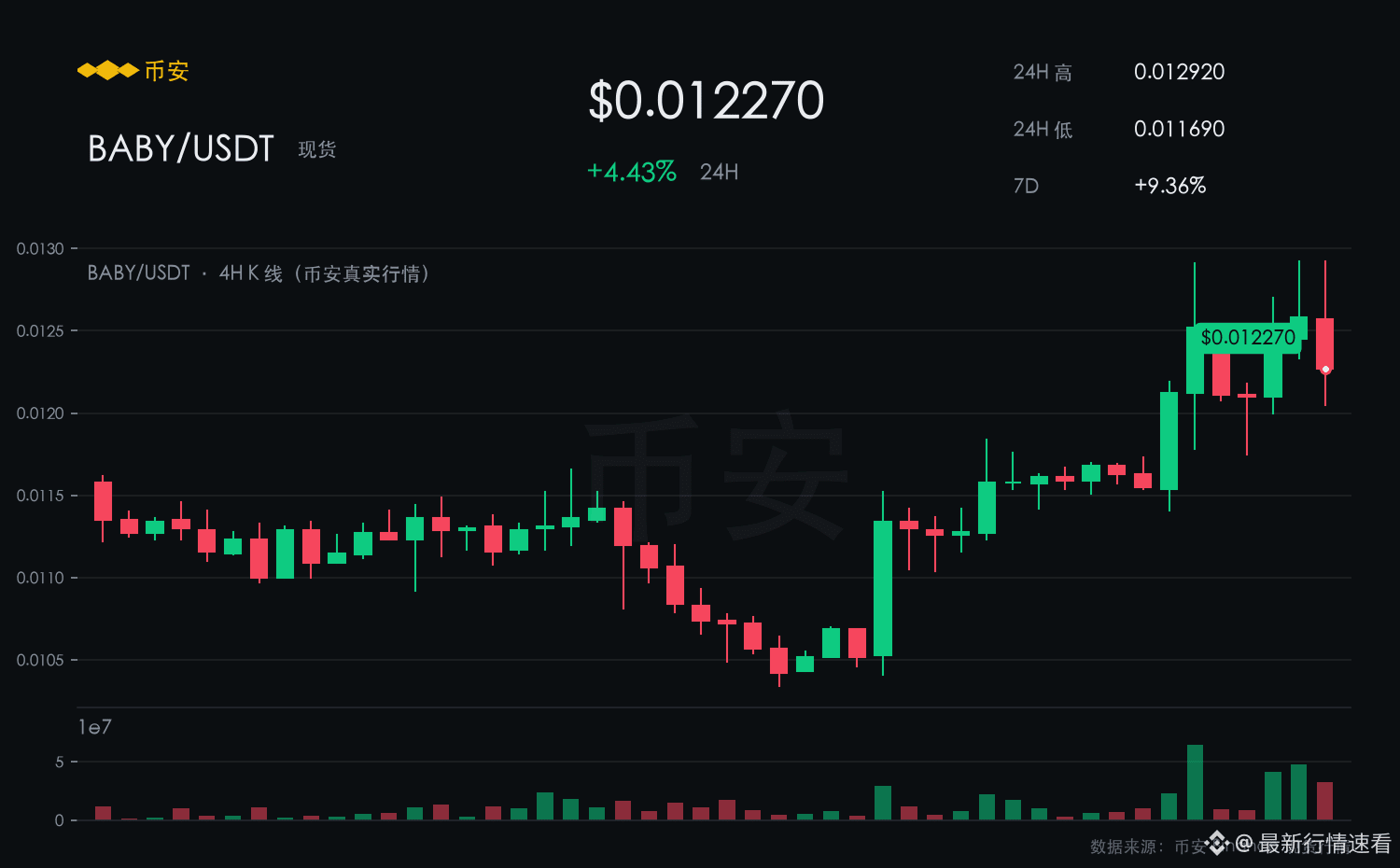
BABY は現在 0.0123 を報告、24 時間で +4.43%、7 日間で +9.36%、日中は 0.0117–0.0129。
下げに従わず上げにも追随しない相場では BABY は逆を行く。24 時間で陽線(赤)なら姿勢あり。
0.0117 を失わない限り、今の調整はすべて強い整理と見なせる。
短期的には上昇寄り。
【上昇理由】
単日の +4.43% は大げさではないが、7 日で 9.36% の傾きが付けば流れは正しい。
リバウンドはまず日中高値 0.0129 を注視。これを有効にブレイクできれば新しい余地が開く。
$BABY #BABY
【上昇を見る】
BABY は現在 0.0123 を報告、24 時間で +4.43%、7 日間で +9.36%、日中は 0.0117–0.0129。
下げに従わず上げにも追随しない相場では BABY は逆を行く。24 時間で陽線(赤)なら姿勢あり。
0.0117 を失わない限り、今の調整はすべて強い整理と見なせる。
短期的には上昇寄り。
【上昇理由】
単日の +4.43% は大げさではないが、7 日で 9.36% の傾きが付けば流れは正しい。
リバウンドはまず日中高値 0.0129 を注視。これを有効にブレイクできれば新しい余地が開く。
$BABY #BABY
BABY は現在 0.0123 を報告、24 時間で +4.43%、7 日間で +9.36%、日中は 0.0117–0.0129。
下げに従わず上げにも追随しない相場では BABY は逆を行く。24 時間で陽線(赤)なら姿勢あり。
0.0117 を失わない限り、今の調整はすべて強い整理と見なせる。
短期的には上昇寄り。
【上昇理由】
単日の +4.43% は大げさではないが、7 日で 9.36% の傾きが付けば流れは正しい。
リバウンドはまず日中高値 0.0129 を注視。これを有効にブレイクできれば新しい余地が開く。
$BABY #BABY
50
$BABY LONG
最近のスイングハイからの動きの中で、買い手は現在のローカル・モメンタムを育てられるのか?
強気派は明確に主導権を奪いにかかっており、状況をコントロールし続けることで、上昇の継続に向けた前提を形成しています。
買いの姿勢が維持されるなら、上昇トレンドは目標に向けて確かな展開を得る可能性が十分あります。
➡️エントリーポイント: 0.011895
🎯テイク1: 0.01200674 (+0.94%)
🎯テイク2: 0.01221948 (+2.73%)
🎯テイク3: 0.01253859 (+5.41%)
🛡保護: 0.01147489 (-3.53%)
⚠️ これは金融アドバイスではありません。自己責任で取引してください。DYOR。
#BABY #Signal #Trade 📈
$BABY
$BABY LONG
最近のスイングハイからの動きの中で、買い手は現在のローカル・モメンタムを育てられるのか?
強気派は明確に主導権を奪いにかかっており、状況をコントロールし続けることで、上昇の継続に向けた前提を形成しています。
買いの姿勢が維持されるなら、上昇トレンドは目標に向けて確かな展開を得る可能性が十分あります。
➡️エントリーポイント: 0.011895
🎯テイク1: 0.01200674 (+0.94%)
🎯テイク2: 0.01221948 (+2.73%)
🎯テイク3: 0.01253859 (+5.41%)
🛡保護: 0.01147489 (-3.53%)
⚠️ これは金融アドバイスではありません。自己責任で取引してください。DYOR。
#BABY #Signal #Trade 📈
$BABY
最近のスイングハイからの動きの中で、買い手は現在のローカル・モメンタムを育てられるのか?
強気派は明確に主導権を奪いにかかっており、状況をコントロールし続けることで、上昇の継続に向けた前提を形成しています。
買いの姿勢が維持されるなら、上昇トレンドは目標に向けて確かな展開を得る可能性が十分あります。
➡️エントリーポイント: 0.011895
🎯テイク1: 0.01200674 (+0.94%)
🎯テイク2: 0.01221948 (+2.73%)
🎯テイク3: 0.01253859 (+5.41%)
🛡保護: 0.01147489 (-3.53%)
⚠️ これは金融アドバイスではありません。自己責任で取引してください。DYOR。
#BABY #Signal #Trade 📈
$BABY
23

⚡ $BABY AND $CTK 2桁の急騰が点火、買いが反撃してくる! 🚀
$BABY が10.5%超で急伸し、$CTK が10.1%のクリーンな上昇で歩調を揃えるなど、相場のモメンタムがあらゆる面で急速に変わりつつあります。📊 注文フローでは、積極的なスポットの吸収が強まっており、主要なレンジの下値(コンソリデーションのフロア)から価格を押し上げています。
複数トークンで同時に2桁のブレイクアウトが発火する場合、スマートマネーは通常、より広いローテーションを先回りしていることが多いです。⚡ 高値の数値を追いかける前に、出来高の継続(ボリュームの継続)に注目してください。💬 次の拡大局面に向けて、あなたはこの2つのどちらのセットアップを支持しますか?👇
⚠️ 金融アドバイスではありません。常にリスク管理を行ってください。🛡️
🏷️ #BABY #CTK #Altcoins #Breakout #Crypto
⚡ 🎯
⚡ $BABY AND $CTK 2桁の急騰が点火、買いが反撃してくる! 🚀
$BABY が10.5%超で急伸し、$CTK が10.1%のクリーンな上昇で歩調を揃えるなど、相場のモメンタムがあらゆる面で急速に変わりつつあります。📊 注文フローでは、積極的なスポットの吸収が強まっており、主要なレンジの下値(コンソリデーションのフロア)から価格を押し上げています。
複数トークンで同時に2桁のブレイクアウトが発火する場合、スマートマネーは通常、より広いローテーションを先回りしていることが多いです。⚡ 高値の数値を追いかける前に、出来高の継続(ボリュームの継続)に注目してください。💬 次の拡大局面に向けて、あなたはこの2つのどちらのセットアップを支持しますか?👇
⚠️ 金融アドバイスではありません。常にリスク管理を行ってください。🛡️
🏷️ #BABY #CTK #Altcoins #Breakout #Crypto
⚡ 🎯
$BABY が10.5%超で急伸し、$CTK が10.1%のクリーンな上昇で歩調を揃えるなど、相場のモメンタムがあらゆる面で急速に変わりつつあります。📊 注文フローでは、積極的なスポットの吸収が強まっており、主要なレンジの下値(コンソリデーションのフロア)から価格を押し上げています。
複数トークンで同時に2桁のブレイクアウトが発火する場合、スマートマネーは通常、より広いローテーションを先回りしていることが多いです。⚡ 高値の数値を追いかける前に、出来高の継続(ボリュームの継続)に注目してください。💬 次の拡大局面に向けて、あなたはこの2つのどちらのセットアップを支持しますか?👇
⚠️ 金融アドバイスではありません。常にリスク管理を行ってください。🛡️
🏷️ #BABY #CTK #Altcoins #Breakout #Crypto
⚡ 🎯

111

⚡ $BABY AND $CTK IGNITE DOUBLE-DIGIT SURGES AS BUYERS STEP UP! 💥
$BABY が10.53%の動きを刻み、$CTK が直後に10.17%の上昇で追随しているため、注文フローが急速に変化しています。📊 強気の指値が上方の売り板(レジスタンス)を飲み込むように入ってきており、両方の板で買い手が主導権を握っていることを示唆します。
⚡ モメンタムが連続して“ダブルディジット(2桁)”のインパルスを出す局面では、賢い資金は最初の拡張を利用して、次の継続局面に入る前にブレイクアウトを仕掛けることがよくあります。💡 ボリュームに裏付けられたレベル転換(フリップ)を待つことで、確信度の高いエントリーと、遅れて飛びつくローソク足追随を分けられます。
💬 あなたは$BABY and $CTK のモメンタム・リテストに指値していきますか?それとも日足の確定を待ちますか?👇
⚠️ これは金融助言ではありません。必ずリスクを管理してください。🛡️
🏷️ #BABY #CTK #Altcoins #Momentum #Crypto
🔥 ⚡
⚡ $BABY AND $CTK IGNITE DOUBLE-DIGIT SURGES AS BUYERS STEP UP! 💥
$BABY が10.53%の動きを刻み、$CTK が直後に10.17%の上昇で追随しているため、注文フローが急速に変化しています。📊 強気の指値が上方の売り板(レジスタンス)を飲み込むように入ってきており、両方の板で買い手が主導権を握っていることを示唆します。
⚡ モメンタムが連続して“ダブルディジット(2桁)”のインパルスを出す局面では、賢い資金は最初の拡張を利用して、次の継続局面に入る前にブレイクアウトを仕掛けることがよくあります。💡 ボリュームに裏付けられたレベル転換(フリップ)を待つことで、確信度の高いエントリーと、遅れて飛びつくローソク足追随を分けられます。
💬 あなたは$BABY and $CTK のモメンタム・リテストに指値していきますか?それとも日足の確定を待ちますか?👇
⚠️ これは金融助言ではありません。必ずリスクを管理してください。🛡️
🏷️ #BABY #CTK #Altcoins #Momentum #Crypto
🔥 ⚡
$BABY が10.53%の動きを刻み、$CTK が直後に10.17%の上昇で追随しているため、注文フローが急速に変化しています。📊 強気の指値が上方の売り板(レジスタンス)を飲み込むように入ってきており、両方の板で買い手が主導権を握っていることを示唆します。
⚡ モメンタムが連続して“ダブルディジット(2桁)”のインパルスを出す局面では、賢い資金は最初の拡張を利用して、次の継続局面に入る前にブレイクアウトを仕掛けることがよくあります。💡 ボリュームに裏付けられたレベル転換(フリップ)を待つことで、確信度の高いエントリーと、遅れて飛びつくローソク足追随を分けられます。
💬 あなたは$BABY and $CTK のモメンタム・リテストに指値していきますか?それとも日足の確定を待ちますか?👇
⚠️ これは金融助言ではありません。必ずリスクを管理してください。🛡️
🏷️ #BABY #CTK #Altcoins #Momentum #Crypto
🔥 ⚡

44
ログインして、さらにコンテンツを読む
厳選トピックで世界の暗号資産トレーダーの仲間入り
⚡️ 暗号資産に関する最新かつ有益な情報が見つかります。
💬 世界最大の暗号資産取引所から信頼されています。
👍 認証を受けたクリエイターから、有益なインサイトを得られます。
メール / 電話番号
トレンドトピック
1
#BTCBreaks80K
閲覧回数 50,246
1,239人が討論中
2
#比特币突破8万
閲覧回数 53,060
180人が討論中
3
#BuffettBecomesBerkshireChairmanEmeritus
閲覧回数 10,567
421人が討論中
4
#ZcashSpotETFTops$230MMonthlyInflow
閲覧回数 3,282
63人が討論中
5
#HYPEJumpsOver11%
閲覧回数 53,162
1,009人が討論中
6
#ZcashDevelopersTargetNU7MainnetActivationNov5
閲覧回数 22,994
480人が討論中
7
#BitcoinSpotETFsNetInflow$159M
閲覧回数 20,162
98人が討論中
8
#HKMAPlansWholesaleCBDCByYearEnd
閲覧回数 40,504
886人が討論中
9
#NEARSurges26%Past$3.45
閲覧回数 20,183
147人が討論中
10
#BOJHikesRatesTo31YearHigh
閲覧回数 71,177
1,275人が討論中