
#1688
1688
閲覧回数 16,553
149人が討論中
注目
最新


·
--
$BR 今日は大きな打撃を受け、プラットフォーム上の主要な敗者の一人として転落中!📉 価格を押し下げる強い下方向の圧力が続いています――安定化の兆しや反発の可能性がないか、重要なサポート水準を注意深く確認してください!📉🔴
$BR #BR #AmberSahi #1688
{future}(BRUSDT)
$BR 今日は大きな打撃を受け、プラットフォーム上の主要な敗者の一人として転落中!📉 価格を押し下げる強い下方向の圧力が続いています――安定化の兆しや反発の可能性がないか、重要なサポート水準を注意深く確認してください!📉🔴
$BR #BR #AmberSahi #1688
$BR #BR #AmberSahi #1688
1
166
·
--
$ON は完全に爆発しました! 大幅な強気の急騰で値動きをハイパードライブへ押し上げています——この爆発的な動きを支える巨大な買い注文量。 継続か、新しくブレイクした水準のリテストに注目してください。ただし勢いは現在、飛び抜けてすさまじいです! 📈🚀💥
$ON #ON #AmberSahi #1688
{future}(ONUSDT)
$ON は完全に爆発しました! 大幅な強気の急騰で値動きをハイパードライブへ押し上げています——この爆発的な動きを支える巨大な買い注文量。 継続か、新しくブレイクした水準のリテストに注目してください。ただし勢いは現在、飛び抜けてすさまじいです! 📈🚀💥
$ON #ON #AmberSahi #1688
$ON #ON #AmberSahi #1688
1
84
·
--
$SYN 極端なボラティリティと高い変動を示しています!価格アクションは依然としてリスクが高く、急激な値動きが続きます—リスクを慎重に管理し、市場心理が急速に変化する中で重要な水準をよく確認してください! ⚠️📉🚀
$SYN #SYN #AmberSahi #1688
$SYN 極端なボラティリティと高い変動を示しています!価格アクションは依然としてリスクが高く、急激な値動きが続きます—リスクを慎重に管理し、市場心理が急速に変化する中で重要な水準をよく確認してください! ⚠️📉🚀
$SYN #SYN #AmberSahi #1688
$SYN #SYN #AmberSahi #1688
1
202
·
--
$BULLA 286.3 USDT(30日間の取引)
$BULLA ロング10倍のセットアップを重要な需要ゾーンで準備中!📈
取引プラン:
• エントリー: 0.08481 – 0.08744
• 目標: 0.10032 | 0.10979 | 0.12399
• SL: 0.06719
1Dの構造は依然として強気で、出来高のペースも強い。ゾーンでエントリーするのか、それともレジスタンス上での確認を待つのか?🚀💥
$BULLA $BULLA #BULLA #AmberSahi #1688
$BULLA ロング10倍のセットアップを重要な需要ゾーンで準備中!📈
取引プラン:
• エントリー: 0.08481 – 0.08744
• 目標: 0.10032 | 0.10979 | 0.12399
• SL: 0.06719
1Dの構造は依然として強気で、出来高のペースも強い。ゾーンでエントリーするのか、それともレジスタンス上での確認を待つのか?🚀💥
$BULLA $BULLA #BULLA #AmberSahi #1688
取引プラン:
• エントリー: 0.08481 – 0.08744
• 目標: 0.10032 | 0.10979 | 0.12399
• SL: 0.06719
1Dの構造は依然として強気で、出来高のペースも強い。ゾーンでエントリーするのか、それともレジスタンス上での確認を待つのか?🚀💥
$BULLA $BULLA #BULLA #AmberSahi #1688
154
·
--
$BR 報酬を見逃さないで—あらゆる利回りが重要です!$BR のステーキングおよびプロトコルのインセンティブは、まさにそこに用意されています。💰
あなたの金銭価値の報酬を受け取ることが、長期的なポジションを築きます。増える前に、あらゆるチャンスに注目しましょう!📈🚀
$BR #BR #AmberSahi #1688
$BR 報酬を見逃さないで—あらゆる利回りが重要です!$BR のステーキングおよびプロトコルのインセンティブは、まさにそこに用意されています。💰
あなたの金銭価値の報酬を受け取ることが、長期的なポジションを築きます。増える前に、あらゆるチャンスに注目しましょう!📈🚀
$BR #BR #AmberSahi #1688
あなたの金銭価値の報酬を受け取ることが、長期的なポジションを築きます。増える前に、あらゆるチャンスに注目しましょう!📈🚀
$BR #BR #AmberSahi #1688
252
·
--
$BTC 市場をリードする先頭集団として、暗号資産の王が調子を整え、勢いが一気に加速!あらゆる面で大きな買い需要が強まり、強力なモメンタムが積み上がってきています。次の主要なブレイクアウトの波に向けて、重要なレジスタンスをしっかり注視!📈🚀💥
$BTC #BTC #AMBERSAHI #1688
{future}(BTCUSDT)
$BTC 市場をリードする先頭集団として、暗号資産の王が調子を整え、勢いが一気に加速!あらゆる面で大きな買い需要が強まり、強力なモメンタムが積み上がってきています。次の主要なブレイクアウトの波に向けて、重要なレジスタンスをしっかり注視!📈🚀💥
$BTC #BTC #AMBERSAHI #1688
$BTC #BTC #AMBERSAHI #1688
19

·
--
今の暗号資産界はみんな今夜の深夜の結果を待っている!!!
結局、利下げなのか利上げなのか?#1688
今の暗号資産界はみんな今夜の深夜の結果を待っている!!!
結局、利下げなのか利上げなのか?#1688
結局、利下げなのか利上げなのか?#1688

Jerry Miky:
1+1=?
915
17
42
915
·
--
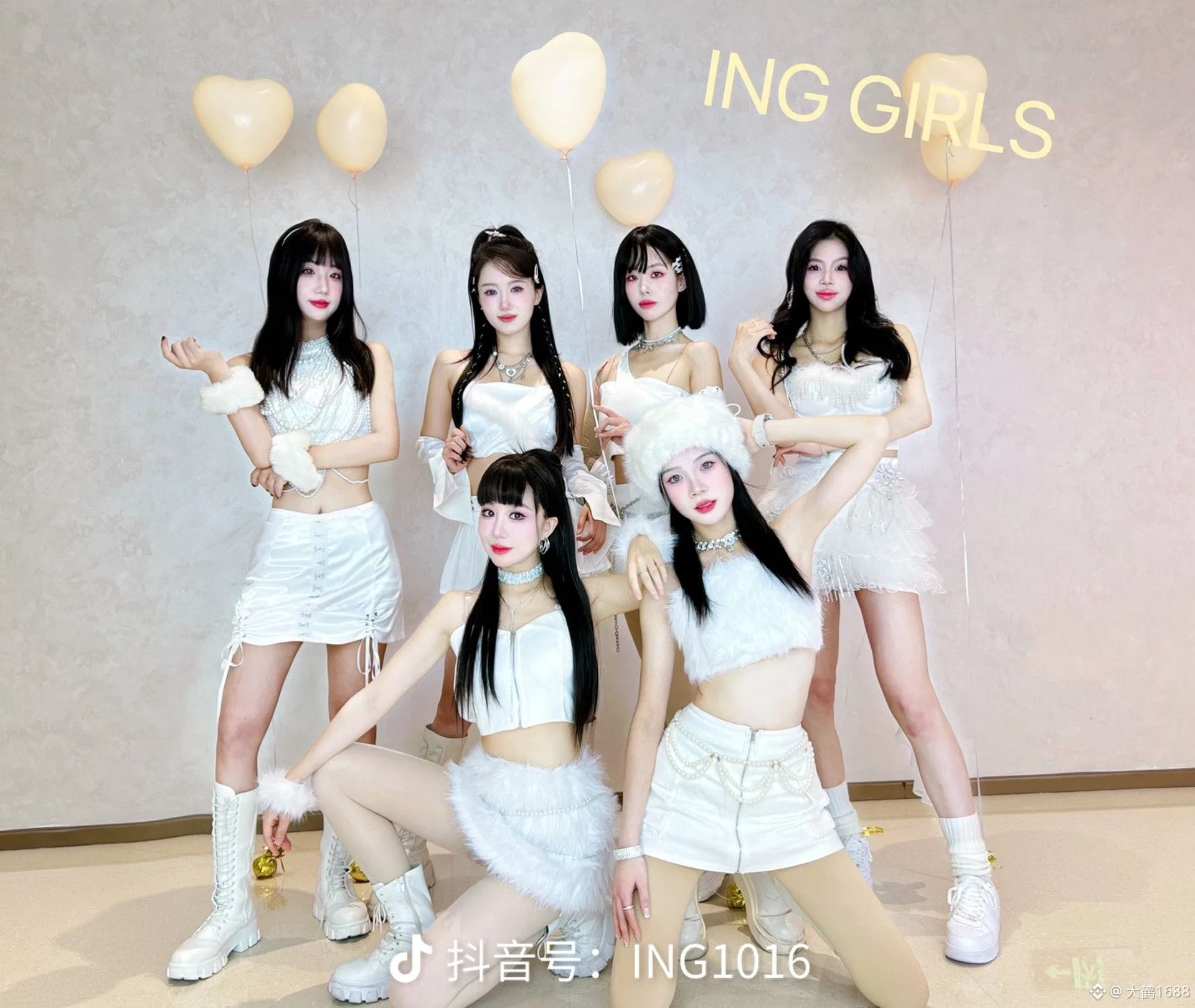
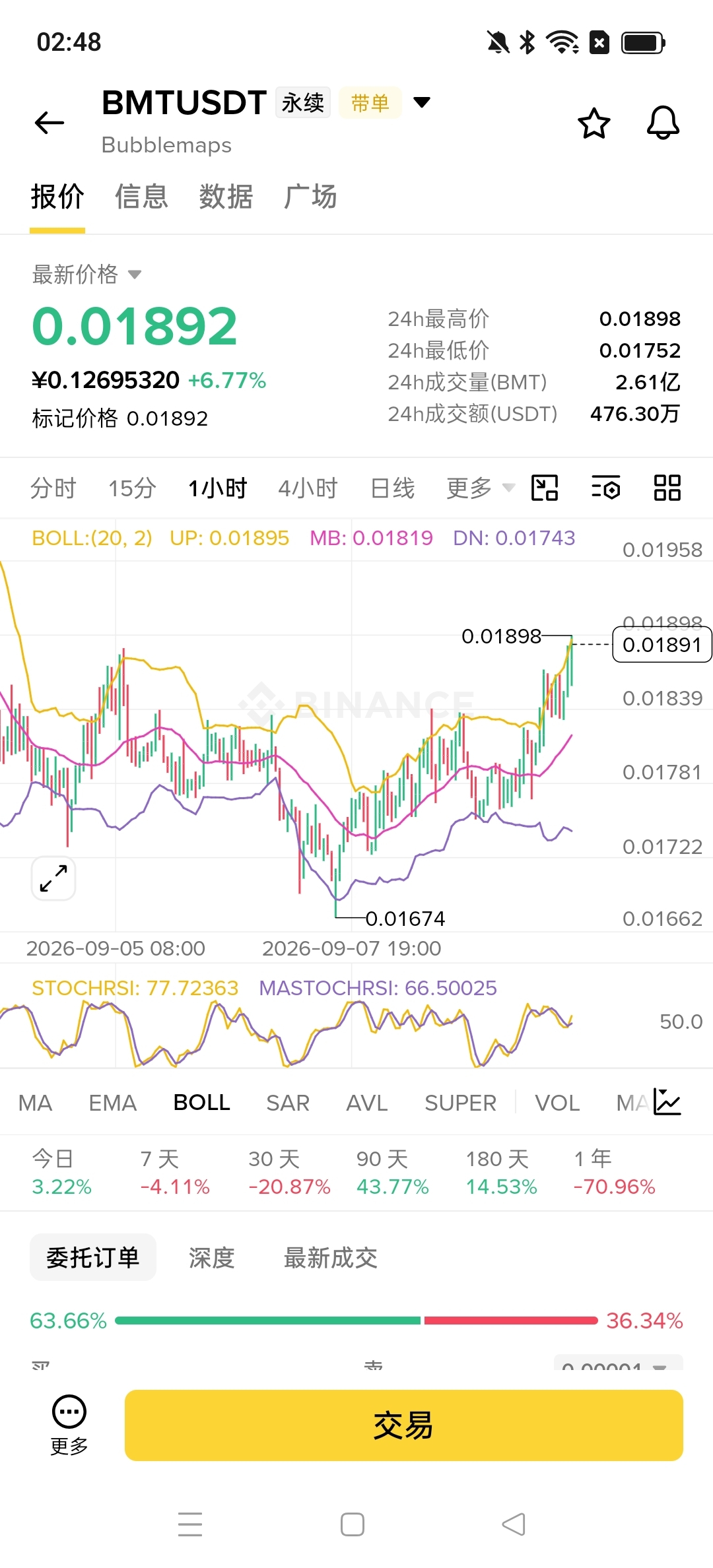
コインが下がっても、千万(千万)を抱えて文句を言わないで。文句を言うのは、あなたがあまり行動していないからです。行動していないのに、上がることを望むなんて、上がらないなら「自分自身の原因では?」と思いませんか?コイン取引は心の持ち方でもあります。何もしないなら、もっと交流して、自分の資産に力(エンパワー)を与えてください。ポジティブなエネルギー。あなたが保有しているコインが、あなたの力によって上向くことを願っています🛫🛫🛫#1688
コインが下がっても、千万(千万)を抱えて文句を言わないで。文句を言うのは、あなたがあまり行動していないからです。行動していないのに、上がることを望むなんて、上がらないなら「自分自身の原因では?」と思いませんか?コイン取引は心の持ち方でもあります。何もしないなら、もっと交流して、自分の資産に力(エンパワー)を与えてください。ポジティブなエネルギー。あなたが保有しているコインが、あなたの力によって上向くことを願っています🛫🛫🛫#1688
kgooonka:
赋能
325
9
33
371


·
--
今日は教師の日!!!まずは㊗️世界中の先生方、教師の日おめでとうございます!!!
私の中医推拿の入門を教えてくれた先生に感謝します!!!
学校で私に知識を教えてくれた先生方に感謝します!!!
私のライバルに感謝します、私に良くしてくれなかった人にも感謝します!!!
仮想通貨(暗号資産)業界の先生方に感謝します!!!
#1688
今日は教師の日!!!まずは㊗️世界中の先生方、教師の日おめでとうございます!!!
私の中医推拿の入門を教えてくれた先生に感謝します!!!
学校で私に知識を教えてくれた先生方に感謝します!!!
私のライバルに感謝します、私に良くしてくれなかった人にも感謝します!!!
仮想通貨(暗号資産)業界の先生方に感謝します!!!
#1688
私の中医推拿の入門を教えてくれた先生に感謝します!!!
学校で私に知識を教えてくれた先生方に感謝します!!!
私のライバルに感謝します、私に良くしてくれなかった人にも感謝します!!!
仮想通貨(暗号資産)業界の先生方に感謝します!!!
#1688

BTC OTW 20K:
教师节
1.5k
8
73
1.5k
·
--
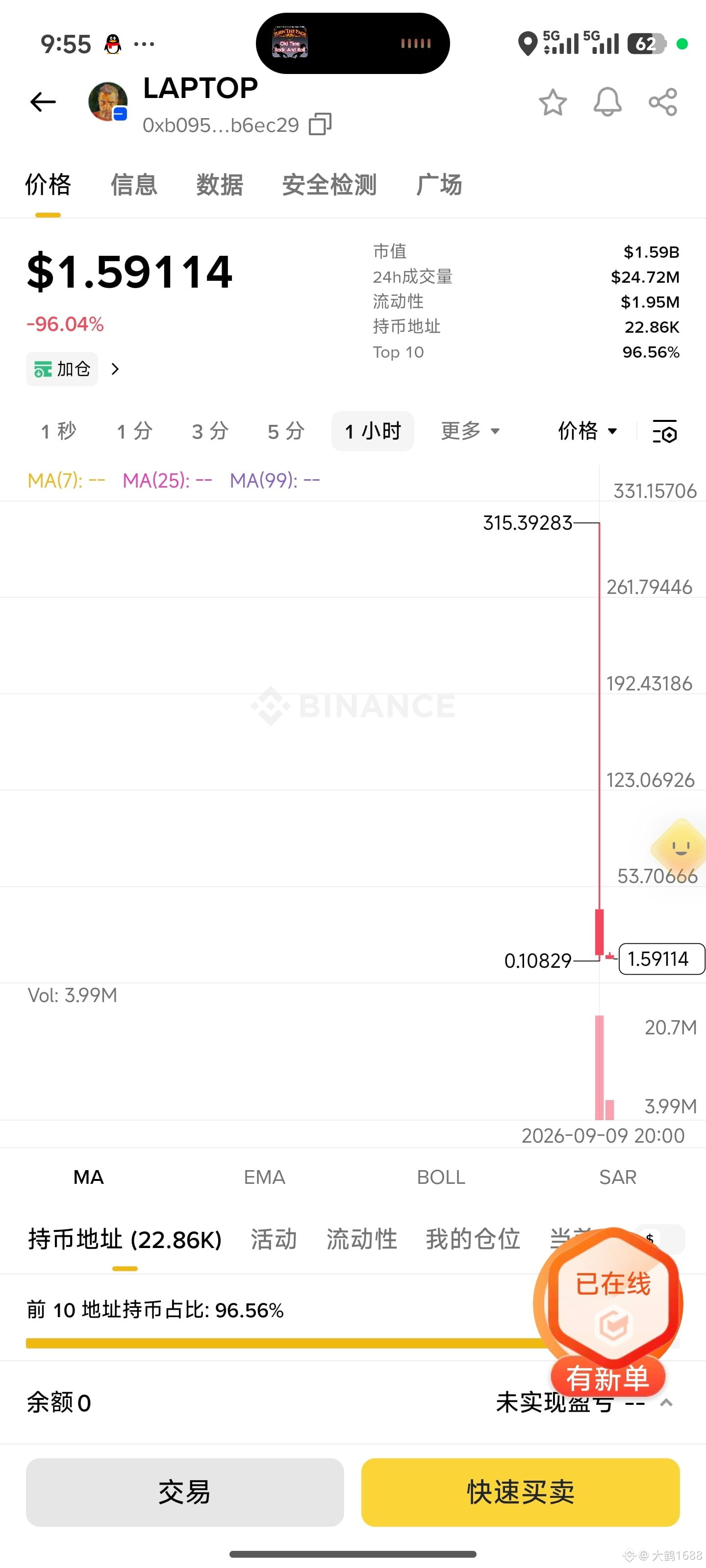
LAPTOP
このコインは、この一言でしか形容できない。
騙されてまた騙されて、似て非なる騙され方。
損してまた損して、損するたびに身をもって体験してきた。
みんな誰が買ったの?コメント欄に#1688 って書いてください
LAPTOP
このコインは、この一言でしか形容できない。
騙されてまた騙されて、似て非なる騙され方。
損してまた損して、損するたびに身をもって体験してきた。
みんな誰が買ったの?コメント欄に#1688 って書いてください
このコインは、この一言でしか形容できない。
騙されてまた騙されて、似て非なる騙され方。
損してまた損して、損するたびに身をもって体験してきた。
みんな誰が買ったの?コメント欄に#1688 って書いてください
khalednour65 :
2
3k
5
119
3k
·
--
みなさんおやすみなさい!🌙 そろそろ電源を落として、リラックスして、充電しましょう。みなさんが穏やかな安らぎの時間を過ごし、明日は明るくエネルギッシュにスタートできますように。ゆっくり休んでください!✨$CNPY $FROGGIE $RICE #1688 #AmberSahi
みなさんおやすみなさい!🌙 そろそろ電源を落として、リラックスして、充電しましょう。みなさんが穏やかな安らぎの時間を過ごし、明日は明るくエネルギッシュにスタートできますように。ゆっくり休んでください!✨$CNPY $FROGGIE $RICE #1688 #AmberSahi
2
489
·
--
こんにちは、皆さん!今日が順調に進んでいることを願っています。少しだけ休んで気持ちをリフレッシュし、目標に集中して、このあとの時間も力強く締めくくりましょう!✨💚💚💚
$DOOD $Freedom of Money $黑马 #RussiaUkraine72-hourCeasefire #1688 #AmberSahi
{alpha}(560xf9c6e80e9a5807a1214a79449009b48104f94444)
{alpha}(560x722294f6c97102fb0ddb5b907c8d16bdeab3f6d9)
こんにちは、皆さん!今日が順調に進んでいることを願っています。少しだけ休んで気持ちをリフレッシュし、目標に集中して、このあとの時間も力強く締めくくりましょう!✨💚💚💚
$DOOD $Freedom of Money $黑马 #RussiaUkraine72-hourCeasefire #1688 #AmberSahi
$DOOD $Freedom of Money $黑马 #RussiaUkraine72-hourCeasefire #1688 #AmberSahi
2.4k
·
--
翻訳参照
$JELLYJELLY is riding a massive wave of momentum!
Bulls are taking control as $JELLYJELLY breaks past resistance with surging volume and strong market interest. Buyers are stepping up, signaling potential for further upside. Watch key support levels and ride the breakout! 📈🔥 #JELLYJELLY $DOOD #1688 #EightChineseFinancialFirmsRaise360BYuan
$JELLYJELLY is riding a massive wave of momentum!
Bulls are taking control as $JELLYJELLY breaks past resistance with surging volume and strong market interest. Buyers are stepping up, signaling potential for further upside. Watch key support levels and ride the breakout! 📈🔥 #JELLYJELLY $DOOD #1688 #EightChineseFinancialFirmsRaise360BYuan
Bulls are taking control as $JELLYJELLY breaks past resistance with surging volume and strong market interest. Buyers are stepping up, signaling potential for further upside. Watch key support levels and ride the breakout! 📈🔥 #JELLYJELLY $DOOD #1688 #EightChineseFinancialFirmsRaise360BYuan
170
·
--
$BULLA 43.5 USDT(30日間の取引)
212
ログインして、さらにコンテンツを読む
厳選トピックで世界の暗号資産トレーダーの仲間入り
⚡️ 暗号資産に関する最新かつ有益な情報が見つかります。
💬 世界最大の暗号資産取引所から信頼されています。
👍 認証を受けたクリエイターから、有益なインサイトを得られます。
メール / 電話番号
トレンドトピック
1
#ElSalvadorBTCHoldingsRiseTo7777
閲覧回数 1,983
82人が討論中
2
#MemeLaunchpads82%OfArcDayOneVolume
閲覧回数 10,748
307人が討論中
3
#OstiumLoanDisputeHearingSetInNYFederalCourt
閲覧回数 10,939
261人が討論中
4
#HyperliquidUSDCSupplyOvertakesSolana
閲覧回数 1,668
87人が討論中
5
#SKPoliceRefer18PolymarketUsersToProsecutors
閲覧回数 8,447
265人が討論中
6
#FedSEPProjects2026RateAt4.1%
閲覧回数 20,702
369人が討論中
7
#USHouseAdvancesBitcoinReserveBill
閲覧回数 10,570
247人が討論中
8
#AmazonGetsWarrantsToBuyGeneracStock
閲覧回数 10,233
224人が討論中
9
#DotPlotSignalsOneMoreHikeIn2026
閲覧回数 35,085
616人が討論中
10
#RobinhoodToSupportCircleArcNetwork
閲覧回数 12,461
229人が討論中