
jujucrypt
1.3k Posts

jujucrypt
Report
Block User
just here to learn and share ideas
Open Trade
Occasional Trader
4.8 Years
25 Following
1.5K+ Followers
8.0K+ Liked
Posts
Portfolio
All
Quotes
·
--
$SUI and the $XRP Ledger are showing some interesting stablecoin growth this week.
Sui’s stablecoin market cap grew 5.2%, while XRPL jumped 11.3% and crossed the $1B mark.
It reminds me of something simple: when you make something easier to use, you create more value. And when you keep making it better, that value can compound.
That’s part of what I’ve been watching with STON.fi and Omniston.
Omniston just passed $3M+ in all-time cross-chain swap volume. 🚀
$3M is a great start to the journey enough distance to make the Moon and back almost four times.
Still early, but it’s interesting to see cross-chain swaps gradually becoming a bigger part of how liquidity moves across ecosystems.
And honestly, making that experience simpler is where a lot of the value lies.
#Ripple
$SUI and the $XRP Ledger are showing some interesting stablecoin growth this week.
Sui’s stablecoin market cap grew 5.2%, while XRPL jumped 11.3% and crossed the $1B mark.
It reminds me of something simple: when you make something easier to use, you create more value. And when you keep making it better, that value can compound.
That’s part of what I’ve been watching with STON.fi and Omniston.
Omniston just passed $3M+ in all-time cross-chain swap volume. 🚀
$3M is a great start to the journey enough distance to make the Moon and back almost four times.
Still early, but it’s interesting to see cross-chain swaps gradually becoming a bigger part of how liquidity moves across ecosystems.
And honestly, making that experience simpler is where a lot of the value lies.
#Ripple
Sui’s stablecoin market cap grew 5.2%, while XRPL jumped 11.3% and crossed the $1B mark.
It reminds me of something simple: when you make something easier to use, you create more value. And when you keep making it better, that value can compound.
That’s part of what I’ve been watching with STON.fi and Omniston.
Omniston just passed $3M+ in all-time cross-chain swap volume. 🚀
$3M is a great start to the journey enough distance to make the Moon and back almost four times.
Still early, but it’s interesting to see cross-chain swaps gradually becoming a bigger part of how liquidity moves across ecosystems.
And honestly, making that experience simpler is where a lot of the value lies.
#Ripple

1
2
6.2k
·
--
Verified
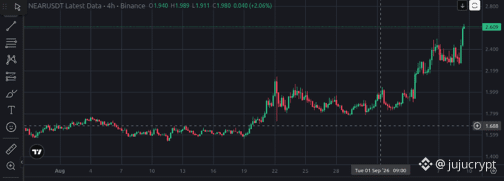
$NEAR is starting to pick up again
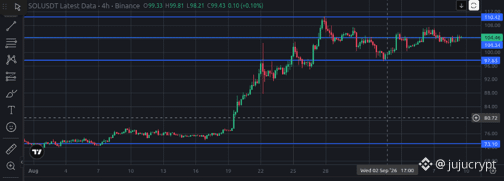
Still keeping $SOL on my watchlist too. Feels like that big move could still come, so I’m not sleeping on it yet.
While checking what’s moving, I also noticed an interesting update on the TON side.
Omniston now supports the latest DeDust v2 and Tonco v2 pools.
Small update on the surface, but I like what it means for swaps. There are now more TON liquidity sources for Omniston to compare when finding a route.
So instead of manually jumping between pools trying to figure out where you might get better execution, the routing happens in the background.
It’s these little infrastructure upgrades that usually don’t get much attention, but they can make a noticeable difference as TON liquidity keeps growing.
Anyway, back to the charts
NEAR and SOL are still on my radar.
$NEAR is starting to pick up again
Still keeping $SOL on my watchlist too. Feels like that big move could still come, so I’m not sleeping on it yet.
While checking what’s moving, I also noticed an interesting update on the TON side.
Omniston now supports the latest DeDust v2 and Tonco v2 pools.
Small update on the surface, but I like what it means for swaps. There are now more TON liquidity sources for Omniston to compare when finding a route.
So instead of manually jumping between pools trying to figure out where you might get better execution, the routing happens in the background.
It’s these little infrastructure upgrades that usually don’t get much attention, but they can make a noticeable difference as TON liquidity keeps growing.
Anyway, back to the charts
NEAR and SOL are still on my radar.
Still keeping $SOL on my watchlist too. Feels like that big move could still come, so I’m not sleeping on it yet.
While checking what’s moving, I also noticed an interesting update on the TON side.
Omniston now supports the latest DeDust v2 and Tonco v2 pools.
Small update on the surface, but I like what it means for swaps. There are now more TON liquidity sources for Omniston to compare when finding a route.
So instead of manually jumping between pools trying to figure out where you might get better execution, the routing happens in the background.
It’s these little infrastructure upgrades that usually don’t get much attention, but they can make a noticeable difference as TON liquidity keeps growing.
Anyway, back to the charts
NEAR and SOL are still on my radar.
2
5.8k
·
--
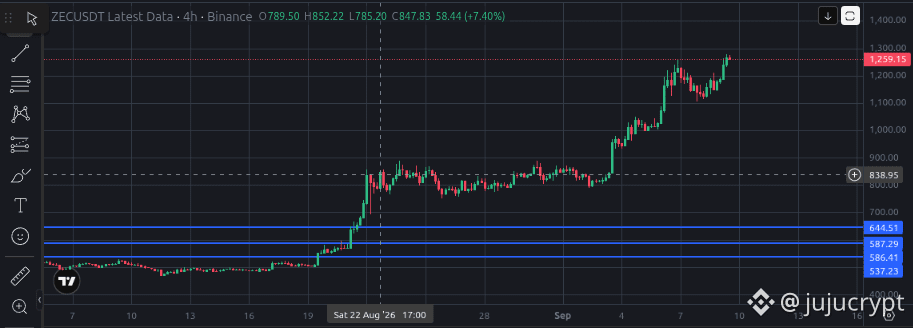
Imagine putting $32K into $ZEC exactly one year ago and waking up a millionaire today.
ZEC is up roughly 3,000% over the past year.
Crazy move. This is why I keep reminding myself that there’s always something happening in crypto if you’re actually paying attention.
Meanwhile, on the STONfi side, there’s an interesting one currently running
“One Swap. Across Chains” is now open for the waitlist.
It’s a guided cross-chain exploration campaign where you can complete interactive missions, collect miles and potentially unlock weekly rewards later on.
And if you join the waitlist early, you get 1,000 bonus miles.
I’m definitely keeping an eye on this one.
The market gives you the crazy price moves, while the ecosystem keeps quietly building underneath it.
#zec
Imagine putting $32K into $ZEC exactly one year ago and waking up a millionaire today.
ZEC is up roughly 3,000% over the past year.
Crazy move. This is why I keep reminding myself that there’s always something happening in crypto if you’re actually paying attention.
Meanwhile, on the STONfi side, there’s an interesting one currently running
“One Swap. Across Chains” is now open for the waitlist.
It’s a guided cross-chain exploration campaign where you can complete interactive missions, collect miles and potentially unlock weekly rewards later on.
And if you join the waitlist early, you get 1,000 bonus miles.
I’m definitely keeping an eye on this one.
The market gives you the crazy price moves, while the ecosystem keeps quietly building underneath it.
#zec
ZEC is up roughly 3,000% over the past year.
Crazy move. This is why I keep reminding myself that there’s always something happening in crypto if you’re actually paying attention.
Meanwhile, on the STONfi side, there’s an interesting one currently running
“One Swap. Across Chains” is now open for the waitlist.
It’s a guided cross-chain exploration campaign where you can complete interactive missions, collect miles and potentially unlock weekly rewards later on.
And if you join the waitlist early, you get 1,000 bonus miles.
I’m definitely keeping an eye on this one.
The market gives you the crazy price moves, while the ecosystem keeps quietly building underneath it.
#zec
5
7
13k
·
--
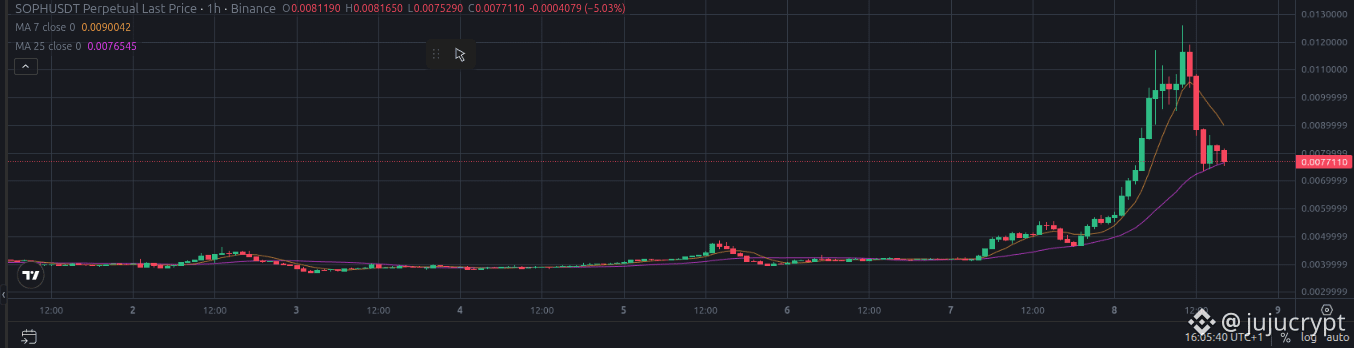
$SOPH has been one of the top runners today
Got my eyes on the chart to see if this momentum can hold. $USELESS is also still on my radar honestly, I’m starting to wonder if this is one of those early moves that people only recognize later.
Reminds me a bit of how $PEPE started getting attention before the bigger move came.
Meanwhile, if you’re looking for some DeFi activity on TON, here are a few STON.fi farms I’m watching this week:
🔥 USD₮/JETTON — ~93% APR
🔥 GRAM/JETTON — ~54% APR
🔥 STON/USD₮ — ~14% APR
⚡ STON/USD₮ Boost Farm — ~27% APR
Obviously, APRs move and high APR doesn’t mean guaranteed returns. The token price, liquidity and impermanent-loss risk still matter.
Still, it’s interesting seeing the trading side and DeFi side of TON picking up at the same time.
$SOPH, USELESS and $GRAM farms on the watchlist
$SOPH has been one of the top runners today
Got my eyes on the chart to see if this momentum can hold. $USELESS is also still on my radar honestly, I’m starting to wonder if this is one of those early moves that people only recognize later.
Reminds me a bit of how $PEPE started getting attention before the bigger move came.
Meanwhile, if you’re looking for some DeFi activity on TON, here are a few STON.fi farms I’m watching this week:
🔥 USD₮/JETTON — ~93% APR
🔥 GRAM/JETTON — ~54% APR
🔥 STON/USD₮ — ~14% APR
⚡ STON/USD₮ Boost Farm — ~27% APR
Obviously, APRs move and high APR doesn’t mean guaranteed returns. The token price, liquidity and impermanent-loss risk still matter.
Still, it’s interesting seeing the trading side and DeFi side of TON picking up at the same time.
$SOPH , USELESS and $GRAM farms on the watchlist
Got my eyes on the chart to see if this momentum can hold. $USELESS is also still on my radar honestly, I’m starting to wonder if this is one of those early moves that people only recognize later.
Reminds me a bit of how $PEPE started getting attention before the bigger move came.
Meanwhile, if you’re looking for some DeFi activity on TON, here are a few STON.fi farms I’m watching this week:
🔥 USD₮/JETTON — ~93% APR
🔥 GRAM/JETTON — ~54% APR
🔥 STON/USD₮ — ~14% APR
⚡ STON/USD₮ Boost Farm — ~27% APR
Obviously, APRs move and high APR doesn’t mean guaranteed returns. The token price, liquidity and impermanent-loss risk still matter.
Still, it’s interesting seeing the trading side and DeFi side of TON picking up at the same time.
$SOPH , USELESS and $GRAM farms on the watchlist
1
2
5.6k
·
--
Verified
$USELESS just got a new listing and it’s already going parabolic
Good to see some fresh momentum in the market, especially with bigger names like $BNB also starting to pick up.
But there’s something interesting happening on the STON.fi side too.
DeDust v2 and Tonco v2 pools have now joined Omniston.
At first, this might sound like just another integration, but the bigger picture is liquidity.
TON has multiple DEXs and liquidity pools, and that liquidity can be spread across different places. So when you want to swap, the best route isn't always sitting in the pool you happen to be looking at.
With DeDust v2 and Tonco v2 now included, Omniston has more liquidity sources to compare when routing swaps on $GRAM .
Instead of manually checking different pools and trying to figure out where you might get the better execution, the system can compare available routes in real time and select an efficient path.
For the average user, you probably won't even notice the infrastructure doing its job.
You just select what you want to swap, check the quote, and confirm.
But underneath that simple experience, more liquidity sources are being connected.
And honestly, that’s the part I find interesting.
More connected liquidity → more routing options → potentially better execution.
TON DeFi keeps getting more interconnected, and this is another small step in that direction.
USELESS pumping, BNB gaining momentum, and TON liquidity quietly getting deeper.
Plenty to watch
$USELESS just got a new listing and it’s already going parabolic
Good to see some fresh momentum in the market, especially with bigger names like $BNB also starting to pick up.
But there’s something interesting happening on the STON.fi side too.
DeDust v2 and Tonco v2 pools have now joined Omniston.
At first, this might sound like just another integration, but the bigger picture is liquidity.
TON has multiple DEXs and liquidity pools, and that liquidity can be spread across different places. So when you want to swap, the best route isn't always sitting in the pool you happen to be looking at.
With DeDust v2 and Tonco v2 now included, Omniston has more liquidity sources to compare when routing swaps on $GRAM .
Instead of manually checking different pools and trying to figure out where you might get the better execution, the system can compare available routes in real time and select an efficient path.
For the average user, you probably won't even notice the infrastructure doing its job.
You just select what you want to swap, check the quote, and confirm.
But underneath that simple experience, more liquidity sources are being connected.
And honestly, that’s the part I find interesting.
More connected liquidity → more routing options → potentially better execution.
TON DeFi keeps getting more interconnected, and this is another small step in that direction.
USELESS pumping, BNB gaining momentum, and TON liquidity quietly getting deeper.
Plenty to watch
Good to see some fresh momentum in the market, especially with bigger names like $BNB also starting to pick up.
But there’s something interesting happening on the STON.fi side too.
DeDust v2 and Tonco v2 pools have now joined Omniston.
At first, this might sound like just another integration, but the bigger picture is liquidity.
TON has multiple DEXs and liquidity pools, and that liquidity can be spread across different places. So when you want to swap, the best route isn't always sitting in the pool you happen to be looking at.
With DeDust v2 and Tonco v2 now included, Omniston has more liquidity sources to compare when routing swaps on $GRAM .
Instead of manually checking different pools and trying to figure out where you might get the better execution, the system can compare available routes in real time and select an efficient path.
For the average user, you probably won't even notice the infrastructure doing its job.
You just select what you want to swap, check the quote, and confirm.
But underneath that simple experience, more liquidity sources are being connected.
And honestly, that’s the part I find interesting.
More connected liquidity → more routing options → potentially better execution.
TON DeFi keeps getting more interconnected, and this is another small step in that direction.
USELESS pumping, BNB gaining momentum, and TON liquidity quietly getting deeper.
Plenty to watch
1
4
4.1k
·
--
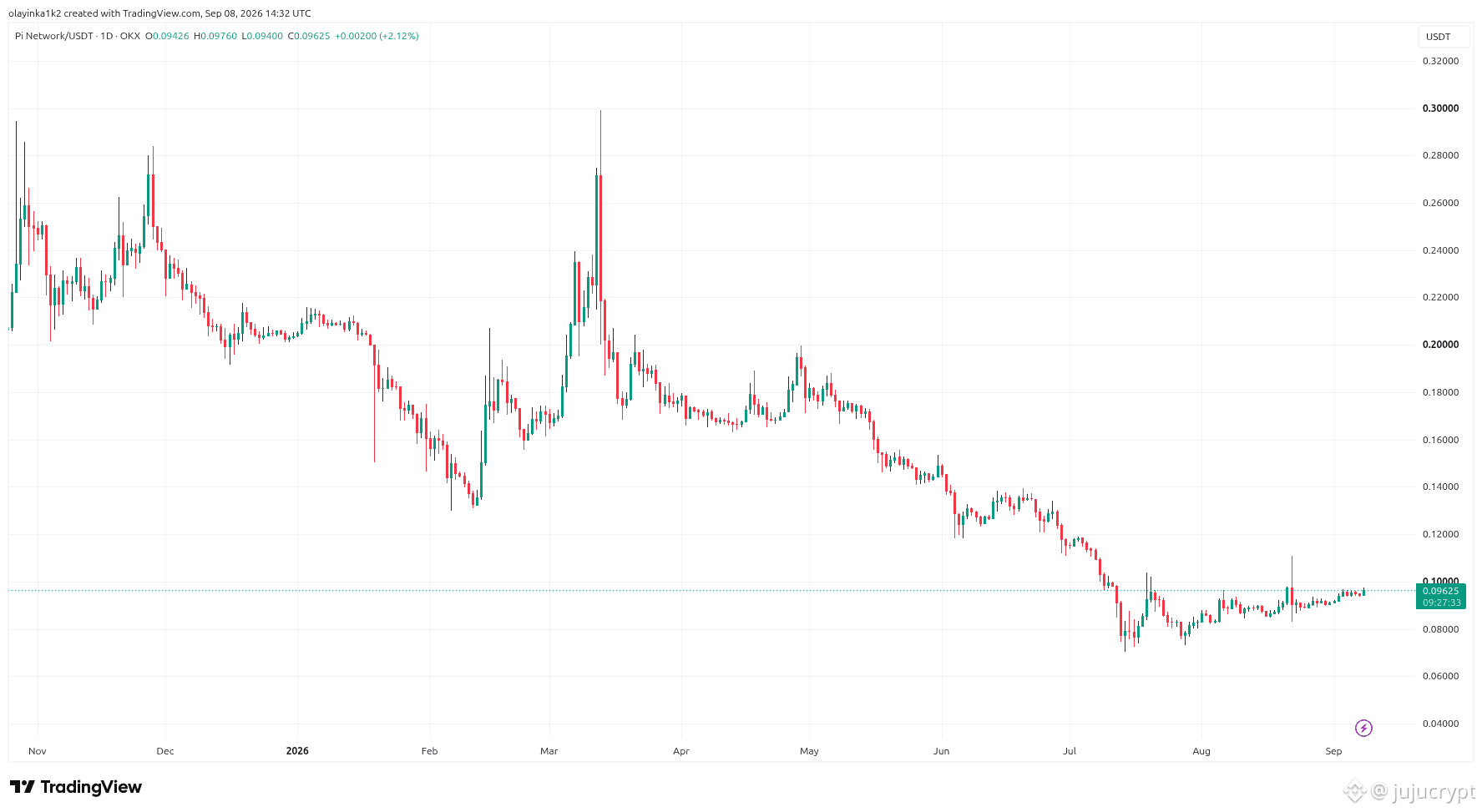
PI seems to be picking up again and making a move back toward $1
Let’s see how this plays out.
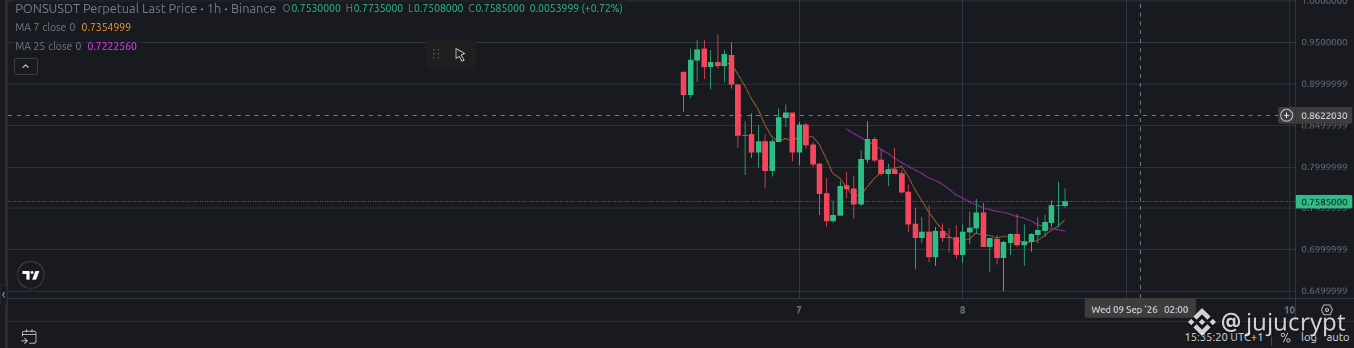
I’ve also been keeping an eye on $PONS on the STONfi side. The activity around some of these TON assets has been getting more interesting lately.
And there’s another milestone worth mentioning:
Omniston just passed $3M+ in all-time cross-chain swap volume.
For me, the interesting part isn't just the $3M number. It shows that people are actually starting to use cross-chain liquidity rather than keeping their activity locked to one network.
That’s one of the bigger problems DeFi still has liquidity is spread across different ecosystems, and moving between them can sometimes feel like a chore.
STON.fi has been building toward making that experience simpler through Omniston, and seeing the volume start to build is a good sign.Still early, but
definitely something I’ll be watching as cross-chain activity grows.
$PI, PONS and cross-chain liquidity… lots to keep an eye on
#pi
PI seems to be picking up again and making a move back toward $1
Let’s see how this plays out.
I’ve also been keeping an eye on $PONS on the STONfi side. The activity around some of these TON assets has been getting more interesting lately.
And there’s another milestone worth mentioning:
Omniston just passed $3M+ in all-time cross-chain swap volume.
For me, the interesting part isn't just the $3M number. It shows that people are actually starting to use cross-chain liquidity rather than keeping their activity locked to one network.
That’s one of the bigger problems DeFi still has liquidity is spread across different ecosystems, and moving between them can sometimes feel like a chore.
STON.fi has been building toward making that experience simpler through Omniston, and seeing the volume start to build is a good sign.Still early, but
definitely something I’ll be watching as cross-chain activity grows.
$PI, PONS and cross-chain liquidity… lots to keep an eye on
#pi
Let’s see how this plays out.
I’ve also been keeping an eye on $PONS on the STONfi side. The activity around some of these TON assets has been getting more interesting lately.
And there’s another milestone worth mentioning:
Omniston just passed $3M+ in all-time cross-chain swap volume.
For me, the interesting part isn't just the $3M number. It shows that people are actually starting to use cross-chain liquidity rather than keeping their activity locked to one network.
That’s one of the bigger problems DeFi still has liquidity is spread across different ecosystems, and moving between them can sometimes feel like a chore.
STON.fi has been building toward making that experience simpler through Omniston, and seeing the volume start to build is a good sign.Still early, but
definitely something I’ll be watching as cross-chain activity grows.
$PI, PONS and cross-chain liquidity… lots to keep an eye on
#pi
311
·
--
the Word is $BTC buttom is already in
I guess time to put my eyes in the right places
$XRP $HYPE
the Word is $BTC buttom is already in
I guess time to put my eyes in the right places
$XRP $HYPE
I guess time to put my eyes in the right places
$XRP $HYPE
1
10
2.9k
·
--
Verified
$XRP is officially hitting The Swamp
Ripple has signed a multi-year partnership with the University of Florida, putting the XRP logo on the field at Ben Hill Griffin Stadium.
The deal also includes support for financial and technology education across the university.
Seeing XRP move into major college sports like this is an interesting step toward mainstream visibility.
#Ripple
$XRP is officially hitting The Swamp
Ripple has signed a multi-year partnership with the University of Florida, putting the XRP logo on the field at Ben Hill Griffin Stadium.
The deal also includes support for financial and technology education across the university.
Seeing XRP move into major college sports like this is an interesting step toward mainstream visibility.
#Ripple
Ripple has signed a multi-year partnership with the University of Florida, putting the XRP logo on the field at Ben Hill Griffin Stadium.
The deal also includes support for financial and technology education across the university.
Seeing XRP move into major college sports like this is an interesting step toward mainstream visibility.
#Ripple

5
24
28.8k
·
--
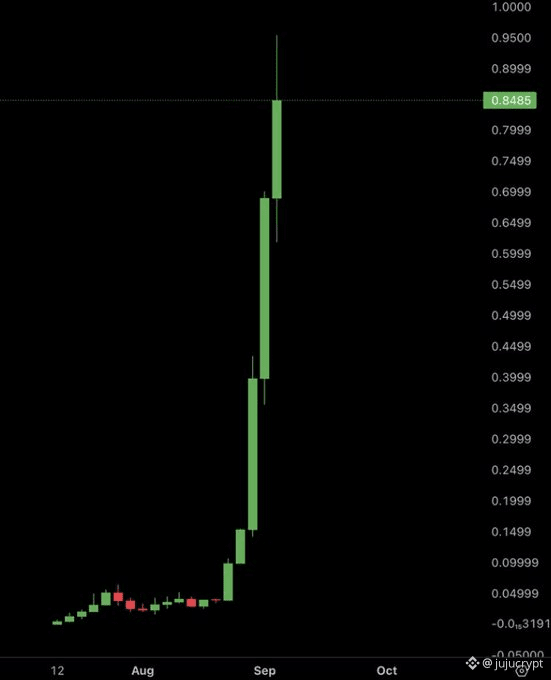
This is what the trenches have been looking like lately 👀
$PONS has been one of the names catching my attention, and I’ve been trying to get in on this trend as the meme market heats up again.
Definitely don’t want to be watching from the sidelines this time.
This is what the trenches have been looking like lately 👀
$PONS has been one of the names catching my attention, and I’ve been trying to get in on this trend as the meme market heats up again.
Definitely don’t want to be watching from the sidelines this time.
$PONS has been one of the names catching my attention, and I’ve been trying to get in on this trend as the meme market heats up again.
Definitely don’t want to be watching from the sidelines this time.
1
668
·
--
I’ve been trying to get more involved with memes now that the trenches are heating up again.
I missed some good runs like $MARSCOIN and $PONS, and I don’t want to stay on the sidelines this time.
So I’m keeping it simple and building my alt portfolio around names like $WIF, $USELESS , and $SOL .
There’s clearly a lot of momentum in the meme side of the market right now. I’m just looking for the setups where I think there’s still room for a bigger move.
I’ve been trying to get more involved with memes now that the trenches are heating up again.
I missed some good runs like $MARSCOIN and $PONS, and I don’t want to stay on the sidelines this time.
So I’m keeping it simple and building my alt portfolio around names like $WIF, $USELESS , and $SOL .
There’s clearly a lot of momentum in the meme side of the market right now. I’m just looking for the setups where I think there’s still room for a bigger move.
I missed some good runs like $MARSCOIN and $PONS, and I don’t want to stay on the sidelines this time.
So I’m keeping it simple and building my alt portfolio around names like $WIF, $USELESS , and $SOL .
There’s clearly a lot of momentum in the meme side of the market right now. I’m just looking for the setups where I think there’s still room for a bigger move.
1
3
8.3k
·
--
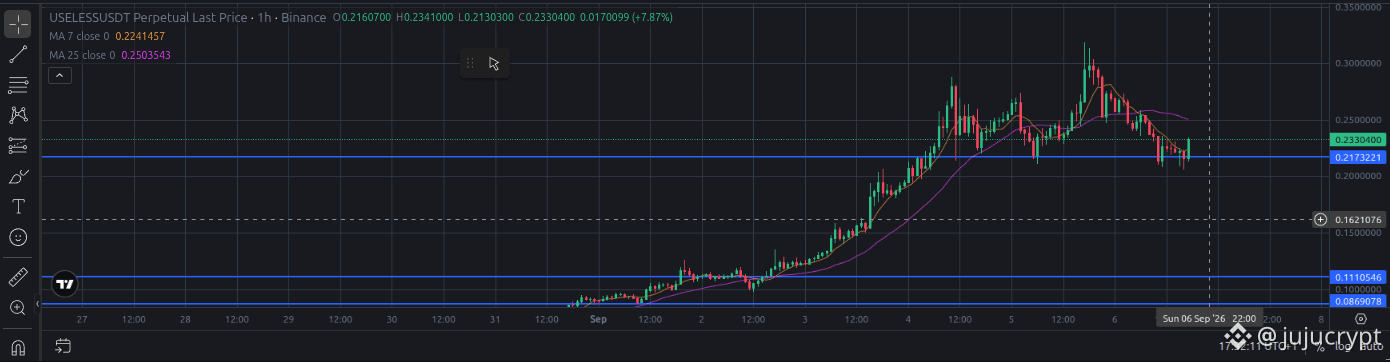
$USELESS is sitting at a key support zone right now, and the sentiment still looks positive from here.
If buyers continue to defend this area, I think a move toward the $0.30 zone is possible. The token has already seen strong momentum recently, with heavy trading activity and derivatives volume driving volatility.
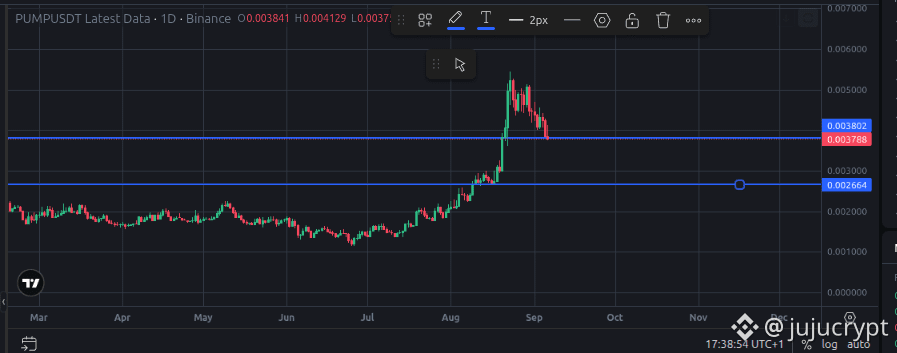
On the other hand, $PUMP is also getting close to an important support level, but this setup feels a bit different. If support fails to hold, we could see more downside before the next meaningful bounce.
For now, it’s all about letting price action confirm the move rather than forcing a trade.
$USELESS is sitting at a key support zone right now, and the sentiment still looks positive from here.
If buyers continue to defend this area, I think a move toward the $0.30 zone is possible. The token has already seen strong momentum recently, with heavy trading activity and derivatives volume driving volatility.
On the other hand, $PUMP is also getting close to an important support level, but this setup feels a bit different. If support fails to hold, we could see more downside before the next meaningful bounce.
For now, it’s all about letting price action confirm the move rather than forcing a trade.
If buyers continue to defend this area, I think a move toward the $0.30 zone is possible. The token has already seen strong momentum recently, with heavy trading activity and derivatives volume driving volatility.
On the other hand, $PUMP is also getting close to an important support level, but this setup feels a bit different. If support fails to hold, we could see more downside before the next meaningful bounce.
For now, it’s all about letting price action confirm the move rather than forcing a trade.
2
4.9k
·
--
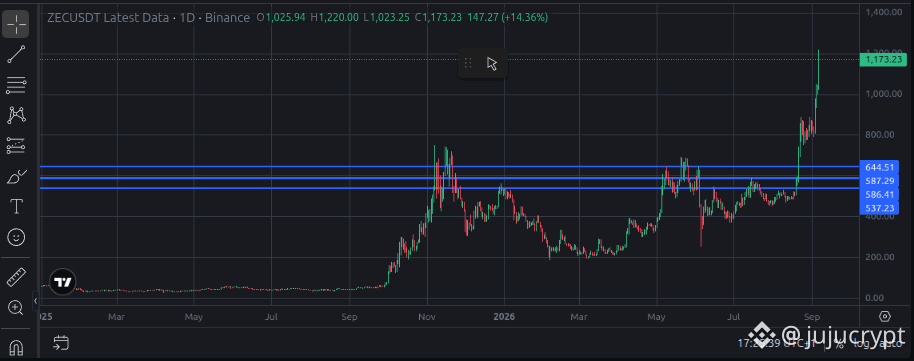
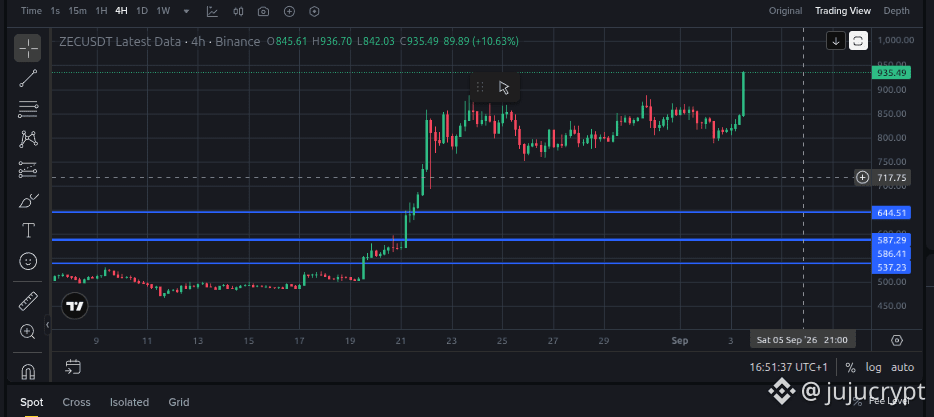
$ZEC is looking strong and $1,200 is starting to look like a realistic next target.
The price action and sentiment are both supporting the move right now. ZEC recently pushed above $1,000, so I’m watching how it handles the next leg.
$XRP seems to be picking up some of that positive sentiment too.
Altcoins are starting to wake up
$ZEC is looking strong and $1,200 is starting to look like a realistic next target.
The price action and sentiment are both supporting the move right now. ZEC recently pushed above $1,000, so I’m watching how it handles the next leg.
$XRP seems to be picking up some of that positive sentiment too.
Altcoins are starting to wake up
The price action and sentiment are both supporting the move right now. ZEC recently pushed above $1,000, so I’m watching how it handles the next leg.
$XRP seems to be picking up some of that positive sentiment too.
Altcoins are starting to wake up
1
2
7.2k
·
--
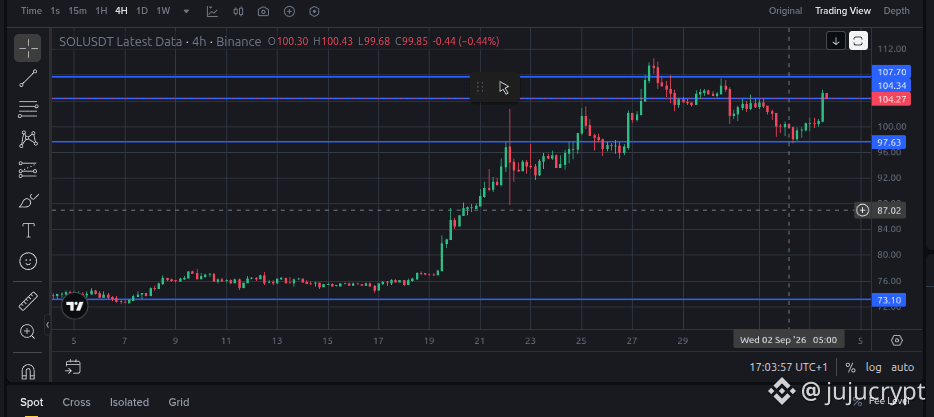
the market is heating up $SOL is on it's way to $112
hopeful it touch down there......
the market is heating up $SOL is on it's way to $112
hopeful it touch down there......
hopeful it touch down there......
4
3.2k
·
--
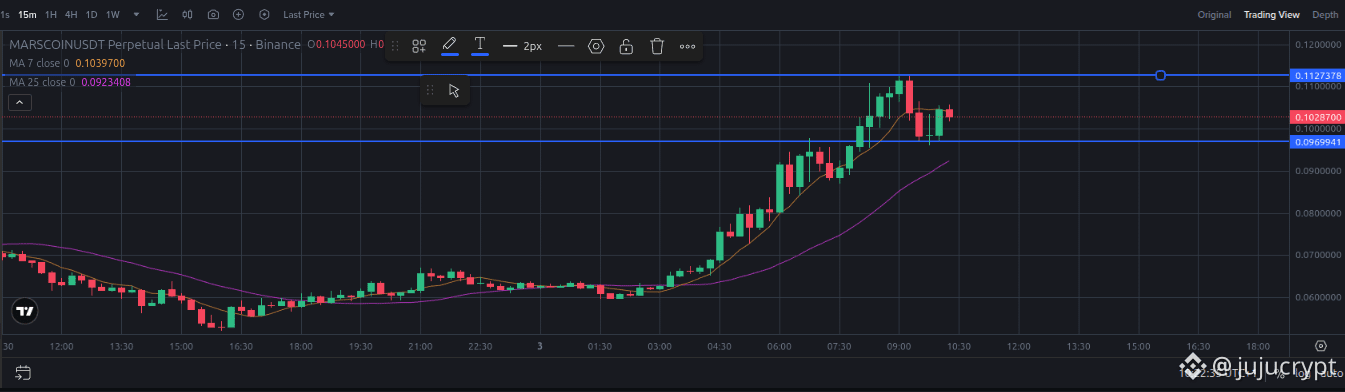
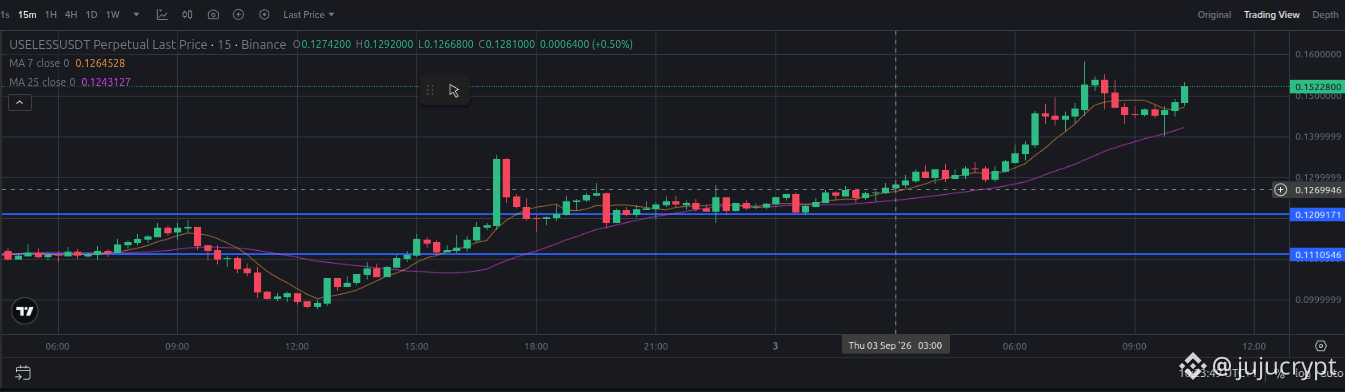
This week is all about $USELESS for me so far. The momentum on this token has been massive.
I’ve also noticed $MARSCOIN starting to get some attention. It’s been on a strong up-only move lately, so I’m keeping an eye on it too.
Let’s see what this week brings for both tokens.
This week is all about $USELESS for me so far. The momentum on this token has been massive.
I’ve also noticed $MARSCOIN starting to get some attention. It’s been on a strong up-only move lately, so I’m keeping an eye on it too.
Let’s see what this week brings for both tokens.
I’ve also noticed $MARSCOIN starting to get some attention. It’s been on a strong up-only move lately, so I’m keeping an eye on it too.
Let’s see what this week brings for both tokens.
1
2
4.4k
·
--
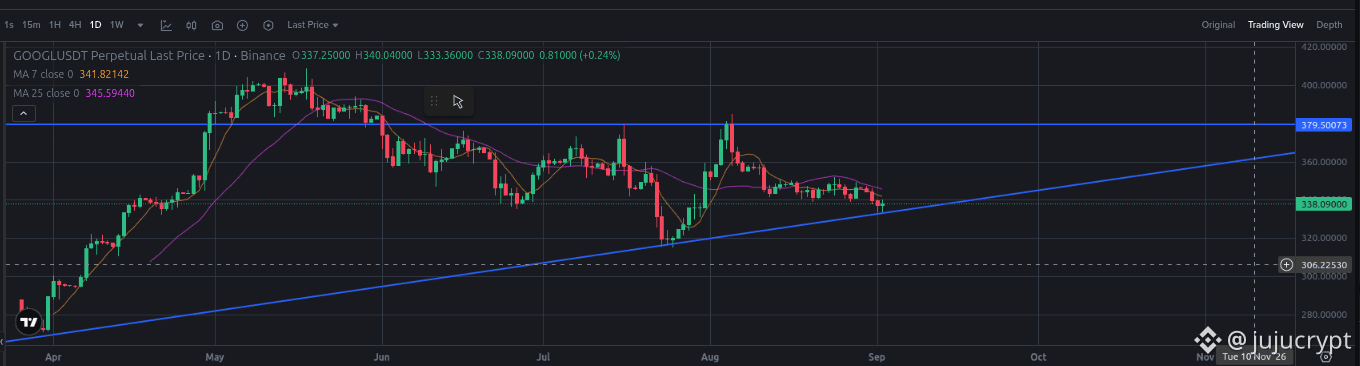
$GOOGLB looks primed for another good move higher.
Price is currently sitting at an interesting level after the recent pullback.
I’m watching to see if it can build momentum from here.
Let’s see how this plays out.
$GOOGLB looks primed for another good move higher.
Price is currently sitting at an interesting level after the recent pullback.
I’m watching to see if it can build momentum from here.
Let’s see how this plays out.
Price is currently sitting at an interesting level after the recent pullback.
I’m watching to see if it can build momentum from here.
Let’s see how this plays out.
121
·
--
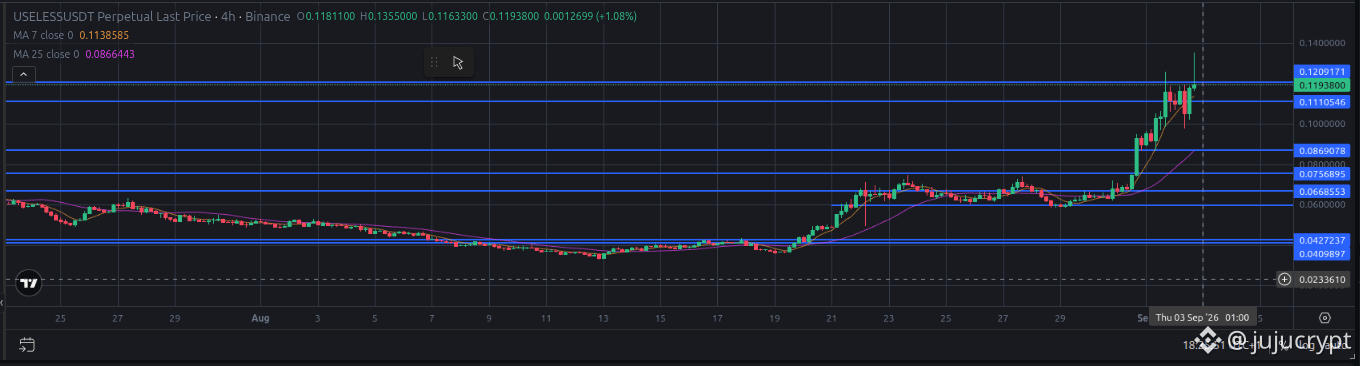
$USELESS just got a sharp rejection.
Looks like some shorts got taken out, and now price is pushing back up again.
A key zone is being tested once more. If it breaks and holds this time, things could get interesting.
I’m watching the next move closely.
$USELESS just got a sharp rejection.
Looks like some shorts got taken out, and now price is pushing back up again.
A key zone is being tested once more. If it breaks and holds this time, things could get interesting.
I’m watching the next move closely.
Looks like some shorts got taken out, and now price is pushing back up again.
A key zone is being tested once more. If it breaks and holds this time, things could get interesting.
I’m watching the next move closely.
1
857
·
--
$META $621-ish is the next key level, where the 200-DMA sits.
For that move to happen, I’d like to see price hold above the 50-DMA and, more importantly, the $600 psychological level.
HODL. #meta
$META $621-ish is the next key level, where the 200-DMA sits.
For that move to happen, I’d like to see price hold above the 50-DMA and, more importantly, the $600 psychological level.
HODL. #meta
For that move to happen, I’d like to see price hold above the 50-DMA and, more importantly, the $600 psychological level.
HODL. #meta
1
491
·
--
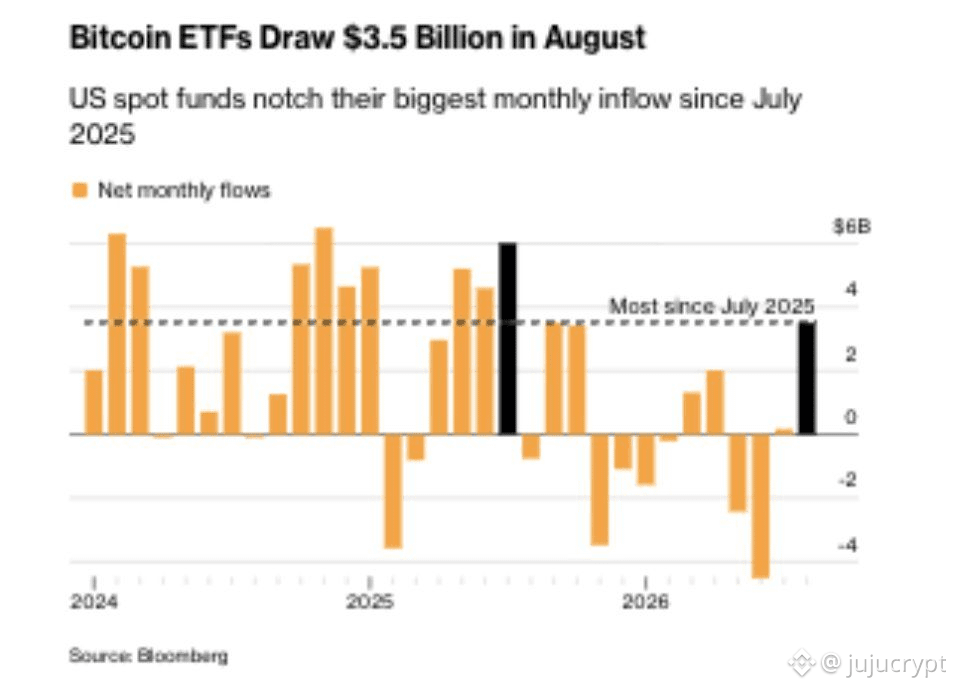
Bitcoin spot ETFs pulled in $3.5B in August, their biggest monthly inflow since July 2025. $BTC
Institutional demand is clearly picking up again.
Feels like the attention is slowly shifting back toward Bitcoin.
#bitcoin
Bitcoin spot ETFs pulled in $3.5B in August, their biggest monthly inflow since July 2025. $BTC
Institutional demand is clearly picking up again.
Feels like the attention is slowly shifting back toward Bitcoin.
#bitcoin
Institutional demand is clearly picking up again.
Feels like the attention is slowly shifting back toward Bitcoin.
#bitcoin
213
·
--
Verified
For $XRP , this is generally positive for supply.
Ripple released 1B XRP from escrow but locked 700M XRP back, leaving about 300M XRP available.
That means less of the unlocked supply is immediately entering the market, which can reduce potential selling pressure.
It doesn’t guarantee an XRP pump, but from a supply perspective, it’s a good development to watch.
#Ripple
For $XRP , this is generally positive for supply.
Ripple released 1B XRP from escrow but locked 700M XRP back, leaving about 300M XRP available.
That means less of the unlocked supply is immediately entering the market, which can reduce potential selling pressure.
It doesn’t guarantee an XRP pump, but from a supply perspective, it’s a good development to watch.
#Ripple
Ripple released 1B XRP from escrow but locked 700M XRP back, leaving about 300M XRP available.
That means less of the unlocked supply is immediately entering the market, which can reduce potential selling pressure.
It doesn’t guarantee an XRP pump, but from a supply perspective, it’s a good development to watch.
#Ripple
21
24.1k
Log in to explore more content
Join global crypto users on Binance Square
⚡️ Get latest and useful information about crypto.
💬 Trusted by the world’s largest crypto exchange.
👍 Discover real insights from verified creators.
Email / Phone number
Trending Topics
AppleDebutsFoldablePhone
33,033 views
703 Discussing
Apple just dropped the foldable iPhone — and the market is paying attention. This isn't just another product cycle; it's a new product category, a new CEO on stage, and a $1,999 price tag that pushes $AAPL further into ultra-premium territory. Foldables are the narrative, and Apple is now the headline.
#appledebutsfoldablephone #EUExtendsCentralContactPointToCASPs #US10YTreasuryYieldHitsHighestSinceNov2023 #BrentCrudeTops$100 #USTreasuryToBuyBackUpTo$6BLongDatedDebt
KimHotbae
·2 Likes
·2.8k views
TSMCAugustRevenueUp53.3%YoY
3,805 views
168 Discussing
IranSaysReadyToEscalateWarWithUS
7,360 views
199 Discussing