
io.net Re-poster
129 Posts

io.net Re-poster
The intelligent stack for powering AI workloads | https://t.co/hIYFLxle8l: decentralized GPUs | io.intelligence: inference & agents | https://t.co/EinR91I0wl
0 Following
6 Followers
7 Liked
Posts
All
Videos
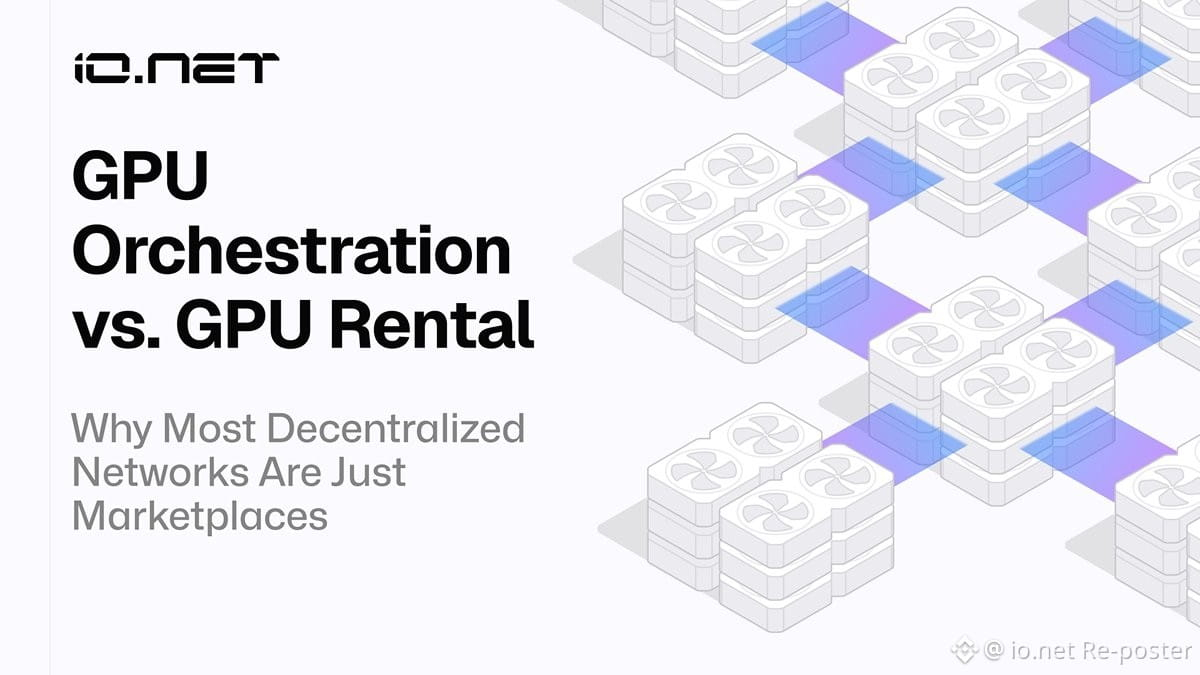
You don't need a GPU.
You need multiple GPUs that talk to each other like they're in the same rack.
That's the difference between a marketplace and actual AI infrastructure.
Access is one thing.
Orchestration is another.
And for serious AI workloads, orchestration is everything.
@ionet was built to orchestrate.
You need multiple GPUs that talk to each other like they're in the same rack.
That's the difference between a marketplace and actual AI infrastructure.
Access is one thing.
Orchestration is another.
And for serious AI workloads, orchestration is everything.
@ionet was built to orchestrate.
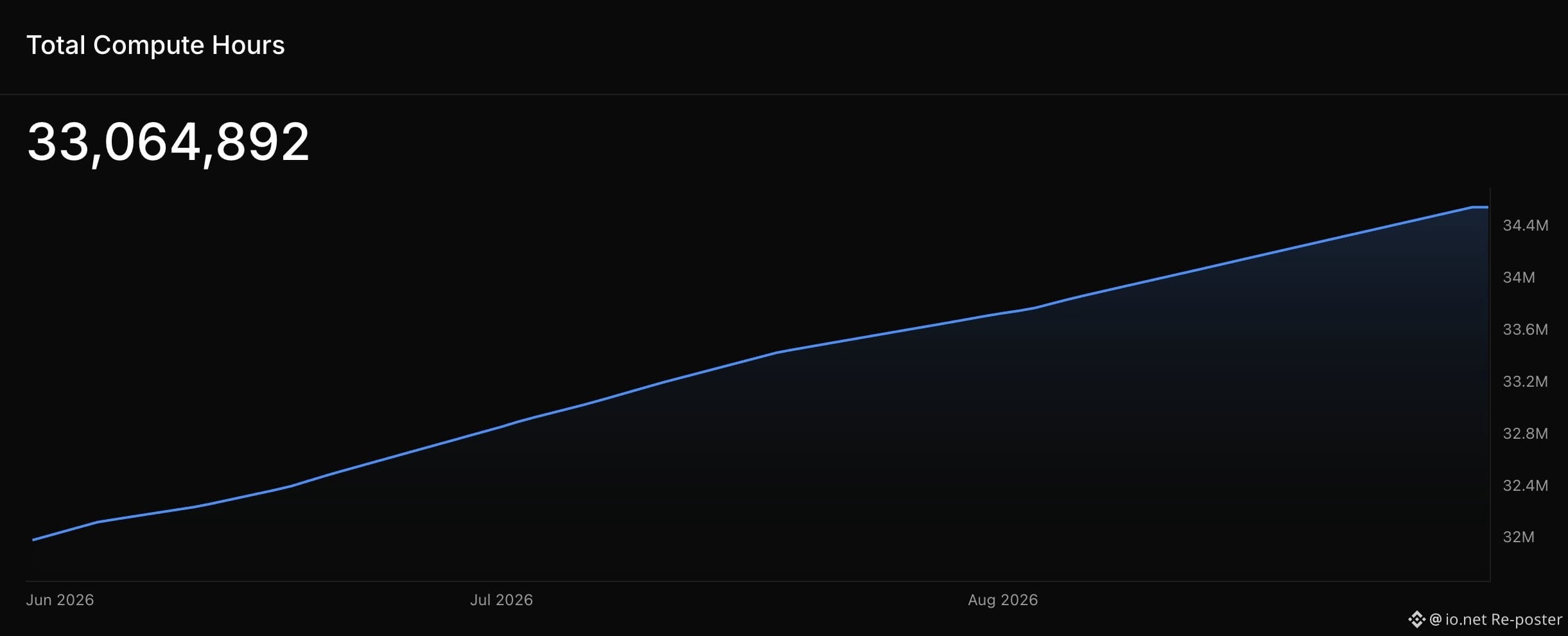
33 million+ compute hours served on http://io.net.
A live network, doing the work hyperscalers and neoclouds charge a premium for.
Every one of those hours is proof. You don't need expensive, gatekept infrastructure to run serious AI workloads.
Decentralized compute isn't a narrative. It's the future of AI infrastructure.
A live network, doing the work hyperscalers and neoclouds charge a premium for.
Every one of those hours is proof. You don't need expensive, gatekept infrastructure to run serious AI workloads.
Decentralized compute isn't a narrative. It's the future of AI infrastructure.
Some things do exactly what they say.
Render Network is great at what it was built for: rendering.
But AI workloads ask for something else.
Persistent inference. Multi-node training. Clusters that scale in seconds.
That’s orchestration, not just GPU access.
And that's what http://io.net was built for that from day one.
https://io.net/blog/io-vs-render-and-alternatives-comparing-gpu-cloud-pricing-and-features
Render Network is great at what it was built for: rendering.
But AI workloads ask for something else.
Persistent inference. Multi-node training. Clusters that scale in seconds.
That’s orchestration, not just GPU access.
And that's what http://io.net was built for that from day one.
https://io.net/blog/io-vs-render-and-alternatives-comparing-gpu-cloud-pricing-and-features
Nvidia makes the chips.
@nvidia owns the software stack.
Now it reportedly wants @huggingface too.
A $12.9B bid for the front door to open-source AI.
Maybe the models stay open. But if compute, tooling, and distribution all answer to one company, the ecosystem isn't.
The future of AI needs open infrastructure. Not vertical integration dressed up as one.
https://www.forbes.com/sites/siladityaray/2026/08/27/nvidia-has-reportedly-agreed-to-buy-ai-model-hosting-platform-hugging-face-for-13-billion/
@nvidia owns the software stack.
Now it reportedly wants @huggingface too.
A $12.9B bid for the front door to open-source AI.
Maybe the models stay open. But if compute, tooling, and distribution all answer to one company, the ecosystem isn't.
The future of AI needs open infrastructure. Not vertical integration dressed up as one.
https://www.forbes.com/sites/siladityaray/2026/08/27/nvidia-has-reportedly-agreed-to-buy-ai-model-hosting-platform-hugging-face-for-13-billion/
Cheaper tokens should mean cheaper AI bills.
They don't.
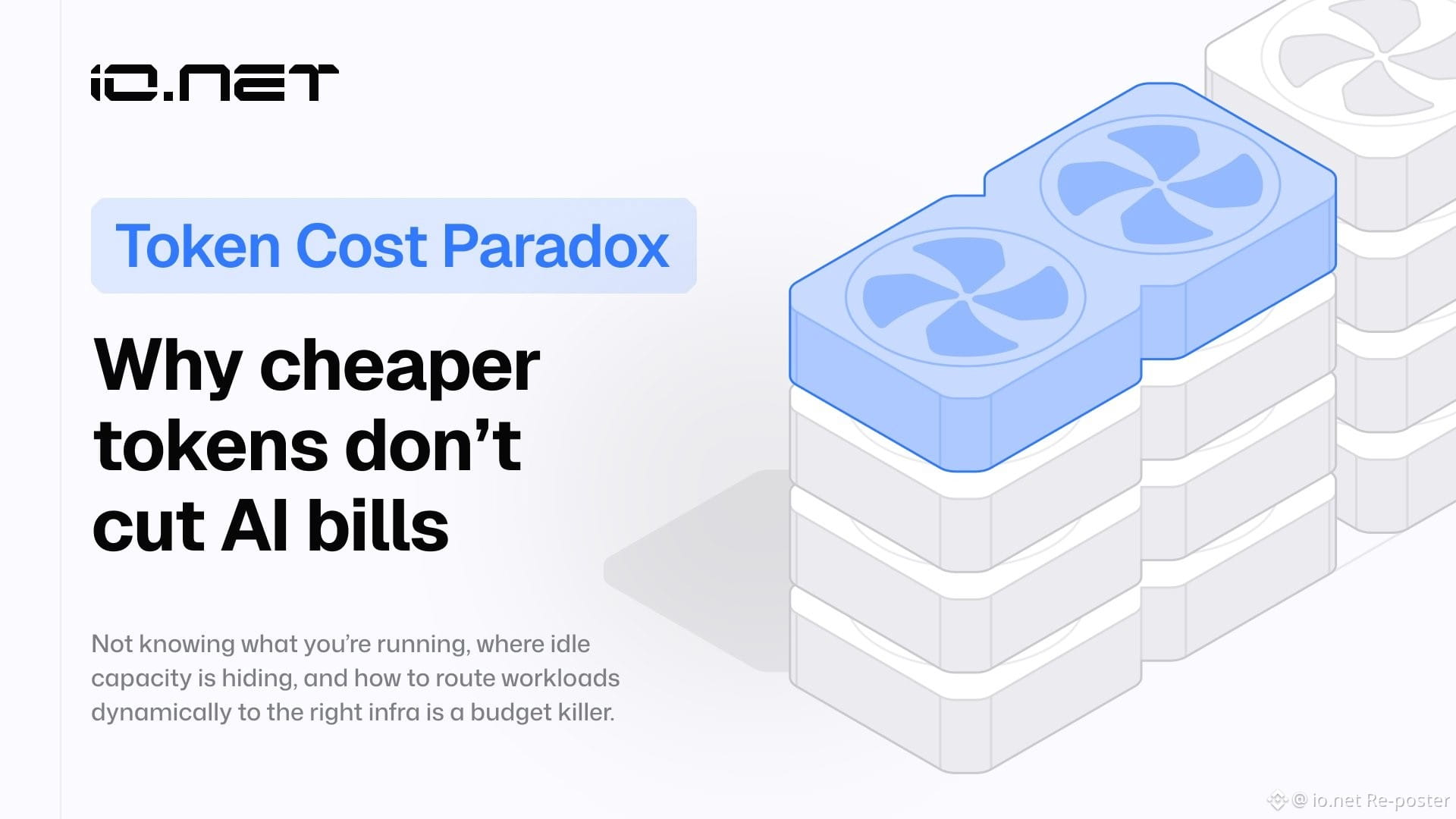
Cheaper tokens unlock agentic workflows, and agents burn 5-30x more tokens per task.
Consumption is outpacing the price drop.
The real problem is idle GPUs. With average enterprise utilization sitting around 5% most companies aren't paying too much for tokens, they're paying for compute they're not using.
They don't.
Cheaper tokens unlock agentic workflows, and agents burn 5-30x more tokens per task.
Consumption is outpacing the price drop.
The real problem is idle GPUs. With average enterprise utilization sitting around 5% most companies aren't paying too much for tokens, they're paying for compute they're not using.
The AI race isn't just about who has the best ideas.
It's about who has access to compute.
@ionet CEO @gaurav_io joined the @RealAllinCrypto Podcast to talk about the infrastructure battle happening underneath AI:
→ Why GPU demand keeps accelerating
→ How DePIN unlocks unused compute around the world
→ Why crypto found its most important real-world use case
→ What happens if AWS, Google and Microsoft control AI's infrastructure
When a handful of companies control the infrastructure, they also control who gets access to intelligence.
But there is another way.
Watch the full conversation ↓
It's about who has access to compute.
@ionet CEO @gaurav_io joined the @RealAllinCrypto Podcast to talk about the infrastructure battle happening underneath AI:
→ Why GPU demand keeps accelerating
→ How DePIN unlocks unused compute around the world
→ Why crypto found its most important real-world use case
→ What happens if AWS, Google and Microsoft control AI's infrastructure
When a handful of companies control the infrastructure, they also control who gets access to intelligence.
But there is another way.
Watch the full conversation ↓

$157,680.
That’s the annual difference between running 8x A100s 24/7 on AWS vs. http://io.net.
Same GPUs. Very different outcome.
Centralized clouds offer quotas, lock-in, and opaque pricing.
Decentralized compute offers global supply, instant access, and full control and flexibility.
Centralized clouds still have their place. But for most of AI workloads, paying a hyperscaler tax doesn’t.
We break down the architectures, costs and tradeoffs ↓
That’s the annual difference between running 8x A100s 24/7 on AWS vs. http://io.net.
Same GPUs. Very different outcome.
Centralized clouds offer quotas, lock-in, and opaque pricing.
Decentralized compute offers global supply, instant access, and full control and flexibility.
Centralized clouds still have their place. But for most of AI workloads, paying a hyperscaler tax doesn’t.
We break down the architectures, costs and tradeoffs ↓
Nvidia just warned AI server prices could rise 15%+.
Not surprising. But a bad sign for AI's future.
Enterprises can absorb it, then pass the cost on.
Startups and scale-ups can't.
Growing AI projects already spend up to 60% of budget on infrastructure. A small cost bump can mean the end of their runway.
Fewer innovative ideas, less competition, and the same few companies tighten their grip.
And that's bad for everyone.
The answer isn't more data centers stuffed with expensive servers.
It's coordinating the underutilized GPU supply that already exists.
That's what @ionet was built for.
https://www.tomshardware.com/pc-components/dram/nvidia-reportedly-warns-biggest-customers-of-15-percent-price-hikes-on-ai-servers
Not surprising. But a bad sign for AI's future.
Enterprises can absorb it, then pass the cost on.
Startups and scale-ups can't.
Growing AI projects already spend up to 60% of budget on infrastructure. A small cost bump can mean the end of their runway.
Fewer innovative ideas, less competition, and the same few companies tighten their grip.
And that's bad for everyone.
The answer isn't more data centers stuffed with expensive servers.
It's coordinating the underutilized GPU supply that already exists.
That's what @ionet was built for.
https://www.tomshardware.com/pc-components/dram/nvidia-reportedly-warns-biggest-customers-of-15-percent-price-hikes-on-ai-servers
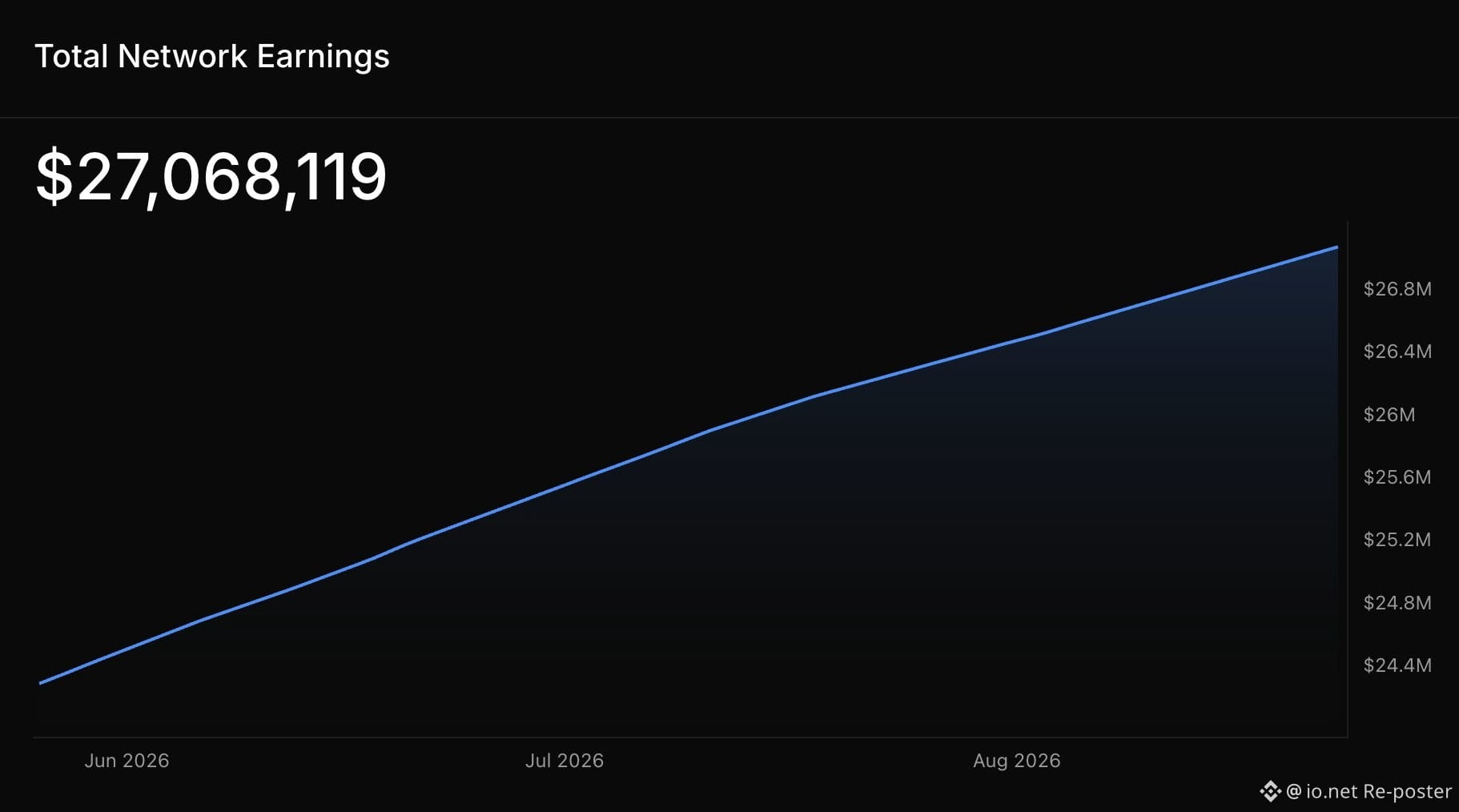
27 million dollars paid out.
Not raised or projected.
Paid.
That's real money flowing to real GPU providers, for real compute delivered on http://io.net.
This is what the future of AI compute looks like.
Not raised or projected.
Paid.
That's real money flowing to real GPU providers, for real compute delivered on http://io.net.
This is what the future of AI compute looks like.
AI needs more than models.
It needs compute, storage, connectivity, and data.
And all of that is being coordinated on @solana.
Helium → connectivity
Hivemapper → data
Shadow Drive → storage
http://io.net → GPU compute
This is what a full DePIN stack looks like.
Not another cloud. An open infrastructure layer for AI, globally distributed.
https://io.net/blog/io-net-on-solana-the-place-for-depin-in-2026-and-beyond
It needs compute, storage, connectivity, and data.
And all of that is being coordinated on @solana.
Helium → connectivity
Hivemapper → data
Shadow Drive → storage
http://io.net → GPU compute
This is what a full DePIN stack looks like.
Not another cloud. An open infrastructure layer for AI, globally distributed.
https://io.net/blog/io-net-on-solana-the-place-for-depin-in-2026-and-beyond
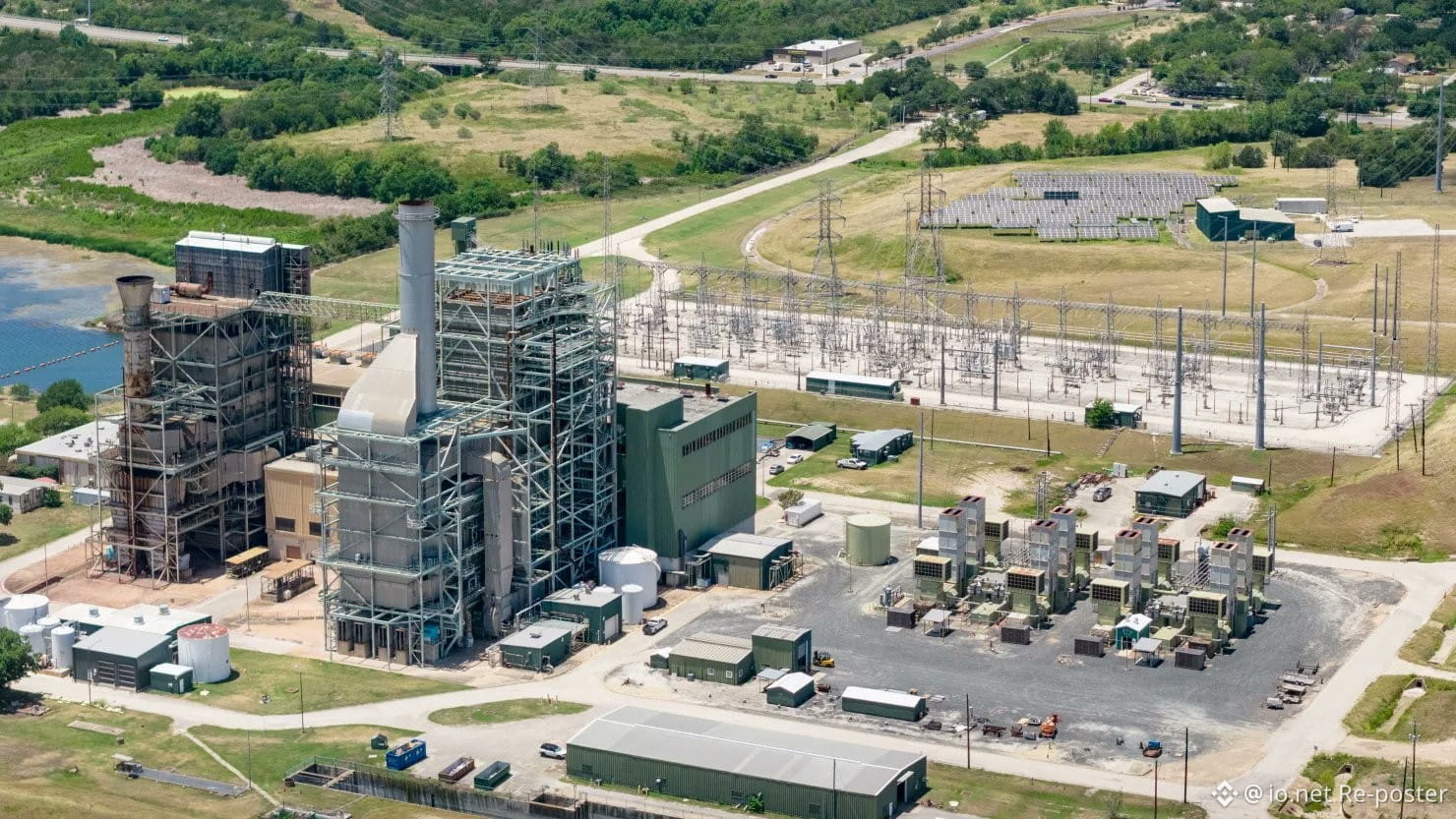
AI has a data center problem.
A proposed 10GW AI data center campus in Ohio would consume as much electricity as 8 million US homes.
8 million.
Opposition to data centers is quickly becoming a political issue around the world.
AI needs more compute. But that doesn't mean building more data centers is the only answer.
There's already GPU capacity sitting underutilized around the world.
It needs to be connected, coordinated, and put to work.
That's exactly what @ionet is doing.
A proposed 10GW AI data center campus in Ohio would consume as much electricity as 8 million US homes.
8 million.
Opposition to data centers is quickly becoming a political issue around the world.
AI needs more compute. But that doesn't mean building more data centers is the only answer.
There's already GPU capacity sitting underutilized around the world.
It needs to be connected, coordinated, and put to work.
That's exactly what @ionet is doing.
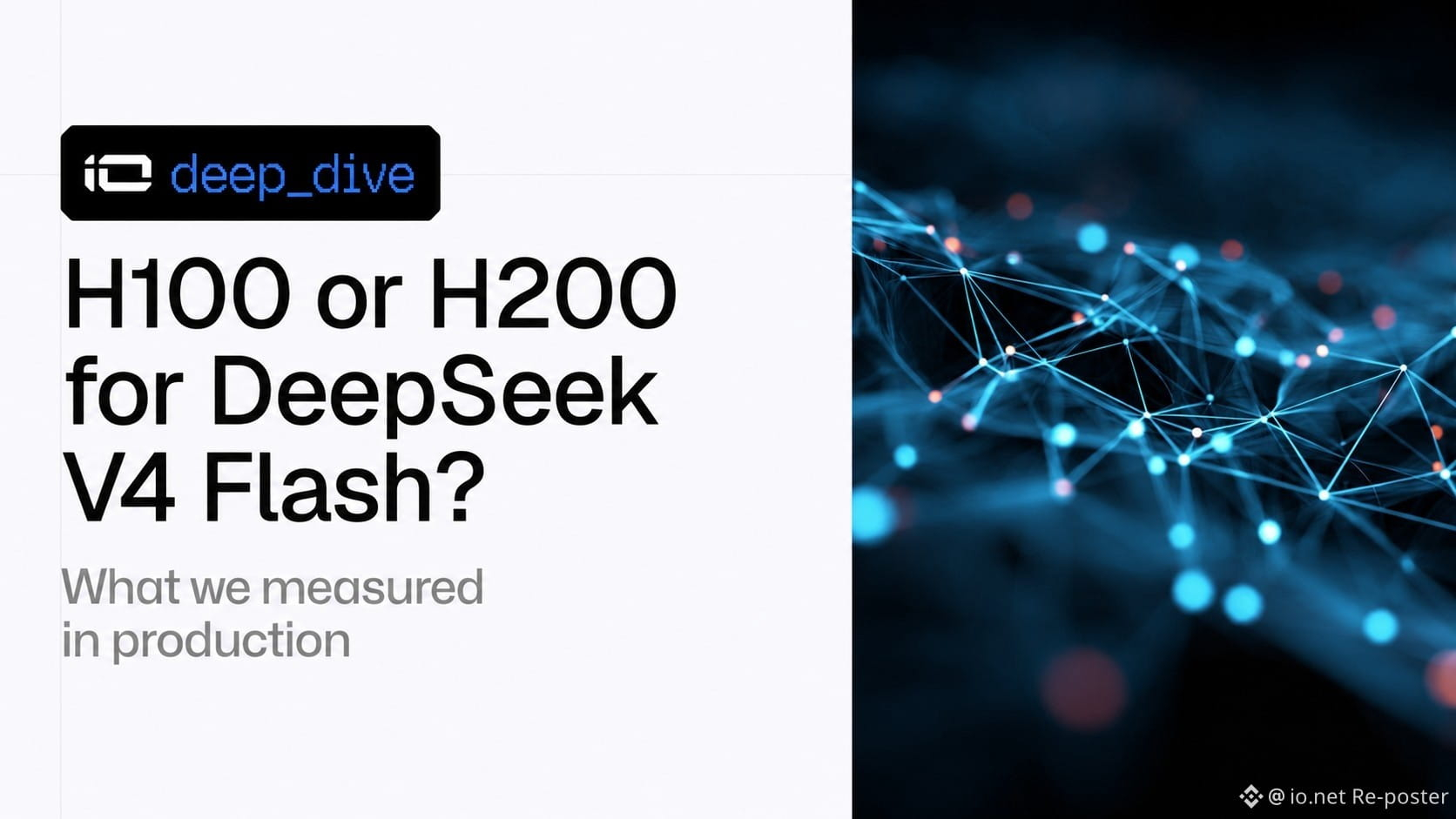
H200 beats H100 for AI inference.
But not for the reason you think.
We ran the same DeepSeek model on both GPUs with the same traffic for 10 days. The H200 delivered 2.5× more tokens for just 33% more rental cost.
But the biggest lesson wasn't about the GPUs. It was about how they're connected.
NVSwitch vs PCIe changed which workloads and configurations were actually possible.
So, when you're choosing AI infrastructure, don't just read the GPU spec sheet. Check the interconnect.
But not for the reason you think.
We ran the same DeepSeek model on both GPUs with the same traffic for 10 days. The H200 delivered 2.5× more tokens for just 33% more rental cost.
But the biggest lesson wasn't about the GPUs. It was about how they're connected.
NVSwitch vs PCIe changed which workloads and configurations were actually possible.
So, when you're choosing AI infrastructure, don't just read the GPU spec sheet. Check the interconnect.
Token prices are falling.
But AI costs are still going up.
It's called the "inference paradox". Cheaper tokens get canceled out by more complex workflows.
Chatbots answer a query. AI agents reason, self-check, and iterate. That can mean 5x the inference cost.
Cheaper tokens aren't lowering AI costs because teams just keep building bigger systems.
The fix isn't cheaper tokens. What you need is infrastructure that doesn't punish you for using more of them.
https://www.techradar.com/pro/there-is-no-reliable-economical-one-size-fits-all-model-on-the-horizon-experts-claim-ai-costs-will-grow-fivefold-by-2028-as-demand-continues-to-soar
But AI costs are still going up.
It's called the "inference paradox". Cheaper tokens get canceled out by more complex workflows.
Chatbots answer a query. AI agents reason, self-check, and iterate. That can mean 5x the inference cost.
Cheaper tokens aren't lowering AI costs because teams just keep building bigger systems.
The fix isn't cheaper tokens. What you need is infrastructure that doesn't punish you for using more of them.
https://www.techradar.com/pro/there-is-no-reliable-economical-one-size-fits-all-model-on-the-horizon-experts-claim-ai-costs-will-grow-fivefold-by-2028-as-demand-continues-to-soar
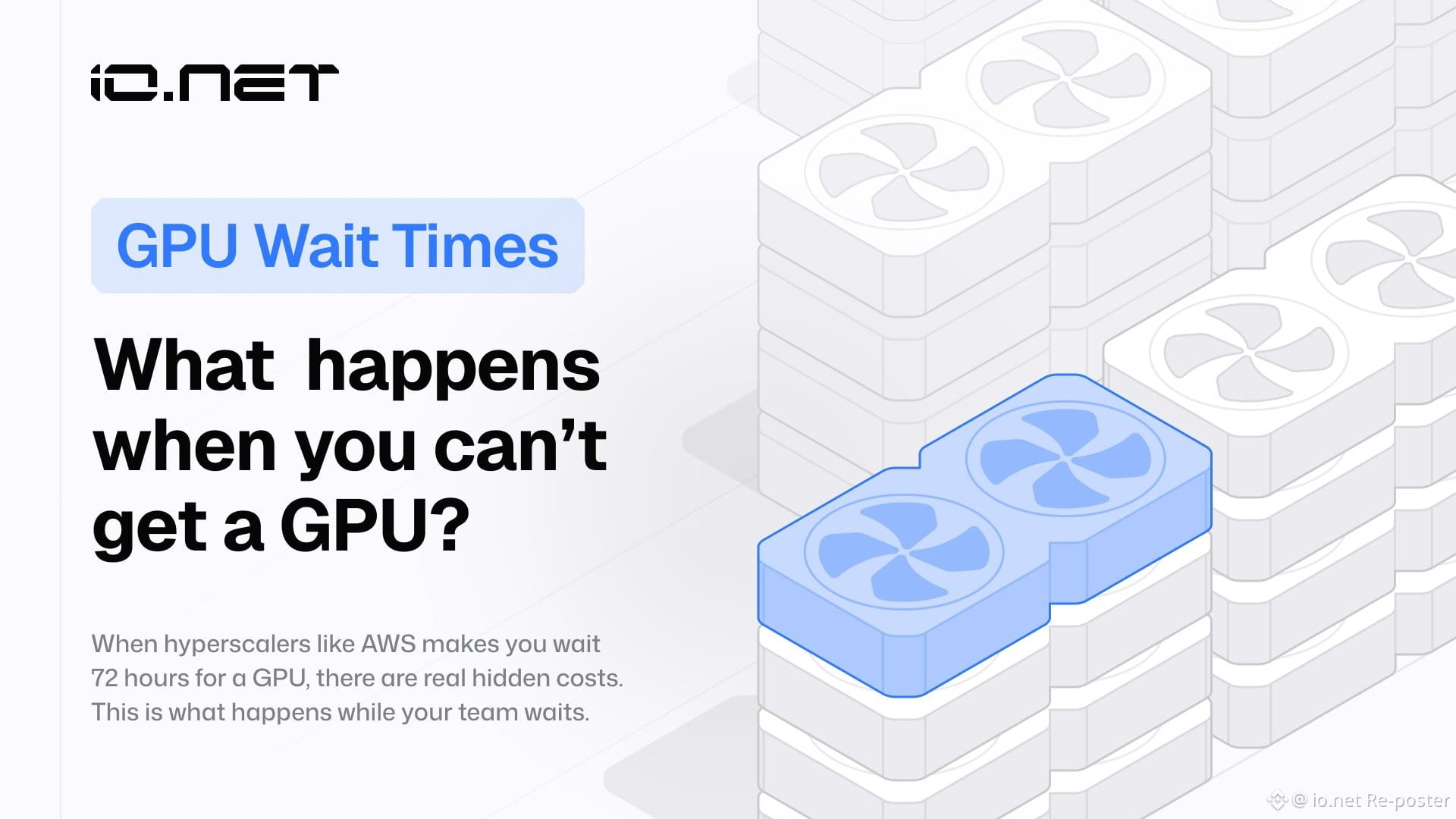
Your GPU bill says $10,000.
Your actual cost: $25,000–$65,000.
Here's the math most teams aren't doing.
A 72-hour H100 wait shows up as $0 on the invoice. No GPU-hours, nothing billed. Looks free.
But your ML team just burned $5,400+ in salary sitting idle.
Your fine-tune slipped 3 days. Your investor demo got pushed. Your competitor ran 30% more experiments this quarter because their compute didn't queue.
None of this is on the invoice. But all of it hits the business.
It's time to stop asking "what's the per-GPU rate" and start focusing on "what unavailability costs."
https://io.net/blog/what-happens-when-you-cant-get-a-gpu-the-hidden-cost-of-cloud-wait-times
Your actual cost: $25,000–$65,000.
Here's the math most teams aren't doing.
A 72-hour H100 wait shows up as $0 on the invoice. No GPU-hours, nothing billed. Looks free.
But your ML team just burned $5,400+ in salary sitting idle.
Your fine-tune slipped 3 days. Your investor demo got pushed. Your competitor ran 30% more experiments this quarter because their compute didn't queue.
None of this is on the invoice. But all of it hits the business.
It's time to stop asking "what's the per-GPU rate" and start focusing on "what unavailability costs."
https://io.net/blog/what-happens-when-you-cant-get-a-gpu-the-hidden-cost-of-cloud-wait-times
We were just named one of the Top 5 Decentralized AI Compute Networks to Watch in 2026 by @cryptodailyuk.
Here's the scale behind that. Thousands of GPUs across 130+ countries, 32M compute hours delivered, and nearly $27M in total network earnings.
The future of AI compute is being built on @ionet.
https://cryptodaily.co.uk/2026/08/top-5-decentralized-ai-compute-networks-to-watch-in-2026
Here's the scale behind that. Thousands of GPUs across 130+ countries, 32M compute hours delivered, and nearly $27M in total network earnings.
The future of AI compute is being built on @ionet.
https://cryptodaily.co.uk/2026/08/top-5-decentralized-ai-compute-networks-to-watch-in-2026
http://io.net was named one of the Top 5 Decentralized AI Compute Networks to Watch in 2026 by @cryptodailyuk.
Here's the scale behind that. Thousands of GPUs across 130+ countries, 32M compute hours delivered, and nearly $27M in total network earnings.
This is what the future of AI compute looks like.
https://cryptodaily.co.uk/2026/08/top-5-decentralized-ai-compute-networks-to-watch-in-2026
Here's the scale behind that. Thousands of GPUs across 130+ countries, 32M compute hours delivered, and nearly $27M in total network earnings.
This is what the future of AI compute looks like.
https://cryptodaily.co.uk/2026/08/top-5-decentralized-ai-compute-networks-to-watch-in-2026
AI infrastructure has a concentration problem.
Even neoclouds, built to challenge hyperscaler dominance, are racing to build the same kind of centralized, capital-heavy infra.
Our own @ilkh0m sat down with TechArena to break down the pricing edge neoclouds bring, the tradeoffs, and how http://io.net offers a real alternative.
Even neoclouds, built to challenge hyperscaler dominance, are racing to build the same kind of centralized, capital-heavy infra.
Our own @ilkh0m sat down with TechArena to break down the pricing edge neoclouds bring, the tradeoffs, and how http://io.net offers a real alternative.
$250B down to $120B.
Not because the demand shrank. Because the risk got real.
NVIDIA just scaled back its guarantee for OpenAI's Ohio data center because of shareholder pushback.
Even the biggest chip maker is having to recalculate how much centralized bet-making it can absorb.
Building more compute doesn't have to mean building bigger, more centralized infrastructure.
There's already GPU capacity distributed around the world. The real opportunity is connecting it.
https://blockonomi.com/nvidia-nvda-slashes-openai-data-center-backing-by-more-than-half-amid-investor-concerns/
Not because the demand shrank. Because the risk got real.
NVIDIA just scaled back its guarantee for OpenAI's Ohio data center because of shareholder pushback.
Even the biggest chip maker is having to recalculate how much centralized bet-making it can absorb.
Building more compute doesn't have to mean building bigger, more centralized infrastructure.
There's already GPU capacity distributed around the world. The real opportunity is connecting it.
https://blockonomi.com/nvidia-nvda-slashes-openai-data-center-backing-by-more-than-half-amid-investor-concerns/
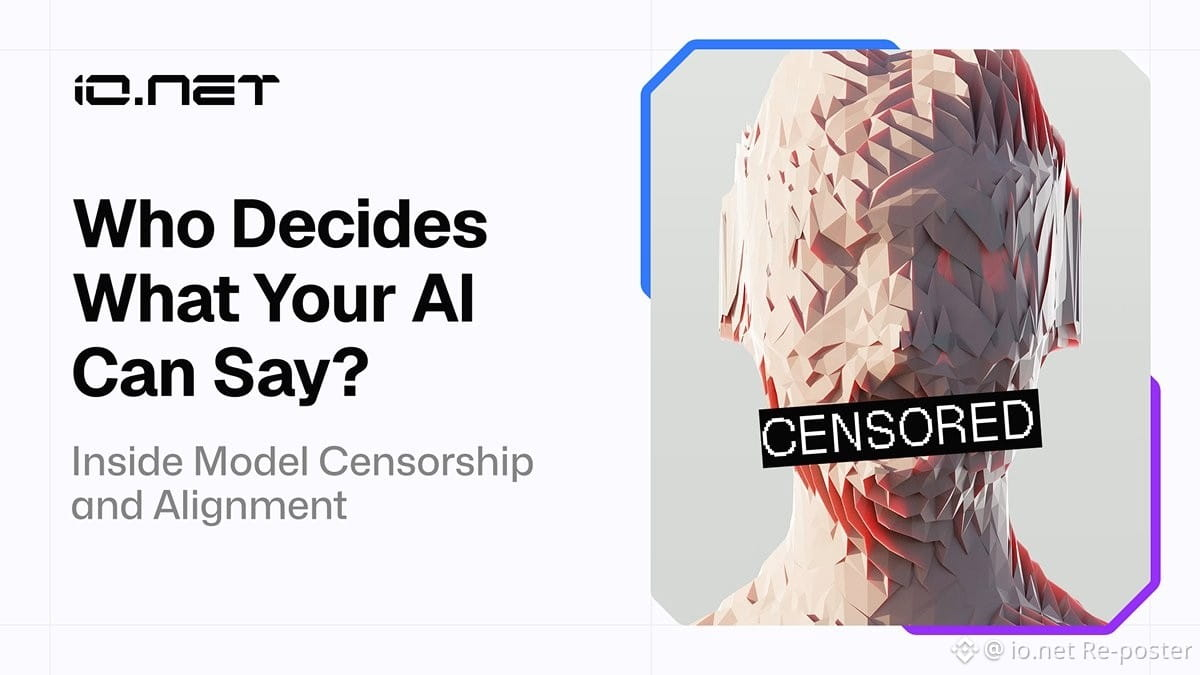
AI refusals aren't neutral.
They're someone else's risk tolerance built into a model you're renting.
Closed models: partial control and zero visibility.
Open-weight: your rules and your infra.
And, running it yourself is cheaper than the API bill.
Open models and open compute are the foundation for better AI.
They're someone else's risk tolerance built into a model you're renting.
Closed models: partial control and zero visibility.
Open-weight: your rules and your infra.
And, running it yourself is cheaper than the API bill.
Open models and open compute are the foundation for better AI.
AI's future shouldn't hinge on two companies.
But right now it does.
70% of AI revenue and 25-35% of cloud revenue for the four biggest tech companies ride on the same bet on @AnthropicAI and @OpenAI .
But as models multiply and open-source competition accelerates, that bet is looking riskier by the day.
What the market needs now is compute that's flexible, open, and globally distributed, not concentrated.
That's exactly what @ionet is building.
https://qz.com/steve-eisman-ai-boom-openai-anthropic-warning-081326
But right now it does.
70% of AI revenue and 25-35% of cloud revenue for the four biggest tech companies ride on the same bet on @AnthropicAI and @OpenAI .
But as models multiply and open-source competition accelerates, that bet is looking riskier by the day.
What the market needs now is compute that's flexible, open, and globally distributed, not concentrated.
That's exactly what @ionet is building.
https://qz.com/steve-eisman-ai-boom-openai-anthropic-warning-081326
Log in to explore more content