
A L I A N S A R I
6.3k Posts

A L I A N S A R I
Master of Forex & Crypto Liquidity 💎 | Making the complex look simple 💸 | X:ansari_ali76454 Early to the trade, late to the noise.
370 Following
21.0K+ Followers
11.6K Liked
Posts
All
Quotes
Videos
Live
PINNED
guys claim gift 🎁🎁🎁
go

E L E X A
·
--
🚨 LIVE NOW 🚨
Watching is easy… winning takes action 👀
Want free $USDT?
💬 Comment 666
❤️ Like
🔁 Share
➕ Follow
⏳ Spots are filling fast
Comment 666 now 🚀
#Crypto #USDT
Watching is easy… winning takes action 👀
Want free $USDT?
💬 Comment 666
❤️ Like
🔁 Share
➕ Follow
⏳ Spots are filling fast
Comment 666 now 🚀
#Crypto #USDT
gi

Aria Daisy 阿莉娅_黛西
·
--
BullishPeaceful moments, beautiful views and a little furry companion by my side. 🐱🤍 Sometimes, the simplest moments are the ones worth remembering. ✨
Stay calm stay focused, and keep building your journey in the crypto world. 🚀📈
#Binance #cryptouniverseofficial
$BTC $LAB
Stay calm stay focused, and keep building your journey in the crypto world. 🚀📈
#Binance #cryptouniverseofficial
$BTC $LAB

g
Tahir 塔希尔
·
--
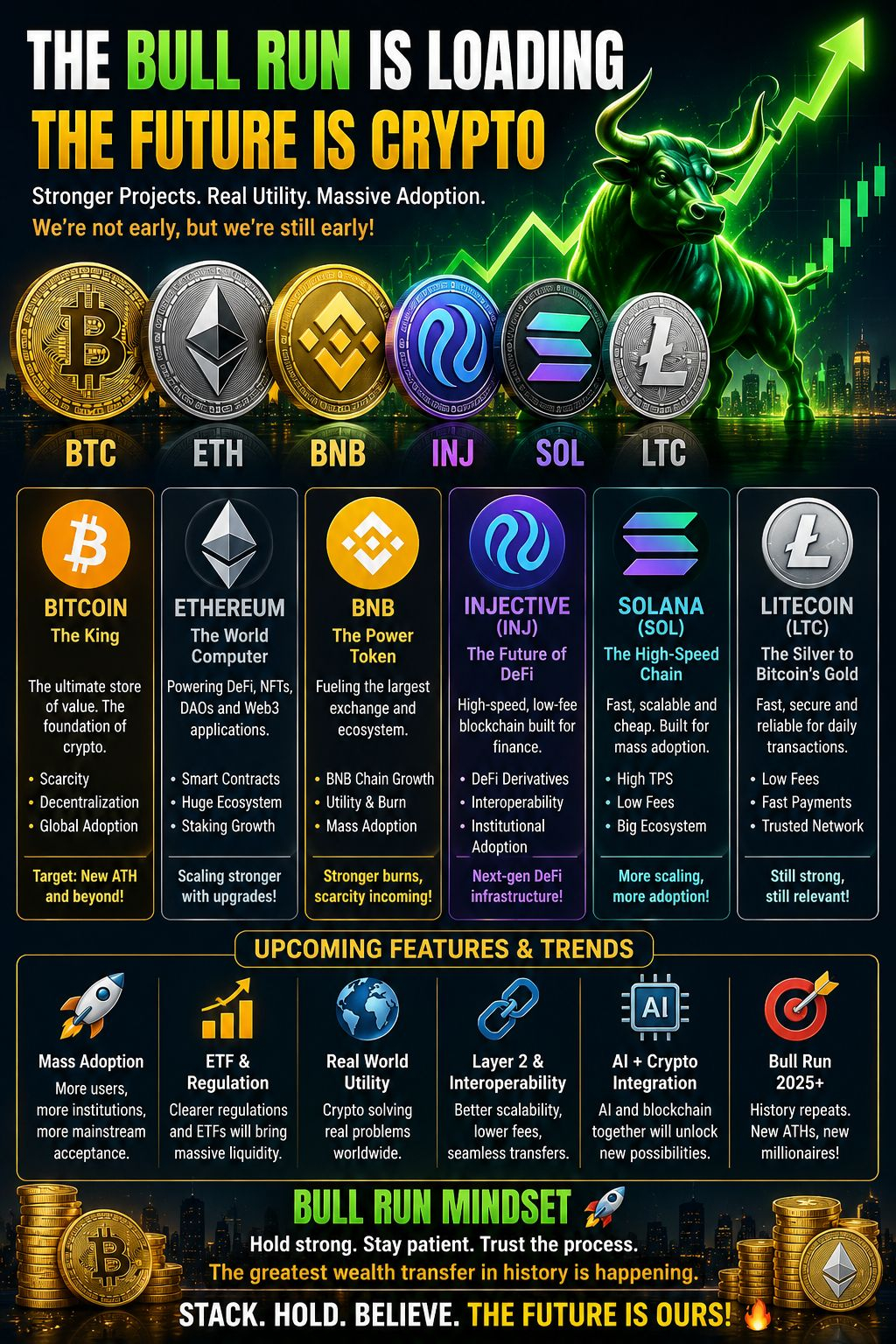
🚀 CRYPTO BULL RUN: THE NEXT BIG MOVE? 🐂🔥
The crypto market is evolving fast — and the next cycle may be driven by utility, adoption, institutions, and real on-chain finance, not just hype.
₿ BTC — The King
Digital scarcity + institutional adoption + ETF demand. Bitcoin remains the foundation of the entire market.
♦️ ETH — The World Computer
Ethereum continues pushing scalability and ecosystem growth, with major upgrades focused on making the network faster and more efficient.
🟡 BNB — The Ecosystem Engine
BNB Chain continues expanding its DeFi, Web3 and application ecosystem while BNB benefits from network utility and token economics.
🔵 INJ — Finance on-chain
Injective is building toward a finance-native blockchain with EVM + WASM, tokenized assets, stablecoin settlement, institutional access and an expanding RWA ecosystem.
🌈 SOL — Speed + Adoption
Solana continues pushing performance, while Alpenglow is one of the major protocol upgrades to watch in 2026, targeting dramatically faster finality.
⚡ LTC — The Veteran
Litecoin remains focused on fast, reliable payments, while upcoming developments include programmable functionality and its next halving cycle.
🔥 WHAT COULD DRIVE THE NEXT BULL RUN?
✅ Institutional capital
✅ ETF adoption
✅ Clearer crypto regulation
✅ Real-world asset tokenization
✅ Stablecoin growth
✅ DeFi expansion
✅ AI + blockchain
✅ Faster & cheaper networks
✅ Mass adoption
✅ New all-time highs
Bitcoin recently moved back above $80K, while ETH and SOL also posted strong gains — but a rally does not automatically guarantee a full bull market.
The real question isn't:
“Will crypto survive?”
It's:
“How big can the next adoption wave become?” 🌎🚀
BTC. ETH. BNB. INJ. SOL. LTC.
Different narratives.
Different technology.
One massive ecosystem.
🐂 The bull may be waking up.
#Bitcoin #Ethereum #BNB #Injective #Solana #Litecoin #Crypto #BullRun #DeFi #RWA #Web3 #Blockchain
The crypto market is evolving fast — and the next cycle may be driven by utility, adoption, institutions, and real on-chain finance, not just hype.
₿ BTC — The King
Digital scarcity + institutional adoption + ETF demand. Bitcoin remains the foundation of the entire market.
♦️ ETH — The World Computer
Ethereum continues pushing scalability and ecosystem growth, with major upgrades focused on making the network faster and more efficient.
🟡 BNB — The Ecosystem Engine
BNB Chain continues expanding its DeFi, Web3 and application ecosystem while BNB benefits from network utility and token economics.
🔵 INJ — Finance on-chain
Injective is building toward a finance-native blockchain with EVM + WASM, tokenized assets, stablecoin settlement, institutional access and an expanding RWA ecosystem.
🌈 SOL — Speed + Adoption
Solana continues pushing performance, while Alpenglow is one of the major protocol upgrades to watch in 2026, targeting dramatically faster finality.
⚡ LTC — The Veteran
Litecoin remains focused on fast, reliable payments, while upcoming developments include programmable functionality and its next halving cycle.
🔥 WHAT COULD DRIVE THE NEXT BULL RUN?
✅ Institutional capital
✅ ETF adoption
✅ Clearer crypto regulation
✅ Real-world asset tokenization
✅ Stablecoin growth
✅ DeFi expansion
✅ AI + blockchain
✅ Faster & cheaper networks
✅ Mass adoption
✅ New all-time highs
Bitcoin recently moved back above $80K, while ETH and SOL also posted strong gains — but a rally does not automatically guarantee a full bull market.
The real question isn't:
“Will crypto survive?”
It's:
“How big can the next adoption wave become?” 🌎🚀
BTC. ETH. BNB. INJ. SOL. LTC.
Different narratives.
Different technology.
One massive ecosystem.
🐂 The bull may be waking up.
#Bitcoin #Ethereum #BNB #Injective #Solana #Litecoin #Crypto #BullRun #DeFi #RWA #Web3 #Blockchain
go
Muzamil Abbas⁷⁵ 穆扎米尔_阿巴斯
·
--
Bullish🎉 15K Followers Celebration Giveaway! 🎉
Alhamdulillah, we have reached 15K followers on Binance Square Thank you all for your support and trust. To celebrate this milestone, I'm giving away SOL Coin to lucky winners. 🔥
✅ Like this post
✅ Repost this post
✅ Comment 1
✅ Claim 🎁
The more support you show, the bigger the future giveaways can become.
Good luck everyone
#BinanceSquare #SOL #Giveaway #15KMilestone #ThankYou
Alhamdulillah, we have reached 15K followers on Binance Square Thank you all for your support and trust. To celebrate this milestone, I'm giving away SOL Coin to lucky winners. 🔥
✅ Like this post
✅ Repost this post
✅ Comment 1
✅ Claim 🎁
The more support you show, the bigger the future giveaways can become.
Good luck everyone
#BinanceSquare #SOL #Giveaway #15KMilestone #ThankYou

go

x_Rex
·
--
Remember yesterday when I said the SEC was voting on crypto regulation today? 😅🧧
They cancelled it.
One day notice. No explanation. No replacement date.
The vote that would have given crypto projects a legal path to raise up to $75M without securities registration - gone. Just like that.
Senate left for recess without voting on the Clarity Act. SEC cancelled Regulation Crypto. Commissioner Hester Peirce, the most crypto-friendly voice at the SEC, is leaving in November.
And yet BTC is still at $62,969. ETH at $1,872. Market barely moved 😂
This is actually the most important lesson in crypto , Regulation delays are annoying. But the market has stopped waiting for regulators to catch up. $1.82 trillion market cap. $678M in ETF inflows last week. BlackRock buying daily.
The builders kept building. The buyers kept buying.
With or without Washington's permission
Grab the Red Packet — crypto doesn't wait for anyone 🧧
#BinanceSquareFamily #BinanceSquareTalks #redpacket
$BTC $ETH
They cancelled it.
One day notice. No explanation. No replacement date.
The vote that would have given crypto projects a legal path to raise up to $75M without securities registration - gone. Just like that.
Senate left for recess without voting on the Clarity Act. SEC cancelled Regulation Crypto. Commissioner Hester Peirce, the most crypto-friendly voice at the SEC, is leaving in November.
And yet BTC is still at $62,969. ETH at $1,872. Market barely moved 😂
This is actually the most important lesson in crypto , Regulation delays are annoying. But the market has stopped waiting for regulators to catch up. $1.82 trillion market cap. $678M in ETF inflows last week. BlackRock buying daily.
The builders kept building. The buyers kept buying.
With or without Washington's permission
Grab the Red Packet — crypto doesn't wait for anyone 🧧
#BinanceSquareFamily #BinanceSquareTalks #redpacket
$BTC $ETH

go


Shaheen 69
·
--
🎁 5 BASIC RULES TO SCORE MORE ON CREATOR PAD!
1️⃣ Stay consistent
2️⃣ Create original content
3️⃣ Follow every campaign requirement
4️⃣ Focus on quality + engagement
5️⃣ Stay active and post on time
Small improvements can bring bigger points and better rewards. 🚀
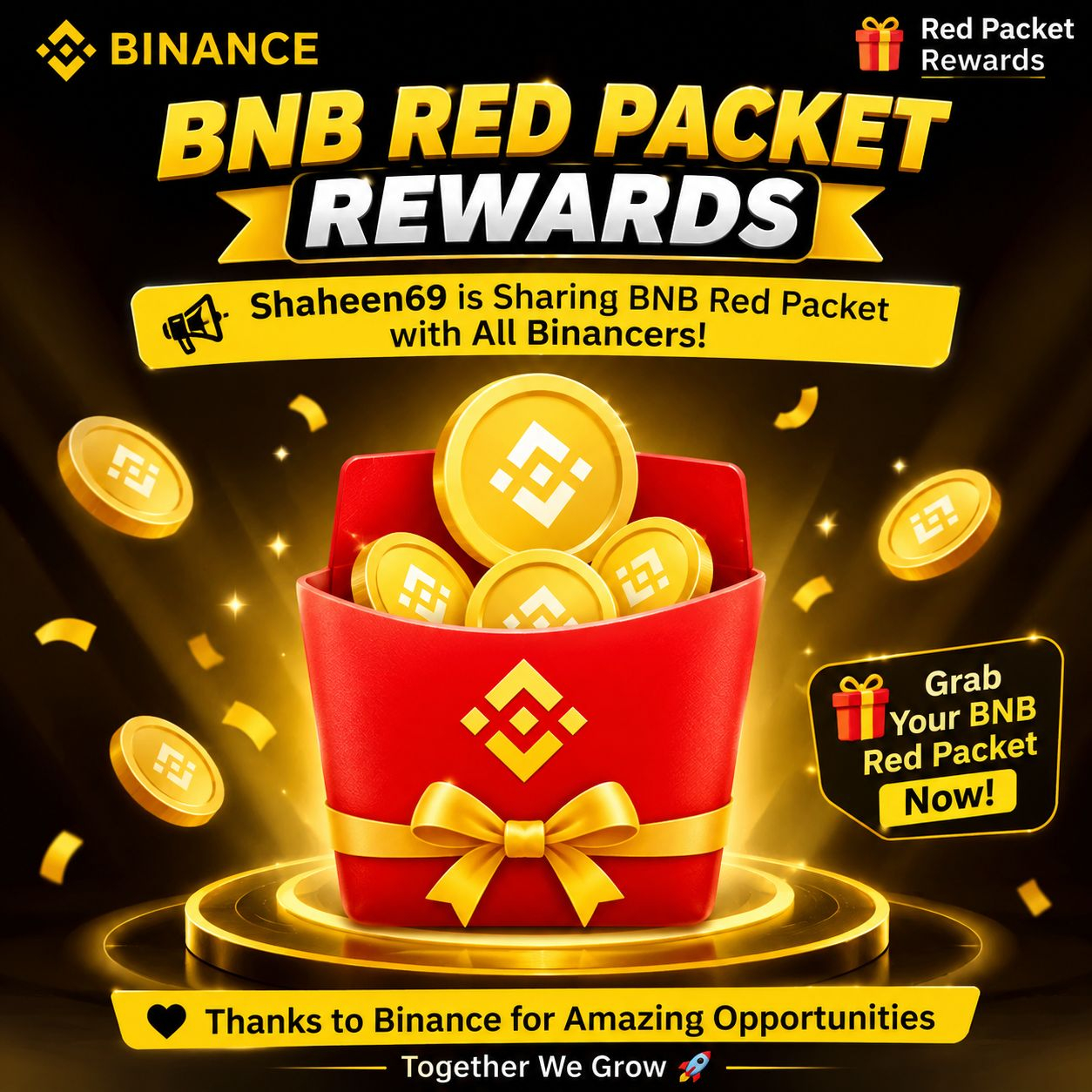
And today, Shaheen69 is sharing a BNB Red Packet 🎁 with all Binancers!
Good luck, creators! 💛
$BNB
1️⃣ Stay consistent
2️⃣ Create original content
3️⃣ Follow every campaign requirement
4️⃣ Focus on quality + engagement
5️⃣ Stay active and post on time
Small improvements can bring bigger points and better rewards. 🚀
And today, Shaheen69 is sharing a BNB Red Packet 🎁 with all Binancers!
Good luck, creators! 💛
$BNB
go

GLOW_PK
·
--
SOL red packet dropped ❤️🩹🧧
and suddenly nobody🫀✨️
needs sleep anymore 😂🎁
Everyone refreshing nonstop🎁🧧
like their salary depends on it 🤣💸🚀
Clim it Fast 🎁🤗💞🔐
$NVDAB $AAPLB $SOL
#Claim #Redpaicket #SECSendsCryptoCustodyRuleToWhiteHouse #SECSendsCryptoCustodyRuleToWhiteHouse #XRPRallies44%InAWeek
and suddenly nobody🫀✨️
needs sleep anymore 😂🎁
Everyone refreshing nonstop🎁🧧
like their salary depends on it 🤣💸🚀
Clim it Fast 🎁🤗💞🔐
$NVDAB $AAPLB $SOL
#Claim #Redpaicket #SECSendsCryptoCustodyRuleToWhiteHouse #SECSendsCryptoCustodyRuleToWhiteHouse #XRPRallies44%InAWeek

gi
Quoted content has been removed
yes
MrRUHUL
·
--
Tag that fren👇
g
E L E X A
·
--
🚨 LIVE NOW 🚨
Watching is easy… winning takes action 👀
Want free $USDT?
💬 Comment 666
❤️ Like
🔁 Share
➕ Follow
⏳ Spots are filling fast
Comment 666 now 🚀
#Crypto #USDT
Watching is easy… winning takes action 👀
Want free $USDT?
💬 Comment 666
❤️ Like
🔁 Share
➕ Follow
⏳ Spots are filling fast
Comment 666 now 🚀
#Crypto #USDT

g

Flora Firdos
·
--
🎁 FREE $USDT GIVEAWAY! 💸
Want a chance to grab some $USDT ? 👀
Just follow these simple steps:
💬 Comment 999
❤️ Like this post
🔄 Repost & share
➕ Follow the account
Don’t wait too long the earlier you join, the better! 🚀
#USDT #CryptoGiveaway #Airdrops_free #USDTfree
Want a chance to grab some $USDT ? 👀
Just follow these simple steps:
💬 Comment 999
❤️ Like this post
🔄 Repost & share
➕ Follow the account
Don’t wait too long the earlier you join, the better! 🚀
#USDT #CryptoGiveaway #Airdrops_free #USDTfree

go
ETHcryptohub
·
--
🎁🎁🎁🎁 Gifts for Everyone 🎁🎁🎁🎁
Comment: Yes
LIKE + Follow + Repost
🎉🎉🎉🎉🎉🎉🎉🎉🎉🎉🎉
#Ethcryptohub
$BNB $BTC
Comment: Yes
LIKE + Follow + Repost
🎉🎉🎉🎉🎉🎉🎉🎉🎉🎉🎉
#Ethcryptohub
$BNB $BTC
go
Quoted content has been removed
go
Flora Firdos
·
--
🎁 FREE $USDT GIVEAWAY! 💸
Want a chance to grab some $USDT ? 👀
Just follow these simple steps:
💬 Comment 999
❤️ Like this post
🔄 Repost & share
➕ Follow the account
Don’t wait too long the earlier you join, the better! 🚀
#USDT #CryptoGiveaway #Airdrops_free #USDTfree
Want a chance to grab some $USDT ? 👀
Just follow these simple steps:
💬 Comment 999
❤️ Like this post
🔄 Repost & share
➕ Follow the account
Don’t wait too long the earlier you join, the better! 🚀
#USDT #CryptoGiveaway #Airdrops_free #USDTfree
gi

Mr_BNB077
·
--
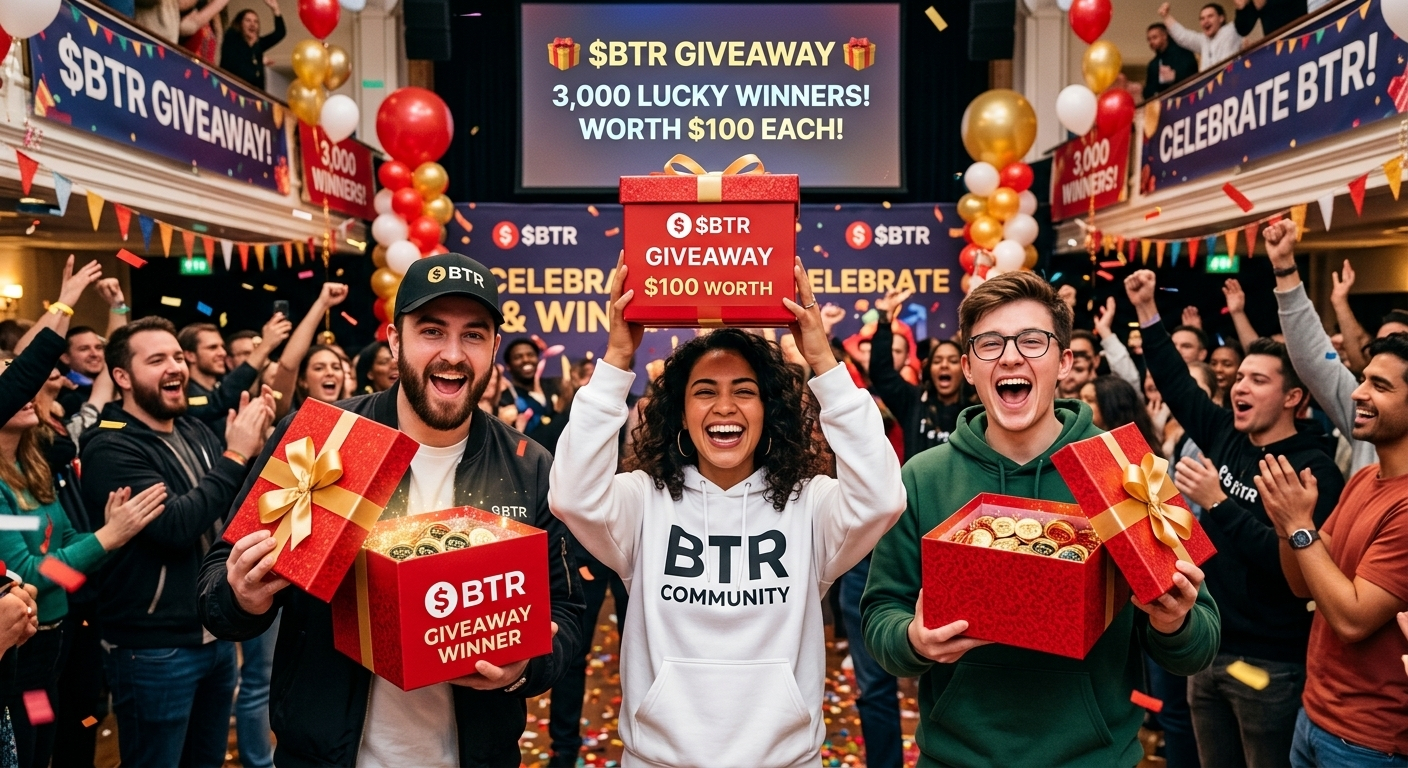
🎁 $BTR GIVEAWAY WORTH $100 🎁
I’m giving away $BTR Gift Boxes to 3,000 lucky people! 🚀🔥
To participate: ❤️ Like this post ✅
🔁 Repost this post ✅
💬 Comment “1” below ✅
🎁 Claim your $BTR Gift Box ✅
Good luck everyone!
I’m giving away $BTR Gift Boxes to 3,000 lucky people! 🚀🔥
To participate: ❤️ Like this post ✅
🔁 Repost this post ✅
💬 Comment “1” below ✅
🎁 Claim your $BTR Gift Box ✅
Good luck everyone!
go

Mariaaa27
·
--
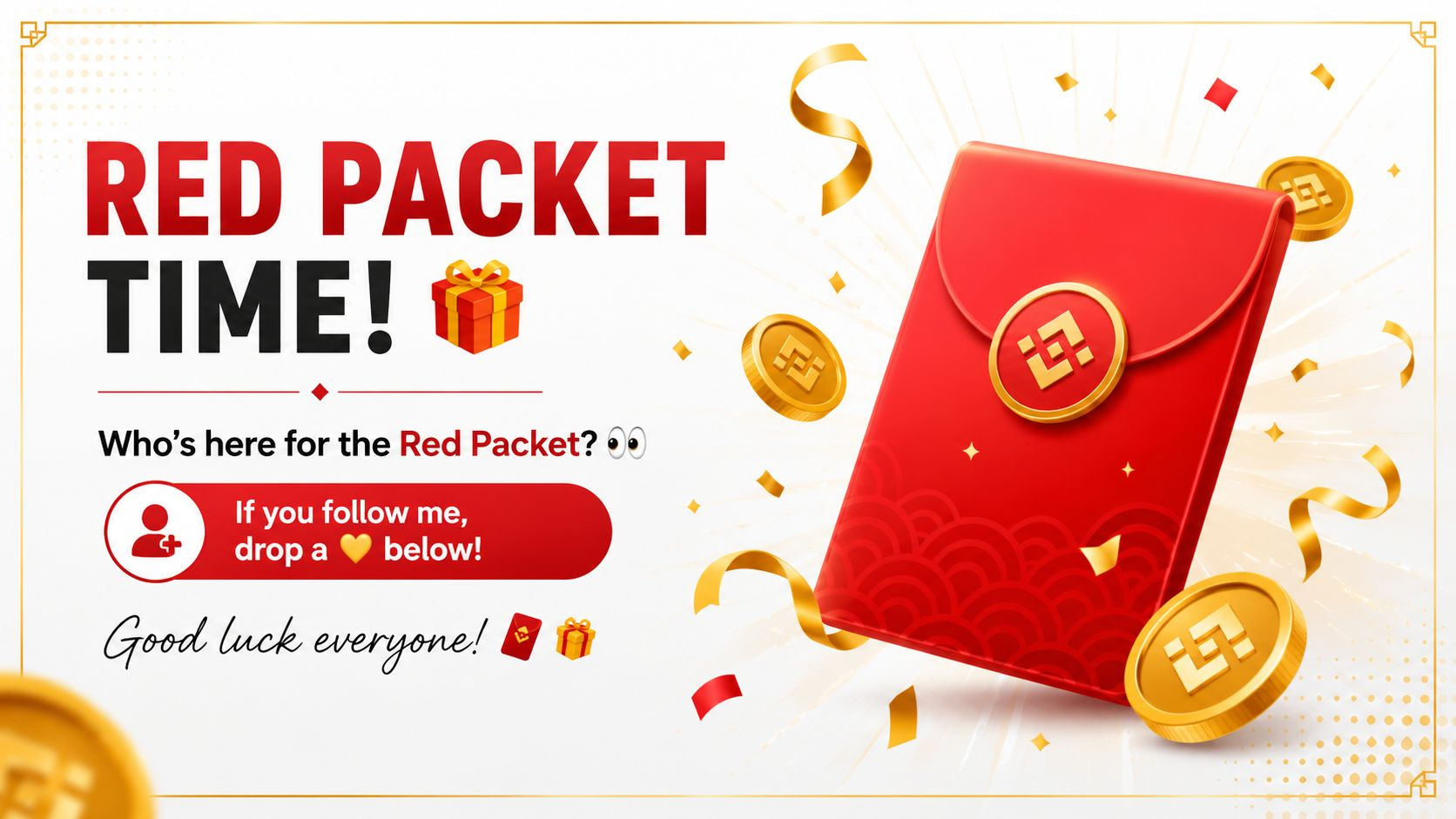
🧧 RED PACKET TIME! 🎁
Who’s here for the Red Packet? 👀
follow me
repost
like
comment
If you follow me, drop a ❤️ below!
Good luck everyone! 🍀🧧
#BinanceSquareFamily
Who’s here for the Red Packet? 👀
follow me
repost
like
comment
If you follow me, drop a ❤️ below!
Good luck everyone! 🍀🧧
#BinanceSquareFamily
go
Muzamil Abbas⁷⁵ 穆扎米尔_阿巴斯
·
--
Bullish🎁 $SHIB GIVEAWAY WORTH $100 🎁
I’m giving away SHIB Gift Boxes to 3,000 lucky people! 🐕🔥
To participate:
❤️ Like this post ✅
🔁 Repost this post ✅
💬 Comment “1” below ✅
🎁 Claim your Gift Box ✅
Good luck everyone🚀✨
#SHIB #Giveaway #Binance #CryptoGiveaway

go

RCB signal
·
--
claim web3 benifits here 👈
$BNB $ASTER $MarsCoin
$BNB $ASTER $MarsCoin
Log in to explore more content