
-BLX
65 Posts

-BLX
Report
Block User
Crypto Market Analyst | Web3 Strategist | Onchain Explorer | Ecosystem Builder
3 Following
25 Followers
39 Liked
Posts
All
Live


·
--
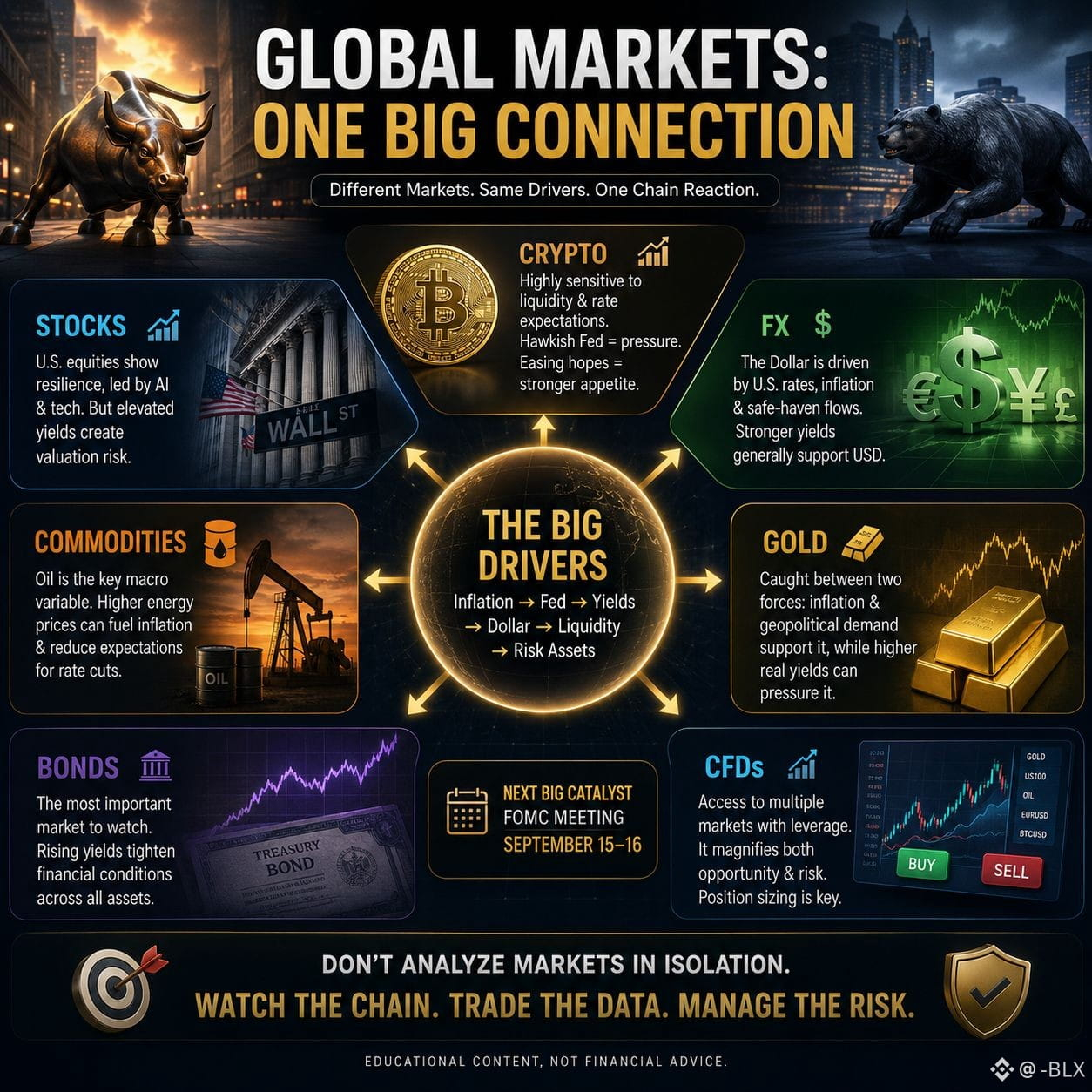
GLOBAL MARKETS: THE BIGGER PICTURE
Markets are not moving independently.
The same forces are connecting Crypto, Stocks, FX, Commodities, Bonds and CFDs.
Here’s what matters right now:
CRYPTO
$BTC and major digital assets remain highly sensitive to liquidity and rate expectations. A more hawkish Fed can pressure risk assets, while easing expectations can improve appetite.
STOCKS
U.S. equities continue to show resilience, particularly around AI and technology, but elevated yields create a valuation risk.
FX
The Dollar remains highly sensitive to U.S. rates, inflation and safe-haven flows. Stronger yields generally support USD.
COMMODITIES
Oil is the key macro variable to watch. Higher energy prices can feed inflation and reduce expectations for monetary easing.
GOLD
Gold remains caught between two forces: inflation/geopolitical demand supports it, while higher real yields can pressure it.
BONDS
This may be the most important market to watch. Rising yields are effectively tightening financial conditions across other asset classes.
CFDs
CFDs provide exposure to many of these markets, but leverage magnifies both opportunity and risk. Position sizing matters more than prediction.
THE BIG TAKEAWAY
Don't analyze markets in isolation.
Watch the chain:
Inflation → Fed → Yields → Dollar → Liquidity → Risk Assets
For now, the market is balancing strong economic data against persistent inflation and elevated geopolitical risk.
The next major catalyst:
FOMC — September 15–16
Trade the data.
Manage the risk.
Don't trade the narrative alone.
Educational content, not financial advice.#USAugustAvgHourlyEarningsRise3.1%
GLOBAL MARKETS: THE BIGGER PICTURE
Markets are not moving independently.
The same forces are connecting Crypto, Stocks, FX, Commodities, Bonds and CFDs.
Here’s what matters right now:
CRYPTO
$BTC and major digital assets remain highly sensitive to liquidity and rate expectations. A more hawkish Fed can pressure risk assets, while easing expectations can improve appetite.
STOCKS
U.S. equities continue to show resilience, particularly around AI and technology, but elevated yields create a valuation risk.
FX
The Dollar remains highly sensitive to U.S. rates, inflation and safe-haven flows. Stronger yields generally support USD.
COMMODITIES
Oil is the key macro variable to watch. Higher energy prices can feed inflation and reduce expectations for monetary easing.
GOLD
Gold remains caught between two forces: inflation/geopolitical demand supports it, while higher real yields can pressure it.
BONDS
This may be the most important market to watch. Rising yields are effectively tightening financial conditions across other asset classes.
CFDs
CFDs provide exposure to many of these markets, but leverage magnifies both opportunity and risk. Position sizing matters more than prediction.
THE BIG TAKEAWAY
Don't analyze markets in isolation.
Watch the chain:
Inflation → Fed → Yields → Dollar → Liquidity → Risk Assets
For now, the market is balancing strong economic data against persistent inflation and elevated geopolitical risk.
The next major catalyst:
FOMC — September 15–16
Trade the data.
Manage the risk.
Don't trade the narrative alone.
Educational content, not financial advice.#USAugustAvgHourlyEarningsRise3.1%
Markets are not moving independently.
The same forces are connecting Crypto, Stocks, FX, Commodities, Bonds and CFDs.
Here’s what matters right now:
CRYPTO
$BTC and major digital assets remain highly sensitive to liquidity and rate expectations. A more hawkish Fed can pressure risk assets, while easing expectations can improve appetite.
STOCKS
U.S. equities continue to show resilience, particularly around AI and technology, but elevated yields create a valuation risk.
FX
The Dollar remains highly sensitive to U.S. rates, inflation and safe-haven flows. Stronger yields generally support USD.
COMMODITIES
Oil is the key macro variable to watch. Higher energy prices can feed inflation and reduce expectations for monetary easing.
GOLD
Gold remains caught between two forces: inflation/geopolitical demand supports it, while higher real yields can pressure it.
BONDS
This may be the most important market to watch. Rising yields are effectively tightening financial conditions across other asset classes.
CFDs
CFDs provide exposure to many of these markets, but leverage magnifies both opportunity and risk. Position sizing matters more than prediction.
THE BIG TAKEAWAY
Don't analyze markets in isolation.
Watch the chain:
Inflation → Fed → Yields → Dollar → Liquidity → Risk Assets
For now, the market is balancing strong economic data against persistent inflation and elevated geopolitical risk.
The next major catalyst:
FOMC — September 15–16
Trade the data.
Manage the risk.
Don't trade the narrative alone.
Educational content, not financial advice.#USAugustAvgHourlyEarningsRise3.1%
65
·
--
Bullish
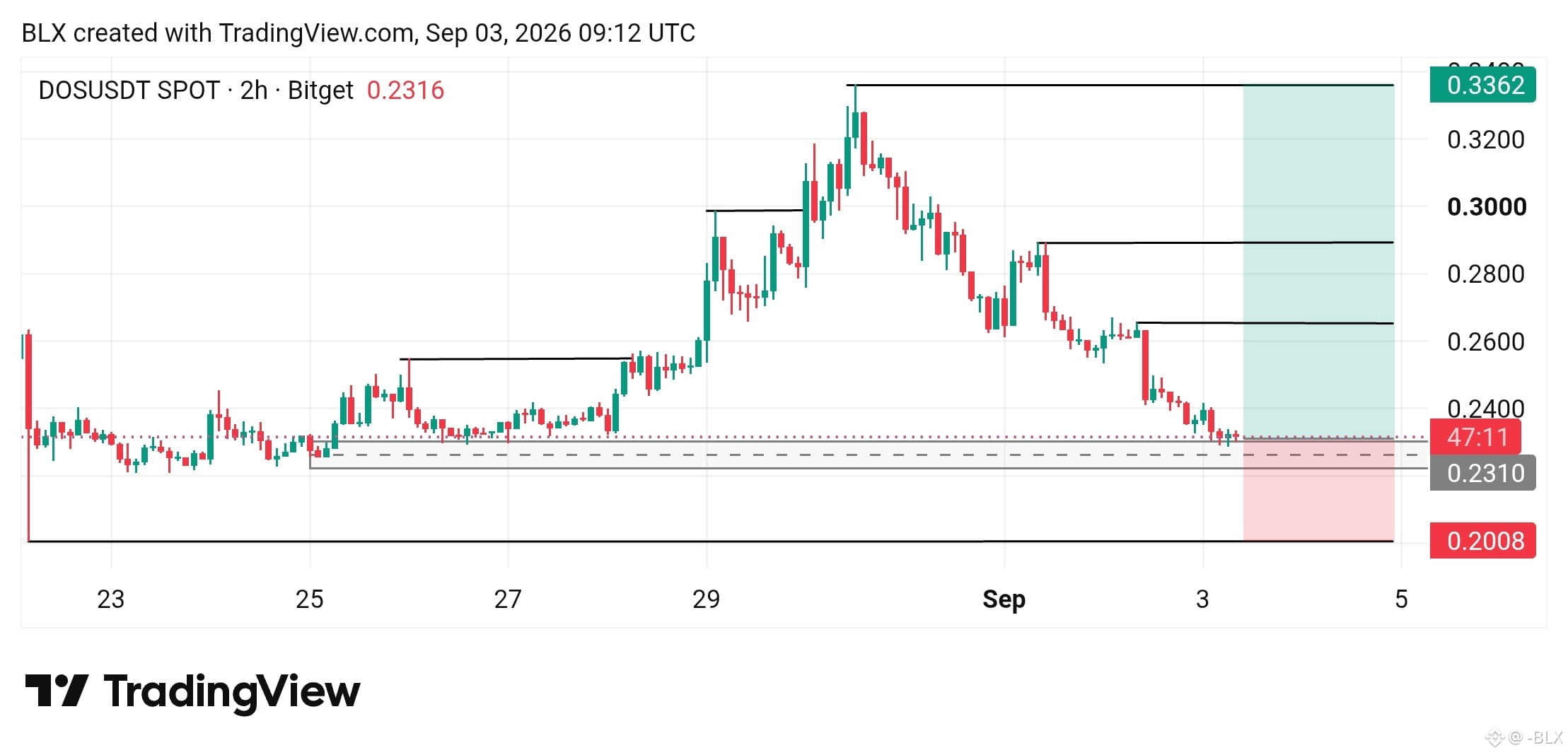
$DOS /USDT
Current: ~$0.2316
Key support: $0.231–$0.225
Invalidation: $0.2008
TP1: $0.263
TP2: $0.290
TP3: $0.336
Price is sitting directly on a major demand/support zone after a sharp correction.
A reclaim of $0.240–$0.245 would strengthen the reversal case.
Losing $0.225 would weaken the setup and expose ~$0.20.
#PredictionMarketsPutCLARITYAct2026OddsAt15%
$DOS /USDT
Current: ~$0.2316
Key support: $0.231–$0.225
Invalidation: $0.2008
TP1: $0.263
TP2: $0.290
TP3: $0.336
Price is sitting directly on a major demand/support zone after a sharp correction.
A reclaim of $0.240–$0.245 would strengthen the reversal case.
Losing $0.225 would weaken the setup and expose ~$0.20.
#PredictionMarketsPutCLARITYAct2026OddsAt15%
Current: ~$0.2316
Key support: $0.231–$0.225
Invalidation: $0.2008
TP1: $0.263
TP2: $0.290
TP3: $0.336
Price is sitting directly on a major demand/support zone after a sharp correction.
A reclaim of $0.240–$0.245 would strengthen the reversal case.
Losing $0.225 would weaken the setup and expose ~$0.20.
#PredictionMarketsPutCLARITYAct2026OddsAt15%
1
331
·
--
Bullish
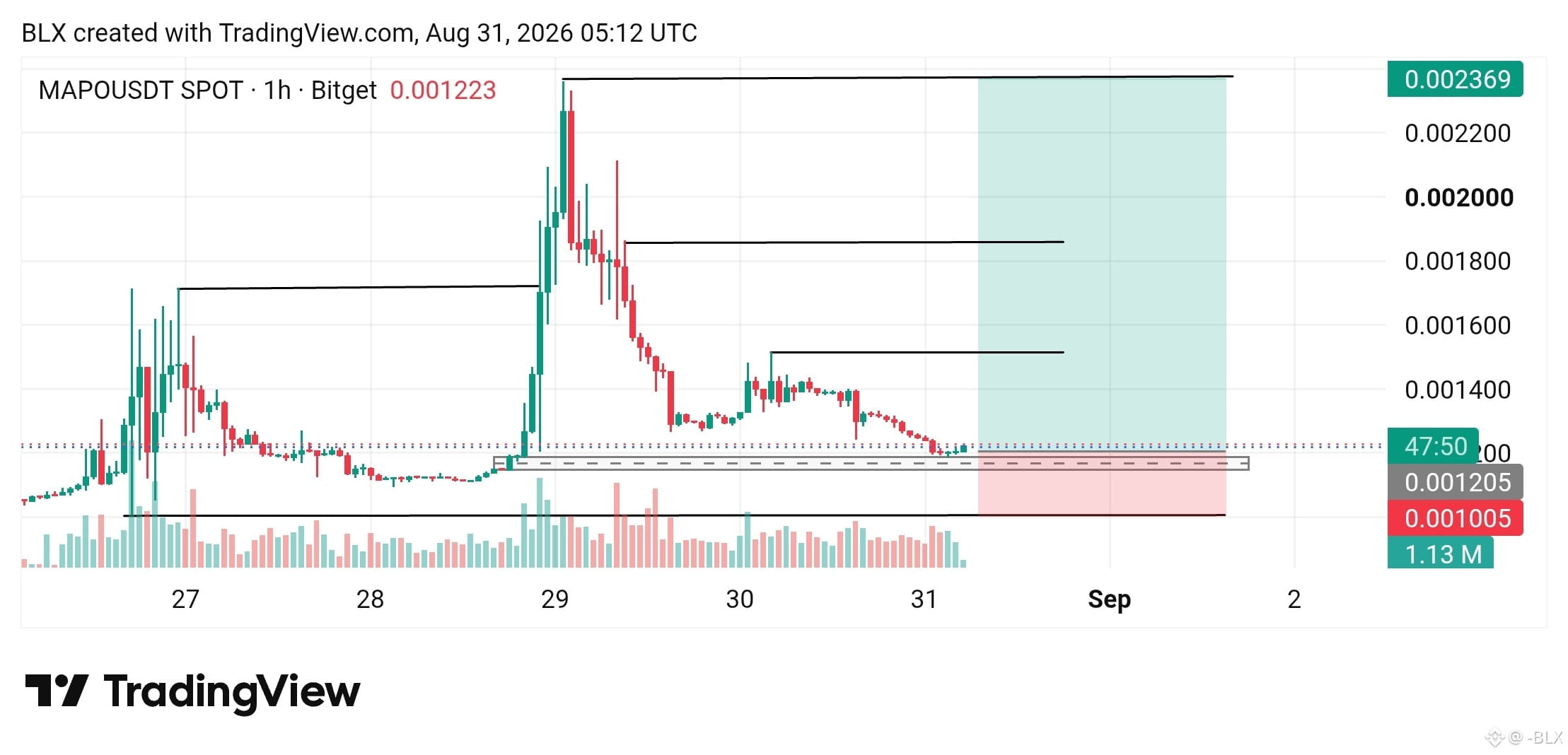
MAPO/USDT 1H
Current: ~0.001223 on your chart.
Structure: Bearish/neutral after the sharp rejection from ~0.0023. Price is now testing the 0.00120–0.00115 support zone.
Bullish trigger: Reclaim 0.00140–0.00150 → potential moves toward 0.00185, then 0.00236.
Bearish trigger: Lose 0.00115–0.00120 → likely retest of 0.00100.
BrentRisesAbove$90 YenFallsDespite$97BJapanSupport
MAPO/USDT 1H
Current: ~0.001223 on your chart.
Structure: Bearish/neutral after the sharp rejection from ~0.0023. Price is now testing the 0.00120–0.00115 support zone.
Bullish trigger: Reclaim 0.00140–0.00150 → potential moves toward 0.00185, then 0.00236.
Bearish trigger: Lose 0.00115–0.00120 → likely retest of 0.00100.
BrentRisesAbove$90 YenFallsDespite$97BJapanSupport
Current: ~0.001223 on your chart.
Structure: Bearish/neutral after the sharp rejection from ~0.0023. Price is now testing the 0.00120–0.00115 support zone.
Bullish trigger: Reclaim 0.00140–0.00150 → potential moves toward 0.00185, then 0.00236.
Bearish trigger: Lose 0.00115–0.00120 → likely retest of 0.00100.
BrentRisesAbove$90 YenFallsDespite$97BJapanSupport
67
·
--
Bullish
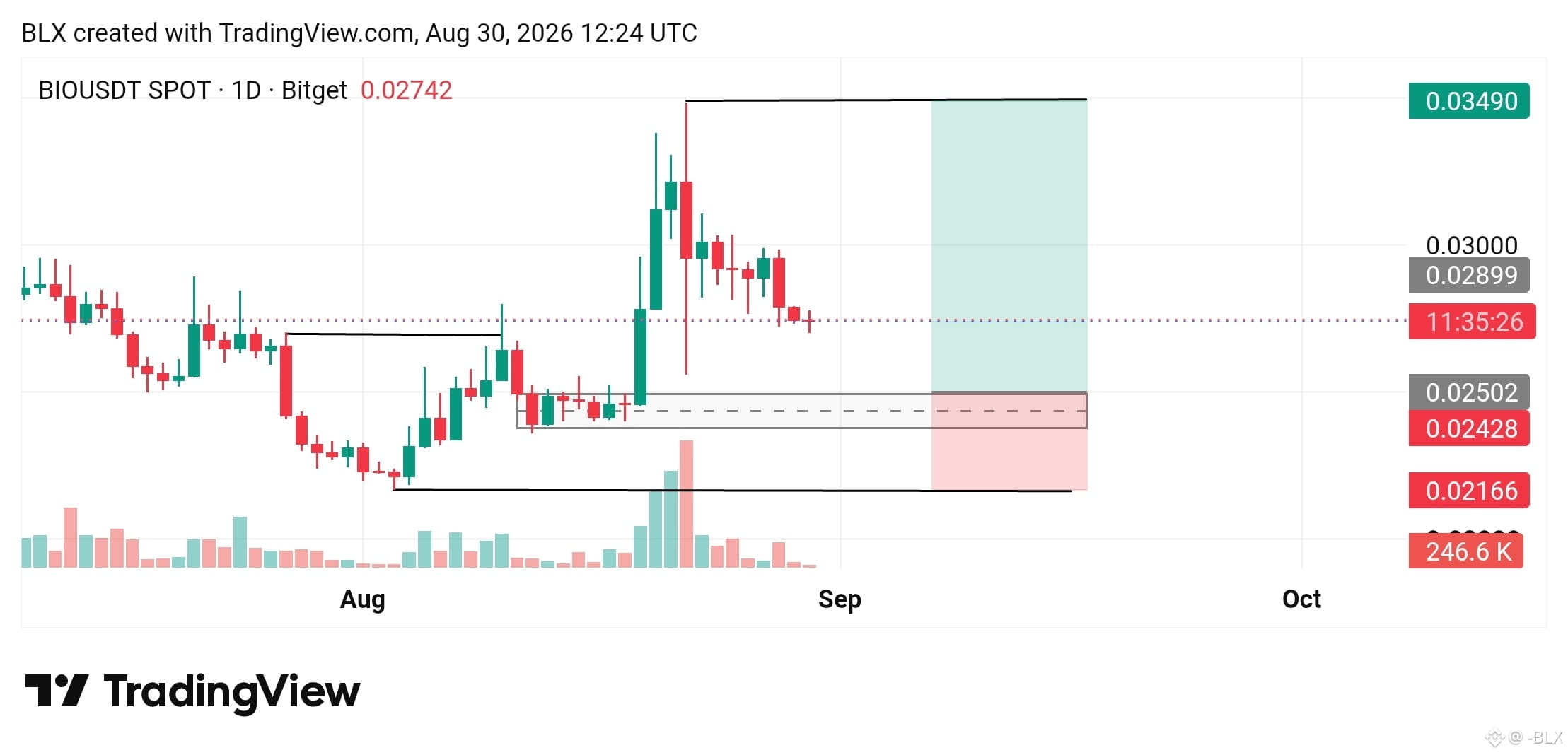
$CYS /USDT 4H
The chart shows a strong bullish structure that suffered a sharp correction, followed by a reaction from the 0.57–0.58 support zone.
Current chart price: ~0.624
Key support: 0.5743
Invalidation/SL: 0.5129
Targets: 0.67 → 0.73 → 0.856
#NYSilverFuturesDrop3% BTCDrops3.4%To$77383
$CYS /USDT 4H
The chart shows a strong bullish structure that suffered a sharp correction, followed by a reaction from the 0.57–0.58 support zone.
Current chart price: ~0.624
Key support: 0.5743
Invalidation/SL: 0.5129
Targets: 0.67 → 0.73 → 0.856
#NYSilverFuturesDrop3% BTCDrops3.4%To$77383
The chart shows a strong bullish structure that suffered a sharp correction, followed by a reaction from the 0.57–0.58 support zone.
Current chart price: ~0.624
Key support: 0.5743
Invalidation/SL: 0.5129
Targets: 0.67 → 0.73 → 0.856
#NYSilverFuturesDrop3% BTCDrops3.4%To$77383
142
·
--
Bullish
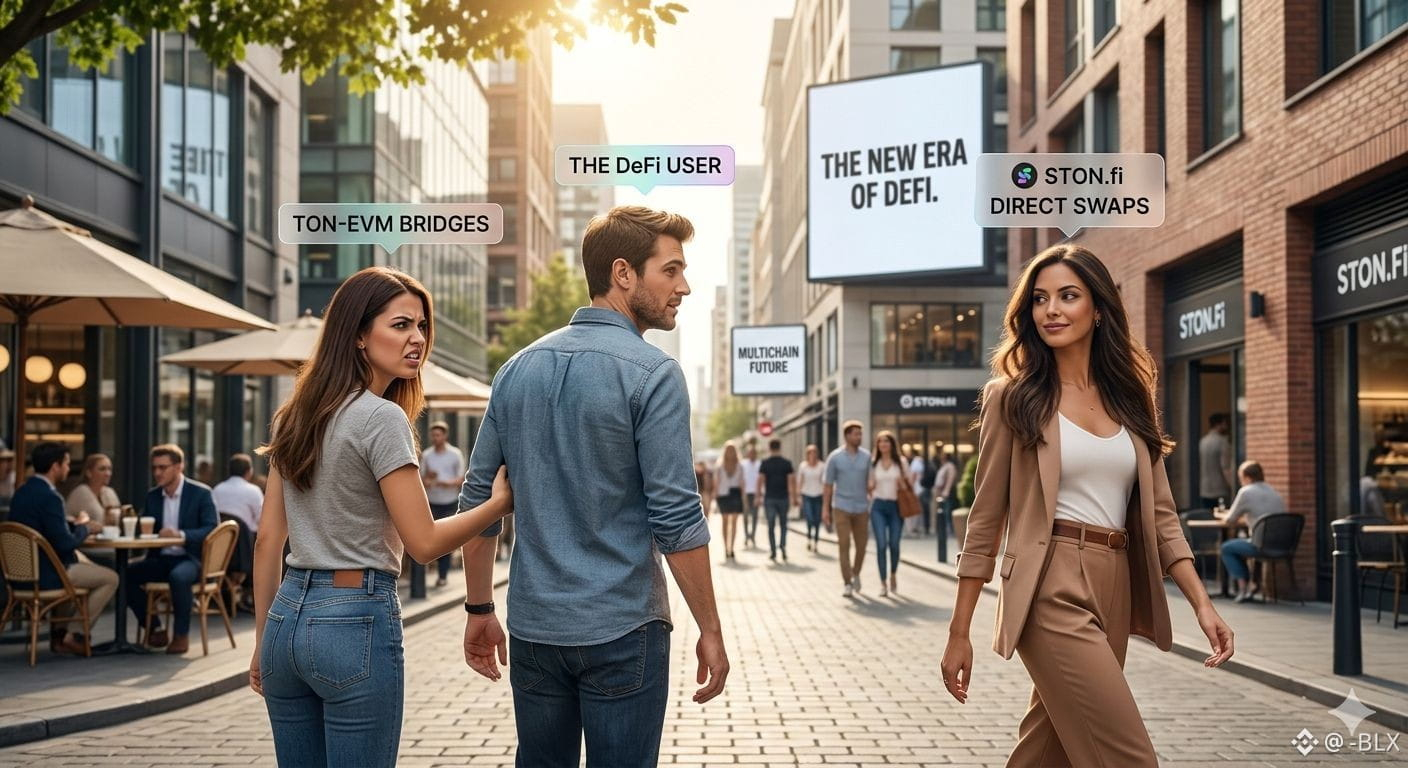
STONfi Goes Multichain: TON ↔ EVM Swaps Are Now Live
Cross-chain swaps between TON and major EVM networks are now live on STON.fi, bringing a more seamless multichain DeFi experience to users.
With a single interface, users can swap supported assets across TON, Ethereum, Base, BNB Chain, and Polygon without relying on separate bridges or multiple applications.
Supported Assets
• USDT on TON
• USDT & USDC on Ethereum
• USDT & USDC on Base
• USDT & USDC on BNB Chain
• PUSD & USDC on Polygon
Powered by Omniston, STON.fi's execution layer, swaps are executed only if the quoted amount can be delivered. Otherwise, funds are returned in full.
Launch Note: Cross-chain swaps are currently capped at $1,000 per transaction.
This marks the first step toward a truly interconnected DeFi ecosystem, with more chains, assets, and swap routes coming soon.
#STONfi
STONfi Goes Multichain: TON ↔ EVM Swaps Are Now Live
Cross-chain swaps between TON and major EVM networks are now live on STON.fi, bringing a more seamless multichain DeFi experience to users.
With a single interface, users can swap supported assets across TON, Ethereum, Base, BNB Chain, and Polygon without relying on separate bridges or multiple applications.
Supported Assets
• USDT on TON
• USDT & USDC on Ethereum
• USDT & USDC on Base
• USDT & USDC on BNB Chain
• PUSD & USDC on Polygon
Powered by Omniston, STON.fi's execution layer, swaps are executed only if the quoted amount can be delivered. Otherwise, funds are returned in full.
Launch Note: Cross-chain swaps are currently capped at $1,000 per transaction.
This marks the first step toward a truly interconnected DeFi ecosystem, with more chains, assets, and swap routes coming soon.
#STONfi
Cross-chain swaps between TON and major EVM networks are now live on STON.fi, bringing a more seamless multichain DeFi experience to users.
With a single interface, users can swap supported assets across TON, Ethereum, Base, BNB Chain, and Polygon without relying on separate bridges or multiple applications.
Supported Assets
• USDT on TON
• USDT & USDC on Ethereum
• USDT & USDC on Base
• USDT & USDC on BNB Chain
• PUSD & USDC on Polygon
Powered by Omniston, STON.fi's execution layer, swaps are executed only if the quoted amount can be delivered. Otherwise, funds are returned in full.
Launch Note: Cross-chain swaps are currently capped at $1,000 per transaction.
This marks the first step toward a truly interconnected DeFi ecosystem, with more chains, assets, and swap routes coming soon.
#STONfi
140
·
--
Bullish
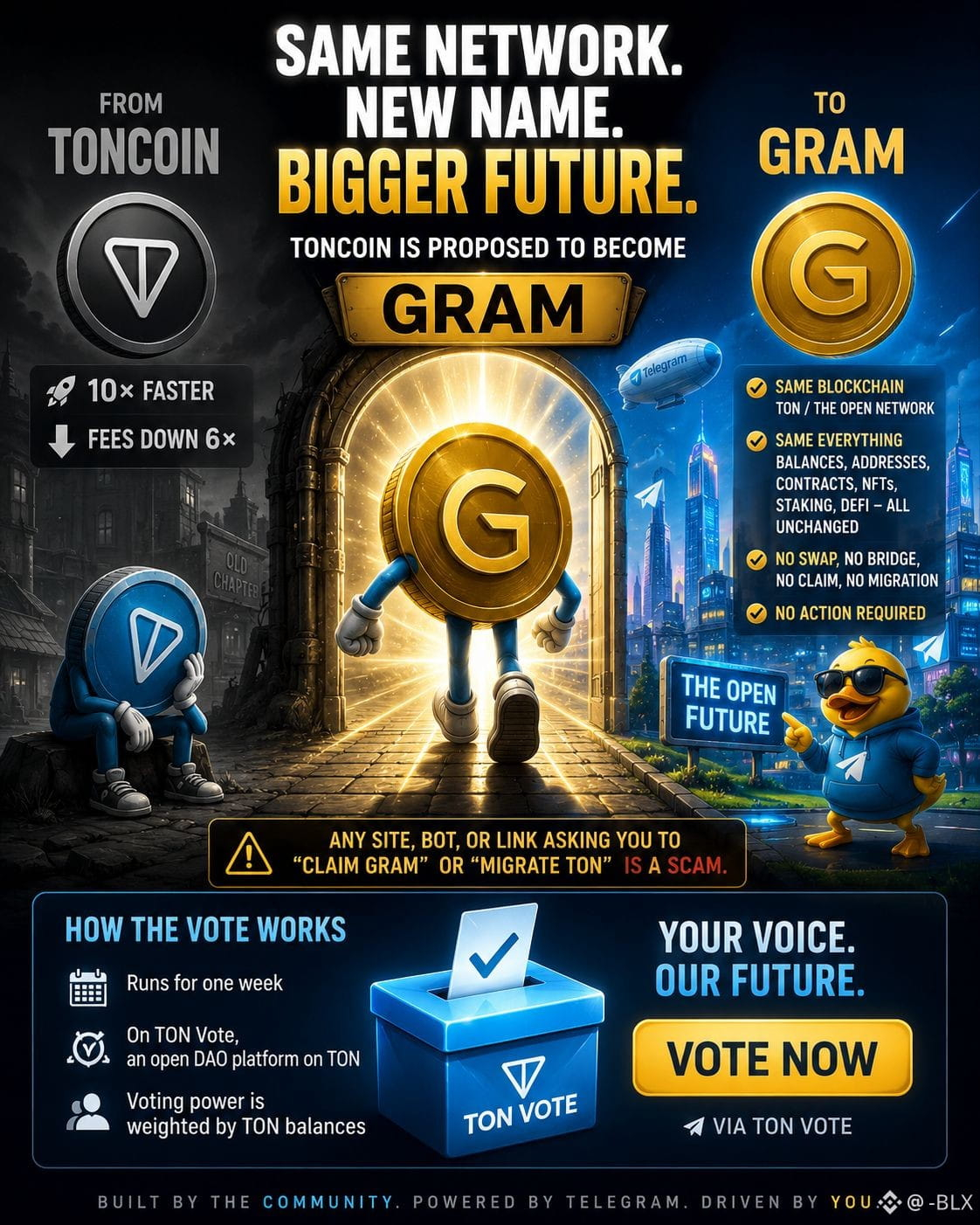
Toncoin Name Change — Community Vote
TON has evolved significantly in recent months. Telegram is now taking a leading role in the network and has become its largest validator. The chain is also 10× faster, with fees reduced by 6×.
“Gram” was the original name of the token in the TON whitepaper and has remained in the codebase since inception.
That’s why a proposal has been introduced to rename the native token from Toncoin → Gram, bringing it closer to its original vision.
What changes ?
Blockchain remains: TON (The Open Network)
Only token name & ticker change
All assets remain unchanged:
Wallet balances
Smart contracts
NFTs
Staking & DeFi positions
No swap, bridge, migration, or claim required.
Security Warning Any website, bot, or message asking you to “claim GRAM” or “migrate TON” is a scam. Do not interact.
How the vote works
Runs for 1 week
Hosted on TON Vote, an open DAO platform on TON
Voting power is based on TON holdings
Participate via official TON Vote platform only. 👇
https://ton.vote/EQDQvywF226NXojPky_9gwbCz0FPoygqY11bGl03SONNBs5V/proposal/EQALWRyOG5lnkQjqZ3I0XOEhshGVzo8BvzsdSYPYEsepN--x
#STONfi
Toncoin Name Change — Community Vote
TON has evolved significantly in recent months. Telegram is now taking a leading role in the network and has become its largest validator. The chain is also 10× faster, with fees reduced by 6×.
“Gram” was the original name of the token in the TON whitepaper and has remained in the codebase since inception.
That’s why a proposal has been introduced to rename the native token from Toncoin → Gram, bringing it closer to its original vision.
What changes ?
Blockchain remains: TON (The Open Network)
Only token name & ticker change
All assets remain unchanged:
Wallet balances
Smart contracts
NFTs
Staking & DeFi positions
No swap, bridge, migration, or claim required.
Security Warning Any website, bot, or message asking you to “claim GRAM” or “migrate TON” is a scam. Do not interact.
How the vote works
Runs for 1 week
Hosted on TON Vote, an open DAO platform on TON
Voting power is based on TON holdings
Participate via official TON Vote platform only. 👇
https://ton.vote/EQDQvywF226NXojPky_9gwbCz0FPoygqY11bGl03SONNBs5V/proposal/EQALWRyOG5lnkQjqZ3I0XOEhshGVzo8BvzsdSYPYEsepN--x
#STONfi
TON has evolved significantly in recent months. Telegram is now taking a leading role in the network and has become its largest validator. The chain is also 10× faster, with fees reduced by 6×.
“Gram” was the original name of the token in the TON whitepaper and has remained in the codebase since inception.
That’s why a proposal has been introduced to rename the native token from Toncoin → Gram, bringing it closer to its original vision.
What changes ?
Blockchain remains: TON (The Open Network)
Only token name & ticker change
All assets remain unchanged:
Wallet balances
Smart contracts
NFTs
Staking & DeFi positions
No swap, bridge, migration, or claim required.
Security Warning Any website, bot, or message asking you to “claim GRAM” or “migrate TON” is a scam. Do not interact.
How the vote works
Runs for 1 week
Hosted on TON Vote, an open DAO platform on TON
Voting power is based on TON holdings
Participate via official TON Vote platform only. 👇
https://ton.vote/EQDQvywF226NXojPky_9gwbCz0FPoygqY11bGl03SONNBs5V/proposal/EQALWRyOG5lnkQjqZ3I0XOEhshGVzo8BvzsdSYPYEsepN--x
#STONfi
85
·
--
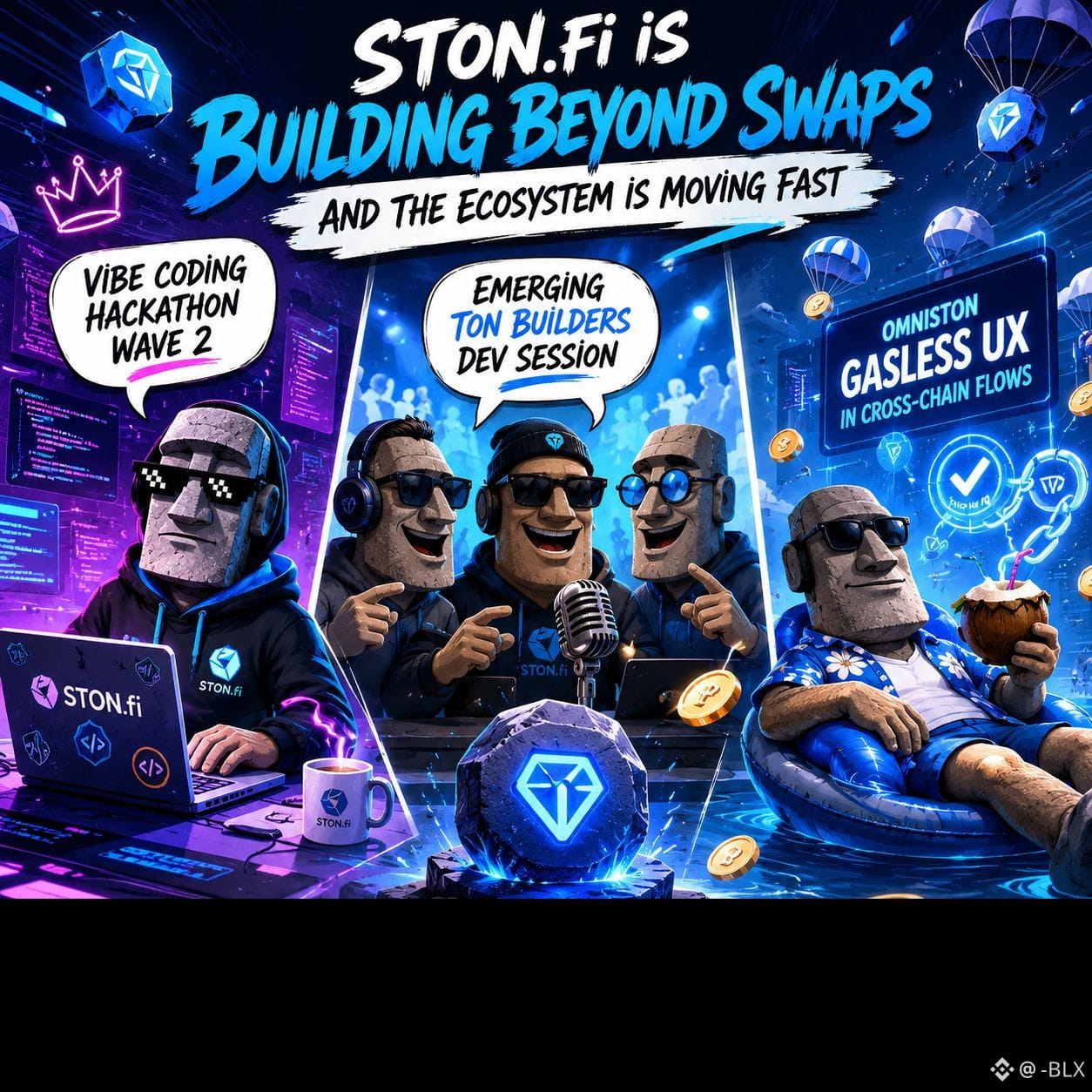
STONfi Is Building Beyond Swaps And The Ecosystem Is Moving Fast
Stonfiers! The TON ecosystem is heating up again as STON.fi pushes deeper into real product building, developer onboarding, and next-gen DeFi infrastructure.
Vibe Coding Hackathon Wave 2 Is Live
After a successful first edition, the STON.fi Vibe Coding Hackathon returns bigger and stronger giving builders the chance to launch real TON apps in just one weekend using AI coding agents.
With support from STON.fi and Wallet in Telegram, participants can compete across multiple tracks with rewards for the best projects, plus a participation pool shared among valid submissions.
Only 25 spots are available, making this one of the most competitive TON builder events this season.
Register here: https://luma.com/7iuv6wlb
Emerging TON Builders Developer Session
STON.fi also hosted a live developer session featuring teams actively building on TON infrastructure like Toncast, Stun Trade, and Dyadnum.
The discussion focused on:
• Real production lessons from TON builders
• What users actually respond to
• Challenges teams face after hackathons
• Why long-term builders keep shipping
The session also included community rewards for the best audience responses during the livestream.
Omniston Introduces Gasless Cross-Chain
UXSTON.fi’s Omniston execution sandbox is now testing gasless cross-chain flows for EVM source chains a major step toward smoother DeFi onboarding.
Instead of requiring users to hold native gas tokens, resolvers can now execute transactions on users’ behalf after wallet authorization, making cross-chain swaps far more seamless.
This pushes Omniston beyond aggregation and closer to becoming a true cross-chain execution layer for TON DeFi.
The future of TON infrastructure is being built in real time and STON.fi keeps positioning itself at the center of it.
Stay tuned.
#stonfi
STONfi Is Building Beyond Swaps And The Ecosystem Is Moving Fast
Stonfiers! The TON ecosystem is heating up again as STON.fi pushes deeper into real product building, developer onboarding, and next-gen DeFi infrastructure.
Vibe Coding Hackathon Wave 2 Is Live
After a successful first edition, the STON.fi Vibe Coding Hackathon returns bigger and stronger giving builders the chance to launch real TON apps in just one weekend using AI coding agents.
With support from STON.fi and Wallet in Telegram, participants can compete across multiple tracks with rewards for the best projects, plus a participation pool shared among valid submissions.
Only 25 spots are available, making this one of the most competitive TON builder events this season.
Register here: https://luma.com/7iuv6wlb
Emerging TON Builders Developer Session
STON.fi also hosted a live developer session featuring teams actively building on TON infrastructure like Toncast, Stun Trade, and Dyadnum.
The discussion focused on:
• Real production lessons from TON builders
• What users actually respond to
• Challenges teams face after hackathons
• Why long-term builders keep shipping
The session also included community rewards for the best audience responses during the livestream.
Omniston Introduces Gasless Cross-Chain
UXSTON.fi’s Omniston execution sandbox is now testing gasless cross-chain flows for EVM source chains a major step toward smoother DeFi onboarding.
Instead of requiring users to hold native gas tokens, resolvers can now execute transactions on users’ behalf after wallet authorization, making cross-chain swaps far more seamless.
This pushes Omniston beyond aggregation and closer to becoming a true cross-chain execution layer for TON DeFi.
The future of TON infrastructure is being built in real time and STON.fi keeps positioning itself at the center of it.
Stay tuned.
#stonfi
Stonfiers! The TON ecosystem is heating up again as STON.fi pushes deeper into real product building, developer onboarding, and next-gen DeFi infrastructure.
Vibe Coding Hackathon Wave 2 Is Live
After a successful first edition, the STON.fi Vibe Coding Hackathon returns bigger and stronger giving builders the chance to launch real TON apps in just one weekend using AI coding agents.
With support from STON.fi and Wallet in Telegram, participants can compete across multiple tracks with rewards for the best projects, plus a participation pool shared among valid submissions.
Only 25 spots are available, making this one of the most competitive TON builder events this season.
Register here: https://luma.com/7iuv6wlb
Emerging TON Builders Developer Session
STON.fi also hosted a live developer session featuring teams actively building on TON infrastructure like Toncast, Stun Trade, and Dyadnum.
The discussion focused on:
• Real production lessons from TON builders
• What users actually respond to
• Challenges teams face after hackathons
• Why long-term builders keep shipping
The session also included community rewards for the best audience responses during the livestream.
Omniston Introduces Gasless Cross-Chain
UXSTON.fi’s Omniston execution sandbox is now testing gasless cross-chain flows for EVM source chains a major step toward smoother DeFi onboarding.
Instead of requiring users to hold native gas tokens, resolvers can now execute transactions on users’ behalf after wallet authorization, making cross-chain swaps far more seamless.
This pushes Omniston beyond aggregation and closer to becoming a true cross-chain execution layer for TON DeFi.
The future of TON infrastructure is being built in real time and STON.fi keeps positioning itself at the center of it.
Stay tuned.
#stonfi
174
·
--
Bullish
Stonbassadors April Growth Report
Spring continues to be a period of steady growth for Stonbassadors — marked by more experimentation, stronger content formats, and preparation for an active summer ahead.
April in Numbers
✔️ 9,211 STON (~$6,139) distributed
✔️ 388 Stonbassadors rewarded
✔️ Average reward: $15+
✔️ Top ambassadors received $300+ in STON each
✔️ Long-Reads Contest successfully concluded; winners have been announced in the stonfiambassadors channel
✔️ Personalized feedback emails will be sent to all rewarded participants this week
Focus Areas Moving Forward
• Expand beyond a single platform
Strong creators repurpose and adapt content across X, Medium, Substack, LinkedIn, Telegram, CoinMarketCap, Binance Feed, Farcaster, Quora, and more.
•Increase video content production
Prioritize YouTube and TikTok — leverage trends for reach or create in-depth content for highly engaged ecosystem audiences.
• Build trust through valuable content
Explore STONfi, share personal experiences, and consistently deliver meaningful insights to your audience. Share your work in the ambassador chat, gather feedback, and continue improving.
join as stonbassadors 👇
https://ston.fi/stonbassadors
#STONfi #TON
Stonbassadors April Growth Report
Spring continues to be a period of steady growth for Stonbassadors — marked by more experimentation, stronger content formats, and preparation for an active summer ahead.
April in Numbers
✔️ 9,211 STON (~$6,139) distributed
✔️ 388 Stonbassadors rewarded
✔️ Average reward: $15+
✔️ Top ambassadors received $300+ in STON each
✔️ Long-Reads Contest successfully concluded; winners have been announced in the stonfiambassadors channel
✔️ Personalized feedback emails will be sent to all rewarded participants this week
Focus Areas Moving Forward
• Expand beyond a single platform
Strong creators repurpose and adapt content across X, Medium, Substack, LinkedIn, Telegram, CoinMarketCap, Binance Feed, Farcaster, Quora, and more.
•Increase video content production
Prioritize YouTube and TikTok — leverage trends for reach or create in-depth content for highly engaged ecosystem audiences.
• Build trust through valuable content
Explore STONfi, share personal experiences, and consistently deliver meaningful insights to your audience. Share your work in the ambassador chat, gather feedback, and continue improving.
join as stonbassadors 👇
https://ston.fi/stonbassadors
#STONfi #TON
Spring continues to be a period of steady growth for Stonbassadors — marked by more experimentation, stronger content formats, and preparation for an active summer ahead.
April in Numbers
✔️ 9,211 STON (~$6,139) distributed
✔️ 388 Stonbassadors rewarded
✔️ Average reward: $15+
✔️ Top ambassadors received $300+ in STON each
✔️ Long-Reads Contest successfully concluded; winners have been announced in the stonfiambassadors channel
✔️ Personalized feedback emails will be sent to all rewarded participants this week
Focus Areas Moving Forward
• Expand beyond a single platform
Strong creators repurpose and adapt content across X, Medium, Substack, LinkedIn, Telegram, CoinMarketCap, Binance Feed, Farcaster, Quora, and more.
•Increase video content production
Prioritize YouTube and TikTok — leverage trends for reach or create in-depth content for highly engaged ecosystem audiences.
• Build trust through valuable content
Explore STONfi, share personal experiences, and consistently deliver meaningful insights to your audience. Share your work in the ambassador chat, gather feedback, and continue improving.
join as stonbassadors 👇
https://ston.fi/stonbassadors
#STONfi #TON

430
·
--
Buy Utility Tokens at the Dip Not the Hype
Most traders buy excitement but smart investors buy value.
In crypto, hype is loud but utility is what lasts. If you want to win long-term, you don’t chase green candles. You position yourself when others are fearful.
How to Buy Utility Tokens the Smart Way
1. Understand the Real Use Case
A utility token should do something, power a product, fuel a network, or solve a real problem. If the value disappears without hype, it’s not utility, it’s noise.
2. Track Market Cycles, Not Emotions
Dips are opportunities, not disasters. Learn to recognize corrections versus collapse. When strong projects pull back with the market, that’s where smart money accumulates.
3. Use Data, Not Twitter Trends
Ignore FOMO. Focus on:
• On-chain activity
• Active users
• Developer growth
• Partnerships & ecosystem expansion
4. Dollar-Cost Average (DCA)
Timing the exact bottom is a myth. Scale in gradually to reduce risk and build conviction.
5. Liquidity & Volume Matter
A solid token should have healthy trading volume. Low liquidity means high risk of manipulation.
Wealth in crypto isn’t built by chasing pumps; it’s built by spotting value before the crowd.
Stop buying stories. Start buying value.
Position early, stay disciplined and let utility do the heavy lifting.
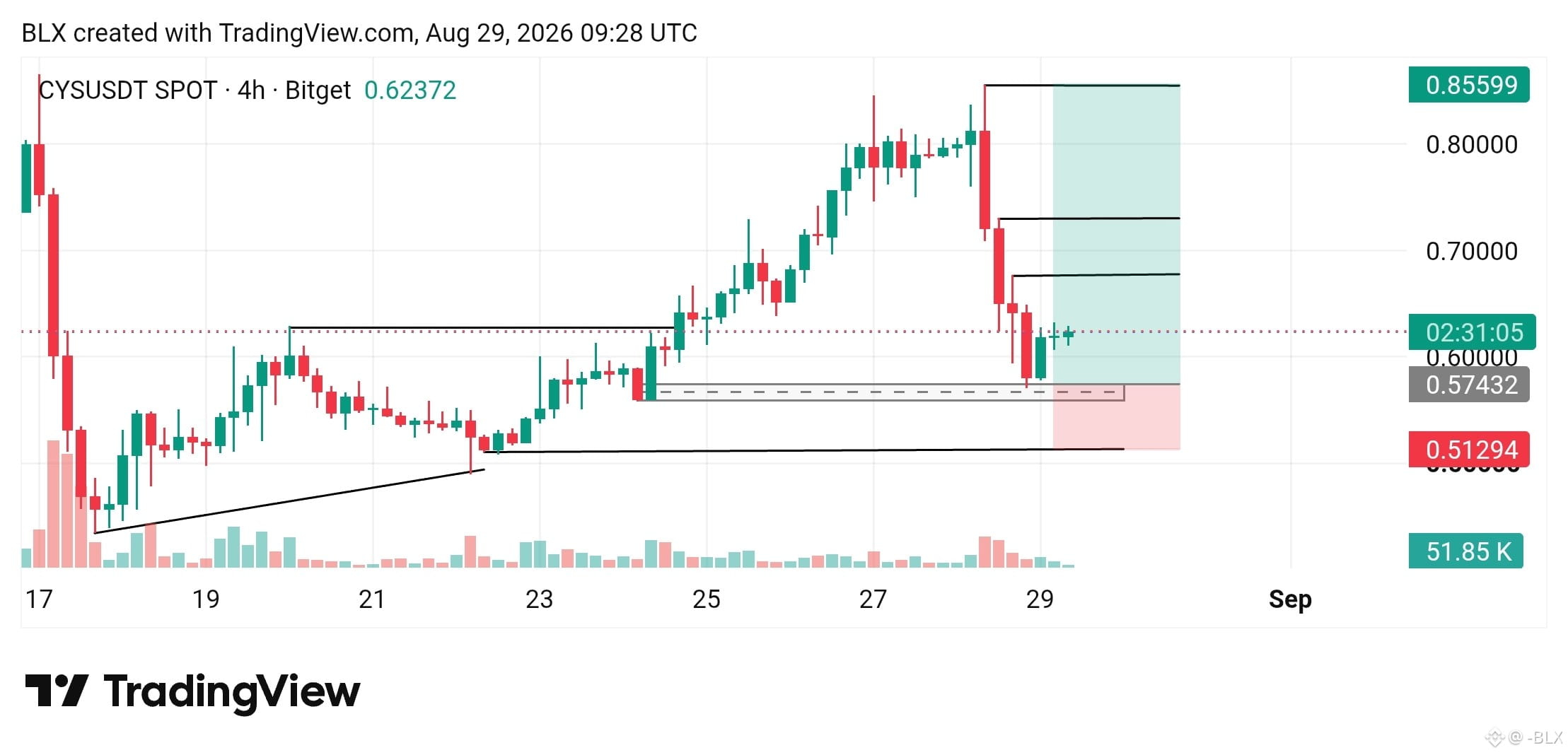
$ENJ $BIO
#GoldmanSachsFilesforBitcoinIncomeETF
Buy Utility Tokens at the Dip Not the Hype
Most traders buy excitement but smart investors buy value.
In crypto, hype is loud but utility is what lasts. If you want to win long-term, you don’t chase green candles. You position yourself when others are fearful.
How to Buy Utility Tokens the Smart Way
1. Understand the Real Use Case
A utility token should do something, power a product, fuel a network, or solve a real problem. If the value disappears without hype, it’s not utility, it’s noise.
2. Track Market Cycles, Not Emotions
Dips are opportunities, not disasters. Learn to recognize corrections versus collapse. When strong projects pull back with the market, that’s where smart money accumulates.
3. Use Data, Not Twitter Trends
Ignore FOMO. Focus on:
• On-chain activity
• Active users
• Developer growth
• Partnerships & ecosystem expansion
4. Dollar-Cost Average (DCA)
Timing the exact bottom is a myth. Scale in gradually to reduce risk and build conviction.
5. Liquidity & Volume Matter
A solid token should have healthy trading volume. Low liquidity means high risk of manipulation.
Wealth in crypto isn’t built by chasing pumps; it’s built by spotting value before the crowd.
Stop buying stories. Start buying value.
Position early, stay disciplined and let utility do the heavy lifting.
$ENJ $BIO
#GoldmanSachsFilesforBitcoinIncomeETF
Most traders buy excitement but smart investors buy value.
In crypto, hype is loud but utility is what lasts. If you want to win long-term, you don’t chase green candles. You position yourself when others are fearful.
How to Buy Utility Tokens the Smart Way
1. Understand the Real Use Case
A utility token should do something, power a product, fuel a network, or solve a real problem. If the value disappears without hype, it’s not utility, it’s noise.
2. Track Market Cycles, Not Emotions
Dips are opportunities, not disasters. Learn to recognize corrections versus collapse. When strong projects pull back with the market, that’s where smart money accumulates.
3. Use Data, Not Twitter Trends
Ignore FOMO. Focus on:
• On-chain activity
• Active users
• Developer growth
• Partnerships & ecosystem expansion
4. Dollar-Cost Average (DCA)
Timing the exact bottom is a myth. Scale in gradually to reduce risk and build conviction.
5. Liquidity & Volume Matter
A solid token should have healthy trading volume. Low liquidity means high risk of manipulation.
Wealth in crypto isn’t built by chasing pumps; it’s built by spotting value before the crowd.
Stop buying stories. Start buying value.
Position early, stay disciplined and let utility do the heavy lifting.
$ENJ $BIO
#GoldmanSachsFilesforBitcoinIncomeETF

262
·
--
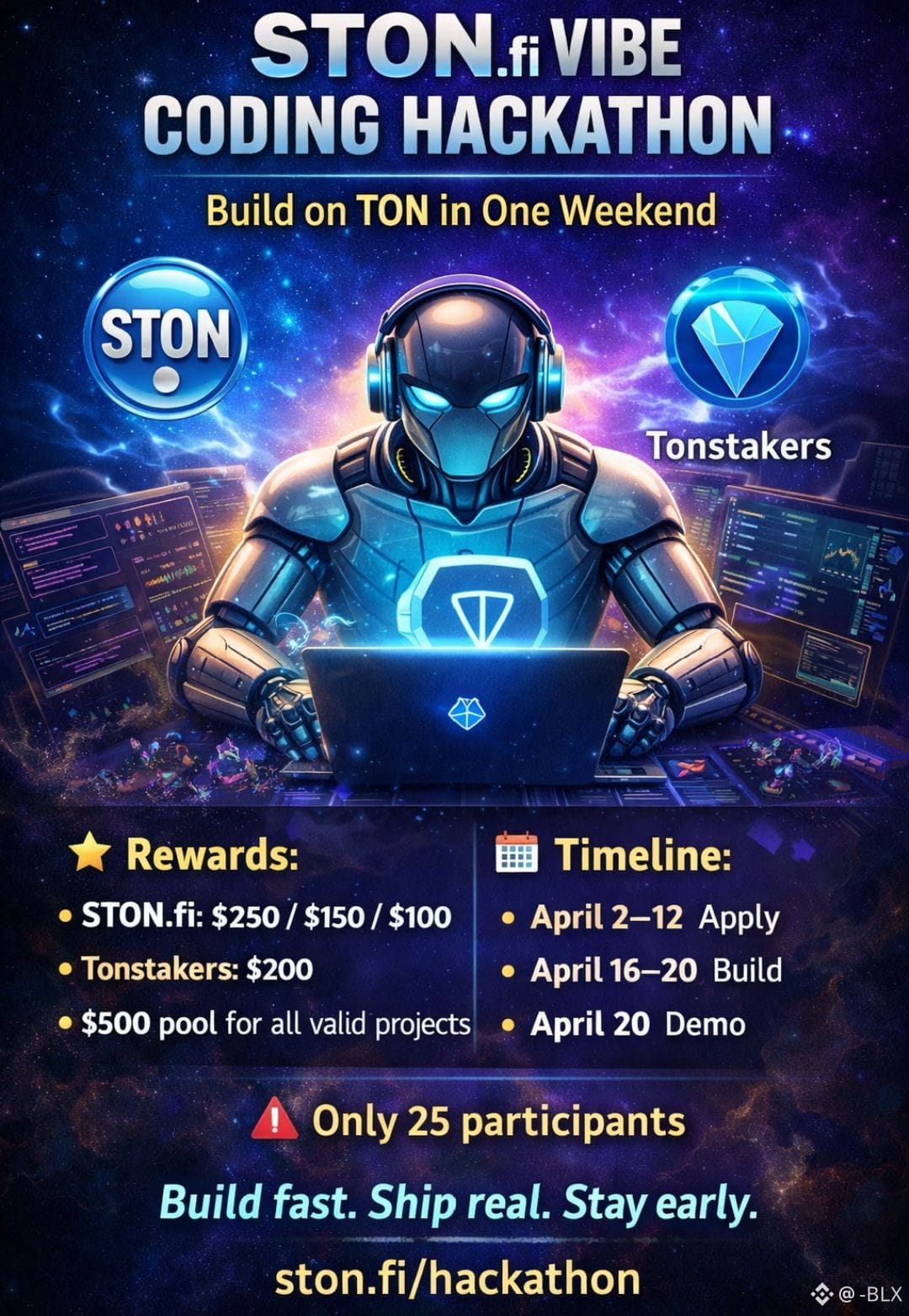
STONfi Vibe Coding Hackathon — Build on TON in One Weekend
AI is changing how apps are built and TON is still early. This is your chance to go from idea to a real product in days.
Build using STON.fi & Tonstakers infrastructure.
No coding experience required.
Rewards:
• STONfi: $250 / $150 / $100
• Tonstakers: $200
• $500 pool for all valid projects
Timeline:
• Apply: April 2–12
• Build: April 16–20
• Demo: April 20
Only 25 participants
https://ston.fi/hackathon
Build fast. Ship real. Stay early.
#STONfi
STONfi Vibe Coding Hackathon — Build on TON in One Weekend
AI is changing how apps are built and TON is still early. This is your chance to go from idea to a real product in days.
Build using STON.fi & Tonstakers infrastructure.
No coding experience required.
Rewards:
• STONfi: $250 / $150 / $100
• Tonstakers: $200
• $500 pool for all valid projects
Timeline:
• Apply: April 2–12
• Build: April 16–20
• Demo: April 20
Only 25 participants
https://ston.fi/hackathon
Build fast. Ship real. Stay early.
#STONfi
AI is changing how apps are built and TON is still early. This is your chance to go from idea to a real product in days.
Build using STON.fi & Tonstakers infrastructure.
No coding experience required.
Rewards:
• STONfi: $250 / $150 / $100
• Tonstakers: $200
• $500 pool for all valid projects
Timeline:
• Apply: April 2–12
• Build: April 16–20
• Demo: April 20
Only 25 participants
https://ston.fi/hackathon
Build fast. Ship real. Stay early.
#STONfi
3
165
·
--
Why Holding $GOHOME Matters
In a market driven by hype, holding is what separates noise from conviction.
GoHome Token is more than just a meme; it represents a community-powered movement built on culture, scarcity, and long-term belief. Originating from a viral internet moment, it has evolved into a token driven by shared sentiment and participation rather than traditional fundamentals.
Holding GOHOME is about believing in its community-driven strength and scarcity model. With limited supply and strong cultural momentum, its value is powered more by collective sentiment than traditional utility.
It’s a high-risk, high-conviction asset where long-term holders benefit most if demand and attention continue to grow.
#Trump's48HourUltimatumNearsEnd
Why Holding $GOHOME Matters
In a market driven by hype, holding is what separates noise from conviction.
GoHome Token is more than just a meme; it represents a community-powered movement built on culture, scarcity, and long-term belief. Originating from a viral internet moment, it has evolved into a token driven by shared sentiment and participation rather than traditional fundamentals.
Holding GOHOME is about believing in its community-driven strength and scarcity model. With limited supply and strong cultural momentum, its value is powered more by collective sentiment than traditional utility.
It’s a high-risk, high-conviction asset where long-term holders benefit most if demand and attention continue to grow.
#Trump's48HourUltimatumNearsEnd
In a market driven by hype, holding is what separates noise from conviction.
GoHome Token is more than just a meme; it represents a community-powered movement built on culture, scarcity, and long-term belief. Originating from a viral internet moment, it has evolved into a token driven by shared sentiment and participation rather than traditional fundamentals.
Holding GOHOME is about believing in its community-driven strength and scarcity model. With limited supply and strong cultural momentum, its value is powered more by collective sentiment than traditional utility.
It’s a high-risk, high-conviction asset where long-term holders benefit most if demand and attention continue to grow.
#Trump's48HourUltimatumNearsEnd
72
Log in to explore more content
Join global crypto users on Binance Square
⚡️ Get latest and useful information about crypto.
💬 Trusted by the world’s largest crypto exchange.
👍 Discover real insights from verified creators.
Email / Phone number