



CEX vs DEX Comparison
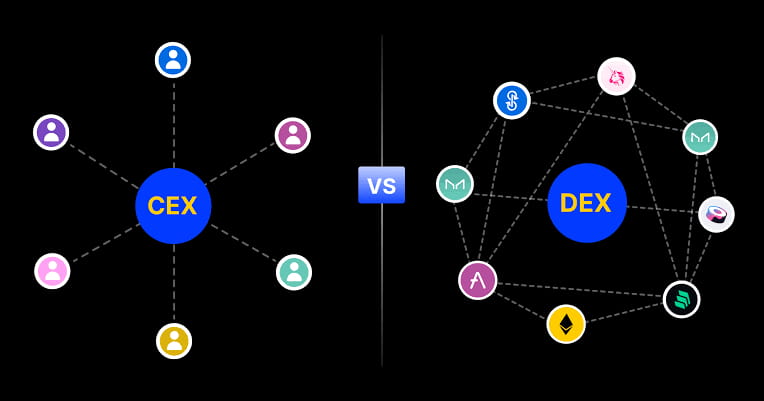
Introduction:
Cryptocurrency trading has gained immense popularity in recent years, with investors and traders seeking reliable platforms to buy, sell, and trade digital assets. Two prominent types of exchanges have emerged in this space: Centralized Exchanges (CEX) and Decentralized Exchanges (DEX). Each has its own unique features and benefits, making it essential for traders to understand their differences to determine which option suits their needs best. In this article, we will compare CEX and DEX to help you make an informed decision when it comes to cryptocurrency trading.
Centralized Exchanges (CEX):
Centralized exchanges, as the name suggests, are traditional platforms where transactions are facilitated by a centralized authority. These exchanges act as intermediaries between buyers and sellers, maintaining custody of user funds. CEX platforms often provide a user-friendly interface, liquidity, and a wide range of trading pairs. They are generally easier to use, making them ideal for beginners entering the crypto market.
Advantages of CEX:
Liquidity: Centralized exchanges typically offer higher liquidity due to the large number of users and trading volumes. This allows for quick execution of trades, minimizing slippage and ensuring traders can enter or exit positions with ease.
Wide Range of Trading Pairs: CEX platforms usually support a wide variety of cryptocurrencies and trading pairs. This allows users to explore various investment opportunities and diversify their portfolios.
User-Friendly Interface: Centralized exchanges often prioritize user experience by providing intuitive interfaces, making them accessible to individuals with little technical knowledge.
Customer Support and Security: CEX platforms typically offer customer support services and implement robust security measures to protect user funds. In the event of any issues or disputes, users can rely on centralized exchanges to provide assistance.
Decentralized Exchanges (DEX):
Decentralized exchanges, on the other hand, operate on blockchain technology and eliminate the need for intermediaries. Transactions on DEX platforms are executed directly between users via smart contracts, ensuring greater transparency and security. DEX platforms are gaining popularity among cryptocurrency enthusiasts who prioritize privacy, control over their funds, and a trustless trading environment.
Advantages of DEX:
User Control and Privacy: DEX platforms enable users to retain control of their funds as they trade directly from their wallets, eliminating the need for depositing funds on an exchange. This enhances privacy and reduces the risk of hacks or thefts associated with centralized custodial exchanges.
Security: By eliminating the reliance on a central authority, DEX platforms mitigate the risk of a single point of failure. With transactions occurring on the blockchain, users have greater security and transparency, as smart contracts ensure trustless execution.
No KYC Requirements: Most DEX platforms do not require Know Your Customer (KYC) verification, allowing users to trade anonymously and without sharing their personal information.
Access to Tokenized Assets: DEX platforms often provide access to a broader range of tokenized assets, including newly launched tokens and projects that might not be available on centralized exchanges.
Conclusion:
When it comes to choosing between a CEX and DEX, it ultimately depends on your individual preferences and trading goals. Centralized exchanges offer ease of use, higher liquidity, and comprehensive customer support, making them suitable for beginners and traders seeking convenience. On the other hand, decentralized exchanges prioritize privacy, security, and user control over funds, attracting more experienced traders and privacy-conscious individuals.
To make an informed decision, consider factors such as the desired level of privacy, control over funds, available trading pairs, and your overall experience in the crypto space. In some cases, a combination of both CEX and DEX platforms might be the best approach, as each type