
Everyone’s hyped about “on‑chain RWAs,” but the ugly parts decide who survives: fragmented KYC silos, transfer restriction logic that breaks in secondary markets, disclosure windows for issuers, corporate actions that need privacy until record date, and post‑trade audit trails that don’t leak strategy. If a chain can’t encode these boring constraints natively, none of the glossy decks matter
My checklist for regulated on‑chain finance this quarter:
- pre‑trade allow/deny that doesn’t reveal counterparties
- transfer rules that travel with the asset across apps
- issuer workflows for distributions, tenders, redemptions
- private post‑trade with verifiable evidence on demand
- predictable settlement paths institutions can sign off
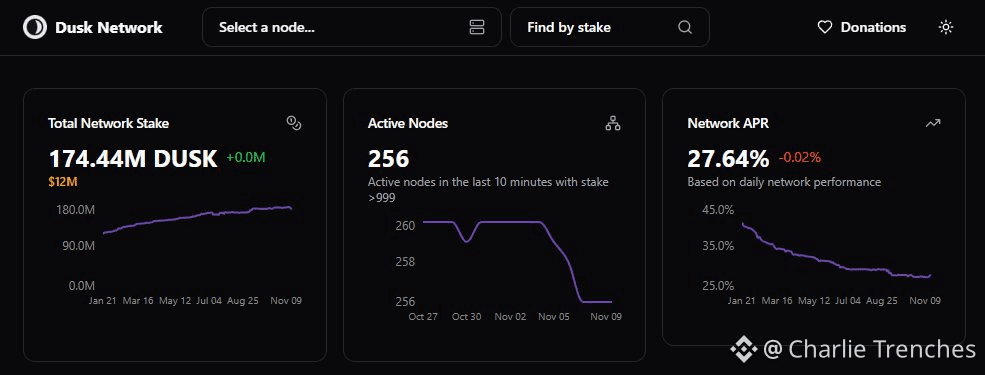
This is why I’m watching @Dusk . The aim isn’t another “privacy coin,” it’s rails for capital markets ops that quietly work: permission rules without data sprawl, business logic that stays confidential until it legally shouldn’t, proofs when they’re required and silence when they aren’t. If they keep threading that needle, $DUSK becomes less a trade and more a venue for issuance, secondary, and lifecycle events under one roof #Dusk
What’s the first asset you’d move there? Corporate bonds, private credit, or something spicier
