

As someone who spends a lot of time observing how different blockchain networks evolve, Plasma has been quietly catching my attention for all the right reasons. What stands out immediately is its clear focus. Instead of trying to be a general-purpose chain for every possible use case, Plasma is built around one very specific goal making stablecoins practical for everyday global use. That focus shows in almost every design decision, from performance to user experience, and it gives the project a sense of direction that many ecosystems lack.
At its core, Plasma is a Layer 1 network optimized for stablecoin activity. Transfers are designed to be fast, predictable, and inexpensive, which is exactly what people expect when they are moving digital dollars. Using its PlasmaBFT-style consensus, the network is engineered for high throughput and very quick confirmation times, so transactions feel close to instant rather than something you wait around for. For payments and transfers, this matters far more than flashy features. When sending value feels as easy as sending a message, it lowers the mental barrier for real adoption.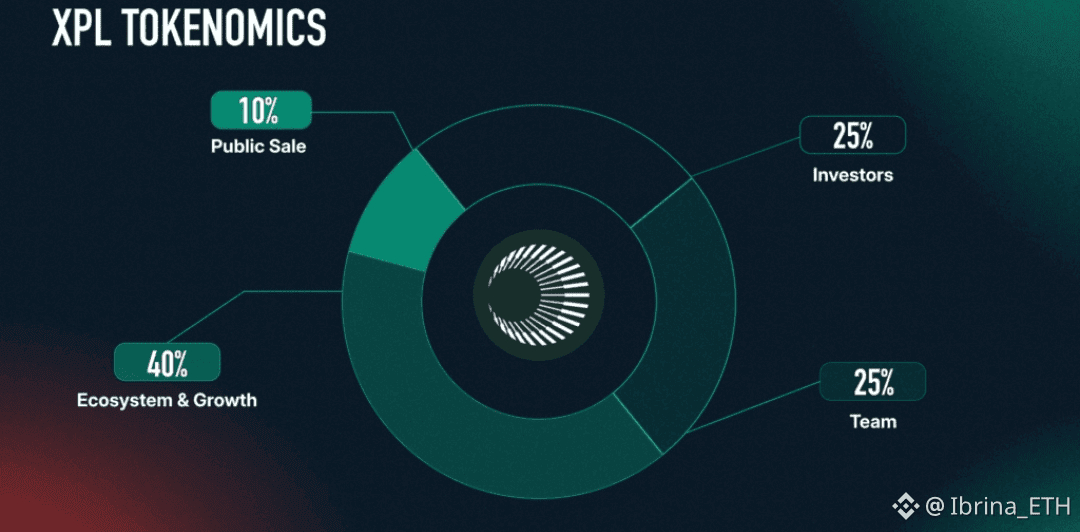
One of the most user-friendly aspects is the way fees are handled for basic stablecoin transfers. The idea that someone can send USD₮ without needing to hold extra tokens just to pay gas is a big step toward simplicity. For many users around the world, especially those using stablecoins for remittances, business payments, or everyday expenses, that kind of frictionless experience is not a luxury, it’s a requirement. It makes stablecoins feel closer to cash or traditional digital payments, but with the added benefits of blockchain settlement.
Liquidity is another area where Plasma feels intentionally built rather than accidentally grown. The network has attracted substantial stablecoin liquidity, with deep pools that support large transactions without significant slippage. This depth is important because it shows that users are not just parking funds, but actively supplying, borrowing, and using stable assets. Major DeFi protocols have found a home here, and stablecoin-focused markets on Plasma tend to show healthy utilization patterns. To me, that signals a more mature environment where capital is actually working instead of just sitting idle.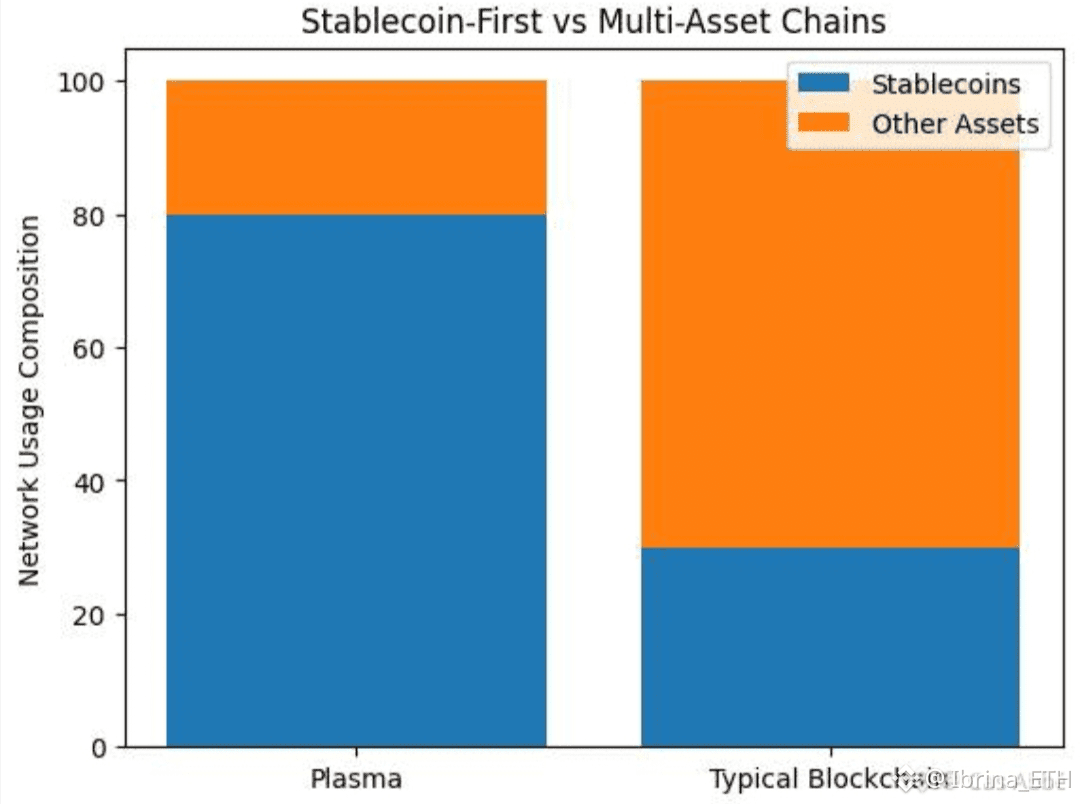
The ecosystem integrations reinforce that practical theme. The launch of CoWSwap on Plasma adds a layer of protection and efficiency for on-chain trading, especially for users who care about execution quality and minimizing unnecessary losses. Partnerships that connect stablecoins to real-world spending, like card-based payment solutions, bridge the gap between on-chain balances and everyday commerce. Being able to spend USD₮ at a massive network of merchants worldwide turns a digital balance into something tangible, which is where stablecoins really start to shine.
On the builder side, integrations focused on liquidity efficiency and deployment speed make Plasma attractive for developers who want to launch payment, yield, or treasury-focused applications without reinventing the wheel. Full EVM compatibility plays a big role here. Teams familiar with Ethereum tooling can migrate or deploy with minimal friction, which accelerates ecosystem growth while keeping development standards familiar and battle-tested. This compatibility also means users benefit from tried-and-true smart contract patterns rather than experimental designs.
Privacy features for optional confidential transfers add another layer of practicality. Not every payment needs to be fully visible to the entire world, especially in commercial or personal contexts. Offering privacy as a choice rather than a default keeps the system flexible while respecting different user needs and regulatory considerations. It’s a subtle feature, but one that becomes increasingly important as stablecoins move beyond speculation and into everyday financial activity.
Looking forward, the roadmap suggests a gradual move toward greater decentralization and resilience. Plans around validator participation and staking aim to broaden network security and involvement over time. There is also ongoing work toward connecting Bitcoin liquidity in a more trust-minimized way, allowing BTC to be used as collateral within stablecoin-centric DeFi applications. If executed carefully, this could open the door to new financial products that combine Bitcoin’s security model with the stability and efficiency of dollar-denominated assets.
What I appreciate most is that Plasma does not appear to be chasing hype. The progress feels steady and intentional, with an emphasis on shipping useful features rather than making loud promises. Growth in liquidity, expanding protocol support, and real-world payment connections all point toward a network that is trying to solve concrete problems. It’s not positioning itself as the solution to everything, but as a reliable foundation for global stablecoin usage.
From my perspective, that narrow focus might actually be Plasma’s greatest strength. By concentrating on fast settlement, low friction, deep liquidity, and real-world usability, it aligns closely with what stablecoins were originally meant to do. If the goal is to make digital dollars move as smoothly and reliably as possible across borders, platforms like Plasma deserve attention. Whether it ultimately becomes the go-to network for stablecoin payments remains to be seen, but the direction it’s taking feels grounded, practical, and thoughtfully designed.
