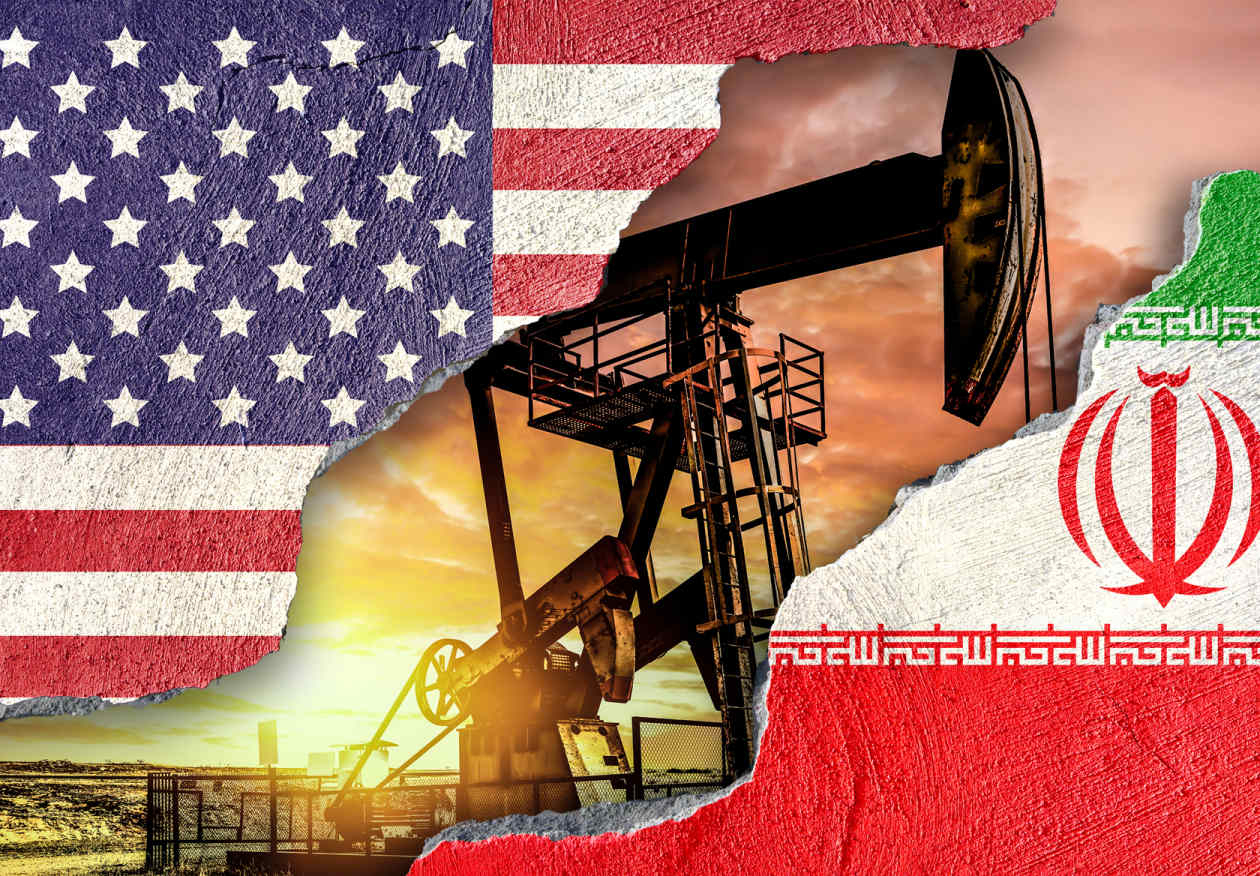
The global oil market is currently caught in a high-stakes game of chicken. On one side, the drums of war are beating across the Middle East. On the other, a massive glut of physical crude is threatening to drown out the noise of conflict. For traders, the result is a volatile tug-of-war that has pushed Brent and WTI futures to their highest levels in months.
A Middle Eastern Pressure Cooker
Geopolitical tension is the primary engine driving prices upward. Brent futures recently nudged up to $70.83 per barrel, marking their highest point since late July. WTI followed suit, hitting a peak not seen since August. The catalyst? A dramatic escalation in the standoff between the United States and Iran.
The U.S. has strategically positioned military forces near the Iranian coast, a move designed to force Tehran to the negotiating table regarding its nuclear and ballistic missile programs. President Donald Trump underscored this aggressive stance during his State of the Union address. He labeled Iran the world’s biggest sponsor of terrorism and vowed to prevent the nation from acquiring nuclear weapons. This rhetoric has injected a significant "risk premium" into every barrel of oil.
Diplomacy vs. Defiance
The situation is a delicate dance of diplomacy and military posturing. U.S. envoys Steve Witkoff and Jared Kushner are scheduled to meet an Iranian delegation in Geneva for a third round of critical talks. Iranian Foreign Minister Abbas Araqchi has signaled that a deal is "within reach," but only if diplomacy takes precedence over threats.
However, the "zero enrichment" red line set by the U.S. remains a massive hurdle. While diplomats talk in Switzerland, Iran is reportedly accelerating plans to purchase Chinese anti-ship cruise missiles. These weapons could directly target the U.S. naval forces currently assembled in the region. Any misstep or breakdown in talks could disrupt supplies from Iran—the third-largest producer in OPEC—and send shockwaves through the entire Middle Eastern producing region.
The Inventory Wall
Despite the threat of war, the market faces a cooling factor: a massive surplus of oil. While geopolitical fears push prices up, the reality of oversupply pulls them back down. Global production is currently outstripping demand, and the numbers coming out of the United States are staggering.
The American Petroleum Institute (API) reported a massive increase in U.S. oil stockpiles. Inventories surged by 11.43 million barrels in a single week. This "inventory wall" provides a cushion against supply shocks, preventing prices from spiraling out of control. Investors are now holding their breath for the official Energy Information Administration (EIA) report. If the official numbers confirm this massive build, it could cap any further price gains, regardless of how loud the war drums beat.
The market remains hypersensitive. Every headline from Geneva or the Persian Gulf creates a ripple effect. For now, oil is trapped between the fear of an extended conflict and the reality of a world awash in crude. The next few days of diplomatic talks will determine if the risk premium evaporates or explodes.
Will diplomatic efforts in Geneva finally stabilize global oil market prices?
#TrumpStateoftheUnion #StrategyBTCPurchase #BTCDropsbelow$63K #VitalikSells $HNT $JASMY $BTC