

Moving money should be as easy as sending a text, but anyone who has spent time on-chain knows that’s rarely the case. We’ve all been there: you have the funds ready to go, but the transaction fails because you’re missing a tiny amount of a specific "gas" token you didn't even want to hold. It’s a pattern that proves most networks are built for traders, not for people just trying to pay for things. True adoption doesn't happen when a tech gets more complex; it happens when the tech gets out of the way.
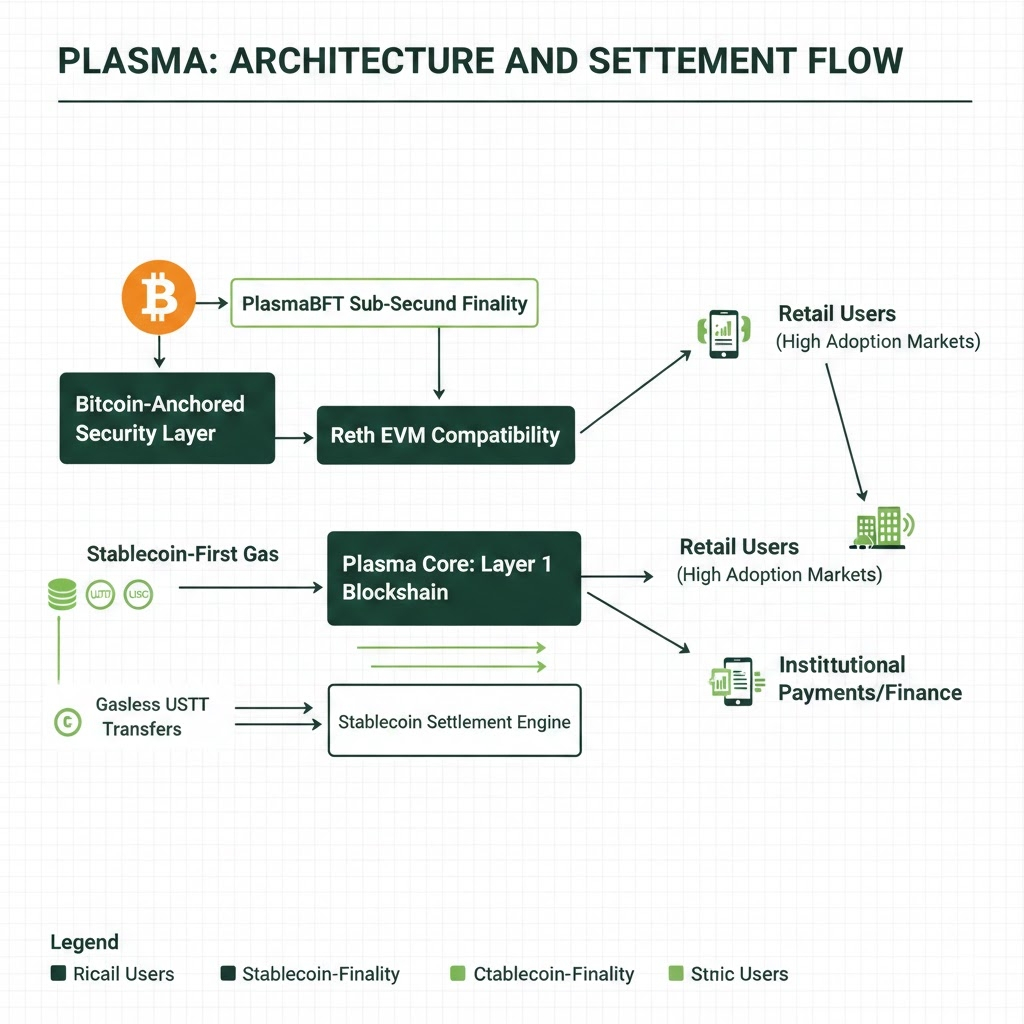
Earlier this year, network congestion reports showed that retail users in emerging markets were losing up to 15% of their transaction value just to gas fees during peak hours. That’s not a functioning economy; it’s a barrier. On @Plasma , this friction is handled by letting you pay for the trip with the cargo you’re already carrying. If you’re moving USDT, you use USDT to settle the fee. This shift turns the blockchain from a complex puzzle into a straightforward tool for global payments. If the goal is a borderless economy, why are we still forcing users to jump through technical hoops just to settle a balance?
Why Bitcoin Matters for Your Peace of Mind
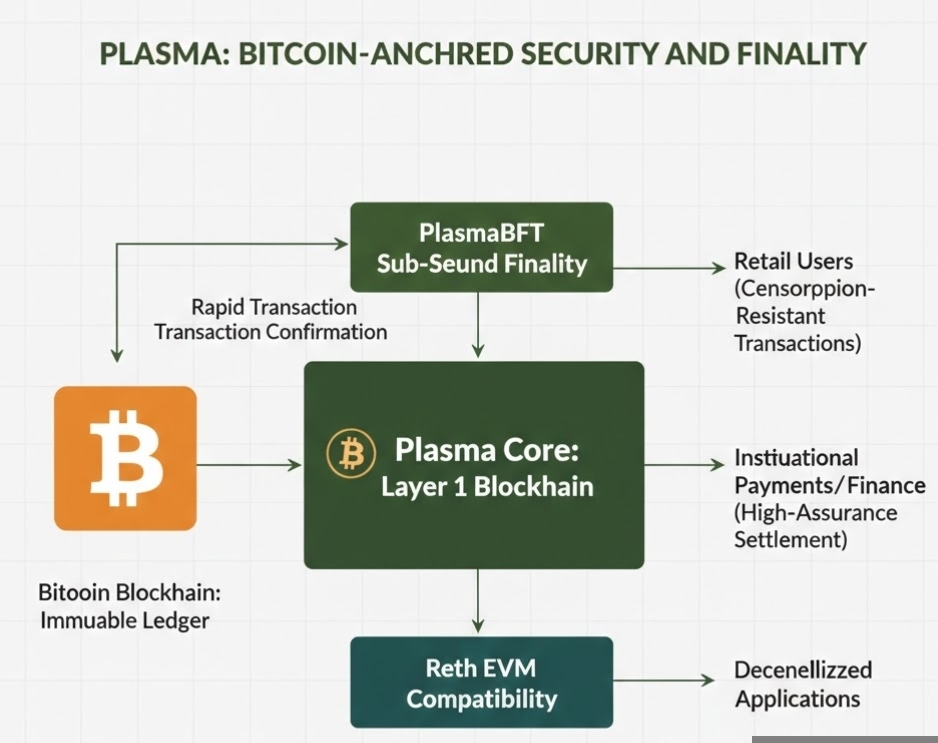
There is a lesson in how we trust data. Most new networks are fast, but they often lack a "source of truth" that feels permanent. By anchoring security to the Bitcoin network, #plasma ensures that once a transaction is settled, it’s backed by the most proven security model in existence. It’s like building a high-speed glass elevator but anchoring the entire shaft into solid granite. You get the speed of sub-second finality without the nagging worry that the history of your money could be tampered with.
Making Capital Move Faster
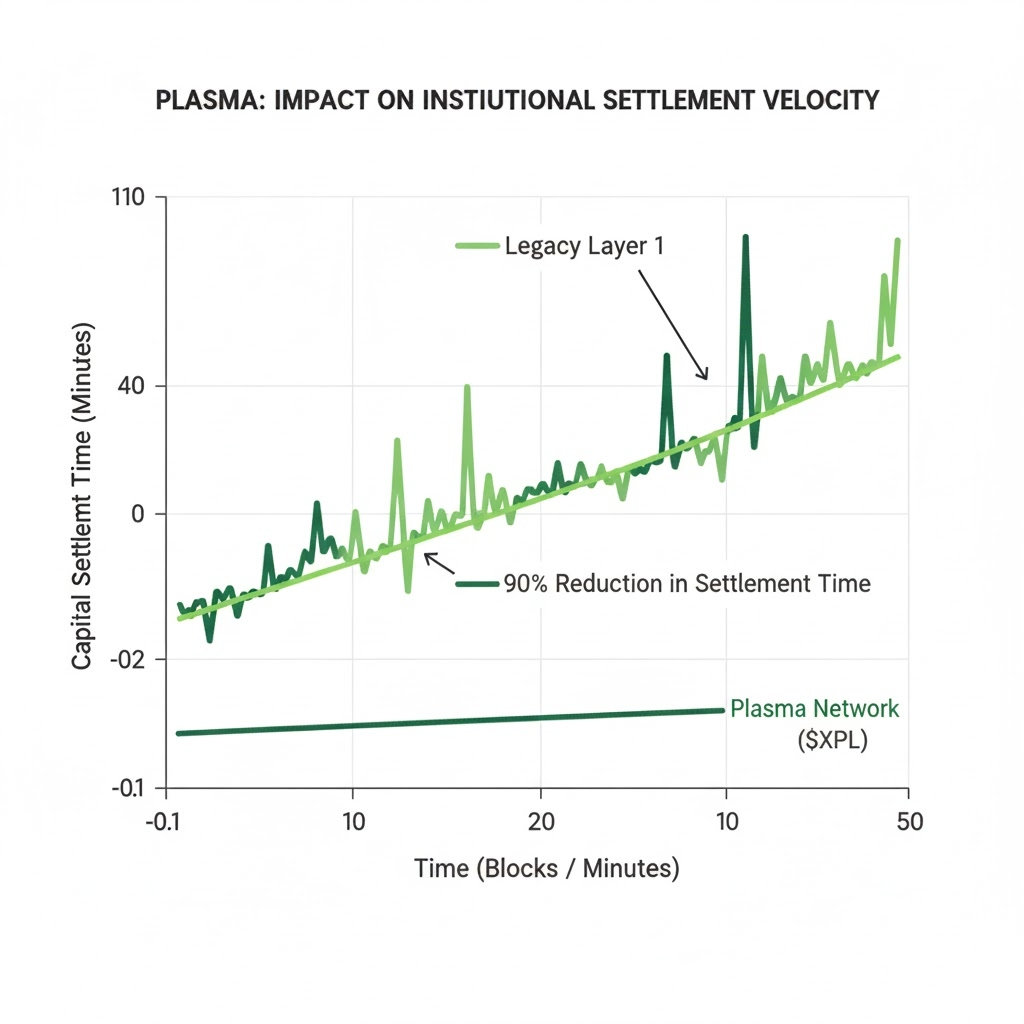
For those of us looking at how money actually flows, the real win is in the execution. Using $XPL within an EVM-compatible environment means developers don't have to relearn how to build apps, but those apps suddenly run on a much faster engine. When you remove the wait times and the need for secondary tokens, the "velocity" of money increases. It means a business can receive, verify, and reinvest its capital in seconds rather than minutes or hours, which is the standard institutions actually care about.
At the end of the day, the most successful systems are the ones we stop noticing because they just work. When the complexity of gas and the stress of security are handled in the background, we finally get to focus on what matters: the value being exchanged. It’s a quieter way of building, but it’s the only way to make on-chain finance feel like a natural part of daily life for everyone, not just the experts.


