


Blockchains treat regulation like weather. Something unpredictable, annoying, and external something you complain about, work around, and hope never becomes a real constraint. Dusk treats regulation differently. It treats it like gravity: permanent, unavoidable, and so foundational that if your architecture does not account for it from day one, everything you build on top will eventually collapse.
That mindset shift is exactly what sets Dusk apart. It’s not just another “RWA narrative chain.” Dusk has always aimed to be real, regulated market infrastructure not just another DeFi project scrambling to look respectable once institutions show up. And honestly, you don’t have to dig through whitepapers or catchy slogans to see it. Just look at the partnerships Dusk has chosen. They’re not flashy or designed to grab headlines. They’re about building real credibility.
Because in capital markets, legitimacy is the real product.
When you analyze Dusk through an institutional lens, regulatory partnerships are not “adoption.” They are the mechanism through which a blockchain transforms from a public network into a credible capital markets rail. A rail is not a platform where people speculate. A rail is a system that can safely carry value under supervision, with enforceable rules, auditable records, and predictable settlement outcomes. That is the world Dusk is trying to enter, and the only way into that world is through licensed financial infrastructure partners.The reason this matters is simple: regulated assets cannot exist as “just tokens.” A tokenized bond is not a meme coin with a new label. It is a legally bound instrument with restrictions, reporting requirements, investor eligibility checks, corporate actions, redemption rules, and dispute resolution procedures. The market does not care how elegant your smart contract code is if the ownership record cannot be defended in court. That is the line most blockchains cannot cross, because their ecosystems were built for openness first, legal enforceability later. Dusk has reversed that order. It is trying to build enforceability into the chain itself.
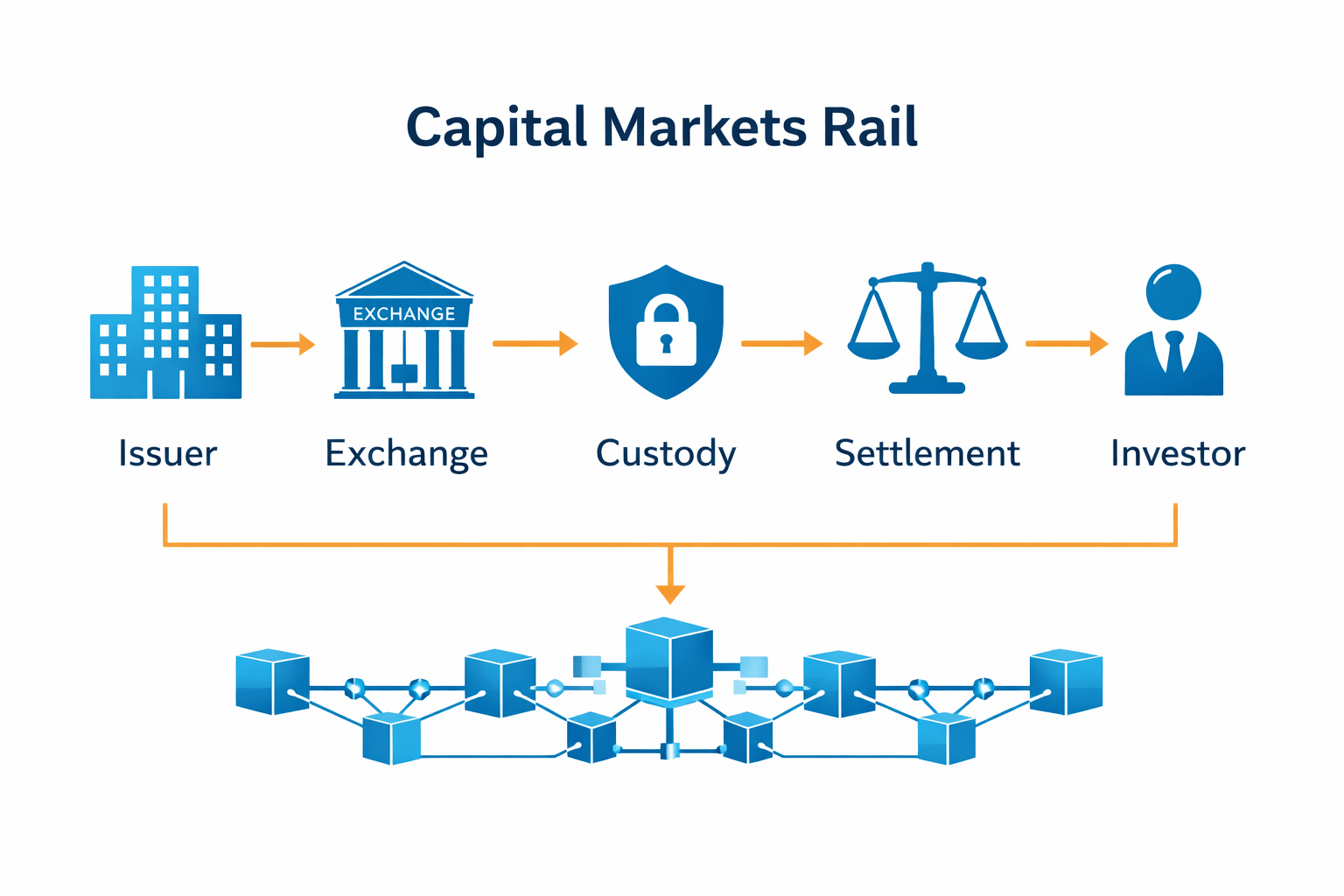
This is why partnerships like NPEX, 21X, and regulated European market infrastructure entities are so strategically important. They do not simply bring users. They bring legal frameworks, regulatory accountability, and institutional operational standards. A blockchain that integrates into regulated market infrastructure is forced to behave differently. It must become more stable, more predictable, and more queryable. It must support auditability, investor protection mechanisms, and market integrity tools. In other words, it must stop behaving like an experiment.
That transition from experiment to infrastructure is what Dusk is attempting to engineer.
The NPEX relationship is a strong example of how this works. Most crypto partnerships are surface-level: a chain collaborates with a project, liquidity incentives are launched, and the ecosystem declares victory. NPEX is different because it represents a regulated market venue context. It is not simply a “crypto partner.” It is a structural bridge into the legal world where securities issuance and trading are supervised. In this environment, compliance is not a user preference it is mandatory market behavior.What makes this kind of partnership powerful is that it forces Dusk to answer the questions that real capital markets will always ask. Who is allowed to own the asset? What happens if an investor loses keys? What happens if a court order requires transfer reversal? How is ownership history reconstructed? How are corporate actions enforced? How do regulators audit without turning the entire market into a public surveillance database? Most chains avoid these questions because answering them makes decentralization more complex. Dusk leans into them because without answering them, regulated tokenization never becomes real.

This is the first place where Dusk’s “privacy narrative” becomes something more serious. It is not privacy as ideology. It is privacy as market structure.
Institutions do not need privacy because they want to hide wrongdoing. They need privacy because financial markets collapse when sensitive information is exposed. Large trades cannot occur on transparent rails without causing price manipulation and front-running. Portfolio allocations cannot be made public without revealing strategy. Corporate treasuries cannot operate if every payroll, vendor payment, and internal transfer becomes permanent public intelligence. Traditional finance works because visibility is controlled, not because everything is hidden. Regulators see what they need. Counterparties see what they must. The public sees almost nothing. That is the default structure of real markets.
Dusk’s approach tries to replicate that structure on-chain, and regulatory partnerships are what make this approach credible. When a licensed market participant is involved, privacy is no longer treated as “optional encryption.” It becomes a controlled disclosure model. Confidential to the market, provable to the regulator. This is where Dusk’s positioning becomes uniquely strong: it is one of the few chains explicitly designed to survive both institutional confidentiality requirements and regulatory audit obligations simultaneously.
This is also why Dusk’s integration path matters more than its ecosystem size. Capital markets do not adopt infrastructure because it has many dApps. They adopt infrastructure because it fits their workflow. And their workflow is defined by licensing, compliance, custody, reporting, settlement, and legal recognition.
That is why 21X becomes another meaningful signal. The European DLT Pilot Regime is not a marketing playground. It is a supervised regulatory environment built specifically to test whether blockchain-based trading and settlement can exist under strict oversight. Participation in that environment implies something extremely important: regulators are not just watching from the outside. They are involved. They are shaping requirements. They are approving models. This creates a very different kind of validation than a venture capital round or an exchange listing.When Dusk aligns with entities operating in this regulated testing framework, it is not simply “partnering.” It is moving closer to the regulatory frontier where tokenized securities become legally recognized instruments rather than speculative representations.
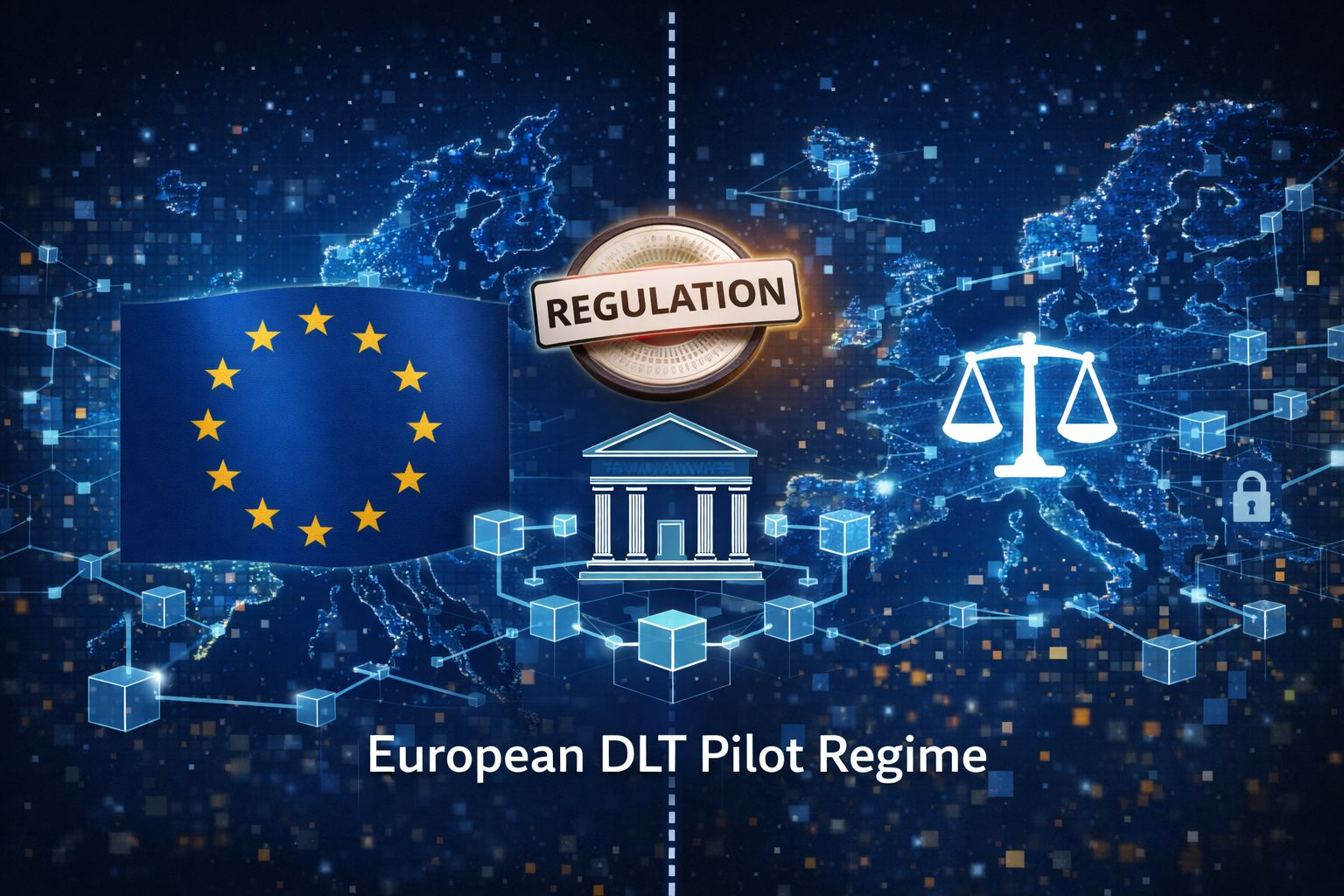
This is where the real transformation happens. A blockchain becomes a capital markets rail only when the market starts trusting its settlement outcomes. In DeFi, settlement is psychological: users accept that finality is final because the chain says so. In regulated markets, settlement is legal: finality must hold not only technically, but contractually, operationally, and legally. A trade is not considered complete simply because a block was produced. It is considered complete when ownership is enforceable and recognized under regulated infrastructure.
Dusk’s partnership-driven strategy is essentially an attempt to bridge this gap between technical settlement and legal settlement. That gap is where most tokenization narratives die.
This is also why Dusk’s pursuit of frameworks like DLT-TSS style licensing matters. If Dusk succeeds in operating as infrastructure recognized under regulated frameworks, it becomes something far more powerful than an L1. It becomes part of the institutional settlement stack. At that point, the chain is not competing with other blockchains on throughput. It is competing with clearing houses, custodians, and securities depositories on efficiency and cost.
That is the real ambition here.
What’s really striking about Dusk is that it doesn’t hide behind the usual talk about full decentralization. Instead, it just leans into the stuff the crypto crowd loves to hate, but regulators demand. We’re talking identity checks, eligibility gates, ways to recover lost assets, forced transfers if a court says so, and audit controls. Crypto diehards don’t see these as exciting features they see them as barriers. But for regulated finance, they’re not optional. They’re the whole point. If a blockchain can’t handle all this, regulators won’t sign off, and big institutions won’t come near it. That’s just how it is.
Dusk is essentially acknowledging a truth that most chains avoid: the market does not care about ideological purity. It cares about enforceable accountability.
This is where STOX becomes relevant, not as a competitor to partners like NPEX, but as a controlled integration layer. STOX is significant because it represents an attempt to unify the full regulated lifecycle into a single on-chain environment: onboarding, compliance checks, trading access, settlement, and post-trade asset management. In traditional finance, these processes are fragmented across multiple intermediaries, each extracting fees and introducing operational friction. If Dusk can compress that lifecycle into a programmable settlement environment, it changes the economics of issuance and trading. It reduces administrative overhead. It reduces settlement delays. It reduces reconciliation costs. It reduces the number of parties required to validate ownership.This is how rails are built: not through excitement, but through cost compression.
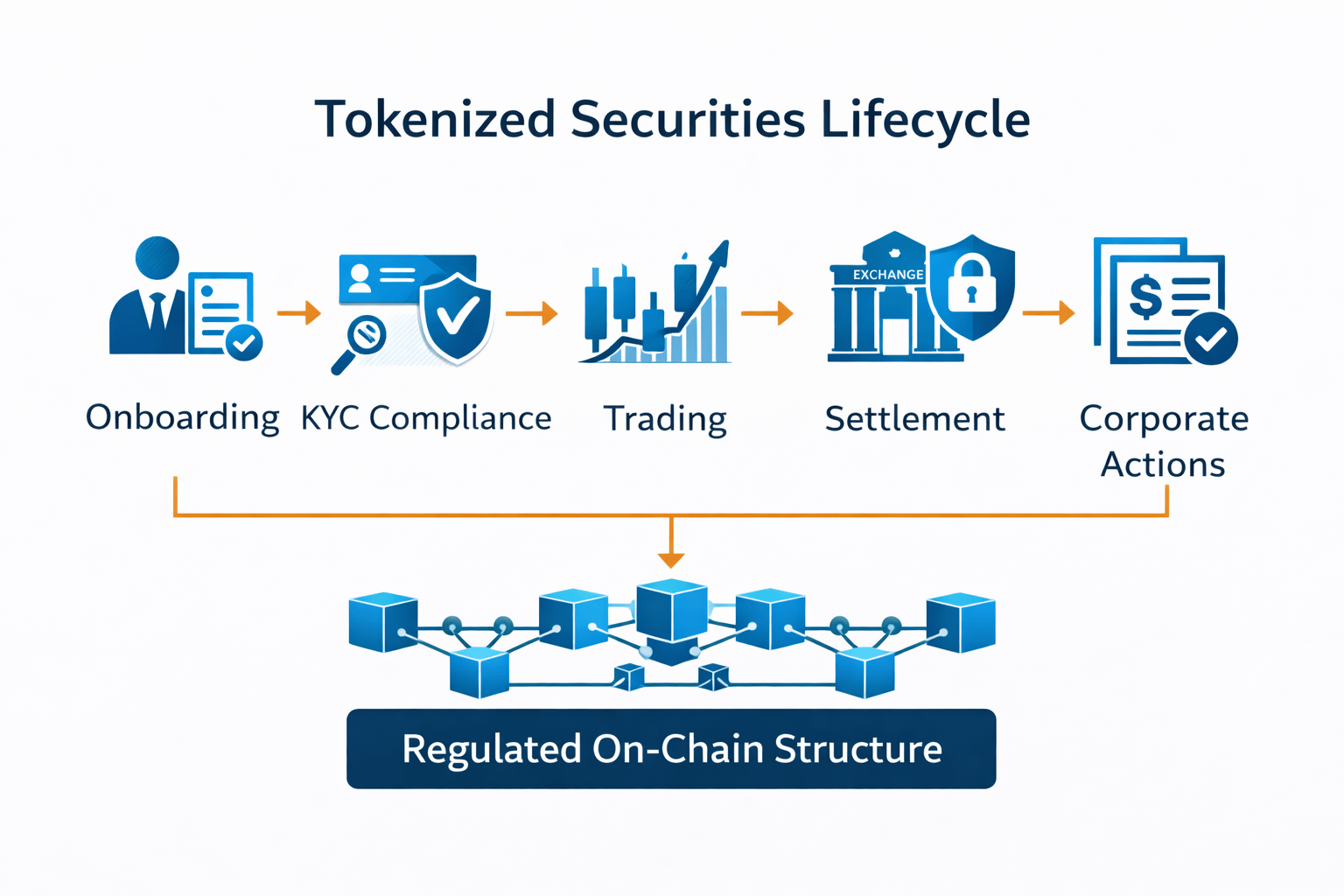
A properly regulated tokenized asset market is not a game of “put assets on-chain.” It is a game of replacing legacy reconciliation infrastructure with deterministic settlement and programmable compliance. STOX is strategically important because it can serve as the environment where Dusk proves that these workflows can be made reliable. In capital markets, reliability is more persuasive than innovation.
Interoperability is another area where regulatory partnerships shape Dusk’s direction. Most blockchains treat cross-chain bridging as a liquidity convenience. In regulated markets, bridging is a legal problem. Moving a regulated asset across chains is not just about technical messaging. It is about preserving compliance boundaries. The asset cannot lose its eligibility rules simply because it moved networks. Its ownership record cannot become ambiguous. Its transfer restrictions cannot be bypassed through another chain.
This is where Dusk’s broader thesis becomes more ambitious: the idea that compliance can travel with the asset.
If Dusk can function as a compliance anchor where regulated RWAs can move across networks while maintaining enforceable constraints then it becomes more than a settlement layer. It becomes a regulatory bridge between ecosystems. That would be a meaningful leap in tokenization design because it solves one of the most overlooked problems in RWA markets: portability without regulatory leakage.
Stablecoins fit into this picture in a way most crypto investors misunderstand. In DeFi, stablecoins are liquidity tools. In regulated finance, stablecoins are settlement legs. They are the cash side of Delivery-versus-Payment. They are the mechanism through which tokenized bonds, funds, and equities can settle instantly without requiring traditional banking rails. The ability to support regulated stablecoin reserve management is not a side narrative. It is central to whether tokenized securities markets can scale.If Dusk can host regulated asset issuance while also supporting compliant stablecoin settlement flows, then it begins to resemble real market infrastructure. Not a crypto product, but a programmable settlement network where cash and securities coexist under supervision.
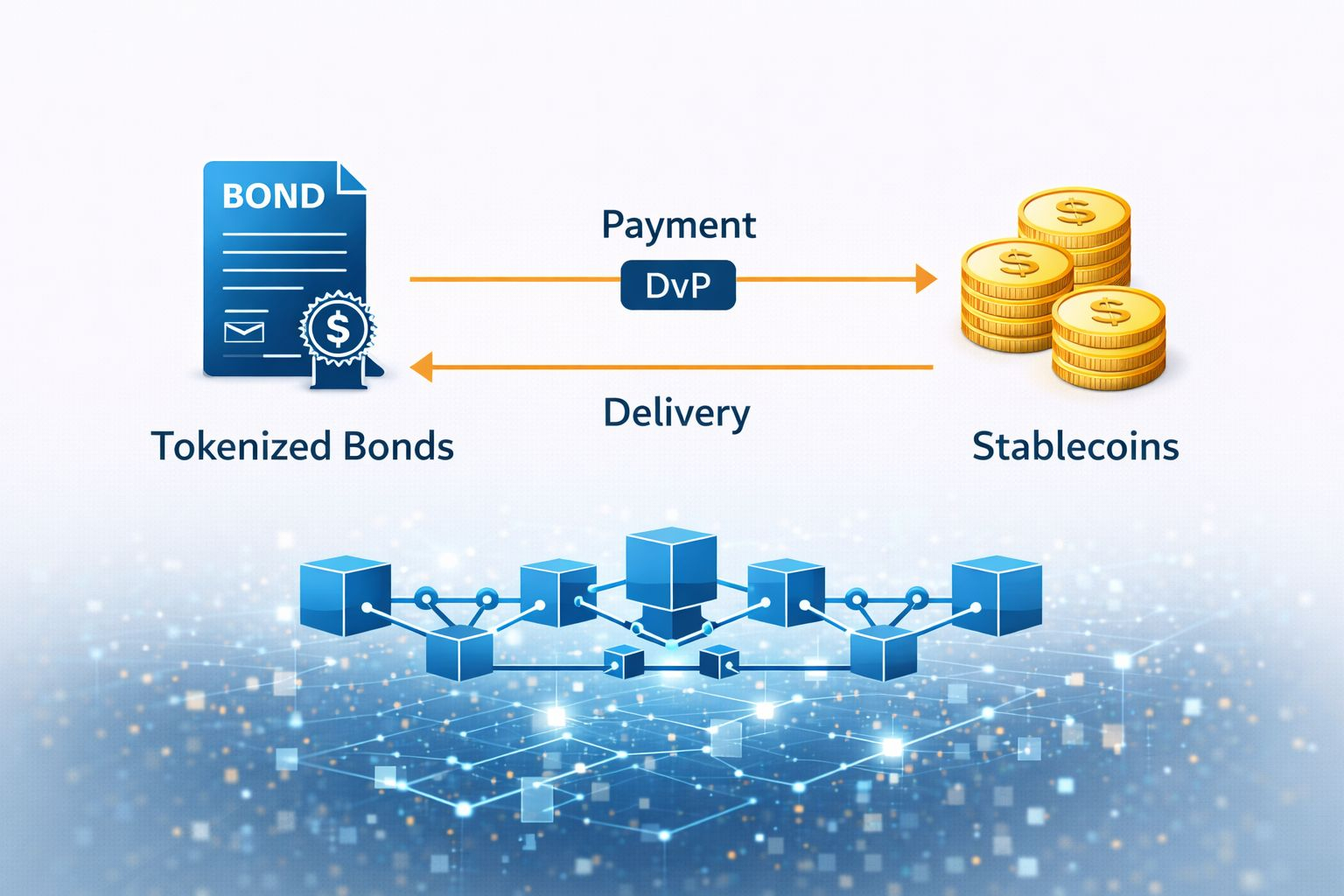
That is exactly what capital markets require.
None of this eliminates the real challenges. Dusk’s path is slow because it has to be. Liquidity depth will remain a constraint until real issuers arrive. Adoption inertia is massive in regulated finance, because institutions do not migrate infrastructure quickly. The regulatory sales cycle is measured in years, not months. And even with partnerships, the real test is whether Dusk becomes a venue where actual issuance occurs repeatedly, not just as pilots or symbolic demonstrations.
The difference is that Dusk appears to be building the only type of foundation that can support that outcome. A foundation where compliance is not an external layer added by front-end restrictions, but a protocol-level property enforced by the system itself.
That is what transforms a blockchain into a capital markets rail.
If Dusk pulls this off, you won’t see the usual crypto fireworks. Forget hype and overnight buzz. Instead, you’ll notice Dusk blending quietly into regulated markets, becoming part of how things just get done. Institutions will start settling more and more with it, almost without fanfare. And once those licensed venues have it working, they’ll stick with it. Nobody wants to rip out something that just fits.
And that is the real point. The strongest blockchains for capital markets will not be the ones that win attention. They will be the ones that become difficult to replace.
That is what regulatory partnerships can do. They do not create excitement. They create permanence. They turn a blockchain from a network people trade on into a system markets rely on. And if the future of tokenized finance is real, then the most valuable protocols will not be the loudest ones. They will be the ones that regulators can tolerate, institutions can trust, and market participants can use without exposing their strategies to the entire world.
That is the category Dusk is trying to build itself into.
