
206 Atlas
72k Posting

206 Atlas
Laporkan
Blokir Pengguna
Atlas | Cryptoholic | Trader King | Sharing Market insight and analysis | NFA | DYOR

Pemilik BNB
Pedagang dengan Frekuensi Tinggi
5 Tahun
8.0K+ Mengikuti
14.5K+ Pengikut
25.5K+ Disukai
Posting
Semua
Video
·
--

Artikel
Genius Terminal: Platform Trading On-Chain Generasi Berikutnya yang Membentuk Masa Depan DeFiDalam dunia keuangan terdesentralisasi yang berkembang pesat, trader sering kali kesulitan dengan likuiditas yang terfragmentasi, eksekusi yang lambat, dan pengalaman pengguna yang menjengkelkan di berbagai blockchain. Genius Terminal muncul sebagai solusi yang kuat — sebuah sistem operasi trading tingkat profesional yang tidak menyimpan aset, dirancang untuk memberikan kecepatan dan kesederhanaan seperti bursa terpusat (CEX) sambil tetap menjaga transparansi on-chain dan kontrol penuh bagi pengguna.
Apa itu Genius Terminal?
Genius Terminal adalah platform trading multi-chain terpadu yang mengagregasi likuiditas dari lebih dari 150 bursa terdesentralisasi (DEX) di lebih dari 10 blockchain, termasuk Ethereum, Solana, Base, Arbitrum, BNB Chain, dan lainnya.
Genius Terminal: Platform Trading On-Chain Generasi Berikutnya yang Membentuk Masa Depan DeFi
Dalam dunia keuangan terdesentralisasi yang berkembang pesat, trader sering kali kesulitan dengan likuiditas yang terfragmentasi, eksekusi yang lambat, dan pengalaman pengguna yang menjengkelkan di berbagai blockchain. Genius Terminal muncul sebagai solusi yang kuat — sebuah sistem operasi trading tingkat profesional yang tidak menyimpan aset, dirancang untuk memberikan kecepatan dan kesederhanaan seperti bursa terpusat (CEX) sambil tetap menjaga transparansi on-chain dan kontrol penuh bagi pengguna.
Apa itu Genius Terminal?
Genius Terminal adalah platform trading multi-chain terpadu yang mengagregasi likuiditas dari lebih dari 150 bursa terdesentralisasi (DEX) di lebih dari 10 blockchain, termasuk Ethereum, Solana, Base, Arbitrum, BNB Chain, dan lainnya.
Apa itu Genius Terminal?
Genius Terminal adalah platform trading multi-chain terpadu yang mengagregasi likuiditas dari lebih dari 150 bursa terdesentralisasi (DEX) di lebih dari 10 blockchain, termasuk Ethereum, Solana, Base, Arbitrum, BNB Chain, dan lainnya.
1
4
80
·
--

Artikel
Apa yang HARUS Kamu Ketahui Sebelum Berinvestasi di Koin-Koin Top IniKebanyakan orang tidak kehilangan uang karena memilih koin yang salah.
Mereka kalah karena tidak memahami bagaimana setiap koin sebenarnya berperilaku sebelum masuk.
Ini cara kerja koin-koin top ini — lebih dari sekadar hype permukaan:
***
### 🟠 Bitcoin (BTC)
Bitcoin adalah fondasi dari segalanya. Ia tidak bergerak sendiri — ia mengatur aliran pasar secara keseluruhan. Ketika BTC tren kuat, modal tetap berada di dalam Bitcoin, dan altcoin kesulitan untuk unggul. Tapi ketika BTC melambat atau bergerak mendatar, likuiditas mulai berputar keluar — pertama ke Ethereum, lalu ke altcoin besar, dan akhirnya ke koin-koin kecil. Itulah sebabnya membeli altcoin saat BTC menekan resistensi adalah salah satu langkah kalah yang paling umum. Kamu sebenarnya bertaruh melawan aliran modal.
Apa yang HARUS Kamu Ketahui Sebelum Berinvestasi di Koin-Koin Top Ini
Kebanyakan orang tidak kehilangan uang karena memilih koin yang salah.
Mereka kalah karena tidak memahami bagaimana setiap koin sebenarnya berperilaku sebelum masuk.
Ini cara kerja koin-koin top ini — lebih dari sekadar hype permukaan:
***
### 🟠 Bitcoin (BTC)
Bitcoin adalah fondasi dari segalanya. Ia tidak bergerak sendiri — ia mengatur aliran pasar secara keseluruhan. Ketika BTC tren kuat, modal tetap berada di dalam Bitcoin, dan altcoin kesulitan untuk unggul. Tapi ketika BTC melambat atau bergerak mendatar, likuiditas mulai berputar keluar — pertama ke Ethereum, lalu ke altcoin besar, dan akhirnya ke koin-koin kecil. Itulah sebabnya membeli altcoin saat BTC menekan resistensi adalah salah satu langkah kalah yang paling umum. Kamu sebenarnya bertaruh melawan aliran modal.
Mereka kalah karena tidak memahami bagaimana setiap koin sebenarnya berperilaku sebelum masuk.
Ini cara kerja koin-koin top ini — lebih dari sekadar hype permukaan:
***
### 🟠 Bitcoin (BTC)
Bitcoin adalah fondasi dari segalanya. Ia tidak bergerak sendiri — ia mengatur aliran pasar secara keseluruhan. Ketika BTC tren kuat, modal tetap berada di dalam Bitcoin, dan altcoin kesulitan untuk unggul. Tapi ketika BTC melambat atau bergerak mendatar, likuiditas mulai berputar keluar — pertama ke Ethereum, lalu ke altcoin besar, dan akhirnya ke koin-koin kecil. Itulah sebabnya membeli altcoin saat BTC menekan resistensi adalah salah satu langkah kalah yang paling umum. Kamu sebenarnya bertaruh melawan aliran modal.
66
·
--
Artikel
Keunggulan Tersembunyi di @Pixels: Kenapa Desain Sistem Mengalahkan Grinding ($PIXEL)Dalam sebagian besar game Web3, pemain sering menganggap bahwa menghabiskan lebih banyak waktu akan menghasilkan hasil yang lebih baik. Namun, @pixels menantang ide ini dengan memberikan imbalan pada struktur dan efisiensi ketimbang usaha semata. Perbedaan antara pemain rata-rata dan pemain unggulan bukan terletak pada seberapa lama mereka bermain, tetapi seberapa baik mereka merancang sistem mereka.
Intinya, Pixels adalah game berbasis sistem. Setiap elemen — bertani, membuat, berdagang — saling terhubung. Pemain yang memahami koneksi ini dapat menciptakan alur kerja yang menghasilkan output konsisten dengan usaha yang minim terbuang. Mereka yang tidak memahami sering kali terjebak dalam loop repetitif dengan kemajuan yang terbatas.
Keunggulan Tersembunyi di @Pixels: Kenapa Desain Sistem Mengalahkan Grinding ($PIXEL)
Dalam sebagian besar game Web3, pemain sering menganggap bahwa menghabiskan lebih banyak waktu akan menghasilkan hasil yang lebih baik. Namun, @Pixels menantang ide ini dengan memberikan imbalan pada struktur dan efisiensi ketimbang usaha semata. Perbedaan antara pemain rata-rata dan pemain unggulan bukan terletak pada seberapa lama mereka bermain, tetapi seberapa baik mereka merancang sistem mereka.
Intinya, Pixels adalah game berbasis sistem. Setiap elemen — bertani, membuat, berdagang — saling terhubung. Pemain yang memahami koneksi ini dapat menciptakan alur kerja yang menghasilkan output konsisten dengan usaha yang minim terbuang. Mereka yang tidak memahami sering kali terjebak dalam loop repetitif dengan kemajuan yang terbatas.
Intinya, Pixels adalah game berbasis sistem. Setiap elemen — bertani, membuat, berdagang — saling terhubung. Pemain yang memahami koneksi ini dapat menciptakan alur kerja yang menghasilkan output konsisten dengan usaha yang minim terbuang. Mereka yang tidak memahami sering kali terjebak dalam loop repetitif dengan kemajuan yang terbatas.
1
93
·
--
Artikel
Mengapa Sebagian Besar Pemain Tidak Akan Pernah Memaksimalkan @Pixels ($PIXEL) — Dan Apa yang Dilakukan Pemain Top BerbedaDalam sebagian besar permainan Web3, kesenjangan antara pemain rata-rata dan pemain top sering kali disalahpahami. Banyak yang beranggapan bahwa kesuksesan datang dari menghabiskan lebih banyak waktu atau masuk lebih awal. Namun, dalam @pixels , yang didorong oleh $PIXEL , perbedaan sebenarnya terletak pada bagaimana pemain mendekati sistem itu sendiri.
Sebagian besar pemain menganggap Pixels sebagai pengalaman bertani santai. Mereka masuk, menyelesaikan aksi dasar, dan keluar tanpa rencana yang jelas. Sementara pendekatan ini berhasil dalam jangka pendek, sering kali mengarah pada progres yang lambat dan efisiensi yang terbatas. Seiring waktu, pemain-pemain ini tertinggal tanpa memahami sepenuhnya mengapa.
Mengapa Sebagian Besar Pemain Tidak Akan Pernah Memaksimalkan @Pixels ($PIXEL) — Dan Apa yang Dilakukan Pemain Top Berbeda
Dalam sebagian besar permainan Web3, kesenjangan antara pemain rata-rata dan pemain top sering kali disalahpahami. Banyak yang beranggapan bahwa kesuksesan datang dari menghabiskan lebih banyak waktu atau masuk lebih awal. Namun, dalam @Pixels , yang didorong oleh $PIXEL , perbedaan sebenarnya terletak pada bagaimana pemain mendekati sistem itu sendiri.
Sebagian besar pemain menganggap Pixels sebagai pengalaman bertani santai. Mereka masuk, menyelesaikan aksi dasar, dan keluar tanpa rencana yang jelas. Sementara pendekatan ini berhasil dalam jangka pendek, sering kali mengarah pada progres yang lambat dan efisiensi yang terbatas. Seiring waktu, pemain-pemain ini tertinggal tanpa memahami sepenuhnya mengapa.
Sebagian besar pemain menganggap Pixels sebagai pengalaman bertani santai. Mereka masuk, menyelesaikan aksi dasar, dan keluar tanpa rencana yang jelas. Sementara pendekatan ini berhasil dalam jangka pendek, sering kali mengarah pada progres yang lambat dan efisiensi yang terbatas. Seiring waktu, pemain-pemain ini tertinggal tanpa memahami sepenuhnya mengapa.
1
151
·
--
Artikel
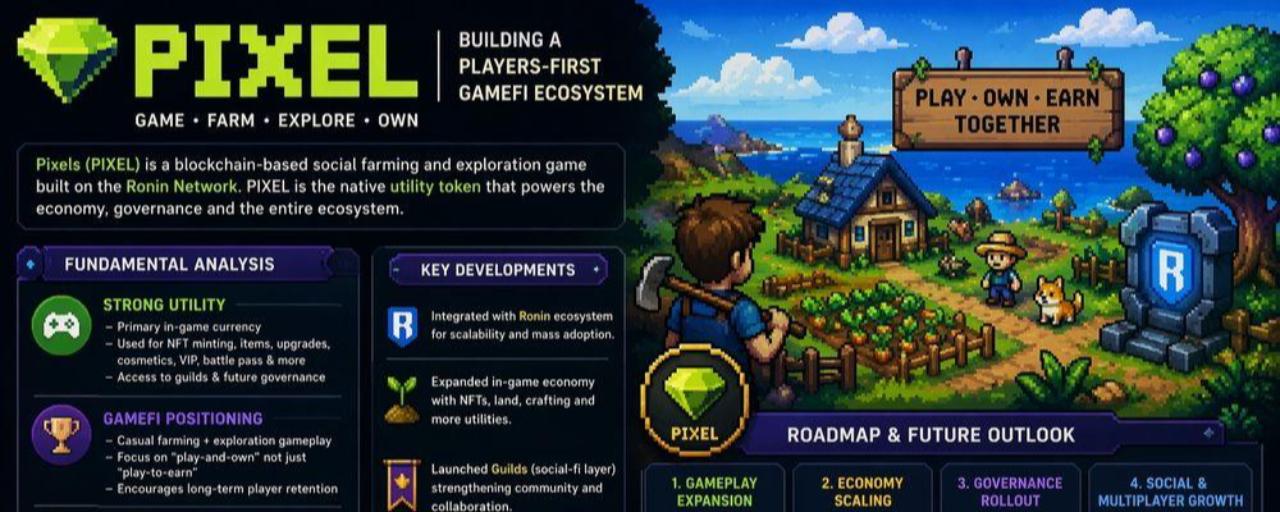
Apa yang Sebenarnya Mendorong Permintaan di Ekosistem @Pixels?Dalam proyek game Web3 manapun, keberlanjutan jangka panjang tergantung pada satu faktor krusial: permintaan yang nyata. Tanpa itu, bahkan sistem yang dirancang dengan baik dapat runtuh di bawah tekanan jual. Dalam kasus @pixels , pertanyaannya bukan hanya bagaimana hadiah didistribusikan, tetapi apa yang benar-benar memotivasi pemain untuk terus menggunakan sistem ini seiring waktu.
Salah satu pendorong permintaan terkuat datang dari utilitas. Alih-alih hanya berfungsi sebagai hadiah, $PIXEL terintegrasi langsung ke dalam gameplay. Pemain menggunakannya untuk membuka fitur, meningkatkan efisiensi, dan mengakses lapisan pengalaman yang lebih dalam. Ini menciptakan kebutuhan yang berkelanjutan daripada interaksi sekali saja.
Apa yang Sebenarnya Mendorong Permintaan di Ekosistem @Pixels?
Dalam proyek game Web3 manapun, keberlanjutan jangka panjang tergantung pada satu faktor krusial: permintaan yang nyata. Tanpa itu, bahkan sistem yang dirancang dengan baik dapat runtuh di bawah tekanan jual. Dalam kasus @Pixels , pertanyaannya bukan hanya bagaimana hadiah didistribusikan, tetapi apa yang benar-benar memotivasi pemain untuk terus menggunakan sistem ini seiring waktu.
Salah satu pendorong permintaan terkuat datang dari utilitas. Alih-alih hanya berfungsi sebagai hadiah, $PIXEL terintegrasi langsung ke dalam gameplay. Pemain menggunakannya untuk membuka fitur, meningkatkan efisiensi, dan mengakses lapisan pengalaman yang lebih dalam. Ini menciptakan kebutuhan yang berkelanjutan daripada interaksi sekali saja.
Salah satu pendorong permintaan terkuat datang dari utilitas. Alih-alih hanya berfungsi sebagai hadiah, $PIXEL terintegrasi langsung ke dalam gameplay. Pemain menggunakannya untuk membuka fitur, meningkatkan efisiensi, dan mengakses lapisan pengalaman yang lebih dalam. Ini menciptakan kebutuhan yang berkelanjutan daripada interaksi sekali saja.
59
·
--
Artikel
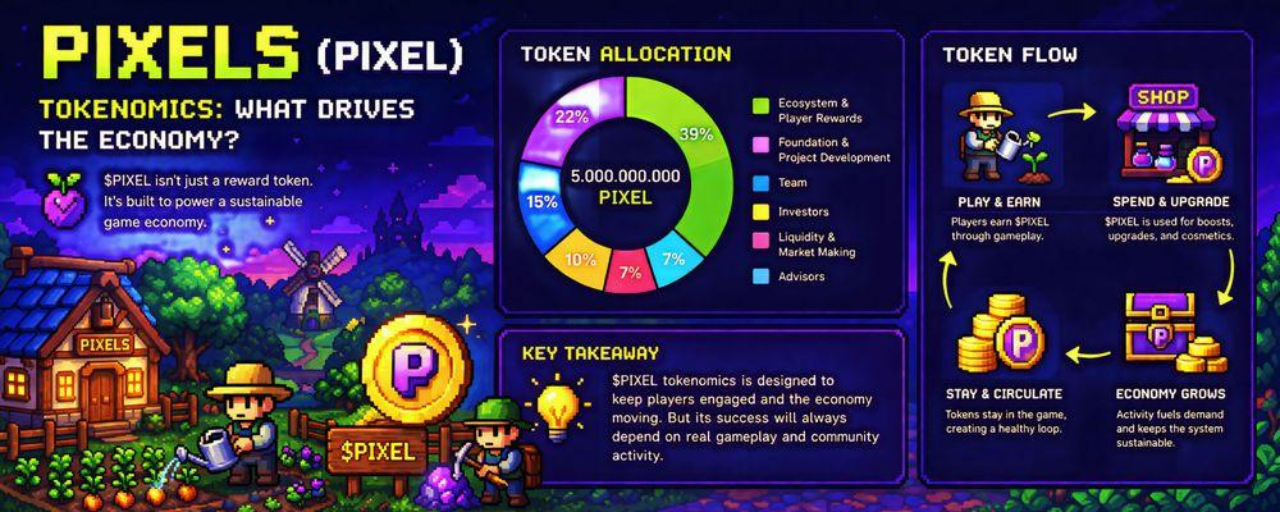
Apakah @Pixels ($PIXEL) Membangun Ekonomi yang Nyata atau Hanya Siklus GameFi Lainnya?Salah satu pertanyaan terbesar seputar permainan Web3 saat ini adalah apakah proyek-proyek ini menciptakan ekonomi yang nyata dan berkelanjutan atau hanya mengulangi siklus jangka pendek yang sama seperti yang terlihat pada tren GameFi sebelumnya. @pixels , didukung oleh $PIXEL, menghadirkan kasus menarik yang berada di antara kedua kemungkinan ini.
Secara garis besar, Pixels mengikuti mekanika yang sudah familiar: pemain menambang sumber daya, membuat item, dan berpartisipasi dalam pasar yang digerakkan oleh pemain. Namun, struktur yang lebih dalam dari permainan ini menunjukkan desain yang lebih intentional. Alih-alih hanya fokus pada imbalan, Pixels menekankan interaksi terus-menerus dalam ekosistemnya. Setiap sumber daya yang diproduksi dimaksudkan untuk digunakan, diperdagangkan, atau diinvestasikan kembali, menciptakan aliran sirkular daripada hanya ekstraksi satu arah.
Apakah @Pixels ($PIXEL) Membangun Ekonomi yang Nyata atau Hanya Siklus GameFi Lainnya?
Salah satu pertanyaan terbesar seputar permainan Web3 saat ini adalah apakah proyek-proyek ini menciptakan ekonomi yang nyata dan berkelanjutan atau hanya mengulangi siklus jangka pendek yang sama seperti yang terlihat pada tren GameFi sebelumnya. @Pixels , didukung oleh $PIXEL , menghadirkan kasus menarik yang berada di antara kedua kemungkinan ini.
Secara garis besar, Pixels mengikuti mekanika yang sudah familiar: pemain menambang sumber daya, membuat item, dan berpartisipasi dalam pasar yang digerakkan oleh pemain. Namun, struktur yang lebih dalam dari permainan ini menunjukkan desain yang lebih intentional. Alih-alih hanya fokus pada imbalan, Pixels menekankan interaksi terus-menerus dalam ekosistemnya. Setiap sumber daya yang diproduksi dimaksudkan untuk digunakan, diperdagangkan, atau diinvestasikan kembali, menciptakan aliran sirkular daripada hanya ekstraksi satu arah.
Secara garis besar, Pixels mengikuti mekanika yang sudah familiar: pemain menambang sumber daya, membuat item, dan berpartisipasi dalam pasar yang digerakkan oleh pemain. Namun, struktur yang lebih dalam dari permainan ini menunjukkan desain yang lebih intentional. Alih-alih hanya fokus pada imbalan, Pixels menekankan interaksi terus-menerus dalam ekosistemnya. Setiap sumber daya yang diproduksi dimaksudkan untuk digunakan, diperdagangkan, atau diinvestasikan kembali, menciptakan aliran sirkular daripada hanya ekstraksi satu arah.
1
39
·
--

Artikel
Lihat terjemahan
Why Player Behavior Matters More Than Rewards in @PixelsIn the evolving landscape of Web3 gaming, one of the most overlooked factors is player behavior. While many projects focus heavily on token rewards and short-term incentives, long-term success often depends on how players interact with the system over time. @pixels , powered by PIXEL , provides an interesting case study in this regard.
Unlike traditional play-to-earn models that rely heavily on financial rewards, Pixels places a stronger emphasis on engagement and routine. Players are encouraged to return daily, not because they are chasing immediate profits, but because the game creates a sense of progression. This subtle shift in design has significant implications for sustainability.
When players develop habits — such as farming regularly, optimizing resources, or participating in community activities — they become part of a stable ecosystem. This stability is crucial. In many failed GameFi projects, users entered only for rewards and left once incentives decreased. Pixels attempts to address this issue by making the gameplay itself enjoyable and rewarding beyond just financial gain.
Another important element is how $PIXEL integrates into this behavior loop. Instead of being a simple reward token, it functions as a tool within the ecosystem. Players use $PIXEL unlock features, improve efficiency, and access deeper layers of the game. This creates a continuous demand for the token, rather than a one-time extraction event.
From a design perspective, this approach aligns more closely with successful traditional games. In those environments, retention is driven by experience, not just rewards. By applying similar principles, @pixels increases its chances of maintaining an active player base even during less favorable market conditions.
Community interaction further reinforces this behavior. When players share strategies, trade resources, or collaborate, the game becomes more than just an individual experience. It evolves into a social ecosystem, where engagement is naturally sustained through interaction.
However, this model also comes with challenges. Maintaining long-term engagement requires continuous updates, new content, and careful balancing of the in-game economy. Without these elements, even the most well-designed systems can lose momentum.
Overall, the strength of @pixels lies in its ability to shape player behavior rather than simply reward it. By encouraging consistency, interaction, and strategic thinking, the ecosystem built around closer to a sustainable model.
In the long run, projects that successfully align player behavior with ecosystem growth are more likely to survive — and potentially thrive — in the competitive world of Web3 gaming.
#pixel #crypto
Why Player Behavior Matters More Than Rewards in @Pixels
In the evolving landscape of Web3 gaming, one of the most overlooked factors is player behavior. While many projects focus heavily on token rewards and short-term incentives, long-term success often depends on how players interact with the system over time. @Pixels , powered by PIXEL , provides an interesting case study in this regard.
Unlike traditional play-to-earn models that rely heavily on financial rewards, Pixels places a stronger emphasis on engagement and routine. Players are encouraged to return daily, not because they are chasing immediate profits, but because the game creates a sense of progression. This subtle shift in design has significant implications for sustainability.
When players develop habits — such as farming regularly, optimizing resources, or participating in community activities — they become part of a stable ecosystem. This stability is crucial. In many failed GameFi projects, users entered only for rewards and left once incentives decreased. Pixels attempts to address this issue by making the gameplay itself enjoyable and rewarding beyond just financial gain.
Another important element is how $PIXEL integrates into this behavior loop. Instead of being a simple reward token, it functions as a tool within the ecosystem. Players use $PIXEL unlock features, improve efficiency, and access deeper layers of the game. This creates a continuous demand for the token, rather than a one-time extraction event.
From a design perspective, this approach aligns more closely with successful traditional games. In those environments, retention is driven by experience, not just rewards. By applying similar principles, @Pixels increases its chances of maintaining an active player base even during less favorable market conditions.
Community interaction further reinforces this behavior. When players share strategies, trade resources, or collaborate, the game becomes more than just an individual experience. It evolves into a social ecosystem, where engagement is naturally sustained through interaction.
However, this model also comes with challenges. Maintaining long-term engagement requires continuous updates, new content, and careful balancing of the in-game economy. Without these elements, even the most well-designed systems can lose momentum.
Overall, the strength of @Pixels lies in its ability to shape player behavior rather than simply reward it. By encouraging consistency, interaction, and strategic thinking, the ecosystem built around closer to a sustainable model.
In the long run, projects that successfully align player behavior with ecosystem growth are more likely to survive — and potentially thrive — in the competitive world of Web3 gaming.
#pixel #crypto
Unlike traditional play-to-earn models that rely heavily on financial rewards, Pixels places a stronger emphasis on engagement and routine. Players are encouraged to return daily, not because they are chasing immediate profits, but because the game creates a sense of progression. This subtle shift in design has significant implications for sustainability.
When players develop habits — such as farming regularly, optimizing resources, or participating in community activities — they become part of a stable ecosystem. This stability is crucial. In many failed GameFi projects, users entered only for rewards and left once incentives decreased. Pixels attempts to address this issue by making the gameplay itself enjoyable and rewarding beyond just financial gain.
Another important element is how $PIXEL integrates into this behavior loop. Instead of being a simple reward token, it functions as a tool within the ecosystem. Players use $PIXEL unlock features, improve efficiency, and access deeper layers of the game. This creates a continuous demand for the token, rather than a one-time extraction event.
From a design perspective, this approach aligns more closely with successful traditional games. In those environments, retention is driven by experience, not just rewards. By applying similar principles, @Pixels increases its chances of maintaining an active player base even during less favorable market conditions.
Community interaction further reinforces this behavior. When players share strategies, trade resources, or collaborate, the game becomes more than just an individual experience. It evolves into a social ecosystem, where engagement is naturally sustained through interaction.
However, this model also comes with challenges. Maintaining long-term engagement requires continuous updates, new content, and careful balancing of the in-game economy. Without these elements, even the most well-designed systems can lose momentum.
Overall, the strength of @Pixels lies in its ability to shape player behavior rather than simply reward it. By encouraging consistency, interaction, and strategic thinking, the ecosystem built around closer to a sustainable model.
In the long run, projects that successfully align player behavior with ecosystem growth are more likely to survive — and potentially thrive — in the competitive world of Web3 gaming.
#pixel #crypto
15
·
--
Artikel
Memahami Ekonomi Jangka Panjang @Pixels dan Peran $PIXELSalah satu pertanyaan paling penting dalam game Web3 saat ini adalah apakah sebuah proyek dapat benar-benar bertahan dalam jangka panjang. Banyak proyek GameFi di masa lalu mengalami pertumbuhan yang cepat diikuti oleh penurunan yang sama cepatnya, terutama karena ekonomi mereka dibangun di sekitar insentif jangka pendek daripada keterlibatan jangka panjang. Ekosistem @pixels , yang didukung oleh $PIXEL, mencoba mengambil jalan yang berbeda.
Di pusat Pixels adalah ekonomi yang dip driven oleh pemain. Tidak seperti sistem tradisional di mana nilai diekstraksi dengan cepat, Pixels fokus pada menciptakan interaksi yang berkelanjutan antara pemain dan lingkungan dalam game. Setiap tindakan — bertani, membuat, berdagang — berkontribusi pada siklus di mana sumber daya terus diproduksi dan dikonsumsi. Ini membantu menjaga keseimbangan dan mengurangi risiko oversupply.
Memahami Ekonomi Jangka Panjang @Pixels dan Peran $PIXEL
Salah satu pertanyaan paling penting dalam game Web3 saat ini adalah apakah sebuah proyek dapat benar-benar bertahan dalam jangka panjang. Banyak proyek GameFi di masa lalu mengalami pertumbuhan yang cepat diikuti oleh penurunan yang sama cepatnya, terutama karena ekonomi mereka dibangun di sekitar insentif jangka pendek daripada keterlibatan jangka panjang. Ekosistem @Pixels , yang didukung oleh $PIXEL , mencoba mengambil jalan yang berbeda.
Di pusat Pixels adalah ekonomi yang dip driven oleh pemain. Tidak seperti sistem tradisional di mana nilai diekstraksi dengan cepat, Pixels fokus pada menciptakan interaksi yang berkelanjutan antara pemain dan lingkungan dalam game. Setiap tindakan — bertani, membuat, berdagang — berkontribusi pada siklus di mana sumber daya terus diproduksi dan dikonsumsi. Ini membantu menjaga keseimbangan dan mengurangi risiko oversupply.
Di pusat Pixels adalah ekonomi yang dip driven oleh pemain. Tidak seperti sistem tradisional di mana nilai diekstraksi dengan cepat, Pixels fokus pada menciptakan interaksi yang berkelanjutan antara pemain dan lingkungan dalam game. Setiap tindakan — bertani, membuat, berdagang — berkontribusi pada siklus di mana sumber daya terus diproduksi dan dikonsumsi. Ini membantu menjaga keseimbangan dan mengurangi risiko oversupply.
2
47
·
--
Artikel
Lihat terjemahan
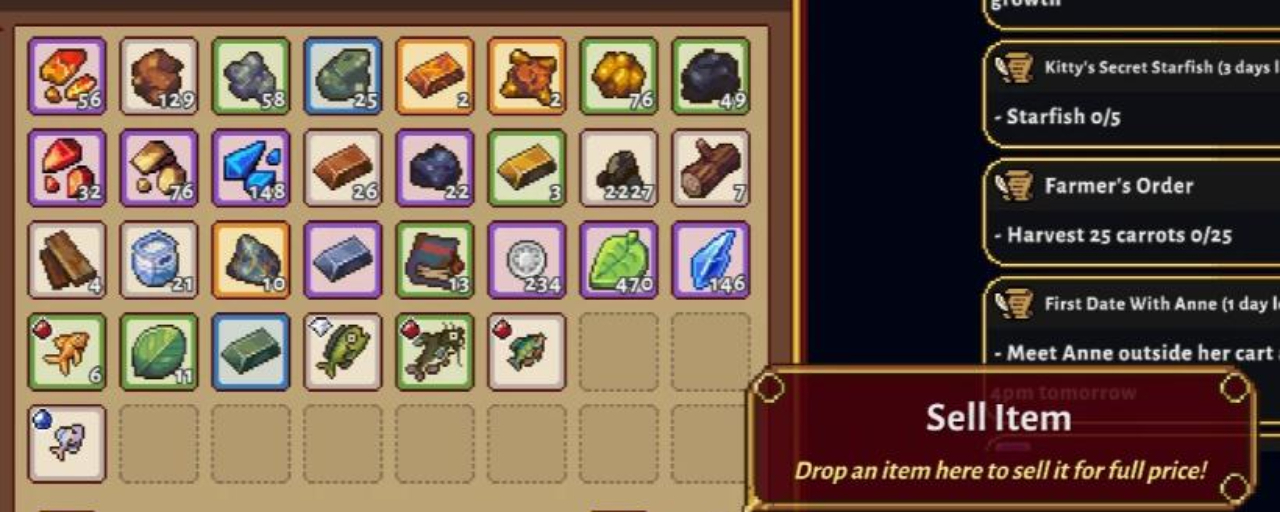
How to Play Pixels Efficiently: A Beginner’s Guide to Earning and Growing with $PIXELIf you want to improve your performance in @pixels , understanding strategy is far more important than simply spending more time in the game. Many players make the mistake of focusing only on grinding, while more experienced players focus on optimizing their actions within the ecosystem powered by $PIXEL .
The first key strategy is crop planning. Not all crops are equal — some grow faster, while others may provide better long-term value depending on how they are used. Instead of planting randomly, try to create a rotation system where your farm is always active. This minimizes downtime and ensures a steady flow of resources.
Next, focus on resource allocation. Early in the game, it might be tempting to sell everything you produce. However, a more effective approach is to reinvest your resources into crafting. Crafted items often unlock new opportunities and can significantly improve your efficiency. Over time, this creates a compounding effect where your productivity increases without requiring additional effort.
Time management is another crucial factor. @pixels rewards consistency, but not all actions are equally valuable. Efficient players prioritize tasks that generate the most impact. For example, completing quests or crafting key items may provide more long-term benefits than simply harvesting basic crops repeatedly.
Inventory management is also often overlooked. Keeping your inventory organized allows you to react quickly to new opportunities, whether it’s crafting, trading, or completing quests. Wasting time searching for resources or running out of space can slow down your progress significantly.
Another important aspect is understanding when to use $PIXEL. Instead of treating it as something to immediately sell, consider how it can enhance your gameplay. Using $PIXEL for upgrades or unlocking features can increase your efficiency and lead to better returns in the future. This is especially important for players aiming to stay competitive as the ecosystem grows.
Community interaction can also provide an edge. Observing how other players approach the game, sharing strategies, and learning from experienced users can accelerate your progress. @pixels is not just about individual play — it’s a shared environment where knowledge can be just as valuable as resources.
Finally, think long-term. Pixels is designed as a sustainable ecosystem, not a quick-profit system. Players who approach it with patience and a strategic mindset tend to benefit the most. Short-term decisions may feel rewarding, but long-term planning is what truly separates successful players from the rest.
If you combine these strategies — planning, efficiency, and smart use of $P$PIXEL you can significantly improve your experience and performance within @Pixels.
#pixel #BinanceSquare
How to Play Pixels Efficiently: A Beginner’s Guide to Earning and Growing with $PIXEL
If you want to improve your performance in @Pixels , understanding strategy is far more important than simply spending more time in the game. Many players make the mistake of focusing only on grinding, while more experienced players focus on optimizing their actions within the ecosystem powered by $PIXEL .
The first key strategy is crop planning. Not all crops are equal — some grow faster, while others may provide better long-term value depending on how they are used. Instead of planting randomly, try to create a rotation system where your farm is always active. This minimizes downtime and ensures a steady flow of resources.
Next, focus on resource allocation. Early in the game, it might be tempting to sell everything you produce. However, a more effective approach is to reinvest your resources into crafting. Crafted items often unlock new opportunities and can significantly improve your efficiency. Over time, this creates a compounding effect where your productivity increases without requiring additional effort.
Time management is another crucial factor. @Pixels rewards consistency, but not all actions are equally valuable. Efficient players prioritize tasks that generate the most impact. For example, completing quests or crafting key items may provide more long-term benefits than simply harvesting basic crops repeatedly.
Inventory management is also often overlooked. Keeping your inventory organized allows you to react quickly to new opportunities, whether it’s crafting, trading, or completing quests. Wasting time searching for resources or running out of space can slow down your progress significantly.
Another important aspect is understanding when to use $PIXEL . Instead of treating it as something to immediately sell, consider how it can enhance your gameplay. Using $PIXEL for upgrades or unlocking features can increase your efficiency and lead to better returns in the future. This is especially important for players aiming to stay competitive as the ecosystem grows.
Community interaction can also provide an edge. Observing how other players approach the game, sharing strategies, and learning from experienced users can accelerate your progress. @Pixels is not just about individual play — it’s a shared environment where knowledge can be just as valuable as resources.
Finally, think long-term. Pixels is designed as a sustainable ecosystem, not a quick-profit system. Players who approach it with patience and a strategic mindset tend to benefit the most. Short-term decisions may feel rewarding, but long-term planning is what truly separates successful players from the rest.
If you combine these strategies — planning, efficiency, and smart use of $P$PIXEL you can significantly improve your experience and performance within @Pixels.
#pixel #BinanceSquare
The first key strategy is crop planning. Not all crops are equal — some grow faster, while others may provide better long-term value depending on how they are used. Instead of planting randomly, try to create a rotation system where your farm is always active. This minimizes downtime and ensures a steady flow of resources.
Next, focus on resource allocation. Early in the game, it might be tempting to sell everything you produce. However, a more effective approach is to reinvest your resources into crafting. Crafted items often unlock new opportunities and can significantly improve your efficiency. Over time, this creates a compounding effect where your productivity increases without requiring additional effort.
Time management is another crucial factor. @Pixels rewards consistency, but not all actions are equally valuable. Efficient players prioritize tasks that generate the most impact. For example, completing quests or crafting key items may provide more long-term benefits than simply harvesting basic crops repeatedly.
Inventory management is also often overlooked. Keeping your inventory organized allows you to react quickly to new opportunities, whether it’s crafting, trading, or completing quests. Wasting time searching for resources or running out of space can slow down your progress significantly.
Another important aspect is understanding when to use $PIXEL . Instead of treating it as something to immediately sell, consider how it can enhance your gameplay. Using $PIXEL for upgrades or unlocking features can increase your efficiency and lead to better returns in the future. This is especially important for players aiming to stay competitive as the ecosystem grows.
Community interaction can also provide an edge. Observing how other players approach the game, sharing strategies, and learning from experienced users can accelerate your progress. @Pixels is not just about individual play — it’s a shared environment where knowledge can be just as valuable as resources.
Finally, think long-term. Pixels is designed as a sustainable ecosystem, not a quick-profit system. Players who approach it with patience and a strategic mindset tend to benefit the most. Short-term decisions may feel rewarding, but long-term planning is what truly separates successful players from the rest.
If you combine these strategies — planning, efficiency, and smart use of $P$PIXEL you can significantly improve your experience and performance within @Pixels.
#pixel #BinanceSquare
5
·
--
Artikel
Lihat terjemahan
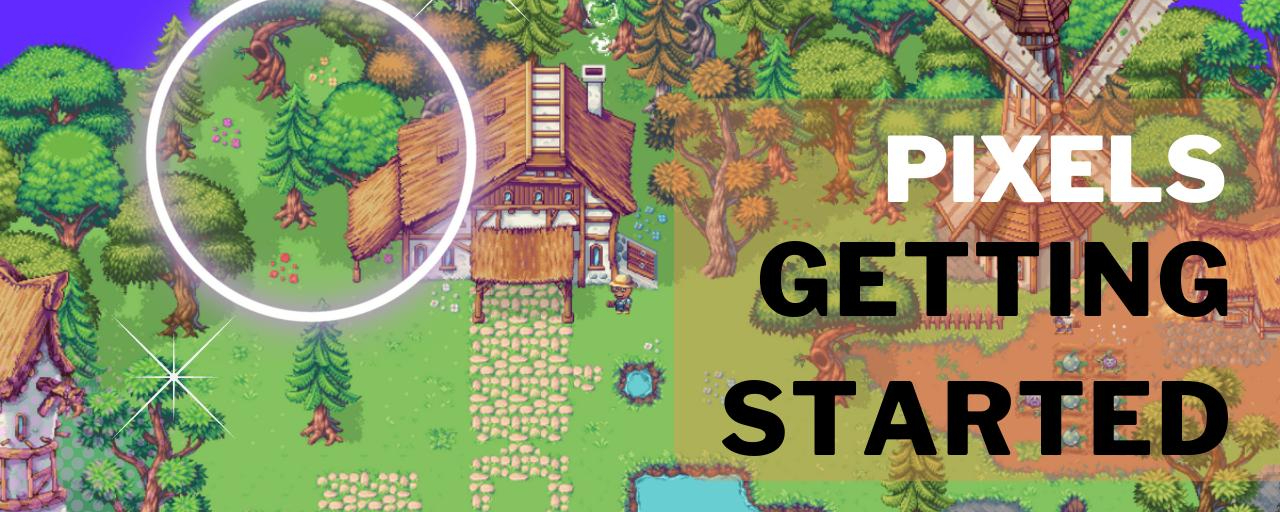
HOW TO STARTED INIf you’re new to @pixels and wondering how to get started effectively, here’s a simple beginner-friendly guide to help you understand the core gameplay and how to progress efficiently within the ecosystem powered by $PIXEL.
First, when you enter the game, your main focus should be on learning the basic mechanics. Start with farming — planting and harvesting crops is one of the easiest ways to generate early resources. These resources are essential because they form the foundation of your in-game progression.
Next, pay attention to quests. Pixels provides a variety of tasks that guide you through the gameplay. Completing quests not only helps you understand different features of the game, but also rewards you with valuable items and sometimes exposure to $PIXEL-related activities. Many new players skip this step, but it is actually one of the fastest ways to level up early on.
Crafting is another key element you should not ignore. Instead of selling all your resources immediately, consider using them to craft items. Crafted items often have higher utility and can help you unlock more advanced gameplay features. Over time, this will allow you to optimize your resource usage rather than just focusing on short-term gains.
As you progress further, you’ll notice that managing your time and resources becomes increasingly important. Efficient players tend to plan their actions — deciding when to plant, when to harvest, and when to craft. This creates a rhythm that maximizes productivity within the game.
Another important tip is to stay active in the community. @pixels has a strong social aspect, and interacting with other players can provide valuable insights. Whether it’s learning new strategies or understanding market trends, community engagement can significantly improve your gameplay.
When it comes to $PIXEL , don’t treat it as just a reward to sell immediately. Instead, think of it as a tool. Using $PIXEL within the ecosystem — whether for upgrades, access, or participation in advanced features — can provide more long-term value than simply cashing out early.
Finally, be patient. Pixels is designed as a long-term experience, not a quick-profit game. Players who consistently engage, learn, and adapt their strategies tend to perform much better over time.
If you approach @pixels with the right mindset — focusing on learning and gradual progress — you’ll likely find the experience both rewarding and sustainable.
#pixel #GameFi #BinanceSquare #PIXEL
HOW TO STARTED IN
If you’re new to @Pixels and wondering how to get started effectively, here’s a simple beginner-friendly guide to help you understand the core gameplay and how to progress efficiently within the ecosystem powered by $PIXEL .
First, when you enter the game, your main focus should be on learning the basic mechanics. Start with farming — planting and harvesting crops is one of the easiest ways to generate early resources. These resources are essential because they form the foundation of your in-game progression.
Next, pay attention to quests. Pixels provides a variety of tasks that guide you through the gameplay. Completing quests not only helps you understand different features of the game, but also rewards you with valuable items and sometimes exposure to $PIXEL -related activities. Many new players skip this step, but it is actually one of the fastest ways to level up early on.
Crafting is another key element you should not ignore. Instead of selling all your resources immediately, consider using them to craft items. Crafted items often have higher utility and can help you unlock more advanced gameplay features. Over time, this will allow you to optimize your resource usage rather than just focusing on short-term gains.
As you progress further, you’ll notice that managing your time and resources becomes increasingly important. Efficient players tend to plan their actions — deciding when to plant, when to harvest, and when to craft. This creates a rhythm that maximizes productivity within the game.
Another important tip is to stay active in the community. @Pixels has a strong social aspect, and interacting with other players can provide valuable insights. Whether it’s learning new strategies or understanding market trends, community engagement can significantly improve your gameplay.
When it comes to $PIXEL , don’t treat it as just a reward to sell immediately. Instead, think of it as a tool. Using $PIXEL within the ecosystem — whether for upgrades, access, or participation in advanced features — can provide more long-term value than simply cashing out early.
Finally, be patient. Pixels is designed as a long-term experience, not a quick-profit game. Players who consistently engage, learn, and adapt their strategies tend to perform much better over time.
If you approach @Pixels with the right mindset — focusing on learning and gradual progress — you’ll likely find the experience both rewarding and sustainable.
#pixel #GameFi #BinanceSquare #PIXEL
First, when you enter the game, your main focus should be on learning the basic mechanics. Start with farming — planting and harvesting crops is one of the easiest ways to generate early resources. These resources are essential because they form the foundation of your in-game progression.
Next, pay attention to quests. Pixels provides a variety of tasks that guide you through the gameplay. Completing quests not only helps you understand different features of the game, but also rewards you with valuable items and sometimes exposure to $PIXEL -related activities. Many new players skip this step, but it is actually one of the fastest ways to level up early on.
Crafting is another key element you should not ignore. Instead of selling all your resources immediately, consider using them to craft items. Crafted items often have higher utility and can help you unlock more advanced gameplay features. Over time, this will allow you to optimize your resource usage rather than just focusing on short-term gains.
As you progress further, you’ll notice that managing your time and resources becomes increasingly important. Efficient players tend to plan their actions — deciding when to plant, when to harvest, and when to craft. This creates a rhythm that maximizes productivity within the game.
Another important tip is to stay active in the community. @Pixels has a strong social aspect, and interacting with other players can provide valuable insights. Whether it’s learning new strategies or understanding market trends, community engagement can significantly improve your gameplay.
When it comes to $PIXEL , don’t treat it as just a reward to sell immediately. Instead, think of it as a tool. Using $PIXEL within the ecosystem — whether for upgrades, access, or participation in advanced features — can provide more long-term value than simply cashing out early.
Finally, be patient. Pixels is designed as a long-term experience, not a quick-profit game. Players who consistently engage, learn, and adapt their strategies tend to perform much better over time.
If you approach @Pixels with the right mindset — focusing on learning and gradual progress — you’ll likely find the experience both rewarding and sustainable.
#pixel #GameFi #BinanceSquare #PIXEL
1
18
·
--
Artikel
DI DALAM PIXELSalah satu tantangan terbesar dalam gaming Web3 selalu adalah keberlanjutan. Banyak proyek GameFi di masa lalu menarik pengguna dengan cepat, tetapi gagal mempertahankannya karena ekonomi mereka dibangun di sekitar ekstraksi daripada partisipasi. Ekosistem @Pixels mencoba menyelesaikan masalah ini dengan merancang loop ekonomi yang lebih seimbang dan interaktif yang didukung oleh $PIXEL .
Di inti Pixels terletak ide yang sederhana tetapi efektif: pemain tidak hanya harus mendapatkan token, tetapi juga menghabiskannya dengan cara yang bermakna. Di sinilah konsep “token sinks” menjadi sangat penting. Di Pixels, $PIXEL digunakan di berbagai lapisan permainan — dari membuat item canggih hingga meningkatkan tanah, mencetak NFT, dan mengakses fitur gameplay premium. Sinks ini membantu mengurangi tekanan jual yang konstan dan mendorong reinvestasi ke dalam ekosistem.
DI DALAM PIXEL
Salah satu tantangan terbesar dalam gaming Web3 selalu adalah keberlanjutan. Banyak proyek GameFi di masa lalu menarik pengguna dengan cepat, tetapi gagal mempertahankannya karena ekonomi mereka dibangun di sekitar ekstraksi daripada partisipasi. Ekosistem @Pixels mencoba menyelesaikan masalah ini dengan merancang loop ekonomi yang lebih seimbang dan interaktif yang didukung oleh $PIXEL .
Di inti Pixels terletak ide yang sederhana tetapi efektif: pemain tidak hanya harus mendapatkan token, tetapi juga menghabiskannya dengan cara yang bermakna. Di sinilah konsep “token sinks” menjadi sangat penting. Di Pixels, $PIXEL digunakan di berbagai lapisan permainan — dari membuat item canggih hingga meningkatkan tanah, mencetak NFT, dan mengakses fitur gameplay premium. Sinks ini membantu mengurangi tekanan jual yang konstan dan mendorong reinvestasi ke dalam ekosistem.
Di inti Pixels terletak ide yang sederhana tetapi efektif: pemain tidak hanya harus mendapatkan token, tetapi juga menghabiskannya dengan cara yang bermakna. Di sinilah konsep “token sinks” menjadi sangat penting. Di Pixels, $PIXEL digunakan di berbagai lapisan permainan — dari membuat item canggih hingga meningkatkan tanah, mencetak NFT, dan mengakses fitur gameplay premium. Sinks ini membantu mengurangi tekanan jual yang konstan dan mendorong reinvestasi ke dalam ekosistem.
1
39
·
--

Artikel
Lihat terjemahan
WHAT IS PIXELS?The @pixels ecosystem is gradually evolving into one of the most interesting experiments in Web3 gaming today. While many projects in the GameFi sector have struggled to maintain long-term user engagement, Pixels is taking a different approach — focusing on sustainable gameplay and a functioning in-game economy powered by $PIXEL.
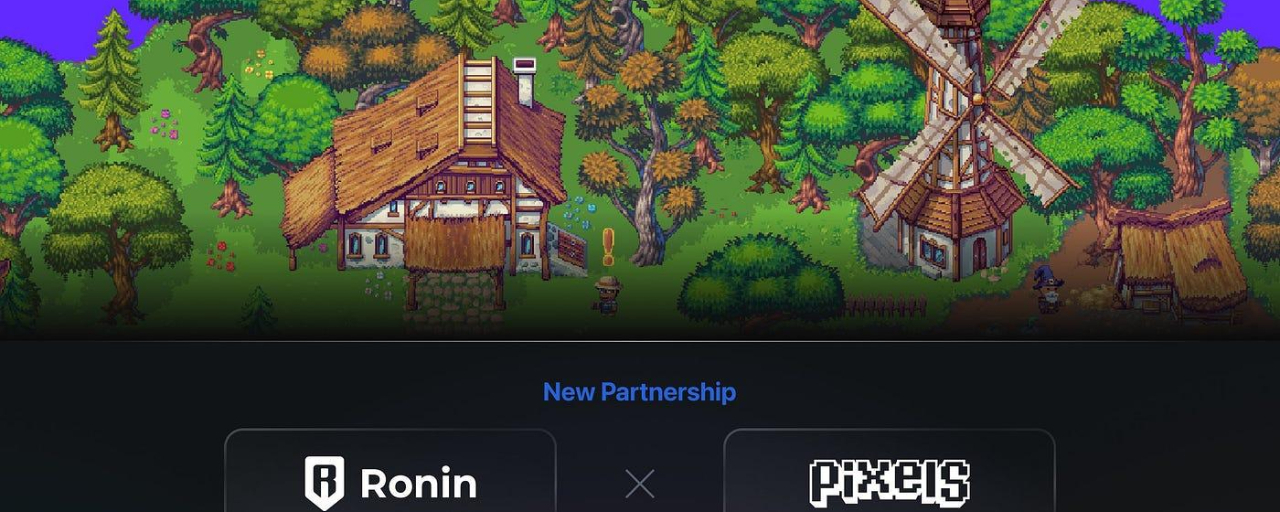
At its core, Pixels is a social farming RPG built on the Ronin Network. Players can farm crops, gather resources, craft items, and trade within a player-driven marketplace. However, what makes this ecosystem unique is not just the gameplay, but how the economy is structured.
Unlike traditional play-to-earn models, where users farm tokens and immediately sell them, Pixels introduces multiple “token sinks” — mechanisms that encourage spending rather than constant selling. Players use $PIXEL for minting NFTs, accessing premium features, upgrading assets, and participating in social systems such as guilds. This creates a circular economy where tokens are continuously reused rather than extracted.
Another important aspect is the shift in GameFi design philosophy. Pixels is moving away from “earn-first” mechanics and instead focusing on “fun-first” gameplay. This is critical because long-term success in Web3 gaming depends on real player retention, not just speculative farming. A game that people genuinely enjoy will naturally generate demand for its token.
Recent updates, such as the introduction of staking and more complex resource systems, further enhance this model. These features encourage players to stay engaged and think strategically, rather than simply grinding for rewards. (Binance)
In addition, the broader ecosystem is evolving. Pixels is no longer just a single game — it is becoming part of a larger multi-game and social platform where user activity and attention become valuable assets. This aligns with the idea of an “attention economy,” where time spent in the ecosystem directly contributes to value creation.
Another key factor is the maturity of its tokenomics. With a significant portion of the supply already in circulation, the market is gradually shifting away from fear of token unlocks toward fundamentals like user growth and ecosystem expansion. (CoinMarketCap)
Ultimately, the future of @pixels will depend on one thing: whether it can continue attracting real users and maintaining a balanced economy. If it succeeds, $PIXEL could become more than just a gaming token — it could represent a fully functional digital economy driven by player activity.
For now, Pixels remains one of the few GameFi projects worth closely watching.
#pixel @pixels $PIXEL
WHAT IS PIXELS?
The @Pixels ecosystem is gradually evolving into one of the most interesting experiments in Web3 gaming today. While many projects in the GameFi sector have struggled to maintain long-term user engagement, Pixels is taking a different approach — focusing on sustainable gameplay and a functioning in-game economy powered by $PIXEL .
At its core, Pixels is a social farming RPG built on the Ronin Network. Players can farm crops, gather resources, craft items, and trade within a player-driven marketplace. However, what makes this ecosystem unique is not just the gameplay, but how the economy is structured.
Unlike traditional play-to-earn models, where users farm tokens and immediately sell them, Pixels introduces multiple “token sinks” — mechanisms that encourage spending rather than constant selling. Players use $PIXEL for minting NFTs, accessing premium features, upgrading assets, and participating in social systems such as guilds. This creates a circular economy where tokens are continuously reused rather than extracted.
Another important aspect is the shift in GameFi design philosophy. Pixels is moving away from “earn-first” mechanics and instead focusing on “fun-first” gameplay. This is critical because long-term success in Web3 gaming depends on real player retention, not just speculative farming. A game that people genuinely enjoy will naturally generate demand for its token.
Recent updates, such as the introduction of staking and more complex resource systems, further enhance this model. These features encourage players to stay engaged and think strategically, rather than simply grinding for rewards. (Binance)
In addition, the broader ecosystem is evolving. Pixels is no longer just a single game — it is becoming part of a larger multi-game and social platform where user activity and attention become valuable assets. This aligns with the idea of an “attention economy,” where time spent in the ecosystem directly contributes to value creation.
Another key factor is the maturity of its tokenomics. With a significant portion of the supply already in circulation, the market is gradually shifting away from fear of token unlocks toward fundamentals like user growth and ecosystem expansion. (CoinMarketCap)
Ultimately, the future of @Pixels will depend on one thing: whether it can continue attracting real users and maintaining a balanced economy. If it succeeds, $PIXEL could become more than just a gaming token — it could represent a fully functional digital economy driven by player activity.
For now, Pixels remains one of the few GameFi projects worth closely watching.
#pixel @Pixels $PIXEL
At its core, Pixels is a social farming RPG built on the Ronin Network. Players can farm crops, gather resources, craft items, and trade within a player-driven marketplace. However, what makes this ecosystem unique is not just the gameplay, but how the economy is structured.
Unlike traditional play-to-earn models, where users farm tokens and immediately sell them, Pixels introduces multiple “token sinks” — mechanisms that encourage spending rather than constant selling. Players use $PIXEL for minting NFTs, accessing premium features, upgrading assets, and participating in social systems such as guilds. This creates a circular economy where tokens are continuously reused rather than extracted.
Another important aspect is the shift in GameFi design philosophy. Pixels is moving away from “earn-first” mechanics and instead focusing on “fun-first” gameplay. This is critical because long-term success in Web3 gaming depends on real player retention, not just speculative farming. A game that people genuinely enjoy will naturally generate demand for its token.
Recent updates, such as the introduction of staking and more complex resource systems, further enhance this model. These features encourage players to stay engaged and think strategically, rather than simply grinding for rewards. (Binance)
In addition, the broader ecosystem is evolving. Pixels is no longer just a single game — it is becoming part of a larger multi-game and social platform where user activity and attention become valuable assets. This aligns with the idea of an “attention economy,” where time spent in the ecosystem directly contributes to value creation.
Another key factor is the maturity of its tokenomics. With a significant portion of the supply already in circulation, the market is gradually shifting away from fear of token unlocks toward fundamentals like user growth and ecosystem expansion. (CoinMarketCap)
Ultimately, the future of @Pixels will depend on one thing: whether it can continue attracting real users and maintaining a balanced economy. If it succeeds, $PIXEL could become more than just a gaming token — it could represent a fully functional digital economy driven by player activity.
For now, Pixels remains one of the few GameFi projects worth closely watching.
#pixel @Pixels $PIXEL
1
8
·
--
BTC.D siap untuk jatuh.
Ini positif untuk altcoin.
Sumber : Gordon
Apa pendapatmu? 👇$BTC $ETH $BNB
BTC.D siap untuk jatuh.
Ini positif untuk altcoin.
Sumber : Gordon
Apa pendapatmu? 👇$BTC $ETH $BNB
Ini positif untuk altcoin.
Sumber : Gordon
Apa pendapatmu? 👇$BTC $ETH $BNB
3
5
35
·
--
💥PEMBARUAN💥
AS MUNGKIN SEDANG MENUJU PENGHAPUSAN PAJAK PENGHASILAN! 🤑
MENTERI KEUANGAN SCOTT BESSENT BARU SAJA MENGATAKAN
“ ANDA AKAN MELIHAT PENINGKATAN SEGERA DALAM PENGHASILAN NYATA ANDA BAIK HINGGA MINGGUAN ATAU BULANAN ”
INI SANGAT BULLISH UNTUK KRIPTO 😇$BTC $ETH
💥PEMBARUAN💥
AS MUNGKIN SEDANG MENUJU PENGHAPUSAN PAJAK PENGHASILAN! 🤑
MENTERI KEUANGAN SCOTT BESSENT BARU SAJA MENGATAKAN
“ ANDA AKAN MELIHAT PENINGKATAN SEGERA DALAM PENGHASILAN NYATA ANDA BAIK HINGGA MINGGUAN ATAU BULANAN ”
INI SANGAT BULLISH UNTUK KRIPTO 😇$BTC $ETH
AS MUNGKIN SEDANG MENUJU PENGHAPUSAN PAJAK PENGHASILAN! 🤑
MENTERI KEUANGAN SCOTT BESSENT BARU SAJA MENGATAKAN
“ ANDA AKAN MELIHAT PENINGKATAN SEGERA DALAM PENGHASILAN NYATA ANDA BAIK HINGGA MINGGUAN ATAU BULANAN ”
INI SANGAT BULLISH UNTUK KRIPTO 😇$BTC $ETH
3
28
·
--
🔥🔥🔥 PEMBERITAAN:
PRESIDEN TRUMP BARU SAJA MENGATAKAN DI BERITA CNBC:
"BITCOIN MENGURANGI BANYAK TEKANAN DARI DOLLAR. INI ADALAH HAL YANG BAGUS UNTUK EKONOMI KITA."
SANGAT BULLISH UNTUK PASAR KRIPTO!!
$BTC $ETH $SOL
🔥🔥🔥 PEMBERITAAN:
PRESIDEN TRUMP BARU SAJA MENGATAKAN DI BERITA CNBC:
"BITCOIN MENGURANGI BANYAK TEKANAN DARI DOLLAR. INI ADALAH HAL YANG BAGUS UNTUK EKONOMI KITA."
SANGAT BULLISH UNTUK PASAR KRIPTO!!
$BTC $ETH $SOL
PRESIDEN TRUMP BARU SAJA MENGATAKAN DI BERITA CNBC:
"BITCOIN MENGURANGI BANYAK TEKANAN DARI DOLLAR. INI ADALAH HAL YANG BAGUS UNTUK EKONOMI KITA."
SANGAT BULLISH UNTUK PASAR KRIPTO!!
$BTC $ETH $SOL
1
5
29
·
--
💥💥💥PEMBERITAAN TERBARU💥💥💥
TRUMP BARU SAJA MENGATAKAN "SELAT HORMUZ MEMBUKA!"
GIGA BULLISH UNTUK PASAR!! 🤑🤑🤑
💥💥💥PEMBERITAAN TERBARU💥💥💥
TRUMP BARU SAJA MENGATAKAN "SELAT HORMUZ MEMBUKA!"
GIGA BULLISH UNTUK PASAR!! 🤑🤑🤑
TRUMP BARU SAJA MENGATAKAN "SELAT HORMUZ MEMBUKA!"
GIGA BULLISH UNTUK PASAR!! 🤑🤑🤑
4
8
·
--
💥💥💥PEMBARUAN 💥💥💥
FED AKAN MENYUNTIK $5,058,000,000.00 KE DALAM PASAR BESOK PADA JAM 9 PAGI ET, SEBELUM PASAR DIBUKA!
MEREKA SECARA RESMI MELANJUTKAN PEMBELIAN T-BILL DAN MENYALAKAN KEMBALI PRINTER UANG!
SANGAT BULLISH UNTUK PASAR!
$ETH $SOL
💥💥💥PEMBARUAN 💥💥💥
FED AKAN MENYUNTIK $5,058,000,000.00 KE DALAM PASAR BESOK PADA JAM 9 PAGI ET, SEBELUM PASAR DIBUKA!
MEREKA SECARA RESMI MELANJUTKAN PEMBELIAN T-BILL DAN MENYALAKAN KEMBALI PRINTER UANG!
SANGAT BULLISH UNTUK PASAR!
$ETH $SOL
FED AKAN MENYUNTIK $5,058,000,000.00 KE DALAM PASAR BESOK PADA JAM 9 PAGI ET, SEBELUM PASAR DIBUKA!
MEREKA SECARA RESMI MELANJUTKAN PEMBELIAN T-BILL DAN MENYALAKAN KEMBALI PRINTER UANG!
SANGAT BULLISH UNTUK PASAR!
$ETH $SOL
5
2
6
61
·
--
Pembaruan Timur Tengah – 12 AprilNegosiasi antara AS dan Iran di Islamabad secara resmi telah gagal setelah hampir 21 jam. Tidak ada kesepakatan. Tidak ada perpanjangan gencatan senjata yang dikonfirmasi.
Inilah yang terjadi di lapangan:
Selat Hormuz – 20% dari minyak global melewati sini. Iran telah mengancam akses yang dibatasi. Minyak naik 3% hari ini.
Sanksi – Tidak ada keringanan untuk Iran. Ini berarti minyak Iran terus mengalir melalui saluran tidak resmi, dan pembayaran Bitcoin yang dirumorkan untuk passage tanker tetap menjadi risiko nyata tetapi tidak terverifikasi.
Posisi militer – Tidak ada serangan baru, tetapi kedua belah pihak sedang memposisikan ulang. Aset Angkatan Laut AS tetap di wilayah tersebut.
Pembaruan Timur Tengah – 12 April
Negosiasi antara AS dan Iran di Islamabad secara resmi telah gagal setelah hampir 21 jam. Tidak ada kesepakatan. Tidak ada perpanjangan gencatan senjata yang dikonfirmasi.
Inilah yang terjadi di lapangan:
Selat Hormuz – 20% dari minyak global melewati sini. Iran telah mengancam akses yang dibatasi. Minyak naik 3% hari ini.
Sanksi – Tidak ada keringanan untuk Iran. Ini berarti minyak Iran terus mengalir melalui saluran tidak resmi, dan pembayaran Bitcoin yang dirumorkan untuk passage tanker tetap menjadi risiko nyata tetapi tidak terverifikasi.
Posisi militer – Tidak ada serangan baru, tetapi kedua belah pihak sedang memposisikan ulang. Aset Angkatan Laut AS tetap di wilayah tersebut.
Inilah yang terjadi di lapangan:
Selat Hormuz – 20% dari minyak global melewati sini. Iran telah mengancam akses yang dibatasi. Minyak naik 3% hari ini.
Sanksi – Tidak ada keringanan untuk Iran. Ini berarti minyak Iran terus mengalir melalui saluran tidak resmi, dan pembayaran Bitcoin yang dirumorkan untuk passage tanker tetap menjadi risiko nyata tetapi tidak terverifikasi.
Posisi militer – Tidak ada serangan baru, tetapi kedua belah pihak sedang memposisikan ulang. Aset Angkatan Laut AS tetap di wilayah tersebut.
3
2
116
Masuk untuk menjelajahi konten lainnya
Bergabunglah dengan pengguna kripto global di Binance Square
⚡️ Dapatkan informasi terbaru dan berguna tentang kripto.
💬 Dipercayai oleh bursa kripto terbesar di dunia.
👍 Temukan wawasan nyata dari kreator terverifikasi.
Email/Nomor Ponsel
Topik Sedang Tren
BTCBreaks80K
113,823 penayangan
1,818 Berdiskusi
Penyelesaian mendadak atau perburuan likuiditas? Kebenaran di balik $80K Bitcoin 📉🚀
Jika kamu punya posisi Short di dekat $80.000, kemungkinan besar kamu merasakan tekanan dari beberapa jam terakhir. Banyak yang mengaitkan kenaikan mendadak ini sebagai "manipulasi tanpa volume", tetapi mekanisme pasar di futures menceritakan kisah yang benar-benar berbeda.
Ini yang sebenarnya terjadi di balik candle mingguan:
1️⃣ Buku order tipis: Saat sebagian besar pasar bersiap untuk turun (short), order limit jual di atas harga menjadi sangat langka. Volume pembelian yang moderat saja sudah cukup untuk menyapu stop.
2️⃣ Efek berantai (Short Squeeze): Saat menyentuh level likuidasi para short, exchange menjalankan pembelian otomatis di pasar untuk menutup posisi yang merugi. Ini bukan "manipulator rahasia" yang mendorong harga; justru stop-loss para penjual yang membiayai pump.
3️⃣ Penutupan candle mingguan: Algoritma dan institusi biasanya mencari penutupan di atas beberapa moving average kunci sebelum pergantian candle untuk menjaga tren.
Pelajaran manajemen risiko: Jangan pernah trading dengan leverage tanpa stop teknis yang ditempatkan dengan baik, dan hindari masuk short ketika pasar sedang kelebihan penjualan.
Menurutmu bagaimana? Apakah kita mengkonsolidasikan diri di atas $80K untuk mencari puncak baru, atau akan datang re-tes ke area $78.000? Tulis di komentar!
$BTC #BTC #BTCBreaks80K #BinanceSquar
Angelo_Coin
·Disukai 0 Kali
·1.1k penayangan
比特币突破8万
89,925 penayangan
270 Berdiskusi
EthereumReclaims$2600
6 penayangan
20 Berdiskusi