
Bitcoinworld
69k Posting

Bitcoinworld
 Square Terverifikasi+
Laporkan
Blokir Pengguna
BitcoinWorld is a leading media publication bringing the latest happenings in the Blockchain and Crypto Space.

#BinanceTurns7

Excellence Award (Market Buzz)

Creator of the Year
2 Mengikuti
100.6K+ Pengikut
287.3K+ Disukai
4 Lencana
Posting
Semua
Video
Live
·
--
Artikel
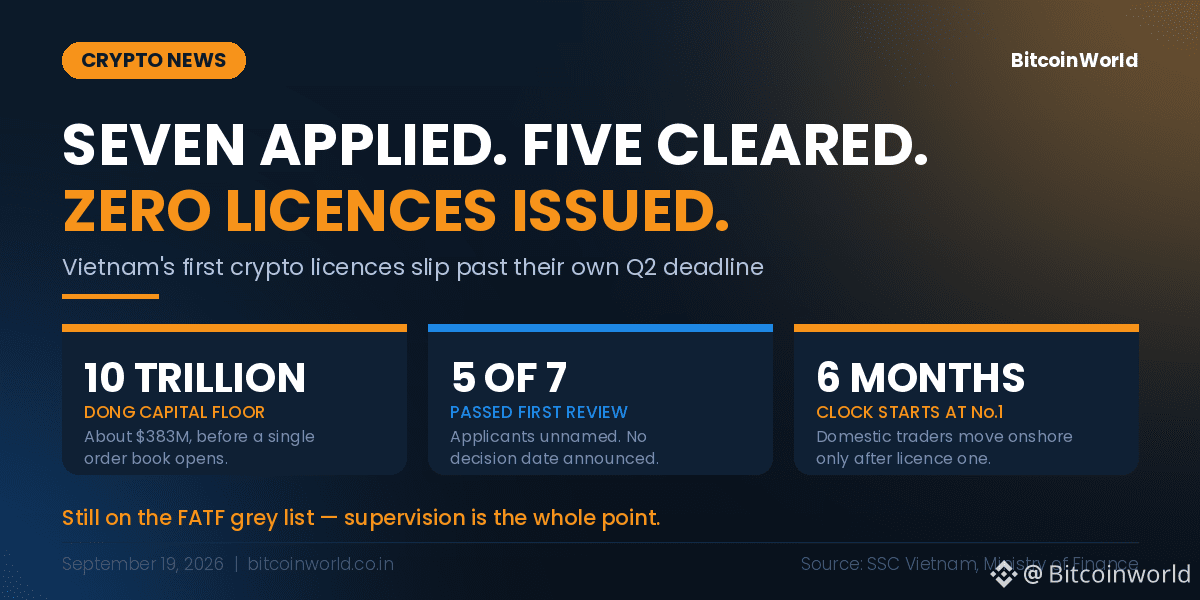
Sembilan Bulan, Tujuh Pelamar, Nol Lisensi: Game Tunggu Kripto VietnamBitcoinWorld
Sembilan Bulan, Tujuh Pelamar, Nol Lisensi: Game Tunggu Kripto Vietnam
Poin-Poin Utama
Hanoi mengatakan lisensi kripto pertama akan tiba pada 2026. Tenggat waktu Q2 miliknya sendiri telah lewat.
Tujuh perusahaan mengajukan. Lima lolos pada putaran pertama. Tidak ada yang disetujui.
Buku aturan menyalin FATF dan pengawasan Eropa karena alasan yang tidak ada hubungannya dengan penampilan.
Pada hari lisensi pertama ditandatangani, sebuah pengatur waktu enam bulan mulai menarik para trader Vietnam dari platform asing.
Wakil Menteri Keuangan Nguyen Duc Chi berada di Wina pada 15 September, duduk berhadapan dengan Mariana Kühnel, yang memimpin Otoritas Pasar Keuangan Austria. Ia membawa kursi Komisi Sekuritas Negara, duta besar, dan para pejabat senior dari Bursa Efek Vietnam serta korporasi kliring. Itu adalah delegasi besar untuk pertemuan yang ditulis sebagai pertukaran pandangan.
Sembilan Bulan, Tujuh Pelamar, Nol Lisensi: Game Tunggu Kripto Vietnam
BitcoinWorld
Sembilan Bulan, Tujuh Pelamar, Nol Lisensi: Game Tunggu Kripto Vietnam
Poin-Poin Utama
Hanoi mengatakan lisensi kripto pertama akan tiba pada 2026. Tenggat waktu Q2 miliknya sendiri telah lewat.
Tujuh perusahaan mengajukan. Lima lolos pada putaran pertama. Tidak ada yang disetujui.
Buku aturan menyalin FATF dan pengawasan Eropa karena alasan yang tidak ada hubungannya dengan penampilan.
Pada hari lisensi pertama ditandatangani, sebuah pengatur waktu enam bulan mulai menarik para trader Vietnam dari platform asing.
Wakil Menteri Keuangan Nguyen Duc Chi berada di Wina pada 15 September, duduk berhadapan dengan Mariana Kühnel, yang memimpin Otoritas Pasar Keuangan Austria. Ia membawa kursi Komisi Sekuritas Negara, duta besar, dan para pejabat senior dari Bursa Efek Vietnam serta korporasi kliring. Itu adalah delegasi besar untuk pertemuan yang ditulis sebagai pertukaran pandangan.
Sembilan Bulan, Tujuh Pelamar, Nol Lisensi: Game Tunggu Kripto Vietnam
Poin-Poin Utama
Hanoi mengatakan lisensi kripto pertama akan tiba pada 2026. Tenggat waktu Q2 miliknya sendiri telah lewat.
Tujuh perusahaan mengajukan. Lima lolos pada putaran pertama. Tidak ada yang disetujui.
Buku aturan menyalin FATF dan pengawasan Eropa karena alasan yang tidak ada hubungannya dengan penampilan.
Pada hari lisensi pertama ditandatangani, sebuah pengatur waktu enam bulan mulai menarik para trader Vietnam dari platform asing.
Wakil Menteri Keuangan Nguyen Duc Chi berada di Wina pada 15 September, duduk berhadapan dengan Mariana Kühnel, yang memimpin Otoritas Pasar Keuangan Austria. Ia membawa kursi Komisi Sekuritas Negara, duta besar, dan para pejabat senior dari Bursa Efek Vietnam serta korporasi kliring. Itu adalah delegasi besar untuk pertemuan yang ditulis sebagai pertukaran pandangan.
1
72
·
--
Artikel
ARTPRICE NEWS: sebuah WORLD-BOOK MENJADI CERMIN BAGI KECERDASAN BUATANBitcoinWorld
ARTPRICE NEWS: SEBUAH WORLD-BOOK MENJADI CERMIN BAGI KECERDASAN BUATAN
OpenAI/Astra, Perplexity, DeepSeek, Google Gemini, dan xAI/Grok dihadapkan pada karya yang sama: sebuah eksperimen meta-reading mengubah kritik sastra menjadi laboratorium perbandingan untuk kecerdasan buatan.
PARIS, 18 September 2026 /PRNewswire/ — Bagaimana jika, untuk memahami kecerdasan buatan, kita memberi mereka buku yang persis sama untuk dibaca?
Itu eksperimen yang sekarang menyertai “Dialog Antara Seorang Pemikir dan AI”.
ARTPRICE NEWS: sebuah WORLD-BOOK MENJADI CERMIN BAGI KECERDASAN BUATAN
BitcoinWorld
ARTPRICE NEWS: SEBUAH WORLD-BOOK MENJADI CERMIN BAGI KECERDASAN BUATAN
OpenAI/Astra, Perplexity, DeepSeek, Google Gemini, dan xAI/Grok dihadapkan pada karya yang sama: sebuah eksperimen meta-reading mengubah kritik sastra menjadi laboratorium perbandingan untuk kecerdasan buatan.
PARIS, 18 September 2026 /PRNewswire/ — Bagaimana jika, untuk memahami kecerdasan buatan, kita memberi mereka buku yang persis sama untuk dibaca?
Itu eksperimen yang sekarang menyertai “Dialog Antara Seorang Pemikir dan AI”.
ARTPRICE NEWS: SEBUAH WORLD-BOOK MENJADI CERMIN BAGI KECERDASAN BUATAN
OpenAI/Astra, Perplexity, DeepSeek, Google Gemini, dan xAI/Grok dihadapkan pada karya yang sama: sebuah eksperimen meta-reading mengubah kritik sastra menjadi laboratorium perbandingan untuk kecerdasan buatan.
PARIS, 18 September 2026 /PRNewswire/ — Bagaimana jika, untuk memahami kecerdasan buatan, kita memberi mereka buku yang persis sama untuk dibaca?
Itu eksperimen yang sekarang menyertai “Dialog Antara Seorang Pemikir dan AI”.
162
·
--
Artikel
Imbalan BC Engine BC.GAME Melampaui $8,6 Juta Saat Pertumbuhan Ekosistem Makin DipercepatBitcoinWorld
Imbalan BC Engine BC.GAME Melampaui $8,6 Juta Saat Pertumbuhan Ekosistem Makin Dipercepat
Hadiah Kumulatif dari BC Engine telah tumbuh lebih dari empat kali lipat sejak akhir Mei, sementara kecepatan rata-rata pengumpulan hadiah harian meningkat sekitar 46% dibandingkan periode sebelumnya.
KOTA BELIZE, Belize, 18 September 2026 /PRNewswire/ — BC Engine milik BC.GAME telah mencapai tonggak besar lainnya, dengan akumulasi hadiah yang diperoleh pemegang $BC yang memenuhi syarat melampaui 8,6 juta BCD, setara dengan lebih dari US$8,6 juta.
Imbalan BC Engine BC.GAME Melampaui $8,6 Juta Saat Pertumbuhan Ekosistem Makin Dipercepat
BitcoinWorld
Imbalan BC Engine BC.GAME Melampaui $8,6 Juta Saat Pertumbuhan Ekosistem Makin Dipercepat
Hadiah Kumulatif dari BC Engine telah tumbuh lebih dari empat kali lipat sejak akhir Mei, sementara kecepatan rata-rata pengumpulan hadiah harian meningkat sekitar 46% dibandingkan periode sebelumnya.
KOTA BELIZE, Belize, 18 September 2026 /PRNewswire/ — BC Engine milik BC.GAME telah mencapai tonggak besar lainnya, dengan akumulasi hadiah yang diperoleh pemegang $BC yang memenuhi syarat melampaui 8,6 juta BCD, setara dengan lebih dari US$8,6 juta.
Imbalan BC Engine BC.GAME Melampaui $8,6 Juta Saat Pertumbuhan Ekosistem Makin Dipercepat
Hadiah Kumulatif dari BC Engine telah tumbuh lebih dari empat kali lipat sejak akhir Mei, sementara kecepatan rata-rata pengumpulan hadiah harian meningkat sekitar 46% dibandingkan periode sebelumnya.
KOTA BELIZE, Belize, 18 September 2026 /PRNewswire/ — BC Engine milik BC.GAME telah mencapai tonggak besar lainnya, dengan akumulasi hadiah yang diperoleh pemegang $BC yang memenuhi syarat melampaui 8,6 juta BCD, setara dengan lebih dari US$8,6 juta.
2
358
·
--
Artikel
AI Memecahkan Kode Nazi. Twitter Kripto Panik Tanpa Alasan.BitcoinWorld
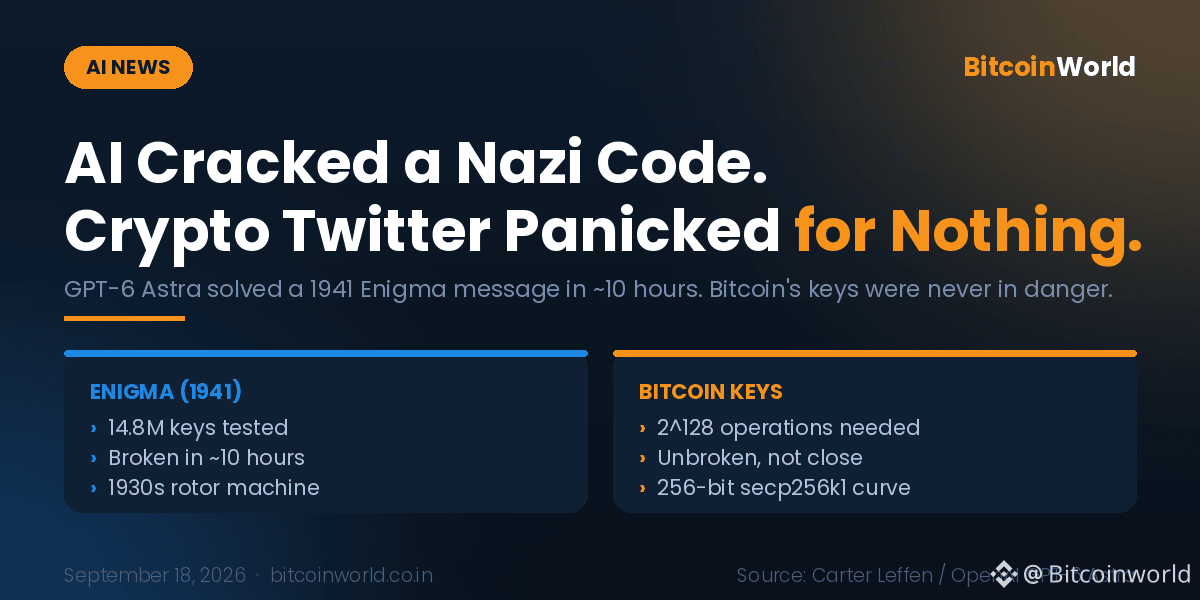
AI Memecahkan Kode Nazi. Twitter Kripto Panik Tanpa Alasan.
Poin Penting
Sebuah AI baru saja memecahkan pesan Enigma Jerman dari 1941 yang tak pernah terpecahkan dalam 83 tahun.
Butuh waktu sekitar sepuluh jam. Seorang pria yang bukan kriptografer menjalankan semuanya.
Bitcoin Anda aman. Enigma dan enkripsi Bitcoin tidak berada di semesta yang sama.
Bagian yang menakutkan bukanlah pemecahan kode. Melainkan bahwa AI kini bisa melakukan pekerjaan riset penuh dengan sendirinya.
Pada 10 Juli 1941, seorang tentara Jerman mengirim pesan radio singkat. Delapan puluh dua karakter. Ia ingin tahu jalan mana yang harus diambil, mengatakan ia berada di sebuah kota bernama Rosenow, dan meminta balasan cepat.
AI Memecahkan Kode Nazi. Twitter Kripto Panik Tanpa Alasan.
BitcoinWorld
AI Memecahkan Kode Nazi. Twitter Kripto Panik Tanpa Alasan.
Poin Penting
Sebuah AI baru saja memecahkan pesan Enigma Jerman dari 1941 yang tak pernah terpecahkan dalam 83 tahun.
Butuh waktu sekitar sepuluh jam. Seorang pria yang bukan kriptografer menjalankan semuanya.
Bitcoin Anda aman. Enigma dan enkripsi Bitcoin tidak berada di semesta yang sama.
Bagian yang menakutkan bukanlah pemecahan kode. Melainkan bahwa AI kini bisa melakukan pekerjaan riset penuh dengan sendirinya.
Pada 10 Juli 1941, seorang tentara Jerman mengirim pesan radio singkat. Delapan puluh dua karakter. Ia ingin tahu jalan mana yang harus diambil, mengatakan ia berada di sebuah kota bernama Rosenow, dan meminta balasan cepat.
AI Memecahkan Kode Nazi. Twitter Kripto Panik Tanpa Alasan.
Poin Penting
Sebuah AI baru saja memecahkan pesan Enigma Jerman dari 1941 yang tak pernah terpecahkan dalam 83 tahun.
Butuh waktu sekitar sepuluh jam. Seorang pria yang bukan kriptografer menjalankan semuanya.
Bitcoin Anda aman. Enigma dan enkripsi Bitcoin tidak berada di semesta yang sama.
Bagian yang menakutkan bukanlah pemecahan kode. Melainkan bahwa AI kini bisa melakukan pekerjaan riset penuh dengan sendirinya.
Pada 10 Juli 1941, seorang tentara Jerman mengirim pesan radio singkat. Delapan puluh dua karakter. Ia ingin tahu jalan mana yang harus diambil, mengatakan ia berada di sebuah kota bernama Rosenow, dan meminta balasan cepat.
272
·
--
Terverifikasi
Artikel
Sebuah Wawancara dengan Animoca BrandsBitcoinWorld
Sebuah Wawancara dengan Animoca Brands
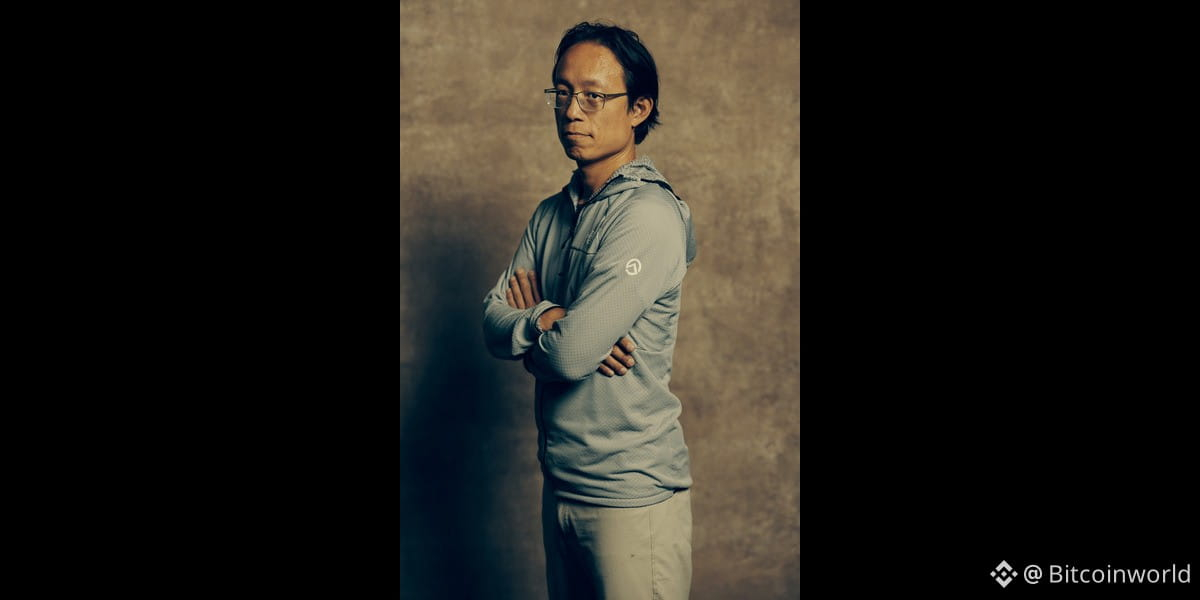
Yat Siu, Ketua Eksekutif dan Co-Founder Animoca Brands, membahas hak milik digital, stablecoin teregulasi, pinjaman siswa di jaringan (on-chain), dan mengapa web berbasis agen (agentic web) akan mengubah cara orang biasa menggunakan kripto.
Oleh Bitcoin World | 14 September 2026 | Wawancara Eksklusif
Yat Siu, Ketua Eksekutif dan Co-Founder, Animoca Brands
Beberapa perusahaan telah membentuk lanskap Web3 seluas Animoca Brands. Dari The Sandbox dan Open Campus hingga usaha patungan stablecoin berlisensi di Hong Kong, dan yang terbaru, platform agen AI bernama Minds, grup ini telah membuat satu taruhan yang konsisten: bahwa orang-orang harus memiliki aset digital, identitas, dan data mereka sendiri—bukan menyewakannya dari platform.
Sebuah Wawancara dengan Animoca Brands
BitcoinWorld
Sebuah Wawancara dengan Animoca Brands
Yat Siu, Ketua Eksekutif dan Co-Founder Animoca Brands, membahas hak milik digital, stablecoin teregulasi, pinjaman siswa di jaringan (on-chain), dan mengapa web berbasis agen (agentic web) akan mengubah cara orang biasa menggunakan kripto.
Oleh Bitcoin World | 14 September 2026 | Wawancara Eksklusif
Yat Siu, Ketua Eksekutif dan Co-Founder, Animoca Brands
Beberapa perusahaan telah membentuk lanskap Web3 seluas Animoca Brands. Dari The Sandbox dan Open Campus hingga usaha patungan stablecoin berlisensi di Hong Kong, dan yang terbaru, platform agen AI bernama Minds, grup ini telah membuat satu taruhan yang konsisten: bahwa orang-orang harus memiliki aset digital, identitas, dan data mereka sendiri—bukan menyewakannya dari platform.
Sebuah Wawancara dengan Animoca Brands
Yat Siu, Ketua Eksekutif dan Co-Founder Animoca Brands, membahas hak milik digital, stablecoin teregulasi, pinjaman siswa di jaringan (on-chain), dan mengapa web berbasis agen (agentic web) akan mengubah cara orang biasa menggunakan kripto.
Oleh Bitcoin World | 14 September 2026 | Wawancara Eksklusif
Yat Siu, Ketua Eksekutif dan Co-Founder, Animoca Brands
Beberapa perusahaan telah membentuk lanskap Web3 seluas Animoca Brands. Dari The Sandbox dan Open Campus hingga usaha patungan stablecoin berlisensi di Hong Kong, dan yang terbaru, platform agen AI bernama Minds, grup ini telah membuat satu taruhan yang konsisten: bahwa orang-orang harus memiliki aset digital, identitas, dan data mereka sendiri—bukan menyewakannya dari platform.
649
·
--
Artikel
AML RightSource Diakui Dengan Penghargaan CobraSight untuk Keahlian Kepatuhan Aset DigitalBitcoinWorld
AML RightSource Diakui dengan Penghargaan CobraSight atas Keahlian Kepatuhan Aset Digital
Pengakuan industri menyoroti keahlian AML RightSource dalam membantu organisasi menavigasi peraturan kripto dan aset digital yang terus berkembang
HIGHLAND HILLS, Ohio, 17 Sep. 2026 /PRNewswire/ — AML RightSource, penyedia solusi ahli global untuk layanan manajemen kepatuhan kejahatan finansial dan solusi konsultasi, telah diakui oleh CobraSight dengan Penghargaan Mitra Pertumbuhan Kripto & Aset Digital 2026 dalam kategori Licensing & Compliance. Penghargaan ini diberikan kepada perusahaan yang menunjukkan keahlian mendalam, spesialisasi, dan pengalaman dalam mendukung organisasi yang beroperasi dalam ekosistem aset digital.
AML RightSource Diakui Dengan Penghargaan CobraSight untuk Keahlian Kepatuhan Aset Digital
BitcoinWorld
AML RightSource Diakui dengan Penghargaan CobraSight atas Keahlian Kepatuhan Aset Digital
Pengakuan industri menyoroti keahlian AML RightSource dalam membantu organisasi menavigasi peraturan kripto dan aset digital yang terus berkembang
HIGHLAND HILLS, Ohio, 17 Sep. 2026 /PRNewswire/ — AML RightSource, penyedia solusi ahli global untuk layanan manajemen kepatuhan kejahatan finansial dan solusi konsultasi, telah diakui oleh CobraSight dengan Penghargaan Mitra Pertumbuhan Kripto & Aset Digital 2026 dalam kategori Licensing & Compliance. Penghargaan ini diberikan kepada perusahaan yang menunjukkan keahlian mendalam, spesialisasi, dan pengalaman dalam mendukung organisasi yang beroperasi dalam ekosistem aset digital.
AML RightSource Diakui dengan Penghargaan CobraSight atas Keahlian Kepatuhan Aset Digital
Pengakuan industri menyoroti keahlian AML RightSource dalam membantu organisasi menavigasi peraturan kripto dan aset digital yang terus berkembang
HIGHLAND HILLS, Ohio, 17 Sep. 2026 /PRNewswire/ — AML RightSource, penyedia solusi ahli global untuk layanan manajemen kepatuhan kejahatan finansial dan solusi konsultasi, telah diakui oleh CobraSight dengan Penghargaan Mitra Pertumbuhan Kripto & Aset Digital 2026 dalam kategori Licensing & Compliance. Penghargaan ini diberikan kepada perusahaan yang menunjukkan keahlian mendalam, spesialisasi, dan pengalaman dalam mendukung organisasi yang beroperasi dalam ekosistem aset digital.
190
·
--
Artikel
Prosper Menghubungkan Data Kinerja Onchain yang Dapat Diverifikasi dengan Aset Kripto yang Dinilai Secara IndependenBitcoinWorld
Prosper Menghubungkan Data Kinerja Onchain yang Dapat Diverifikasi dengan Aset Kripto yang Dinilai Secara Independen
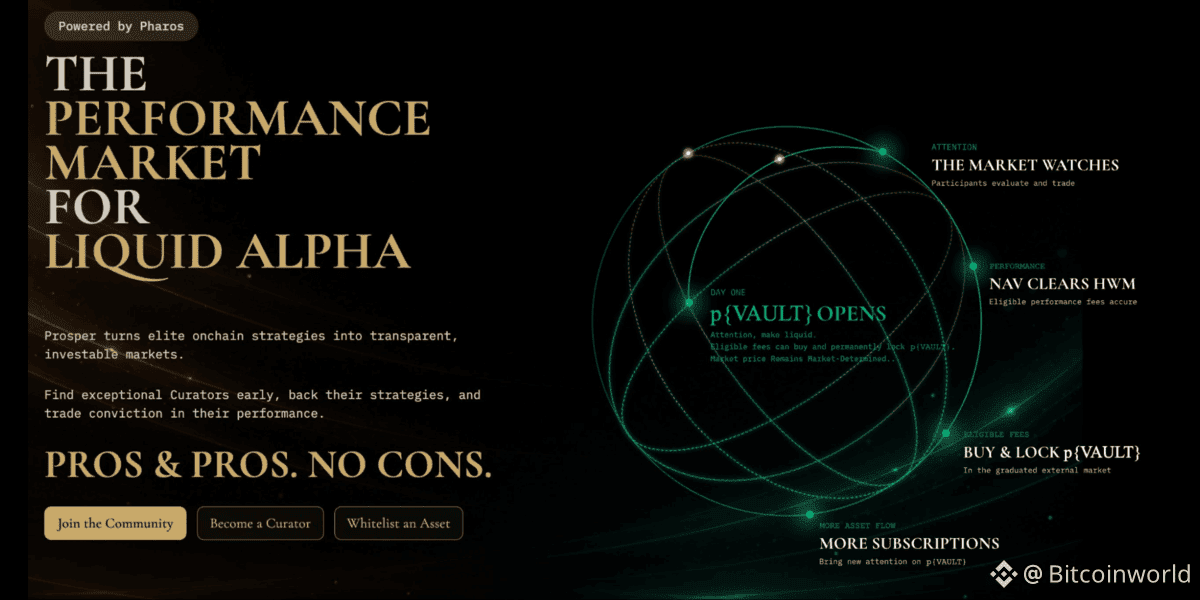
Pasar kripto selalu berkembang karena narasi dan spekulasi. Harga sering melonjak berdasarkan hype komunitas atau sentimen media sosial, bukan berdasarkan hasil ekonomi yang terukur. Peluncuran baru di jaringan Pharos berupaya mengubah dinamika tersebut sepenuhnya.
Pada 17 September, Prosper secara resmi meluncurkan kerangka Performance Markets. Struktur baru ini memperkenalkan sebuah konsep yang disebut perusahaan sebagai MemeRWA. Konsep ini menghubungkan strategi investasi onchain yang dapat diverifikasi secara independen secara langsung dengan mekanisme pasar yang asli kripto (crypto-native). Yang paling penting, hal ini dilakukan tanpa benar-benar melakukan tokenisasi kepemilikan atas aset yang mendasarinya.
Prosper Menghubungkan Data Kinerja Onchain yang Dapat Diverifikasi dengan Aset Kripto yang Dinilai Secara Independen
BitcoinWorld
Prosper Menghubungkan Data Kinerja Onchain yang Dapat Diverifikasi dengan Aset Kripto yang Dinilai Secara Independen
Pasar kripto selalu berkembang karena narasi dan spekulasi. Harga sering melonjak berdasarkan hype komunitas atau sentimen media sosial, bukan berdasarkan hasil ekonomi yang terukur. Peluncuran baru di jaringan Pharos berupaya mengubah dinamika tersebut sepenuhnya.
Pada 17 September, Prosper secara resmi meluncurkan kerangka Performance Markets. Struktur baru ini memperkenalkan sebuah konsep yang disebut perusahaan sebagai MemeRWA. Konsep ini menghubungkan strategi investasi onchain yang dapat diverifikasi secara independen secara langsung dengan mekanisme pasar yang asli kripto (crypto-native). Yang paling penting, hal ini dilakukan tanpa benar-benar melakukan tokenisasi kepemilikan atas aset yang mendasarinya.
Prosper Menghubungkan Data Kinerja Onchain yang Dapat Diverifikasi dengan Aset Kripto yang Dinilai Secara Independen
Pasar kripto selalu berkembang karena narasi dan spekulasi. Harga sering melonjak berdasarkan hype komunitas atau sentimen media sosial, bukan berdasarkan hasil ekonomi yang terukur. Peluncuran baru di jaringan Pharos berupaya mengubah dinamika tersebut sepenuhnya.
Pada 17 September, Prosper secara resmi meluncurkan kerangka Performance Markets. Struktur baru ini memperkenalkan sebuah konsep yang disebut perusahaan sebagai MemeRWA. Konsep ini menghubungkan strategi investasi onchain yang dapat diverifikasi secara independen secara langsung dengan mekanisme pasar yang asli kripto (crypto-native). Yang paling penting, hal ini dilakukan tanpa benar-benar melakukan tokenisasi kepemilikan atas aset yang mendasarinya.
172
·
--
Artikel
Buku Pedoman Besar Kripto Baru Saja Ditolak dalam Pemungutan Suara – Ini yang Sebenarnya TerjadiBitcoinWorld
Buku Pedoman Besar Kripto Baru Saja Ditolak dalam Pemungutan Suara – Ini yang Sebenarnya Terjadi
Intisari Cepat
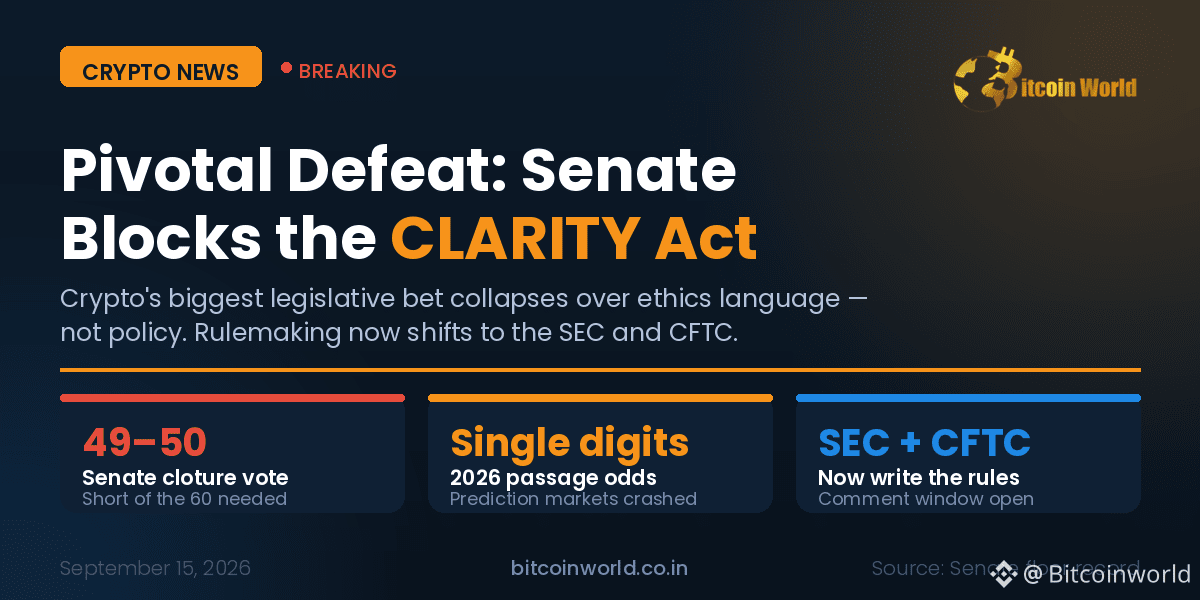
Pada 15 September 2026, Senat menolak untuk melanjutkan Undang-Undang CLARITY. Pemungutan suara berakhir 49–50 – bahkan tidak mendekati angka 60 yang dibutuhkan.
Ia tidak kalah karena urusan kripto. Ia kalah dalam perselisihan soal Trump dan keluarganya yang menghasilkan uang dari kripto.
Untuk tahun ini, rancangan undang-undang pada dasarnya sudah selesai. Situs taruhan sekarang hanya memberikannya peluang satu digit.
Dengan aturan yang buntu di Kongres, SEC dan CFTC akan mulai menulis versi mereka sendiri.
Buku Pedoman Besar Kripto Baru Saja Ditolak dalam Pemungutan Suara – Ini yang Sebenarnya Terjadi
BitcoinWorld
Buku Pedoman Besar Kripto Baru Saja Ditolak dalam Pemungutan Suara – Ini yang Sebenarnya Terjadi
Intisari Cepat
Pada 15 September 2026, Senat menolak untuk melanjutkan Undang-Undang CLARITY. Pemungutan suara berakhir 49–50 – bahkan tidak mendekati angka 60 yang dibutuhkan.
Ia tidak kalah karena urusan kripto. Ia kalah dalam perselisihan soal Trump dan keluarganya yang menghasilkan uang dari kripto.
Untuk tahun ini, rancangan undang-undang pada dasarnya sudah selesai. Situs taruhan sekarang hanya memberikannya peluang satu digit.
Dengan aturan yang buntu di Kongres, SEC dan CFTC akan mulai menulis versi mereka sendiri.
Buku Pedoman Besar Kripto Baru Saja Ditolak dalam Pemungutan Suara – Ini yang Sebenarnya Terjadi
Intisari Cepat
Pada 15 September 2026, Senat menolak untuk melanjutkan Undang-Undang CLARITY. Pemungutan suara berakhir 49–50 – bahkan tidak mendekati angka 60 yang dibutuhkan.
Ia tidak kalah karena urusan kripto. Ia kalah dalam perselisihan soal Trump dan keluarganya yang menghasilkan uang dari kripto.
Untuk tahun ini, rancangan undang-undang pada dasarnya sudah selesai. Situs taruhan sekarang hanya memberikannya peluang satu digit.
Dengan aturan yang buntu di Kongres, SEC dan CFTC akan mulai menulis versi mereka sendiri.
1
334
·
--
Artikel
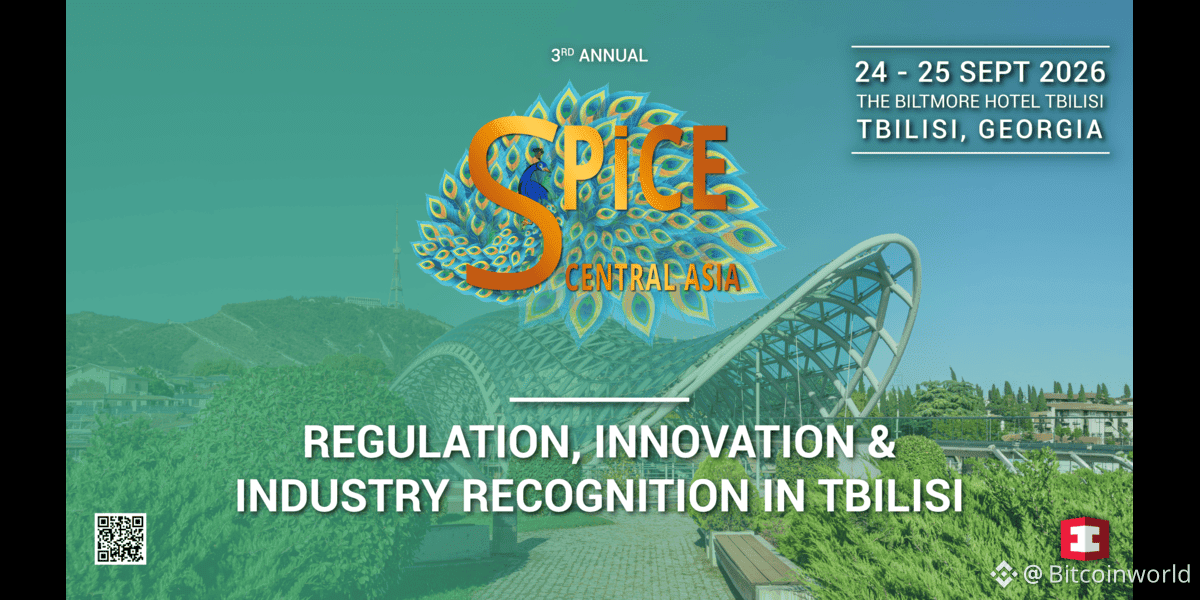
1 Minggu Lagi Menuju SPiCE Asia Tengah 2026: Perkembangan Utama Pasar & Pemimpin Industri yang Akan DihormatiBitcoinWorld
1 Minggu Lagi Menuju SPiCE Asia Tengah 2026: Perkembangan Utama Pasar & Pemimpin Industri yang Akan Dihormati
Minggu depan, penyelenggaraan tahunan ke-3 SPiCE Asia Tengah 2026 kembali ke The Biltmore Hotel Tbilisi, Georgia, pada 24–25 September, mempertemukan para operator terkemuka, penyedia teknologi, dan pakar gaming dari seluruh Asia Tengah serta Kaukasus. Spesialis dalam AI, pemasaran, dan kepatuhan, bersama para perwakilan industri senior, akan berbagi wawasan praktis berdasarkan pengalaman mereka di kawasan tersebut.
Dengan regulasi, kepatuhan, pembayaran, lokalisasi, dan masuk pasar menjadi pertimbangan utama bagi bisnis, diskusi selama dua hari akan berfokus pada realitas praktis dalam beroperasi di beragam pasar. Penghargaan yang sangat dinanti, SPiCE Central Asia Awards 2026, juga akan berlangsung pada malam 24 September, untuk mengakui para profesional dan organisasi luar biasa di seluruh industri gaming kawasan tersebut.
1 Minggu Lagi Menuju SPiCE Asia Tengah 2026: Perkembangan Utama Pasar & Pemimpin Industri yang Akan Dihormati
BitcoinWorld
1 Minggu Lagi Menuju SPiCE Asia Tengah 2026: Perkembangan Utama Pasar & Pemimpin Industri yang Akan Dihormati
Minggu depan, penyelenggaraan tahunan ke-3 SPiCE Asia Tengah 2026 kembali ke The Biltmore Hotel Tbilisi, Georgia, pada 24–25 September, mempertemukan para operator terkemuka, penyedia teknologi, dan pakar gaming dari seluruh Asia Tengah serta Kaukasus. Spesialis dalam AI, pemasaran, dan kepatuhan, bersama para perwakilan industri senior, akan berbagi wawasan praktis berdasarkan pengalaman mereka di kawasan tersebut.
Dengan regulasi, kepatuhan, pembayaran, lokalisasi, dan masuk pasar menjadi pertimbangan utama bagi bisnis, diskusi selama dua hari akan berfokus pada realitas praktis dalam beroperasi di beragam pasar. Penghargaan yang sangat dinanti, SPiCE Central Asia Awards 2026, juga akan berlangsung pada malam 24 September, untuk mengakui para profesional dan organisasi luar biasa di seluruh industri gaming kawasan tersebut.
1 Minggu Lagi Menuju SPiCE Asia Tengah 2026: Perkembangan Utama Pasar & Pemimpin Industri yang Akan Dihormati
Minggu depan, penyelenggaraan tahunan ke-3 SPiCE Asia Tengah 2026 kembali ke The Biltmore Hotel Tbilisi, Georgia, pada 24–25 September, mempertemukan para operator terkemuka, penyedia teknologi, dan pakar gaming dari seluruh Asia Tengah serta Kaukasus. Spesialis dalam AI, pemasaran, dan kepatuhan, bersama para perwakilan industri senior, akan berbagi wawasan praktis berdasarkan pengalaman mereka di kawasan tersebut.
Dengan regulasi, kepatuhan, pembayaran, lokalisasi, dan masuk pasar menjadi pertimbangan utama bagi bisnis, diskusi selama dua hari akan berfokus pada realitas praktis dalam beroperasi di beragam pasar. Penghargaan yang sangat dinanti, SPiCE Central Asia Awards 2026, juga akan berlangsung pada malam 24 September, untuk mengakui para profesional dan organisasi luar biasa di seluruh industri gaming kawasan tersebut.
152
·
--
Artikel
BiG Africa Summit 2027 Kembali ke Botswana untuk Edisi ke-13BitcoinWorld
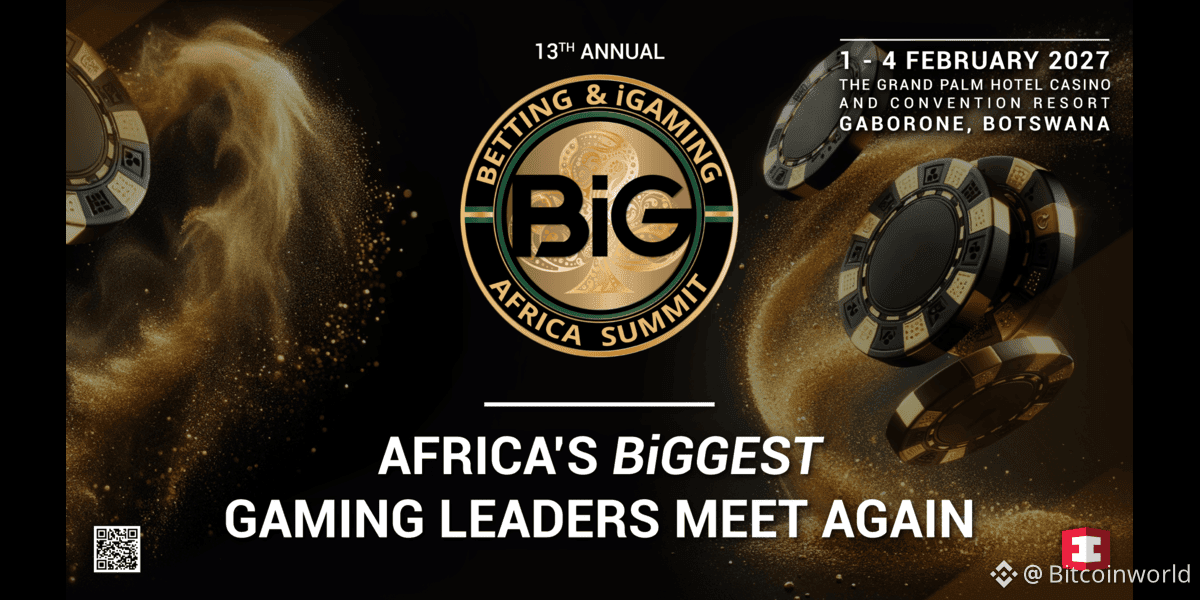
BiG Africa Summit 2027 Kembali ke Botswana untuk Edisi ke-13
The BiG Africa Summit 2027 akan kembali ke Gaborone, Botswana, pada 1 – 4 Februari 2027 untuk edisi tahunan ke-13, menyambut regulator, operator, dan tokoh senior industri dari seluruh sektor taruhan dan iGaming di Afrika di The Grand Palm Hotel Casino dan Convention Resort.BiG Africa Summit 2027 Kembali ke Botswana untuk Edisi ke-13
Sejak diluncurkan pada 2014, BiG Africa Summit telah berkembang menjadi tempat pertemuan yang mapan bagi industri gim di benua tersebut. Acara berdurasi empat hari ini menghubungkan para pemangku kepentingan utama untuk diskusi yang terfokus, wawasan pasar, dan langkah lanjutan.
BiG Africa Summit 2027 Kembali ke Botswana untuk Edisi ke-13
BitcoinWorld
BiG Africa Summit 2027 Kembali ke Botswana untuk Edisi ke-13
The BiG Africa Summit 2027 akan kembali ke Gaborone, Botswana, pada 1 – 4 Februari 2027 untuk edisi tahunan ke-13, menyambut regulator, operator, dan tokoh senior industri dari seluruh sektor taruhan dan iGaming di Afrika di The Grand Palm Hotel Casino dan Convention Resort.BiG Africa Summit 2027 Kembali ke Botswana untuk Edisi ke-13
Sejak diluncurkan pada 2014, BiG Africa Summit telah berkembang menjadi tempat pertemuan yang mapan bagi industri gim di benua tersebut. Acara berdurasi empat hari ini menghubungkan para pemangku kepentingan utama untuk diskusi yang terfokus, wawasan pasar, dan langkah lanjutan.
BiG Africa Summit 2027 Kembali ke Botswana untuk Edisi ke-13
The BiG Africa Summit 2027 akan kembali ke Gaborone, Botswana, pada 1 – 4 Februari 2027 untuk edisi tahunan ke-13, menyambut regulator, operator, dan tokoh senior industri dari seluruh sektor taruhan dan iGaming di Afrika di The Grand Palm Hotel Casino dan Convention Resort.BiG Africa Summit 2027 Kembali ke Botswana untuk Edisi ke-13
Sejak diluncurkan pada 2014, BiG Africa Summit telah berkembang menjadi tempat pertemuan yang mapan bagi industri gim di benua tersebut. Acara berdurasi empat hari ini menghubungkan para pemangku kepentingan utama untuk diskusi yang terfokus, wawasan pasar, dan langkah lanjutan.
250
·
--
Artikel
Bybit Diakui oleh Badan Kepolisian Nasional Korea atas Kontribusi dalam Respons Kejahatan Siber dan Ke...BitcoinWorld
Bybit Diakui oleh Badan Kepolisian Nasional Korea atas Kontribusi dalam Respons Kejahatan Siber dan Kerja Sama Keamanan
Pengakuan di ISCR 2026 menyoroti kolaborasi Bybit yang berkelanjutan dengan aparat penegak hukum dan regulator untuk melacak dana ilegal, berbagi intelijen, serta memperkuat respons global terhadap kejahatan siber terkait kripto
DUBAI, UEA, 16 Sept. 2026 /PRNewswire/ — Bybit, bursa kripto terbesar kedua di dunia berdasarkan volume perdagangan, telah diakui oleh Badan Kepolisian Nasional Korea (KNPA) atas kontribusinya dalam penyelidikan kejahatan siber dan kerja sama internasional. Pada Simposium Internasional ke-27 tentang Respons Kejahatan Siber (ISCR 2026), yang digelar di Seoul pada 27–28 Agustus, KNPA menyerahkan Bybit sebuah Piagam Penghargaan sebagai pengakuan atas kontribusinya dalam memperkuat kerja sama antara kedua organisasi, khususnya dalam penyelidikan kejahatan siber. Piagam tersebut diserahkan di panggung oleh Yoo Jae-seong, Pelaksana Komisaris Jenderal Badan Kepolisian Nasional Korea, dan diterima atas nama Bybit oleh Coco Heng, Kepala Penegakan Hukum di Bybit.
Bybit Diakui oleh Badan Kepolisian Nasional Korea atas Kontribusi dalam Respons Kejahatan Siber dan Ke...
BitcoinWorld
Bybit Diakui oleh Badan Kepolisian Nasional Korea atas Kontribusi dalam Respons Kejahatan Siber dan Kerja Sama Keamanan
Pengakuan di ISCR 2026 menyoroti kolaborasi Bybit yang berkelanjutan dengan aparat penegak hukum dan regulator untuk melacak dana ilegal, berbagi intelijen, serta memperkuat respons global terhadap kejahatan siber terkait kripto
DUBAI, UEA, 16 Sept. 2026 /PRNewswire/ — Bybit, bursa kripto terbesar kedua di dunia berdasarkan volume perdagangan, telah diakui oleh Badan Kepolisian Nasional Korea (KNPA) atas kontribusinya dalam penyelidikan kejahatan siber dan kerja sama internasional. Pada Simposium Internasional ke-27 tentang Respons Kejahatan Siber (ISCR 2026), yang digelar di Seoul pada 27–28 Agustus, KNPA menyerahkan Bybit sebuah Piagam Penghargaan sebagai pengakuan atas kontribusinya dalam memperkuat kerja sama antara kedua organisasi, khususnya dalam penyelidikan kejahatan siber. Piagam tersebut diserahkan di panggung oleh Yoo Jae-seong, Pelaksana Komisaris Jenderal Badan Kepolisian Nasional Korea, dan diterima atas nama Bybit oleh Coco Heng, Kepala Penegakan Hukum di Bybit.
Bybit Diakui oleh Badan Kepolisian Nasional Korea atas Kontribusi dalam Respons Kejahatan Siber dan Kerja Sama Keamanan
Pengakuan di ISCR 2026 menyoroti kolaborasi Bybit yang berkelanjutan dengan aparat penegak hukum dan regulator untuk melacak dana ilegal, berbagi intelijen, serta memperkuat respons global terhadap kejahatan siber terkait kripto
DUBAI, UEA, 16 Sept. 2026 /PRNewswire/ — Bybit, bursa kripto terbesar kedua di dunia berdasarkan volume perdagangan, telah diakui oleh Badan Kepolisian Nasional Korea (KNPA) atas kontribusinya dalam penyelidikan kejahatan siber dan kerja sama internasional. Pada Simposium Internasional ke-27 tentang Respons Kejahatan Siber (ISCR 2026), yang digelar di Seoul pada 27–28 Agustus, KNPA menyerahkan Bybit sebuah Piagam Penghargaan sebagai pengakuan atas kontribusinya dalam memperkuat kerja sama antara kedua organisasi, khususnya dalam penyelidikan kejahatan siber. Piagam tersebut diserahkan di panggung oleh Yoo Jae-seong, Pelaksana Komisaris Jenderal Badan Kepolisian Nasional Korea, dan diterima atas nama Bybit oleh Coco Heng, Kepala Penegakan Hukum di Bybit.
256
·
--
Artikel
Binance Ingin Jadi Bank Swasta Anda Sekarang—dan Ia Menyasar Para JutawanBitcoinWorld
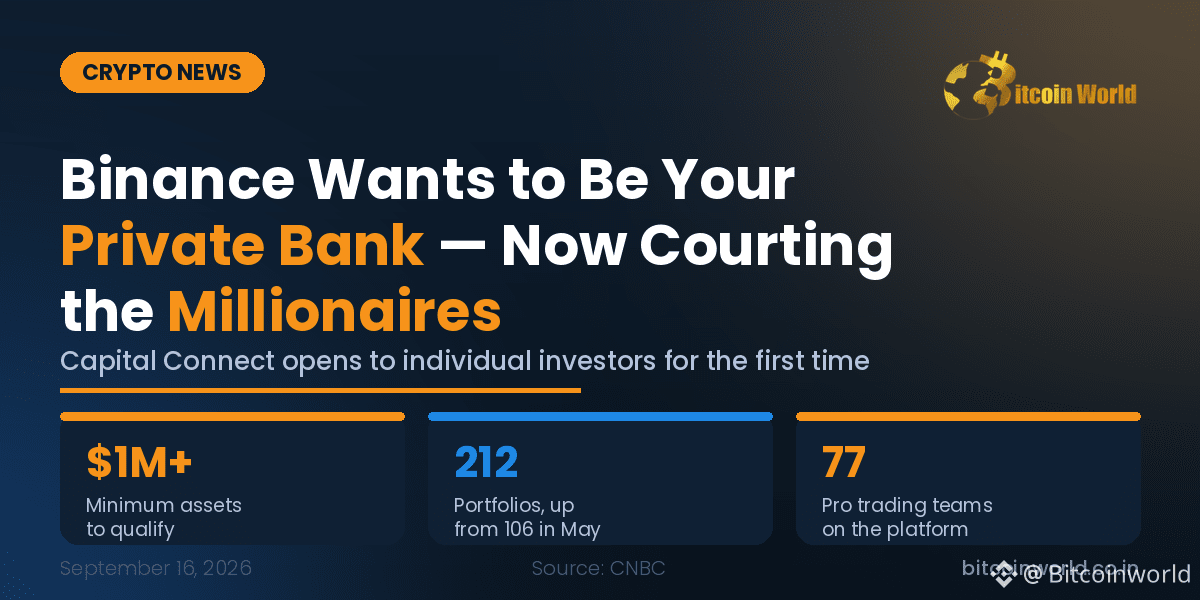
Binance Ingin Jadi Bank Swasta Anda Sekarang—dan Ia Menyasar Para Jutawan
Poin-poin Utama
Binance mengizinkan investor individu masuk ke Capital Connect untuk pertama kalinya—sebuah platform yang sebelumnya hanya untuk institusi.
Untuk bisa masuk, Anda perlu minimal $1 juta dalam aset (atau status VIP 3 di bursa).
Setelah masuk, Anda bisa berbelanja melalui strategi trading profesional dan menempatkan uang Anda pada strategi yang Anda sukai, mirip seperti memilih manajer investasi.
Judul utamanya: bursa kripto terbesar kini menargetkan klien kaya yang selama ini dianggap sebagai milik bank-bank swasta.
Binance Ingin Jadi Bank Swasta Anda Sekarang—dan Ia Menyasar Para Jutawan
BitcoinWorld
Binance Ingin Jadi Bank Swasta Anda Sekarang—dan Ia Menyasar Para Jutawan
Poin-poin Utama
Binance mengizinkan investor individu masuk ke Capital Connect untuk pertama kalinya—sebuah platform yang sebelumnya hanya untuk institusi.
Untuk bisa masuk, Anda perlu minimal $1 juta dalam aset (atau status VIP 3 di bursa).
Setelah masuk, Anda bisa berbelanja melalui strategi trading profesional dan menempatkan uang Anda pada strategi yang Anda sukai, mirip seperti memilih manajer investasi.
Judul utamanya: bursa kripto terbesar kini menargetkan klien kaya yang selama ini dianggap sebagai milik bank-bank swasta.
Binance Ingin Jadi Bank Swasta Anda Sekarang—dan Ia Menyasar Para Jutawan
Poin-poin Utama
Binance mengizinkan investor individu masuk ke Capital Connect untuk pertama kalinya—sebuah platform yang sebelumnya hanya untuk institusi.
Untuk bisa masuk, Anda perlu minimal $1 juta dalam aset (atau status VIP 3 di bursa).
Setelah masuk, Anda bisa berbelanja melalui strategi trading profesional dan menempatkan uang Anda pada strategi yang Anda sukai, mirip seperti memilih manajer investasi.
Judul utamanya: bursa kripto terbesar kini menargetkan klien kaya yang selama ini dianggap sebagai milik bank-bank swasta.
194
·
--
Artikel
KuCoin Hadir di Arc pada Peluncuran Mainnet, Memperluas Akses ke Keuangan OnchainBitcoinWorld
KuCoin Hadir di Arc pada Peluncuran Mainnet, Memperluas Akses ke Keuangan Onchain
PROVIDENCIALES, Kepulauan Turks dan Caicos, 16 Sep. 2026 /PRNewswire/ — KuCoin, platform kripto global terkemuka yang dibangun atas kepercayaan, hari ini mengumumkan bahwa mereka kini live di Arc sebagai mitra peluncuran mainnet, memungkinkan pengguna yang memenuhi syarat untuk memindahkan USDC langsung antara KuCoin dan Arc sejak hari pertama.
Seiring aktivitas keuangan dunia nyata bergeser ke onchain, bursa semakin penting dalam menghubungkan pasar yang sudah mapan dengan jaringan keuangan yang sedang berkembang. Dengan mendukung Arc sejak peluncuran, KuCoin memperluas opsi jaringan yang tersedia untuk USDC dan menyediakan titik akses yang praktis bagi ekosistem yang dibangun di seputar pembayaran, manajemen treasury, aset tokenisasi, serta keuangan yang dapat diprogram.
KuCoin Hadir di Arc pada Peluncuran Mainnet, Memperluas Akses ke Keuangan Onchain
BitcoinWorld
KuCoin Hadir di Arc pada Peluncuran Mainnet, Memperluas Akses ke Keuangan Onchain
PROVIDENCIALES, Kepulauan Turks dan Caicos, 16 Sep. 2026 /PRNewswire/ — KuCoin, platform kripto global terkemuka yang dibangun atas kepercayaan, hari ini mengumumkan bahwa mereka kini live di Arc sebagai mitra peluncuran mainnet, memungkinkan pengguna yang memenuhi syarat untuk memindahkan USDC langsung antara KuCoin dan Arc sejak hari pertama.
Seiring aktivitas keuangan dunia nyata bergeser ke onchain, bursa semakin penting dalam menghubungkan pasar yang sudah mapan dengan jaringan keuangan yang sedang berkembang. Dengan mendukung Arc sejak peluncuran, KuCoin memperluas opsi jaringan yang tersedia untuk USDC dan menyediakan titik akses yang praktis bagi ekosistem yang dibangun di seputar pembayaran, manajemen treasury, aset tokenisasi, serta keuangan yang dapat diprogram.
KuCoin Hadir di Arc pada Peluncuran Mainnet, Memperluas Akses ke Keuangan Onchain
PROVIDENCIALES, Kepulauan Turks dan Caicos, 16 Sep. 2026 /PRNewswire/ — KuCoin, platform kripto global terkemuka yang dibangun atas kepercayaan, hari ini mengumumkan bahwa mereka kini live di Arc sebagai mitra peluncuran mainnet, memungkinkan pengguna yang memenuhi syarat untuk memindahkan USDC langsung antara KuCoin dan Arc sejak hari pertama.
Seiring aktivitas keuangan dunia nyata bergeser ke onchain, bursa semakin penting dalam menghubungkan pasar yang sudah mapan dengan jaringan keuangan yang sedang berkembang. Dengan mendukung Arc sejak peluncuran, KuCoin memperluas opsi jaringan yang tersedia untuk USDC dan menyediakan titik akses yang praktis bagi ekosistem yang dibangun di seputar pembayaran, manajemen treasury, aset tokenisasi, serta keuangan yang dapat diprogram.
2
1
175
·
--
Artikel
CoinDCX Bermitra dengan Tether Gold untuk Membawa Emas Tokenized XAUT kepada Investor India; Meluncurkan SIP ...BitcoinWorld
CoinDCX Bermitra dengan Tether Gold untuk Membawa Emas Tokenized XAUT kepada Investor India; Meluncurkan SIP Mulai dari INR 100
Bengaluru, Karnataka, India
CoinDCX, bursa kripto terbesar di India, hari ini mengumumkan kolaborasi strategis dengan Tether Gold (XAUT), produk emas tokenized terbesar di dunia berdasarkan kapitalisasi pasar, untuk membuat emas tokenized lebih mudah diakses oleh investor India. Sebagai bagian dari kolaborasi tersebut, XAUT kini tersedia untuk diperdagangkan di CoinDCX, sekaligus dengan peluncuran XAUT SIP, yang memungkinkan pengguna memulai investasi emas tokenized dengan nilai mulai dari INR 100.
CoinDCX Bermitra dengan Tether Gold untuk Membawa Emas Tokenized XAUT kepada Investor India; Meluncurkan SIP ...
BitcoinWorld
CoinDCX Bermitra dengan Tether Gold untuk Membawa Emas Tokenized XAUT kepada Investor India; Meluncurkan SIP Mulai dari INR 100
Bengaluru, Karnataka, India
CoinDCX, bursa kripto terbesar di India, hari ini mengumumkan kolaborasi strategis dengan Tether Gold (XAUT), produk emas tokenized terbesar di dunia berdasarkan kapitalisasi pasar, untuk membuat emas tokenized lebih mudah diakses oleh investor India. Sebagai bagian dari kolaborasi tersebut, XAUT kini tersedia untuk diperdagangkan di CoinDCX, sekaligus dengan peluncuran XAUT SIP, yang memungkinkan pengguna memulai investasi emas tokenized dengan nilai mulai dari INR 100.
CoinDCX Bermitra dengan Tether Gold untuk Membawa Emas Tokenized XAUT kepada Investor India; Meluncurkan SIP Mulai dari INR 100
Bengaluru, Karnataka, India
CoinDCX, bursa kripto terbesar di India, hari ini mengumumkan kolaborasi strategis dengan Tether Gold (XAUT), produk emas tokenized terbesar di dunia berdasarkan kapitalisasi pasar, untuk membuat emas tokenized lebih mudah diakses oleh investor India. Sebagai bagian dari kolaborasi tersebut, XAUT kini tersedia untuk diperdagangkan di CoinDCX, sekaligus dengan peluncuran XAUT SIP, yang memungkinkan pengguna memulai investasi emas tokenized dengan nilai mulai dari INR 100.
209
·
--
Artikel
ViaBTC Bermitra dengan Mempool untuk Memperluas Akses ke Layanan Percepatan Transaksi BTCBitcoinWorld
ViaBTC Bermitra dengan Mempool untuk Memperluas Akses ke Layanan Percepatan Transaksi BTC
HONG KONG, 16 September 2026 /PRNewswire/ — ViaBTC, sebuah kumpulan penambangan multi-kripto global terkemuka, hari ini mengumumkan kemitraan dengan Mempool untuk memperluas akses ke layanan percepatan transaksi Bitcoin. Dalam kemitraan ini, ViaBTC akan menggunakan infrastruktur kumpulan penambangan Bitcoin serta keahliannya dalam penyusunan blok dan pemrosesan transaksi untuk mempercepat transaksi yang memenuhi syarat, membantu lebih banyak pengguna agar transaksi Bitcoin mereka dapat dikonfirmasi lebih cepat.
ViaBTC Bermitra dengan Mempool untuk Memperluas Akses ke Layanan Percepatan Transaksi BTC
BitcoinWorld
ViaBTC Bermitra dengan Mempool untuk Memperluas Akses ke Layanan Percepatan Transaksi BTC
HONG KONG, 16 September 2026 /PRNewswire/ — ViaBTC, sebuah kumpulan penambangan multi-kripto global terkemuka, hari ini mengumumkan kemitraan dengan Mempool untuk memperluas akses ke layanan percepatan transaksi Bitcoin. Dalam kemitraan ini, ViaBTC akan menggunakan infrastruktur kumpulan penambangan Bitcoin serta keahliannya dalam penyusunan blok dan pemrosesan transaksi untuk mempercepat transaksi yang memenuhi syarat, membantu lebih banyak pengguna agar transaksi Bitcoin mereka dapat dikonfirmasi lebih cepat.
ViaBTC Bermitra dengan Mempool untuk Memperluas Akses ke Layanan Percepatan Transaksi BTC
HONG KONG, 16 September 2026 /PRNewswire/ — ViaBTC, sebuah kumpulan penambangan multi-kripto global terkemuka, hari ini mengumumkan kemitraan dengan Mempool untuk memperluas akses ke layanan percepatan transaksi Bitcoin. Dalam kemitraan ini, ViaBTC akan menggunakan infrastruktur kumpulan penambangan Bitcoin serta keahliannya dalam penyusunan blok dan pemrosesan transaksi untuk mempercepat transaksi yang memenuhi syarat, membantu lebih banyak pengguna agar transaksi Bitcoin mereka dapat dikonfirmasi lebih cepat.
177
·
--
Artikel
BERITA ARTPRICE: BIENNALE LYON KE-18 SENI RUPA KONTEMPORER KINI TELAH DIBUKABitcoinWorld
BERITA ARTPRICE: BIENNALE LYON KE-18 SENI RUPA KONTEMPORER KINI TELAH DIBUKA
Passer d’un rêve à l’autre — Berpindah dari Satu Mimpi ke Mimpi Lain
19 September – 13 Desember 202611 tempat • 120 seniman • hampir 400 karya
PARIS, 15 Sept. 2026 /PRNewswire/ — Mulai Sabtu 19 September, Biennale ke-18 Seni Rupa Kontemporer Lyon membuka pintunya untuk publik. Hingga 13 Desember 2026, Passer d’un rêve à l’autre (Berpindah dari Satu Mimpi ke Mimpi Lain) mengundang semua orang untuk merasakan Biennale yang luas terbentang di 11 tempat di Lyon dan wilayah metropolitan sekitarnya, mempertemukan 120 seniman dan hampir 400 karya.
BERITA ARTPRICE: BIENNALE LYON KE-18 SENI RUPA KONTEMPORER KINI TELAH DIBUKA
BitcoinWorld
BERITA ARTPRICE: BIENNALE LYON KE-18 SENI RUPA KONTEMPORER KINI TELAH DIBUKA
Passer d’un rêve à l’autre — Berpindah dari Satu Mimpi ke Mimpi Lain
19 September – 13 Desember 202611 tempat • 120 seniman • hampir 400 karya
PARIS, 15 Sept. 2026 /PRNewswire/ — Mulai Sabtu 19 September, Biennale ke-18 Seni Rupa Kontemporer Lyon membuka pintunya untuk publik. Hingga 13 Desember 2026, Passer d’un rêve à l’autre (Berpindah dari Satu Mimpi ke Mimpi Lain) mengundang semua orang untuk merasakan Biennale yang luas terbentang di 11 tempat di Lyon dan wilayah metropolitan sekitarnya, mempertemukan 120 seniman dan hampir 400 karya.
BERITA ARTPRICE: BIENNALE LYON KE-18 SENI RUPA KONTEMPORER KINI TELAH DIBUKA
Passer d’un rêve à l’autre — Berpindah dari Satu Mimpi ke Mimpi Lain
19 September – 13 Desember 202611 tempat • 120 seniman • hampir 400 karya
PARIS, 15 Sept. 2026 /PRNewswire/ — Mulai Sabtu 19 September, Biennale ke-18 Seni Rupa Kontemporer Lyon membuka pintunya untuk publik. Hingga 13 Desember 2026, Passer d’un rêve à l’autre (Berpindah dari Satu Mimpi ke Mimpi Lain) mengundang semua orang untuk merasakan Biennale yang luas terbentang di 11 tempat di Lyon dan wilayah metropolitan sekitarnya, mempertemukan 120 seniman dan hampir 400 karya.
205
·
--
Artikel
Dompet Gnosis Safe Kehilangan $7,7 Juta, dan Peretas Tidak Perlu MembobolnyaBitcoinWorld
Dompet Gnosis Safe Kehilangan $7,7 Juta, dan Peretas Tidak Perlu Membobolnya
Poin Penting
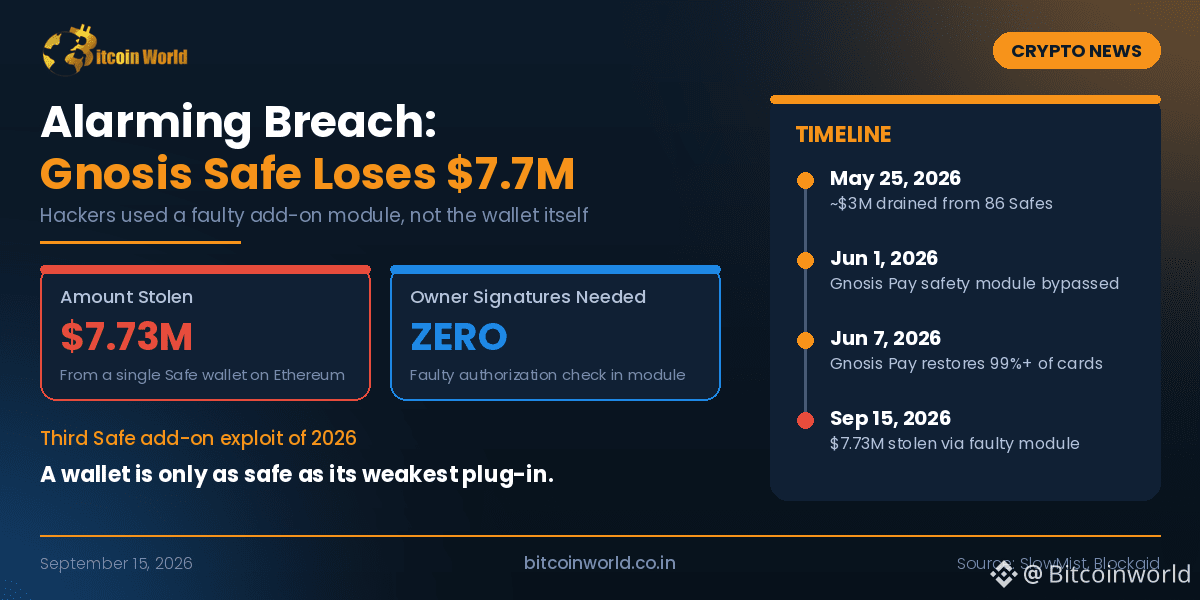
Peretas mencuri sekitar $7,73 juta dari satu dompet Gnosis Safe pada 15 September 2026.
Mereka tidak merusak dompet itu sendiri. Mereka masuk melalui alat add-on yang terhubung dengannya.
Uang yang dicuri dialirkan melalui pool perdagangan yang dibuat oleh para peretas, sehingga penelusurannya menjadi lebih sulit.
Ini adalah kali ketiga tahun ini add-on dompet Safe digunakan untuk mencuri dana.
Pertama, apa itu Gnosis Safe?
Anggaplah Gnosis Safe seperti brankas bank yang membutuhkan beberapa kunci untuk dibuka. Perusahaan, dana kripto, dan investor kaya menggunakannya karena tidak ada satu orang pun yang bisa memindahkan uang sendirian. Itulah sebabnya ia punya reputasi sebagai salah satu tempat paling aman untuk menyimpan kripto.
Dompet Gnosis Safe Kehilangan $7,7 Juta, dan Peretas Tidak Perlu Membobolnya
BitcoinWorld
Dompet Gnosis Safe Kehilangan $7,7 Juta, dan Peretas Tidak Perlu Membobolnya
Poin Penting
Peretas mencuri sekitar $7,73 juta dari satu dompet Gnosis Safe pada 15 September 2026.
Mereka tidak merusak dompet itu sendiri. Mereka masuk melalui alat add-on yang terhubung dengannya.
Uang yang dicuri dialirkan melalui pool perdagangan yang dibuat oleh para peretas, sehingga penelusurannya menjadi lebih sulit.
Ini adalah kali ketiga tahun ini add-on dompet Safe digunakan untuk mencuri dana.
Pertama, apa itu Gnosis Safe?
Anggaplah Gnosis Safe seperti brankas bank yang membutuhkan beberapa kunci untuk dibuka. Perusahaan, dana kripto, dan investor kaya menggunakannya karena tidak ada satu orang pun yang bisa memindahkan uang sendirian. Itulah sebabnya ia punya reputasi sebagai salah satu tempat paling aman untuk menyimpan kripto.
Dompet Gnosis Safe Kehilangan $7,7 Juta, dan Peretas Tidak Perlu Membobolnya
Poin Penting
Peretas mencuri sekitar $7,73 juta dari satu dompet Gnosis Safe pada 15 September 2026.
Mereka tidak merusak dompet itu sendiri. Mereka masuk melalui alat add-on yang terhubung dengannya.
Uang yang dicuri dialirkan melalui pool perdagangan yang dibuat oleh para peretas, sehingga penelusurannya menjadi lebih sulit.
Ini adalah kali ketiga tahun ini add-on dompet Safe digunakan untuk mencuri dana.
Pertama, apa itu Gnosis Safe?
Anggaplah Gnosis Safe seperti brankas bank yang membutuhkan beberapa kunci untuk dibuka. Perusahaan, dana kripto, dan investor kaya menggunakannya karena tidak ada satu orang pun yang bisa memindahkan uang sendirian. Itulah sebabnya ia punya reputasi sebagai salah satu tempat paling aman untuk menyimpan kripto.
201
·
--
Artikel
Rancangan Pajak Kripto Washington Menargetkan Masalah Biaya Gas $2, dan Menunda Perlawanan yang Lebih BeratBitcoinWorld
Rancangan Pajak Kripto Washington Menargetkan Masalah Biaya Gas $2, dan Menunda Perlawanan yang Lebih Berat
Poin-Poin Utama
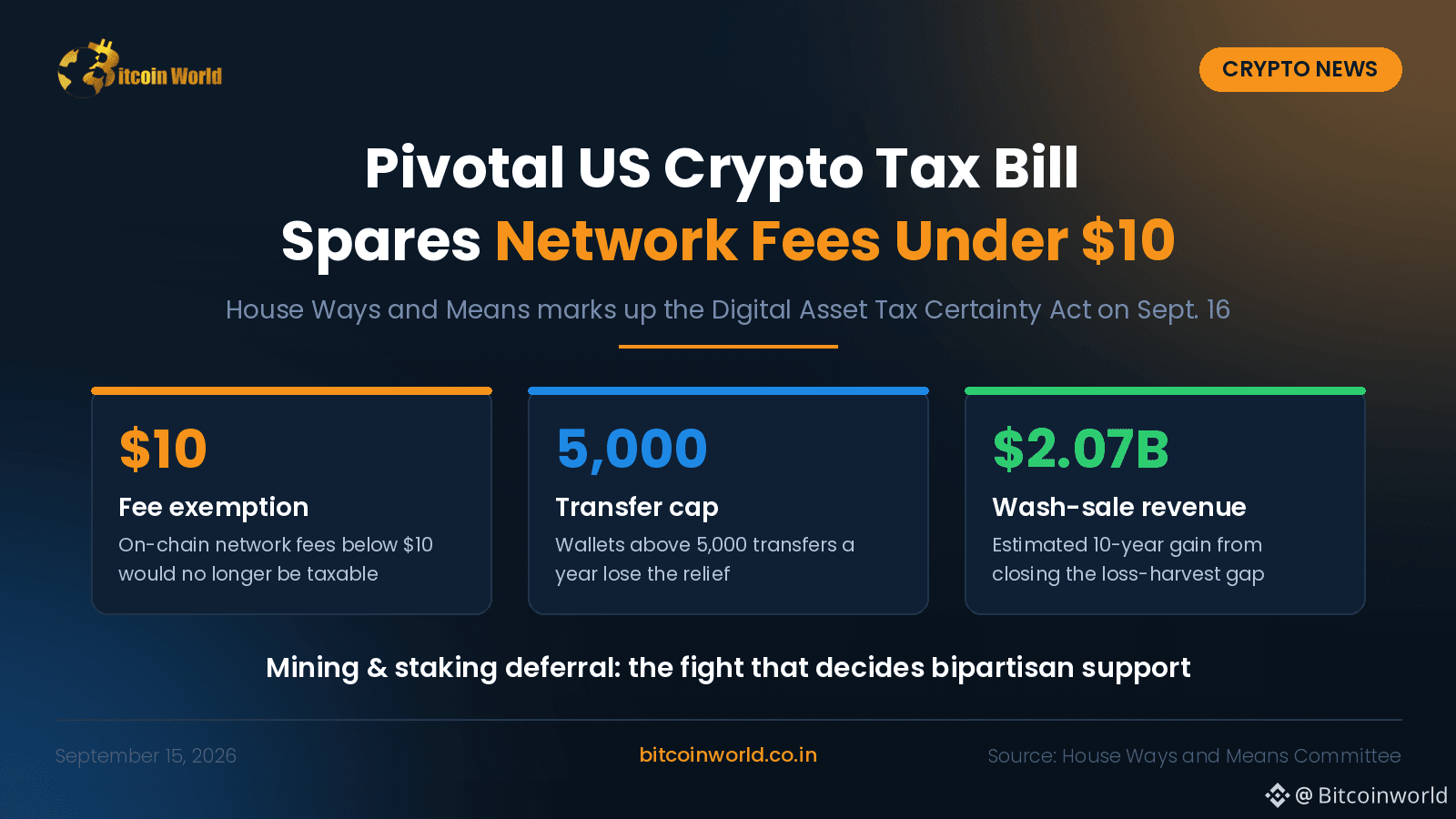
Komite House Ways and Means telah merilis H.R. 10357, Undang-Undang Kejelasan Pajak Aset Digital setebal 114 halaman, dan akan membahas amandemennya pada 16 September.
Biaya jaringan blockchain di bawah $10 tidak lagi menciptakan peristiwa kena pajak, tetapi dompet dengan lebih dari 5.000 transfer pada tahun sebelumnya tidak akan mendapatkan keringanan ini.
Menutup celah pencatatan wash-sale kripto akan meningkatkan pendapatan, sementara menunda pajak atas hadiah penambangan dan staking akan menguranginya. Penundaan adalah ketentuan yang paling mungkin dipangkas.
Rancangan Pajak Kripto Washington Menargetkan Masalah Biaya Gas $2, dan Menunda Perlawanan yang Lebih Berat
BitcoinWorld
Rancangan Pajak Kripto Washington Menargetkan Masalah Biaya Gas $2, dan Menunda Perlawanan yang Lebih Berat
Poin-Poin Utama
Komite House Ways and Means telah merilis H.R. 10357, Undang-Undang Kejelasan Pajak Aset Digital setebal 114 halaman, dan akan membahas amandemennya pada 16 September.
Biaya jaringan blockchain di bawah $10 tidak lagi menciptakan peristiwa kena pajak, tetapi dompet dengan lebih dari 5.000 transfer pada tahun sebelumnya tidak akan mendapatkan keringanan ini.
Menutup celah pencatatan wash-sale kripto akan meningkatkan pendapatan, sementara menunda pajak atas hadiah penambangan dan staking akan menguranginya. Penundaan adalah ketentuan yang paling mungkin dipangkas.
Rancangan Pajak Kripto Washington Menargetkan Masalah Biaya Gas $2, dan Menunda Perlawanan yang Lebih Berat
Poin-Poin Utama
Komite House Ways and Means telah merilis H.R. 10357, Undang-Undang Kejelasan Pajak Aset Digital setebal 114 halaman, dan akan membahas amandemennya pada 16 September.
Biaya jaringan blockchain di bawah $10 tidak lagi menciptakan peristiwa kena pajak, tetapi dompet dengan lebih dari 5.000 transfer pada tahun sebelumnya tidak akan mendapatkan keringanan ini.
Menutup celah pencatatan wash-sale kripto akan meningkatkan pendapatan, sementara menunda pajak atas hadiah penambangan dan staking akan menguranginya. Penundaan adalah ketentuan yang paling mungkin dipangkas.
242
·
--
Artikel
RedotPay Menutup Pintu di Korea Selatan Saat Waktu Pungutan Pajak Kripto MenjelangBitcoinWorld
RedotPay Menutup Pintu di Korea Selatan saat Waktu Pungutan Pajak Kripto Menjelang
Poin Utama
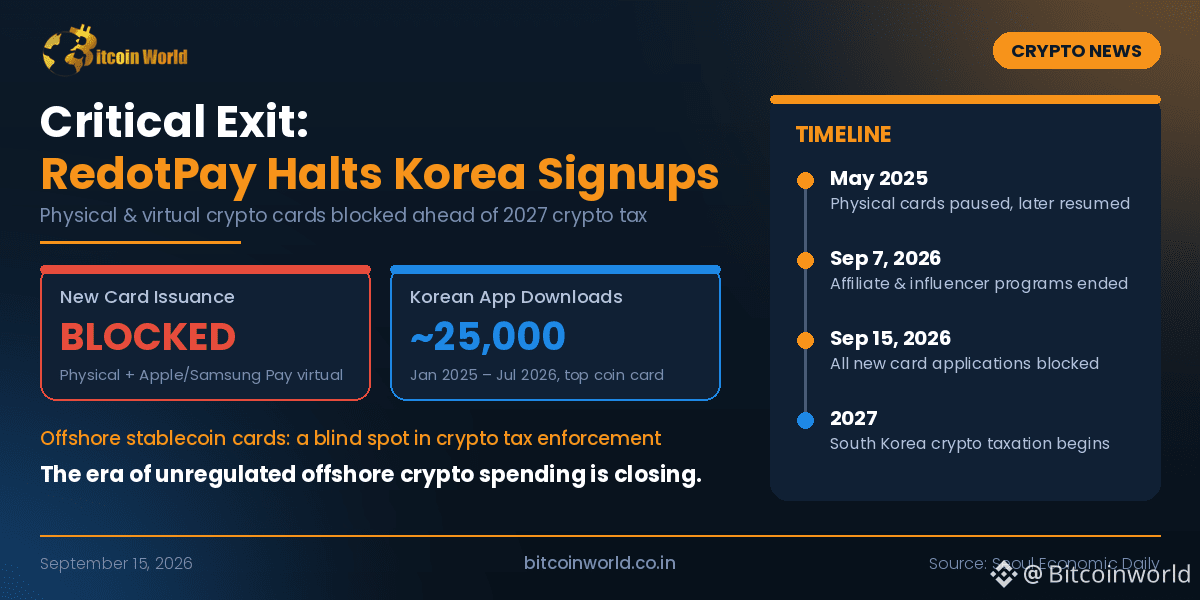
RedotPay telah menghentikan penerbitan kartu kripto fisik maupun virtual untuk pengguna baru di Korea Selatan.
Perusahaan tersebut menghentikan program rujukan afiliasi dan influencer Korea pada 7 September, beberapa hari sebelum blok tersebut muncul.
Ini merupakan penarikan kedua platform di Korea. Penarikan pertama terjadi pada Mei 2025, yang hanya mencakup kartu fisik.
Langkah ini dilakukan hanya beberapa bulan sebelum rezim perpajakan kripto Korea Selatan mulai berlaku, dan kartu stablecoin offshore telah ditandai sebagai celah yang luput dari penegakan pajak.
RedotPay Menutup Pintu di Korea Selatan Saat Waktu Pungutan Pajak Kripto Menjelang
BitcoinWorld
RedotPay Menutup Pintu di Korea Selatan saat Waktu Pungutan Pajak Kripto Menjelang
Poin Utama
RedotPay telah menghentikan penerbitan kartu kripto fisik maupun virtual untuk pengguna baru di Korea Selatan.
Perusahaan tersebut menghentikan program rujukan afiliasi dan influencer Korea pada 7 September, beberapa hari sebelum blok tersebut muncul.
Ini merupakan penarikan kedua platform di Korea. Penarikan pertama terjadi pada Mei 2025, yang hanya mencakup kartu fisik.
Langkah ini dilakukan hanya beberapa bulan sebelum rezim perpajakan kripto Korea Selatan mulai berlaku, dan kartu stablecoin offshore telah ditandai sebagai celah yang luput dari penegakan pajak.
RedotPay Menutup Pintu di Korea Selatan saat Waktu Pungutan Pajak Kripto Menjelang
Poin Utama
RedotPay telah menghentikan penerbitan kartu kripto fisik maupun virtual untuk pengguna baru di Korea Selatan.
Perusahaan tersebut menghentikan program rujukan afiliasi dan influencer Korea pada 7 September, beberapa hari sebelum blok tersebut muncul.
Ini merupakan penarikan kedua platform di Korea. Penarikan pertama terjadi pada Mei 2025, yang hanya mencakup kartu fisik.
Langkah ini dilakukan hanya beberapa bulan sebelum rezim perpajakan kripto Korea Selatan mulai berlaku, dan kartu stablecoin offshore telah ditandai sebagai celah yang luput dari penegakan pajak.
1
197
·
--
Artikel
Deklarasi Delhi BRICS 2026: Saya Membaca Semua 120 Paragraf Jadi Anda Tidak PerluBitcoinWorld
Deklarasi Delhi BRICS 2026: Saya Membaca Semua 120 Paragraf Jadi Anda Tidak Perlu
Intisari Utama
Para pemimpin menandatangani Deklarasi New Delhi pada 12 September 2026, dengan India sebagai ketua.
India menghabiskan berbulan-bulan untuk memasarkan tautan CBDC. Kata “CBDC” tidak ada dalam teks final.
Paragraf 42 muncul setelah arus aset virtual ilegal dan kumpulan penipuan.
Paragraf 95 menyoroti komputasi kuantum untuk sektor keuangan, yang belum dibicarakan siapa pun.
Semua orang menanyakan saya apa itu Deklarasi Delhi, jadi ini dia secara gamblang. Ini adalah pernyataan bersama yang disepakati oleh para kepala negara BRICS di Bharat Mandapam, dengan tema “Membangun Ketahanan, Inovasi, Kerja Sama, dan Keberlanjutan.” Panjang, kering, dan itu menetapkan posisi blok untuk dua belas bulan ke depan. Itulah sebabnya saya membacanya dengan benar, bukan sekadar bereaksi terhadap judul berita.
Deklarasi Delhi BRICS 2026: Saya Membaca Semua 120 Paragraf Jadi Anda Tidak Perlu
BitcoinWorld
Deklarasi Delhi BRICS 2026: Saya Membaca Semua 120 Paragraf Jadi Anda Tidak Perlu
Intisari Utama
Para pemimpin menandatangani Deklarasi New Delhi pada 12 September 2026, dengan India sebagai ketua.
India menghabiskan berbulan-bulan untuk memasarkan tautan CBDC. Kata “CBDC” tidak ada dalam teks final.
Paragraf 42 muncul setelah arus aset virtual ilegal dan kumpulan penipuan.
Paragraf 95 menyoroti komputasi kuantum untuk sektor keuangan, yang belum dibicarakan siapa pun.
Semua orang menanyakan saya apa itu Deklarasi Delhi, jadi ini dia secara gamblang. Ini adalah pernyataan bersama yang disepakati oleh para kepala negara BRICS di Bharat Mandapam, dengan tema “Membangun Ketahanan, Inovasi, Kerja Sama, dan Keberlanjutan.” Panjang, kering, dan itu menetapkan posisi blok untuk dua belas bulan ke depan. Itulah sebabnya saya membacanya dengan benar, bukan sekadar bereaksi terhadap judul berita.
Deklarasi Delhi BRICS 2026: Saya Membaca Semua 120 Paragraf Jadi Anda Tidak Perlu
Intisari Utama
Para pemimpin menandatangani Deklarasi New Delhi pada 12 September 2026, dengan India sebagai ketua.
India menghabiskan berbulan-bulan untuk memasarkan tautan CBDC. Kata “CBDC” tidak ada dalam teks final.
Paragraf 42 muncul setelah arus aset virtual ilegal dan kumpulan penipuan.
Paragraf 95 menyoroti komputasi kuantum untuk sektor keuangan, yang belum dibicarakan siapa pun.
Semua orang menanyakan saya apa itu Deklarasi Delhi, jadi ini dia secara gamblang. Ini adalah pernyataan bersama yang disepakati oleh para kepala negara BRICS di Bharat Mandapam, dengan tema “Membangun Ketahanan, Inovasi, Kerja Sama, dan Keberlanjutan.” Panjang, kering, dan itu menetapkan posisi blok untuk dua belas bulan ke depan. Itulah sebabnya saya membacanya dengan benar, bukan sekadar bereaksi terhadap judul berita.
1
510
Masuk untuk menjelajahi konten lainnya
Bergabunglah dengan pengguna kripto global di Binance Square
⚡️ Dapatkan informasi terbaru dan berguna tentang kripto.
💬 Dipercayai oleh bursa kripto terbesar di dunia.
👍 Temukan wawasan nyata dari kreator terverifikasi.
Email/Nomor Ponsel
Topik Sedang Tren
BOJRaisesRatesTo31YearHigh
210 penayangan
53 Berdiskusi
🚨Kenaikan Suku Bunga BOJ yang Aneh...
#bojraisesratesto31yearhigh
Jepang baru saja menaikkan suku bunga ke level tertinggi 31 tahun. Yen masih melemah.
Kedengarannya kontradiktif — sampai Anda melihat carry trade.
BOJ menaikkan suku bunga kebijakannya 25 bps menjadi 1,25%, level tertinggi sejak 1995, dalam voting 7–2. Ini juga kenaikan kedua dalam hanya tiga bulan.
Namun USD/JPY melonjak setinggi 158,05 setelah keputusan tersebut.
Kenapa?
Pasar fokus pada dua anggota pembuat kebijakan BOJ yang berbeda pendapat dan menilai panduan yang diberikan kurang hawkish dari yang diperkirakan.
Itu berdampak jauh melampaui Jepang.
Yen telah menjadi salah satu mata uang pendanaan utama untuk carry trade — meminjam murah dalam yen, lalu menempatkannya ke aset lain yang menawarkan imbal hasil lebih tinggi.
Jadi rantai sebenarnya adalah:
BOJ mengetatkan → pendanaan yen jadi lebih mahal
namun:
yen melemah → posisi carry tidak otomatis dipaksa keluar
Dan respons Bitcoin membuat gambarnya makin menarik.
BTC memantul tajam setelah keputusan BOJ, mencapai sekitar $81K menurut Reuters.
Jadi sinyal hari ini bukan sekadar:
“BOJ menaikkan suku bunga = BTC bearish.”
Pertanyaan besarnya adalah apakah pengetatan Jepang pada akhirnya menghasilkan apresiasi yen yang berkelanjutan dan cukup kuat untuk memaksa pelepasan carry-trade yang lebih besar.
Untuk saat ini, sukunya bergerak.
Yen tidak mengikuti.
Itulah bagian yang layak dipantau.
$BTC $XRP
#BoJ #BTCBreaks80K #BTC #JPY
Stink meaner
·Disukai 0 Kali
·28 penayangan
HKCompletesFirstHKDStablecoinUseCase
18,129 penayangan
493 Berdiskusi
VietnamPlansFirstCryptoLicensesIn2026
12,838 penayangan
324 Berdiskusi