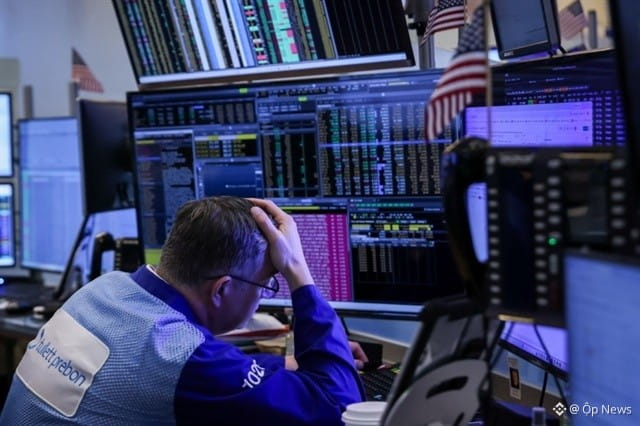
AI Bubble Burst: What's the Cost for the US Economy?
The US economy faces a significant shock if the AI boom collapses, a scenario sparking debate among economists. While some warn of severe consequences, potentially worse than the dot-com bust, others anticipate a milder impact. Even a cooling of AI investment could significantly weaken US economic growth. Over the past two years, AI spending has become a crucial driver, with Barclays estimating it contributed 25% to US economic growth last year – an unprecedented share for a new industry since the late 19th-century railway boom. However, volatile stock markets, rising debt for data centers, and construction opposition raise concerns about sustained growth. Economists are now focusing on how a market downturn could impact the real economy, particularly through a wealth effect as falling stock prices curb household spending.