

#ElonMusk 🌍 #PositiveMindsGlobalResults
BINANCE SQUARE | INVEST • LEARN • GROW • TOGETHER
NOVEMBER 20, 2026 | BINANCE SQUARE | GLOBAL BUSINESS • WEALTH • TECHNOLOGY
THE $11 BILLION GIVEAWAY THAT COULD MAKE ELON MUSK $3.1 BILLION RICHER — THE FINANCIAL STRATEGY BEHIND THE HEADLINE
What if giving away billions of dollars did not necessarily mean losing billions in personal wealth?
That is the extraordinary financial question surrounding Elon Musk and his reported $11 billion SpaceX stock giveaway aimed at American children. The headline is attracting attention not only because of the enormous size of the proposed gift, but because the financial structure behind it could reportedly leave Musk approximately $3.1 billion better off under certain tax calculations.
It sounds almost impossible: give away $11 billion in shares and potentially emerge financially ahead. But the real story lies in how wealth is structured, how appreciated shares are transferred, and how billionaires can approach philanthropy differently from ordinary cash donations.
A $11 BILLION TRANSFER — BUT A MUCH BIGGER FINANCIAL CALCULATION
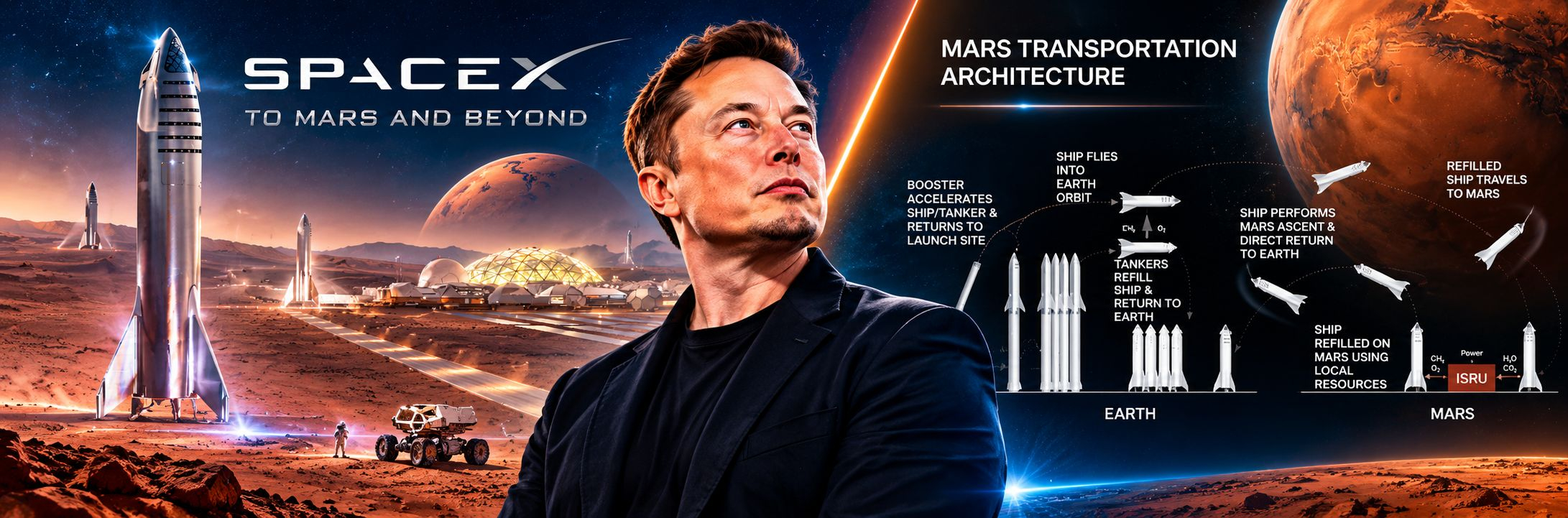
The proposed gift is estimated to cover roughly 73 million American children. Using the share price around the announcement, the stock transfer could reach approximately $10.5 billion to $11 billion in value.
But the critical distinction is that Musk is reportedly donating shares—not selling shares and handing over cash.
Stock donations can have different tax consequences from selling stock first and donating the proceeds. When eligible appreciated assets are donated through qualifying structures, donors may potentially avoid capital-gains taxes on the appreciation and receive deductions subject to applicable tax law, limitations and the structure of the transaction.
An opinion published this week argues that these mechanisms could potentially leave Musk billions of dollars ahead, including an estimated $3.1 billion net benefit. That figure is an opinion-based tax calculation—not a verified final tax saving—and the precise donation structure has not been publicly confirmed.
This is where the story becomes bigger than philanthropy. It demonstrates how the ultra-wealthy can use equity, long-term ownership and tax structures to move wealth in ways that differ dramatically from conventional cash donations.
SPACE ECONOMY: WHY SPACEX SHARES ARE DIFFERENT
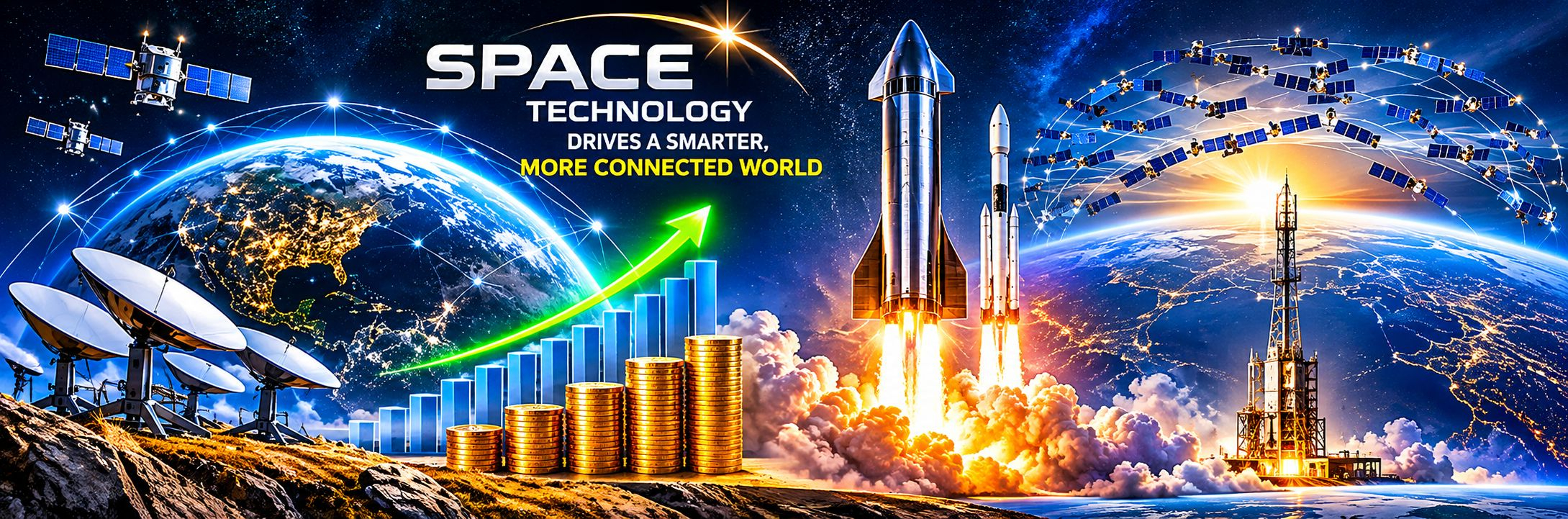
SpaceX is not simply a rocket-launch company anymore. Its broader business ambitions include:
🚀 Reusable rocket technology and lower launch costs
🛰️ Starlink satellite internet and global connectivity
🌍 Expansion of commercial space infrastructure
🤖 AI, data and technology integration
🌕 Lunar missions and future deep-space ambitions
🔭 Potential long-term expansion of the commercial space economy
The value of a SpaceX share therefore represents exposure to a company pursuing multiple major technology markets. But the company’s future valuation will ultimately depend on execution, cash flow, competition, capital expenditure, regulation and its ability to turn ambitious projects into sustainable businesses.
A famous founder, an ambitious mission and a high valuation do not eliminate investment risk.
THE $3.1 BILLION QUESTION: GENEROSITY OR FINANCIAL ENGINEERING?

The most controversial part of this story is the estimated $3.1 billion advantage.
Supporters may see an extraordinary opportunity to transfer wealth directly to a younger generation. Critics may argue that the structure highlights how the tax system can offer advantages to individuals who own enormous amounts of appreciated stock.
Both perspectives deserve attention.
If the shares increase in value over the next 10, 20 or 30 years, children receiving them could potentially benefit from the growth of SpaceX. But if the company loses value, the same investment could decline. The outcome depends on the company's future—not the billionaire's headline promise.
This is an important reminder that wealth transfer, tax efficiency and investment performance are three different things.
THE BILLIONAIRE GIVEAWAY RACE IS GETTING BIGGER
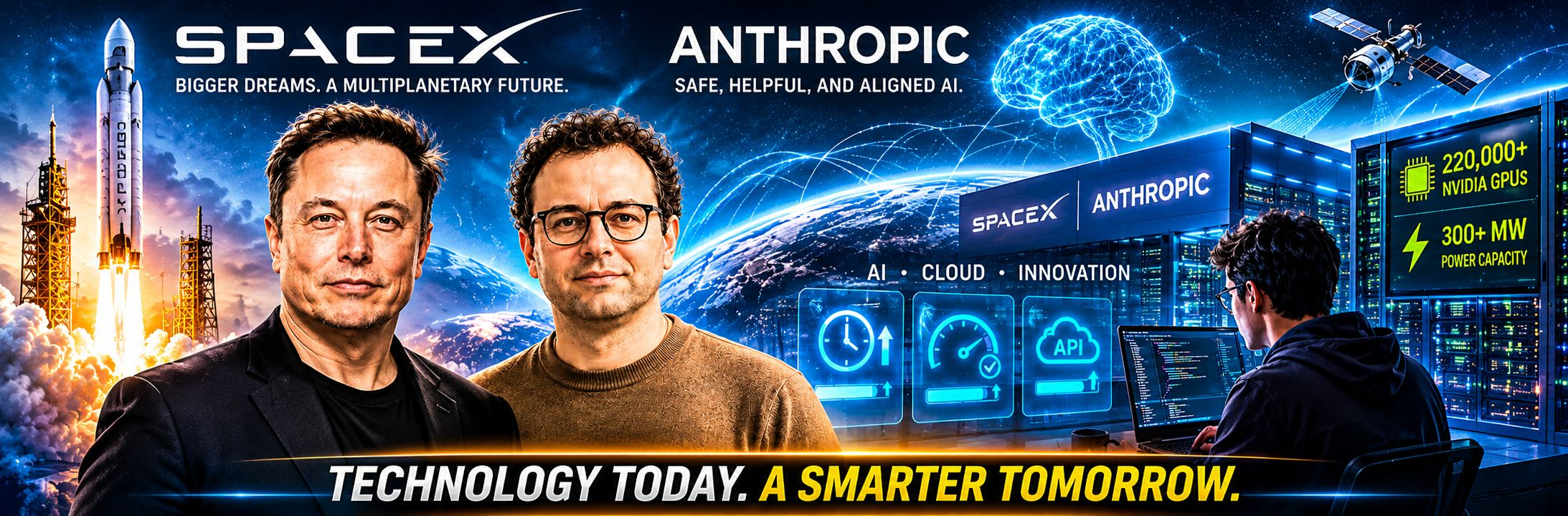
Musk's proposal also arrives during a wider wave of technology-sector philanthropy.
Anthropic has announced plans to allocate a portion of its equity toward a public-benefit initiative. Other wealthy donors have committed substantial funding to children's investment accounts. These initiatives are creating a new debate about whether technology billionaires should distribute wealth through traditional charities, public-benefit organizations or direct investment ownership.
Musk's approach is particularly different: rather than simply donating money for immediate spending, the proposal seeks to give children ownership in a company connected to the future of space, satellite communications and technology.
The question now is whether other major technology leaders will follow this model—and whether direct stock ownership could become a new form of large-scale wealth distribution.
1. The actual distribution timeline
Will the shares be distributed in 2027, and when will the official program details become available?
2. Tax and account structure
Which legal and tax arrangements will be used, and how will they affect recipients and the donor?
3. SpaceX's future valuation
Will its commercial operations, Starlink growth and future space projects justify continued investor confidence?
4. The next billionaire to follow
Could direct equity donations become a new trend among technology founders and major investors?
THE FINAL TAKE
The most interesting part of Elon Musk's reported $11 billion SpaceX giveaway is not the size of the cheque he will never actually write.
It is the financial architecture behind the promise.
A billionaire may transfer billions in ownership, preserve enormous remaining wealth, potentially obtain tax advantages and simultaneously give millions of people exposure to a company that could shape the future of humanity's space economy.
Whether the estimated $3.1 billion advantage proves accurate remains a matter of tax assumptions, legal structure and facts that are not yet fully established.
But one thing is clear: in the modern financial world, the movement of wealth is becoming just as important as the creation of wealth.
And when the world's richest entrepreneur moves billions of dollars in equity, the implications extend far beyond one donation—they touch markets, taxation, technology, generational wealth and the future of capitalism itself.
Disclaimer: This article is for educational and informational purposes only. Tax estimates, company valuations and investment outcomes are not guarantees. Nothing here constitutes financial, tax or investment advice.
#ElonMusk #SpaceX #StockMarket #Wealth #Investing #FinancialStrategy #Technology #Starlink #SpaceEconomy #TaxStrategy #GlobalMarkets #FutureOfFinance #PositiveMindsGlobalResults
Stay positive. Stay informed. Stay secure! 💛🌍

