The race to contain the Binance hack is now extending beyond Binance itself.
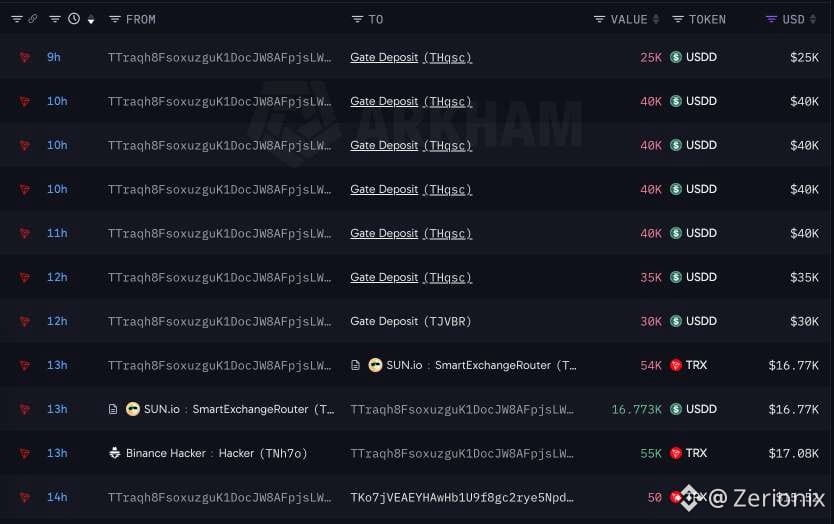
Gate.io says it has frozen two accounts linked to the attacker behind the recent Binance security breach after approximately $250,000 in deposits were flagged.
The development followed an alert from onchain analytics platform Lookonchain, which tracked a $250,000 deposit into Gate over a 12-hour period from an address associated with the incident.
Gate says it has initiated due diligence and will cooperate fully with law enforcement and the ongoing investigation.
The important part here isn't just the amount involved. It's the coordination.
Stolen crypto rarely stays in one wallet. Attackers can move assets across chains, swap tokens, split balances and attempt to deposit funds into centralized exchanges. Every exchange deposit creates another potential intervention point.
But timing matters. Freezing an account after suspicious funds arrive can help prevent withdrawals, although it doesn't automatically recover the funds or establish that every asset in the account is stolen.
This is why cooperation between exchanges, blockchain analytics firms and law enforcement matters. Onchain transparency can identify suspicious movements, but intervention often depends on centralized platforms acting quickly.
The Binance incident is becoming a broader test of how effectively the crypto industry can coordinate when stolen assets move across platforms.
The hack exposed a security weakness. The response is now testing the industry's ability to work together to contain the damage.
$BTC #BTC Price Analysis# $SOL