

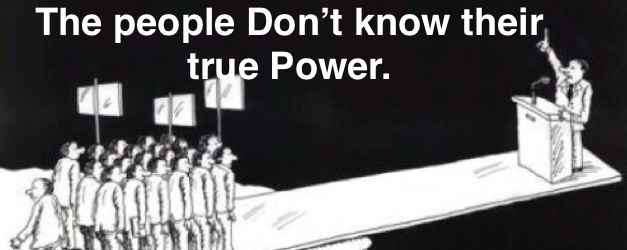
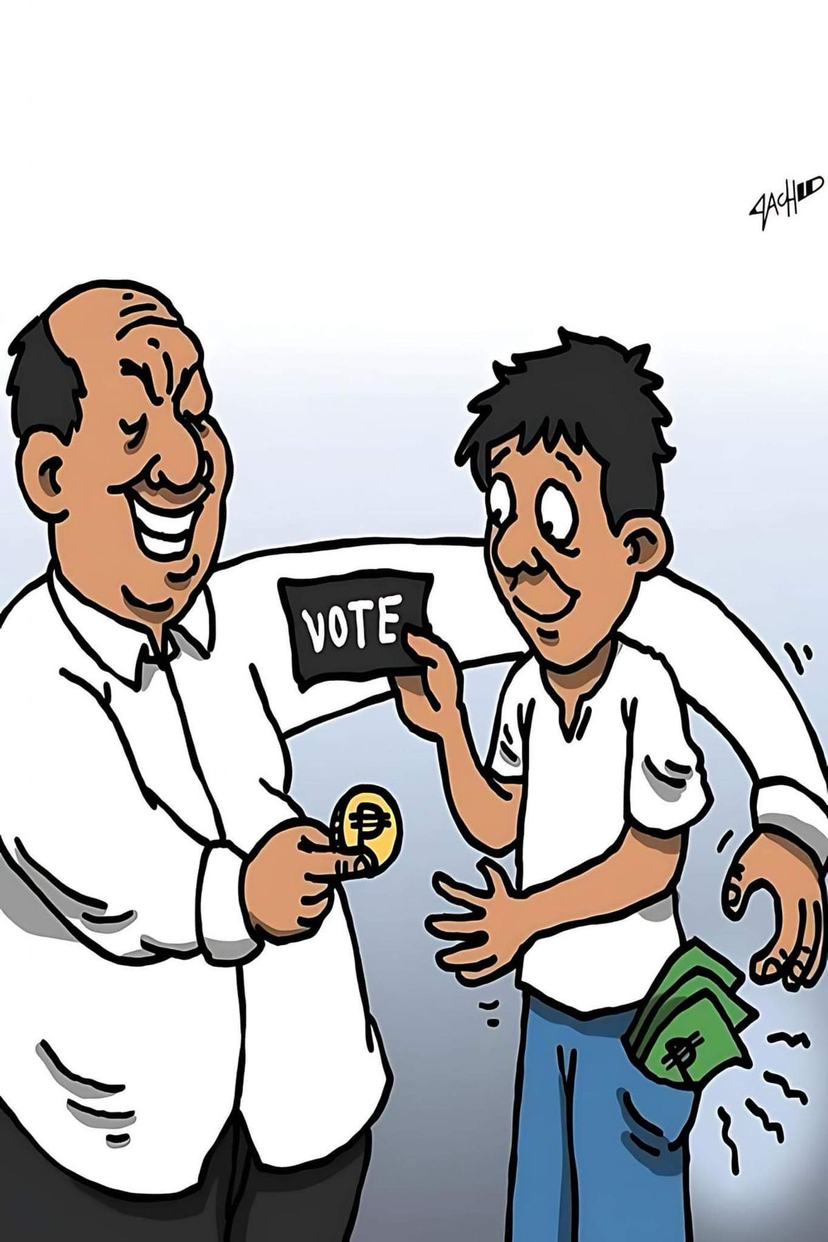
A few thousand in cash. A bag of groceries. A "sponsored" smile from a creator you've trusted for years.
That's how cheaply a four-year future is being rented. 💔
💸 The price on the street
In Kenya, observers flagged reports of voters being offered between Ksh200 and more than Ksh5,000 ahead of a by-election.
In Nigeria, the electoral commission called vote-buying the most alarming development of June's Ekiti election, citing numbered vouchers redeemable away from polling units to avoid detection, while fewer than 4 in 10 registered voters were accredited.
In Osun, media reports alleged offers of up to ₦20,000 per vote.
Do the math: spread ₦20,000 over a four-year term and it's under ₦14 a day. That's the going rate for your hospital, your school, your road.
📱 The price on your feed
Cash moves one voter at a time. A trusted creator can move thousands.
In the US, no federal rule forces creators to disclose paid political endorsements, and some say campaigns asked them to hide the payment.
A Kenyan blogger claimed creators are being offered Ksh250,000 to Ksh1 million to push politicians, and said she would refuse.
Peruvian media reported influencers were being paid $20,000 to $50,000 to join campaigns before the 2026 general election.
A South African investigation found networks of paid nano-influencers creating the look of grassroots support, with audiences kept in the dark.
They don't need to win your head. They go through your heart: your anger, your hope, your tribe, your fear. You don't feel an ad. You feel a friend telling you who to trust.
💔 This isn't about blaming the hungry
Picture a mother in a queue. She's not corrupt. She's exhausted. Someone who knows exactly where it hurts offers relief today in exchange for her child's tomorrow.
In a pilot survey of 500 voters at an Indian by-election, most felt guilty about taking cash, and some feared losing government services if they refused.
That's not free choice. That's pressure dressed as a gift. The shame belongs to those who weaponize desperation and monetize trust.
And the laws are lagging. One analysis calls enforcement of Nigeria's vote-buying ban largely symbolic, and a US Senate bill introduced in July would only now require clear "paid" labels on political influencer posts.
🧠 Crypto already learned this lesson
Undisclosed paid shills. Hidden bags. FOMO over facts. We learned to ask who's paid, who's holding, and DYOR.
Do the same with your candidate. DYOR on the ballot, not just the chart.
✅ What you can do today
Ask "who paid for this?" before you like, share or believe a political post.
A missing #ad doesn't mean it's organic. Paid endorsements often go undisclosed.
Judge records and plans, not vibes.
Talk to family and neighbors. Most voters surveyed said collective decisions could stop cash-for-votes.
Report cash-for-votes to your electoral body or local observer groups.
Creators: if you're paid, say so, or walk away. Trust is worth more than one invoice.
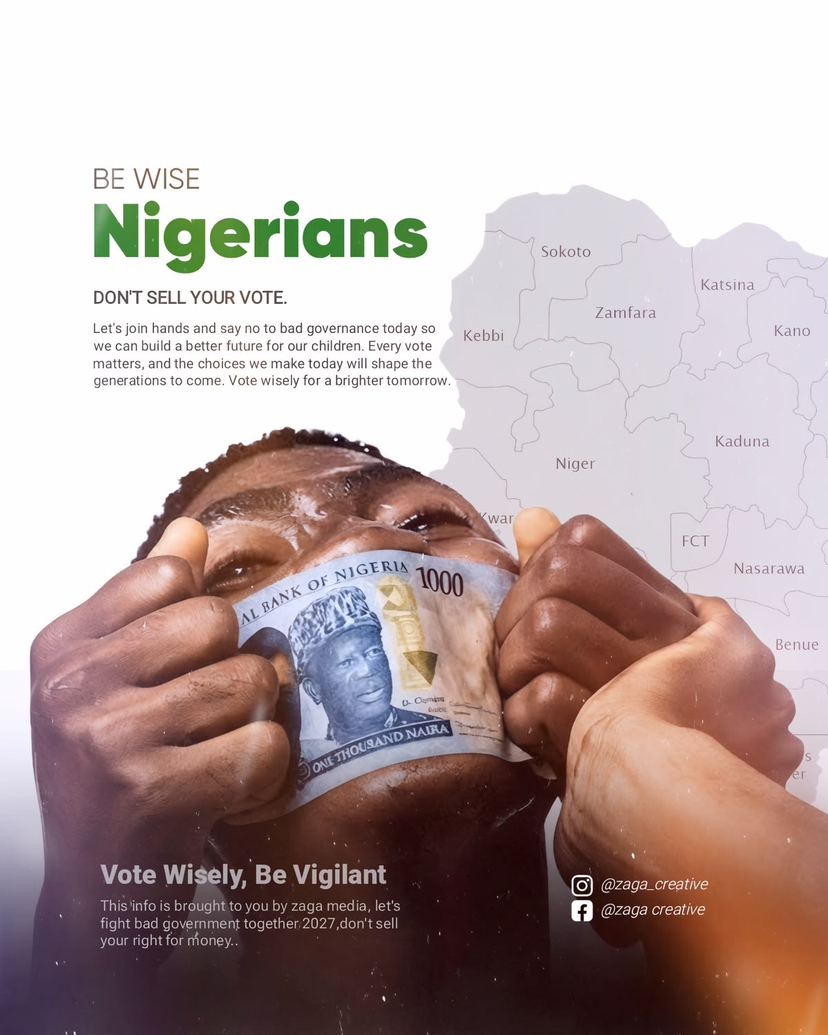
The ballot is secret. The consequences aren't.
Your vote isn't a product. It's your voice, your child's classroom, your city's roads, your dignity. Don't let anyone, in a polling queue or in your DMs, put a price on it. 🗳️✊
💬 What would you say to a creator paid to sell you a candidate? Tell me below.
♻️ Share this with one person before the next election.
#VoteIsNotForSale #Democracy #Elections #DYOR #InfluencerEthics #BinanceSquare #CreatorEconomy #Transparency