

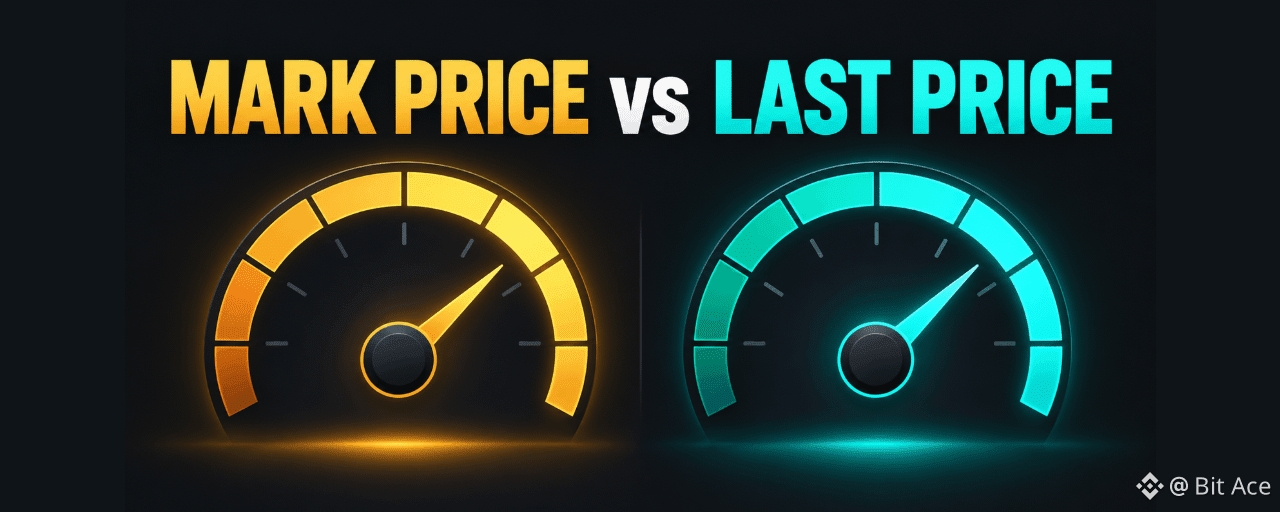

On Binance Futures, liquidation is triggered by the Mark Price, while the Last Price is the most recent trade in the contract. If the chart is showing Last Price, it may not appear to reach your displayed liquidation level when the Mark Price does. Check the chart’s price source, your position’s margin ratio, and your order or liquidation history before interpreting a close.
1. What are Last Price, Mark Price, and Price Index?
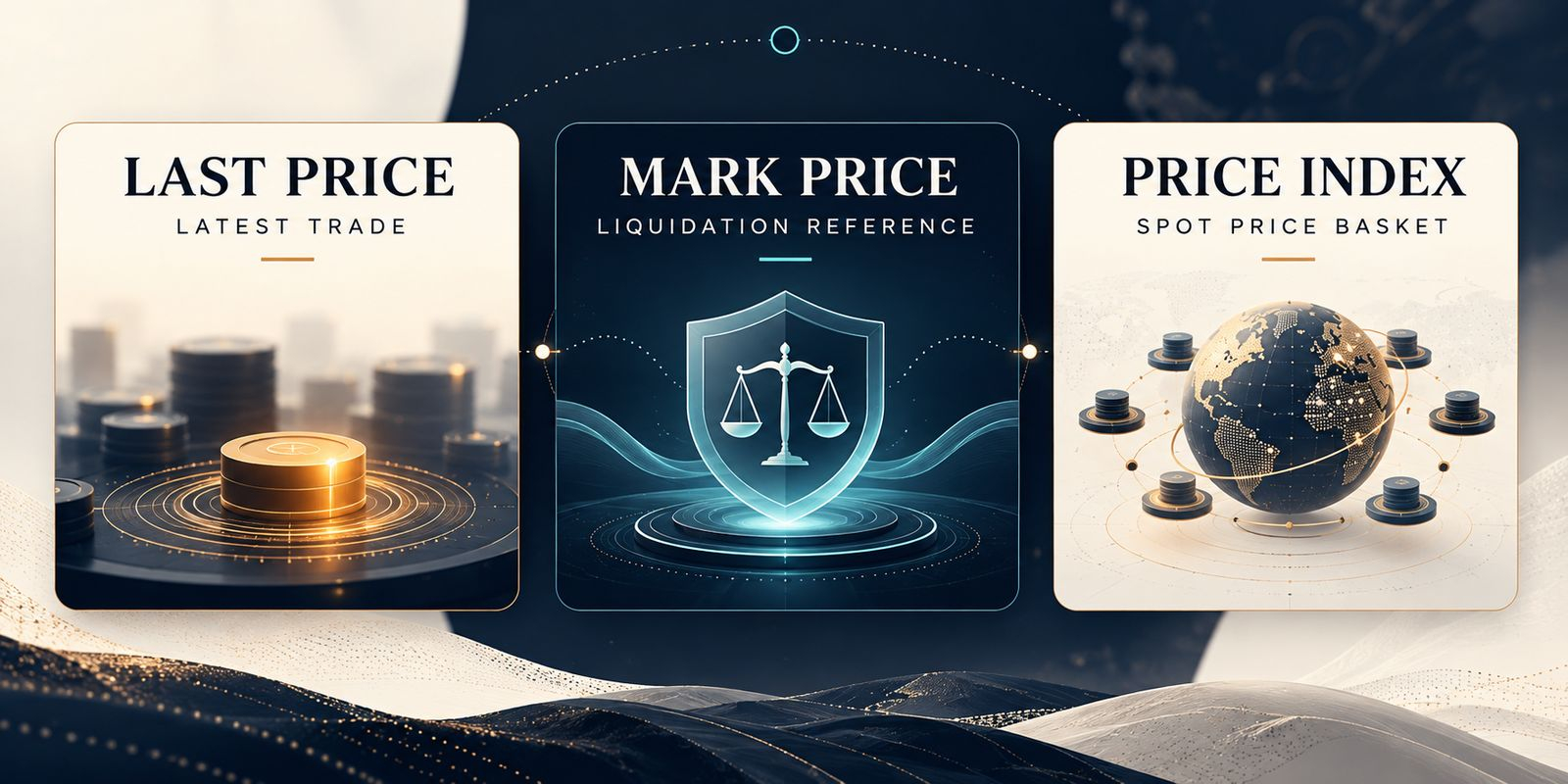
Last Price is the price of the latest executed trade in a futures contract. It is the transaction price, not a guarantee of what another order will receive.
Price Index combines spot-market prices from multiple sources. It helps provide a broader reference for the underlying asset.
Mark Price is a calculated reference that incorporates the index and other inputs specified in Binance’s futures methodology. Binance uses it for unrealized profit and loss and liquidation checks. It can differ from both the latest trade and the spot index.
2. Which price triggers liquidation on Binance Futures?
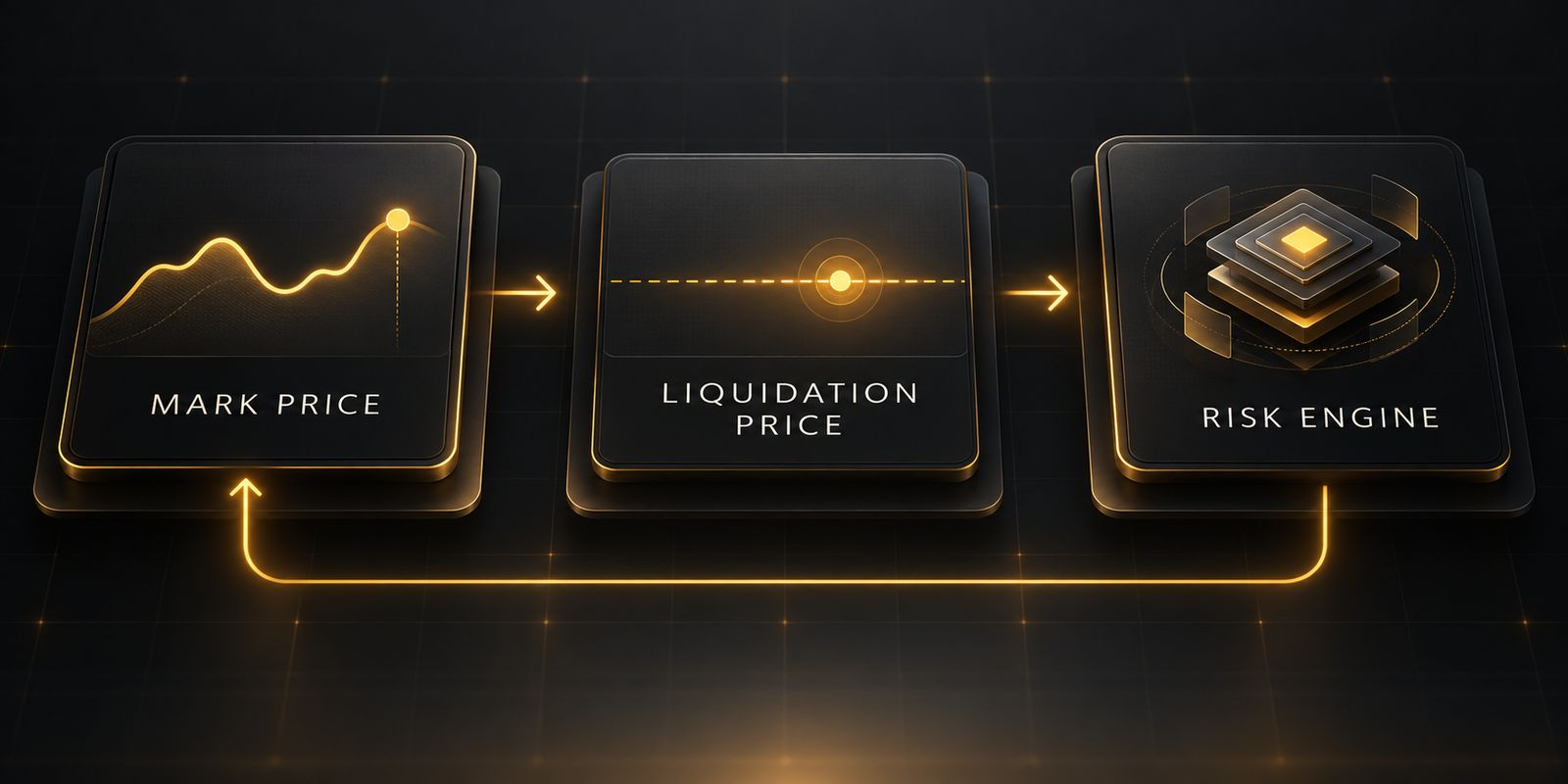
Binance’s liquidation rules use Mark Price against the position’s liquidation price. The position also depends on available margin and maintenance-margin requirements; the chart’s latest trade alone does not show the full risk state.
This explains one common mismatch: a Last Price chart may stay above a long position’s displayed liquidation price while the Mark Price reaches it. The opposite visual mismatch is also possible. Compare like with like before concluding that the chart contradicts the liquidation record.
The displayed liquidation price is an estimate for the position’s current conditions. Changes to margin, position size, other positions in cross margin, and maintenance requirements can affect risk. A fast market can also move between displayed values and the recorded liquidation event.
3. A stop order uses its own trigger setting
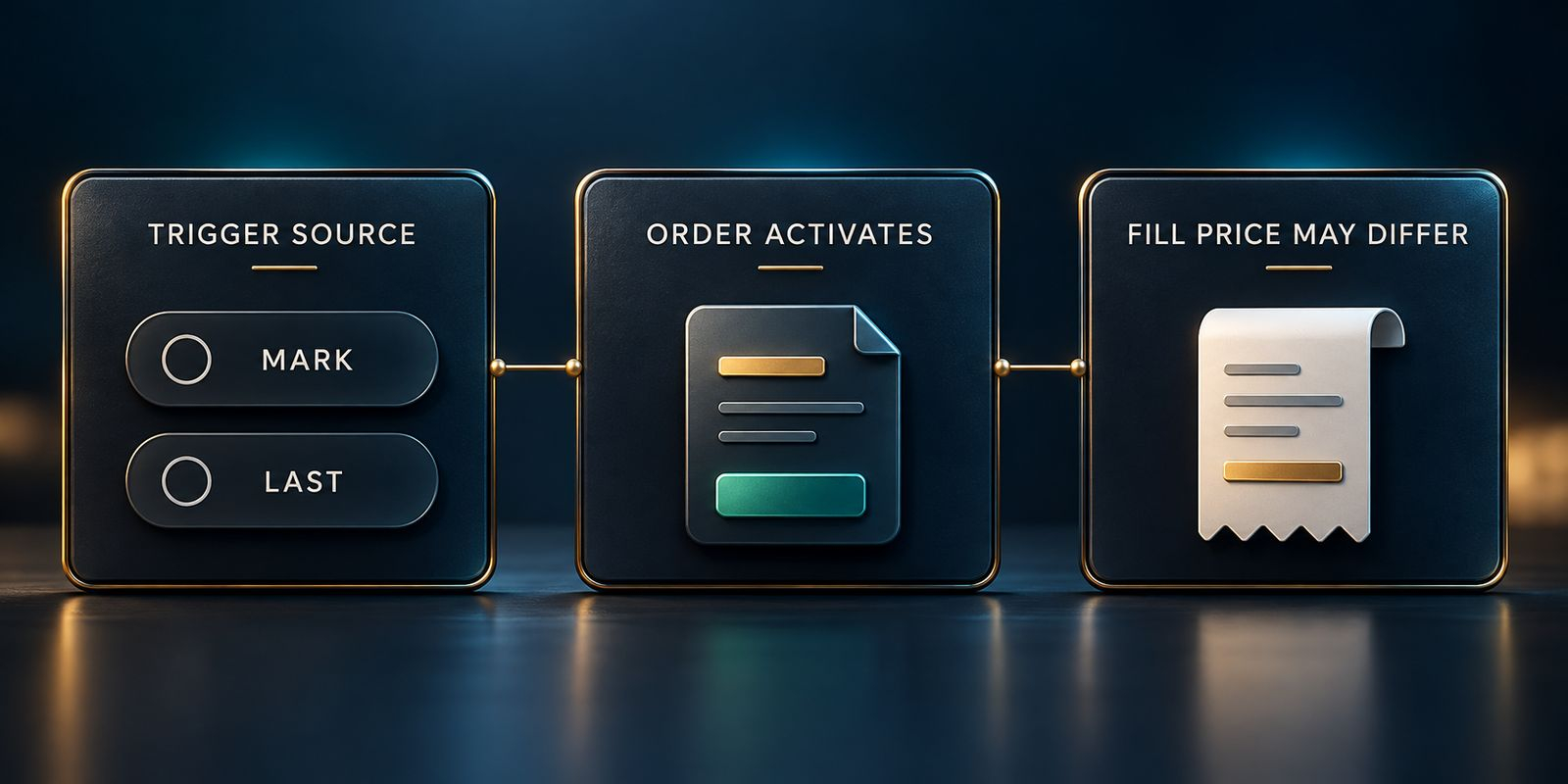
A stop order and liquidation are separate mechanisms. Binance Futures supports Mark or Last as a trigger source for relevant conditional orders. The chosen source determines when the order activates; the order type and market conditions determine whether and how it fills.
For example, a stop using Last Price may remain inactive while Mark Price reaches the liquidation threshold. A stop using Mark Price can align its trigger source with the liquidation reference, but it still cannot guarantee a fill before liquidation. A stop-market order can execute away from the trigger price, and a stop-limit order may remain unfilled.
Review the trigger source, stop level, order type, and distance from the estimated liquidation price together. Setting a stop extremely close to liquidation does not remove the risk that liquidation occurs first.
4. Why can Mark Price and Last Price differ?
Last Price reflects a trade in one futures order book. Mark Price is calculated from a broader reference and contract-specific inputs. During volatility or thin liquidity, the latest trade and calculated reference can move differently.
The gap is not a fixed percentage. It also should not be treated as an automatic trading signal. Read the current values for the exact contract and check which price series your chart displays.
5. How to investigate an unexpected position close
Confirm the exact futures contract, position direction, and whether the account used cross or isolated margin.
Check whether the chart was set to Last Price or Mark Price at the time you interpreted it. Binance’s Futures chart provides a price-source switch on supported app and web views.
Compare the position’s liquidation price and margin ratio with the Mark Price and the relevant position history.
Review open-order and order-history details, especially any stop order’s trigger source and order type.
If the records still appear inconsistent, use Binance Support with the exact contract and event details. Do not publish account identifiers, balances, or order information in a public comment.

Price source, margin ratio, and order history are the three checks to make after an unexpected close.
6. Frequently asked questions
Q1. Is Mark Price the price at which my order executes?
A1. No. Mark Price is a risk and valuation reference. Execution depends on the order type and available liquidity.
Q2. Can liquidation happen when a Last Price chart has not touched my liquidation price?
A2. Yes. Binance uses Mark Price for liquidation. First confirm the chart’s selected price source and the position’s actual history.
Q3. Does a Mark Price stop guarantee protection from liquidation?
A3. No. Triggering and filling are separate events. Fast price movement, order type, and liquidity can prevent the expected close.
Q4. Is the Price Index the same as Mark Price?
A4. No. The index is a component of the Mark Price calculation, but the values can differ.
Q5. Why might the recorded liquidation price differ from an earlier displayed value?
A5. Position and margin conditions can change, and Mark Price can move quickly. Compare the timestamped position and liquidation records rather than relying on a single earlier display.
7. Official Binance references
What Are Mark Price and Price Index in USDⓈ-Margined Futures?
How to Place Stop Loss and Take Profit Orders on Binance Futures
8. Check availability and terms before signing up
Understanding futures risk does not require opening a position. If you are considering a new Binance account, check whether the service is available where you live and review the terms shown during registration. You can use the official Binance sign-up page with referral code UAUBG73C; confirm the code on the form before submitting. A code does not guarantee a discount, reward, or access to futures.
Affiliate disclosure: This article includes a referral sign-up link.
#BinanceFutures #MarkPrice #Liquidation #CryptoEducation