

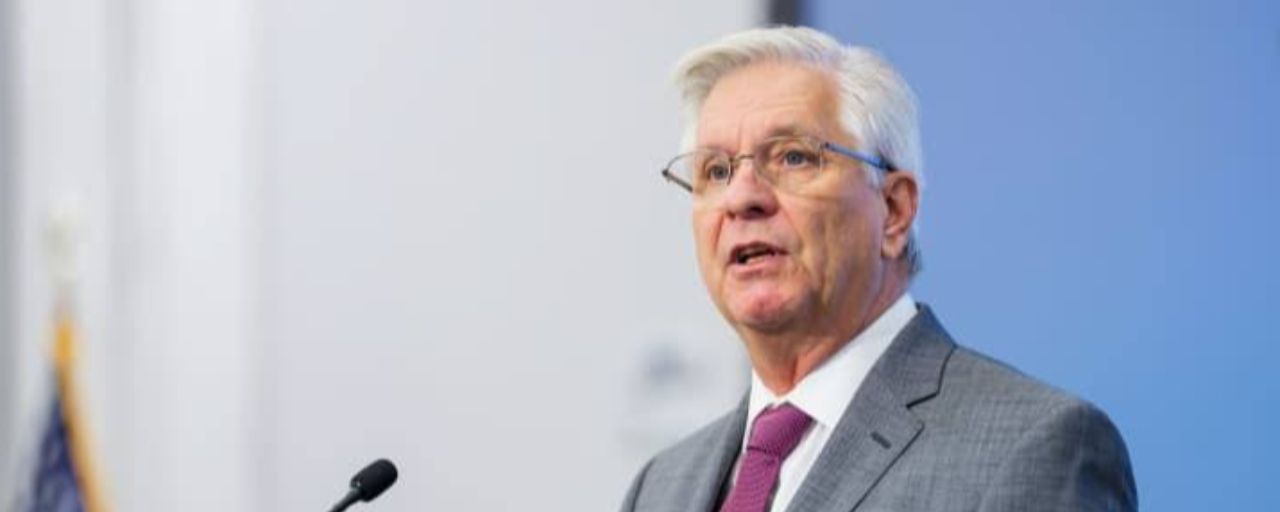

Federal Reserve Governor Christopher J. Waller, a member of the Board of Governors and a voting member of the Federal Open Market Committee (FOMC) in 2026 through his permanent Board seat, said more rate hikes are coming.
He expects additional increases will likely be needed if economic data keep coming in as expected, to return inflation to the 2% goal sooner. He left room on timing, though. The hikes do not need to come at consecutive meetings, but he wants them in place within an acceptable period.
Waller rested his case on inflation, which he called too high, and flagged the AI buildout and the ongoing energy shock among a range of persistent inflationary forces. He also voiced concern that inflation, now approaching 5-1/2 years above target, will put inflation expectations at risk.
The economy gives him room to act. Waller sees evidence it is strengthening in the second half of 2026 and called the labor market "solid and stable" in September, even though job creation fell. Because he votes at every FOMC meeting, his call for more hikes carries direct weight for the rate path.
Key Quotes:
Monetary Policy
More hikes needed but flexible about the pace.
The hikes do not need to come at consecutive meetings, but they should be in place within an acceptable period of time.
If economic data continue to come in as expected, additional rate hikes will likely be needed to support a timelier return of inflation to the 2% goal.
Higher borrowing costs are needed to tame inflation that remains above 2%.
Inflation
Inflation is too high, with AI buildout, ongoing energy shock, and a range of persistent inflationary forces.
Concerned that high inflation, now approaching 5-1/2 years above target, will put inflation expectations at risk.
Labor Market
Labor market "solid and stable" in September even though the number of jobs created was down.
Growth & Economy
Evidence that the economy is strengthening in the second half of 2026.
Forward Guidance
The Fed can achieve better outcomes by signaling its policy intentions to markets.