




MANCHESTER CITY’S £900M FINANCIAL SCANDAL: WHERE DID THE MONEY GO? 💰⚽
For years, Manchester City’s transformation from a struggling Premier League club into one of the most powerful teams in world football was fueled by enormous spending.
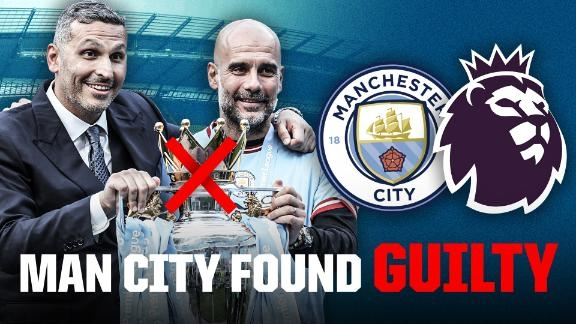
Now, an independent commission has found that the club systematically breached Premier League financial rules for almost a decade.
And the numbers are staggering.
Between the 2009/10 and 2017/18 seasons, the commission found that Manchester City used arrangements that artificially increased reported revenues and reduced recorded costs by more than £900 million.
The Premier League says the club used what the commission described as “sham” commercial agreements that did not reflect the true arrangements between the parties.
According to the commission's findings, some sponsors were only required to pay part of their stated sponsorship fees, with the remainder funded by Abu Dhabi United Group Investment & Development Ltd, the entity that owned the club at the time.
The result was a financial picture that, according to the commission, made Manchester City appear more compliant with spending regulations than it actually was.
THE £900M QUESTION
This wasn't simply about spending too much money.
The commission found that the financial arrangements allowed City to inflate revenues and reduce costs on its accounts.
Had the relevant agreements been reported accurately, the commission concluded that Manchester City would have breached both Premier League and UEFA spending limits by a “very substantial amount.”
The Premier League also says City filed misstated accounts and concealed the true state of its finances from auditors and football regulators.
That distinction matters.
A club overspending within transparent accounts is one thing.
A regulatory system based on reported financial information becomes very different if those figures are deliberately distorted.
AND THEN THERE WAS THE INVESTIGATION
The controversy didn't end with the alleged financial arrangements.
The Premier League began investigating Manchester City in December 2018 and formally referred the case to an independent commission in February 2023.
The commission held a 42-day hearing, which concluded in December 2024.
The final decision found City guilty of multiple breaches relating to its failure to cooperate with the Premier League's investigation.
The league says three of four alleged cooperation breaches were upheld and that the commission concluded City had made “concerted efforts” to stop or frustrate the investigation.
That created a second layer to the case:
The alleged financial misconduct — and the conduct during the investigation into it.
WHERE DID THE MONEY GO?
The financial impact extended far beyond Manchester.
According to BBC analysis, Manchester City spent roughly £1.2 billion on players between 2009 and 2018, with around £900 million in net spending during the period.
The club bought players from 46 different clubs across 19 national league systems.
That means the financial effects of City's spending spread throughout the football ecosystem.
Wolfsburg received a major fee for Kevin De Bruyne.
Monaco received significant money for Bernardo Silva and Benjamin Mendy.
Arsenal was the club from which City signed the most players during the period covered by the BBC analysis.
And some money reached clubs that did not directly sell a player to City.
For example, QPR reportedly received around £9 million through a sell-on clause connected to Raheem Sterling's transfer from Liverpool to Manchester City.
Barnsley reportedly received around £7 million from the John Stones transfer because of a sell-on arrangement.
So the financial consequences weren't limited to the clubs that negotiated directly with Manchester City.
THE BIGGER ISSUE
The case isn't simply about whether Manchester City spent a lot.
The Premier League's financial rules exist partly to prevent clubs with enormous financial resources from gaining advantages by spending beyond regulatory limits.
The independent commission concluded that City's arrangements were designed to circumvent those rules.
The Premier League described the case as the most significant disciplinary case in its history.
And that raises a much bigger question:
How much of modern football was shaped by money that regulators have now determined was improperly reported?
Manchester City's rise coincided with huge investments in players, wages, infrastructure and commercial growth.
Those investments helped create one of the dominant teams of the modern era.
But the commission's findings mean the financial foundation of part of that transformation is now the subject of an official ruling.
CITY IS FIGHTING BACK
Manchester City has rejected the findings.
The club has maintained that it is innocent and has argued that the commission's opinion contains material errors of law, principle and fact.
On October 1, 2026, City lodged its comprehensive appeal.
The Premier League confirmed the appeal on October 2, saying it will be heard by an independent Appeal Board. The hearing will remain private and confidential until publication of the outcome is permitted.
So the case is not legally finished.
The independent commission has issued its findings, but the appeal process is now underway.
WHAT HAPPENS NEXT?
The commission's findings establish the current first-instance position, but the punishment has not yet been determined.
The Premier League says sanctions can include fines, points deductions and other sporting sanctions.
The eventual outcome could therefore have consequences far beyond a financial penalty.
For now, however, no final sporting sanction has been announced.
Manchester City's appeal could also change the legal position.
One thing is already clear:
This is no longer just a story about expensive football transfers.
It is a story about financial reporting, sponsorship structures, regulatory rules, alleged attempts to circumvent those rules, and the enormous amount of money that flowed through European football during Manchester City's rise.
And with the appeal now officially underway, one of the biggest financial disputes in Premier League history is still not over.