



Pernahkah kamu mengenai target take-profit yang tepat pada swing trade 3 minggu, hanya untuk melihat PnL yang terealisasi dan menyadari kamu baru saja nyaris impas?
Kamu tidak buruk dalam analisis teknikal. Tapi kamu dikunyah habis oleh Carry Drag.
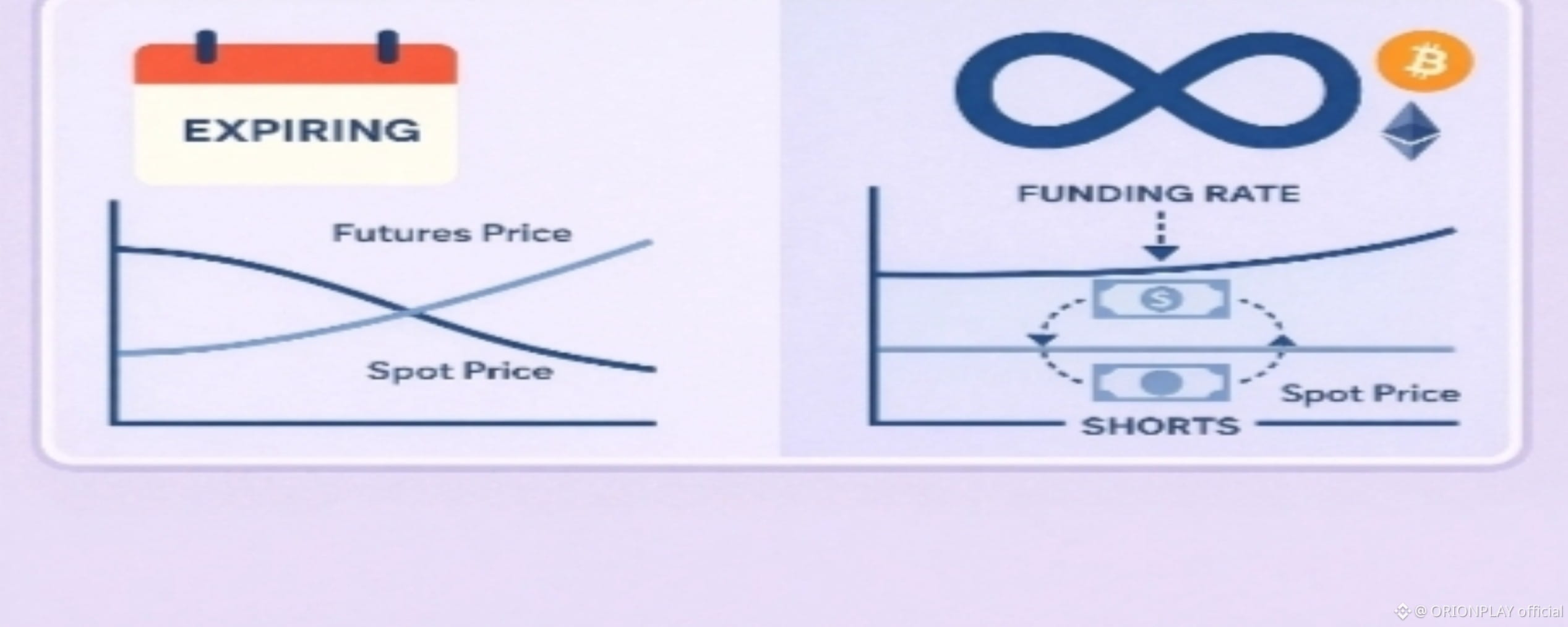
Kebanyakan trader memusatkan 95% energi mereka pada harga entry dan exit. Tapi pada pasar perpetual, waktu di antara entry dan exit bukan gratis. Ini adalah matematika tersembunyi yang menguras akunmu:
1. Pengurasan Pendanaan 8 Jam
Saat sentimen bullish, suku bunga pendanaan bertahan di sekitar +0,01% hingga +0,03% setiap 8 jam.
0.01% per 8 jam = ~10.95% biaya tahunan
0.03% per 8 jam = ~32.85% biaya tahunan
Jika Anda memegang long 5x leverage selama konsolidasi sideways selama 20 hari sebelum terjadi breakout, Anda tidak hanya membayar bunga itu dari margin Anda saja—Anda membayarnya dari ukuran posisi total. Biaya kecil 0.02% setiap 8 jam secara diam-diam mengurangi 3% hingga 6% dari seluruh ekuitas trading Anda sebelum harga bahkan bergerak.
2. Denda Kekambuhan Setelah Liquidity Sweep
Mengejar harga dengan terus-menerus memperketat stop-loss saat sideways choppy membuat Anda rentan terhadap market maker yang menyapu kumpulan likuiditas lokal. Setiap kali Anda tersentak (stop out) dan masuk lagi, biaya taker dan slippage bid-ask akan mengatur ulang cost basis Anda lebih tinggi, sehingga carry drag terakumulasi.
Checklist Eksekusi untuk Melindungi Keunggulan Anda:
Audit Rata-Rata Funding 7 Hari: Sebelum mengambil swing trade yang diperkirakan berlangsung lebih dari seminggu, periksa historical funding rate token tersebut. Jika funding terlalu tinggi, pilih Spot alih-alih Perps.
Hitung Net Target ROI: Kurangi estimasi biaya funding kumulatif 14 hari dari profit yang Anda proyeksikan sebelum menentukan ukuran posisi. Jika funding menghabiskan lebih dari 15% dari keuntungan yang Anda harapkan, rasio risiko-imbalannya menjadi tidak valid.
Hedge Spot-Perp: Jika Anda punya bias arah jangka panjang pada altcoin dengan funding tinggi, pertimbangkan memegang spot sambil memakai short perps ber-leverage rendah hanya ketika funding berbalik menjadi negatif.
Jangan biarkan waktu dalam trading mencuri keunggulan Anda. Berapa perkiraan periode holding Anda untuk perp swing trade? Tulis pendapat Anda di bawah 👇