

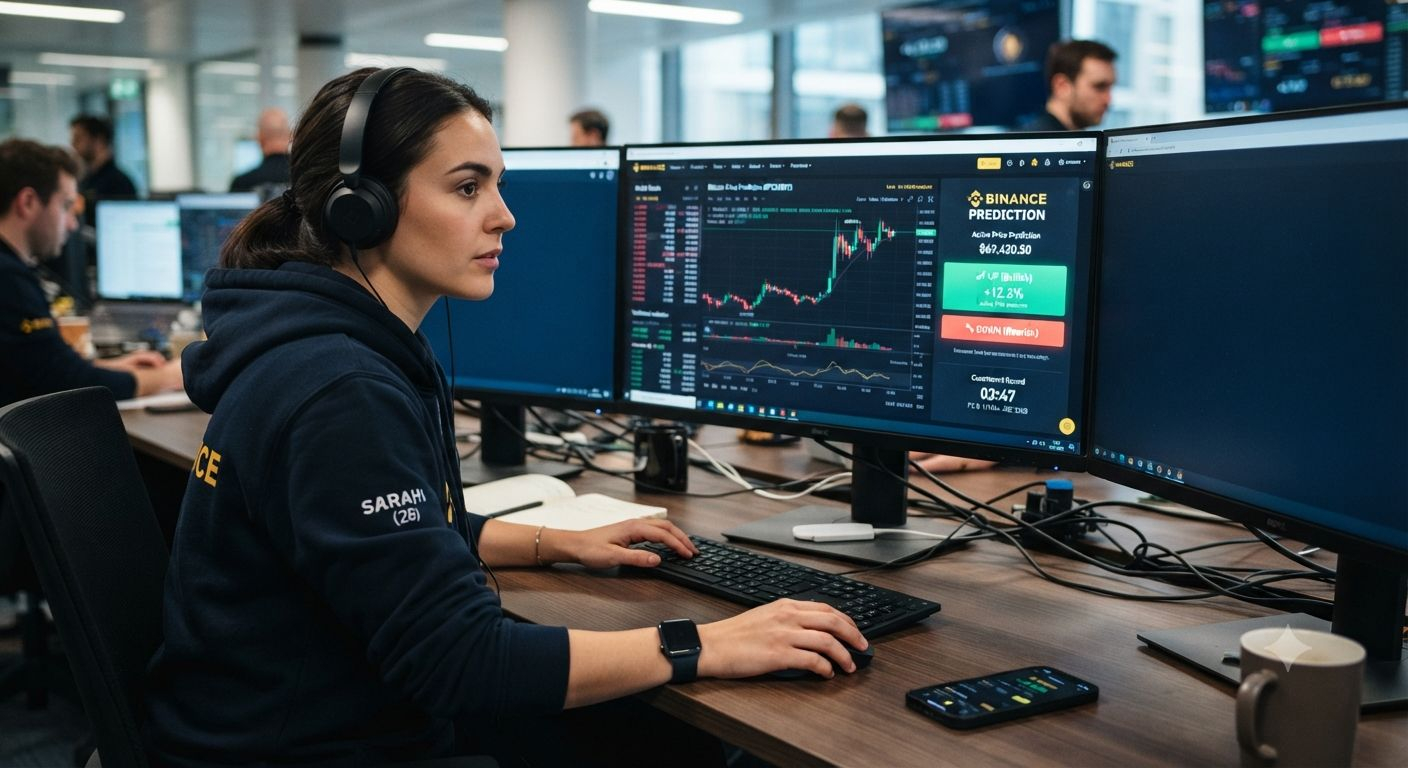
Navigating Binance prediction markets (whether short-term crypto price directions or event-based prediction shares) requires a mix of risk management, psychological discipline, and understanding how probability pricing works.
1. Understand How the Pricing Works
Probability as Currency: Shares typically trade between 0 and 1 USDT. If a "YES" share costs 0.70 USDT, the market implies a 70% probability of that event happening.
You Don't Have to Hold Until the End: You can treat prediction shares like a swing-trading asset. If public sentiment shifts and the value of your shares increases, you can sell early to lock in profits rather than waiting for the final settlement.
2. Master the Strategy Styles
The Swing Trade Approach: Instead of betting blindly on an outcome and hoping for the best, buy "YES" or "NO" shares when market panic or overreaction pushes prices to extremes (e.g., buying cheap "YES" shares during a sudden dip), then sell when the hype reverses.
The Information Advantage: Stick to events, macro data (like Fed rate decisions), or assets you actively follow. Prediction markets heavily reward timely, accurate information rather than blind guessing.
Avoid Extreme Pricing Traps: Be very cautious about chasing "YES" shares priced above 0.80 or "NO" shares priced below 0.20. The potential upside is tiny compared to the heavy losses you face if a late upset occurs.
3. Apply Strict Risk Management
Start Small: Use small amounts (like 5 to 10 USDT per prediction) to test the waters and understand order execution, slippage, and settlement cycles before committing larger sums.
Never Go All-In: Treat prediction markets as high-risk speculation. Allocate a tiny, segregated portion of your portfolio that you are fully prepared to lose.
Diversify Your Positions: Spread your risk across multiple different events or short-term windows rather than dumping your entire budget into a single binary outcome.
4. Pay Attention to Mechanics
Watch the Clock: Always note the exact expiry and settlement time. Markets can experience liquidity crunches or sudden volatility spikes right before closing, which can widen slippage on market orders.
Use Limit Orders: When entering or exiting position
 s, use limit orders rather than market orders if the order book is thin, ensuring you don't get filled at an unfavorable price due to sudden price swings.