


More than 1.3 billion adults remain unbanked, while billions more lack access to affordable credit, digital payments, or meaningful returns on savings. The financial-access gap is particularly severe across emerging and low- and middle-income markets, where mobile-phone ownership is already widespread. This creates a major opportunity for crypto and blockchain infrastructure to provide financial services without depending entirely on traditional banking distribution. Binance's user data also shows emerging-market adoption accelerating, with their share of users rising from 49% in 2020 to 77% in 2026.
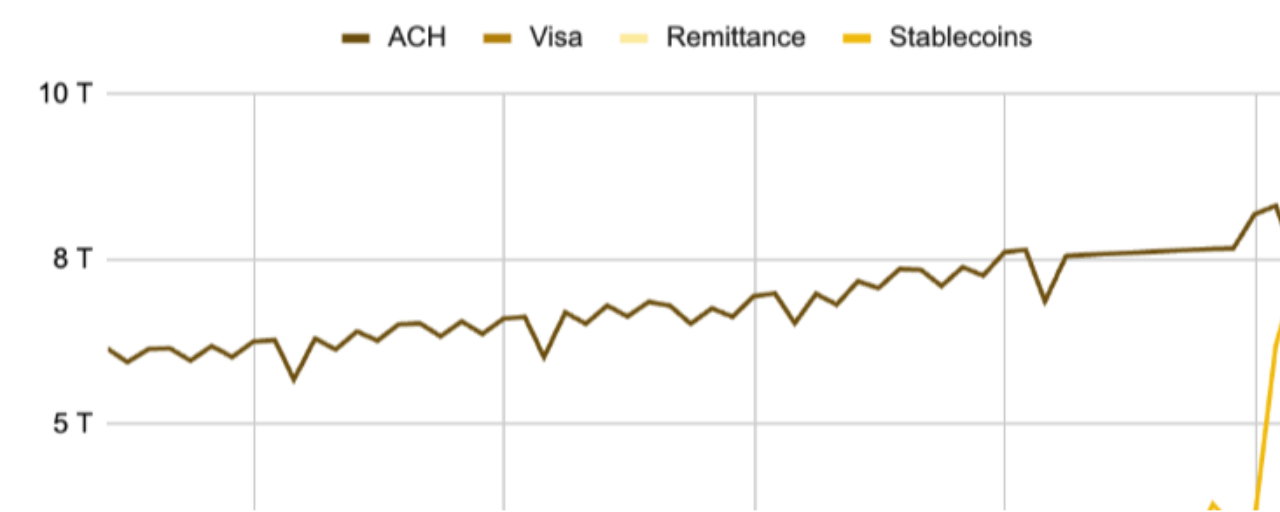
Stablecoins and tokenization could address two major problems: payments and investment access. Stablecoin transfers can dramatically reduce the cost and settlement time of cross-border remittances, potentially making small international transfers far more practical. At the same time, tokenized assets can provide fractional and 24/7 access to markets that have traditionally been difficult for retail investors to reach. Tokenized private credit and private equity have already reached approximately $2.7 billion on-chain, while pre-IPO instruments could give investors earlier exposure to companies that increasingly remain private for longer.
The next phase could extend beyond human users. More than 17,000 AI agents have reportedly been launched since 2025, while a significant share of on-chain activity is already automated. Programmable money, permissionless identity, and low-cost settlement could allow AI agents to participate directly in economic activity. The broader picture is therefore bigger than crypto trading: blockchain infrastructure is evolving toward payments, savings, investment, private markets, and machine-to-machine finance. The key question is no longer whether crypto can create financial access, but how deeply these new rails can integrate into the global financial system.
