The bell hadn't even rung and the bond market had already decided how this week would be remembered. Ten-year yields pushed to 4.734%. The 30-year climbed to 5.273%. Both gained more than three basis points on the session, erasing most of the relief that a Treasury buyback announcement had briefly bought investors earlier in the week.
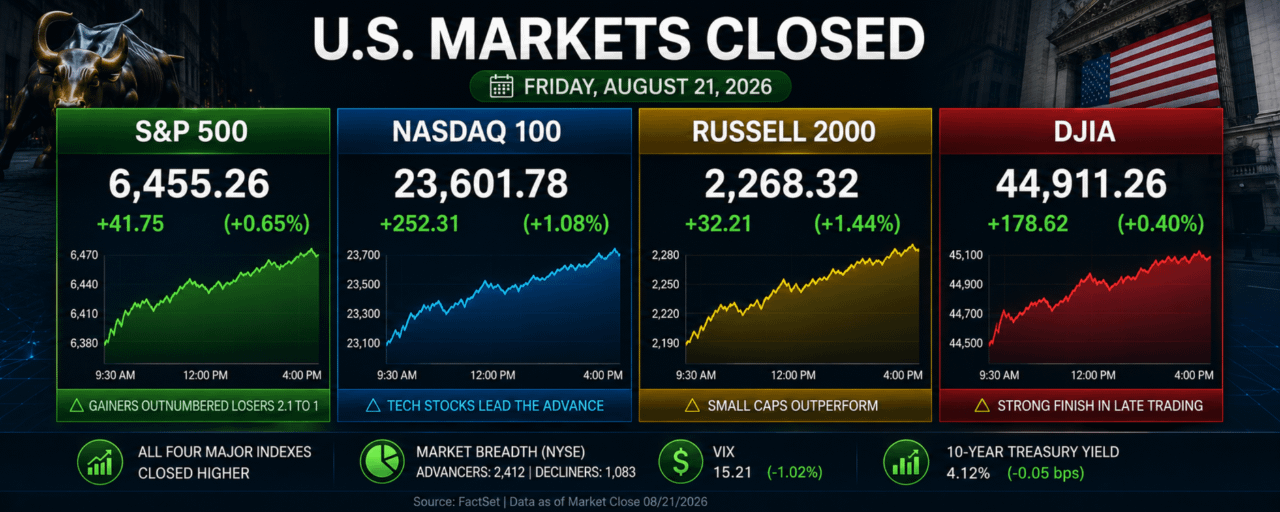
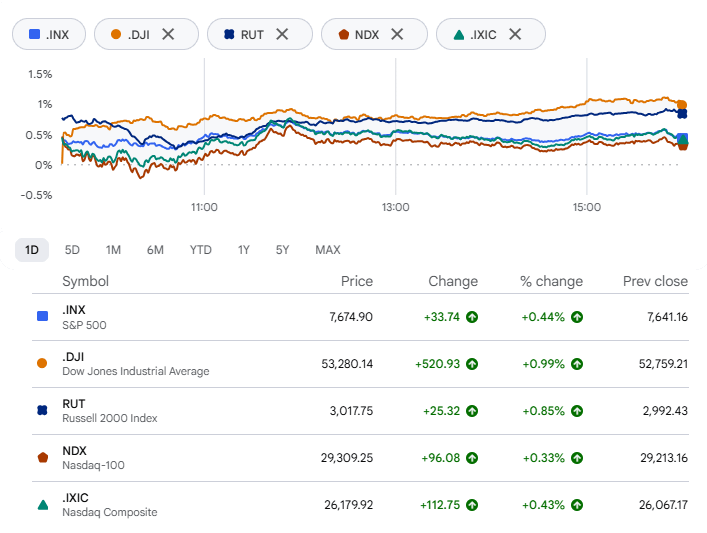
Stocks rallied anyway. The Dow Jones Industrial Average added 517.80 points, or 1%, to close at 53,277.01. The broad S&P 500 index and the tech-heavy Nasdaq Composite each rose 0.4%, while the small-cap Russell 2000 outperformed with a 0.9% gain. The Nasdaq-100 snapped a five-day losing streak, up 0.3%, even as the broader technology trade kept bleeding beneath the surface.
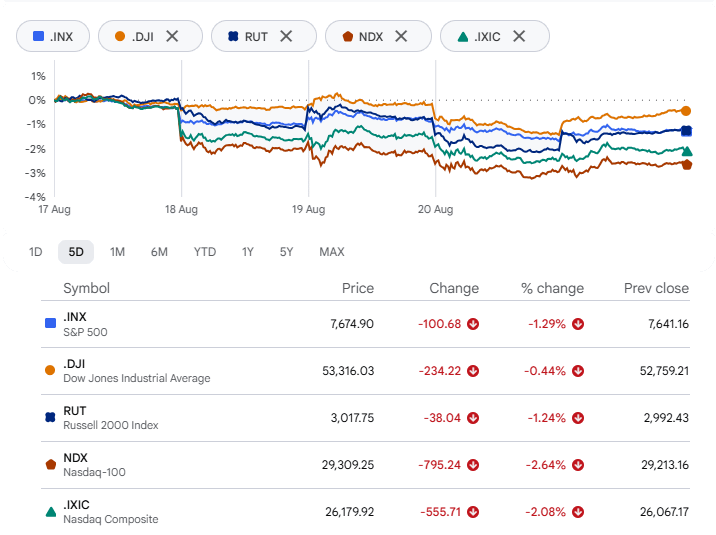
None of it was enough to save the week. The S&P 500 finished down 1.4%. The Nasdaq dropped 2.1%. The Dow slipped 0.8% for a second straight weekly decline, and the Russell gave back 1.6%. Both the S&P and the Nasdaq snapped three-week winning streaks in the process.
"The market has adjusted to 4% to 5%" on the 10-year, said Leo Kelly, founder and CEO of Verdence Capital Advisors. The real danger, he added, sits further out — a break toward 6% to 7% would force a reckoning stocks haven't priced in.
Technology's Quiet Bleed
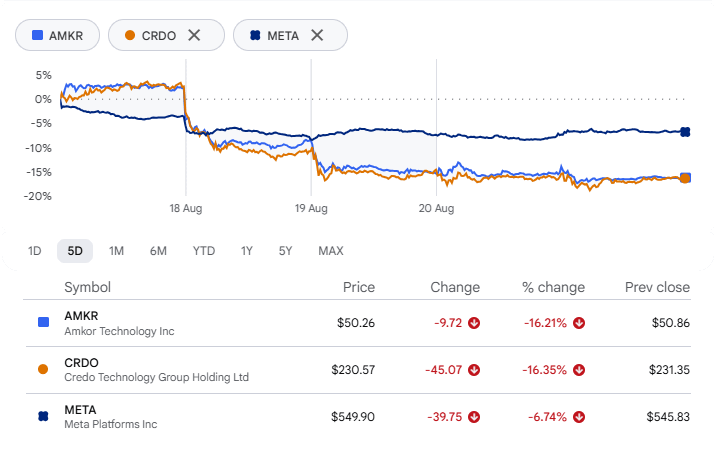
Information technology shed more than 3% over five sessions, dragging the broader index toward its first red week in a month. Amkor Technology and Credo Technology led the damage, falling nearly 15% and 11%, respectively. Meta Platforms lost almost 7% over the same stretch. Utilities and industrials added to the drag, pulling the S&P lower on a weekly basis even as Friday's headline numbers looked encouraging.
Retailers Pay for a Rough Week of Earnings
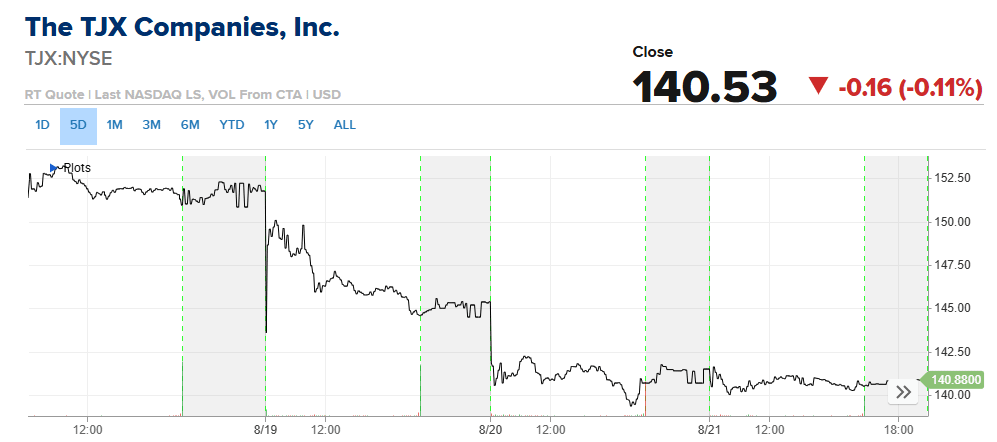
Off-price giant TJX Companies is nursing its worst week since 2021, down more than 7%. The quarter itself wasn't the problem — comparable sales rose 4%, margins expanded, and management raised full-year guidance. The trouble sat inside Marmaxx, the company's largest division, where comps grew just 1% and merchandising missteps left investors questioning how durable the profit beat really was. CEO Ernie Herrman called the stumble "self-inflicted and within our control."
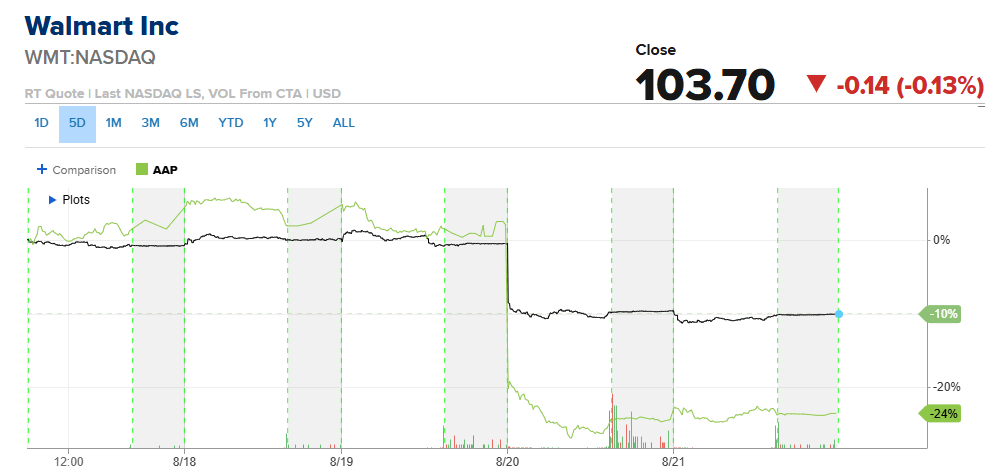
Walmart had it worse. The retailer is heading for its steepest weekly drop since 2022, down roughly 11%, dragging the State Street SPDR S&P Retail ETF with it. Advance Auto Parts fared even more poorly, plunging around 25% on the week — its worst showing since 2023. Dillard's and Chewy cushioned some of the damage, each climbing more than 8%. The ETF itself gained close to 1% Friday but still finished the week down more than 1%.
Klarna's Whiplash
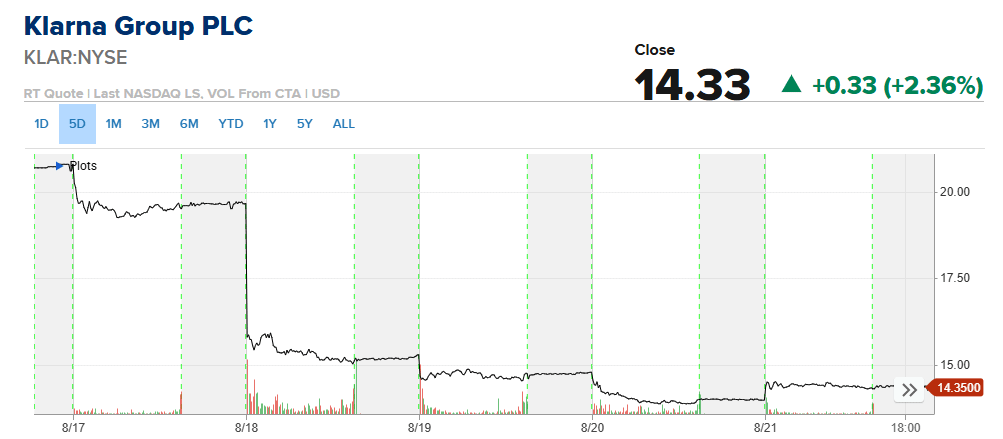
Few names swung as violently as Klarna. The buy-now-pay-later company's shares plunged as much as 23% earlier in the week after management trimmed full-year guidance and flagged persistent softness in Germany, its largest market. Friday brought stabilization rather than recovery, with the stock edging higher as investors circled back to the underlying numbers: U.S. gross merchandise volume surged 27% to $7.9 billion, transaction margins climbed 42%, and the company posted a $9 million net profit — its first quarterly swing into the black in some time. The stock had its worst week on record regardless.
Tesla Gets a Robotaxi Boost
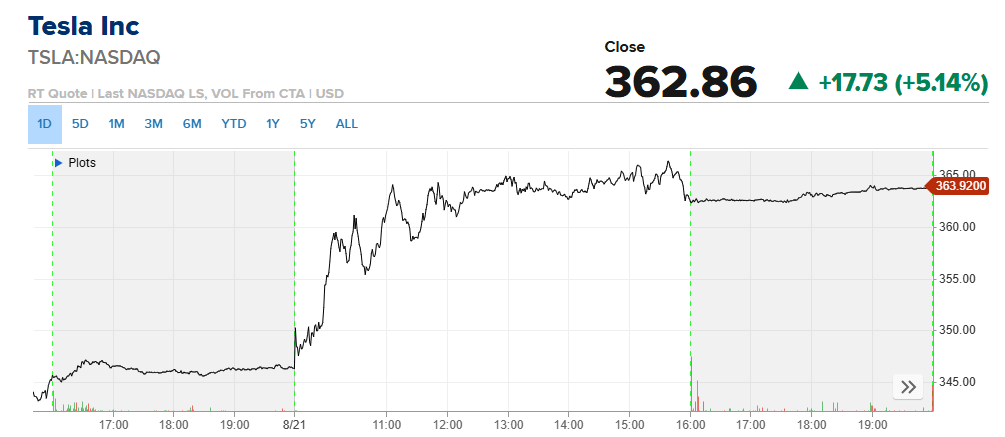
Tesla shares jumped roughly 5% Friday, marking the stock's best week since May. The catalyst wasn't the quarter — Tesla already reported soft auto profits and ballooning AI spending last month, with capital expenditures now expected to top $25 billion for the year. Instead, investors leaned into a wave of robotaxi news: a report that Tesla is preparing an August launch for its steering-wheel-free Cybercab, driverless rides already running in parts of Florida and Texas, and a Nevada Transportation Authority decision clearing the company to operate an autonomous fleet in Clark County, home to Las Vegas. Bitcoin's surge added a separate tailwind, given Tesla's sizable holdings of the cryptocurrency.
Bitcoin Drags Its Proxies Higher
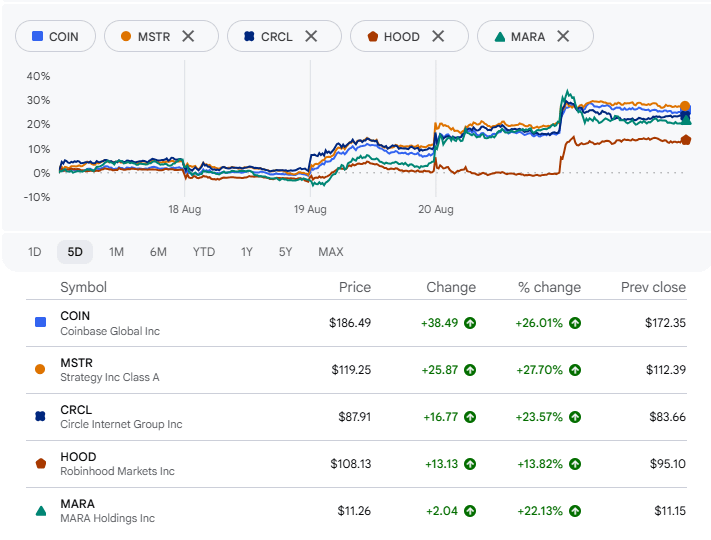
Crypto-adjacent equities extended a two-day surge as bitcoin notched a weekly advance of roughly 22%, fueled by optimism that Congress may finally move on crypto-friendly legislation. Robinhood led the group, jumping close to 14% Friday and finishing the week up 13% — its best weekly showing since early July. Coinbase gained about 8% on the day and 25% for the week, on pace for its strongest run since May of last year. Circle Internet climbed roughly 5% Friday, capping a 22% weekly advance, while MicroStrategy added more than 6% and remains up sharply for the week alongside its bitcoin holdings.
A Cancer Vaccine Rewrites the Health Care Trade
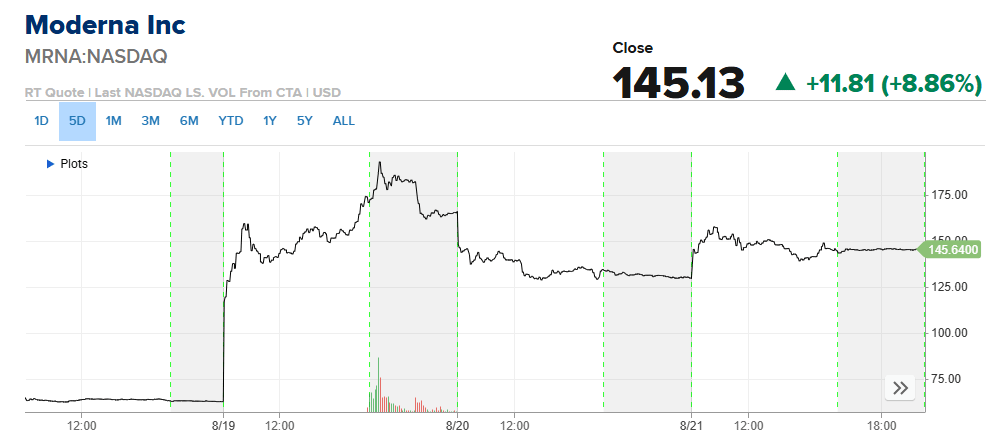
The single biggest story of the week belonged to biotech. Moderna and Merck announced Wednesday that their personalized mRNA treatment, tested alongside Merck's Keytruda, succeeded in blocking the return or spread of melanoma in a late-stage trial covering more than 1,000 patients. Moderna's stock responded with a 177% single-session surge — its largest ever — before giving back almost 24% Thursday as traders locked in gains. Friday brought another leg higher, with shares swinging up more than 9% and Merck adding roughly 2%.
Sector Performance Summary
Best-Performing Sectors
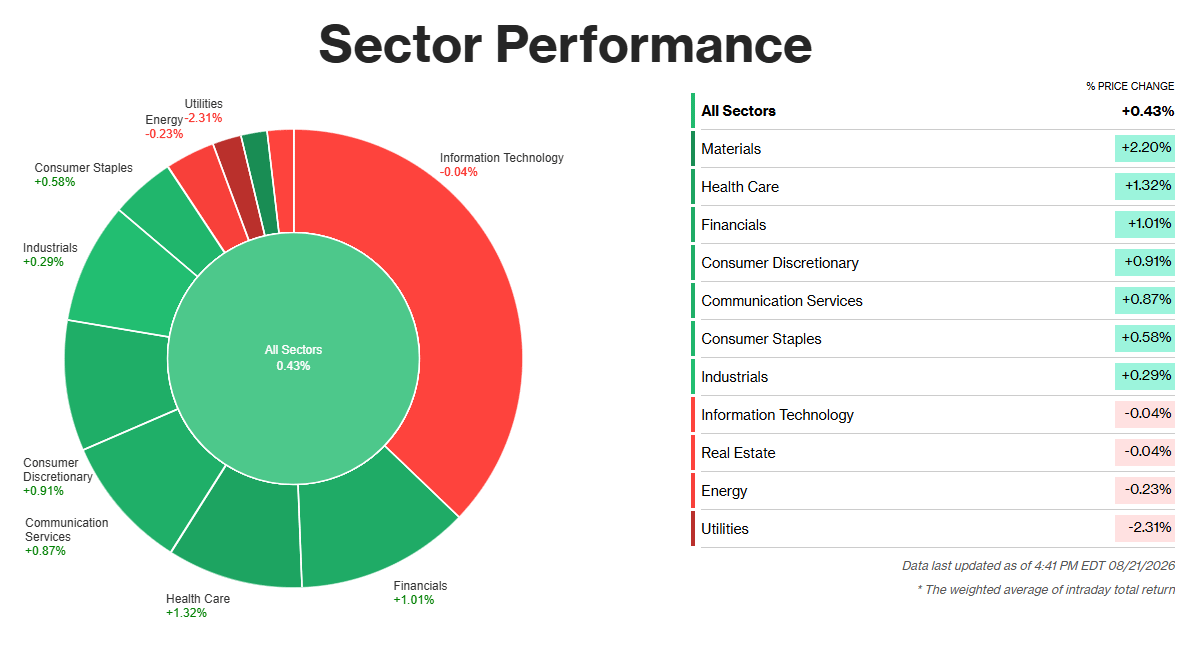
Friday's rally had real breadth behind it — seven of eleven S&P sectors finished higher, a sharp improvement from just two the day before, with several posting gains north of 0.9%. Health care led the charge and is on pace for its best week since late June. The catalyst was concrete: the Dow's gain of nearly 1% was supported by strength in Merck and Johnson & Johnson, after Moderna and Merck announced Wednesday that their combined mRNA melanoma treatment succeeded in a late-stage trial, blocking recurrence or spread of the disease in more than 1,000 patients. That's the kind of clinical read-through that moves a sector rather than just a stock — it revives the case for mRNA platforms beyond vaccines and gives investors a genuine growth story to lean on after months of the group trading as a policy-headline punching bag.
The broader bounce also had a macro assist. Treasury Secretary Scott Bessent's comments that debt buybacks could increase even further — a day after unveiling plans to double them — helped ease some of the pressure that had been building in long-dated yields, giving rate-sensitive parts of the market room to recover from Thursday's selloff.
Worst-Performing Sectors
Utilities was the lone real casualty, dropping more than 2% even as the broader market advanced — a split that says more about positioning than fundamentals. Materials, financials and health care were the early leaders Friday morning while tech and utilities slipped, and the pattern held through the close. With the equal-weighted S&P up 0.7%, the utilities weakness looks like a straightforward rotation out of bond-proxy, defensive names and into the sectors carrying fresh, stock-specific catalysts. Utilities tend to trade opposite long-term yields, and even a modest reprieve in the Treasury market was enough to strip some of the defensive premium out of the group.