

Memahami Ethereum (ETH): Pelopor Kontrak Pintar dan Aplikasi Terdesentralisasi
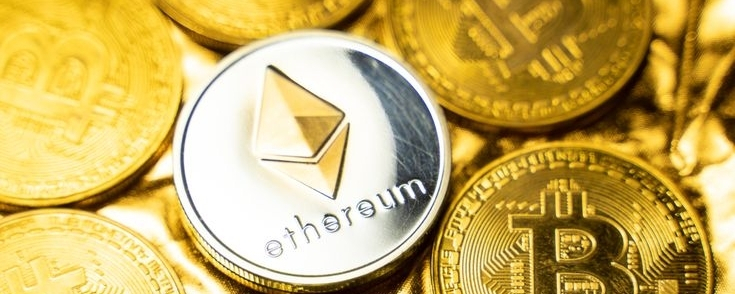
Meskipun Bitcoin memperkenalkan dunia pada uang digital terdesentralisasi, Ethereum (ETH) memperluas batas-batas teknologi blockchain dengan menciptakan jaringan global yang dapat diprogram. Diluncurkan pada 2015 oleh programmer Vitalik Buterin, Ethereum adalah mata uang kripto terbesar kedua berdasarkan kapitalisasi pasar. Ia tidak hanya berfungsi sebagai penyimpan nilai, tetapi juga sebagai "minyak digital" yang menjadi fondasi bagi ekosistem besar keuangan terdesentralisasi (DeFi), token non-fungible (NFT), dan aplikasi blockchain enterprise.
Teknologi Inti di Balik Ethereum
Dampak revolusioner Ethereum berasal dari kemampuannya untuk mengeksekusi kode sewenang-wenang secara otonom, didorong oleh dua inovasi kunci:
Kontrak Pintar: Ini adalah kontrak yang dieksekusi sendiri (self-executing) dengan ketentuan perjanjian yang ditulis langsung ke dalam baris-baris kode. Kontrak ini menghilangkan kebutuhan akan perantara tradisional seperti bank atau badan hukum, sehingga memungkinkan perjanjian otomatis yang tidak memerlukan kepercayaan (trustless).
Konsensus Proof-of-Stake (PoS): Melalui transisi bersejarahnya dari penambangan yang menghabiskan energi, Ethereum mengamankan jaringannya lewat para validator yang mempertaruhkan (stake) ETH mereka. Mekanisme ini menurunkan konsumsi energi blockchain hingga lebih dari 99% dan menghadirkan generasi hasil (yield) secara native bagi pemegang token.
Tokenomics dan Mekanisme Pembakaran EIP-1559
Token ETH berfungsi sebagai bahan bakar untuk semua operasi jaringan. Berbeda dengan Bitcoin, Ethereum tidak memiliki batas maksimum pasokan yang tetap, sehingga mempertahankan pasokan beredar sekitar 120,6 juta token. Namun, kebijakan moneter Ethereum sangat diatur oleh pembaruan ekonomi:
Biaya Gas: Setiap transaksi atau penerapan smart contract memerlukan biaya yang dibayarkan dalam ETH.
Tekanan Deflasi (EIP-1559): Sebagian besar dari biaya gas dari setiap transaksi permanen dibakar (dimusnahkan). Saat aktivitas jaringan tinggi, ETH yang dibakar lebih banyak daripada yang diciptakan, sehingga aset tersebut menjadi net-deflationary.
Adopsi Institusional dan Prospek Pasar
Ethereum telah mengukuhkan statusnya sebagai aset keuangan tingkat institusional. Setelah kejelasan regulasi yang mengonfirmasi ETH sebagai komoditas, spot Ethereum ETF (Exchange-Traded Funds) kini diperdagangkan aktif di bursa saham global. Didukung oleh komunitas pengembang Web3 terkuat dan diiringi solusi penskalaan (jaringan Layer-2), Ethereum tetap menjadi lapisan infrastruktur paling penting untuk masa depan internet terdesentralisasi.$ETH
