Tidak Akan Pernah Ada Lebih dari 21 Juta Bitcoin. Tapi Mengapa?
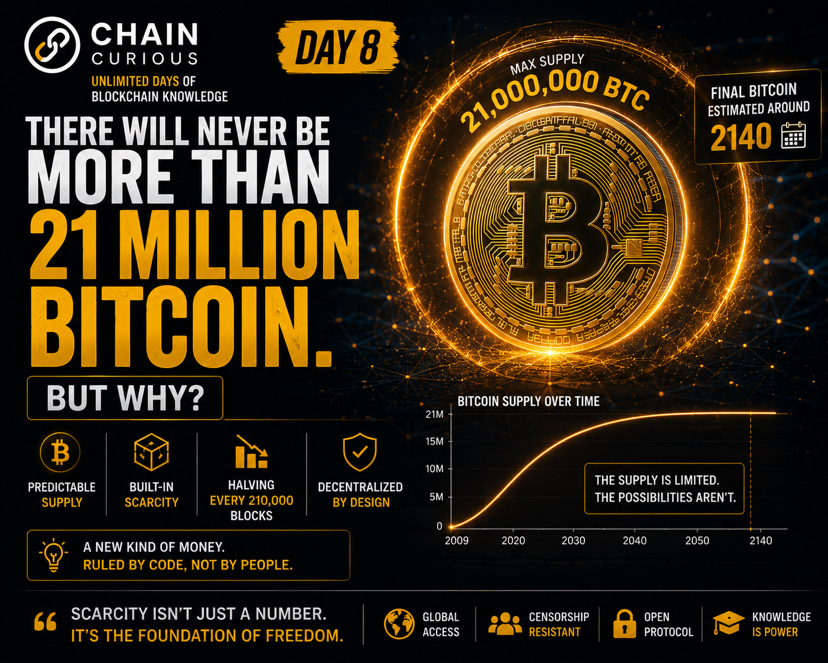
Bayangkan menemukan mata uang di mana pasokan maksimum dituliskan dalam aturannya sejak awal. Bank sentral tidak bisa begitu saja memutuskan untuk mencetak tambahan satu triliun. Tidak ada CEO yang bisa mengumumkan peningkatan pasokan baru. Tidak ada pemerintah yang bisa memilih untuk menciptakan lebih banyak Bitcoin sendiri. Ada sebuah angka yang memikat para penggemar Bitcoin sejak awal; 21.000.000 BTC.
Tapi kenapa 21 juta?
Lalu apa yang terjadi ketika Bitcoin terakhir ditambang? Mari kita gali lebih dalam.
🧩 Kenapa 21 Juta?
Bitcoin dirancang dengan jadwal penerbitan yang dapat diprediksi. Bitcoin baru masuk ke peredaran melalui imbalan penambangan. Tetapi imbalan tersebut tidak akan tetap sama selamanya. Kurang lebih setiap 210.000 blok, imbalan yang diterima penambang untuk menambahkan blok baru dipotong setengah. Peristiwa ini dikenal sebagai halving.
Hasilnya?
Bitcoin baru memasuki pasar dengan laju yang semakin menurun. Makin sedikit, lalu makin sedikit lagi, dan akhirnya, hampir tidak ada.
⏳ Apa yang Terjadi pada Pasokan Bitcoin?
Pasokan Bitcoin tidak tiba-tiba melonjak menjadi 21 juta. Bitcoin akan mendekati batas itu secara bertahap selama banyak dekade. Fraksi terakhir dari Bitcoin diperkirakan akan ditambang sekitar tahun 2140, dengan asumsi aturan protokol dan jadwal saat ini tetap berubah secara luas. Pikirkan itu. Seseorang yang lahir hari ini berpotensi hidup di dunia di mana Bitcoin masih ditambang. Tapi jumlah Bitcoin yang baru diciptakan akan sangat kecil dibandingkan tahun-tahun awal.
🤔 Mengapa Kelangkaan Itu Penting?
Di sinilah Bitcoin menjadi sangat menarik. Mata uang tradisional bisa memperluas jumlah beredarnya lewat otoritas moneter. Bitcoin mengambil pendekatan yang berbeda. Penerbitan moneter-nya dapat diprediksi, kamu bisa memeriksa aturannya. Kamu bisa melihat berapa banyak koin yang telah diciptakan. Kamu bisa memperkirakan berapa banyak yang akan diciptakan di masa depan. Itu tidak otomatis membuat Bitcoin menjadi investasi yang bagus. Tapi itu membuat kebijakan moneter-nya berbeda secara mendasar dari sistem yang keputusan pasokannya bisa berubah melalui institusi.
⚠️ Ini Bagian yang Sering Orang Lewatkan
“Hanya 21 juta Bitcoin” tidak berarti bahwa akan ada hanya 21 juta unit Bitcoin yang pernah bisa dimiliki. Satu Bitcoin bisa dibagi menjadi 100 juta satoshi. Jadi meskipun jumlah Bitcoin utuh terbatas, jaringan bisa mendukung transaksi yang sangat kecil.
Dan ada satu detail penting lagi: Batas 21 juta itu adalah aturan konsensus. Bitcoin bekerja karena para peserta sepakat untuk mengikuti aturan protokolnya. Mengubah aturan fundamental seperti itu akan memerlukan konsensus luas di seluruh ekosistem. Ini bukan sesuatu yang bisa dilakukan satu orang dengan sekadar mengaktifkannya pada Senin pagi.
🧠 Pertanyaan Besarnya
Kelangkaan saja tidak menciptakan nilai.
Emas langka, Tanah langka, Beberapa aset digital juga langka. Yang membuat Bitcoin menarik adalah kombinasi Kelangkaan + desentralisasi + penerbitan yang dapat diprediksi + akses global.
Apakah kombinasi itu pada akhirnya membuat Bitcoin sukses dalam jangka panjang adalah pertanyaan yang akan dijawab oleh masa depan. Tapi satu hal yang menarik. Kita sudah tahu kira-kira bagaimana pasokannya akan berperilaku. Dan itu intinya.
🔑 Inti Pelajaran
Bitcoin dirancang dengan jadwal pasokan yang dapat diprediksi, yang mendekati batas maksimum 21 juta BTC.
Inovasi terbesar bukan sekadar angka 21 juta. Melainkan gagasan bahwa penerbitan moneter bisa diatur oleh aturan yang transparan dan dapat diprediksi, bukan oleh keputusan yang bersifat diskresioner.
📚 Lanjut Belajar
Jika kamu ingin memverifikasi mekanismenya sendiri, mulai dari whitepaper Bitcoin yang asli dan dokumentasi pengembang Bitcoin. (Whitepaper Bitcoin — Satoshi Nakamoto & Dokumentasi Pengembang Bitcoin)
Untuk penjelasan yang ramah bagi pemula tentang pasokan Bitcoin dan mekanisme halving, baca Akademi Binance
💬 Pendapatmu
Jika pasokan Bitcoin dapat diprediksi, apakah menurutmu itu membuatnya berbeda secara mendasar dari uang tradisional? Atau kamu percaya bahwa kelangkaan saja tidak berarti tanpa adopsi yang luas? Saya benar-benar tertarik dengan alasan di balik jawabanmu.
CHAIN CURIOUS
Hari Tak Terbatas untuk Pengetahuan Blockchain.
Tetap penasaran. Terus belajar.