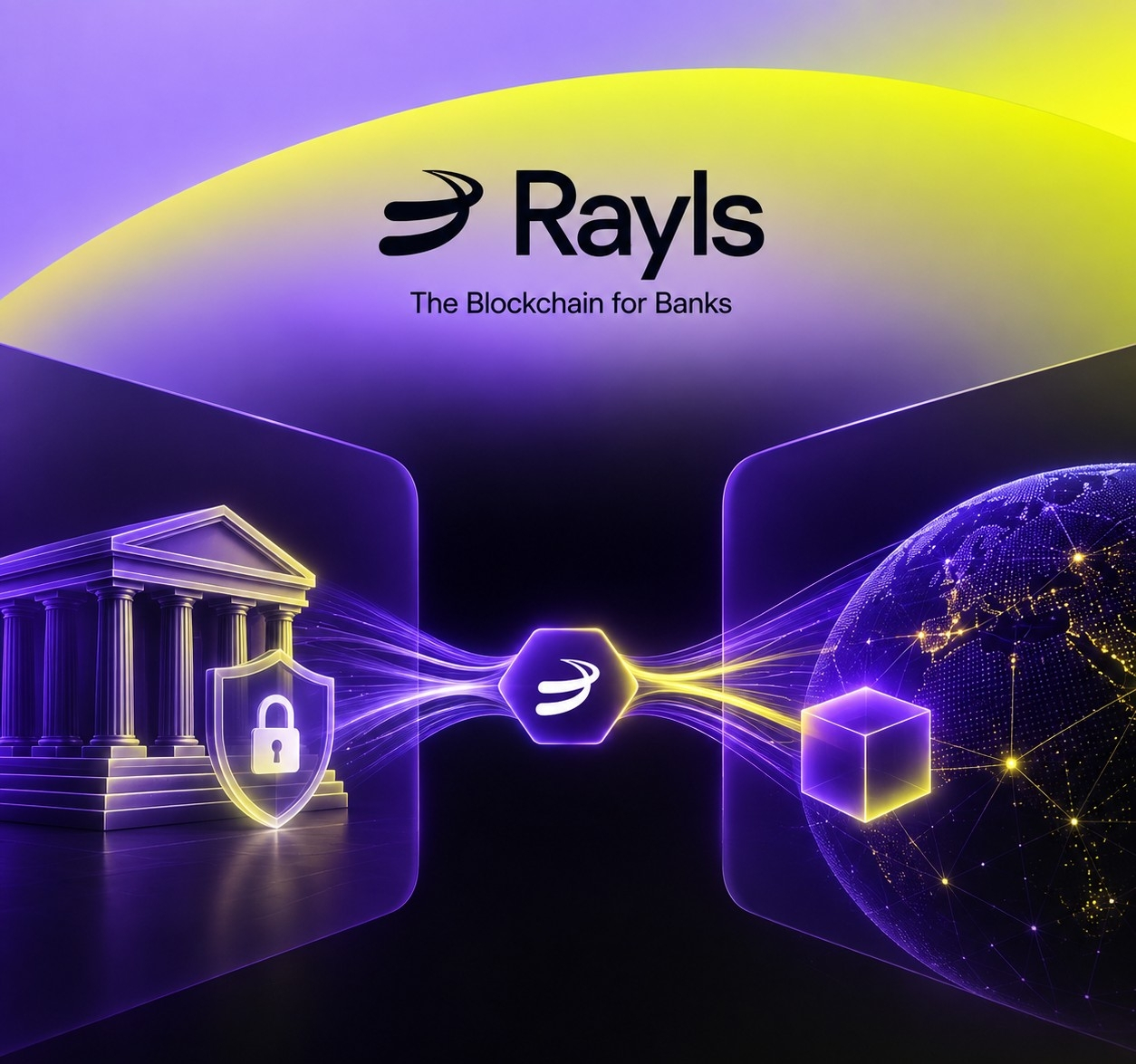
Hal yang paling banyak orang lewatkan tentang @Rayls : ini bukan sekadar rantai publik
Awalnya, saya mengira Rayls adalah blockchain lain yang bersaing memperebutkan pengguna dan TVL.
Tapi setelah menggali lebih dalam, ide aslinya baru “klik”:
👉 Rayls tidak hanya dibangun untuk DeFi terbuka
👉 Rayls dibangun untuk menghubungkan sistem keuangan privat dengan sebuah public chain
Inilah mengapa itu penting 👇
Kebanyakan institusi keuangan tidak bisa beroperasi sepenuhnya di blockchain publik
Bukan karena keterbatasan teknologi — tetapi karena:
- kebutuhan privasi data
- batasan regulasi
- kontrol risiko internal
Jadi alih-alih memaksa semuanya on-chain, Rayls melakukan sesuatu yang berbeda:
Rayls memisahkan tempat data berada dan tempat settlement terjadi
🔒 Jaringan Privat (Rayls Private)
- Institusi menjalankan lingkungan mereka sendiri
- Data sensitif tetap privat
- Kepatuhan penuh tetap terjaga
🌐 Rayls Public Chain
- Lapisan final settlement
- Terverifikasi dan transparan
- Menghubungkan banyak institusi
Hal ini menciptakan model hibrida:
➡️ Eksekusi privat
➡️ Settlement publik
Contoh nyata?
XP, sebuah institusi keuangan yang terdaftar di Nasdaq dengan jutaan klien dan aset besar yang berada dalam kustodi, sudah membangun di Rayls.
Itu bukan eksperimen uji coba
Itu infrastruktur level produksi
Mengapa desain ini benar-benar penting
Kebanyakan rantai mengoptimalkan keterbukaan
Rayls mengoptimalkan adopsi oleh sistem keuangan dunia nyata
Dan itu mengubah permainan:
- Institusi tidak perlu mengekspos data sensitif
- Pengguna tetap mendapatkan settlement yang bisa diverifikasi
- Kepatuhan dan transparansi bisa berjalan berdampingan
Kesimpulan saya
Hambatan terbesar adopsi blockchain bukan kecepatan atau biaya
Yang jadi masalah adalah kepercayaan + regulasi
Rayls tidak mencoba mengabaikannya
Rayls dibangun di sekelilingnya
Dan itulah mengapa model ini terasa lebih dekat dengan penerapan di dunia nyata dibanding kebanyakan narasi “pure public chain”
Awalnya, saya mengira Rayls adalah blockchain lain yang bersaing memperebutkan pengguna dan TVL.
Tapi setelah menggali lebih dalam, ide aslinya baru “klik”:
👉 Rayls tidak hanya dibangun untuk DeFi terbuka
👉 Rayls dibangun untuk menghubungkan sistem keuangan privat dengan sebuah public chain
Inilah mengapa itu penting 👇
Kebanyakan institusi keuangan tidak bisa beroperasi sepenuhnya di blockchain publik
Bukan karena keterbatasan teknologi — tetapi karena:
- kebutuhan privasi data
- batasan regulasi
- kontrol risiko internal
Jadi alih-alih memaksa semuanya on-chain, Rayls melakukan sesuatu yang berbeda:
Rayls memisahkan tempat data berada dan tempat settlement terjadi
🔒 Jaringan Privat (Rayls Private)
- Institusi menjalankan lingkungan mereka sendiri
- Data sensitif tetap privat
- Kepatuhan penuh tetap terjaga
🌐 Rayls Public Chain
- Lapisan final settlement
- Terverifikasi dan transparan
- Menghubungkan banyak institusi
Hal ini menciptakan model hibrida:
➡️ Eksekusi privat
➡️ Settlement publik
Contoh nyata?
XP, sebuah institusi keuangan yang terdaftar di Nasdaq dengan jutaan klien dan aset besar yang berada dalam kustodi, sudah membangun di Rayls.
Itu bukan eksperimen uji coba
Itu infrastruktur level produksi
Mengapa desain ini benar-benar penting
Kebanyakan rantai mengoptimalkan keterbukaan
Rayls mengoptimalkan adopsi oleh sistem keuangan dunia nyata
Dan itu mengubah permainan:
- Institusi tidak perlu mengekspos data sensitif
- Pengguna tetap mendapatkan settlement yang bisa diverifikasi
- Kepatuhan dan transparansi bisa berjalan berdampingan
Kesimpulan saya
Hambatan terbesar adopsi blockchain bukan kecepatan atau biaya
Yang jadi masalah adalah kepercayaan + regulasi
Rayls tidak mencoba mengabaikannya
Rayls dibangun di sekelilingnya
Dan itulah mengapa model ini terasa lebih dekat dengan penerapan di dunia nyata dibanding kebanyakan narasi “pure public chain”