
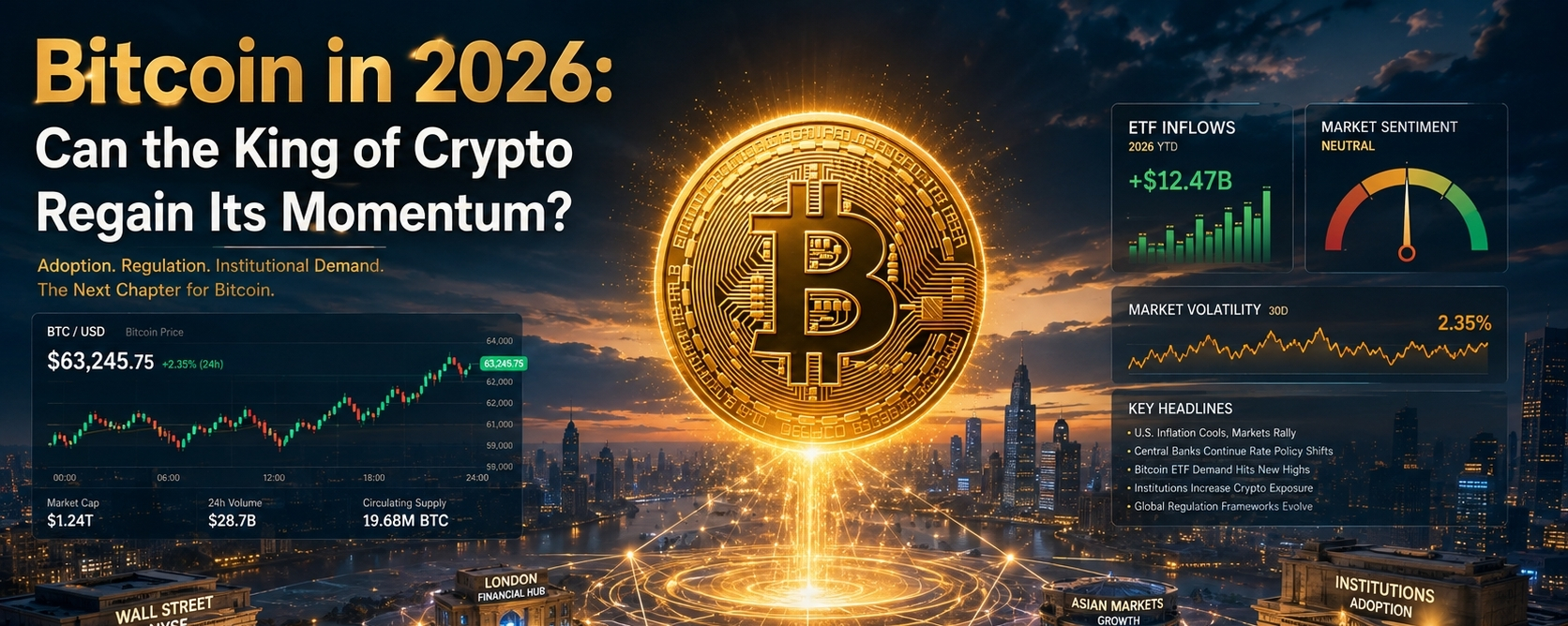

$BTC tetap menjadi mata uang kripto terbesar di dunia berdasarkan kapitalisasi pasar dan terus membentuk arah seluruh pasar aset digital. Baik Anda seorang pemula maupun investor berpengalaman, memahami posisi Bitcoin saat ini sangat penting karena pergerakan harganya sering kali memengaruhi ekosistem kripto yang lebih luas.
Setelah mengalami volatilitas yang signifikan pada tahun 2026, Bitcoin telah diperdagangkan di kisaran pertengahan $60.000. Meskipun partisipasi ritel melemah, minat institusional—terutama melalui spot Bitcoin ETF—tetap relatif tangguh, membantu menopang sentimen pasar. �
The Economic Times +1
Mengapa Bitcoin Tetap Penting
Bitcoin lebih dari sekadar cryptocurrency. Ia telah berkembang menjadi aset digital yang diakui secara global dan dipandang banyak investor sebagai penyimpan nilai jangka panjang.
Alasan utama mengapa Bitcoin tetap penting meliputi:
Pasokan terbatas 21 juta koin.
Jaringan terdesentralisasi tanpa otoritas pusat.
Keamanan yang kuat didukung oleh salah satu jaringan blockchain terbesar di dunia.
Adopsi institusional yang semakin luas.
Pengakuan yang semakin meningkat sebagai aset diversifikasi portofolio.
Seiring adopsi meluas, Bitcoin terus memainkan peran sentral dalam diskusi tentang masa depan keuangan.
Memahami Pasar Saat Ini Bitcoin
Bitcoin menghadapi beberapa tantangan sepanjang 2026, termasuk ketidakpastian makroekonomi, ketegangan geopolitik, dan perubahan sentimen investor.
Perkembangan terbaru mencakup:
Permintaan ETF institusional tetap relatif stabil meskipun partisipasi ritel melemah. �
The Economic Times
Volatilitas pasar meningkat karena peristiwa geopolitik dan penjualan Bitcoin dalam jumlah besar oleh pemegang besar. �
Barron's +1
Analis terus memantau level resistensi dan support kunci saat Bitcoin mencoba membentuk tren yang lebih kuat. �
CoinDesk
Faktor-faktor ini mengingatkan investor bahwa harga Bitcoin dipengaruhi oleh peristiwa spesifik kripto dan juga ekonomi global yang lebih luas.
Apa yang Menggerakkan Harga Bitcoin?
Beberapa faktor memengaruhi kinerja pasar BTC:
1. Investasi Institusional
Institusi keuangan besar dan penyedia ETF terus memainkan peran yang semakin penting dalam stabilitas harga Bitcoin.
2. Kelangkaan Pasokan
Hanya 21 juta Bitcoin yang akan pernah ada, sehingga kelangkaan menjadi salah satu karakteristik jangka panjangnya yang paling kuat.
3. Kondisi Makroekonomi
Suku bunga, inflasi, kebijakan bank sentral, dan ketidakpastian ekonomi global sering memengaruhi permintaan investor.
4. Sentimen Pasar
Rasa takut dan keserakahan dapat dengan cepat menggeser harga Bitcoin, terutama selama periode berita yang mengejutkan.
5. Regulasi
Kebijakan pemerintah dan regulasi kripto tetap menjadi katalis utama bagi pergerakan pasar.
Manfaat Berinvestasi di Bitcoin
Bitcoin menawarkan beberapa potensi keuntungan:
✔ Cryptocurrency paling mapan di dunia.
✔ Pasar yang sangat likuid.
✔ Pengakuan global yang kuat.
✔ Blockchain yang transparan.
✔ Penerimaan institusional yang semakin meningkat.
✔ Model kelangkaan jangka panjang.
Risiko yang Harus Dipahami Investor
Bitcoin juga memiliki risiko yang berarti:
Volatilitas harga yang tinggi.
Ketidakpastian regulasi di beberapa yurisdiksi.
Risiko keamanan jika dana disimpan dengan tidak semestinya.
Pengambilan keputusan emosional saat pasar bergejolak.
Potensi kerugian jangka pendek meskipun prospek jangka panjangnya positif.
Tidak ada investasi yang bebas risiko, dan Bitcoin tidak terkecuali.
Kesalahan Umum yang Sering Dilakukan Pemula
Banyak investor baru kesulitan karena mereka:
Beli hanya setelah harga melonjak.
Jual panik saat koreksi.
Abaikan pengelolaan risiko.
Belanjakan uang yang mampu Anda korbankan untuk kehilangan.
Simpan aset di platform yang tidak aman.
Ikuti hype media sosial alih-alih meneliti.
Menghindari kesalahan ini dapat secara signifikan meningkatkan pengambilan keputusan jangka panjang.
Tips Praktis untuk Investor Bitcoin
Jika Anda sedang mempertimbangkan Bitcoin:
Pelajari dasar-dasarnya sebelum berinvestasi.
Gunakan bursa yang tepercaya dan dompet yang aman.
Diversifikasikan, bukan hanya mengandalkan satu aset.
Berpikir jangka panjang, bukan mengejar fluktuasi harga harian.
Tetap perhatikan informasi tentang peristiwa makroekonomi dan pembaruan regulasi.
Selalu kelola risiko Anda.
Contoh Dunia Nyata
Bayangkan dua investor:
Investor A membeli Bitcoin setelah setiap reli besar karena FOMO.
Investor B berinvestasi secara bertahap dari waktu ke waktu dengan strategi yang disiplin dan berfokus pada tujuan jangka panjang.
Meskipun keduanya mengalami volatilitas, Investor B umumnya memiliki eksposur yang lebih rendah terhadap keputusan emosional untuk membeli dan menjual serta dapat memperoleh manfaat dari pendekatan yang lebih konsisten dari waktu ke waktu.
Poin Penting
Bitcoin tetap menjadi cryptocurrency terkemuka.
Adopsi institusional terus mendukung pasar meskipun permintaan ritel melemah. �
The Economic Times
Kondisi ekonomi global masih memiliki dampak signifikan terhadap harga BTC.
Volatilitas itu normal dan harus dianggap wajar.
Edukasi, kesabaran, dan pengelolaan risiko yang tepat lebih berharga daripada mencoba memprediksi setiap pergerakan pasar.
Kesimpulan
Bitcoin terus menjadi salah satu aset paling berpengaruh dalam ekonomi digital. Meskipun pergerakan harga jangka pendek tetap tidak pasti, pasokannya yang terbatas, partisipasi institusional yang terus meningkat, dan jaringan yang sudah mapan menjadikannya pusat industri kripto.
Daripada hanya fokus pada fluktuasi harga harian, investor dapat memperoleh manfaat dengan memahami teknologinya, menilai risiko dengan saksama, serta mempertahankan perspektif jangka panjang yang disiplin.
Menurut Anda, apa katalis terbesar untuk langkah besar berikutnya Bitcoin—adopsi institusional, regulasi, atau kondisi makroekonomi? Bagikan pendapat Anda di komentar dan ikut bergabung dalam #diskusi!
#USIranDealOrNoDeal #SpaceXToReportQ2Results #SpaceXFirstLockupExpiresAug6
