Bitcoin (BTC): The Digital Gold of the Future
Bitcoin (BTC) is the world's first and most popular cryptocurrency. It was introduced in 2009 by an anonymous person or group known as Satoshi Nakamoto. Bitcoin was created to enable peer-to-peer transactions without relying on banks or financial institutions.
In 2026, Bitcoin remains the leading digital asset in the cryptocurrency market. Its limited supply of only 21 million coins makes it scarce, which is why many investors refer to it as "Digital Gold." This scarcity, combined with increasing global adoption, continues to drive long-term interest in Bitcoin.
Institutional investors, hedge funds, and major corporations have increasingly recognized Bitcoin as a store of value and a hedge against inflation. The growth of Bitcoin ETFs and broader acceptance of blockchain technology have further strengthened Bitcoin's position in the financial world.
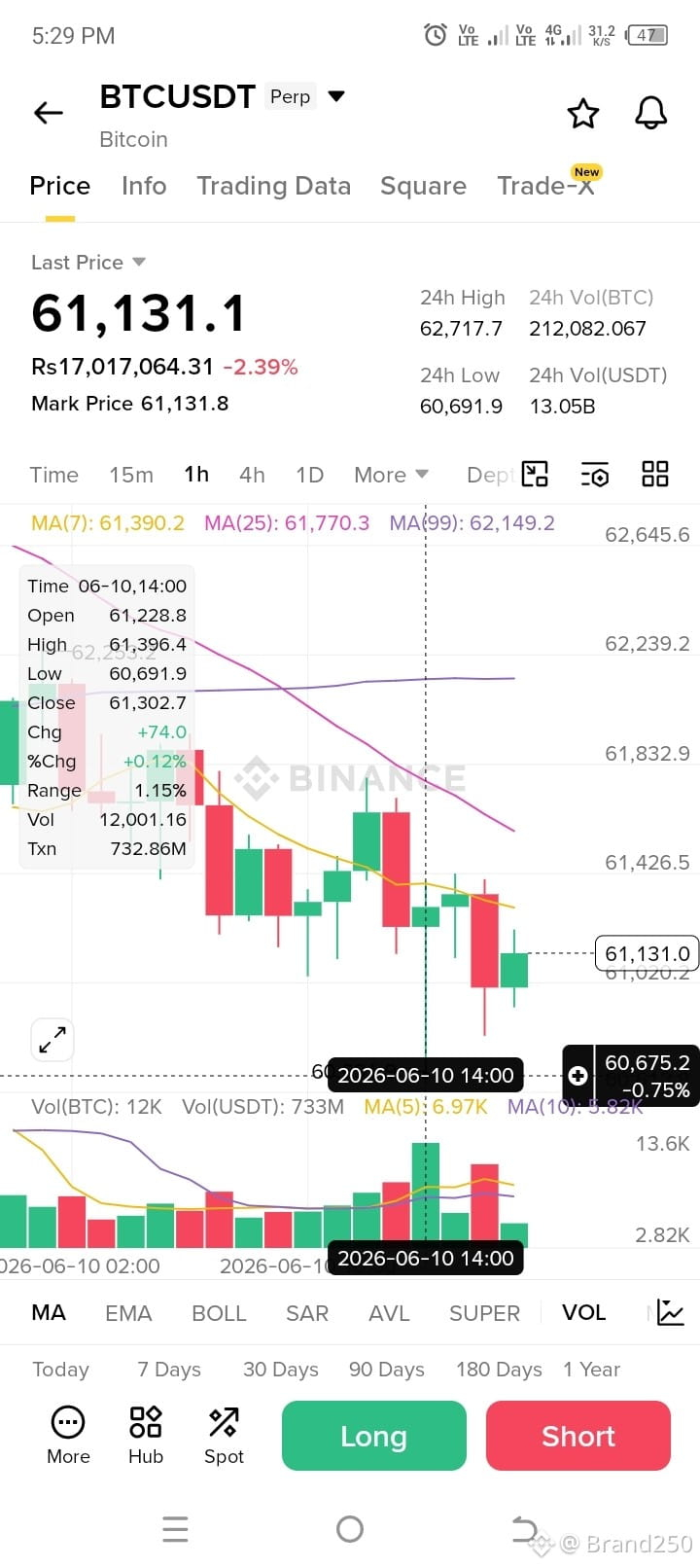
Despite short-term price volatility, Bitcoin has historically demonstrated strong long-term growth. Many analysts believe that continued adoption by institutions and retail investors could support higher valuations in the future.
However, investing in Bitcoin carries risks. Market fluctuations, regulatory developments, and macroeconomic conditions can significantly impact its price. Investors should always conduct their own research and apply proper risk management strategies.
Conclusion
Bitcoin has evolved from an experimental digital currency into a globally recognized financial asset. As blockchain technology continues to expand, Bitcoin is likely to remain at the forefront of the cryptocurrency revolution for years to come.
Bitcoin (BTC) is the world's first and most popular cryptocurrency. It was introduced in 2009 by an anonymous person or group known as Satoshi Nakamoto. Bitcoin was created to enable peer-to-peer transactions without relying on banks or financial institutions.
In 2026, Bitcoin remains the leading digital asset in the cryptocurrency market. Its limited supply of only 21 million coins makes it scarce, which is why many investors refer to it as "Digital Gold." This scarcity, combined with increasing global adoption, continues to drive long-term interest in Bitcoin.
Institutional investors, hedge funds, and major corporations have increasingly recognized Bitcoin as a store of value and a hedge against inflation. The growth of Bitcoin ETFs and broader acceptance of blockchain technology have further strengthened Bitcoin's position in the financial world.
Despite short-term price volatility, Bitcoin has historically demonstrated strong long-term growth. Many analysts believe that continued adoption by institutions and retail investors could support higher valuations in the future.
However, investing in Bitcoin carries risks. Market fluctuations, regulatory developments, and macroeconomic conditions can significantly impact its price. Investors should always conduct their own research and apply proper risk management strategies.
Conclusion
Bitcoin has evolved from an experimental digital currency into a globally recognized financial asset. As blockchain technology continues to expand, Bitcoin is likely to remain at the forefront of the cryptocurrency revolution for years to come.