
Saat Seorang Trader Menang, Siapa yang Sebenarnya Menang? Pertanyaan yang Setiap Trader Futures Harus Tanyakan
Saya adalah trader kecil. Saya bukan seorang miliarder, bukan paus, dan bukan institusi besar. Seperti jutaan pengguna lainnya, saya berdagang di Binance karena dipromosikan sebagai salah satu bursa mata uang kripto terbesar dan paling tepercaya di dunia.
Namun, setelah beberapa pengalaman trading, saya mulai mengajukan pertanyaan yang mungkin sedang dipikirkan banyak trader, tetapi takut untuk ditanyakan secara terbuka.
Perdagangan yang Membuat Saya Mempertanyakan Segalanya
Baru-baru ini, saya membuka posisi short BNBUSDT pada 733 dengan leverage 55x.
Menurut pemahaman saya, stop-loss saya seharusnya tidak terpicu. Namun posisi saya ditutup sekitar 730,322, sehingga tersisa hanya sekitar $19 keuntungan.
Apa yang terjadi setelah itu membuat situasinya semakin membuat frustrasi.
Setelah posisi saya ditutup, BNB terus turun dan akhirnya mencapai sekitar 700.
Seandainya posisi saya tetap dibuka, saya bisa mendapatkan hampir $300 keuntungan lagi.
Sebagai seorang trader, saya dibiarkan bertanya satu pertanyaan sederhana:
Siapa yang bertanggung jawab untuk ini?
Jika posisi itu memang seharusnya ditutup, lalu jelaskan dengan jelas kenapa.
Jika ada sistem yang berjalan di latar belakang yang tidak sepenuhnya dipahami pengguna, mengapa sistem tersebut tidak dijelaskan dengan lebih transparan?
Penjelasan Mark Price Tidak Cukup
Setiap kali trader mengeluh tentang penutupan yang tidak terduga, respons yang umum adalah:
"Kemungkinan besar itu Mark Price."
Namun jawaban itu justru memunculkan lebih banyak pertanyaan lagi.
Jika begitu banyak pengguna bingung dengan Mark Price, mekanisme likuidasi, dan pemicu stop-loss, maka mungkin masalahnya bukan hanya pada para trader.
Bursa terbesar di dunia tidak boleh hanya berkata:
"Begitulah cara kerja sistem."
Sebaliknya, seharusnya bertanya:
"Bagaimana cara membuat sistem lebih mudah dipahami dan lebih aman bagi pengguna?"
Banyak trader baru tidak sepenuhnya memahami perbedaan antara Last Price, Mark Price, harga likuidasi, harga pemicu, dan harga eksekusi.
Jika kebingungan terjadi dalam skala sebesar itu, mungkin bursa harus mengambil tanggung jawab yang lebih besar untuk mengedukasi pengguna sebelum mengizinkan mereka berdagang produk dengan leverage tinggi.
Kekhawatiran Utama Saya Bukan Leverage
Sebelum siapa pun mengatakannya, saya sepenuhnya paham bahwa leverage tinggi memiliki risiko tinggi.
Jika saya memilih leverage 55x, 100x, atau bahkan 125x, saya menerima bahwa harga likuidasi akan jauh lebih dekat.
Itu bukan perhatian utama saya.
Kekhawatiran saya adalah keseimbangan keseluruhan antara risiko dan imbal hasil.
Dalam banyak kasus, trader menghadapi:
Harga likuidasi yang sangat dekat.
Biaya trading saat membuka dan menutup posisi.
Biaya pendanaan pada kondisi pasar tertentu.
Biaya slippage dan spread.
Risiko Mark Price.
Risiko pemicu stop-loss.
Namun setelah menerima semua risiko ini, imbal hasil yang sebenarnya sering terasa sangat kecil secara mengejutkan.
Trader menanggung sebagian besar risiko, sementara bursa tetap mendapatkan biaya apa pun hasilnya—baik trader menang maupun kalah.
Itulah kekayaannya.
Rasio Risiko-Imbal Hasil Terasa Timpang
Misalnya, saya memiliki posisi ETH dengan leverage 125x.
Harga likuidasi hanya berjarak beberapa dolar dari entry saya.
Pergerakan kecil yang merugikan bisa menghapus posisi tersebut.
Namun untuk menghasilkan return yang signifikan, pasar masih harus bergerak cukup jauh ke arah yang menguntungkan saya.
Ini menimbulkan pertanyaan yang jelas:
Mengapa likuidasi bisa datang begitu cepat sementara keuntungan yang berarti membutuhkan pergerakan yang jauh lebih besar?
Saya paham matematika leverage menjelaskan sebagian dari ini.
Namun dari sudut pandang trader, risikonya tampak meningkat jauh lebih cepat daripada imbal hasil.
Jika leverage meningkatkan risiko secara drastis, apakah bursa juga harus mencari cara untuk memperbaiki sisi imbal hasil dari persamaan tersebut?
Biaya: Pembunuh Keuntungan yang Senyap
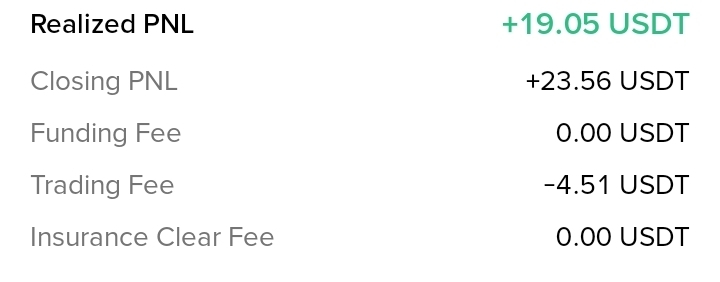
Salah satu trading saya menunjukkan:
Keuntungan saat menutup: kira-kira $23,56
Biaya trading: kira-kira $4,51
Artinya, hampir 20% dari keuntungan hilang hanya dari biaya.
Pikirkan itu baik-baik.
Jika trader kecil kehilangan 20% dari trading yang menguntungkan hanya karena biaya, berapa yang dibayar trader besar selama berbulan-bulan dan bertahun-tahun?
Jumlahnya jutaan dolar secara kolektif.
Bursa membutuhkan pendapatan, dan tidak ada yang mengharapkan mereka beroperasi secara gratis.
Tapi trader juga pantas bertanya:
Pada titik apa biaya menjadi berlebihan?
Seberapa besar keberhasilan seorang trader diserap oleh biaya transaksi?
Mengapa Trader Harus Menerima Semua Risiko?
Pasar itu berisiko.
Kerugian terjadi.
Likuidasi terjadi.
Tidak ada yang meminta bursa menjamin keuntungan.
Namun ada perbedaan antara risiko pasar dan kelemahan struktural.
Ketika trader terekspos pada:
Risiko likuidasi
Risiko stop-loss
Biaya pendanaan
Biaya trading
Slippage
sementara bursa terus mengumpulkan biaya apa pun hasilnya, wajar untuk mempertanyakan apakah keseimbangannya benar-benar berpihak pada trader.
Banyak pengguna mungkin merasa mereka mengambil risiko yang sangat besar sambil menerima imbal hasil yang relatif terbatas.
Apakah Bursa Menjadi Terlalu Nyaman?
Setiap bursa mulai dengan menarik pengguna.
Mereka menjanjikan inovasi, transparansi, dan peluang yang lebih baik.
Namun setelah sebuah bursa menjadi dominan, beberapa trader mulai bertanya:
Apakah bursa masih bersaing untuk mendapatkan trader?
Atau apakah trader hanya diharapkan menerima saja kondisi apa pun yang ditawarkan?
Tidak ada perusahaan yang seharusnya percaya bahwa pengguna mereka tidak punya tempat lain untuk pergi.
Kompetisi ada karena suatu alasan.
Jika platform lain menawarkan:
Biaya lebih rendah
Transparansi lebih baik
Insentif yang lebih baik bagi trader
Penjelasan risiko yang lebih jelas
maka para trader punya setiap hak untuk mencari alternatif.
Trader Berhak atas Lebih Banyak Transparansi
Saya tidak mengklaim bahwa Binance atau bursa lain menyembunyikan sesuatu.
Saya mengajukan pertanyaan.
Pertanyaan yang banyak trader diam-diam tanyakan pada diri mereka sendiri setelah kerugian yang tidak terduga, keuntungan yang terlewat, dan hasil trading yang membingungkan.
Pertanyaan seperti:
Mengapa posisi saya ditutup?
Mengapa likuidasi begitu dekat?
Mengapa biaya begitu tinggi dibandingkan keuntungan?
Mengapa banyak pengguna baru kesulitan memahami cara kerja mekanisme futures?
Apakah bursa bisa melakukan lebih banyak untuk mengedukasi dan melindungi trader?
Ini adalah pertanyaan yang masuk akal.
Pemikiran Penutup
Artikel ini tidak bertujuan menyerang bursa mana pun.
Ini tentang mendorong diskusi.
Trader menyediakan likuiditas.
Trader menghasilkan volume.
Trader menciptakan bisnis.
Tanpa trader, bursa tidak akan ada.
Itulah sebabnya trader harus terus mengajukan pertanyaan, menuntut transparansi, membandingkan platform, dan mendorong industri untuk menjadi lebih baik.
Pasar seharusnya menantang karena persaingan, analisis, dan risiko—bukan karena pengguna kesulitan memahami aturan sistem itu sendiri.
Tujuannya sederhana:
Lingkungan trading yang lebih adil dan lebih transparan, di mana trader benar-benar memahami risiko yang mereka ambil, biaya yang mereka bayarkan, dan imbal hasil yang secara realistis bisa mereka harapkan sebagai balasannya.


Artikel
Saat Seorang Trader Menang, Siapa yang Sebenarnya Menang? Pertanyaan yang Setiap Trader Futures Harus Tanyakan
Saya adalah trader kecil.