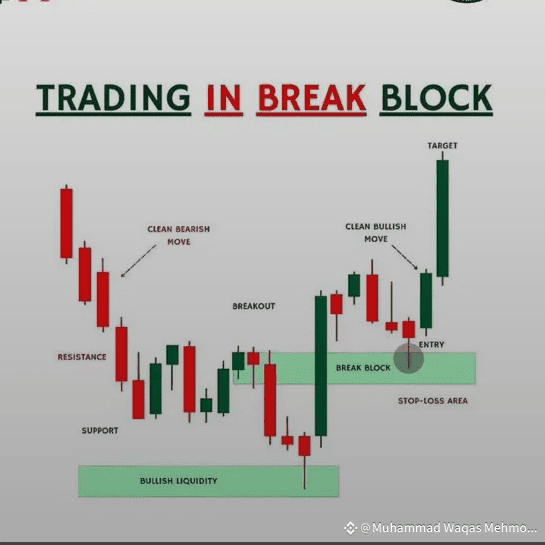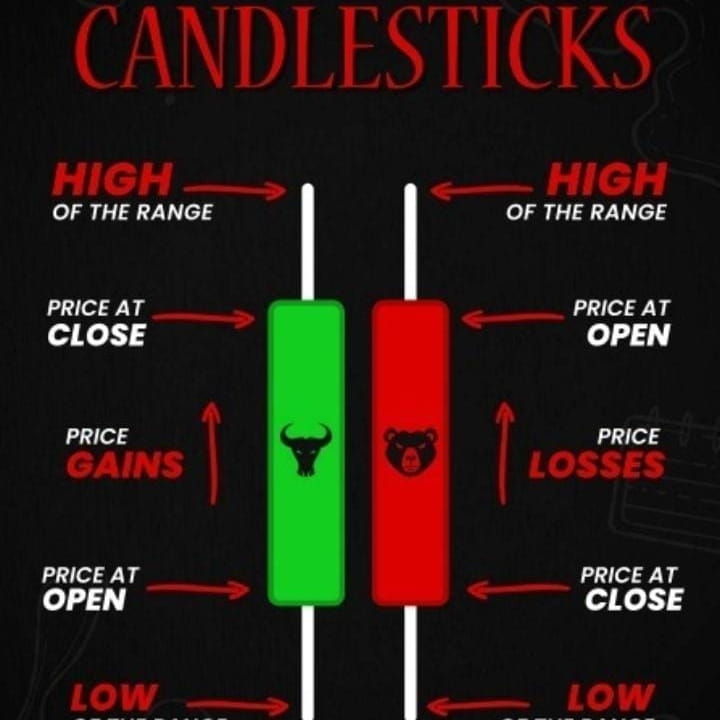
A breaker block is a specific candlestick pattern used in technical analysis to identify potential reversals in market trends. It's particularly useful for traders looking to spot shifts in market sentiment.
Key Characteristics of a Breaker Block:
1. *Structure*: A breaker block typically consists of a strong candle that breaks the structure of the previous candles. This can be a large bullish or bearish candle that indicates a potential shift in market direction.
2. *Market Structure Break*: The breaker block often occurs after a significant move in price, where the market structure is broken, indicating a potential reversal or change in trend.
3. *Confirmation*: Traders often look for confirmation of the breaker block through subsequent price action, such as a follow-through in the direction of the breaker block.
How to Identify a Breaker Block:
1. *Look for a Strong Candle*: Identify a strong candle that breaks the structure of previous candles. This candle should have a large body and minimal wicks, indicating strong buying or selling pressure.
2. *Check the Market Structure*: Ensure that the breaker block occurs at a significant market structure level, such as a support or resistance level.
3. *Confirm the Breaker Block*: Wait for confirmation of the breaker block through subsequent price action.
Using Breaker Blocks in Trading:
1. *Reversal Signals*: Breaker blocks can be used as reversal signals, indicating a potential change in market direction.
2. *Entry and Exit Points*: Traders can use breaker blocks to identify potential entry and exit points for trades.
3. *Risk Management*: Breaker blocks can also be used to manage risk by setting stop-loss levels or adjusting position sizes.
By understanding and identifying breaker blocks, traders can gain insights into potential market reversals and make more informed trading decisions.
Key Characteristics of a Breaker Block:
1. *Structure*: A breaker block typically consists of a strong candle that breaks the structure of the previous candles. This can be a large bullish or bearish candle that indicates a potential shift in market direction.
2. *Market Structure Break*: The breaker block often occurs after a significant move in price, where the market structure is broken, indicating a potential reversal or change in trend.
3. *Confirmation*: Traders often look for confirmation of the breaker block through subsequent price action, such as a follow-through in the direction of the breaker block.
How to Identify a Breaker Block:
1. *Look for a Strong Candle*: Identify a strong candle that breaks the structure of previous candles. This candle should have a large body and minimal wicks, indicating strong buying or selling pressure.
2. *Check the Market Structure*: Ensure that the breaker block occurs at a significant market structure level, such as a support or resistance level.
3. *Confirm the Breaker Block*: Wait for confirmation of the breaker block through subsequent price action.
Using Breaker Blocks in Trading:
1. *Reversal Signals*: Breaker blocks can be used as reversal signals, indicating a potential change in market direction.
2. *Entry and Exit Points*: Traders can use breaker blocks to identify potential entry and exit points for trades.
3. *Risk Management*: Breaker blocks can also be used to manage risk by setting stop-loss levels or adjusting position sizes.
By understanding and identifying breaker blocks, traders can gain insights into potential market reversals and make more informed trading decisions.