
0x 十三东生
2.1k Posts

0x 十三东生
对我而言,Web3不仅是技术演进,更是生产关系的变革。
Open Trade
High-Frequency Trader
7.1 Years
3.8K+ Following
1.2K+ Followers
1.5K+ Liked
Posts
Portfolio
All
Quotes
Videos
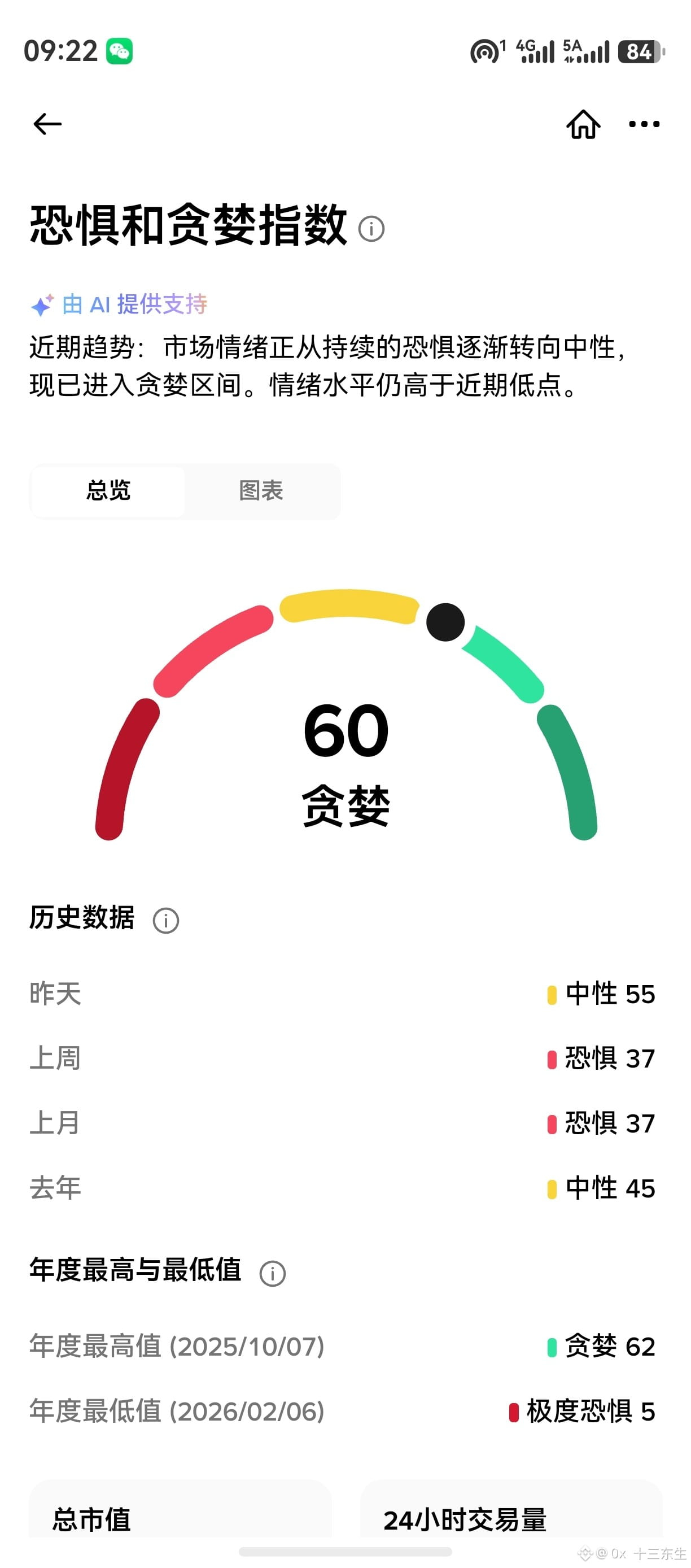
Will this greed index reach 90
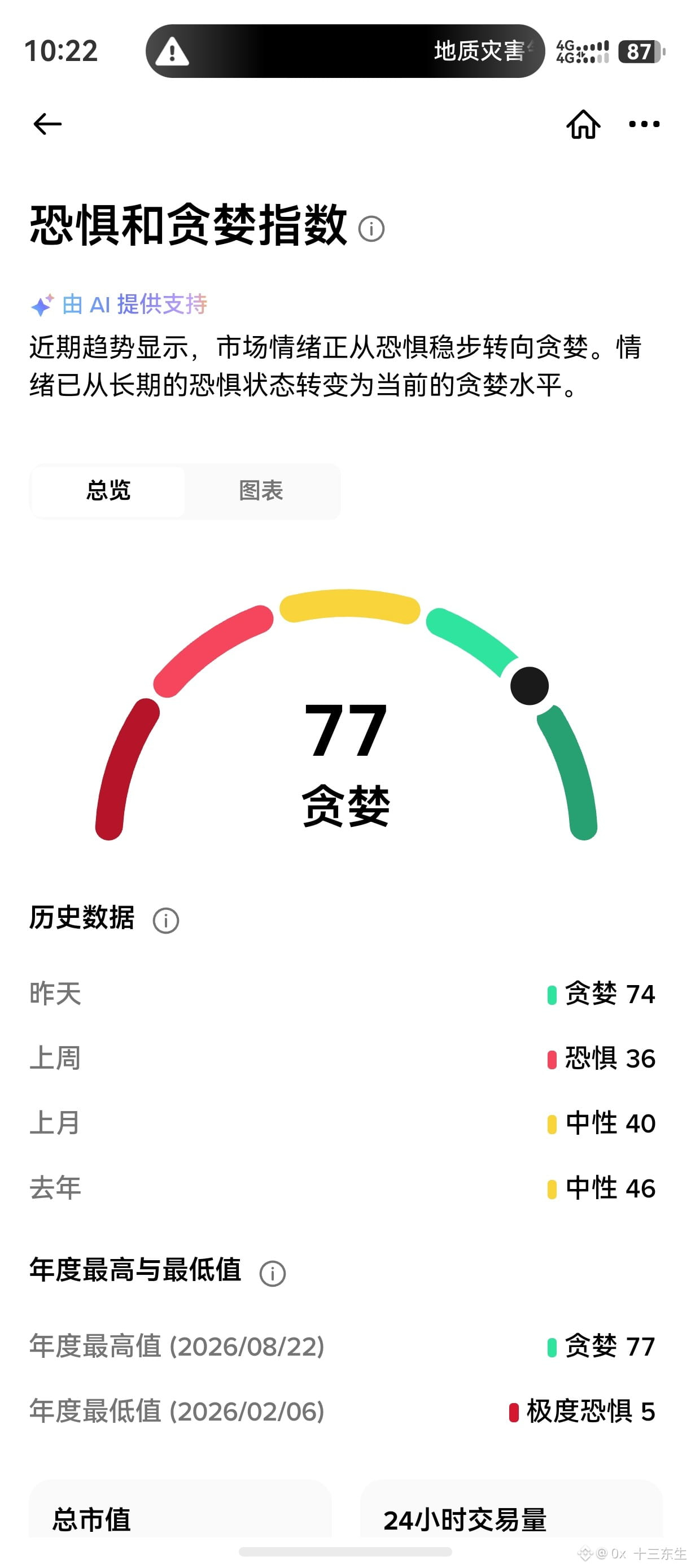
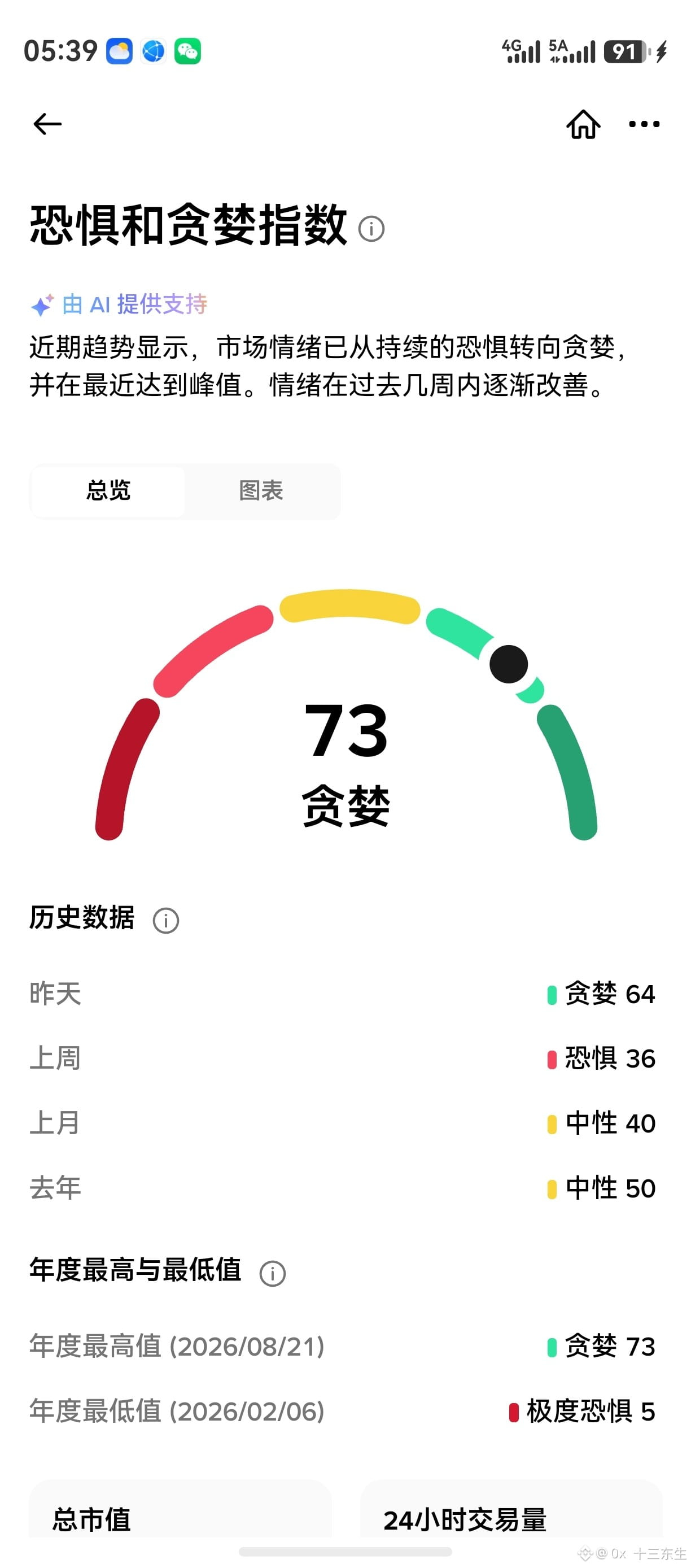
#termmax @TermMax Today I learned about TermMax. It is a protocol on-chain that provides fixed-rate lending and options trading. Unlike DeFi protocols with floating interest rates, a fixed term + fixed interest rate can help users avoid interest-rate volatility risk, making it a very valuable DeFi infrastructure tool.
The Ox Comes
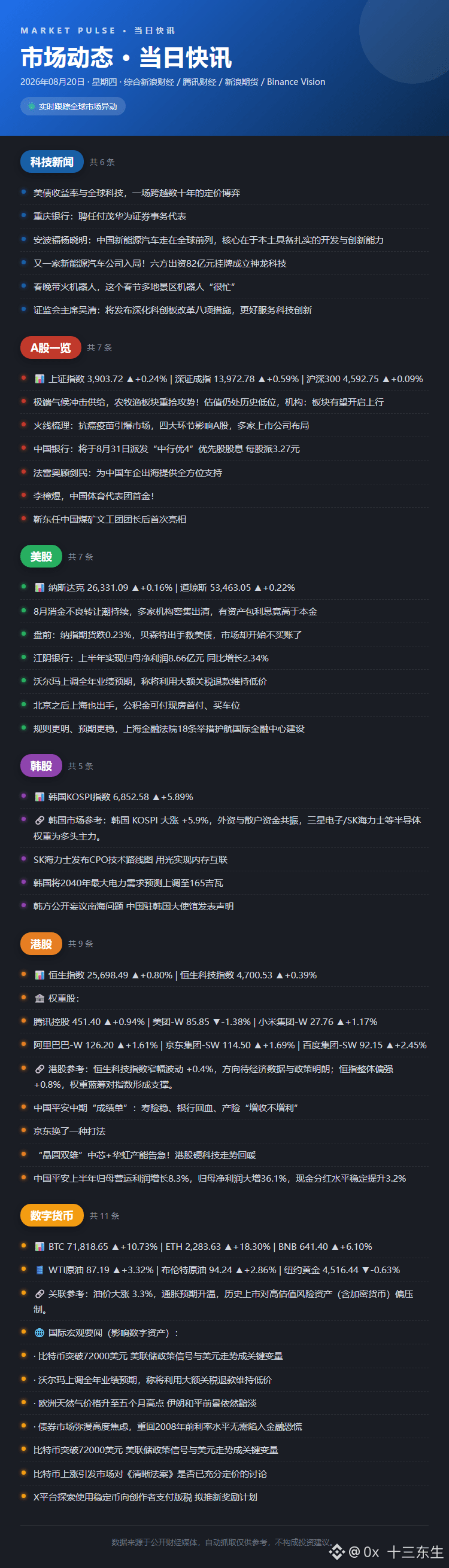
Market Updates Today’s News
Spot on.

哈哈老板娘Mrs smile
·
--
Once a person has truly experienced the positive feedback that a career brings, it’s hard to stop growing. What really makes someone addicted is not wealth, nor other people’s approval, but the moment they realize that everything they have comes from their own abilities and creativity. Wealth, opportunities, and respect will follow. And every day, waking up knowing they are becoming stronger—this process of continuously creating value is, in itself, the greatest reward.
This fan baby’s question is excellent. Here’s my answer!
Give yourself a pat on the back—I’m awesome.
This fan baby’s question is excellent. Here’s my answer!
Give yourself a pat on the back—I’m awesome.

Added more data, gathered more data, and tested for a few days.

Market Updates Today’s Quick News
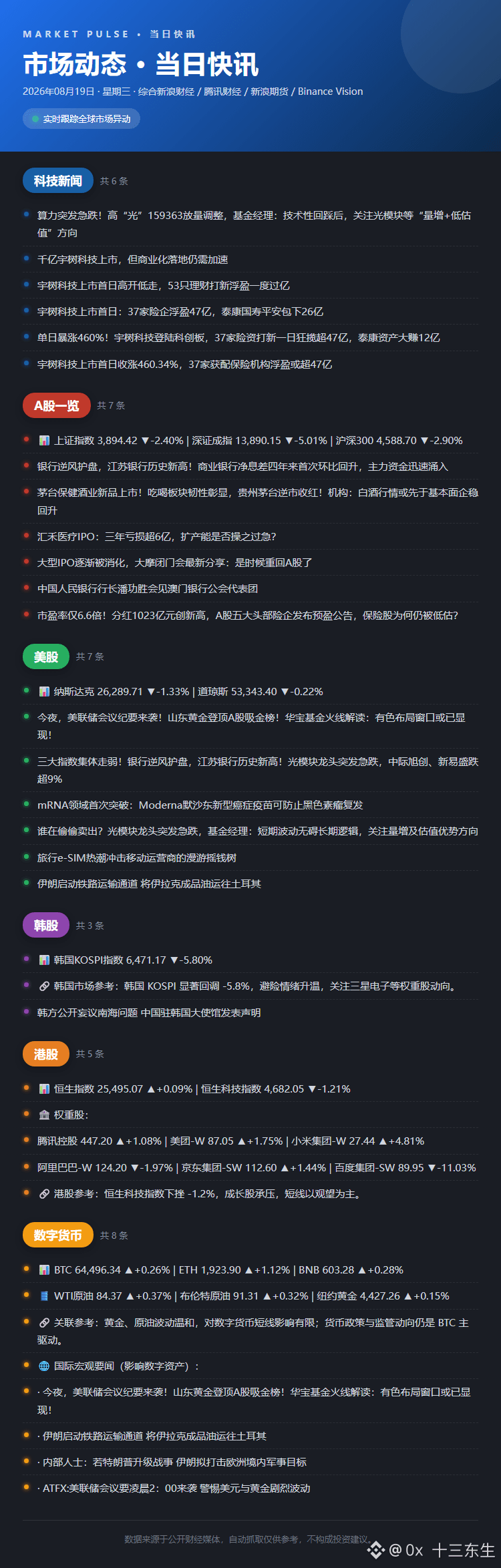
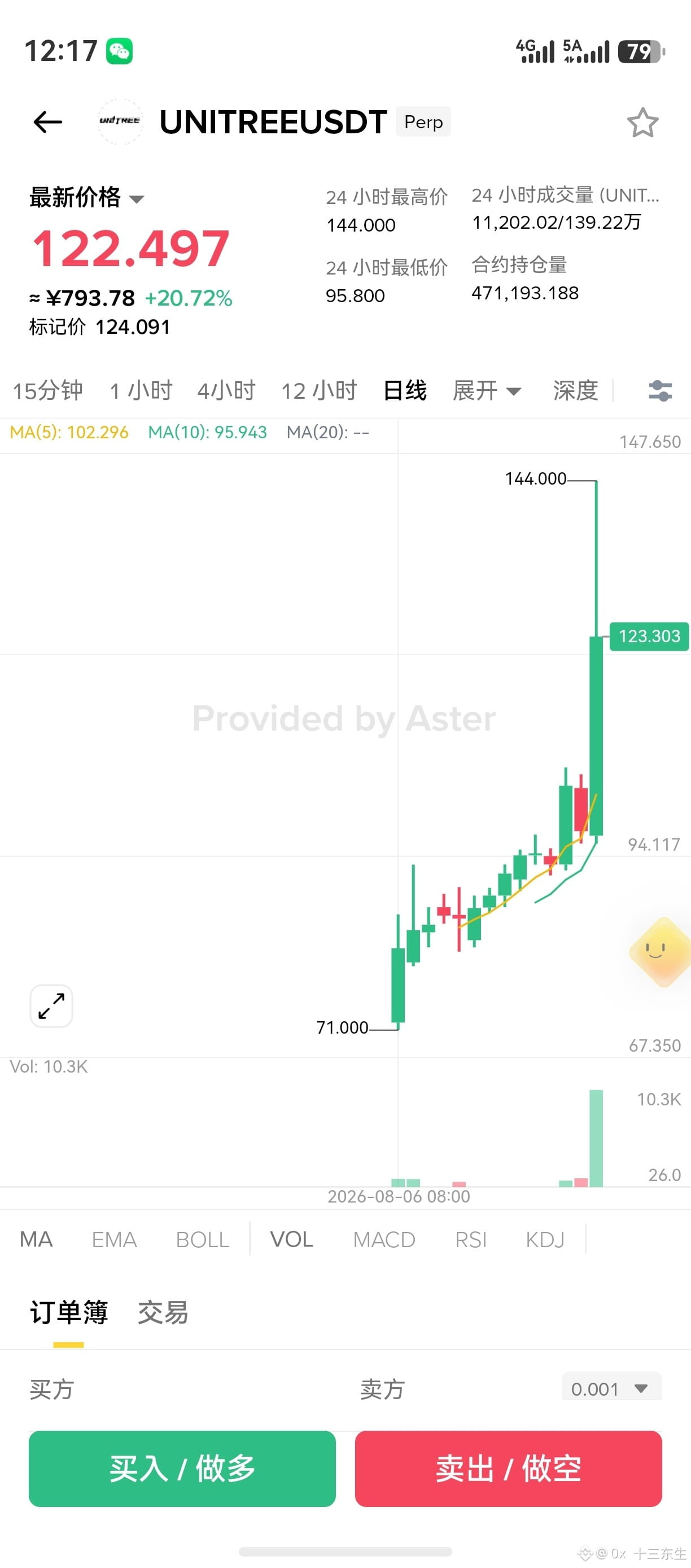
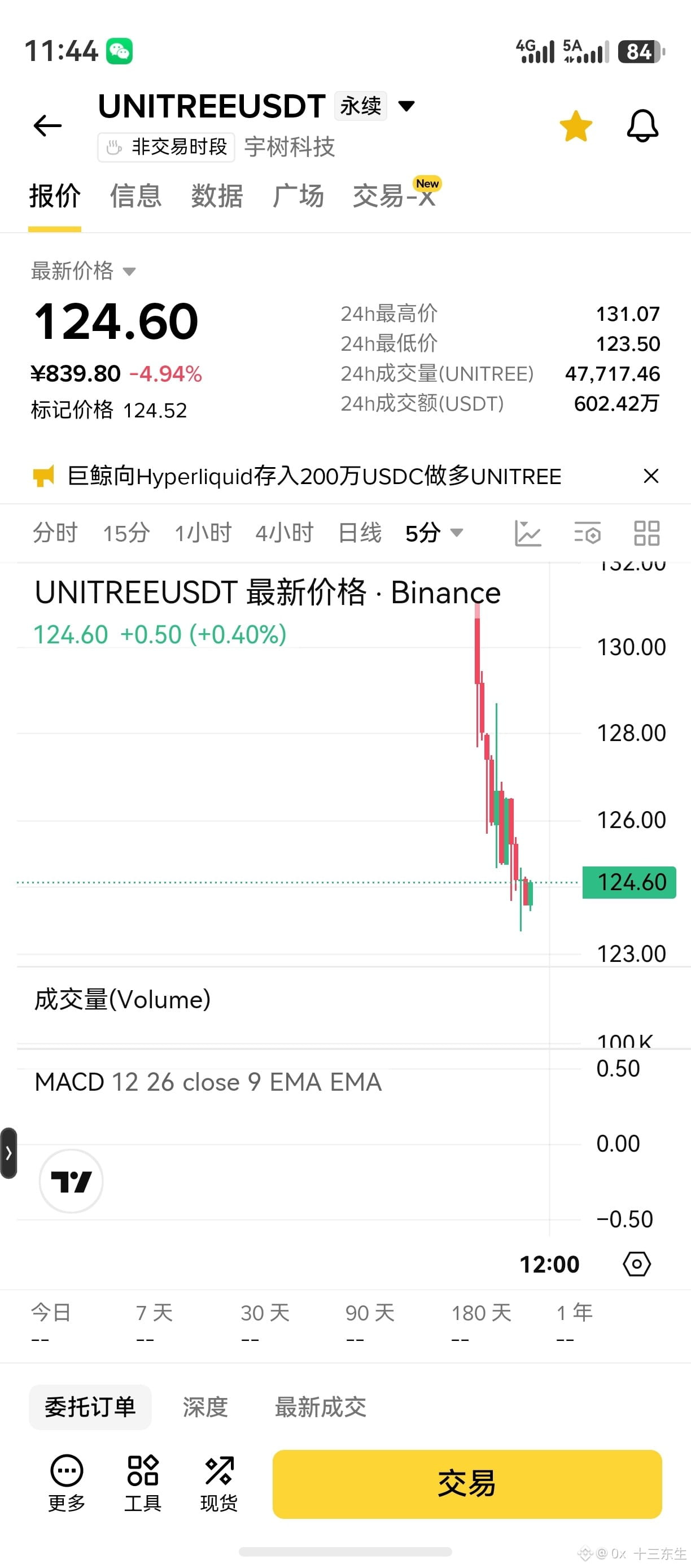
Market Updates Today’s Headlines
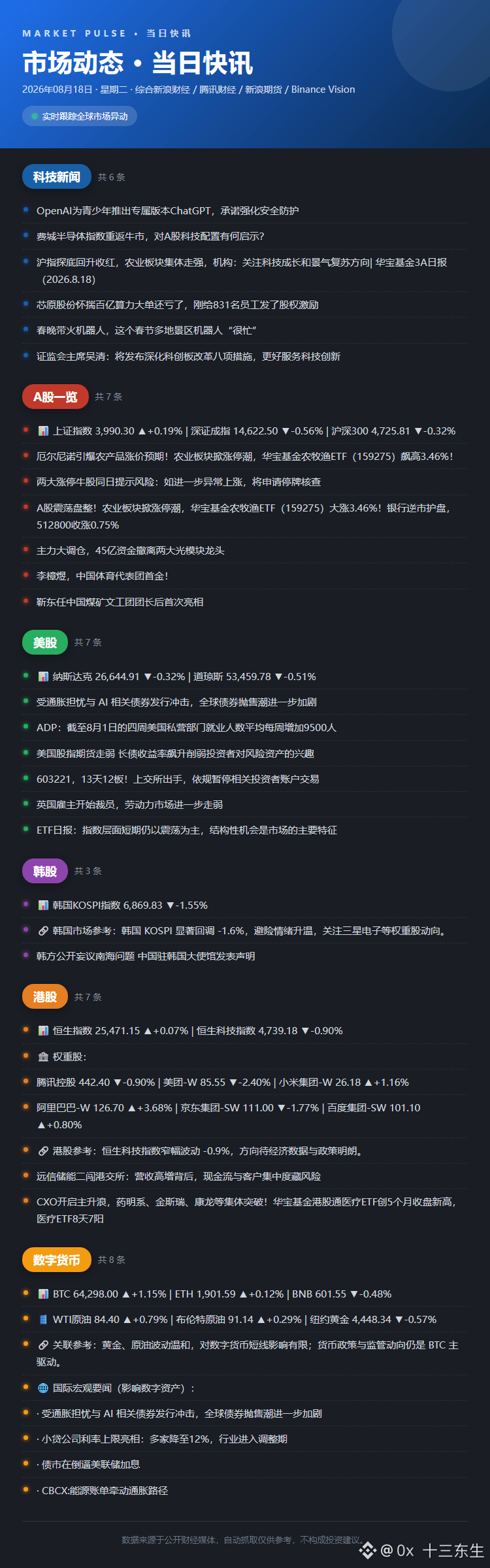
Mathematical Model Perspective (Plain Talk)
① Water Tank Inflow / Outflow (Fund Flow Continuity) The outflow outlet (money is leaving): BTC ETF net outflows (single day 145 million + 3 consecutive days), Strategy/Metaplanet/Jump selling coins, exchange profits declining (Upbit -73%), mining firms pivoting to AI. The inflow outlet (money is coming in): institutional treasuries continuing to buy (BitMine/Sharplink), Norway’s sovereign wealth fund +60.5%, Goldman Sachs grabbing ETF shares, Nvidia 500 billion in AI financing + Micron 250 million AI fund (external capital into AI → indirectly supporting storage). Judgment: the overall water level in the pool is falling (shrinking volume, prices have been down for 6 straight days), but the inflow outlet has switched to “long-money institutions,” while retail’s quick money is leaving. In the short term the water level is dropping, and the structure is optimizing—this is the typical look of “liquidation/clearing.”
② Keyword Clustering (What the market story is) High-frequency words: AI (most frequent, split into “hot + risk” in two halves), storage/chips, stablecoins/RWA implementation, institutions taking over, safety/scams, regulation closing in. Main storyline = “the old crypto circle is cooling off; AI and compliance are linking up.” AI is the absolute volume king; stablecoins/RWA is the most concrete direction; storage is the hardest “performance” direction.
③ Signal Resonance (Multi-source verification) Already verified strong resonance: stablecoin/RWA compliance (5+ sources), storage/AI sector is hot (multiple markets), institutional takeover (multiple sources). Explanation: these are not single-piece noise, but trend signals worth putting on a long-term watchlist.
④ The Good vs. Bad Balance (Bull/Bear Scoring) Bullish side: stablecoin compliance landing, continued institutional buying, storage performance hard, BTC decoupling from U.S. equities, RWA growth, multiple-track progress from the U.S./Hong Kong/Russia. Risk side: BTC falling for 6 straight days breaking the trend line, Jane Street’s 15 billion liquidation (AI leverage), Coldcard hacked and stolen 112.7 million, ETF net outflows, the Fed hawkish stance, Iran geopolitical risk. Scoring: in the short term the scale tilts toward risk (about 60:40 risk:good news), but in the medium to long term it tilts toward the bullish side (institutions + compliance + storage). Compared with the “roughly balanced but slightly risk-leaning” tone from the past few weeks, the risk is a bit heavier.
① Water Tank Inflow / Outflow (Fund Flow Continuity) The outflow outlet (money is leaving): BTC ETF net outflows (single day 145 million + 3 consecutive days), Strategy/Metaplanet/Jump selling coins, exchange profits declining (Upbit -73%), mining firms pivoting to AI. The inflow outlet (money is coming in): institutional treasuries continuing to buy (BitMine/Sharplink), Norway’s sovereign wealth fund +60.5%, Goldman Sachs grabbing ETF shares, Nvidia 500 billion in AI financing + Micron 250 million AI fund (external capital into AI → indirectly supporting storage). Judgment: the overall water level in the pool is falling (shrinking volume, prices have been down for 6 straight days), but the inflow outlet has switched to “long-money institutions,” while retail’s quick money is leaving. In the short term the water level is dropping, and the structure is optimizing—this is the typical look of “liquidation/clearing.”
② Keyword Clustering (What the market story is) High-frequency words: AI (most frequent, split into “hot + risk” in two halves), storage/chips, stablecoins/RWA implementation, institutions taking over, safety/scams, regulation closing in. Main storyline = “the old crypto circle is cooling off; AI and compliance are linking up.” AI is the absolute volume king; stablecoins/RWA is the most concrete direction; storage is the hardest “performance” direction.
③ Signal Resonance (Multi-source verification) Already verified strong resonance: stablecoin/RWA compliance (5+ sources), storage/AI sector is hot (multiple markets), institutional takeover (multiple sources). Explanation: these are not single-piece noise, but trend signals worth putting on a long-term watchlist.
④ The Good vs. Bad Balance (Bull/Bear Scoring) Bullish side: stablecoin compliance landing, continued institutional buying, storage performance hard, BTC decoupling from U.S. equities, RWA growth, multiple-track progress from the U.S./Hong Kong/Russia. Risk side: BTC falling for 6 straight days breaking the trend line, Jane Street’s 15 billion liquidation (AI leverage), Coldcard hacked and stolen 112.7 million, ETF net outflows, the Fed hawkish stance, Iran geopolitical risk. Scoring: in the short term the scale tilts toward risk (about 60:40 risk:good news), but in the medium to long term it tilts toward the bullish side (institutions + compliance + storage). Compared with the “roughly balanced but slightly risk-leaning” tone from the past few weeks, the risk is a bit heavier.
Today News Today's Updates
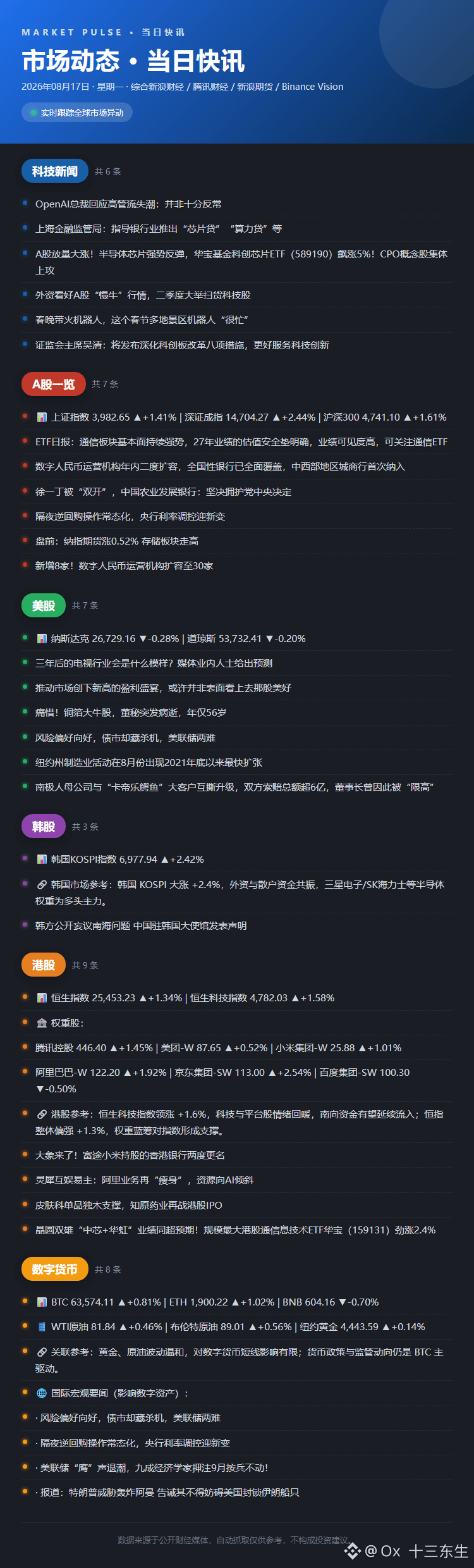

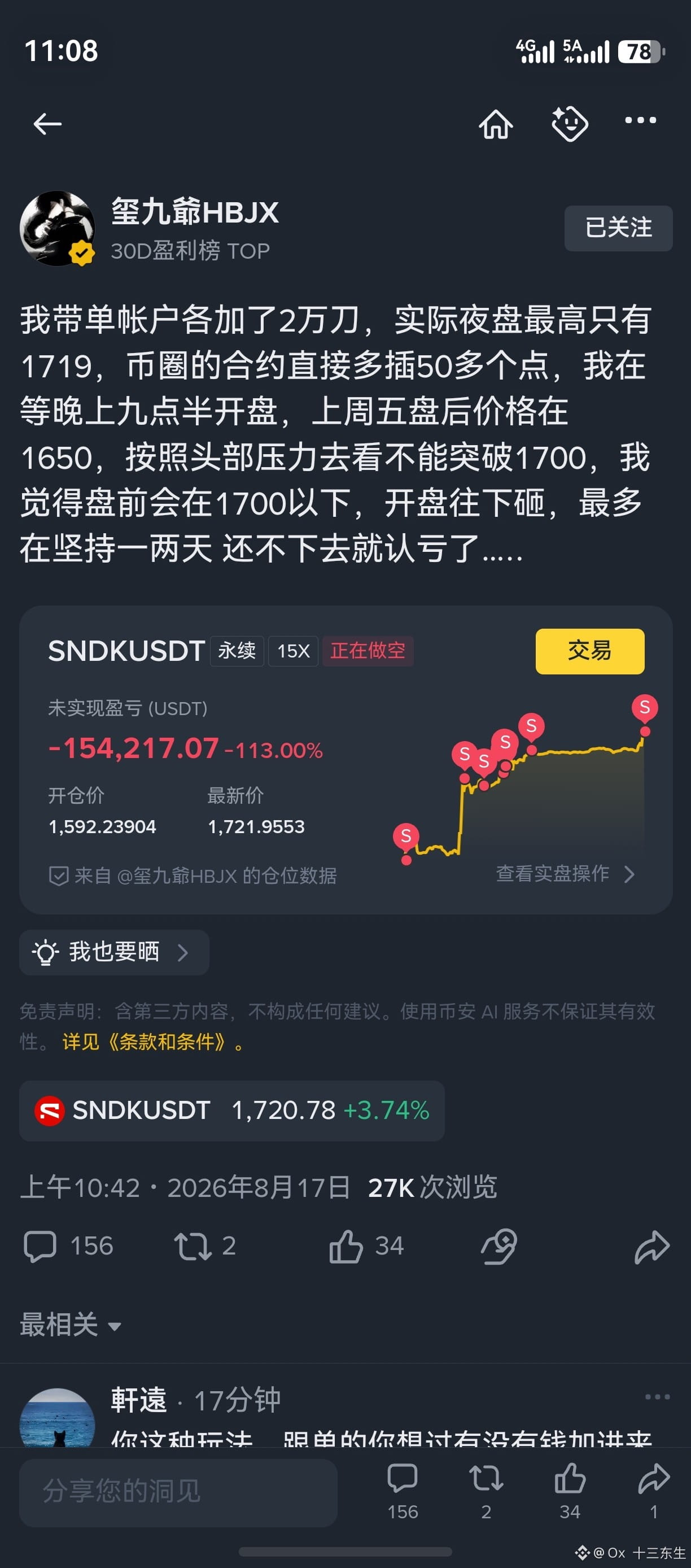
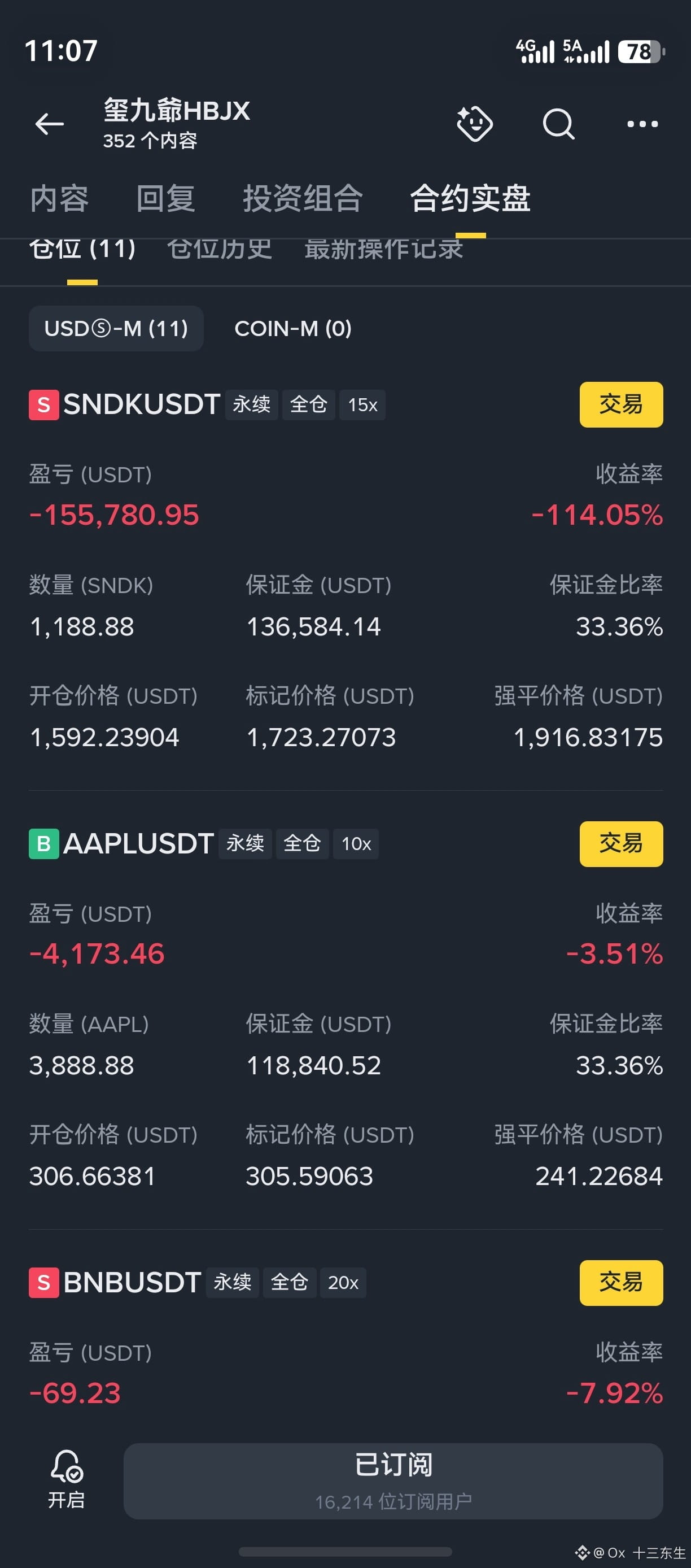
Do you believe in the unity of knowledge and action? 1700 has already broken through—why not cut losses or reduce position? Will Lady Luck still favor you?
Our dog no longer eats poop either.
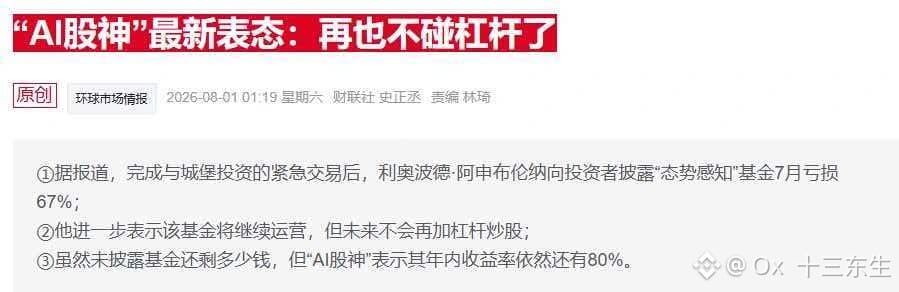
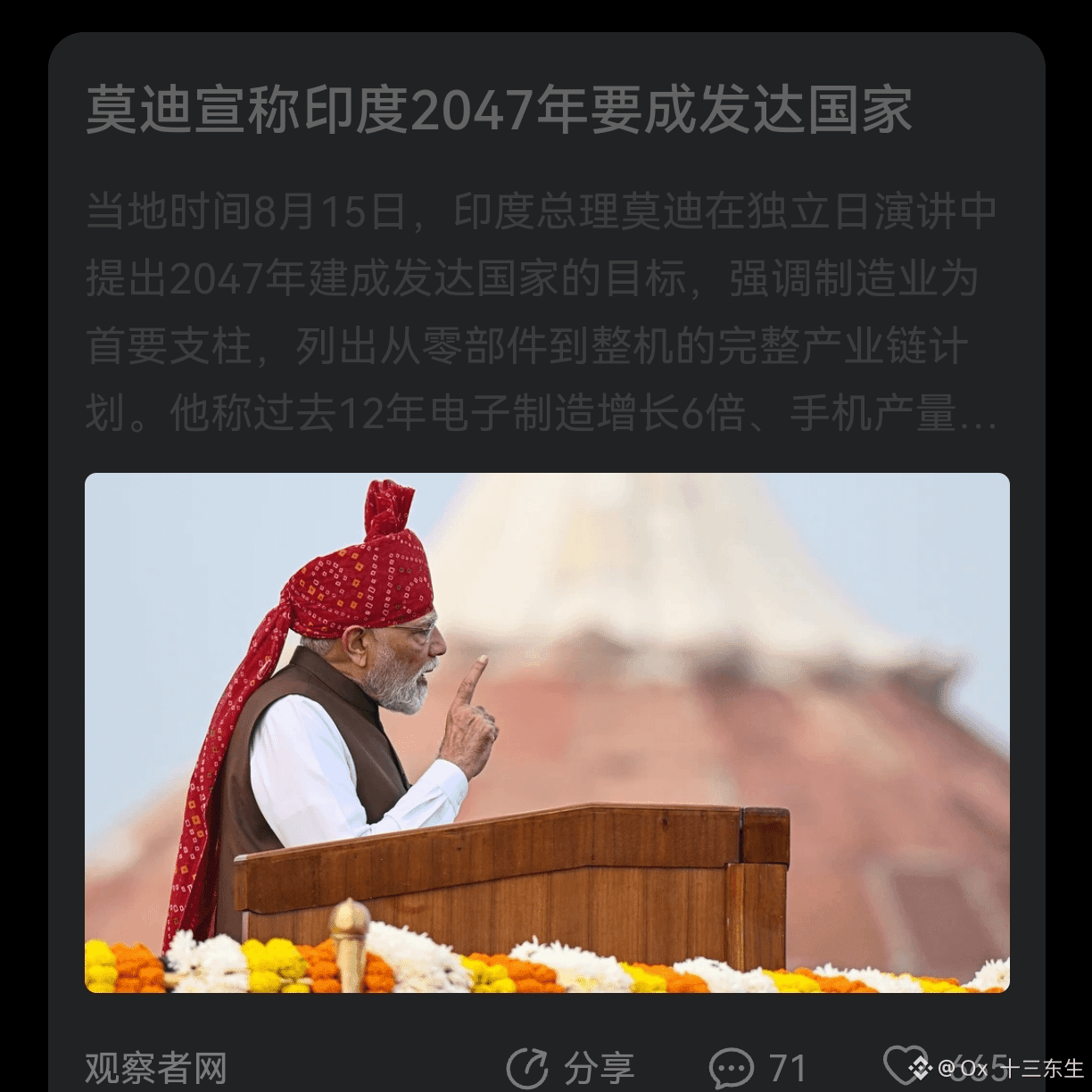
I said that in 2047 Bitcoin will be worth $300,000. Between the two of us, who has the higher likelihood?
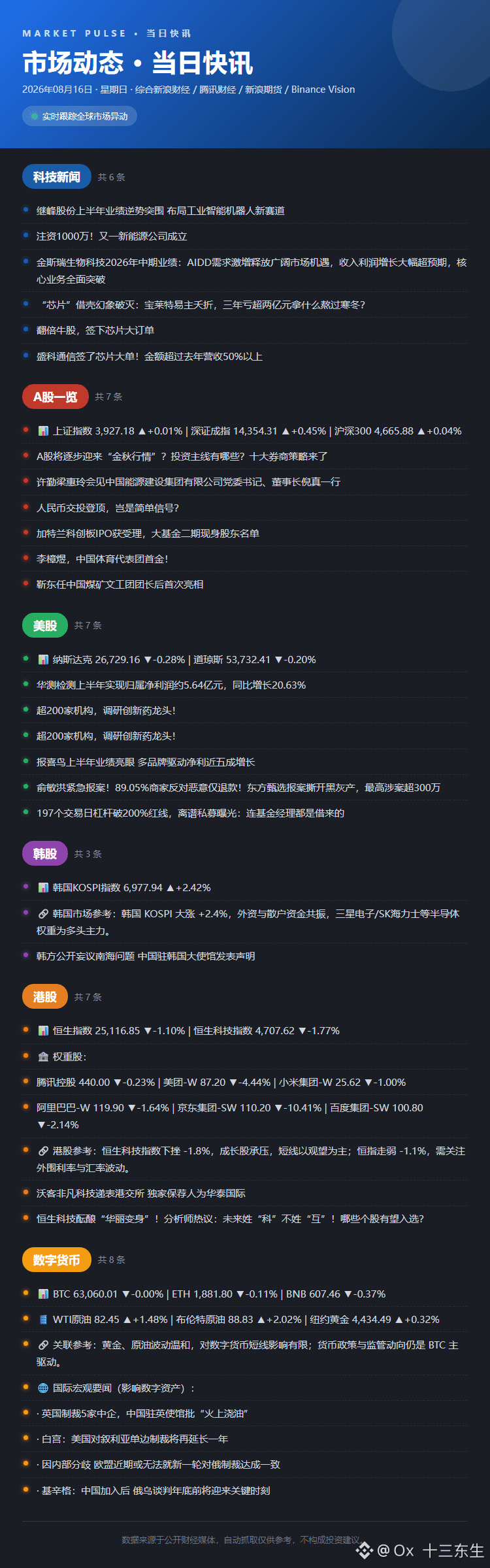
Is it like this?

What has Trump been busy with over the past 24 hours?(2026-08-15)
1. **Will soon announce the Strait of Hormuz as “U.S. territory”** — Trump said Iran is suffering a crushing defeat, adding that “after completely defeating Iran, we will soon announce the Strait of Hormuz as U.S. territory,” then adding, “that’s the truth.”
2. **Will impose severe economic pressure on Iran** — Trump: will impose severe economic pressure on Iran; does not care about striking Iran’s economy before the midterm elections.
3. **Expected to attend a meeting related to prediction markets** — The White House plans to hold a meeting next Wednesday with people in the relevant industry. Trump and Michael Selig, chair of the U.S. Commodity Futures Trading Commission (CFTC), are expected to attend. Attendees include prediction market platform Kalshi, among others.
4. **Downplays concerns about the living conditions of “Lincoln” carrier crew** — Trump downplayed concerns about living conditions for crew arising from the long-term deployment of the aircraft carrier “Lincoln,” saying that the sailors’ families “are not worried,” and that the deployment “is nowhere near” lasting for as long as it has.
5. **Confirms that the “Lincoln” carrier deployed to the Middle East will be replaced** — On the 14th, Trump confirmed that the “Lincoln” aircraft carrier will be replaced due to questions about living conditions aboard the ship and the crew’s mental health stemming from its long deployment in the Middle East.
6. **Urges Americans to accept higher gas prices** — Trump, speaking at an event in Gardnertown, New York, urged Americans to “accept higher gas prices,” framing it as “the cost that must be paid to prevent Iran from obtaining nuclear weapons.”
7. **Trump administration: Have not heard of any plans to extend a ceasefire** — Trump: the United States has the capability to destroy Iran, but we don’t want to do that. Nobody knows how successful we are in Iran. You know who knows best how good we’ve been? Iran. Iran still has missiles and drones, but not many anymore.
8. **Reported shift in Cuba strategy toward strengthening sanctions, with military options fading** — It is said the Trump administration is increasingly focusing on strengthening sanctions and economic pressure against Cuba rather than toppling the Communist Party’s leadership in Cuba through military force.
1. **Will soon announce the Strait of Hormuz as “U.S. territory”** — Trump said Iran is suffering a crushing defeat, adding that “after completely defeating Iran, we will soon announce the Strait of Hormuz as U.S. territory,” then adding, “that’s the truth.”
2. **Will impose severe economic pressure on Iran** — Trump: will impose severe economic pressure on Iran; does not care about striking Iran’s economy before the midterm elections.
3. **Expected to attend a meeting related to prediction markets** — The White House plans to hold a meeting next Wednesday with people in the relevant industry. Trump and Michael Selig, chair of the U.S. Commodity Futures Trading Commission (CFTC), are expected to attend. Attendees include prediction market platform Kalshi, among others.
4. **Downplays concerns about the living conditions of “Lincoln” carrier crew** — Trump downplayed concerns about living conditions for crew arising from the long-term deployment of the aircraft carrier “Lincoln,” saying that the sailors’ families “are not worried,” and that the deployment “is nowhere near” lasting for as long as it has.
5. **Confirms that the “Lincoln” carrier deployed to the Middle East will be replaced** — On the 14th, Trump confirmed that the “Lincoln” aircraft carrier will be replaced due to questions about living conditions aboard the ship and the crew’s mental health stemming from its long deployment in the Middle East.
6. **Urges Americans to accept higher gas prices** — Trump, speaking at an event in Gardnertown, New York, urged Americans to “accept higher gas prices,” framing it as “the cost that must be paid to prevent Iran from obtaining nuclear weapons.”
7. **Trump administration: Have not heard of any plans to extend a ceasefire** — Trump: the United States has the capability to destroy Iran, but we don’t want to do that. Nobody knows how successful we are in Iran. You know who knows best how good we’ve been? Iran. Iran still has missiles and drones, but not many anymore.
8. **Reported shift in Cuba strategy toward strengthening sanctions, with military options fading** — It is said the Trump administration is increasingly focusing on strengthening sanctions and economic pressure against Cuba rather than toppling the Communist Party’s leadership in Cuba through military force.
Log in to explore more content