$ETH: Deep Learning vs Shallow Browsing: When to Pause the Trade
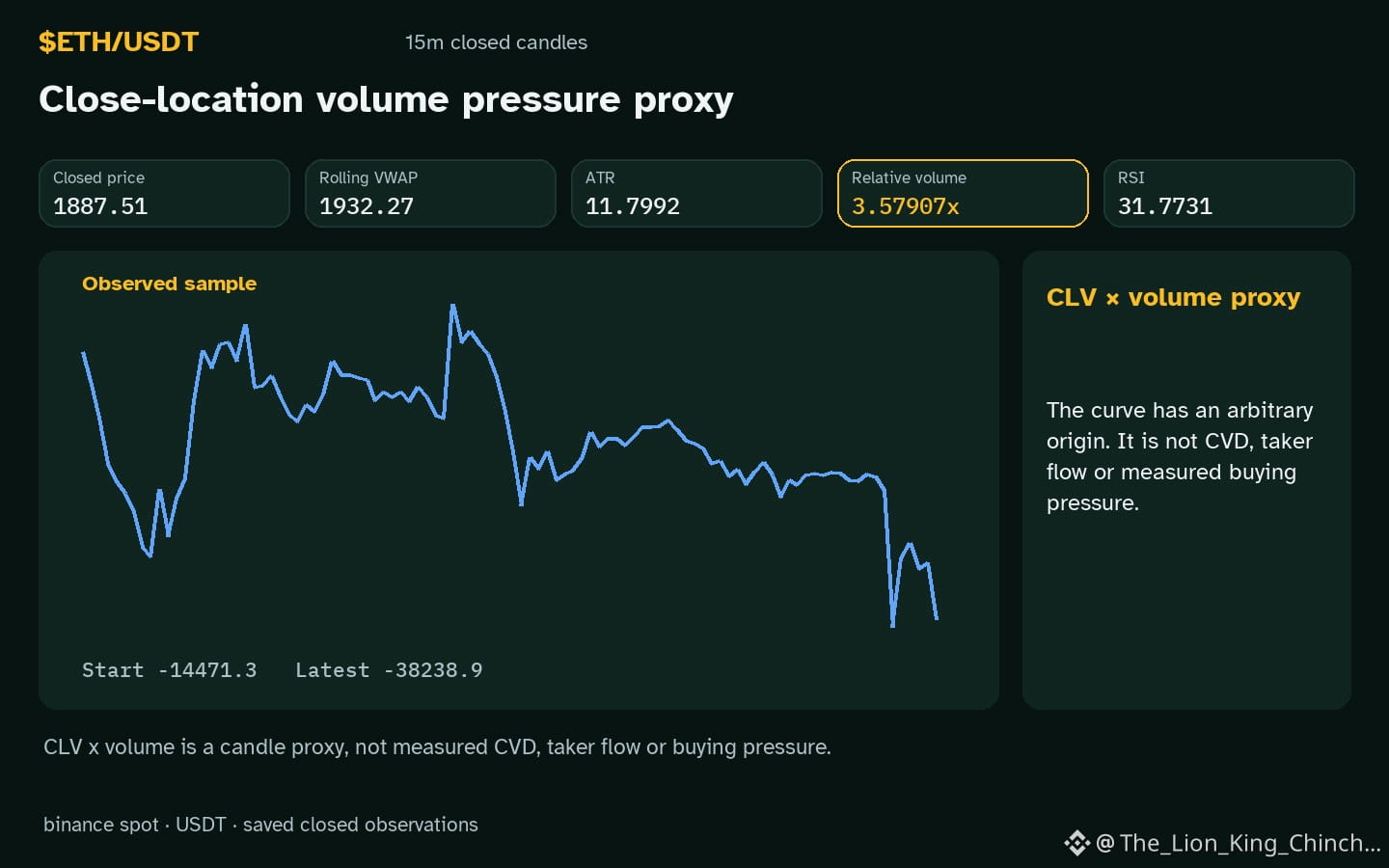
$ETH: ETH shows a down hourly direction while volume sits above baseline, indicating that market activity is still significant. Does this scenario favor a careful entry or a rushed chase? The research dilemma asks whether a deep‑learning style analysis, which aggregates many data streams, adds value compared to a shallow feed that looks only at the latest candle.
A practical trade‑off can be illustrated with a thought experiment. Imagine two bots: Bot A waits for a clear confirmation of entry quality, such as the price holding above a recent support level before committing. Bot B jumps in as soon as the down move appears, chasing the momentum. Bot A may miss the initial move but gains a tighter stop distance, while Bot B captures early profit potential but risks a larger stop if the price rebounds. The experiment does not assume any actual profit outcome; it simply highlights the risk of over‑chasing versus the cost of waiting.
A concrete way to reassess the interpretation is to monitor the next closed candle for a shift in relative volume. If relative volume drops back to baseline while the down move persists, the earlier signal loses strength and the deep‑learning hypothesis of sustained pressure weakens. Conversely, sustained high relative volume would support the shallow‑feed view that momentum alone can justify a quicker entry. This conditional approach keeps the risk assessment grounded in observable data without over‑relying on any single indicator.
Probabilistic market research, not a recommendation or guaranteed return.
#ETH #RiskManagement #CryptoLearning