
Eighty thousand was the number everyone posted on Wednesday. By Thursday it had fallen six percent.
The crowd already has its story. The election cleared the fog, the bottom is in, and this is a pause before the climb.
They point to the ninety day gain of nearly nineteen percent. Proof, they say, that the worst is behind us.
Ninety days of recovery taught them a single lesson. Every dip gets rescued.
They trust the funds too. Giant names holding Bitcoin through ETFs feels like permanent demand, a floor made of institutions.
And they trust the Binance ending. A record theft, covered by the exchange, so the damage must be over.
That's the illusion. It's comfortable, and it rests on three things nobody bothered to check.
Start with who actually moved the price.
More than 1.1 billion in bets on higher prices were forced shut in a single day.
That wasn't conviction breaking. It was borrowed money running out.
The climb above 80,000 was leverage stacked on leverage. When one piece moved, nothing underneath held.
Leverage doesn't need a reason. It only needs a small push.
Newer holders sit near their break even point around 76,000, and many are sending coins to exchanges at a loss.
So every climb toward 76,000 now meets someone desperate to get out even.
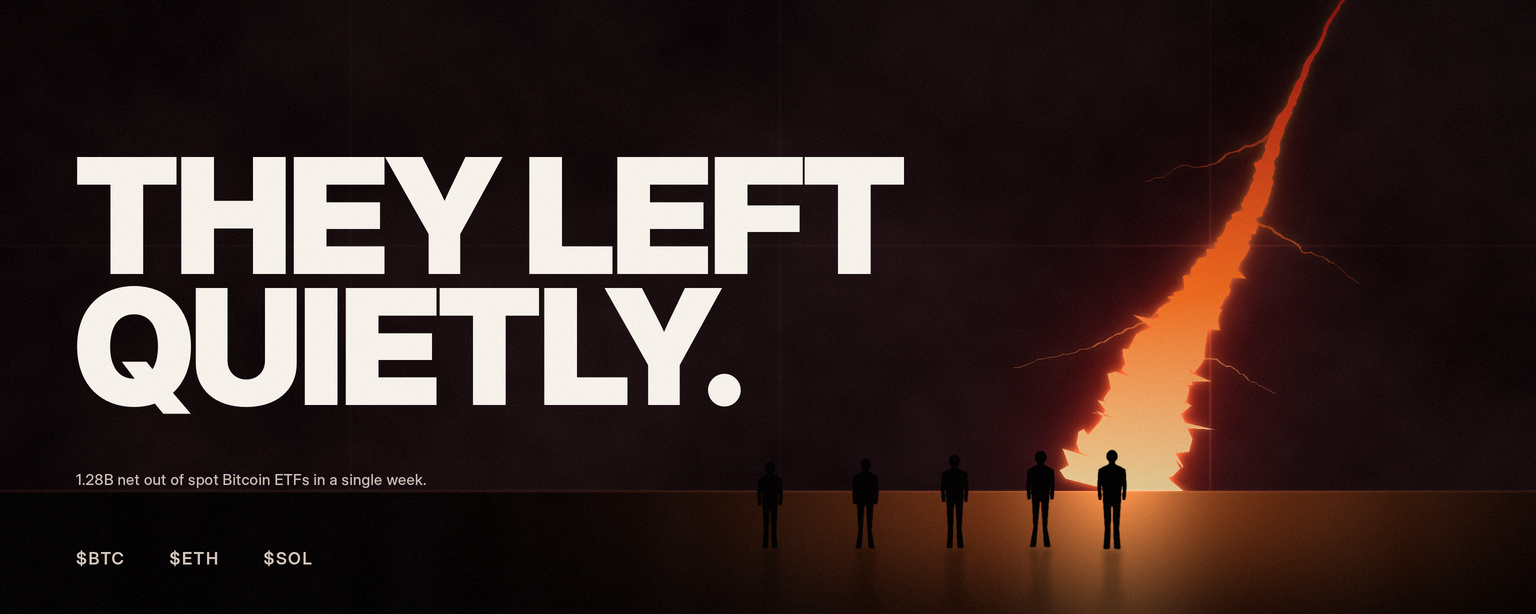
Now the funds. Last week they lost 1.28 billion, the heaviest exit since June.
That pushed the year's flows into the red, roughly 914 million out for 2026.
One giant hand did most of it. BlackRock's fund carried about ninety four percent of the withdrawals.
Quietly, hedge funds and banks have cut roughly 68,000 coins of ETF exposure as the carry trade faded.
Read that again. That demand wasn't belief. It was an arrangement, and arrangements end when the math changes.
Then stocks cracked. South Korea's Kospi fell so hard it triggered a trading halt.
When equities bleed, funds raise cash from whatever moves easiest.
Cross asset desks reportedly unloaded Bitcoin first to meet margin calls.
Bitcoin wasn't a safe harbor that day. It was a cash machine.
The fear index fell from 70 to 34 in a month. The mood is cracking faster than the price.
Then there's Binance. On October 29, hackers drained 6.3 billion, most of it in about twenty minutes.
The exchange covered the bill. Confidence is harder to refund.
Its emergency fund is held entirely in Bitcoin, so the cushion shrinks exactly when the price does.
A parachute that gets smaller as you fall.
Add fears of a December rate hike from the Fed, and the big hands raising cash start to make sense.
Now look at the weekend. Volume fell nearly sixty percent.
That calm isn't peace. It's absence. Nobody with size is in a hurry to commit.
Here are the three places where this story either breaks or accelerates.
I only need three screens to read this.
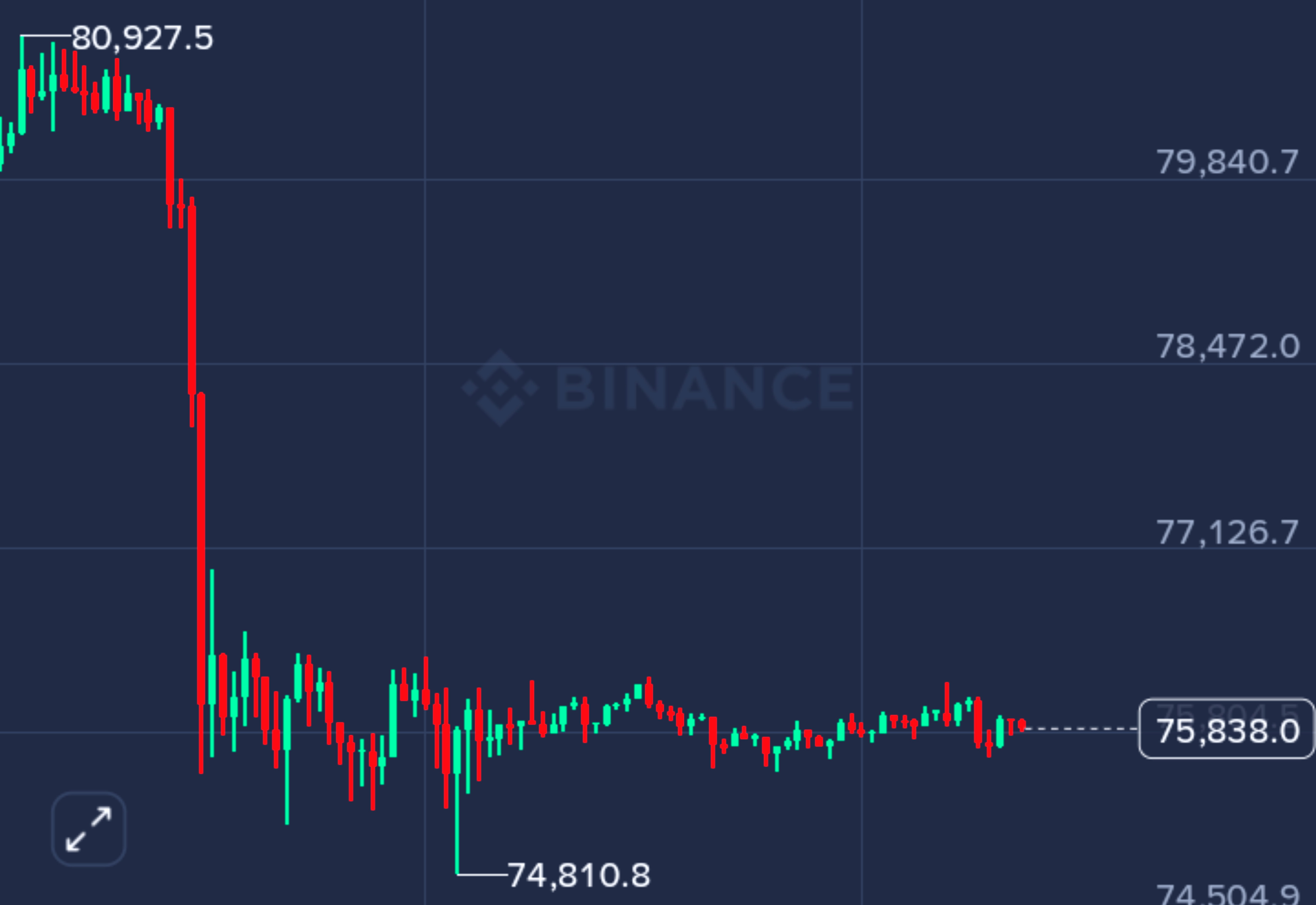
I'm watching $BTC first. It's sitting near 75,800, with the day's low at 75,527.

The flush low near 74,800 is the real hinge. Lose it, and the 200 day average at 73,197 is next.
Under that, the 200 week average near 69,500 waits. That's where the real test begins.
For BTC to accelerate, 80,000 has to be reclaimed and held. Anything less is a visit, not a recovery.
Glassnode points to a pile of opposing bets near 87,000. Reach it and those get forced shut, and the move feeds itself.
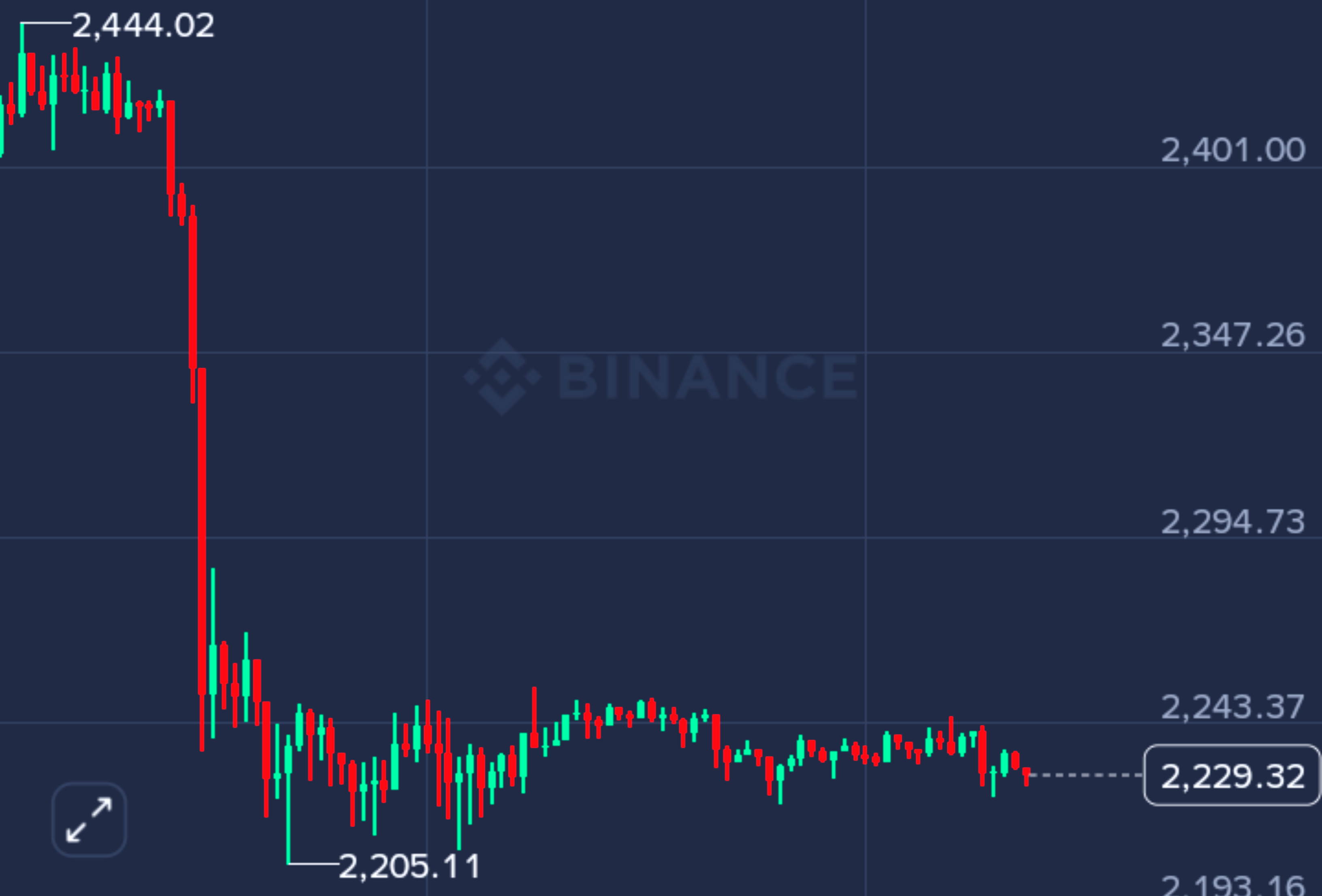
$ETH is the weaker twin. It's at 2,229, down thirty four percent in a year, with the softest momentum reading of the three.

Ether funds lost 365 million last week too. The same hands are leaving there.
The weekend floor is 2,205. Lose it and 2,190 opens with nothing to slow the fall.
Reclaim 2,295 and the mood changes. Until then, every bounce is just noise.
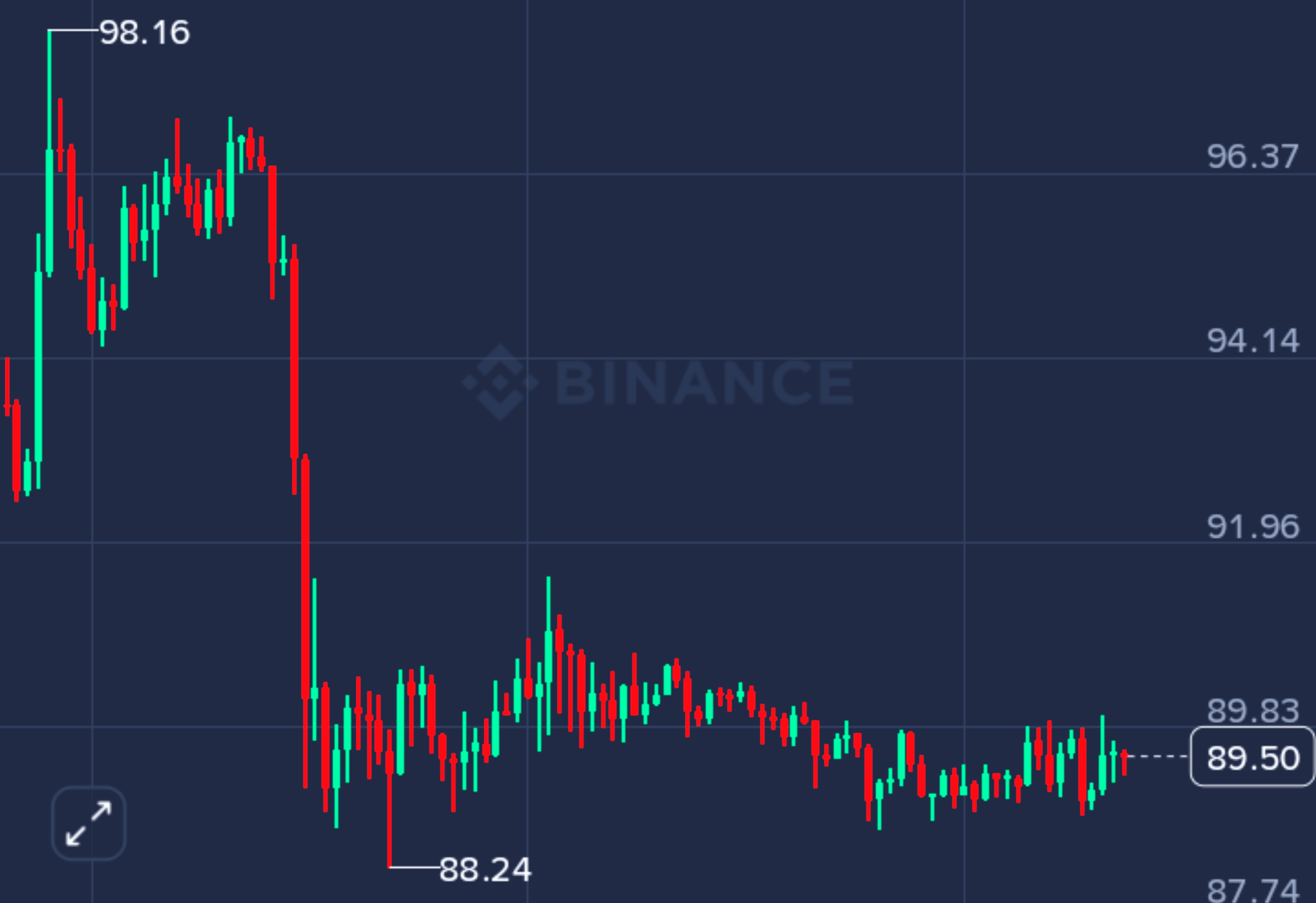
Then $SOL It looks calm at 89.50, flat on the day, with the healthiest momentum reading of the three.

That calm is what bothers me. Quiet assets tend to break loudest.
Its floor is 88.24. Lose it and 87.7 comes fast.
Above 92 it starts to breathe, and 98.16 remains the ceiling that stopped the last run.
None of this is a forecast. It's just where the script either holds or tears.
The people with the deepest pockets didn't panic.
They raised cash quietly and let the crowd call it a dip.
The market doesn't punish the wrong opinion. It punishes the one you can't afford to be wrong about.
When the biggest hands leave first and quietly, what's keeping you in the room, and who told you it was safe?