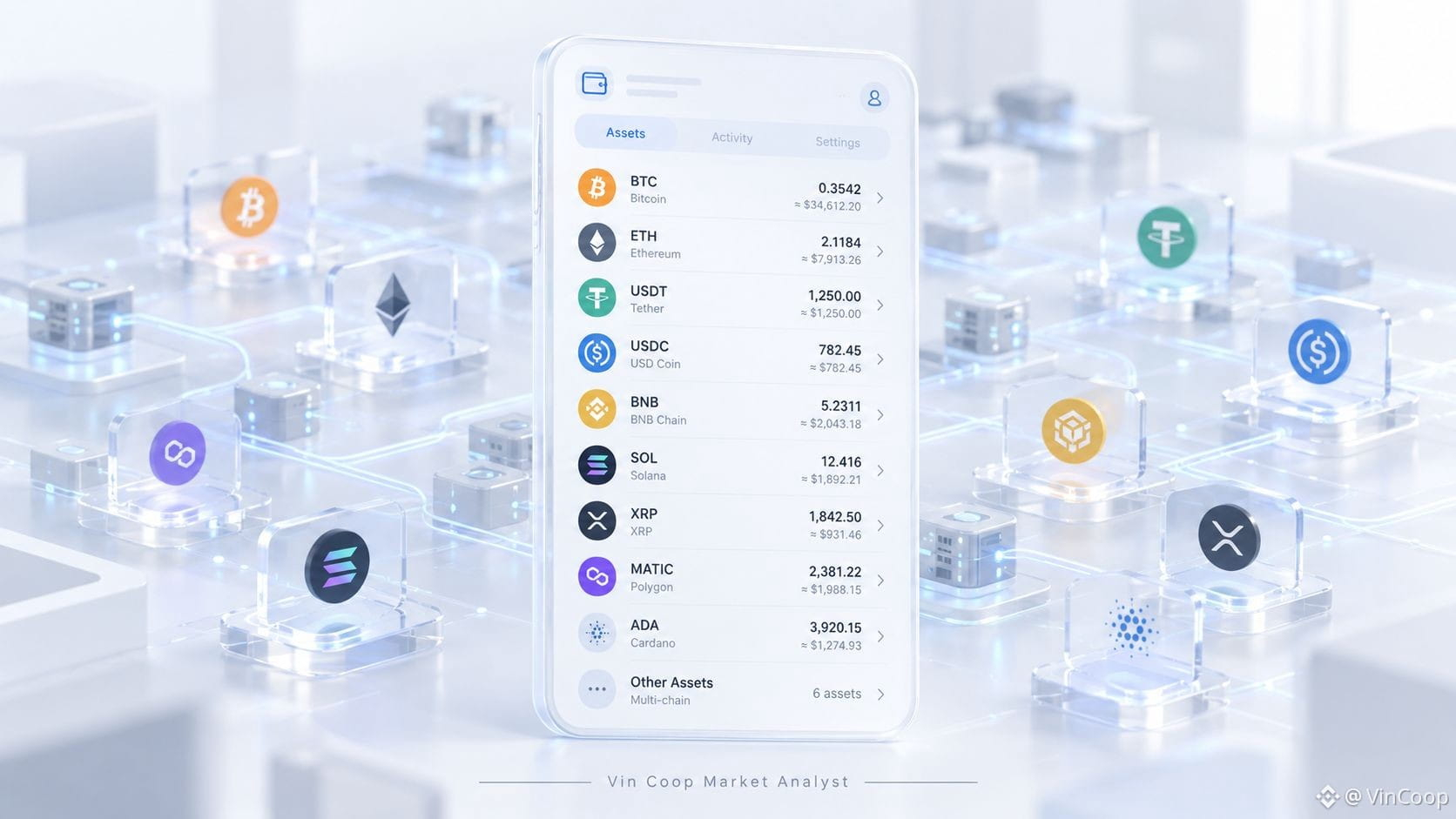
A Wallet Can Show 300 Assets. Someone Still Has to Keep Them Working. From the user’s side, broad asset coverage looks simple: open the wallet, choose $BTC , $ETH , a stablecoin or another supported asset, and make a transaction. For the product team, that list is only the visible part. Every supported network has to keep working after launch. Deposits need to be detected correctly, transaction rules and fees have to stay current, node or RPC connections need monitoring, and compliance checks continue in the background. Then protocols upgrade, networks change, or forks appear, while users still expect the wallet to work normally. That is where a large asset catalog becomes an infrastructure question rather than just a product feature. In my latest Medium article, I look at what sits behind broad wallet coverage and compare how WhiteBIT Wallet-as-a-Service, Fireblocks WaaS, and BitGo WaaS approach that maintenance layer. The key question is not only how many assets a provider supports, but how much of the ongoing technical work your own team still has to carry. 👉 Read the full article: https://medium.com/@Vin_Coop/adding-an-asset-takes-minutes-supporting-it-can-last-for-years-c805f09bac05?postPublishedType=initial #BTC Price Analysis# #Bitcoin Price Prediction: What is Bitcoins next move?# #Ad #BTC


Publier

--
Avertissement : ce contenu inclut des opinions de tiers. Il ne constitue pas un conseil. Binance Ai peut être utilisée, sans garantie de résultat. Consultez les CG.