𝗛𝗼𝘄 𝗧𝗼 𝗥𝗲𝗯𝗮𝗹𝗮𝗻𝗰𝗲 𝗔 𝗖𝗿𝘆𝗽𝘁𝗼 𝗣𝗼𝗿𝘁𝗳𝗼𝗹𝗶𝗼 𝗔𝗰𝗿𝗼𝘀𝘀 𝗠𝘂𝗹𝘁𝗶𝗽𝗹𝗲 𝗕𝗹𝗼𝗰𝗸𝗰𝗵𝗮𝗶𝗻𝘀
A multi-chain portfolio can drift away from its target allocation as prices move.
For example, you might start with:
30% ETH
30% stablecoins
20% TON assets
20% other assets
After market movements, those percentages can look very different.
That is where rebalancing comes in.
𝗕𝘂𝘁 𝗰𝗿𝗼𝘀𝘀-𝗰𝗵𝗮𝗶𝗻 𝗿𝗲𝗯𝗮𝗹𝗮𝗻𝗰𝗶𝗻𝗴 𝗶𝘀𝗻’𝘁 𝗷𝘂𝘀𝘁 𝗮 𝗿𝗲𝗴𝘂𝗹𝗮𝗿 𝘀𝘄𝗮𝗽.
Your assets are sitting on separate blockchains, so you first need to decide:
• Which allocation is overweight? • Which chain should receive capital? • What asset should arrive there? • What will the complete route cost? • Does the expected benefit justify moving the funds?
The last question is important.
𝗧𝗵𝗲 𝗿𝗲𝗯𝗮𝗹𝗮𝗻𝗰𝗲 𝗶𝘀𝗻’𝘁 𝘄𝗼𝗿𝘁𝗵 𝗱𝗼𝗶𝗻𝗴 𝗶𝗳 𝗳𝗲𝗲𝘀 𝗲𝗮𝘁 𝘁𝗼𝗼 𝗺𝘂𝗰𝗵 𝗼𝗳 𝘁𝗵𝗲 𝗽𝗼𝗿𝘁𝗳𝗼𝗹𝗶𝗼 𝗯𝗲𝗻𝗲𝗳𝗶𝘁.
Once the decision is made, you need an execution mechanism.
One approach is a bridge: lock an asset on one chain and receive a representation on another.
Another approach is a cross-chain swap.
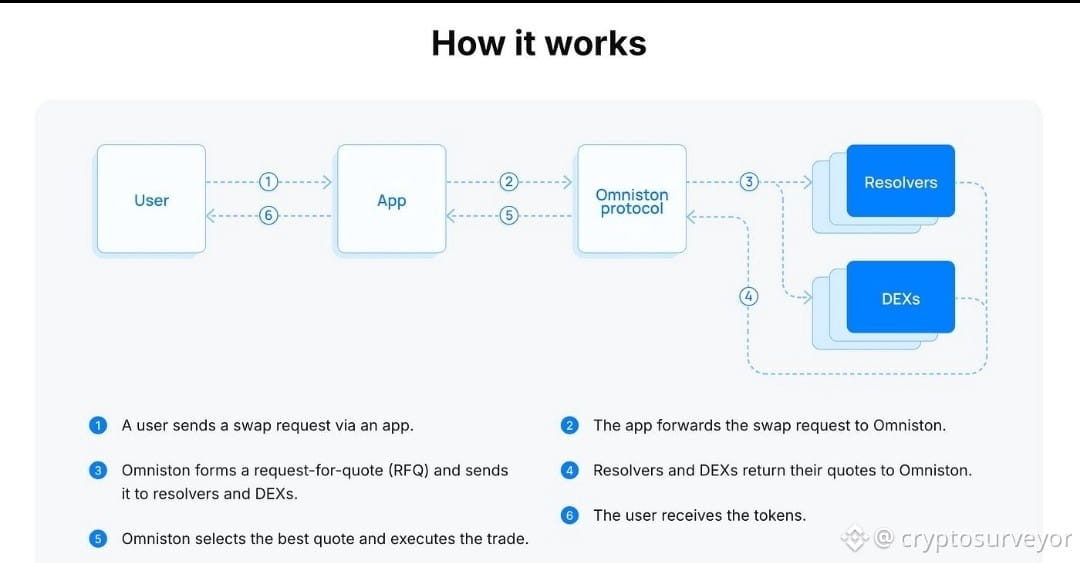
With Omniston, STON.fi uses an RFQ + resolver model. Resolvers compete to provide a quote, while paired HTLCs coordinate settlement across the two chains.
Conceptually:
𝗦𝗼𝘂𝗿𝗰𝗲 𝗔𝘀𝘀𝗲𝘁
↓
𝗤𝘂𝗼𝘁𝗲 𝗥𝗲𝗾𝘂𝗲𝘀𝘁
↓
𝗥𝗲𝘀𝗼𝗹𝘃𝗲𝗿 𝗤𝘂𝗼𝘁𝗲
↓
𝗣𝗮𝗶𝗿𝗲𝗱 𝗛𝗧𝗟𝗖𝘀
↓
𝗗𝗲𝘀𝘁𝗶𝗻𝗮𝘁𝗶𝗼𝗻 𝗔𝘀𝘀𝗲𝘁
The goal is an all-or-nothing settlement: the quoted swap completes, or the relevant timelock/refund mechanism allows funds to return.
A multi-chain portfolio can drift away from its target allocation as prices move.
For example, you might start with:
30% ETH
30% stablecoins
20% TON assets
20% other assets
After market movements, those percentages can look very different.
That is where rebalancing comes in.
𝗕𝘂𝘁 𝗰𝗿𝗼𝘀𝘀-𝗰𝗵𝗮𝗶𝗻 𝗿𝗲𝗯𝗮𝗹𝗮𝗻𝗰𝗶𝗻𝗴 𝗶𝘀𝗻’𝘁 𝗷𝘂𝘀𝘁 𝗮 𝗿𝗲𝗴𝘂𝗹𝗮𝗿 𝘀𝘄𝗮𝗽.
Your assets are sitting on separate blockchains, so you first need to decide:
• Which allocation is overweight? • Which chain should receive capital? • What asset should arrive there? • What will the complete route cost? • Does the expected benefit justify moving the funds?
The last question is important.
𝗧𝗵𝗲 𝗿𝗲𝗯𝗮𝗹𝗮𝗻𝗰𝗲 𝗶𝘀𝗻’𝘁 𝘄𝗼𝗿𝘁𝗵 𝗱𝗼𝗶𝗻𝗴 𝗶𝗳 𝗳𝗲𝗲𝘀 𝗲𝗮𝘁 𝘁𝗼𝗼 𝗺𝘂𝗰𝗵 𝗼𝗳 𝘁𝗵𝗲 𝗽𝗼𝗿𝘁𝗳𝗼𝗹𝗶𝗼 𝗯𝗲𝗻𝗲𝗳𝗶𝘁.
Once the decision is made, you need an execution mechanism.
One approach is a bridge: lock an asset on one chain and receive a representation on another.
Another approach is a cross-chain swap.
With Omniston, STON.fi uses an RFQ + resolver model. Resolvers compete to provide a quote, while paired HTLCs coordinate settlement across the two chains.
Conceptually:
𝗦𝗼𝘂𝗿𝗰𝗲 𝗔𝘀𝘀𝗲𝘁
↓
𝗤𝘂𝗼𝘁𝗲 𝗥𝗲𝗾𝘂𝗲𝘀𝘁
↓
𝗥𝗲𝘀𝗼𝗹𝘃𝗲𝗿 𝗤𝘂𝗼𝘁𝗲
↓
𝗣𝗮𝗶𝗿𝗲𝗱 𝗛𝗧𝗟𝗖𝘀
↓
𝗗𝗲𝘀𝘁𝗶𝗻𝗮𝘁𝗶𝗼𝗻 𝗔𝘀𝘀𝗲𝘁
The goal is an all-or-nothing settlement: the quoted swap completes, or the relevant timelock/refund mechanism allows funds to return.