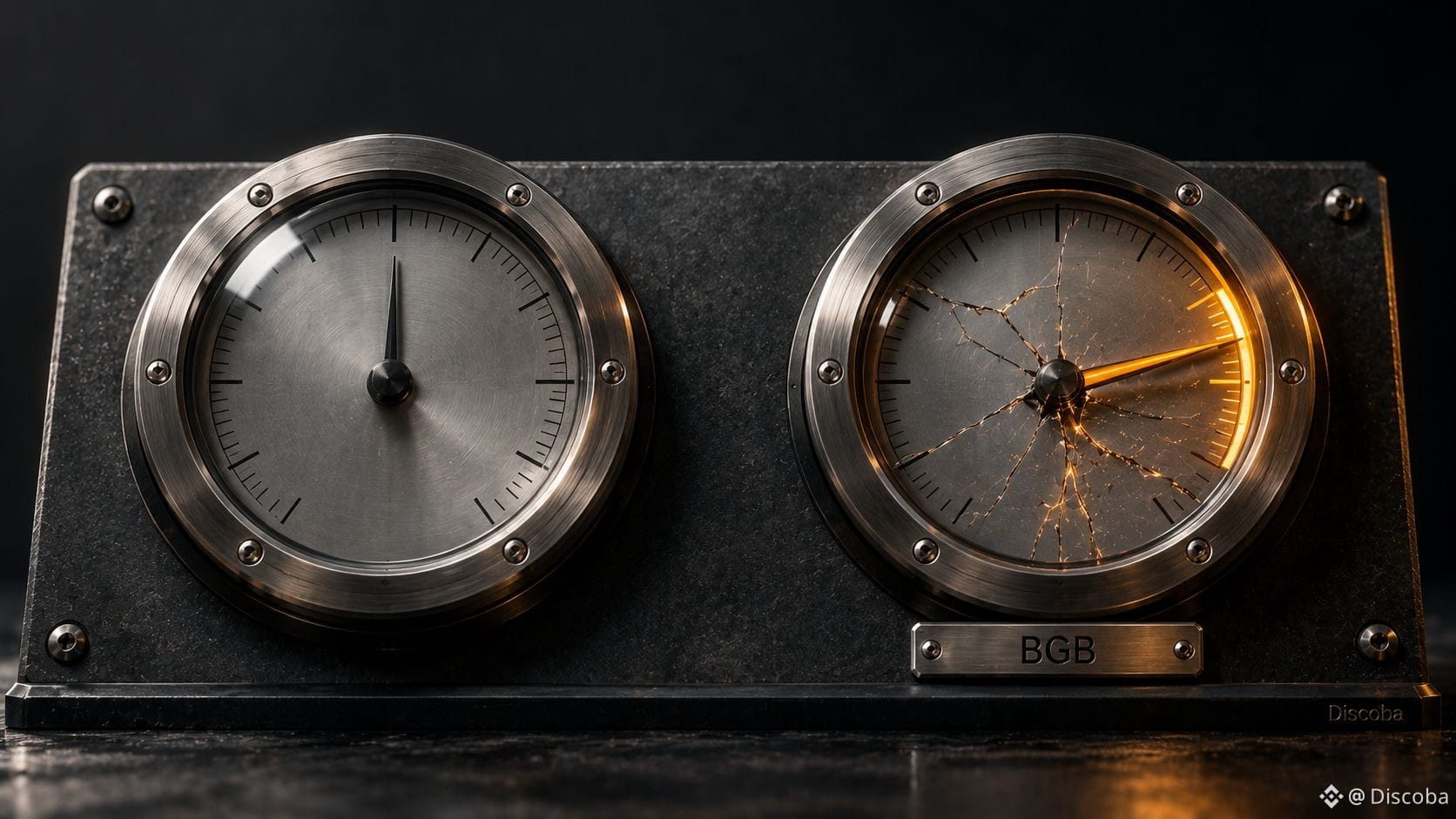
A wallet turned stolen stablecoins into 7,111 $ETH in six minutes, Bitget confirmed a $351.6 million loss. 18:31 UTC, September 24. Bitget's security systems flag something odd draining out of its hot wallets. Within minutes, a freshly created wallet on Arbitrum takes $19.7 million in USDT0 and starts firing off trades through UniswapX and 1inch Fusion: six minutes, 7,111 ETH, some orders paying up to 5% above spot. The logic is simple; USDT can be frozen by its issuer, ETH can't. When stolen funds are freezable, speed beats price every time. A second trail showed up on the $XRP Ledger: seven wallets, 102.9 million XRP, worth roughly $157.5 million; the single largest chunk of everything taken. Early trackers had it at 93.7 million XRP; the number climbed as more addresses turned up. CEO Gracy Chen confirmed the total late that night: $351.6 million, nearly double the $174–183 million on-chain researchers had estimated in the first hour. The attacker broke into a backend system, spoofed transfer data, and tricked the exchange's own authorization process into signing off. Cold wallets are "fully secure," she says, and the $464 million User Protection Fund covers the entire loss. Here's the catch: every one of those claims comes from Bitget itself. None of it is independently verified yet. Meanwhile, withdrawals are frozen for every user; including the ones the hack never touched. This isn't even the month's only scare. Liquid Network lost $320 million three weeks earlier, though self-described "white hat" attackers returned most of it. BTC and ETH barely moved. The only thing that actually cracked was Bitget's own token: BGB dropped 6.5% while total crypto market cap rose 9.8% the same week. The market has already made up its mind; this is Bitget's problem, not crypto's. So how much would you trust a "we're secure" statement nobody outside the company has checked ? #BTC Price Analysis# #Altcoin Season# #Macro Insights#


Publier

--
Avertissement : ce contenu inclut des opinions de tiers. Il ne constitue pas un conseil. Binance Ai peut être utilisée, sans garantie de résultat. Consultez les CG.