


There is a habit I picked up early in my career and it has never left me. Before I look at what to buy I look at why I would buy it. Most people do this backwards. They see a ticker moving, they see a name trending, they see someone with a large following say something confident, and they act first and think later. I have never been able to work that way and honestly I do not think anyone should.
So before I show you my September bStocks portfolio I want to walk you through how I actually arrived at it, because the picks themselves mean very little without the reasoning behind them.
I build across crypto, Web3, AI, and full stack technology, and I am currently studying finance formally alongside that. If you build across all of these fields for long enough, you eventually become an investor whether you plan to or not. Capital starts flowing through your hands in different forms, some of it earned, some of it saved, some of it sitting idle waiting for a decision. And that is where the real question begins. Not what should I buy, but how do I decide what to buy.
I want to be honest about something people rarely admit. Investment decisions are some of the heaviest decisions a person makes in life. People joke about how deciding how many kids to have is a big life decision, and it is but deciding where your money goes carries its own weight because money represents time, effort, risk, and trust all at once. Once you accept that weight, you stop looking for shortcuts.
A lot of people call it a sixth sense when they say they feel a stock is going to rise. I understand where that feeling comes from. Human thinking is shaped heavily by the people and information around us, so when someone feels a stock is about to move, that feeling is usually just an echo of something they absorbed from their environment, not an independent insight. That is not intuition, that is influence, and influence without understanding is exactly how people lose money confidently.
There is a line from
@cz_binance
that I keep coming back to whenever I catch myself getting excited about a name because of who mentioned it rather than what it actually is.
He said, don't invest just because someone, especially famous people, said something, only invest in what you understand for some intrinsic reason. I think that single sentence is more valuable than most investment strategies people pay for. It does not tell you what to buy. It tells you how to filter out noise before you even get to the buying part.
So here is my filter plainly stated. I do not invest based on my mood. I do not invest based on what is trending on my timeline that week. I do not invest based on a gut feeling that conveniently appeared right after watching a video about a company. My approach and the one I would encourage anyone reading this to seriously consider is built entirely on where you already carry depth. Not surface familiarity actual working depth the kind that comes from spending real hours inside a domain failing inside it learning from people who have been in it longer than you and slowly earning an instinct that is grounded in evidence rather than excitement.
I am a data analyst still early in that path still learning and I will not pretend otherwise. But even at this stage I have learned enough to know that the strongest decisions I make are the ones tied to fields I already live inside every day. My career sits at the intersection of technology, crypto, and artificial intelligence, and that intersection is exactly where I built my September portfolio from.
Let me walk through it the way I actually thought it through not the way it looks after the fact.
The first allocation forty percent 40% goes to #NVIDIA The AI race right now is crowded with legitimate names AMD, Micron, Intel, SanDisk, all of them playing real roles in the same infrastructure story. I looked at all of them honestly before settling here. But when I ask myself which single name sits closest to the center of the actual computational demand driving this entire wave the answer keeps returning to the same place. This is not a decision made from hype. It is a decision made from spending real working hours around AI systems understanding what they need to run and recognizing where the deepest dependency in that chain currently sits. When you work close enough to a technology you stop needing someone else to convince you where the value concentrates. You already see it because you are inside the machine not reading about it from outside.
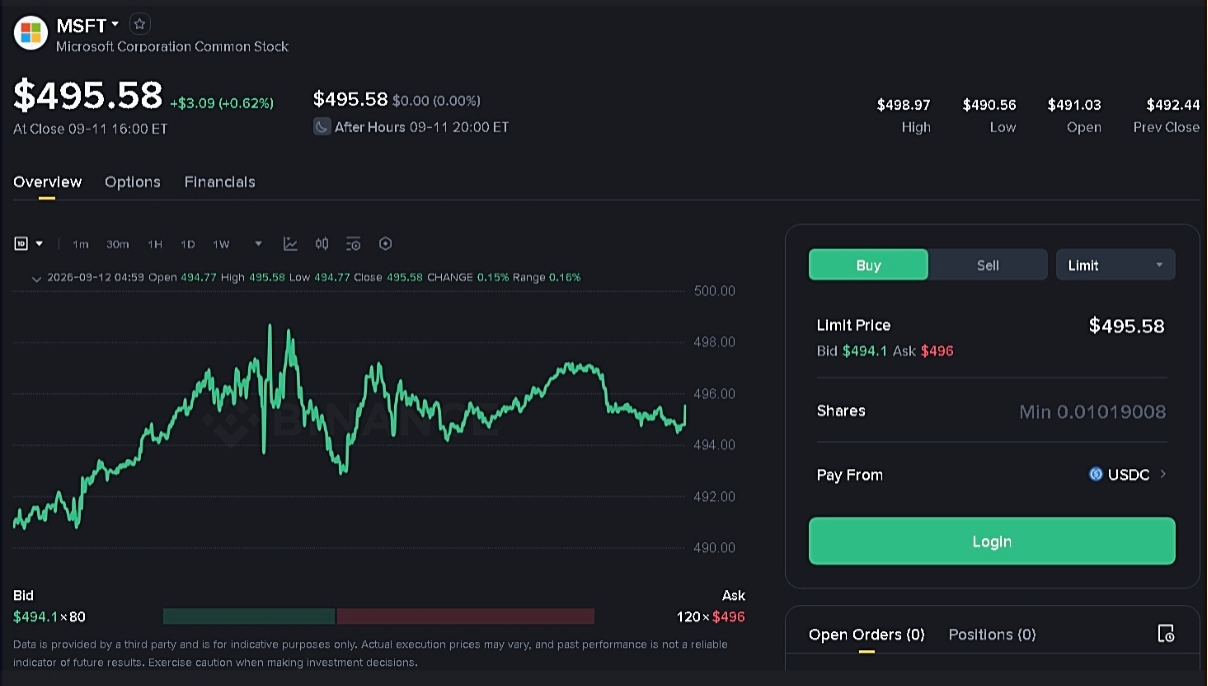
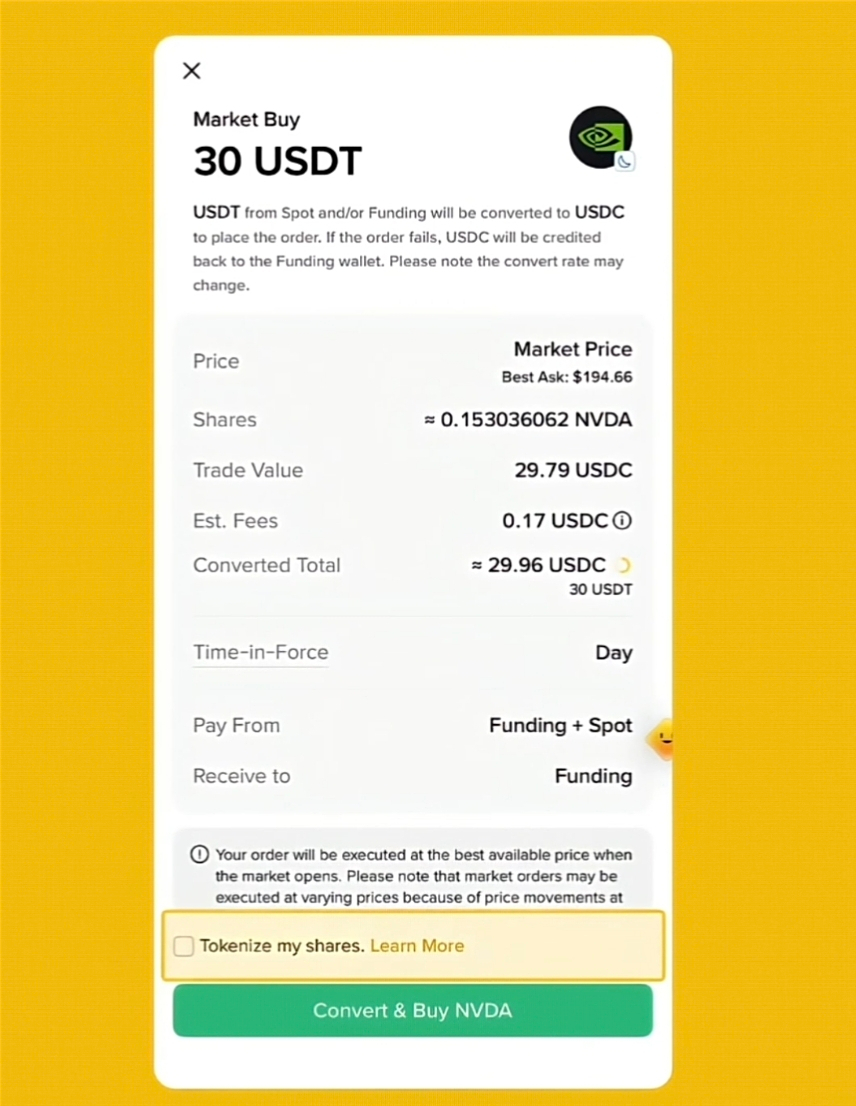 The second allocation another forty percent 40% goes to @Microsoft Here again there were strong alternatives on the table, Meta, Palantir, Oracle, CoreWeave, each with a real argument attached to it. But my honest reasoning here comes back to something I said earlier about trust. Real conviction in an investment only arrives once you have lived with a product or an ecosystem long enough to trust it without needing reassurance. Every person builds that trust from their own lived experience not from a headline. My working history my tools my daily technical environment all sit inside an ecosystem I have used for years and understand at a level deeper than a spec sheet can explain. That familiarity is not sentiment it is accumulated evidence and I am comfortable weighting a large portion of my conviction toward something I have tested personally over time rather than something I only admire from a distance.
The final twenty percent 20% and honestly the one that took the longest to settle on goes to the crypto linked names and within that group my pick is @Tesla This one deserves a slightly longer explanation because it did not come from a spreadsheet it came from something closer to lived context. I mentioned earlier that human decision making is shaped heavily by the environment a person sits inside. That is true of me as much as anyone else and rather than pretend I am immune to that influence I decided to acknowledge it directly and let it inform this last twenty percent honestly. The conversations the communities the ongoing signals I sit inside every day as someone building in Web3 kept circling back to this name more than any other in the crypto adjacent bucket and I chose to treat that as data rather than noise because environment shaped conviction is still conviction as long as you are honest about where it came from instead of dressing it up as pure independent analysis.

So that is the full picture. Forty percent NVIDIA. Forty percent Microsoft. Twenty percent Tesla. Not because a chart told me to, not because a name was trending, but because each slice sits on top of something I can actually defend in a conversation without needing to check a price feed first.
Now here is where bStocks specifically becomes relevant to how I actually plan to manage this not just build it once and forget it.
A traditional stock portfolio locks you into market hours. You build your thesis, and then you sit and wait for a window that opens and closes on someone else's schedule. That structure never made sense to me as someone who already lives inside crypto markets that never sleep. bStocks solve that exact friction because they trade twenty four seven, which means the moment new information changes my thinking about NVIDIA or Microsoft or Tesla, I am not stuck waiting for an exchange to open before I can act on it. My reasoning updates in real time my portfolio needs the ability to update alongside it.
The fractional access matters just as much for someone still building their capital base rather than sitting on a large lump sum. Being able to start a position from a few dollars rather than needing full share prices upfront means conviction can be expressed immediately rather than delayed until a savings goal is hit. I do not have to choose between building my portfolio and building everything else I am working on at the same time.
There is also something quietly important about the settlement side of this. bStocks settle on chain in under a second, and supported positions can move to self custody through a compatible wallet. As someone who has spent real time inside wallet infrastructure and on chain systems, that detail is not a footnote to me, it is a meaningful shift in how ownership actually works. I am not just holding a number inside someone else's ledger, I have a real path to holding the asset the way I already hold everything else I care about in this space, under my own control if I choose to move it there.
The dividend mechanism is another detail worth mentioning honestly rather than glossing over. Instead of a cash payout landing separately, eligible dividend value shows up as an increase in the token balance itself through a multiplier. For a portfolio built the way mine is, treated as a living position rather than something I check once a quarter, that structure fits naturally into how I already think about compounding inside crypto.
None of this changes the core discipline though. The product features are the vehicle, not the reason. The reason still has to come from depth, not convenience, and that is why I built this portfolio from career proximity first and only afterward looked at which platform lets me actually manage it the way I live and work.
Here is my honest closing thought. I did not build this portfolio to be right. I built it to be explainable to myself six months from now without needing to remember a mood I was in on a random afternoon. If NVIDIA or Microsoft or Tesla move against me, I will still be able to sit down and retrace exactly why I chose them, and that retraceability is worth more to me than a lucky guess that I cannot defend afterward.
So now it is your turn. Three bStocks. One hundred percent to allocate. Not based on what is trending this week not based on what a famous name said this morning but based on where you actually carry depth where you have earned real understanding through hours you cannot fake.
Build yours. Tell me what you would change about mine. Rate the split. Argue with the twenty percent if you want that is the one I expect the most pushback on and honestly I am ready for it.
This is where I landed. Where do you land. @Binance & @heyibinance