

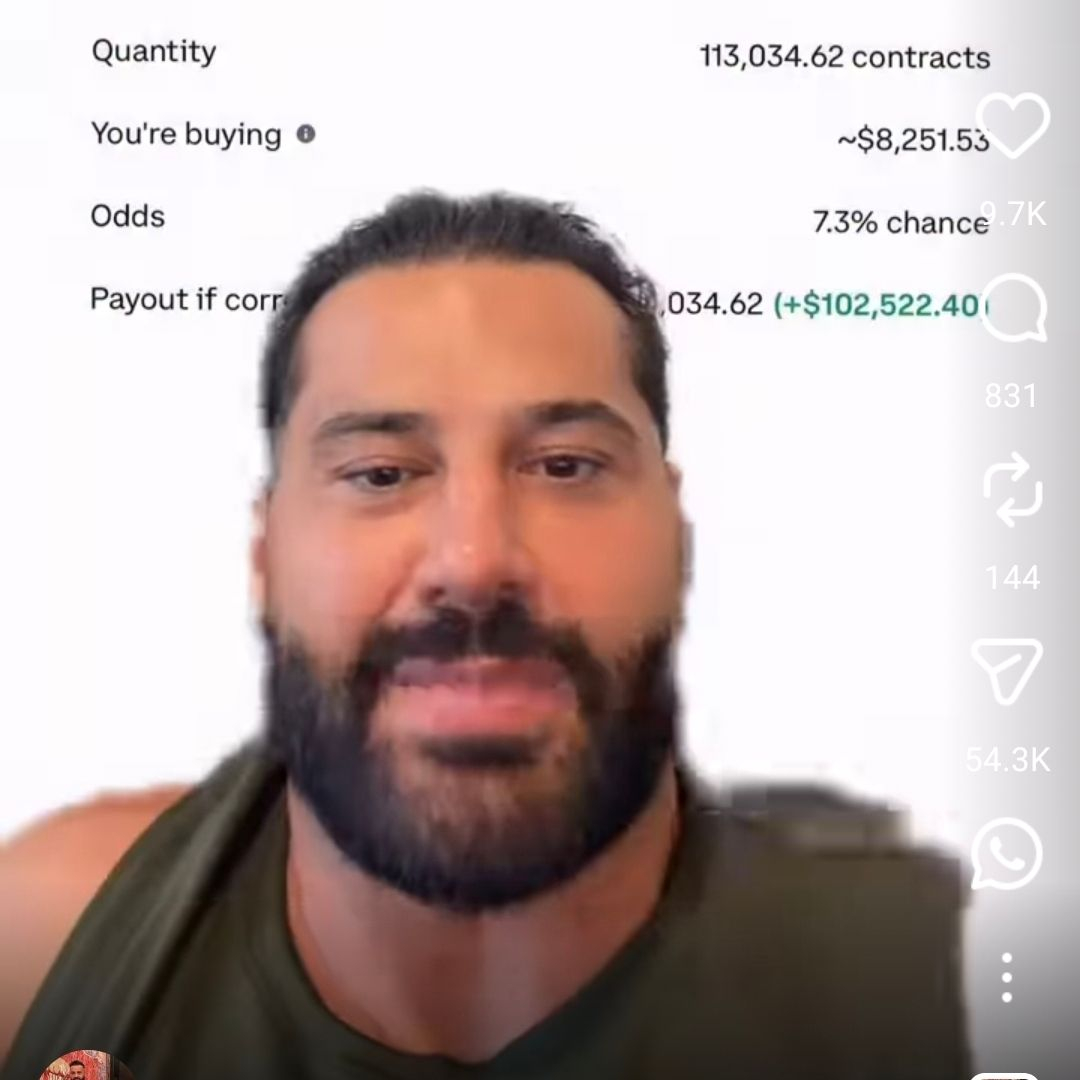
The Gambling Nature of Crypto & Ethereum
The core argument against cryptocurrency is that it behaves less like a traditional financial market and more like an unregulated casino. Critics point to specific mechanics that turn the space into a speculative playground: [1, 2]
The Illusion of Utility ($ETH): While Ethereum was built to power smart contracts and decentralized applications (dApps), critics argue that its day-to-day reality is highly speculative. For the average retail investor, Ethereum acts as a gas fee engine primarily used to trade speculative Memecoins, bridge to volatile Layer-2 networks, or bet on highly volatile digital assets. [1, 2]
The Continuous Casino Feed: Unlike equity markets that close on weekends, the crypto market operates 24/7 with zero circuit breakers. This constant feedback loop exploits psychological vulnerabilities—specifically FOMO (Fear of Missing Out)—inducing behaviors that mimic severe problem gambling. [1]
Negative-Sum Reality: In traditional stock investing, companies generate revenue, pay dividends, and create real-world economic value. In speculative crypto trading, money is rarely "created"; it is simply transferred from late-coming retail investors to earlier participants after accounting for heavy exchange fees.
The core argument against cryptocurrency is that it behaves less like a traditional financial market and more like an unregulated casino. Critics point to specific mechanics that turn the space into a speculative playground: [1, 2]
The Illusion of Utility ($ETH): While Ethereum was built to power smart contracts and decentralized applications (dApps), critics argue that its day-to-day reality is highly speculative. For the average retail investor, Ethereum acts as a gas fee engine primarily used to trade speculative Memecoins, bridge to volatile Layer-2 networks, or bet on highly volatile digital assets. [1, 2]
The Continuous Casino Feed: Unlike equity markets that close on weekends, the crypto market operates 24/7 with zero circuit breakers. This constant feedback loop exploits psychological vulnerabilities—specifically FOMO (Fear of Missing Out)—inducing behaviors that mimic severe problem gambling. [1]
Negative-Sum Reality: In traditional stock investing, companies generate revenue, pay dividends, and create real-world economic value. In speculative crypto trading, money is rarely "created"; it is simply transferred from late-coming retail investors to earlier participants after accounting for heavy exchange fees.