



Dix mois. Il n’en a fallu que dix pour que le Bitwise Solana Staking ETF (BSOL) franchisse le cap des 1 milliard de dollars d’actifs sous gestion — devenant ainsi le premier ETF axé sur Solana à atteindre cette étape. Le fonds a atteint cet objectif le 28 août 2026, avec environ 9,33 millions $SOL w appliquant net assets de 1,0175 milliard de dollars au 26 août.
Voici ce qui rend cela particulièrement intéressant pour les traders sur les marchés à terme : BSOL a réalisé cet exploit dans un marché baissier. Bitwise elle-même a noté que la majorité des entrées provenait d’une période difficile pour la crypto, la qualifiant d’« impressionnante indication de la conviction des investisseurs ». Ce n’est pas juste de la communication — cela suggère une demande institutionnelle d’exposition à SOL structurelle, et pas seulement un jeu sur la dynamique des prix.
Tradez ici 👇🏻


Ce que montrent réellement les chiffres
Passons outre le titre et regardons ce que disent réellement les données. Le volume de transactions cumulé des ETF Solana au comptant a dépassé 13 milliards de dollars depuis leur lancement en septembre 2025. La catégorie a attiré 1,7 milliard de dollars d'entrées nettes cumulées et — point notable — n'a connu aucune longue séquence de sorties depuis le lancement.
L'analyste senior Bloomberg des ETF, Eric Balchunas, a qualifié cela d'« impressionnant », en soulignant que la catégorie a tenu bon malgré ce qu'il décrit comme un « cauchemar » de repli au cours du premier semestre de l'année.
À lui seul, BSOL représente environ 79 % des flux nets cumulés vers les produits d'ETF Solana. C'est une concentration énorme — les traders doivent noter que BSOL est devenu la principale place de liquidité pour l'exposition SOL des institutions. Lorsque de gros acteurs entrent ou sortent, BSOL devrait voir l'essentiel des volumes.
Les parts du fonds sont en baisse d'environ 40 % par rapport à leur prix de cotation, tandis que le SOL lui-même est inférieur de 60 % par rapport à son plus haut historique. Cet écart vous dit quelque chose sur la composante de rendement liée au staking du fonds et sur le calendrier de son lancement — mais surtout, il montre que malgré l'ampleur de la baisse du prix, les capitaux ont continué d'affluer.
La vague institutionnelle

Cette semaine a apporté un autre élément que les traders de futures doivent suivre de près : le gestionnaire d'actifs Charles Schwab, d'un montant de 12 billions de dollars d'actifs, a annoncé qu'il commencerait à déployer le trading spot sur Solana dans les mois à venir. La plateforme de Schwab, lancée en mai 2026 avec seulement Bitcoin et Ethereum, ajoutera désormais Solana, Avalanche et Chainlink.
C'est important pour plusieurs raisons. Schwab compte 39,9 millions de comptes. L'accès direct aux transactions spot pour autant de clients retail et conseillers crée une nouvelle chaîne de demande. Cela signale aussi que Solana a franchi les obstacles de conformité et opérationnels qui limitaient auparavant les grands courtiers à seulement BTC et ETH.

Côté composition des avoirs des ETF, Goldman Sachs est actuellement le principal détenteur connu d'ETF Solana au comptant, avec environ 88,08 millions de dollars d'avoirs divulgués. Mais il y a un contexte important : Goldman avait auparavant clôturé une position d'ETF Solana d'environ 108 millions de dollars au T1 2026. La position actuelle de 88 millions suggère qu'ils sont revenus — mais avec une taille plus petite.
James Seyffart de Bloomberg Intelligence a noté que les conseillers ont été de gros acheteurs au deuxième trimestre, tandis que les hedge funds étaient vendeurs nets. Cette rotation, des hedge funds « fast-money » vers des comptes de conseillers plus orientés long terme, est un signal structurel haussier qui mérite d'être surveillé.
Mouvements de prix et contexte de marché
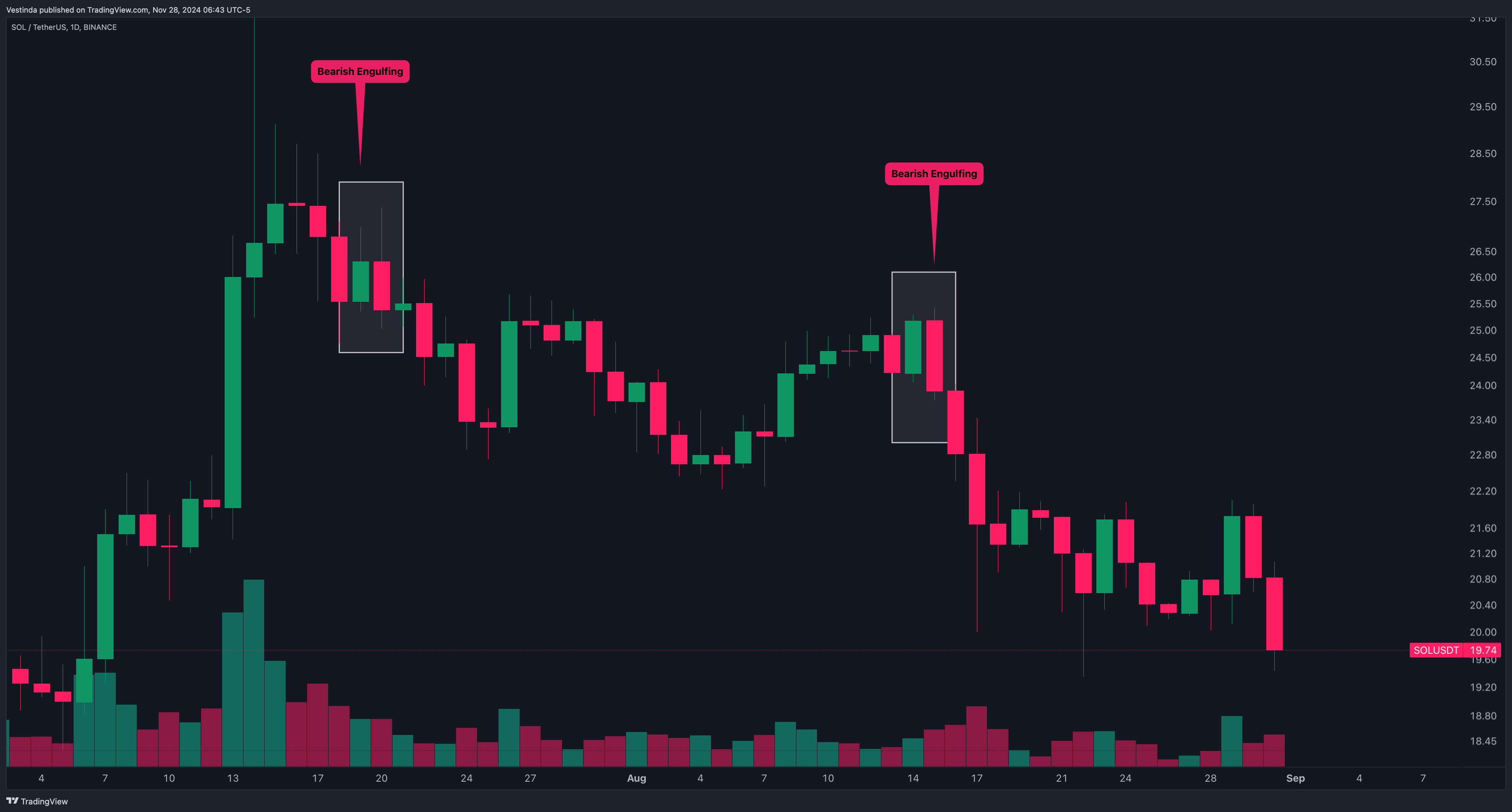
SOL se négocie actuellement autour de 106,49 $, en hausse d'à peine près de 45 % sur le mois écoulé. L'actif a évolué en range entre environ 104 $ et 110 $ lors des sessions récentes. Cette reprise intervient alors que le marché crypto plus large commence à tourner : le Bitcoin s'est rapproché de 80 000 $ pour la première fois depuis des mois, enregistrant son plus grand gain hebdomadaire nominal en dollars jamais observé.
L'évolution des prix compte pour les traders de futures, car elle se produit en même temps qu'une amélioration des flux des ETF. Le 27 août, les ETF Solana spot ont enregistré 60,91 millions de dollars d'entrées — près de sept fois la séance précédente, et la troisième plus forte journée depuis le lancement. Cela a porté les entrées nettes cumulées à 1,322 milliard de dollars.
Les entrées mensuelles d'août atteignent environ 134 millions de dollars, soit un retournement marqué par rapport aux 14,2 millions de dollars enregistrés le mois dernier. L'accélération est notable : août a vu la plus forte hausse sur une seule journée de 2026.
Ce que les traders de futures devraient surveiller
Le jalon BSOL compte pour les traders de futures, car il confirme que la demande institutionnelle est réelle et qu'elle augmente. Mais la question est : qu'est-ce qui vient ensuite ?
Le scénario haussier
Si les entrées d'ETF continuent d'accélérer et que le déploiement de Schwab pour le retail apporte de nouveaux acheteurs, $SOL pourrait subir une pression haussière durable. La reprise de 45 % sur un mois suggère que l'élan se construit déjà. Une cassure au-dessus de la zone de résistance des 110 $ avec confirmation par les volumes pourrait ouvrir une trajectoire vers 120 $ — un niveau que les analystes surveillent.
L'absence de sorties significatives dans la catégorie des ETF, même pendant le repli, suggère que la base institutionnelle est « accrocheuse ». Si c'est le cas, cela offre un plancher au marché.
Les risques baissiers
SOL est encore en baisse d'environ 60 % par rapport à son plus haut historique. Le récent rebond pourrait n'être qu'un rebond de marché baissier. Le niveau des 110 $ a joué le rôle de résistance, et un rejet à cet endroit pourrait renvoyer le prix vers la zone des 95-100 $.
L'effet de levier est aussi un facteur. Les données récentes sur les liquidations indiquent 5,61 millions de dollars de liquidations sur SOL, les positions courtes représentant 73 %. Cela signifie qu'un nombre significatif de traders est positionné contre le rebond. Si le prix repart à la hausse, un short squeeze pourrait accélérer le mouvement. S'il s'inverse, ceux qui sont longs en ressentiront la douleur.
Le scénario neutre
Le marché est en phase de reprise, mais pas encore dans un mode de cassure totale. Le prix évolue en range, les flux des ETF sont positifs mais pas explosifs, et l'adoption institutionnelle progresse régulièrement plutôt que brusquement. Les traders peuvent vouloir attendre une cassure claire au-dessus du niveau des 110 $ ou un test d'un support proche de 95 $ avant de prendre des positions directionnelles.
Facteurs de risque à surveiller
Plusieurs éléments pourraient invalider la thèse haussière :
· Détérioration macro : si la reprise du Bitcoin marque le pas ou s'inverse, SOL suivra probablement
· Inversion des flux d'ETF : une série prolongée de sorties signalerait un affaiblissement de la conviction institutionnelle
· Obstacles réglementaires : bien que l'environnement actuel soit favorable, la réglementation crypto reste instable
· Rejet technique : l'incapacité à conserver les gains récents ferait repasser le récit du côté baissier
La composante de staking de BSOL ajoute une couche supplémentaire : le fonds génère un rendement sur ses avoirs en SOL, ce qui peut influer sur la relation entre le prix de l'ETF et l'actif sous-jacent. Les traders utilisant des futures sur SOL doivent savoir que la performance de BSOL ne suivra pas parfaitement le SOL au comptant, en raison de l'accumulation du rendement de staking.

Le mot de la fin
Le fait que l'ETF Solana de Bitwise atteigne 1 milliard de dollars d'AUM dans un marché baissier est un signal qui mérite attention. Combiné à l'entrée de Schwab, à l'amélioration des flux et au redressement plus large du marché, le scénario pour les $SOL futures devient plus intéressant chaque jour.
Cela dit, le prix est toujours sous les résistances clés, l'effet de levier est élevé et la reprise est encore jeune. L'approche la plus prudente consiste à observer la manière dont le prix réagit à ces niveaux, à surveiller de près les données de flux des ETF, et à attendre une confirmation avant de s'engager sur la taille.
Question pour les traders : avec le retour de Goldman Sachs sur des positions d'ETF SOL à une taille plus petite, et des conseillers qui accumulent tandis que des hedge funds vendent, voyez-vous cela comme un positionnement « smart money » en vue d'une reprise durable, ou comme une phase de distribution avant des prix plus bas ?