
Wextra
20 Publications

Wextra
Signaler
Bloquer l’utilisateur
Trade régulièrement
5.4 an(s)
1 Suivis
114 Abonnés
255 J’aime
Publications
Tous
Citations
·
--
Cardano Price Prediction: Is The Chart Bottoming?Cardano price is currently trading under heavy suppression near the $0.25–$0.27 range, marking a continuation of a brutal trend prediction that has seen the asset shed more than 20% since January. While the chart paints a grim picture of capitulation, data suggests the market is reaching a mathematical inflection point.
Santiment analytics reveal that the average active wallet on the network now sits at a staggered -43% return, a level of widespread pain that historically precedes trend reversals.
The on-chain reality is stark. This -43% MVRV (Market Value to Realized Value) places ADA deep within an “opportunity zone,” where selling pressure naturally evaporates because participants refuse to realize such deep losses.
Simultaneously, Binance funding rates show the highest concentration of short positions since mid-2023. When the crowd unanimously bets on further downside (with no one left to sell), the market often brutally liquidates the bears.
This creates a coiled spring dynamic. While retail traders panic over the Cardano price prediction, institutional algorithms are eyeing the liquidity mismatch. However, waiting for legacy altcoins to pivot can be an agonizingly slow process, leading capital to rotate toward higher-beta assets in the interim.
Cardano Price Prediction: ADA to Trigger a Short Squeeze to $0.33?
Technically, ADA is clinging to critical support at $0.25. A breakdown here would invalidate the bullish divergence thesis, potentially opening the floor to $0.22 based on long-term forecast data. However, the derivative setup favors the bulls. The imbalance in funding rates suggests that a minor price uptick could trigger a cascade of short liquidations, rapidly forcing price back toward the 200-day moving average.
Volume profiles indicate apathy rather than aggression, a typical bear market bottom signal. If the bulls can defend the $0.25 line, the first target is the $0.30 psychological resistance, followed by a liquidity grab at $0.33. Conversely, sustained trading below $0.24 would confirm the weakness projected by some analysts expecting further consolidation through 2026.
The risk-to-reward ratio for a long entry here is high, but so is the time cost. Cardano has become a “heavy” trade, safe, perhaps, but slow.
This lethargy is precisely why active traders are diversifying into emerging narratives that promise volatility and immediate price discovery.
Maxi Doge Brings Leverage Culture to Meme Markets
While Cardano tests the patience of its holders, the meme coin sector continues to command the lion’s share of speculative volume. Traders fatigued by ADA’s slow grind are rotating into Maxi Doge ($MAXI), a new ERC-20 project that has already raised more than $4,7 Million in its presale phase.
Maxi Doge differentiates itself from potential competitors by targeting a specific subculture: the leverage addict. Branded as a 240-lb canine juggernaut, the project’s USP revolves around its “Leverage King” culture and holder-only trading competitions. The roadmap avoids vague promises, focusing instead on a “Maxi Fund” treasury designed to inject liquidity and sustain market operations.
The entry price represents a specific opportunity for early movers. Currently priced at $0.000281, the token offers an accessible entry point compared to established caps. The platform also boasts 66% APY rewards, incentivizing holders to lock supply (reducing sell pressure) while participation in the ecosystem grows.
@SignOfficial
([https://www.binance.com/en/square/profile/signofficial](https://www.binance.com/en/square/profile/signofficial))
$SIGN #SignDigitalSovereignInfra
Cardano Price Prediction: Is The Chart Bottoming?
Cardano price is currently trading under heavy suppression near the $0.25–$0.27 range, marking a continuation of a brutal trend prediction that has seen the asset shed more than 20% since January. While the chart paints a grim picture of capitulation, data suggests the market is reaching a mathematical inflection point.
Santiment analytics reveal that the average active wallet on the network now sits at a staggered -43% return, a level of widespread pain that historically precedes trend reversals.
The on-chain reality is stark. This -43% MVRV (Market Value to Realized Value) places ADA deep within an “opportunity zone,” where selling pressure naturally evaporates because participants refuse to realize such deep losses.
Simultaneously, Binance funding rates show the highest concentration of short positions since mid-2023. When the crowd unanimously bets on further downside (with no one left to sell), the market often brutally liquidates the bears.
This creates a coiled spring dynamic. While retail traders panic over the Cardano price prediction, institutional algorithms are eyeing the liquidity mismatch. However, waiting for legacy altcoins to pivot can be an agonizingly slow process, leading capital to rotate toward higher-beta assets in the interim.
Cardano Price Prediction: ADA to Trigger a Short Squeeze to $0.33?
Technically, ADA is clinging to critical support at $0.25. A breakdown here would invalidate the bullish divergence thesis, potentially opening the floor to $0.22 based on long-term forecast data. However, the derivative setup favors the bulls. The imbalance in funding rates suggests that a minor price uptick could trigger a cascade of short liquidations, rapidly forcing price back toward the 200-day moving average.
Volume profiles indicate apathy rather than aggression, a typical bear market bottom signal. If the bulls can defend the $0.25 line, the first target is the $0.30 psychological resistance, followed by a liquidity grab at $0.33. Conversely, sustained trading below $0.24 would confirm the weakness projected by some analysts expecting further consolidation through 2026.
The risk-to-reward ratio for a long entry here is high, but so is the time cost. Cardano has become a “heavy” trade, safe, perhaps, but slow.
This lethargy is precisely why active traders are diversifying into emerging narratives that promise volatility and immediate price discovery.
Maxi Doge Brings Leverage Culture to Meme Markets
While Cardano tests the patience of its holders, the meme coin sector continues to command the lion’s share of speculative volume. Traders fatigued by ADA’s slow grind are rotating into Maxi Doge ($MAXI), a new ERC-20 project that has already raised more than $4,7 Million in its presale phase.
Maxi Doge differentiates itself from potential competitors by targeting a specific subculture: the leverage addict. Branded as a 240-lb canine juggernaut, the project’s USP revolves around its “Leverage King” culture and holder-only trading competitions. The roadmap avoids vague promises, focusing instead on a “Maxi Fund” treasury designed to inject liquidity and sustain market operations.
The entry price represents a specific opportunity for early movers. Currently priced at $0.000281, the token offers an accessible entry point compared to established caps. The platform also boasts 66% APY rewards, incentivizing holders to lock supply (reducing sell pressure) while participation in the ecosystem grows.
@SignOfficial
(https://www.binance.com/en/square/profile/signofficial)
$SIGN #SignDigitalSovereignInfra
Santiment analytics reveal that the average active wallet on the network now sits at a staggered -43% return, a level of widespread pain that historically precedes trend reversals.
The on-chain reality is stark. This -43% MVRV (Market Value to Realized Value) places ADA deep within an “opportunity zone,” where selling pressure naturally evaporates because participants refuse to realize such deep losses.
Simultaneously, Binance funding rates show the highest concentration of short positions since mid-2023. When the crowd unanimously bets on further downside (with no one left to sell), the market often brutally liquidates the bears.
This creates a coiled spring dynamic. While retail traders panic over the Cardano price prediction, institutional algorithms are eyeing the liquidity mismatch. However, waiting for legacy altcoins to pivot can be an agonizingly slow process, leading capital to rotate toward higher-beta assets in the interim.
Cardano Price Prediction: ADA to Trigger a Short Squeeze to $0.33?
Technically, ADA is clinging to critical support at $0.25. A breakdown here would invalidate the bullish divergence thesis, potentially opening the floor to $0.22 based on long-term forecast data. However, the derivative setup favors the bulls. The imbalance in funding rates suggests that a minor price uptick could trigger a cascade of short liquidations, rapidly forcing price back toward the 200-day moving average.
Volume profiles indicate apathy rather than aggression, a typical bear market bottom signal. If the bulls can defend the $0.25 line, the first target is the $0.30 psychological resistance, followed by a liquidity grab at $0.33. Conversely, sustained trading below $0.24 would confirm the weakness projected by some analysts expecting further consolidation through 2026.
The risk-to-reward ratio for a long entry here is high, but so is the time cost. Cardano has become a “heavy” trade, safe, perhaps, but slow.
This lethargy is precisely why active traders are diversifying into emerging narratives that promise volatility and immediate price discovery.
Maxi Doge Brings Leverage Culture to Meme Markets
While Cardano tests the patience of its holders, the meme coin sector continues to command the lion’s share of speculative volume. Traders fatigued by ADA’s slow grind are rotating into Maxi Doge ($MAXI), a new ERC-20 project that has already raised more than $4,7 Million in its presale phase.
Maxi Doge differentiates itself from potential competitors by targeting a specific subculture: the leverage addict. Branded as a 240-lb canine juggernaut, the project’s USP revolves around its “Leverage King” culture and holder-only trading competitions. The roadmap avoids vague promises, focusing instead on a “Maxi Fund” treasury designed to inject liquidity and sustain market operations.
The entry price represents a specific opportunity for early movers. Currently priced at $0.000281, the token offers an accessible entry point compared to established caps. The platform also boasts 66% APY rewards, incentivizing holders to lock supply (reducing sell pressure) while participation in the ecosystem grows.
@SignOfficial
(https://www.binance.com/en/square/profile/signofficial)
$SIGN #SignDigitalSovereignInfra
·
--
#signdigitalsovereigninfra $SIGN
Elon’s Grok AI Predicts the Price of XRP, Bitcoin and Ethereum by The End of 2026
Someone fed Grok a carefully engineered prompt. What came out was explosive price predictions for XRP, Bitcoin, and Ethereum.
Oil prices are adding fresh macro pressure across crypto markets right now. But Grok’s mid to long term outlook for the three largest cryptocurrencies stays firmly bullish.
Chart signals, regulatory momentum, and broader industry tailwinds are all feeding into the analysis.
Here is what Elon’s AI is calling.
XRP ($XRP): Grok AI Predicts a Possible 900% Price Surge Within 10 Months
In a recent update, Ripple reiterated that XRP ($XRP) plays a central role in establishing the XRP Ledger (XRPL) as a scalable, enterprise-grade global payments network.
XRP is trading around $1.36. Grok AI is calling $14 by year end. That is a 10x from current levels.
The fundamental case is built around the XRP Ledger’s speed and low fees giving it an early lead in two of the biggest blockchain use cases right now. Stablecoins and tokenized real world assets.
Technically, XRP formed a bullish flag in recent months but Bitcoin’s stagnation has been holding it back.
The catalysts that could change that are stacking up. US-listed XRP ETFs bringing institutional capital in. Ripple’s expanding global partnership network. And potential regulatory clarity if the CLARITY Act clears Congress.
All three hitting at once is what could gets you to $14.
@SignOfficial
(https://www.binance.com/en/square/profile/signofficial)
$SIGN #SignDigitalSovereignInfra
#signdigitalsovereigninfra $SIGN
Elon’s Grok AI Predicts the Price of XRP, Bitcoin and Ethereum by The End of 2026
Someone fed Grok a carefully engineered prompt. What came out was explosive price predictions for XRP, Bitcoin, and Ethereum.
Oil prices are adding fresh macro pressure across crypto markets right now. But Grok’s mid to long term outlook for the three largest cryptocurrencies stays firmly bullish.
Chart signals, regulatory momentum, and broader industry tailwinds are all feeding into the analysis.
Here is what Elon’s AI is calling.
XRP ($XRP): Grok AI Predicts a Possible 900% Price Surge Within 10 Months
In a recent update, Ripple reiterated that XRP ($XRP) plays a central role in establishing the XRP Ledger (XRPL) as a scalable, enterprise-grade global payments network.
XRP is trading around $1.36. Grok AI is calling $14 by year end. That is a 10x from current levels.
The fundamental case is built around the XRP Ledger’s speed and low fees giving it an early lead in two of the biggest blockchain use cases right now. Stablecoins and tokenized real world assets.
Technically, XRP formed a bullish flag in recent months but Bitcoin’s stagnation has been holding it back.
The catalysts that could change that are stacking up. US-listed XRP ETFs bringing institutional capital in. Ripple’s expanding global partnership network. And potential regulatory clarity if the CLARITY Act clears Congress.
All three hitting at once is what could gets you to $14.
@SignOfficial
(https://www.binance.com/en/square/profile/signofficial)
$SIGN #SignDigitalSovereignInfra
Elon’s Grok AI Predicts the Price of XRP, Bitcoin and Ethereum by The End of 2026
Someone fed Grok a carefully engineered prompt. What came out was explosive price predictions for XRP, Bitcoin, and Ethereum.
Oil prices are adding fresh macro pressure across crypto markets right now. But Grok’s mid to long term outlook for the three largest cryptocurrencies stays firmly bullish.
Chart signals, regulatory momentum, and broader industry tailwinds are all feeding into the analysis.
Here is what Elon’s AI is calling.
XRP ($XRP): Grok AI Predicts a Possible 900% Price Surge Within 10 Months
In a recent update, Ripple reiterated that XRP ($XRP) plays a central role in establishing the XRP Ledger (XRPL) as a scalable, enterprise-grade global payments network.
XRP is trading around $1.36. Grok AI is calling $14 by year end. That is a 10x from current levels.
The fundamental case is built around the XRP Ledger’s speed and low fees giving it an early lead in two of the biggest blockchain use cases right now. Stablecoins and tokenized real world assets.
Technically, XRP formed a bullish flag in recent months but Bitcoin’s stagnation has been holding it back.
The catalysts that could change that are stacking up. US-listed XRP ETFs bringing institutional capital in. Ripple’s expanding global partnership network. And potential regulatory clarity if the CLARITY Act clears Congress.
All three hitting at once is what could gets you to $14.
@SignOfficial
(https://www.binance.com/en/square/profile/signofficial)
$SIGN #SignDigitalSovereignInfra
·
--
Crypto finance is beginning to look at lot more traditional, Aave and Ethena founders say.Until recently, crypto users mostly traded tokens or borrowed against them, often chasing high, but unpredictable yields. New tools allow them to lock in returns, even in a market known for big swings.
What to know:
Crypto is evolving beyond trading into more stable, predictable return products, similar to bonds, as new tools let users lock in or manage yield despite market volatility, said the heads of Aave and Ethena.While DeFi yields still rely heavily on trading activity and leverage, Stani Kulechov and Guy Young said returns will increasingly come from traditional finance assets moving onchain.
Crypto finance is only now beginning to provide an environment that matches traditional finance: ways to earn steadier, more predictable returns — similar to bonds or savings products, according to Aave Labs founder Stani Kulechov and Ethena CEO Guy Young.
“Most fixed income is like the distribution of risk in different formats … basically just slicing and dicing and distributing risk,” Young said during a panel at Digital Asset Summit (DAS) in New York. “This piece of DeFi was probably the least featured two years ago.”
Until recently, crypto users mostly traded tokens or borrowed against them, often chasing high, unpredictable yields. New tools make it possible to lock in returns, even in a market known for big swings.
“What you’re doing with Pendle is providing a fixed-to-floating rate swap,” Young said, referring to a system that lets users choose between more stable or more variable returns — similar to choosing between fixed or adjustable interest rates.
That’s not easy in crypto. “It’s very difficult to know three months out what the market is actually going to look like,” he said.
Kulechov said Aave has helped support this shift by providing deep pools of capital that other projects can tap into. “Aave is sort of acting as a liquidity sink,” he said, helping “bootstrap a lot of the new coming products in DeFi.”
For now, much of the money being made still depends on trading rather than traditional lending. “A lot of DeFi yield … is largely still based on … leverage,” Kulechov said.
Over time, that could change as more real-world assets move onchain, a process known as tokenization.
“A lot of the yields and a lot of the economics will come from the traditional finance,” he said.
@SignOfficial
([https://www.binance.com/en/square/profile/signofficial](https://www.binance.com/en/square/profile/signofficial))
#Sign #SignDigitalSovereignInfra $SIGN
Crypto finance is beginning to look at lot more traditional, Aave and Ethena founders say.
Until recently, crypto users mostly traded tokens or borrowed against them, often chasing high, but unpredictable yields. New tools allow them to lock in returns, even in a market known for big swings.
What to know:
Crypto is evolving beyond trading into more stable, predictable return products, similar to bonds, as new tools let users lock in or manage yield despite market volatility, said the heads of Aave and Ethena.While DeFi yields still rely heavily on trading activity and leverage, Stani Kulechov and Guy Young said returns will increasingly come from traditional finance assets moving onchain.
Crypto finance is only now beginning to provide an environment that matches traditional finance: ways to earn steadier, more predictable returns — similar to bonds or savings products, according to Aave Labs founder Stani Kulechov and Ethena CEO Guy Young.
“Most fixed income is like the distribution of risk in different formats … basically just slicing and dicing and distributing risk,” Young said during a panel at Digital Asset Summit (DAS) in New York. “This piece of DeFi was probably the least featured two years ago.”
Until recently, crypto users mostly traded tokens or borrowed against them, often chasing high, unpredictable yields. New tools make it possible to lock in returns, even in a market known for big swings.
“What you’re doing with Pendle is providing a fixed-to-floating rate swap,” Young said, referring to a system that lets users choose between more stable or more variable returns — similar to choosing between fixed or adjustable interest rates.
That’s not easy in crypto. “It’s very difficult to know three months out what the market is actually going to look like,” he said.
Kulechov said Aave has helped support this shift by providing deep pools of capital that other projects can tap into. “Aave is sort of acting as a liquidity sink,” he said, helping “bootstrap a lot of the new coming products in DeFi.”
For now, much of the money being made still depends on trading rather than traditional lending. “A lot of DeFi yield … is largely still based on … leverage,” Kulechov said.
Over time, that could change as more real-world assets move onchain, a process known as tokenization.
“A lot of the yields and a lot of the economics will come from the traditional finance,” he said.
@SignOfficial
(https://www.binance.com/en/square/profile/signofficial)
#Sign #SignDigitalSovereignInfra $SIGN
What to know:
Crypto is evolving beyond trading into more stable, predictable return products, similar to bonds, as new tools let users lock in or manage yield despite market volatility, said the heads of Aave and Ethena.While DeFi yields still rely heavily on trading activity and leverage, Stani Kulechov and Guy Young said returns will increasingly come from traditional finance assets moving onchain.
Crypto finance is only now beginning to provide an environment that matches traditional finance: ways to earn steadier, more predictable returns — similar to bonds or savings products, according to Aave Labs founder Stani Kulechov and Ethena CEO Guy Young.
“Most fixed income is like the distribution of risk in different formats … basically just slicing and dicing and distributing risk,” Young said during a panel at Digital Asset Summit (DAS) in New York. “This piece of DeFi was probably the least featured two years ago.”
Until recently, crypto users mostly traded tokens or borrowed against them, often chasing high, unpredictable yields. New tools make it possible to lock in returns, even in a market known for big swings.
“What you’re doing with Pendle is providing a fixed-to-floating rate swap,” Young said, referring to a system that lets users choose between more stable or more variable returns — similar to choosing between fixed or adjustable interest rates.
That’s not easy in crypto. “It’s very difficult to know three months out what the market is actually going to look like,” he said.
Kulechov said Aave has helped support this shift by providing deep pools of capital that other projects can tap into. “Aave is sort of acting as a liquidity sink,” he said, helping “bootstrap a lot of the new coming products in DeFi.”
For now, much of the money being made still depends on trading rather than traditional lending. “A lot of DeFi yield … is largely still based on … leverage,” Kulechov said.
Over time, that could change as more real-world assets move onchain, a process known as tokenization.
“A lot of the yields and a lot of the economics will come from the traditional finance,” he said.
@SignOfficial
(https://www.binance.com/en/square/profile/signofficial)
#Sign #SignDigitalSovereignInfra $SIGN
1
290
·
--
Bitcoin steadies above $71,000 as oil falls below $100 after U.S. drafts 15‑point Iran peace plan
Brent crude fell 4.7% and Asian equities rallied 1.9% as Washington delivered a ceasefire proposal to Tehran via Pakistan, fueling the most sustained optimism since the conflict began a month ago.
What to know:
Brent crude fell below $100 a barrel for the first time in weeks after reports of a U.S.-drafted 15-point peace plan to end the Iran conflict, easing inflation pressures and lifting global risk assets.
Bitcoin is holding above $70,000 and trading around $71,000 after a volatile week, while most major altcoins remain lower on a weekly basis despite modest daily gains.
The proposed peace plan, which reportedly includes restrictions on Iran's nuclear ambitions, is the most concrete diplomatic move since the war began and is seen as the key catalyst for markets in the coming days.
Bitcoin was trading at $71,019, up 0.9% over the past 24 hours but still down 6.4% on the week. The weekly loss reflects the whipsaw from last week's $75,000 high through the weekend's 48-hour ultimatum panic and Monday's two-headline liquidation cascade.
The daily move is quieter and more constructive, with bitcoin holding above $70,000 for a third consecutive day.
"Although the leading cryptocurrency did not immediately capitalize on the upward momentum and extend its gains, simply remaining at these high levels now suggests confidence among the bulls," FxPro chief market analyst Alex Kuptsikevich told CoinDesk in an email.
@SignOfficial
(https://www.binance.com/en/square/profile/signofficial)
#signdigitalsovereigninfra $SIGN
Bitcoin steadies above $71,000 as oil falls below $100 after U.S. drafts 15‑point Iran peace plan
Brent crude fell 4.7% and Asian equities rallied 1.9% as Washington delivered a ceasefire proposal to Tehran via Pakistan, fueling the most sustained optimism since the conflict began a month ago.
What to know:
Brent crude fell below $100 a barrel for the first time in weeks after reports of a U.S.-drafted 15-point peace plan to end the Iran conflict, easing inflation pressures and lifting global risk assets.
Bitcoin is holding above $70,000 and trading around $71,000 after a volatile week, while most major altcoins remain lower on a weekly basis despite modest daily gains.
The proposed peace plan, which reportedly includes restrictions on Iran's nuclear ambitions, is the most concrete diplomatic move since the war began and is seen as the key catalyst for markets in the coming days.
Bitcoin was trading at $71,019, up 0.9% over the past 24 hours but still down 6.4% on the week. The weekly loss reflects the whipsaw from last week's $75,000 high through the weekend's 48-hour ultimatum panic and Monday's two-headline liquidation cascade.
The daily move is quieter and more constructive, with bitcoin holding above $70,000 for a third consecutive day.
"Although the leading cryptocurrency did not immediately capitalize on the upward momentum and extend its gains, simply remaining at these high levels now suggests confidence among the bulls," FxPro chief market analyst Alex Kuptsikevich told CoinDesk in an email.
@SignOfficial
(https://www.binance.com/en/square/profile/signofficial)
#signdigitalsovereigninfra $SIGN
Brent crude fell 4.7% and Asian equities rallied 1.9% as Washington delivered a ceasefire proposal to Tehran via Pakistan, fueling the most sustained optimism since the conflict began a month ago.
What to know:
Brent crude fell below $100 a barrel for the first time in weeks after reports of a U.S.-drafted 15-point peace plan to end the Iran conflict, easing inflation pressures and lifting global risk assets.
Bitcoin is holding above $70,000 and trading around $71,000 after a volatile week, while most major altcoins remain lower on a weekly basis despite modest daily gains.
The proposed peace plan, which reportedly includes restrictions on Iran's nuclear ambitions, is the most concrete diplomatic move since the war began and is seen as the key catalyst for markets in the coming days.
Bitcoin was trading at $71,019, up 0.9% over the past 24 hours but still down 6.4% on the week. The weekly loss reflects the whipsaw from last week's $75,000 high through the weekend's 48-hour ultimatum panic and Monday's two-headline liquidation cascade.
The daily move is quieter and more constructive, with bitcoin holding above $70,000 for a third consecutive day.
"Although the leading cryptocurrency did not immediately capitalize on the upward momentum and extend its gains, simply remaining at these high levels now suggests confidence among the bulls," FxPro chief market analyst Alex Kuptsikevich told CoinDesk in an email.
@SignOfficial
(https://www.binance.com/en/square/profile/signofficial)
#signdigitalsovereigninfra $SIGN
40
·
--
Bitcoin Price Holds $68,500 as Gold Extends Nine-Day Slide and Asian Stocks DropGold is crashing. Equities are bleeding. Bitcoin price does not care.
BTC is trading at $68,500, up 1.5% in 24 hours while gold logs its ninth straight daily loss, dropping to around $4,360. Asian equities fell for a third consecutive session, pushing major indices toward correction territory.
Everything is selling off at once. Traditional safe havens and risk assets are getting hit simultaneously. Bitcoin is holding its ground anyway.
BTC Stability: Bitcoin is up 1.5% daily, firmly holding the $66,000 floor that has withstood every war-driven sell-off since February 28.Gold Slide: Prices have collapsed to $4,360 in a nine-day losing streak, the asset’s longest consecutive decline in years.Asian Equities: Stocks dropped for a third session as climbing bond yields signal central banks may favor rate hikes over cuts.
Bitcoin Price Analysis: Can BTC Hold Support at $68,500?
Buyers are defending $68,500 hard.
Price has been range-bound but constructive, bouncing off the $66,000 floor that has held through the entire Iran conflict.
Losing that level and $62,000 opens up, which kills the decoupling thesis entirely. To flip the bias bullish, price needs to reclaim $70,000 and close above the range high.
Derivatives are telling an interesting story. Alexander Blume, CEO of Two Prime, says BTC derivatives have held up well given the backdrop.
His firm is positioning for higher funding rates, which means smart money is betting on an upside surprise, not a breakdown. Whales are absorbing sell pressure from short-term speculators around these exact levels.
Until $66,000 breaks, the trend is sideways to bullish.
Gold Price Nine-Day Losing Streak: What Is Driving the Slide?
Gold is in freefall.
Down to roughly $4,360, shedding around 18% from recent highs and logging its longest losing streak in years. This is not how gold is supposed to behave during a geopolitical crisis. The safe haven playbook is broken.
Rising bond yields and a strengthening dollar are driving the sell-off. War in the Middle East is escalating and gold is still dropping.
The institutional buying that fueled the earlier rally is gone. Alexander Blume points out that the move up was structural, driven by China decoupling from the dollar. That bid has evaporated as liquidity becomes the priority over safety. With the Fed now pressured to hike rather than cut to fight war-stoked inflation, the cost of holding a non-yielding asset like gold has spiked.
Bears are eyeing $4,300 next. The breakdown is confirmed until price proves otherwise.
Asian Equities and the Risk-Off Context
Asian stocks are down for a third straight session. S&P and European futures point to more losses. Risk-off sentiment is global.
Bitcoin is not following.
Crypto usually trades like a high-beta tech stock in environments like this, selling off hard and fast. Not today. BTC is holding green while everything else bleeds, and the divergence is showing up across the crypto board too.
Ether is up 2.7% to $2,059. But Solana is down 2.5% to $86.54 and Dogecoin is the worst performer among majors, down 7.4% on the week. Capital is rotating into Bitcoin and Ether. A flight to quality within crypto itself.
The next 24 hours have a specific catalyst. Monday evening marks the deadline on Trump’s ultimatum to hit and obliterate Iran’s power plants if the Strait of Hormuz stays closed. Brent crude is already at $113 a barrel. Goldman Sachs is calling the potential disruption the largest-ever supply shock.
Traders are watching $68,000 heading into that deadline.
Hold support through the ultimatum, and the structural breakout thesis gets validated. Drop below $66,000, and the liquidity drain has finally caught up to crypto. Neither side has clean control right now.
But compared to gold and equities, Bitcoin’s path of least resistance looks stubbornly higher.
@SignOfficial
([https://www.binance.com/en/square/profile/signofficial](https://www.binance.com/en/square/profile/signofficial))
#signdigitalalsovereigninfra $Sign
#sign
Bitcoin Price Holds $68,500 as Gold Extends Nine-Day Slide and Asian Stocks Drop
Gold is crashing. Equities are bleeding. Bitcoin price does not care.
BTC is trading at $68,500, up 1.5% in 24 hours while gold logs its ninth straight daily loss, dropping to around $4,360. Asian equities fell for a third consecutive session, pushing major indices toward correction territory.
Everything is selling off at once. Traditional safe havens and risk assets are getting hit simultaneously. Bitcoin is holding its ground anyway.
BTC Stability: Bitcoin is up 1.5% daily, firmly holding the $66,000 floor that has withstood every war-driven sell-off since February 28.Gold Slide: Prices have collapsed to $4,360 in a nine-day losing streak, the asset’s longest consecutive decline in years.Asian Equities: Stocks dropped for a third session as climbing bond yields signal central banks may favor rate hikes over cuts.
Bitcoin Price Analysis: Can BTC Hold Support at $68,500?
Buyers are defending $68,500 hard.
Price has been range-bound but constructive, bouncing off the $66,000 floor that has held through the entire Iran conflict.
Losing that level and $62,000 opens up, which kills the decoupling thesis entirely. To flip the bias bullish, price needs to reclaim $70,000 and close above the range high.
Derivatives are telling an interesting story. Alexander Blume, CEO of Two Prime, says BTC derivatives have held up well given the backdrop.
His firm is positioning for higher funding rates, which means smart money is betting on an upside surprise, not a breakdown. Whales are absorbing sell pressure from short-term speculators around these exact levels.
Until $66,000 breaks, the trend is sideways to bullish.
Gold Price Nine-Day Losing Streak: What Is Driving the Slide?
Gold is in freefall.
Down to roughly $4,360, shedding around 18% from recent highs and logging its longest losing streak in years. This is not how gold is supposed to behave during a geopolitical crisis. The safe haven playbook is broken.
Rising bond yields and a strengthening dollar are driving the sell-off. War in the Middle East is escalating and gold is still dropping.
The institutional buying that fueled the earlier rally is gone. Alexander Blume points out that the move up was structural, driven by China decoupling from the dollar. That bid has evaporated as liquidity becomes the priority over safety. With the Fed now pressured to hike rather than cut to fight war-stoked inflation, the cost of holding a non-yielding asset like gold has spiked.
Bears are eyeing $4,300 next. The breakdown is confirmed until price proves otherwise.
Asian Equities and the Risk-Off Context
Asian stocks are down for a third straight session. S&P and European futures point to more losses. Risk-off sentiment is global.
Bitcoin is not following.
Crypto usually trades like a high-beta tech stock in environments like this, selling off hard and fast. Not today. BTC is holding green while everything else bleeds, and the divergence is showing up across the crypto board too.
Ether is up 2.7% to $2,059. But Solana is down 2.5% to $86.54 and Dogecoin is the worst performer among majors, down 7.4% on the week. Capital is rotating into Bitcoin and Ether. A flight to quality within crypto itself.
The next 24 hours have a specific catalyst. Monday evening marks the deadline on Trump’s ultimatum to hit and obliterate Iran’s power plants if the Strait of Hormuz stays closed. Brent crude is already at $113 a barrel. Goldman Sachs is calling the potential disruption the largest-ever supply shock.
Traders are watching $68,000 heading into that deadline.
Hold support through the ultimatum, and the structural breakout thesis gets validated. Drop below $66,000, and the liquidity drain has finally caught up to crypto. Neither side has clean control right now.
But compared to gold and equities, Bitcoin’s path of least resistance looks stubbornly higher.
@SignOfficial
(https://www.binance.com/en/square/profile/signofficial)
#signdigitalalsovereigninfra $Sign
#sign
BTC is trading at $68,500, up 1.5% in 24 hours while gold logs its ninth straight daily loss, dropping to around $4,360. Asian equities fell for a third consecutive session, pushing major indices toward correction territory.
Everything is selling off at once. Traditional safe havens and risk assets are getting hit simultaneously. Bitcoin is holding its ground anyway.
BTC Stability: Bitcoin is up 1.5% daily, firmly holding the $66,000 floor that has withstood every war-driven sell-off since February 28.Gold Slide: Prices have collapsed to $4,360 in a nine-day losing streak, the asset’s longest consecutive decline in years.Asian Equities: Stocks dropped for a third session as climbing bond yields signal central banks may favor rate hikes over cuts.
Bitcoin Price Analysis: Can BTC Hold Support at $68,500?
Buyers are defending $68,500 hard.
Price has been range-bound but constructive, bouncing off the $66,000 floor that has held through the entire Iran conflict.
Losing that level and $62,000 opens up, which kills the decoupling thesis entirely. To flip the bias bullish, price needs to reclaim $70,000 and close above the range high.
Derivatives are telling an interesting story. Alexander Blume, CEO of Two Prime, says BTC derivatives have held up well given the backdrop.
His firm is positioning for higher funding rates, which means smart money is betting on an upside surprise, not a breakdown. Whales are absorbing sell pressure from short-term speculators around these exact levels.
Until $66,000 breaks, the trend is sideways to bullish.
Gold Price Nine-Day Losing Streak: What Is Driving the Slide?
Gold is in freefall.
Down to roughly $4,360, shedding around 18% from recent highs and logging its longest losing streak in years. This is not how gold is supposed to behave during a geopolitical crisis. The safe haven playbook is broken.
Rising bond yields and a strengthening dollar are driving the sell-off. War in the Middle East is escalating and gold is still dropping.
The institutional buying that fueled the earlier rally is gone. Alexander Blume points out that the move up was structural, driven by China decoupling from the dollar. That bid has evaporated as liquidity becomes the priority over safety. With the Fed now pressured to hike rather than cut to fight war-stoked inflation, the cost of holding a non-yielding asset like gold has spiked.
Bears are eyeing $4,300 next. The breakdown is confirmed until price proves otherwise.
Asian Equities and the Risk-Off Context
Asian stocks are down for a third straight session. S&P and European futures point to more losses. Risk-off sentiment is global.
Bitcoin is not following.
Crypto usually trades like a high-beta tech stock in environments like this, selling off hard and fast. Not today. BTC is holding green while everything else bleeds, and the divergence is showing up across the crypto board too.
Ether is up 2.7% to $2,059. But Solana is down 2.5% to $86.54 and Dogecoin is the worst performer among majors, down 7.4% on the week. Capital is rotating into Bitcoin and Ether. A flight to quality within crypto itself.
The next 24 hours have a specific catalyst. Monday evening marks the deadline on Trump’s ultimatum to hit and obliterate Iran’s power plants if the Strait of Hormuz stays closed. Brent crude is already at $113 a barrel. Goldman Sachs is calling the potential disruption the largest-ever supply shock.
Traders are watching $68,000 heading into that deadline.
Hold support through the ultimatum, and the structural breakout thesis gets validated. Drop below $66,000, and the liquidity drain has finally caught up to crypto. Neither side has clean control right now.
But compared to gold and equities, Bitcoin’s path of least resistance looks stubbornly higher.
@SignOfficial
(https://www.binance.com/en/square/profile/signofficial)
#signdigitalalsovereigninfra $Sign
#sign
3
·
--
Here’s how Treasuries could shape Trump’s Iran war and bitcoin movesTreasury yields and swap spreads could eventually pressure the Trump administration to moderate the conflict, analysts argue.
What to know:
The ongoing Iran war has led to sharp spikes in U.S. Treasury yields.
Trump administration could be forced to temper the war if swap spreads exceed 60 bps or 10-year yield surges beyond 4.5%. Some market observers say a 10-year yield above 5% could spark a mini–financial crisis that forces intervention.
BTC may slide initially only to recover on potential Fed or government intervention.
As the Iran war rages on, U.S. Treasury yields – the market's gauge of borrowing costs – have surged to multi-month highs, pricing in delayed Fed rate cuts and higher inflation expectations.
The question is at what point the Treasury market, which underpins global finance, starts causing trouble for both the government and the economy, forcing the Trump administration to rethink the war or consider a mechanism to cap yields.
According to ING, that point comes when a little-known 10-year U.S. Treasury swap spread blows past 60 basis points. We are not there yet.
"Watch the 10-year swap spread. It's just below 50bp now. If that were to shoot to 60bp, it would spell enough trouble to ultimately shape the war path. Why? It's a measure of the de-rating of Treasuries. We need to steer clear of that. It's not just the negative perception, it's the added cost of funding U.S. debt," Padhraic Garvey, CFA and regional head of research Americas at ING, said in a note to clients Friday.
Garvey emphasized that rising swap spreads aren't just about perception; they increase the implied cost of funding for the U.S. government, making it more expensive for the heavily-indebted Uncle Sam to issue new bonds and borrow more. This could ripple through the financial system, tightening credit conditions and leading to risk aversion in both stocks and bitcoin.
Narrow swap spreads are the good look. Wide swap spreads are the opposite," he said.
Focus on the 10-year yield
Other observers are focused on the 10-year Treasury yield, the benchmark rate that sets borrowing costs across the U.S. economy, influencing risk-taking in both the economy and financial markets.
Since the Iran war began at the end of February, the yield has surged roughly 45 basis points to 4.37%.
According to The Kobeissi Letter, the 4.5%–4.6% range represents a critical “line in the sand.” That’s the level at which President Trump pulled back from his sweeping Liberation Day tariffs last April.
“This is in line with the rapid surge seen around ‘Liberation Day’ in April 2025. As the 10-year note yield surged above 4.50%, President Trump began floating a potential tariff pause. And, once the yield broke above 4.60%, he officially implemented a 90-day pause on reciprocal tariffs on April 9th, 2025,” the letter noted on X.
Put simply, the bond market could soon reach a point where the Trump administration feels pressured to temper the war.
On Monday, President Donald Trump paused attacks on Iranian infrastructure, claiming productive talks with Iran, though Iran denied having any contact. Meanwhile, early Tuesday, U.S. and Israeli forces reportedly struck new Iranian energy facilities, including a natural gas pipeline in Khorramshahr.
If the yield breaks the 4.5%–4.6% range, it could rise to 5%, the level analysts have flagged as a make-or-break point for risk assets in recent years.
According to The Kobeissi Letter, the U.S. economy cannot sustain a 5% level in the 10-year yield.
Arthur Hayes, co-founder of BitMEX and chief investment officer at Maelstrom Fund, has previously stated that a potential rise in the 10-year yield above 5% could trigger a mini-financial crisis, forcing the Fed to step in with liquidity injections.
In other words, bitcoin could initially drop in a knee-jerk reaction, but liquidity injections could quickly recharge bulls.
The takeaway is clear. bitcoin traders need to closely track Treasury yields and swap spreads, as shifts in these markets could directly influence risk appetite and policy decisions.
@SignOfficial
([https://www.binance.com/en/square/profile/signofficial](https://www.binance.com/en/square/profile/signofficial))
$SIGN #SignDigitalSovereignInfra #Sign
Here’s how Treasuries could shape Trump’s Iran war and bitcoin moves
Treasury yields and swap spreads could eventually pressure the Trump administration to moderate the conflict, analysts argue.
What to know:
The ongoing Iran war has led to sharp spikes in U.S. Treasury yields.
Trump administration could be forced to temper the war if swap spreads exceed 60 bps or 10-year yield surges beyond 4.5%. Some market observers say a 10-year yield above 5% could spark a mini–financial crisis that forces intervention.
BTC may slide initially only to recover on potential Fed or government intervention.
As the Iran war rages on, U.S. Treasury yields – the market's gauge of borrowing costs – have surged to multi-month highs, pricing in delayed Fed rate cuts and higher inflation expectations.
The question is at what point the Treasury market, which underpins global finance, starts causing trouble for both the government and the economy, forcing the Trump administration to rethink the war or consider a mechanism to cap yields.
According to ING, that point comes when a little-known 10-year U.S. Treasury swap spread blows past 60 basis points. We are not there yet.
"Watch the 10-year swap spread. It's just below 50bp now. If that were to shoot to 60bp, it would spell enough trouble to ultimately shape the war path. Why? It's a measure of the de-rating of Treasuries. We need to steer clear of that. It's not just the negative perception, it's the added cost of funding U.S. debt," Padhraic Garvey, CFA and regional head of research Americas at ING, said in a note to clients Friday.
Garvey emphasized that rising swap spreads aren't just about perception; they increase the implied cost of funding for the U.S. government, making it more expensive for the heavily-indebted Uncle Sam to issue new bonds and borrow more. This could ripple through the financial system, tightening credit conditions and leading to risk aversion in both stocks and bitcoin.
Narrow swap spreads are the good look. Wide swap spreads are the opposite," he said.
Focus on the 10-year yield
Other observers are focused on the 10-year Treasury yield, the benchmark rate that sets borrowing costs across the U.S. economy, influencing risk-taking in both the economy and financial markets.
Since the Iran war began at the end of February, the yield has surged roughly 45 basis points to 4.37%.
According to The Kobeissi Letter, the 4.5%–4.6% range represents a critical “line in the sand.” That’s the level at which President Trump pulled back from his sweeping Liberation Day tariffs last April.
“This is in line with the rapid surge seen around ‘Liberation Day’ in April 2025. As the 10-year note yield surged above 4.50%, President Trump began floating a potential tariff pause. And, once the yield broke above 4.60%, he officially implemented a 90-day pause on reciprocal tariffs on April 9th, 2025,” the letter noted on X.
Put simply, the bond market could soon reach a point where the Trump administration feels pressured to temper the war.
On Monday, President Donald Trump paused attacks on Iranian infrastructure, claiming productive talks with Iran, though Iran denied having any contact. Meanwhile, early Tuesday, U.S. and Israeli forces reportedly struck new Iranian energy facilities, including a natural gas pipeline in Khorramshahr.
If the yield breaks the 4.5%–4.6% range, it could rise to 5%, the level analysts have flagged as a make-or-break point for risk assets in recent years.
According to The Kobeissi Letter, the U.S. economy cannot sustain a 5% level in the 10-year yield.
Arthur Hayes, co-founder of BitMEX and chief investment officer at Maelstrom Fund, has previously stated that a potential rise in the 10-year yield above 5% could trigger a mini-financial crisis, forcing the Fed to step in with liquidity injections.
In other words, bitcoin could initially drop in a knee-jerk reaction, but liquidity injections could quickly recharge bulls.
The takeaway is clear. bitcoin traders need to closely track Treasury yields and swap spreads, as shifts in these markets could directly influence risk appetite and policy decisions.
@SignOfficial
(https://www.binance.com/en/square/profile/signofficial)
$SIGN #SignDigitalSovereignInfra #Sign
What to know:
The ongoing Iran war has led to sharp spikes in U.S. Treasury yields.
Trump administration could be forced to temper the war if swap spreads exceed 60 bps or 10-year yield surges beyond 4.5%. Some market observers say a 10-year yield above 5% could spark a mini–financial crisis that forces intervention.
BTC may slide initially only to recover on potential Fed or government intervention.
As the Iran war rages on, U.S. Treasury yields – the market's gauge of borrowing costs – have surged to multi-month highs, pricing in delayed Fed rate cuts and higher inflation expectations.
The question is at what point the Treasury market, which underpins global finance, starts causing trouble for both the government and the economy, forcing the Trump administration to rethink the war or consider a mechanism to cap yields.
According to ING, that point comes when a little-known 10-year U.S. Treasury swap spread blows past 60 basis points. We are not there yet.
"Watch the 10-year swap spread. It's just below 50bp now. If that were to shoot to 60bp, it would spell enough trouble to ultimately shape the war path. Why? It's a measure of the de-rating of Treasuries. We need to steer clear of that. It's not just the negative perception, it's the added cost of funding U.S. debt," Padhraic Garvey, CFA and regional head of research Americas at ING, said in a note to clients Friday.
Garvey emphasized that rising swap spreads aren't just about perception; they increase the implied cost of funding for the U.S. government, making it more expensive for the heavily-indebted Uncle Sam to issue new bonds and borrow more. This could ripple through the financial system, tightening credit conditions and leading to risk aversion in both stocks and bitcoin.
Narrow swap spreads are the good look. Wide swap spreads are the opposite," he said.
Focus on the 10-year yield
Other observers are focused on the 10-year Treasury yield, the benchmark rate that sets borrowing costs across the U.S. economy, influencing risk-taking in both the economy and financial markets.
Since the Iran war began at the end of February, the yield has surged roughly 45 basis points to 4.37%.
According to The Kobeissi Letter, the 4.5%–4.6% range represents a critical “line in the sand.” That’s the level at which President Trump pulled back from his sweeping Liberation Day tariffs last April.
“This is in line with the rapid surge seen around ‘Liberation Day’ in April 2025. As the 10-year note yield surged above 4.50%, President Trump began floating a potential tariff pause. And, once the yield broke above 4.60%, he officially implemented a 90-day pause on reciprocal tariffs on April 9th, 2025,” the letter noted on X.
Put simply, the bond market could soon reach a point where the Trump administration feels pressured to temper the war.
On Monday, President Donald Trump paused attacks on Iranian infrastructure, claiming productive talks with Iran, though Iran denied having any contact. Meanwhile, early Tuesday, U.S. and Israeli forces reportedly struck new Iranian energy facilities, including a natural gas pipeline in Khorramshahr.
If the yield breaks the 4.5%–4.6% range, it could rise to 5%, the level analysts have flagged as a make-or-break point for risk assets in recent years.
According to The Kobeissi Letter, the U.S. economy cannot sustain a 5% level in the 10-year yield.
Arthur Hayes, co-founder of BitMEX and chief investment officer at Maelstrom Fund, has previously stated that a potential rise in the 10-year yield above 5% could trigger a mini-financial crisis, forcing the Fed to step in with liquidity injections.
In other words, bitcoin could initially drop in a knee-jerk reaction, but liquidity injections could quickly recharge bulls.
The takeaway is clear. bitcoin traders need to closely track Treasury yields and swap spreads, as shifts in these markets could directly influence risk appetite and policy decisions.
@SignOfficial
(https://www.binance.com/en/square/profile/signofficial)
$SIGN #SignDigitalSovereignInfra #Sign
1
24
·
--
New York Stock Exchange taps Securitize to build its tokenized stock platformThe move comes as the race to bring equities to always-on blockchain markets is heating up after Nasdaq obtained regulatory approval for its tokenization plan.
What to know:
The New York Stock Exchange has tapped BlackRock-backed tokenization specialist Securitize to help design its tokenized securities platform.Securitize, an SEC-registered transfer agent, is expected to be among the first to mint tokenized stocks and ETFs on the platform, pending regulatory approval.The move underscores a broader push by NYSE and Nasdaq to move stock trading onto blockchain rails, offering around-the-clock trading and near-instant settlement.
The New York Stock Exchange (ICE) is teaming up with tokenization specialist Securitize to help design the infrastructure behind tokenized securities trading, according to a Tuesday press release shared with CoinDesk.
Securitize is aiming to go public this year via a SPAC deal with Cantor Equitize Partners (CEPT). CEPT shares are higher by 6% premarket. ICE shares are flat.
The two firms signed a memorandum of understanding to build NYSE’s planned Digital Trading Platform. Securitize will serve as a design partner, focusing on how transfer agents — the entities that track ownership and handle corporate actions — operate when securities are issued and settled on blockchain rails.
Securitize, backed by large asset managers like BlackRock and Ark Invest and registered with the SEC as a transfer agent, is expected to be among the first firms eligible to mint tokenized versions of stocks and ETFs on the platform, subject to regulatory approvals.
The firm's broker-dealer arm could also take part in trading, giving it a foothold across both issuance and market activity.
The move comes as traditional exchange behemoths like NYSE and Nasdaq are doubling down on tokenization efforts to bring blockchain rails into stock trading. That tech would enable around-the-clock trading and near-instant settlements, similar to crypto markets.
Recently, NYSE-parent Intercontinental Exchange invested in crypto exchange OKX to develop tokenized stocks and derivatives products. Rival exchange Nasdaq obtained regulatory approval for its tokenized stock trading framework and has tapped Kraken to distribute stock tokens globally.
"As we explore how tokenization can enhance capital markets, it is critical that new infrastructure is developed in a way that preserves the trust, transparency, and protections investors expect," NYSE Group President Lynn Martin said.
@SignOfficial
([https://www.binance.com/en/square/profile/signofficial](https://www.binance.com/en/square/profile/signofficial))
$SIGN #SignDigitalSovereignInfra
New York Stock Exchange taps Securitize to build its tokenized stock platform
The move comes as the race to bring equities to always-on blockchain markets is heating up after Nasdaq obtained regulatory approval for its tokenization plan.
What to know:
The New York Stock Exchange has tapped BlackRock-backed tokenization specialist Securitize to help design its tokenized securities platform.Securitize, an SEC-registered transfer agent, is expected to be among the first to mint tokenized stocks and ETFs on the platform, pending regulatory approval.The move underscores a broader push by NYSE and Nasdaq to move stock trading onto blockchain rails, offering around-the-clock trading and near-instant settlement.
The New York Stock Exchange (ICE) is teaming up with tokenization specialist Securitize to help design the infrastructure behind tokenized securities trading, according to a Tuesday press release shared with CoinDesk.
Securitize is aiming to go public this year via a SPAC deal with Cantor Equitize Partners (CEPT). CEPT shares are higher by 6% premarket. ICE shares are flat.
The two firms signed a memorandum of understanding to build NYSE’s planned Digital Trading Platform. Securitize will serve as a design partner, focusing on how transfer agents — the entities that track ownership and handle corporate actions — operate when securities are issued and settled on blockchain rails.
Securitize, backed by large asset managers like BlackRock and Ark Invest and registered with the SEC as a transfer agent, is expected to be among the first firms eligible to mint tokenized versions of stocks and ETFs on the platform, subject to regulatory approvals.
The firm's broker-dealer arm could also take part in trading, giving it a foothold across both issuance and market activity.
The move comes as traditional exchange behemoths like NYSE and Nasdaq are doubling down on tokenization efforts to bring blockchain rails into stock trading. That tech would enable around-the-clock trading and near-instant settlements, similar to crypto markets.
Recently, NYSE-parent Intercontinental Exchange invested in crypto exchange OKX to develop tokenized stocks and derivatives products. Rival exchange Nasdaq obtained regulatory approval for its tokenized stock trading framework and has tapped Kraken to distribute stock tokens globally.
"As we explore how tokenization can enhance capital markets, it is critical that new infrastructure is developed in a way that preserves the trust, transparency, and protections investors expect," NYSE Group President Lynn Martin said.
@SignOfficial
(https://www.binance.com/en/square/profile/signofficial)
$SIGN #SignDigitalSovereignInfra
What to know:
The New York Stock Exchange has tapped BlackRock-backed tokenization specialist Securitize to help design its tokenized securities platform.Securitize, an SEC-registered transfer agent, is expected to be among the first to mint tokenized stocks and ETFs on the platform, pending regulatory approval.The move underscores a broader push by NYSE and Nasdaq to move stock trading onto blockchain rails, offering around-the-clock trading and near-instant settlement.
The New York Stock Exchange (ICE) is teaming up with tokenization specialist Securitize to help design the infrastructure behind tokenized securities trading, according to a Tuesday press release shared with CoinDesk.
Securitize is aiming to go public this year via a SPAC deal with Cantor Equitize Partners (CEPT). CEPT shares are higher by 6% premarket. ICE shares are flat.
The two firms signed a memorandum of understanding to build NYSE’s planned Digital Trading Platform. Securitize will serve as a design partner, focusing on how transfer agents — the entities that track ownership and handle corporate actions — operate when securities are issued and settled on blockchain rails.
Securitize, backed by large asset managers like BlackRock and Ark Invest and registered with the SEC as a transfer agent, is expected to be among the first firms eligible to mint tokenized versions of stocks and ETFs on the platform, subject to regulatory approvals.
The firm's broker-dealer arm could also take part in trading, giving it a foothold across both issuance and market activity.
The move comes as traditional exchange behemoths like NYSE and Nasdaq are doubling down on tokenization efforts to bring blockchain rails into stock trading. That tech would enable around-the-clock trading and near-instant settlements, similar to crypto markets.
Recently, NYSE-parent Intercontinental Exchange invested in crypto exchange OKX to develop tokenized stocks and derivatives products. Rival exchange Nasdaq obtained regulatory approval for its tokenized stock trading framework and has tapped Kraken to distribute stock tokens globally.
"As we explore how tokenization can enhance capital markets, it is critical that new infrastructure is developed in a way that preserves the trust, transparency, and protections investors expect," NYSE Group President Lynn Martin said.
@SignOfficial
(https://www.binance.com/en/square/profile/signofficial)
$SIGN #SignDigitalSovereignInfra
1
10
·
--
Bitcoin slips below $70,000, Circle's 16% slide leads crypto stock sell-off
Market participants are now pricing in rate hikes, and it could be weighing on risk assets.
What to know:
Bitcoin slipped back toward $69,000 on Tuesday as a broader pullback in risk assets weighed on crypto markets.
Stablecoin issuer Circle and crypto exchange Coinbase led declines among digital asset-related stocks.
Increasing expectations of Federal Reserve rate hikes fueled risk-off sentiment, while bitcoin continued its recent pattern of modest Monday gains followed by small Tuesday declines.
Bitcoin appears to be continuing to follow a familiar trend over the past three months. It has typically risen by just over 1% on Mondays and then fall slightly under 1% on Tuesdays, according to Velo data.
The move also came as software stocks rolled over, with the iShares Expanded Tech-Software Sector ETF (IGV) dropping about 4%. Crypto prices have moved closely in line with the sector in recent months, with both trending lower since October. That relationship was on full display again, with digital assets weakening alongside that particular area of tech.
The S&P 500 and Nasdaq equity indexes were 0.5% and 0.8% lower, giving up much of their Monday gains on news about talks between U.S. and Iran. Global yields continue to climb, the DXY remains firm above 99, and oil has risen 2% over the past 24 hours, reinforcing the broader risk-off tone.
@SignOfficial
(https://www.binance.com/en/square/profile/signofficial)
#signdigitalsovereigninfra $SIGN
Bitcoin slips below $70,000, Circle's 16% slide leads crypto stock sell-off
Market participants are now pricing in rate hikes, and it could be weighing on risk assets.
What to know:
Bitcoin slipped back toward $69,000 on Tuesday as a broader pullback in risk assets weighed on crypto markets.
Stablecoin issuer Circle and crypto exchange Coinbase led declines among digital asset-related stocks.
Increasing expectations of Federal Reserve rate hikes fueled risk-off sentiment, while bitcoin continued its recent pattern of modest Monday gains followed by small Tuesday declines.
Bitcoin appears to be continuing to follow a familiar trend over the past three months. It has typically risen by just over 1% on Mondays and then fall slightly under 1% on Tuesdays, according to Velo data.
The move also came as software stocks rolled over, with the iShares Expanded Tech-Software Sector ETF (IGV) dropping about 4%. Crypto prices have moved closely in line with the sector in recent months, with both trending lower since October. That relationship was on full display again, with digital assets weakening alongside that particular area of tech.
The S&P 500 and Nasdaq equity indexes were 0.5% and 0.8% lower, giving up much of their Monday gains on news about talks between U.S. and Iran. Global yields continue to climb, the DXY remains firm above 99, and oil has risen 2% over the past 24 hours, reinforcing the broader risk-off tone.
@SignOfficial
(https://www.binance.com/en/square/profile/signofficial)
#signdigitalsovereigninfra $SIGN
Market participants are now pricing in rate hikes, and it could be weighing on risk assets.
What to know:
Bitcoin slipped back toward $69,000 on Tuesday as a broader pullback in risk assets weighed on crypto markets.
Stablecoin issuer Circle and crypto exchange Coinbase led declines among digital asset-related stocks.
Increasing expectations of Federal Reserve rate hikes fueled risk-off sentiment, while bitcoin continued its recent pattern of modest Monday gains followed by small Tuesday declines.
Bitcoin appears to be continuing to follow a familiar trend over the past three months. It has typically risen by just over 1% on Mondays and then fall slightly under 1% on Tuesdays, according to Velo data.
The move also came as software stocks rolled over, with the iShares Expanded Tech-Software Sector ETF (IGV) dropping about 4%. Crypto prices have moved closely in line with the sector in recent months, with both trending lower since October. That relationship was on full display again, with digital assets weakening alongside that particular area of tech.
The S&P 500 and Nasdaq equity indexes were 0.5% and 0.8% lower, giving up much of their Monday gains on news about talks between U.S. and Iran. Global yields continue to climb, the DXY remains firm above 99, and oil has risen 2% over the past 24 hours, reinforcing the broader risk-off tone.
@SignOfficial
(https://www.binance.com/en/square/profile/signofficial)
#signdigitalsovereigninfra $SIGN
46
·
--
Ethereum price forms a large cup and handle pattern, eyes upside to $3,000 on breakoutEthereum price has fallen by over 35% since the beginning of this year. However, a bullish pattern forming on charts now suggests a potential bounce back to earlier levels if confirmed.
According to data from crypto.news, Ethereum ETH2.33% Ethereum price was trading at $2,172 at press time, down 8% from its weekly high and 35.7% from its year-to-date high of $3,379.
Ethereum price fell in tandem with Bitcoin BTC2.34% Bitcoin and the wider crypto market as the macro environment for risk-on assets continued to deteriorate across the globe.
Some of the headwinds that have weighed investor sentiment down include U.S. tariff threats against the EU and Canada, the successive escalation of war between the U.S. and Iran in the Middle East, and a hawkish stance from the Federal Reserve on interest rate cuts for this year.
Investors have also been rotating to traditional safe-haven assets such as Gold and other precious metals as they seek protection against geopolitical instability and inflationary pressures.
Outflows from spot Ethereum ETFs over the past two months also left the market vulnerable to sudden price swings. These institutional vehicles have, however, shown a resurgence this month, drawing in $302.8 millionin total net inflows so far, a sign that institutions are betting on a recovery at these discounted levels.
The neckline of the pattern lies at the $2,400 psychological resistance level. A decisive breakout here could push Ethereum up all the way to $3,000, a level calculated by adding the height of the cup formed to the point at which the pattern would be confirmed.
Momentum indicators seem to suggest that bears were still dominating the market at press time. The MACD lines were pointed downwards while the Relative Strength Index was at 40.85, slightly under the neutral thresholds but beginning to flatten as selling pressure exhausts.
For now, the key resistance to watch is the $2,400 psychological barrier, which it failed to break during the market-wide bounce on Tuesday. On the lower side, $2,000 remains a critical support zone that must hold to prevent a slide back toward the yearly lows.
@SignOfficial ([https://www.binance.com/en/square/profile/signofficial](https://www.binance.com/en/square/profile/signofficial))
#signdigitalsovereigninfra #SİGN
$SIGN
#Ethereum #eth
Ethereum price forms a large cup and handle pattern, eyes upside to $3,000 on breakout
Ethereum price has fallen by over 35% since the beginning of this year. However, a bullish pattern forming on charts now suggests a potential bounce back to earlier levels if confirmed.
According to data from crypto.news, Ethereum ETH2.33% Ethereum price was trading at $2,172 at press time, down 8% from its weekly high and 35.7% from its year-to-date high of $3,379.
Ethereum price fell in tandem with Bitcoin BTC2.34% Bitcoin and the wider crypto market as the macro environment for risk-on assets continued to deteriorate across the globe.
Some of the headwinds that have weighed investor sentiment down include U.S. tariff threats against the EU and Canada, the successive escalation of war between the U.S. and Iran in the Middle East, and a hawkish stance from the Federal Reserve on interest rate cuts for this year.
Investors have also been rotating to traditional safe-haven assets such as Gold and other precious metals as they seek protection against geopolitical instability and inflationary pressures.
Outflows from spot Ethereum ETFs over the past two months also left the market vulnerable to sudden price swings. These institutional vehicles have, however, shown a resurgence this month, drawing in $302.8 millionin total net inflows so far, a sign that institutions are betting on a recovery at these discounted levels.
The neckline of the pattern lies at the $2,400 psychological resistance level. A decisive breakout here could push Ethereum up all the way to $3,000, a level calculated by adding the height of the cup formed to the point at which the pattern would be confirmed.
Momentum indicators seem to suggest that bears were still dominating the market at press time. The MACD lines were pointed downwards while the Relative Strength Index was at 40.85, slightly under the neutral thresholds but beginning to flatten as selling pressure exhausts.
For now, the key resistance to watch is the $2,400 psychological barrier, which it failed to break during the market-wide bounce on Tuesday. On the lower side, $2,000 remains a critical support zone that must hold to prevent a slide back toward the yearly lows.
@SignOfficial (https://www.binance.com/en/square/profile/signofficial)
#signdigitalsovereigninfra #SİGN
$SIGN
#Ethereum #eth
According to data from crypto.news, Ethereum ETH2.33% Ethereum price was trading at $2,172 at press time, down 8% from its weekly high and 35.7% from its year-to-date high of $3,379.
Ethereum price fell in tandem with Bitcoin BTC2.34% Bitcoin and the wider crypto market as the macro environment for risk-on assets continued to deteriorate across the globe.
Some of the headwinds that have weighed investor sentiment down include U.S. tariff threats against the EU and Canada, the successive escalation of war between the U.S. and Iran in the Middle East, and a hawkish stance from the Federal Reserve on interest rate cuts for this year.
Investors have also been rotating to traditional safe-haven assets such as Gold and other precious metals as they seek protection against geopolitical instability and inflationary pressures.
Outflows from spot Ethereum ETFs over the past two months also left the market vulnerable to sudden price swings. These institutional vehicles have, however, shown a resurgence this month, drawing in $302.8 millionin total net inflows so far, a sign that institutions are betting on a recovery at these discounted levels.
The neckline of the pattern lies at the $2,400 psychological resistance level. A decisive breakout here could push Ethereum up all the way to $3,000, a level calculated by adding the height of the cup formed to the point at which the pattern would be confirmed.
Momentum indicators seem to suggest that bears were still dominating the market at press time. The MACD lines were pointed downwards while the Relative Strength Index was at 40.85, slightly under the neutral thresholds but beginning to flatten as selling pressure exhausts.
For now, the key resistance to watch is the $2,400 psychological barrier, which it failed to break during the market-wide bounce on Tuesday. On the lower side, $2,000 remains a critical support zone that must hold to prevent a slide back toward the yearly lows.
@SignOfficial (https://www.binance.com/en/square/profile/signofficial)
#signdigitalsovereigninfra #SİGN
$SIGN
#Ethereum #eth
19
·
--
#signdigitalsovereigninfra $SIGN
Gemini sued by investors over alleged IPO misstatements and strategy pivot
Gemini shareholders have targeted the crypto exchange through a new class action lawsuit alleging that it misled investors during and after its initial public offering.
Gemini has been hit with a class action lawsuit in New York alleging it misled investors in its IPO filings about its business strategy.
Plaintiffs claim the firm shifted to a prediction markets model, cut 25% of staff, and exited key international markets shortly after listing.
Shares have fallen sharply since the IPO, with investors alleging losses tied to what they describe as artificially inflated prices.
Filed in New York, the class action lawsuit has been brought against Gemini, its co-founders Tyler and Cameron Winklevoss, and other company executives over misleading claims made in its IPO documents.
Plaintiffs in the filing said the documents portrayed Gemini as a growing crypto exchange focused on expanding its user base and international footprint, but later made an “abrupt corporate pivot to a prediction market-centric business model.”
In the complaint, the plaintiff said the Offering Documents were “materially false and misleading” and failed to disclose that Gemini was “poised for an expensive and disruptive restructuring.”
Further, the lawsuit stated that the company had committed to extending into “key global markets.”
#signdigitalsovereigninfra $SIGN
Gemini sued by investors over alleged IPO misstatements and strategy pivot
Gemini shareholders have targeted the crypto exchange through a new class action lawsuit alleging that it misled investors during and after its initial public offering.
Gemini has been hit with a class action lawsuit in New York alleging it misled investors in its IPO filings about its business strategy.
Plaintiffs claim the firm shifted to a prediction markets model, cut 25% of staff, and exited key international markets shortly after listing.
Shares have fallen sharply since the IPO, with investors alleging losses tied to what they describe as artificially inflated prices.
Filed in New York, the class action lawsuit has been brought against Gemini, its co-founders Tyler and Cameron Winklevoss, and other company executives over misleading claims made in its IPO documents.
Plaintiffs in the filing said the documents portrayed Gemini as a growing crypto exchange focused on expanding its user base and international footprint, but later made an “abrupt corporate pivot to a prediction market-centric business model.”
In the complaint, the plaintiff said the Offering Documents were “materially false and misleading” and failed to disclose that Gemini was “poised for an expensive and disruptive restructuring.”
Further, the lawsuit stated that the company had committed to extending into “key global markets.”
Gemini sued by investors over alleged IPO misstatements and strategy pivot
Gemini shareholders have targeted the crypto exchange through a new class action lawsuit alleging that it misled investors during and after its initial public offering.
Gemini has been hit with a class action lawsuit in New York alleging it misled investors in its IPO filings about its business strategy.
Plaintiffs claim the firm shifted to a prediction markets model, cut 25% of staff, and exited key international markets shortly after listing.
Shares have fallen sharply since the IPO, with investors alleging losses tied to what they describe as artificially inflated prices.
Filed in New York, the class action lawsuit has been brought against Gemini, its co-founders Tyler and Cameron Winklevoss, and other company executives over misleading claims made in its IPO documents.
Plaintiffs in the filing said the documents portrayed Gemini as a growing crypto exchange focused on expanding its user base and international footprint, but later made an “abrupt corporate pivot to a prediction market-centric business model.”
In the complaint, the plaintiff said the Offering Documents were “materially false and misleading” and failed to disclose that Gemini was “poised for an expensive and disruptive restructuring.”
Further, the lawsuit stated that the company had committed to extending into “key global markets.”
19
·
--
#Binance March Super Airdrop: $50,000 USDT Allocation, Complete Tasks & Farm Points https://www.binance.com/activity/trading-competition/march-super-airdrop?ref=101993692
#GoldSilverOilSurge #IranConfirmsKhameneiIsDead #BitcoinGoogleSearchesSurge #BlockAILayoffs
#Binance March Super Airdrop: $50,000 USDT Allocation, Complete Tasks & Farm Points https://www.binance.com/activity/trading-competition/march-super-airdrop?ref=101993692
#GoldSilverOilSurge #IranConfirmsKhameneiIsDead #BitcoinGoogleSearchesSurge #BlockAILayoffs
#GoldSilverOilSurge #IranConfirmsKhameneiIsDead #BitcoinGoogleSearchesSurge #BlockAILayoffs
2
·
--
Mai esti pe profit ?
Mai esti pe profit ?

dionnn
·
--
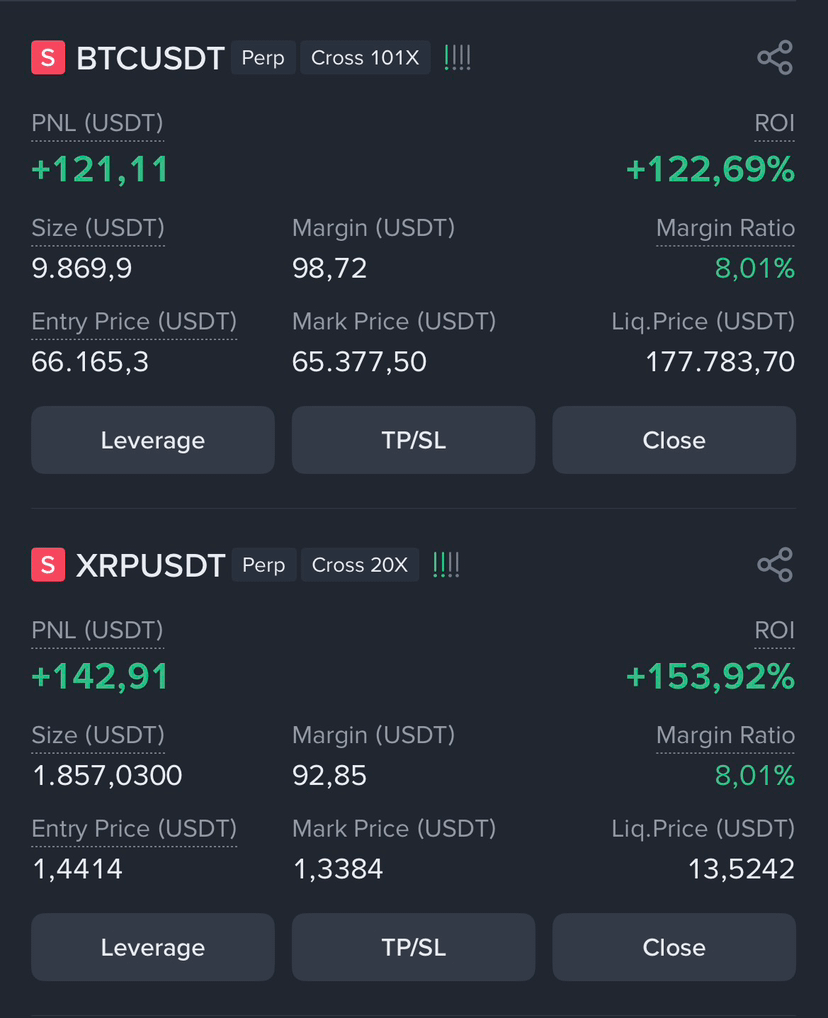
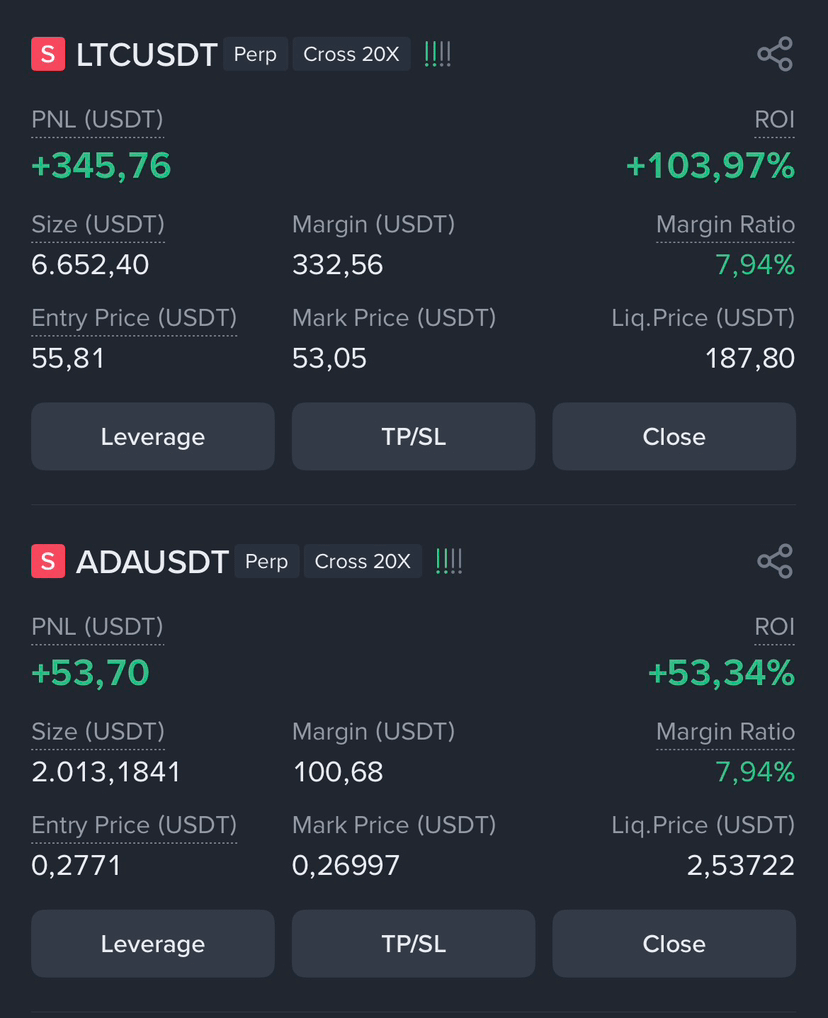
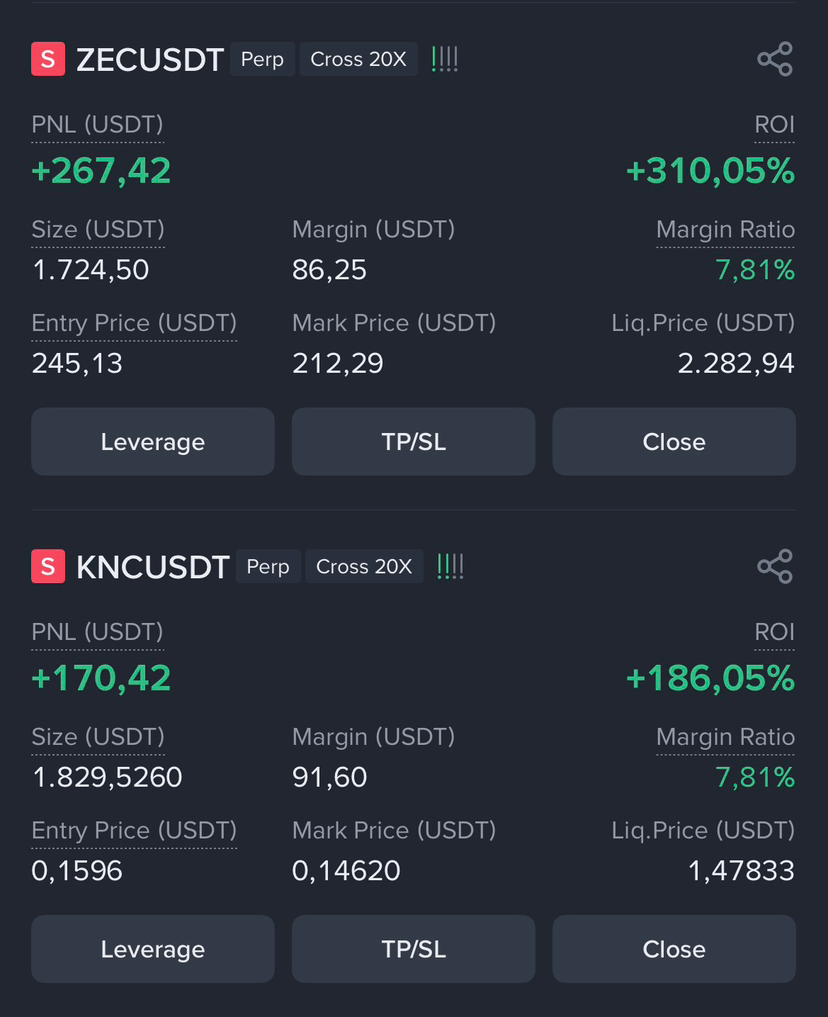
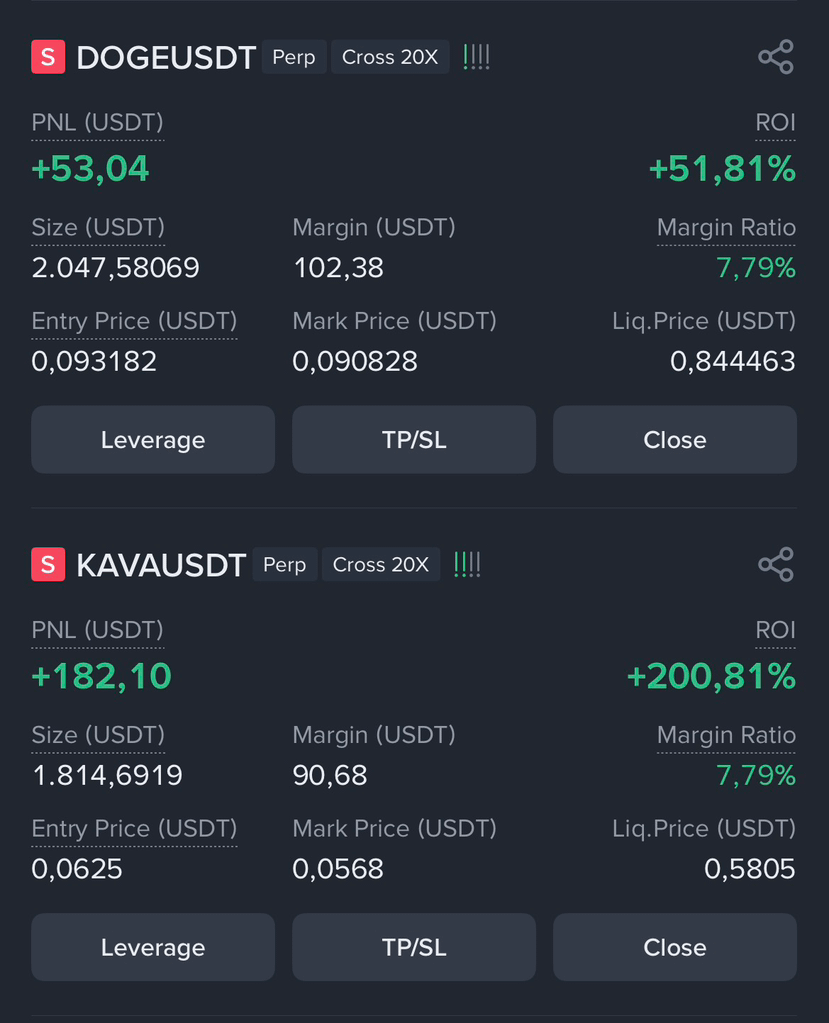
Most of our short positions from this morning are now in solid profit.
You can consider taking profits here or continue holding with your SL locked in positive.
$BTC $LTC $ZEC
You can consider taking profits here or continue holding with your SL locked in positive.
$BTC $LTC $ZEC
77
·
--
La 2800$ nu o să ajungă , un obiectiv realist ar fi de 50$ , iar unul optimist 300$
La 2800$ nu o să ajungă , un obiectiv realist ar fi de 50$ , iar unul optimist 300$

cleybi
·
--
ustedes creen que #ICP buelva a llegar a los 2,800
deja tu opinión en los comentarios.
deja tu opinión en los comentarios.
13
·
--
Da , am intrat în Crypto la sfârșitul altcoin season-ului trecut. Și din 50$ am făcut 800 pe spot , doar într-o săptămână.
Da , am intrat în Crypto la sfârșitul altcoin season-ului trecut. Și din 50$ am făcut 800 pe spot , doar într-o săptămână.

justjoel
·
--
#no point on $binance today

178
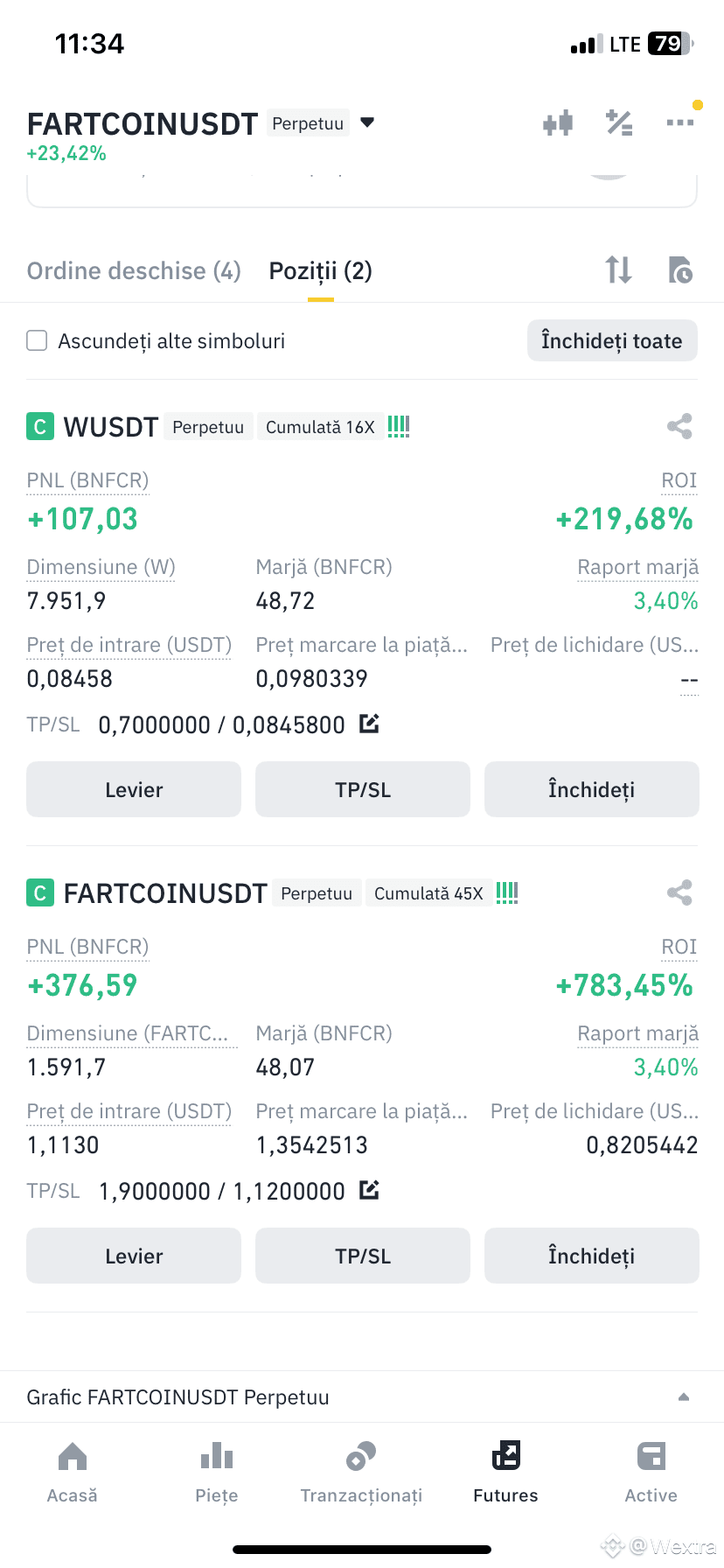
·
--
Haussier
O nouă oportunitate la un proiect nou, foarte serios.
#DELTA este construit pe protocolul ICP și este susținut de Dfinity. Sunt doar 173.000 de utilizatori înregistrați, proiectul este la început de drum. Nu rata această șansă.
Este o aplicație de minat care funcționează atât pe iOS cat și pe android.
Site-ul este următorul: (delta.kim)
Cod refferal:
L3N0VWT9EK7K4
Primești un boost de 33%.
Mult succes.
#Trump:ILOVE$TRUMP #BinanceAlphaAlert #SaylorBTCPurchase #WhaleMovements #BNBChainMeme
O nouă oportunitate la un proiect nou, foarte serios.
#DELTA este construit pe protocolul ICP și este susținut de Dfinity. Sunt doar 173.000 de utilizatori înregistrați, proiectul este la început de drum. Nu rata această șansă.
Este o aplicație de minat care funcționează atât pe iOS cat și pe android.
Site-ul este următorul: (delta.kim)
Cod refferal:
L3N0VWT9EK7K4
Primești un boost de 33%.
Mult succes.
#Trump:ILOVE$TRUMP #BinanceAlphaAlert #SaylorBTCPurchase #WhaleMovements #BNBChainMeme
#DELTA este construit pe protocolul ICP și este susținut de Dfinity. Sunt doar 173.000 de utilizatori înregistrați, proiectul este la început de drum. Nu rata această șansă.
Este o aplicație de minat care funcționează atât pe iOS cat și pe android.
Site-ul este următorul: (delta.kim)
Cod refferal:
L3N0VWT9EK7K4
Primești un boost de 33%.
Mult succes.
#Trump:ILOVE$TRUMP #BinanceAlphaAlert #SaylorBTCPurchase #WhaleMovements #BNBChainMeme
1
1
6
2.3k
Connectez-vous pour découvrir plus de contenu
Rejoignez la communauté mondiale des adeptes de cryptomonnaies sur Binance Square
⚡️ Suviez les dernières informations importantes sur les cryptomonnaies.
💬 Jugé digne de confiance par la plus grande plateforme d’échange de cryptomonnaies au monde.
👍 Découvrez les connaissances que partagent les créateurs vérifiés.
Adresse e-mail/Nº de téléphone
Sujets d’actualité
RussiaStartsLargeScaleDigitalRubleRolloutSep1
12,717 vues
374 mentions
#russiastartslargescaledigitalrublerolloutsep1
🚨 CBDC NEWS: RUSSIA GOES BIG 🚨
Starting September 1, Russia launches
LARGE SCALE Digital Ruble rollout.
KEY POINTS:
1. CBDC payments expand to more banks + businesses
2. Russia leading CBDC race globally
3. Digital payments = Less cash, more tracking
WHAT IT MEANS FOR CRYPTO:
CBDC news = 2 sides
1. Adoption bullish for crypto narrative
2. Government coins = Competition for $BTC
COINS TO WATCH:
$BTC -0.42% | $DOGS +15.13% | $OG +40.45% | $XRP $ALGO
QUESTION:
CBDCs good 🔥 or bad ❌ for crypto?
Comment 👇
#Crypto #Russia #BTC #Digit #CryptoNews #BinanceSquare
M REHAN7
·2 mentions J’aime
·3.1k vues
BitcoinUp23%InAugustOutperformingGoldAndStocks
25,247 vues
776 mentions
BitcoinHolds$78K
16,936 vues
157 mentions