
Mr_Ethan
33.1k Publications

Mr_Ethan
Signaler
Bloquer l’utilisateur
Crypto Lover || Crypto influencer || BNB || Content Creator || Crypto influencer
Ouvert au trading
Trade régulièrement
11.7 mois
1 Suivis
33.0K+ Abonnés
20.0K+ J’aime
Publications
Portefeuille
Tous
Citations
Direct
·
--
Haussier
$ETH Je surveille de près /BTC après l’apparition d’un croisement baissier du MACD sur le graphique en 30 minutes. Le prix est actuellement autour de 0,03081, et pour moi, c’est un signe qu’il faut rester prudent plutôt que de courir après une transaction.
J’ai vu ces croisements à court terme provoquer de forts mouvements, mais j’ai aussi appris que le MACD seul ne suffit pas. Je veux voir le volume, la structure des prix et les niveaux de support clés confirmer la faiblesse.
Ethereum conserve toujours des fondamentaux solides, une forte liquidité et une adoption majeure dans la DeFi, les L2 et le Web3. Mais face au BTC, ETH peut souffrir lorsque le capital se réoriente vers Bitcoin ou que les traders deviennent plus défensifs.
Le principal risque ici est un faux signal baissier. Un rebond rapide au-dessus de la résistance proche pourrait invalider le scénario et déclencher un short squeeze.
La leçon que je tire de mes trades sur ces paires est simple : les signaux de momentum fonctionnent mieux lorsqu’ils s’alignent avec la structure générale du marché. Je surveille 0,03081 de près pour obtenir une confirmation avant d’effectuer un mouvement plus fort.
Pensez-vous qu’ETH peut retrouver sa force face au BTC, ou y a-t-il encore davantage de baisse à venir ?
{spot}(ETHUSDT)
$4
{future}(4USDT)
$BULLA
{future}(BULLAUSDT)
$ETH Je surveille de près /BTC après l’apparition d’un croisement baissier du MACD sur le graphique en 30 minutes. Le prix est actuellement autour de 0,03081, et pour moi, c’est un signe qu’il faut rester prudent plutôt que de courir après une transaction.
J’ai vu ces croisements à court terme provoquer de forts mouvements, mais j’ai aussi appris que le MACD seul ne suffit pas. Je veux voir le volume, la structure des prix et les niveaux de support clés confirmer la faiblesse.
Ethereum conserve toujours des fondamentaux solides, une forte liquidité et une adoption majeure dans la DeFi, les L2 et le Web3. Mais face au BTC, ETH peut souffrir lorsque le capital se réoriente vers Bitcoin ou que les traders deviennent plus défensifs.
Le principal risque ici est un faux signal baissier. Un rebond rapide au-dessus de la résistance proche pourrait invalider le scénario et déclencher un short squeeze.
La leçon que je tire de mes trades sur ces paires est simple : les signaux de momentum fonctionnent mieux lorsqu’ils s’alignent avec la structure générale du marché. Je surveille 0,03081 de près pour obtenir une confirmation avant d’effectuer un mouvement plus fort.
Pensez-vous qu’ETH peut retrouver sa force face au BTC, ou y a-t-il encore davantage de baisse à venir ?
$4
$BULLA
J’ai vu ces croisements à court terme provoquer de forts mouvements, mais j’ai aussi appris que le MACD seul ne suffit pas. Je veux voir le volume, la structure des prix et les niveaux de support clés confirmer la faiblesse.
Ethereum conserve toujours des fondamentaux solides, une forte liquidité et une adoption majeure dans la DeFi, les L2 et le Web3. Mais face au BTC, ETH peut souffrir lorsque le capital se réoriente vers Bitcoin ou que les traders deviennent plus défensifs.
Le principal risque ici est un faux signal baissier. Un rebond rapide au-dessus de la résistance proche pourrait invalider le scénario et déclencher un short squeeze.
La leçon que je tire de mes trades sur ces paires est simple : les signaux de momentum fonctionnent mieux lorsqu’ils s’alignent avec la structure générale du marché. Je surveille 0,03081 de près pour obtenir une confirmation avant d’effectuer un mouvement plus fort.
Pensez-vous qu’ETH peut retrouver sa force face au BTC, ou y a-t-il encore davantage de baisse à venir ?
$4
$BULLA
316
·
--
Haussier
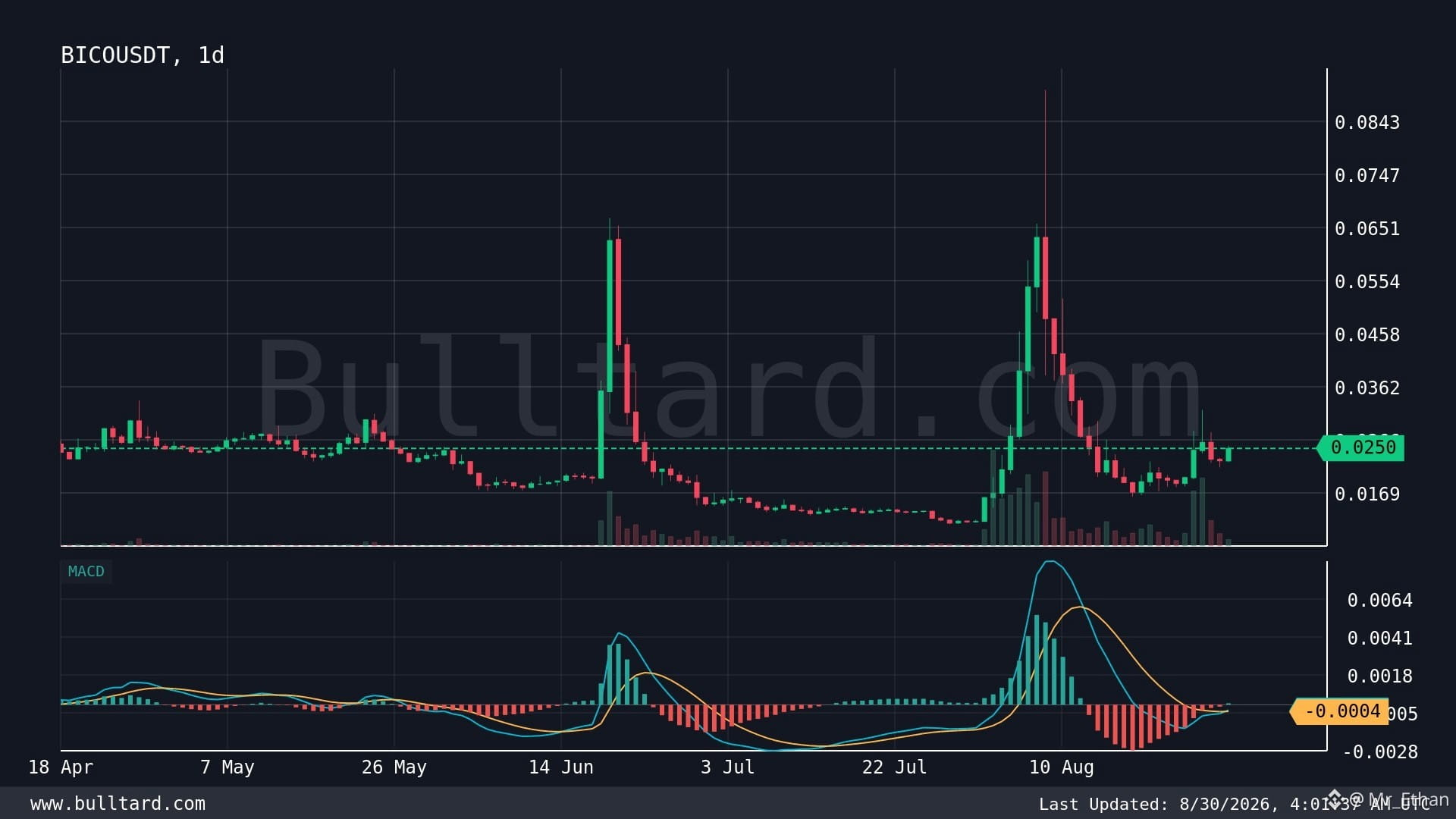
$BICO /USDT me lance un signal que je surveille 👀🔥
J’ai appris que lorsqu’un MACD quotidien affiche un croisement haussier fort, je ne le traite pas comme un signal d’achat immédiat. Je le considère plutôt comme un signe indiquant que l’élan pourrait commencer à changer. En ce moment, BICO est autour de 0,025 $, donc cette configuration mérite clairement d’être surveillée.
Biconomy se concentre sur la simplification des transactions blockchain et l’amélioration de l’expérience utilisateur pour les applications Web3. Cela compte, car une meilleure infrastructure peut aider à réduire une partie des frictions qui éloignent les utilisateurs “normaux” de la crypto.
Ce que j’aime, c’est l’angle “infrastructure” et le potentiel d’une adoption plus large du Web3. Mais je garde aussi des attentes réalistes. BICO fait toujours face à la concurrence, à des risques de liquidité, à la volatilité des marchés, et au problème habituel de savoir si une utilisation réelle peut se traduire par une valeur de token durable.
La leçon la plus importante que j’ai tirée de ces trades est simple : le MACD peut montrer l’élan, mais le mouvement des prix doit le confirmer. Je préfère entrer plus tard avec une confirmation plutôt que de courir après la première bougie verte.
Je surveille de près BICO en ce moment. Est-ce que tu penses que ce croisement quotidien peut se transformer en une tendance plus importante ?
$BICO
{spot}(BICOUSDT)
$BMT
{spot}(BMTUSDT)
$BICO /USDT me lance un signal que je surveille 👀🔥
J’ai appris que lorsqu’un MACD quotidien affiche un croisement haussier fort, je ne le traite pas comme un signal d’achat immédiat. Je le considère plutôt comme un signe indiquant que l’élan pourrait commencer à changer. En ce moment, BICO est autour de 0,025 $, donc cette configuration mérite clairement d’être surveillée.
Biconomy se concentre sur la simplification des transactions blockchain et l’amélioration de l’expérience utilisateur pour les applications Web3. Cela compte, car une meilleure infrastructure peut aider à réduire une partie des frictions qui éloignent les utilisateurs “normaux” de la crypto.
Ce que j’aime, c’est l’angle “infrastructure” et le potentiel d’une adoption plus large du Web3. Mais je garde aussi des attentes réalistes. BICO fait toujours face à la concurrence, à des risques de liquidité, à la volatilité des marchés, et au problème habituel de savoir si une utilisation réelle peut se traduire par une valeur de token durable.
La leçon la plus importante que j’ai tirée de ces trades est simple : le MACD peut montrer l’élan, mais le mouvement des prix doit le confirmer. Je préfère entrer plus tard avec une confirmation plutôt que de courir après la première bougie verte.
Je surveille de près BICO en ce moment. Est-ce que tu penses que ce croisement quotidien peut se transformer en une tendance plus importante ?
$BICO
$BMT
J’ai appris que lorsqu’un MACD quotidien affiche un croisement haussier fort, je ne le traite pas comme un signal d’achat immédiat. Je le considère plutôt comme un signe indiquant que l’élan pourrait commencer à changer. En ce moment, BICO est autour de 0,025 $, donc cette configuration mérite clairement d’être surveillée.
Biconomy se concentre sur la simplification des transactions blockchain et l’amélioration de l’expérience utilisateur pour les applications Web3. Cela compte, car une meilleure infrastructure peut aider à réduire une partie des frictions qui éloignent les utilisateurs “normaux” de la crypto.
Ce que j’aime, c’est l’angle “infrastructure” et le potentiel d’une adoption plus large du Web3. Mais je garde aussi des attentes réalistes. BICO fait toujours face à la concurrence, à des risques de liquidité, à la volatilité des marchés, et au problème habituel de savoir si une utilisation réelle peut se traduire par une valeur de token durable.
La leçon la plus importante que j’ai tirée de ces trades est simple : le MACD peut montrer l’élan, mais le mouvement des prix doit le confirmer. Je préfère entrer plus tard avec une confirmation plutôt que de courir après la première bougie verte.
Je surveille de près BICO en ce moment. Est-ce que tu penses que ce croisement quotidien peut se transformer en une tendance plus importante ?
$BICO
$BMT
242
·
--
Haussier
$GRAM /USDT. Le MACD sur 30 minutes vient juste d’afficher un croisement haussier, avec un prix autour de 1,358. Je fais généralement attention à ces signaux parce qu’ils peuvent montrer quand la dynamique à court terme commence à changer.
J’ai appris qu’un croisement du MACD, à lui seul, ne suffit jamais pour que j’entre. Je veux voir le volume, la structure des prix et la confirmation. Si les acheteurs continuent de défendre la zone actuelle et que la dynamique continue de se renforcer, cela pourrait évoluer vers un mouvement à court terme plus solide.
Ce que j’aime, c’est le signal de dynamique précoce. La faiblesse, c’est que les signaux sur 30 minutes peuvent s’inverser rapidement, surtout sur un marché volatil. De faux cassages et des retraits soudains de liquidité sont toujours possibles, donc je garde une gestion du risque stricte.
Leçon principale tirée de ces configurations : la confirmation compte plus que le croisement lui-même. Je préfère entrer un peu plus tard, avec une confirmation plus solide, plutôt que de poursuivre la première bougie.
Je surveille. $GRAM
{spot}(GRAMUSDT)
$WET
{future}(WETUSDT)
$GRAM /USDT. Le MACD sur 30 minutes vient juste d’afficher un croisement haussier, avec un prix autour de 1,358. Je fais généralement attention à ces signaux parce qu’ils peuvent montrer quand la dynamique à court terme commence à changer.
J’ai appris qu’un croisement du MACD, à lui seul, ne suffit jamais pour que j’entre. Je veux voir le volume, la structure des prix et la confirmation. Si les acheteurs continuent de défendre la zone actuelle et que la dynamique continue de se renforcer, cela pourrait évoluer vers un mouvement à court terme plus solide.
Ce que j’aime, c’est le signal de dynamique précoce. La faiblesse, c’est que les signaux sur 30 minutes peuvent s’inverser rapidement, surtout sur un marché volatil. De faux cassages et des retraits soudains de liquidité sont toujours possibles, donc je garde une gestion du risque stricte.
Leçon principale tirée de ces configurations : la confirmation compte plus que le croisement lui-même. Je préfère entrer un peu plus tard, avec une confirmation plus solide, plutôt que de poursuivre la première bougie.
Je surveille. $GRAM
$WET
J’ai appris qu’un croisement du MACD, à lui seul, ne suffit jamais pour que j’entre. Je veux voir le volume, la structure des prix et la confirmation. Si les acheteurs continuent de défendre la zone actuelle et que la dynamique continue de se renforcer, cela pourrait évoluer vers un mouvement à court terme plus solide.
Ce que j’aime, c’est le signal de dynamique précoce. La faiblesse, c’est que les signaux sur 30 minutes peuvent s’inverser rapidement, surtout sur un marché volatil. De faux cassages et des retraits soudains de liquidité sont toujours possibles, donc je garde une gestion du risque stricte.
Leçon principale tirée de ces configurations : la confirmation compte plus que le croisement lui-même. Je préfère entrer un peu plus tard, avec une confirmation plus solide, plutôt que de poursuivre la première bougie.
Je surveille. $GRAM
$WET
320
·
--
Haussier
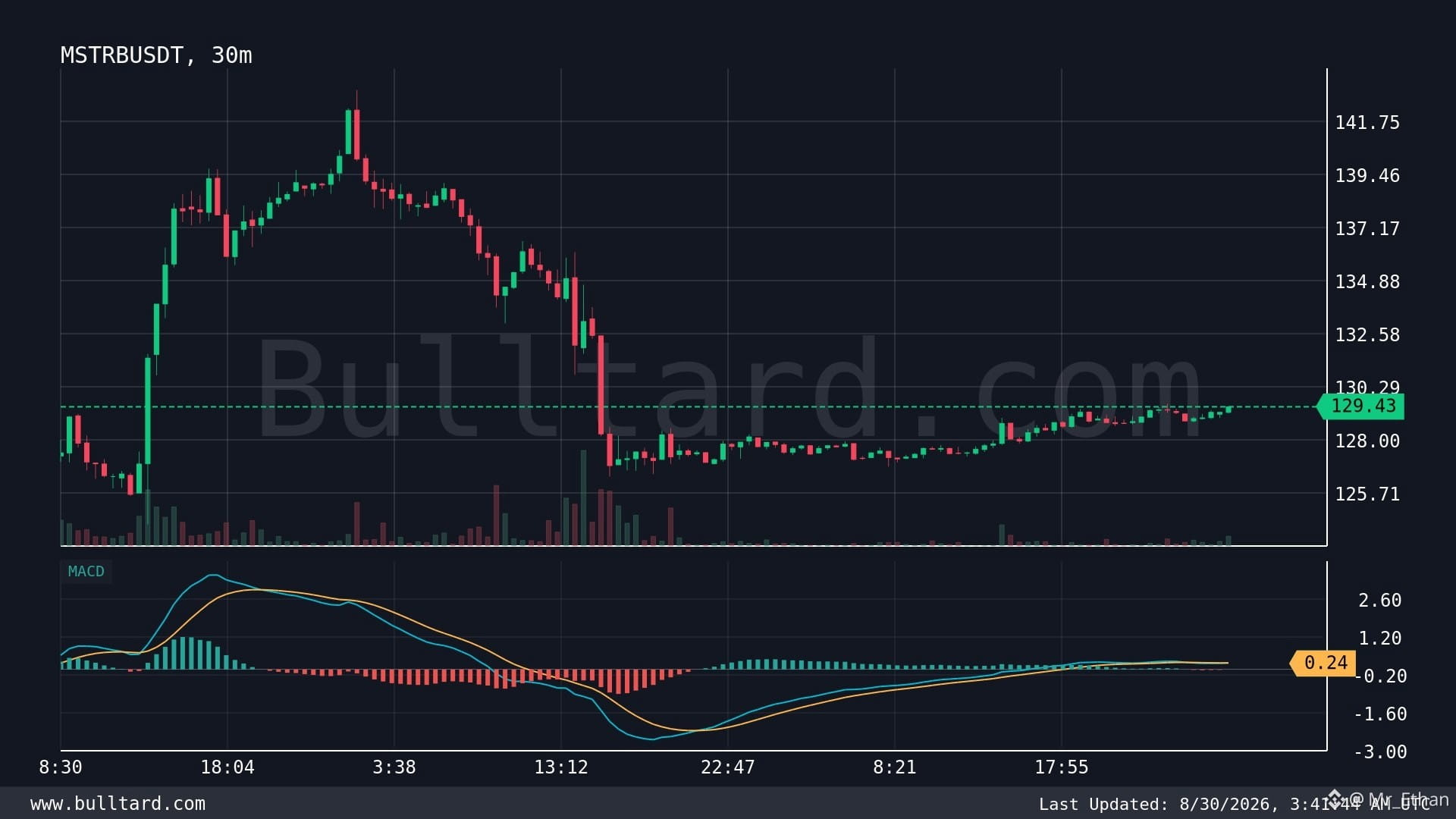
$MSTRB /USDT affiche un croisement haussier de la MACD sur le graphique 30m, et je surveille de très près cette configuration.
Le prix est autour de 129,43 $, et pour moi, le signal principal ici est que l’élan commence à devenir positif. J’ai vu beaucoup de croisements de MACD échouer, donc je ne considère jamais ce signal comme un mouvement garanti. Je veux voir une confirmation avec un suivi, un volume plus fort, et un prix qui reste au-dessus du support proche.
Ce que j’aime, c’est qu’un croisement haussier peut parfois capter la partie initiale d’un retournement de tendance à court terme. Mais le risque est simple : si les acheteurs perdent leur élan, ce signal peut rapidement se transformer en faux signal.
D’après mon expérience avec ces configurations, la patience compte davantage que de poursuivre la première bougie verte. Je regarde comment le prix réagit après le croisement, plutôt que de supposer que le mouvement est déjà confirmé.
Pour l’instant, je reste prudemment haussier, mais je vais rester discipliné et gérer le risque si la configuration se dégrade.
Penses-tu qu’on peut construire assez d’élan pour le prochain mouvement à la hausse ?
$MSTRB
{spot}(MSTRBUSDT)
$FGII.US
{stock_us}(FGII.US)
$MSTRB /USDT affiche un croisement haussier de la MACD sur le graphique 30m, et je surveille de très près cette configuration.
Le prix est autour de 129,43 $, et pour moi, le signal principal ici est que l’élan commence à devenir positif. J’ai vu beaucoup de croisements de MACD échouer, donc je ne considère jamais ce signal comme un mouvement garanti. Je veux voir une confirmation avec un suivi, un volume plus fort, et un prix qui reste au-dessus du support proche.
Ce que j’aime, c’est qu’un croisement haussier peut parfois capter la partie initiale d’un retournement de tendance à court terme. Mais le risque est simple : si les acheteurs perdent leur élan, ce signal peut rapidement se transformer en faux signal.
D’après mon expérience avec ces configurations, la patience compte davantage que de poursuivre la première bougie verte. Je regarde comment le prix réagit après le croisement, plutôt que de supposer que le mouvement est déjà confirmé.
Pour l’instant, je reste prudemment haussier, mais je vais rester discipliné et gérer le risque si la configuration se dégrade.
Penses-tu qu’on peut construire assez d’élan pour le prochain mouvement à la hausse ?
$MSTRB
$FGII.US
Le prix est autour de 129,43 $, et pour moi, le signal principal ici est que l’élan commence à devenir positif. J’ai vu beaucoup de croisements de MACD échouer, donc je ne considère jamais ce signal comme un mouvement garanti. Je veux voir une confirmation avec un suivi, un volume plus fort, et un prix qui reste au-dessus du support proche.
Ce que j’aime, c’est qu’un croisement haussier peut parfois capter la partie initiale d’un retournement de tendance à court terme. Mais le risque est simple : si les acheteurs perdent leur élan, ce signal peut rapidement se transformer en faux signal.
D’après mon expérience avec ces configurations, la patience compte davantage que de poursuivre la première bougie verte. Je regarde comment le prix réagit après le croisement, plutôt que de supposer que le mouvement est déjà confirmé.
Pour l’instant, je reste prudemment haussier, mais je vais rester discipliné et gérer le risque si la configuration se dégrade.
Penses-tu qu’on peut construire assez d’élan pour le prochain mouvement à la hausse ?
$MSTRB
$FGII.US
MSTRB-2,19%
FGIIUS+0,00%
98
·
--
Baissier
$RE attire mon attention en ce moment.
Sur le graphique 30m, je vois une intersection haussière du MACD avec un prix autour de 0,4892 $. Je ne considère pas une seule intersection comme une garantie de pompe, mais d’après mon expérience, ces premiers changements de dynamique valent vraiment le coup d’être surveillés de près, surtout quand le volume confirme le mouvement.
Pour moi, le point intéressant est la façon dont le marché réagit après ce signal. Si les acheteurs parviennent à maintenir la zone actuelle et à franchir la résistance proche, la configuration pourrait évoluer vers une tendance haussière à court terme plus forte. Mais si le volume reste faible, je ferais attention, car les signaux du MACD peuvent facilement devenir des faux signaux sur des marchés agités.
Une chose que j’ai apprise en trading sur le crypto, c’est qu’entrer simplement parce qu’un indicateur devient vert est généralement une erreur. Je préfère attendre une confirmation provenant de l’action des prix, du volume et de la structure du marché.
La force ici s’améliore en termes de dynamique. Le risque est simple : l’intersection peut échouer rapidement si les vendeurs reviennent.
Je surveille de près plutôt que de courir après.
Est-ce que vous feriez confiance à cette intersection haussière, ou attendriez-vous une confirmation plus solide ?
$RE
{spot}(REUSDT)
$RE attire mon attention en ce moment.
Sur le graphique 30m, je vois une intersection haussière du MACD avec un prix autour de 0,4892 $. Je ne considère pas une seule intersection comme une garantie de pompe, mais d’après mon expérience, ces premiers changements de dynamique valent vraiment le coup d’être surveillés de près, surtout quand le volume confirme le mouvement.
Pour moi, le point intéressant est la façon dont le marché réagit après ce signal. Si les acheteurs parviennent à maintenir la zone actuelle et à franchir la résistance proche, la configuration pourrait évoluer vers une tendance haussière à court terme plus forte. Mais si le volume reste faible, je ferais attention, car les signaux du MACD peuvent facilement devenir des faux signaux sur des marchés agités.
Une chose que j’ai apprise en trading sur le crypto, c’est qu’entrer simplement parce qu’un indicateur devient vert est généralement une erreur. Je préfère attendre une confirmation provenant de l’action des prix, du volume et de la structure du marché.
La force ici s’améliore en termes de dynamique. Le risque est simple : l’intersection peut échouer rapidement si les vendeurs reviennent.
Je surveille de près plutôt que de courir après.
Est-ce que vous feriez confiance à cette intersection haussière, ou attendriez-vous une confirmation plus solide ?
$RE
Sur le graphique 30m, je vois une intersection haussière du MACD avec un prix autour de 0,4892 $. Je ne considère pas une seule intersection comme une garantie de pompe, mais d’après mon expérience, ces premiers changements de dynamique valent vraiment le coup d’être surveillés de près, surtout quand le volume confirme le mouvement.
Pour moi, le point intéressant est la façon dont le marché réagit après ce signal. Si les acheteurs parviennent à maintenir la zone actuelle et à franchir la résistance proche, la configuration pourrait évoluer vers une tendance haussière à court terme plus forte. Mais si le volume reste faible, je ferais attention, car les signaux du MACD peuvent facilement devenir des faux signaux sur des marchés agités.
Une chose que j’ai apprise en trading sur le crypto, c’est qu’entrer simplement parce qu’un indicateur devient vert est généralement une erreur. Je préfère attendre une confirmation provenant de l’action des prix, du volume et de la structure du marché.
La force ici s’améliore en termes de dynamique. Le risque est simple : l’intersection peut échouer rapidement si les vendeurs reviennent.
Je surveille de près plutôt que de courir après.
Est-ce que vous feriez confiance à cette intersection haussière, ou attendriez-vous une confirmation plus solide ?
$RE
159
·
--
Haussier
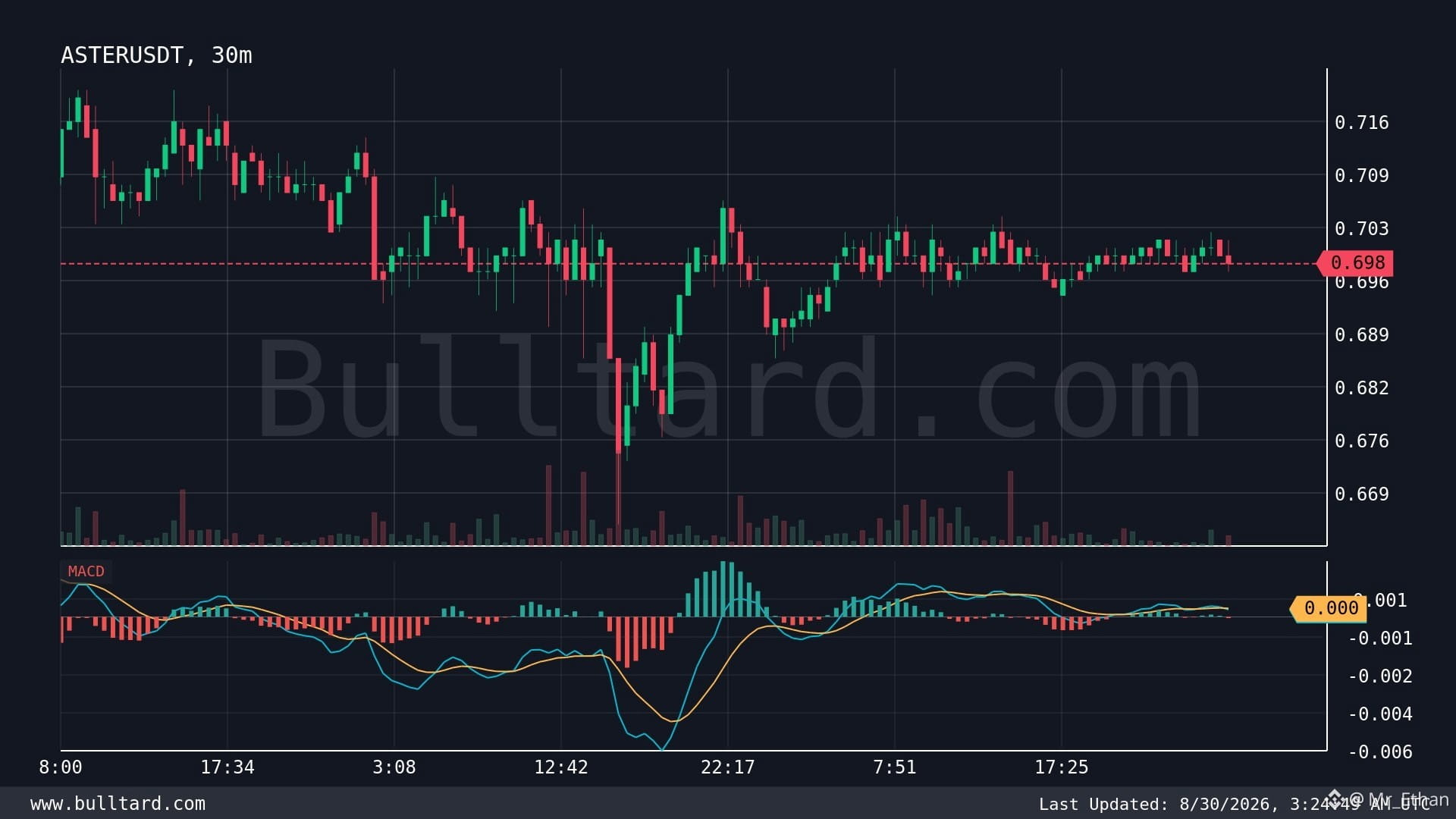
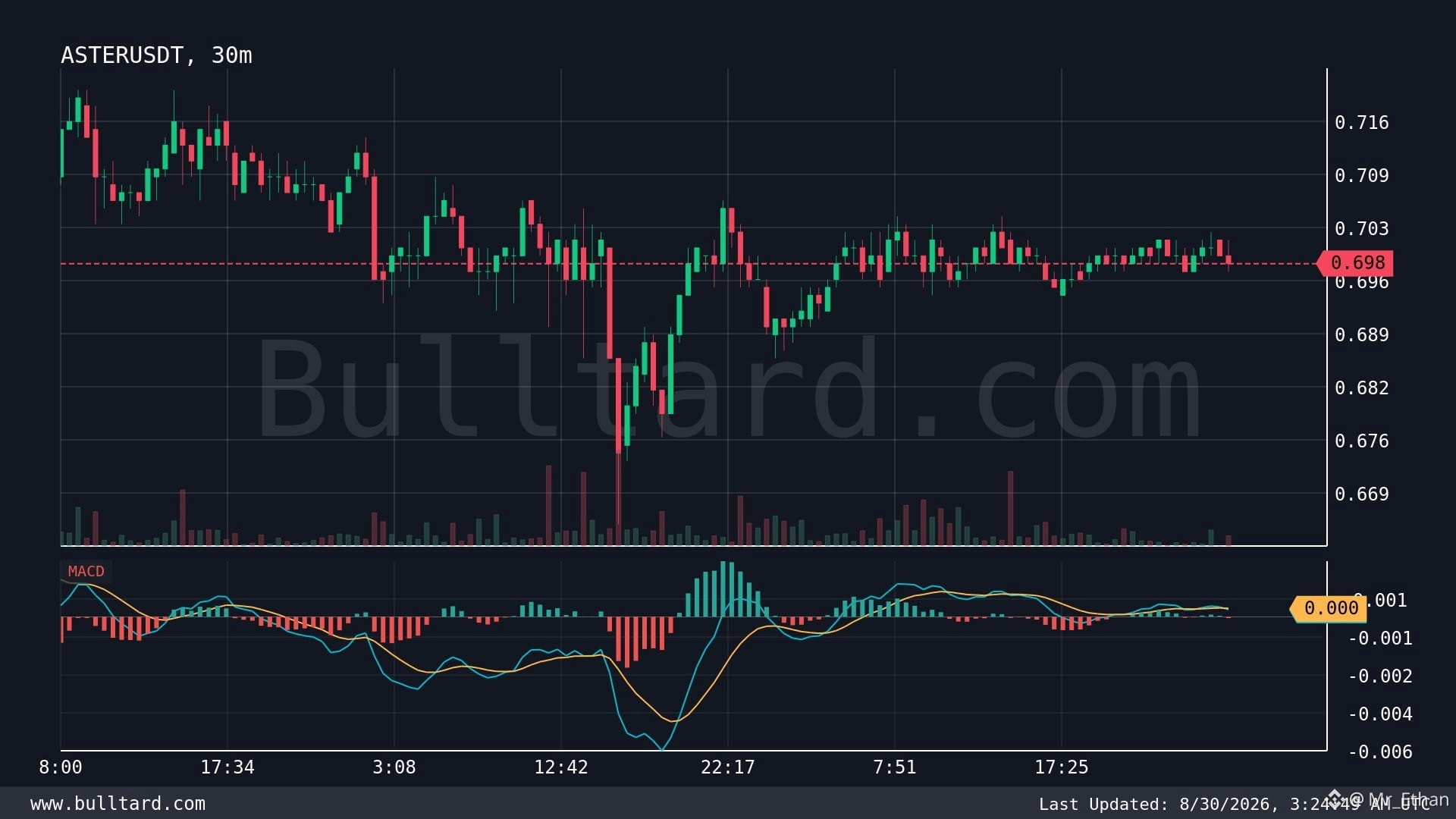
$ASTER /USDT affiche un croisement MACD extrêmement baissier sur le graphique 30m 💀
Je surveille celui-ci de près car ces signaux à court terme peuvent faire évoluer rapidement la structure du marché. Vers 0,698 $, mon premier point d’attention est la façon dont le prix réagit après l’apparition de cet élan baissier.
J’ai appris à ne pas poursuivre une bougie simplement parce que le MACD devient baissier. Je préfère attendre une confirmation, surtout autour des zones de support. Si les vendeurs gardent le contrôle, ASTER pourrait subir davantage de pression à la baisse. Mais si les acheteurs reprennent l’élan et que le MACD commence à se redresser, ce signal peut perdre de sa force très vite.
ASTER occupe une place intéressante dans le marché crypto, mais comme la plupart des jetons plus récents, la volatilité est un risque majeur. La liquidité, le sentiment et les variations soudaines de volume peuvent faire bouger le prix de manière agressive.
Pour moi, la leçon clé est simple : le MACD est un signal, pas une garantie. Je l’utilise avec l’action des prix, le volume et les niveaux de support/résistance avant de prendre une décision.
Je reste prudent ici et je surveille de près les prochaines bougies de 30m.
Attendrez-vous une confirmation ou pensez-vous à davantage de baisse de
$ASTER
{spot}(ASTERUSDT)
$BNB
{spot}(BNBUSDT)
$ASTER /USDT affiche un croisement MACD extrêmement baissier sur le graphique 30m 💀
Je surveille celui-ci de près car ces signaux à court terme peuvent faire évoluer rapidement la structure du marché. Vers 0,698 $, mon premier point d’attention est la façon dont le prix réagit après l’apparition de cet élan baissier.
J’ai appris à ne pas poursuivre une bougie simplement parce que le MACD devient baissier. Je préfère attendre une confirmation, surtout autour des zones de support. Si les vendeurs gardent le contrôle, ASTER pourrait subir davantage de pression à la baisse. Mais si les acheteurs reprennent l’élan et que le MACD commence à se redresser, ce signal peut perdre de sa force très vite.
ASTER occupe une place intéressante dans le marché crypto, mais comme la plupart des jetons plus récents, la volatilité est un risque majeur. La liquidité, le sentiment et les variations soudaines de volume peuvent faire bouger le prix de manière agressive.
Pour moi, la leçon clé est simple : le MACD est un signal, pas une garantie. Je l’utilise avec l’action des prix, le volume et les niveaux de support/résistance avant de prendre une décision.
Je reste prudent ici et je surveille de près les prochaines bougies de 30m.
Attendrez-vous une confirmation ou pensez-vous à davantage de baisse de
$ASTER
$BNB
Je surveille celui-ci de près car ces signaux à court terme peuvent faire évoluer rapidement la structure du marché. Vers 0,698 $, mon premier point d’attention est la façon dont le prix réagit après l’apparition de cet élan baissier.
J’ai appris à ne pas poursuivre une bougie simplement parce que le MACD devient baissier. Je préfère attendre une confirmation, surtout autour des zones de support. Si les vendeurs gardent le contrôle, ASTER pourrait subir davantage de pression à la baisse. Mais si les acheteurs reprennent l’élan et que le MACD commence à se redresser, ce signal peut perdre de sa force très vite.
ASTER occupe une place intéressante dans le marché crypto, mais comme la plupart des jetons plus récents, la volatilité est un risque majeur. La liquidité, le sentiment et les variations soudaines de volume peuvent faire bouger le prix de manière agressive.
Pour moi, la leçon clé est simple : le MACD est un signal, pas une garantie. Je l’utilise avec l’action des prix, le volume et les niveaux de support/résistance avant de prendre une décision.
Je reste prudent ici et je surveille de près les prochaines bougies de 30m.
Attendrez-vous une confirmation ou pensez-vous à davantage de baisse de
$ASTER
$BNB
216
·
--
Baissier
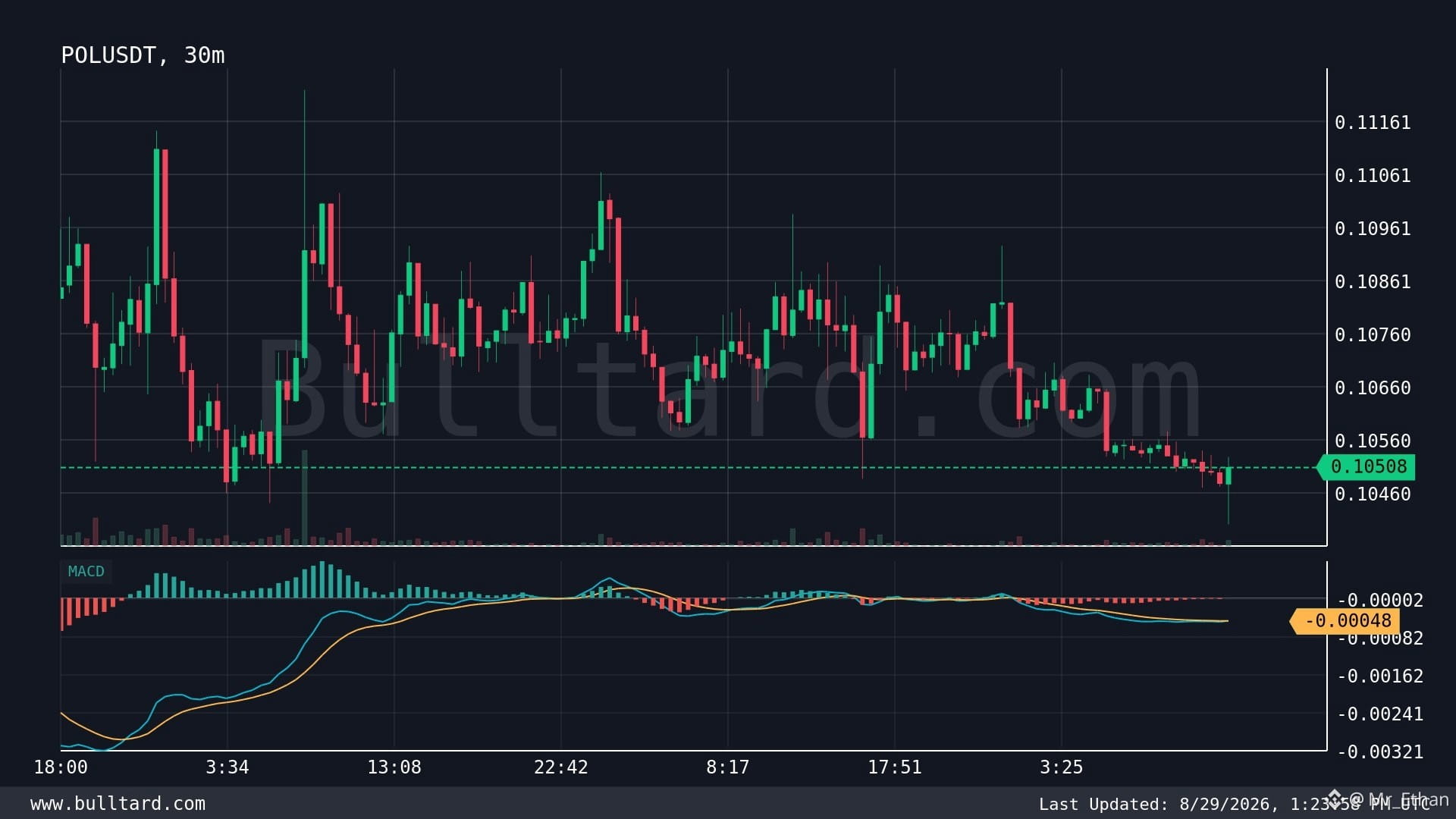
est en train d’afficher un croisement haussier du MACD sur le graphique 30m, et je surveille celui-ci de très près.
J’ai appris que ces signaux à court terme peuvent être utiles pour repérer tôt les changements de dynamique, mais je ne traite jamais un seul croisement comme une transaction garantie. En ce moment, POL est autour de 0,10508 $, donc je cherche un suivi de la part des acheteurs avant de devenir trop agressif.
Ce que j’aime dans Polygon, c’est son orientation vers le passage à l’échelle d’Ethereum et le fait de rendre les applications blockchain moins chères et plus faciles à utiliser. POL a aussi un rôle plus large dans l’écosystème en évolution de Polygon, ce qui donne au token une histoire d’utilité plus solide que la simple spéculation.
Cela dit, je garde les risques à l’esprit. Le timeframe 30m peut produire beaucoup de faux signaux, surtout lorsque la liquidité globale du marché est faible. La direction de Bitcoin peut aussi changer rapidement la configuration.
Une leçon que j’ai apprise en tradant ces croisements : la confirmation compte davantage que l’excitation. Je préfère entrer un peu en retard, avec une dynamique plus solide, plutôt que de courir après la première bougie verte.
Je vais surveiller le volume et la structure des prix ensuite.
Prendriez-vous ce croisement haussier comme une entrée précoce, ou attendez-vous la confirmation ?$POL
#USShortTermTreasuryYieldsJump
{spot}(POLUSDT)
est en train d’afficher un croisement haussier du MACD sur le graphique 30m, et je surveille celui-ci de très près.
J’ai appris que ces signaux à court terme peuvent être utiles pour repérer tôt les changements de dynamique, mais je ne traite jamais un seul croisement comme une transaction garantie. En ce moment, POL est autour de 0,10508 $, donc je cherche un suivi de la part des acheteurs avant de devenir trop agressif.
Ce que j’aime dans Polygon, c’est son orientation vers le passage à l’échelle d’Ethereum et le fait de rendre les applications blockchain moins chères et plus faciles à utiliser. POL a aussi un rôle plus large dans l’écosystème en évolution de Polygon, ce qui donne au token une histoire d’utilité plus solide que la simple spéculation.
Cela dit, je garde les risques à l’esprit. Le timeframe 30m peut produire beaucoup de faux signaux, surtout lorsque la liquidité globale du marché est faible. La direction de Bitcoin peut aussi changer rapidement la configuration.
Une leçon que j’ai apprise en tradant ces croisements : la confirmation compte davantage que l’excitation. Je préfère entrer un peu en retard, avec une dynamique plus solide, plutôt que de courir après la première bougie verte.
Je vais surveiller le volume et la structure des prix ensuite.
Prendriez-vous ce croisement haussier comme une entrée précoce, ou attendez-vous la confirmation ?$POL
#USShortTermTreasuryYieldsJump
J’ai appris que ces signaux à court terme peuvent être utiles pour repérer tôt les changements de dynamique, mais je ne traite jamais un seul croisement comme une transaction garantie. En ce moment, POL est autour de 0,10508 $, donc je cherche un suivi de la part des acheteurs avant de devenir trop agressif.
Ce que j’aime dans Polygon, c’est son orientation vers le passage à l’échelle d’Ethereum et le fait de rendre les applications blockchain moins chères et plus faciles à utiliser. POL a aussi un rôle plus large dans l’écosystème en évolution de Polygon, ce qui donne au token une histoire d’utilité plus solide que la simple spéculation.
Cela dit, je garde les risques à l’esprit. Le timeframe 30m peut produire beaucoup de faux signaux, surtout lorsque la liquidité globale du marché est faible. La direction de Bitcoin peut aussi changer rapidement la configuration.
Une leçon que j’ai apprise en tradant ces croisements : la confirmation compte davantage que l’excitation. Je préfère entrer un peu en retard, avec une dynamique plus solide, plutôt que de courir après la première bougie verte.
Je vais surveiller le volume et la structure des prix ensuite.
Prendriez-vous ce croisement haussier comme une entrée précoce, ou attendez-vous la confirmation ?$POL
#USShortTermTreasuryYieldsJump
140
·
--
recommence à attirer de nouveau mon attention. 🔥
Je surveille de près le graphique sur 30m car le MACD a affiché un croisement extrêmement haussier autour de 0.03141. D’après mon expérience, ces signaux peuvent être utiles pour repérer un changement de dynamique à court terme, surtout après une longue période de faiblesse.
Ce qui compte ici, ce n’est pas seulement le croisement. Le ratio ETH/BTC montre comment Ethereum se comporte par rapport à Bitcoin. Quand cette paire commence à repartir à la hausse, cela peut signaler que le capital devient plus à l’aise pour se réorienter vers l’ETH et l’ensemble du marché des altcoins.
J’aime la solidité d’Ethereum dans la DeFi, les stablecoins, les L2 et l’activité des smart contracts. Mais je reste prudent. Les signaux du MACD peuvent échouer rapidement, et la force de BTC peut facilement ramener ce ratio à la baisse.
Une leçon que j’ai apprise : ne jamais trader un croisement à l’aveugle. Je veux une confirmation via la structure des prix, le volume et le maintien des supports.
Pour l’instant, je surveille de très près 0.03141.
Penses-tu que l’ETH est enfin prêt à de nouveau surperformer le BTC ?$ETH
{spot}(ETHUSDT)
$BTC
{spot}(BTCUSDT)
$SOL
{spot}(SOLUSDT)
recommence à attirer de nouveau mon attention. 🔥
Je surveille de près le graphique sur 30m car le MACD a affiché un croisement extrêmement haussier autour de 0.03141. D’après mon expérience, ces signaux peuvent être utiles pour repérer un changement de dynamique à court terme, surtout après une longue période de faiblesse.
Ce qui compte ici, ce n’est pas seulement le croisement. Le ratio ETH/BTC montre comment Ethereum se comporte par rapport à Bitcoin. Quand cette paire commence à repartir à la hausse, cela peut signaler que le capital devient plus à l’aise pour se réorienter vers l’ETH et l’ensemble du marché des altcoins.
J’aime la solidité d’Ethereum dans la DeFi, les stablecoins, les L2 et l’activité des smart contracts. Mais je reste prudent. Les signaux du MACD peuvent échouer rapidement, et la force de BTC peut facilement ramener ce ratio à la baisse.
Une leçon que j’ai apprise : ne jamais trader un croisement à l’aveugle. Je veux une confirmation via la structure des prix, le volume et le maintien des supports.
Pour l’instant, je surveille de très près 0.03141.
Penses-tu que l’ETH est enfin prêt à de nouveau surperformer le BTC ?$ETH
$BTC
$SOL
Je surveille de près le graphique sur 30m car le MACD a affiché un croisement extrêmement haussier autour de 0.03141. D’après mon expérience, ces signaux peuvent être utiles pour repérer un changement de dynamique à court terme, surtout après une longue période de faiblesse.
Ce qui compte ici, ce n’est pas seulement le croisement. Le ratio ETH/BTC montre comment Ethereum se comporte par rapport à Bitcoin. Quand cette paire commence à repartir à la hausse, cela peut signaler que le capital devient plus à l’aise pour se réorienter vers l’ETH et l’ensemble du marché des altcoins.
J’aime la solidité d’Ethereum dans la DeFi, les stablecoins, les L2 et l’activité des smart contracts. Mais je reste prudent. Les signaux du MACD peuvent échouer rapidement, et la force de BTC peut facilement ramener ce ratio à la baisse.
Une leçon que j’ai apprise : ne jamais trader un croisement à l’aveugle. Je veux une confirmation via la structure des prix, le volume et le maintien des supports.
Pour l’instant, je surveille de très près 0.03141.
Penses-tu que l’ETH est enfin prêt à de nouveau surperformer le BTC ?$ETH
$BTC
$SOL
119
·
--
: Surveillance du changement d’élan en 4H
Je surveille de près après que le MACD en 4H a affiché un croisement haussier. Le prix se situe autour de 0,3219 $, et pour moi, c’est plus intéressant qu’un simple signal vert.
J’ai vu beaucoup de croisements du MACD échouer lorsque le volume ne suit pas, donc je ne le considère pas comme une cassure garantie. Je veux voir les acheteurs défendre la zone actuelle et former des plus hauts plus élevés avant de devenir trop agressif.
KAITO se démarque parce qu’il s’inscrit dans la narration IA + crypto, où l’attention, les données et l’activité de la communauté deviennent des ressources précieuses on-chain. Cela donne au projet une narration solide, mais une narration seule ne suffit pas. Les déblocages de tokens, la pression de vente, un volume faible et la faiblesse plus large du marché peuvent rapidement ruiner une configuration.
Leçon la plus importante que j’ai tirée de ces signaux de trading est simple : le MACD me dit que l’élan peut être en train de changer, pas où le prix doit nécessairement aller ensuite. Je m’en sers comme confirmation en plus de la structure et du volume.
Je surveille attentivement 0,3219 $ en ce moment.
Penses-tu que KAITO peut transformer cet élan en 4H en un mouvement durable ?$KAITO
{spot}(KAITOUSDT)
$FF
{spot}(FFUSDT)
$AT
{spot}(ATUSDT)
: Surveillance du changement d’élan en 4H
Je surveille de près après que le MACD en 4H a affiché un croisement haussier. Le prix se situe autour de 0,3219 $, et pour moi, c’est plus intéressant qu’un simple signal vert.
J’ai vu beaucoup de croisements du MACD échouer lorsque le volume ne suit pas, donc je ne le considère pas comme une cassure garantie. Je veux voir les acheteurs défendre la zone actuelle et former des plus hauts plus élevés avant de devenir trop agressif.
KAITO se démarque parce qu’il s’inscrit dans la narration IA + crypto, où l’attention, les données et l’activité de la communauté deviennent des ressources précieuses on-chain. Cela donne au projet une narration solide, mais une narration seule ne suffit pas. Les déblocages de tokens, la pression de vente, un volume faible et la faiblesse plus large du marché peuvent rapidement ruiner une configuration.
Leçon la plus importante que j’ai tirée de ces signaux de trading est simple : le MACD me dit que l’élan peut être en train de changer, pas où le prix doit nécessairement aller ensuite. Je m’en sers comme confirmation en plus de la structure et du volume.
Je surveille attentivement 0,3219 $ en ce moment.
Penses-tu que KAITO peut transformer cet élan en 4H en un mouvement durable ?$KAITO
$FF
$AT
Je surveille de près après que le MACD en 4H a affiché un croisement haussier. Le prix se situe autour de 0,3219 $, et pour moi, c’est plus intéressant qu’un simple signal vert.
J’ai vu beaucoup de croisements du MACD échouer lorsque le volume ne suit pas, donc je ne le considère pas comme une cassure garantie. Je veux voir les acheteurs défendre la zone actuelle et former des plus hauts plus élevés avant de devenir trop agressif.
KAITO se démarque parce qu’il s’inscrit dans la narration IA + crypto, où l’attention, les données et l’activité de la communauté deviennent des ressources précieuses on-chain. Cela donne au projet une narration solide, mais une narration seule ne suffit pas. Les déblocages de tokens, la pression de vente, un volume faible et la faiblesse plus large du marché peuvent rapidement ruiner une configuration.
Leçon la plus importante que j’ai tirée de ces signaux de trading est simple : le MACD me dit que l’élan peut être en train de changer, pas où le prix doit nécessairement aller ensuite. Je m’en sers comme confirmation en plus de la structure et du volume.
Je surveille attentivement 0,3219 $ en ce moment.
Penses-tu que KAITO peut transformer cet élan en 4H en un mouvement durable ?$KAITO
$FF
$AT
1
710
·
--
me donne un signal baissier sur le graphique 30m.
Le MACD a croisé à la baisse, avec le prix autour de 164,77 $. D’après mon expérience, je ne considère pas un seul croisement comme une certitude de chute. Je l’utilise comme un avertissement que l’élan perd en puissance, surtout après un mouvement fort.
Ce que je surveille maintenant, c’est la façon dont le prix réagit autour de la zone de support récente. Si les vendeurs gardent le contrôle et que le support se casse, la pression à la baisse peut s’intensifier rapidement. Mais si les acheteurs reprennent de l’élan et que le MACD repart vers le haut, cette configuration baissière peut échouer.
Un point fort ici, c’est que le MACD peut m’aider à repérer les changements d’élan avant que le mouvement ne devienne évident. La faiblesse, c’est qu’en graphiques 30m, les faux signaux se produisent souvent pendant des marchés agités.
La leçon la plus importante que j’ai tirée de ces configurations de trading est simple : je préfère attendre une confirmation plutôt que de courir après la première bougie après un croisement.
Je surveille de près le volume, le support et les prochaines bougies du MACD.
Vous traderiez l’élan baissier ou vous attendriez une confirmation ?$SKHYB
{spot}(SKHYBUSDT)
{future}(SKHYUSDT)
me donne un signal baissier sur le graphique 30m.
Le MACD a croisé à la baisse, avec le prix autour de 164,77 $. D’après mon expérience, je ne considère pas un seul croisement comme une certitude de chute. Je l’utilise comme un avertissement que l’élan perd en puissance, surtout après un mouvement fort.
Ce que je surveille maintenant, c’est la façon dont le prix réagit autour de la zone de support récente. Si les vendeurs gardent le contrôle et que le support se casse, la pression à la baisse peut s’intensifier rapidement. Mais si les acheteurs reprennent de l’élan et que le MACD repart vers le haut, cette configuration baissière peut échouer.
Un point fort ici, c’est que le MACD peut m’aider à repérer les changements d’élan avant que le mouvement ne devienne évident. La faiblesse, c’est qu’en graphiques 30m, les faux signaux se produisent souvent pendant des marchés agités.
La leçon la plus importante que j’ai tirée de ces configurations de trading est simple : je préfère attendre une confirmation plutôt que de courir après la première bougie après un croisement.
Je surveille de près le volume, le support et les prochaines bougies du MACD.
Vous traderiez l’élan baissier ou vous attendriez une confirmation ?$SKHYB
Le MACD a croisé à la baisse, avec le prix autour de 164,77 $. D’après mon expérience, je ne considère pas un seul croisement comme une certitude de chute. Je l’utilise comme un avertissement que l’élan perd en puissance, surtout après un mouvement fort.
Ce que je surveille maintenant, c’est la façon dont le prix réagit autour de la zone de support récente. Si les vendeurs gardent le contrôle et que le support se casse, la pression à la baisse peut s’intensifier rapidement. Mais si les acheteurs reprennent de l’élan et que le MACD repart vers le haut, cette configuration baissière peut échouer.
Un point fort ici, c’est que le MACD peut m’aider à repérer les changements d’élan avant que le mouvement ne devienne évident. La faiblesse, c’est qu’en graphiques 30m, les faux signaux se produisent souvent pendant des marchés agités.
La leçon la plus importante que j’ai tirée de ces configurations de trading est simple : je préfère attendre une confirmation plutôt que de courir après la première bougie après un croisement.
Je surveille de près le volume, le support et les prochaines bougies du MACD.
Vous traderiez l’élan baissier ou vous attendriez une confirmation ?$SKHYB
1
122
·
--
Haussier
Quand les shorts se retrouvent coincés
Je regarde après avoir vu une liquidation de short de 1,8329 K $ autour de 0,05957 $. Pour moi, ce n’est pas tant la taille de la liquidation qui compte, mais la réaction autour de ce prix.
J’ai vu ce schéma de nombreuses fois sur des actifs crypto plus petits. Quand les shorts s’accumulent trop agressivement, même un petit mouvement à la hausse peut forcer la clôture des positions, créant une pression d’achat supplémentaire. Cela peut faire évoluer le graphique plus vite que ne l’anticipent les traders.
Ce que j’aime à propos de cela, c’est l’attention qu’il peut attirer quand la volatilité augmente. Mais je reste prudent ici. Les petits tokens peuvent avoir une liquidité plus faible, des mèches brusques et des retournements rapides. Un seul événement de liquidation ne prouve pas à lui seul qu’une tendance a changé.
Mon expérience m’a appris une chose : je ne poursuis jamais une bougie juste parce que des liquidations apparaissent. J’attends le volume, la structure et une confirmation avant de prendre position.
Pour l’instant, 0,05957 $ est un niveau que je surveille de près. Si les acheteurs le maintiennent au-dessus, l’élan pourrait rester intéressant. Si le prix le perd rapidement, la liquidation pourrait simplement devenir une pointe temporaire.
Comment vous l’interprétez ici ?$TUT
{spot}(TUTUSDT)
$TRB
{spot}(TRBUSDT)
$WLD
{spot}(WLDUSDT)
Quand les shorts se retrouvent coincés
Je regarde après avoir vu une liquidation de short de 1,8329 K $ autour de 0,05957 $. Pour moi, ce n’est pas tant la taille de la liquidation qui compte, mais la réaction autour de ce prix.
J’ai vu ce schéma de nombreuses fois sur des actifs crypto plus petits. Quand les shorts s’accumulent trop agressivement, même un petit mouvement à la hausse peut forcer la clôture des positions, créant une pression d’achat supplémentaire. Cela peut faire évoluer le graphique plus vite que ne l’anticipent les traders.
Ce que j’aime à propos de cela, c’est l’attention qu’il peut attirer quand la volatilité augmente. Mais je reste prudent ici. Les petits tokens peuvent avoir une liquidité plus faible, des mèches brusques et des retournements rapides. Un seul événement de liquidation ne prouve pas à lui seul qu’une tendance a changé.
Mon expérience m’a appris une chose : je ne poursuis jamais une bougie juste parce que des liquidations apparaissent. J’attends le volume, la structure et une confirmation avant de prendre position.
Pour l’instant, 0,05957 $ est un niveau que je surveille de près. Si les acheteurs le maintiennent au-dessus, l’élan pourrait rester intéressant. Si le prix le perd rapidement, la liquidation pourrait simplement devenir une pointe temporaire.
Comment vous l’interprétez ici ?$TUT
$TRB
$WLD
Je regarde après avoir vu une liquidation de short de 1,8329 K $ autour de 0,05957 $. Pour moi, ce n’est pas tant la taille de la liquidation qui compte, mais la réaction autour de ce prix.
J’ai vu ce schéma de nombreuses fois sur des actifs crypto plus petits. Quand les shorts s’accumulent trop agressivement, même un petit mouvement à la hausse peut forcer la clôture des positions, créant une pression d’achat supplémentaire. Cela peut faire évoluer le graphique plus vite que ne l’anticipent les traders.
Ce que j’aime à propos de cela, c’est l’attention qu’il peut attirer quand la volatilité augmente. Mais je reste prudent ici. Les petits tokens peuvent avoir une liquidité plus faible, des mèches brusques et des retournements rapides. Un seul événement de liquidation ne prouve pas à lui seul qu’une tendance a changé.
Mon expérience m’a appris une chose : je ne poursuis jamais une bougie juste parce que des liquidations apparaissent. J’attends le volume, la structure et une confirmation avant de prendre position.
Pour l’instant, 0,05957 $ est un niveau que je surveille de près. Si les acheteurs le maintiennent au-dessus, l’élan pourrait rester intéressant. Si le prix le perd rapidement, la liquidation pourrait simplement devenir une pointe temporaire.
Comment vous l’interprétez ici ?$TUT
$TRB
$WLD
263
·
--
#dusk @Dusk_Foundation $DUSK #dusk @Dusk_Foundation
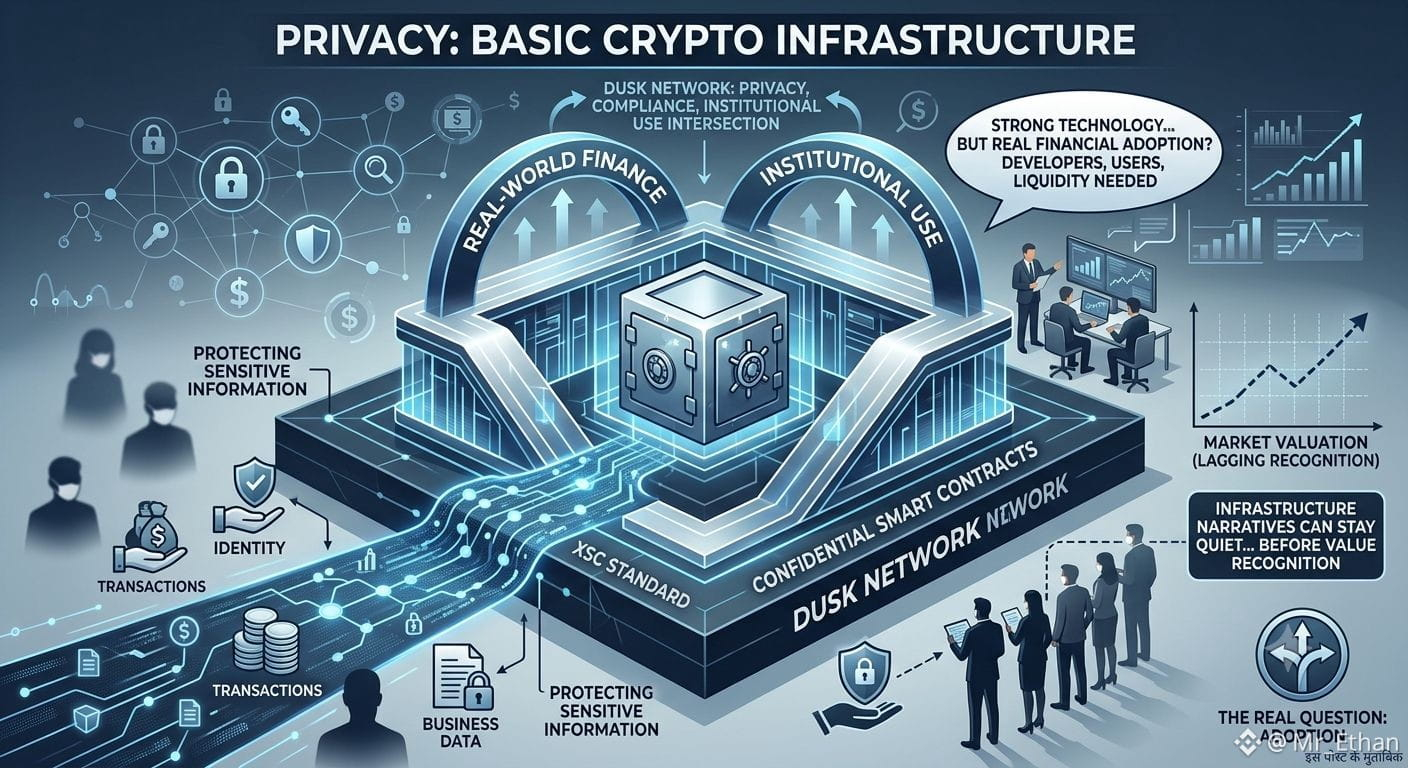
La confidentialité dans la crypto commence à ressembler moins à un luxe et davantage à une infrastructure essentielle.
J’ai vu de nombreux projets de confidentialité gagner en visibilité pendant les cycles d’engouement, mais Dusk Network se distingue à mes yeux parce qu’il se concentre sur les applications financières, et pas seulement sur les transactions privées.
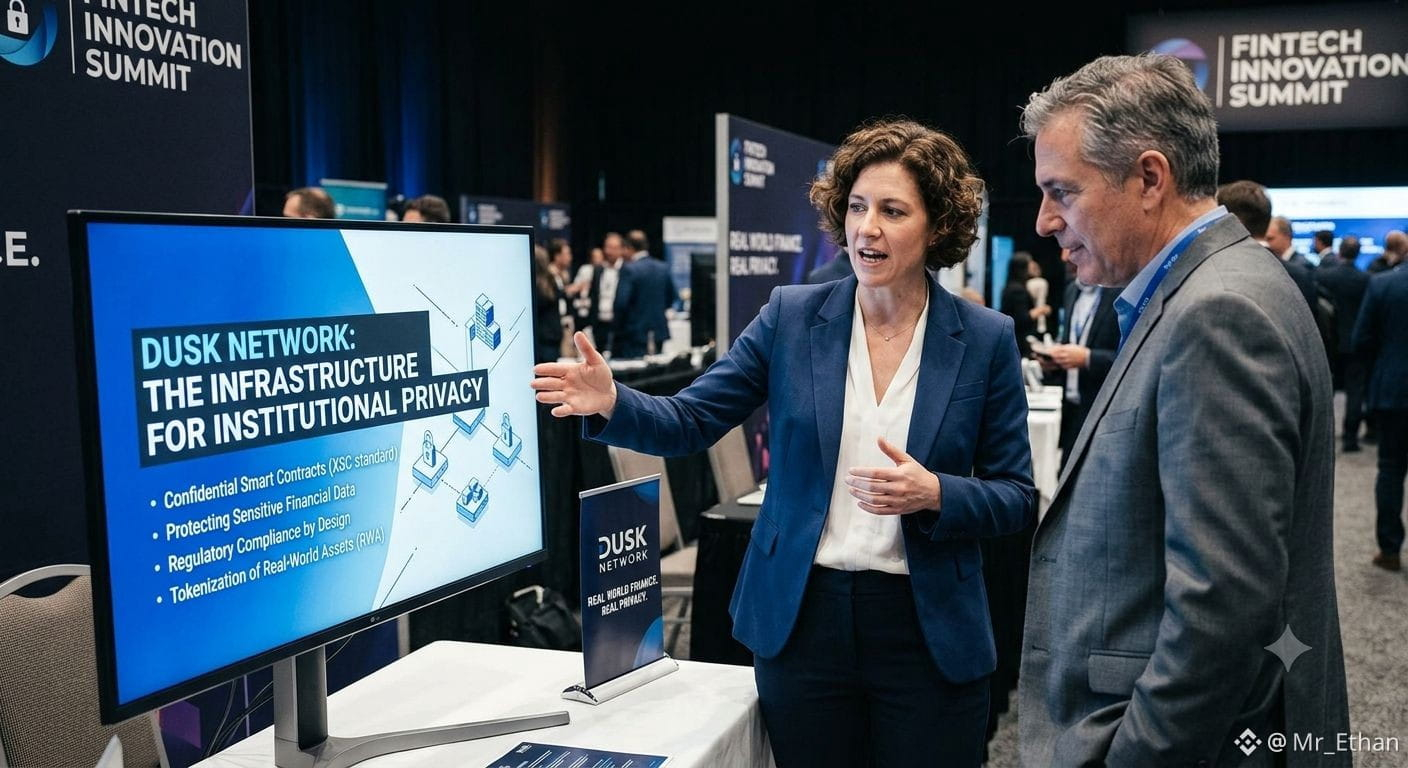
Dusk est une blockchain de couche 1 conçue autour de contrats intelligents confidentiels et de la norme Confidential Security Contract (XSC). En termes simples, l’objectif est de permettre aux institutions financières d’utiliser la blockchain tout en protégeant les informations sensibles.
C’est une idée solide. La finance réelle a besoin de confidentialité autour des identités, des transactions et des données commerciales. Dusk essaie de résoudre ce problème sans renoncer aux avantages d’une infrastructure de blockchain programmable.
Mais je ne suis pas aveuglément optimiste. La question la plus importante est l’adoption. Les réseaux concurrents axés sur la confidentialité et la conformité progressent eux aussi, et une technologie solide ne vaut pas grand-chose sans développeurs, utilisateurs, liquidité et véritable activité économique.
Une leçon que j’ai apprise de la crypto, c’est que les récits d’infrastructure peuvent rester silencieux pendant longtemps avant que le marché ne reconnaisse leur valeur.
Pour moi, Dusk est intéressant parce qu’il se situe à l’intersection de la confidentialité, de la conformité et de l’usage institutionnel de la blockchain.
La vraie question est la suivante : Dusk peut-il transformer une technologie solide en une adoption financière réelle ?
{spot}(DUSKUSDT)
$BMT
{spot}(BMTUSDT)
$PORTAL
{spot}(PORTALUSDT)
#dusk @Dusk $DUSK #dusk @Dusk
La confidentialité dans la crypto commence à ressembler moins à un luxe et davantage à une infrastructure essentielle.
J’ai vu de nombreux projets de confidentialité gagner en visibilité pendant les cycles d’engouement, mais Dusk Network se distingue à mes yeux parce qu’il se concentre sur les applications financières, et pas seulement sur les transactions privées.
Dusk est une blockchain de couche 1 conçue autour de contrats intelligents confidentiels et de la norme Confidential Security Contract (XSC). En termes simples, l’objectif est de permettre aux institutions financières d’utiliser la blockchain tout en protégeant les informations sensibles.
C’est une idée solide. La finance réelle a besoin de confidentialité autour des identités, des transactions et des données commerciales. Dusk essaie de résoudre ce problème sans renoncer aux avantages d’une infrastructure de blockchain programmable.
Mais je ne suis pas aveuglément optimiste. La question la plus importante est l’adoption. Les réseaux concurrents axés sur la confidentialité et la conformité progressent eux aussi, et une technologie solide ne vaut pas grand-chose sans développeurs, utilisateurs, liquidité et véritable activité économique.
Une leçon que j’ai apprise de la crypto, c’est que les récits d’infrastructure peuvent rester silencieux pendant longtemps avant que le marché ne reconnaisse leur valeur.
Pour moi, Dusk est intéressant parce qu’il se situe à l’intersection de la confidentialité, de la conformité et de l’usage institutionnel de la blockchain.
La vraie question est la suivante : Dusk peut-il transformer une technologie solide en une adoption financière réelle ?
$BMT
$PORTAL
La confidentialité dans la crypto commence à ressembler moins à un luxe et davantage à une infrastructure essentielle.
J’ai vu de nombreux projets de confidentialité gagner en visibilité pendant les cycles d’engouement, mais Dusk Network se distingue à mes yeux parce qu’il se concentre sur les applications financières, et pas seulement sur les transactions privées.
Dusk est une blockchain de couche 1 conçue autour de contrats intelligents confidentiels et de la norme Confidential Security Contract (XSC). En termes simples, l’objectif est de permettre aux institutions financières d’utiliser la blockchain tout en protégeant les informations sensibles.
C’est une idée solide. La finance réelle a besoin de confidentialité autour des identités, des transactions et des données commerciales. Dusk essaie de résoudre ce problème sans renoncer aux avantages d’une infrastructure de blockchain programmable.
Mais je ne suis pas aveuglément optimiste. La question la plus importante est l’adoption. Les réseaux concurrents axés sur la confidentialité et la conformité progressent eux aussi, et une technologie solide ne vaut pas grand-chose sans développeurs, utilisateurs, liquidité et véritable activité économique.
Une leçon que j’ai apprise de la crypto, c’est que les récits d’infrastructure peuvent rester silencieux pendant longtemps avant que le marché ne reconnaisse leur valeur.
Pour moi, Dusk est intéressant parce qu’il se situe à l’intersection de la confidentialité, de la conformité et de l’usage institutionnel de la blockchain.
La vraie question est la suivante : Dusk peut-il transformer une technologie solide en une adoption financière réelle ?
$BMT
$PORTAL
4
3
123
·
--
a attiré mon attention parce que les données de liquidation m’en disent souvent plus qu’un simple mouvement de prix.
J’ai appris que lorsque des positions short sont liquidées, cela peut créer une pression d’achat rapide, mais je ne le considère pas comme un signal automatique pour courir après le mouvement. Pour moi, la vraie question est de savoir si LAB peut tenir le mouvement une fois que les positions forcées ont été purgées.
Ce que j’aime, c’est l’opportunité créée par la volatilité. Une forte dynamique peut attirer très vite des traders, de la liquidité et une nouvelle attention. Mais la faiblesse est aussi évidente : les petits tokens peuvent bouger fortement dans les deux sens, et une liquidité trop faible peut transformer une bonne configuration en une mauvaise entrée.
Je surveille de près la zone de support et je cherche une confirmation via le volume et la structure des prix. Si LAB maintient des plus bas plus hauts après ce mouvement, je le prendrais plus au sérieux qu’une simple brusque impulsion.
Leçon principale que j’ai retenue du marché crypto, c’est simple : la liquidation est de l’information, pas une confirmation. Je préfère rater une partie du mouvement plutôt que d’entrer à l’aveugle après un squeeze.
Je garde LAB dans ma watchlist et j’attends que le marché montre ses intentions.
Tu traderais la dynamique ici, ou tu attendrais une configuration plus propre?
$LAB
{future}(LABUSDT)
$MMT
{spot}(MMTUSDT)
$RE
{spot}(REUSDT)
a attiré mon attention parce que les données de liquidation m’en disent souvent plus qu’un simple mouvement de prix.
J’ai appris que lorsque des positions short sont liquidées, cela peut créer une pression d’achat rapide, mais je ne le considère pas comme un signal automatique pour courir après le mouvement. Pour moi, la vraie question est de savoir si LAB peut tenir le mouvement une fois que les positions forcées ont été purgées.
Ce que j’aime, c’est l’opportunité créée par la volatilité. Une forte dynamique peut attirer très vite des traders, de la liquidité et une nouvelle attention. Mais la faiblesse est aussi évidente : les petits tokens peuvent bouger fortement dans les deux sens, et une liquidité trop faible peut transformer une bonne configuration en une mauvaise entrée.
Je surveille de près la zone de support et je cherche une confirmation via le volume et la structure des prix. Si LAB maintient des plus bas plus hauts après ce mouvement, je le prendrais plus au sérieux qu’une simple brusque impulsion.
Leçon principale que j’ai retenue du marché crypto, c’est simple : la liquidation est de l’information, pas une confirmation. Je préfère rater une partie du mouvement plutôt que d’entrer à l’aveugle après un squeeze.
Je garde LAB dans ma watchlist et j’attends que le marché montre ses intentions.
Tu traderais la dynamique ici, ou tu attendrais une configuration plus propre?
$LAB
$MMT
$RE
J’ai appris que lorsque des positions short sont liquidées, cela peut créer une pression d’achat rapide, mais je ne le considère pas comme un signal automatique pour courir après le mouvement. Pour moi, la vraie question est de savoir si LAB peut tenir le mouvement une fois que les positions forcées ont été purgées.
Ce que j’aime, c’est l’opportunité créée par la volatilité. Une forte dynamique peut attirer très vite des traders, de la liquidité et une nouvelle attention. Mais la faiblesse est aussi évidente : les petits tokens peuvent bouger fortement dans les deux sens, et une liquidité trop faible peut transformer une bonne configuration en une mauvaise entrée.
Je surveille de près la zone de support et je cherche une confirmation via le volume et la structure des prix. Si LAB maintient des plus bas plus hauts après ce mouvement, je le prendrais plus au sérieux qu’une simple brusque impulsion.
Leçon principale que j’ai retenue du marché crypto, c’est simple : la liquidation est de l’information, pas une confirmation. Je préfère rater une partie du mouvement plutôt que d’entrer à l’aveugle après un squeeze.
Je garde LAB dans ma watchlist et j’attends que le marché montre ses intentions.
Tu traderais la dynamique ici, ou tu attendrais une configuration plus propre?
$LAB
$MMT
$RE
1
473
·
--
Haussier
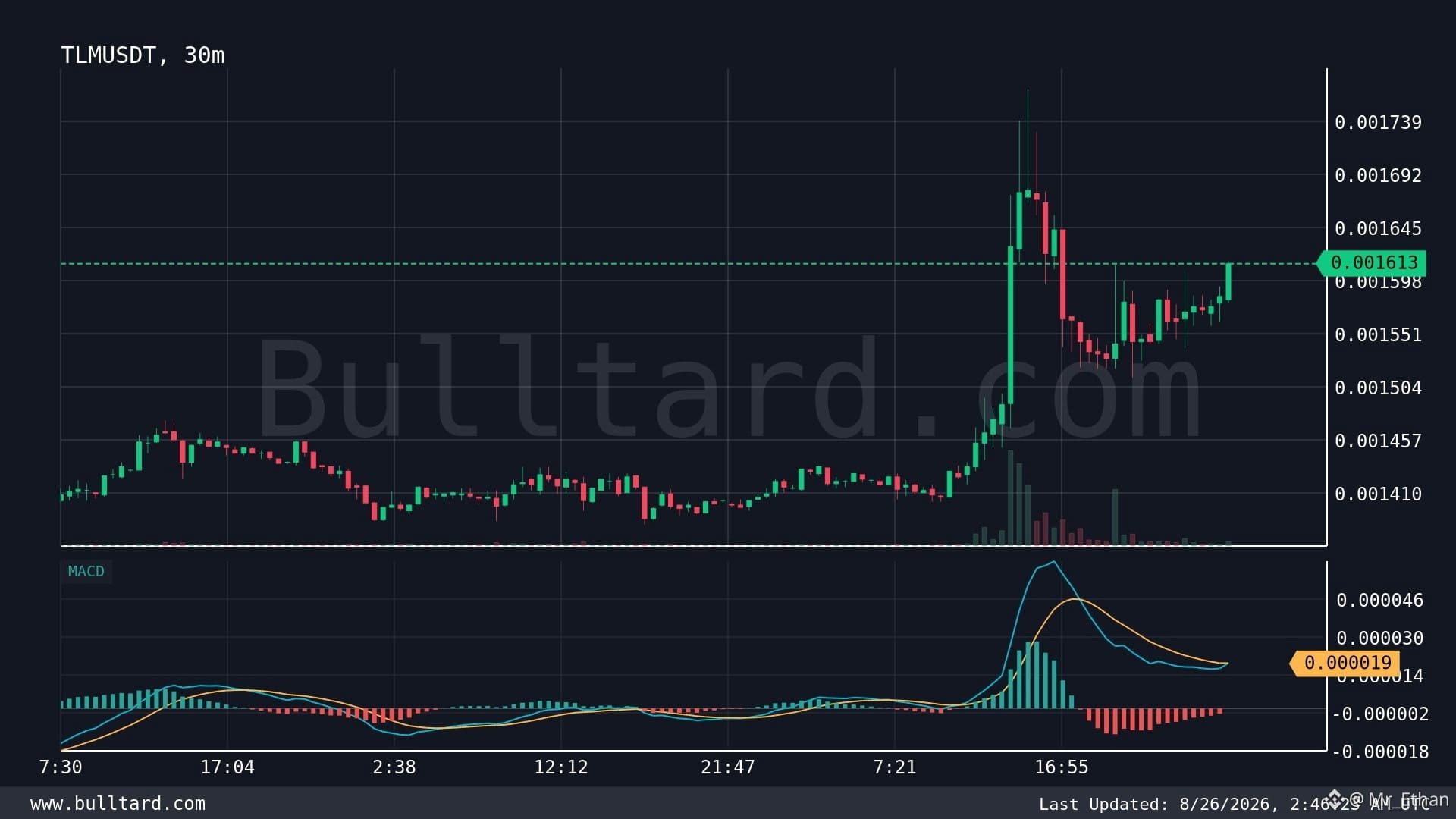
montre un léger décalage de l’élan, et je l’observe de près.
Le MACD sur 30m vient d’imprimer un croisement haussier autour de 0,001613 $. D’après mon expérience, je ne traite pas un simple croisement comme un signal d’achat. Je veux voir une confirmation via le prix, une amélioration du volume, et des bougies suivantes qui restent au-dessus de la zone de cassure.
TLM a toujours été un jeton de jeu Web3 intéressant, car Alien Worlds se concentre sur les économies virtuelles, l’activité des joueurs et la propriété on-chain. Cela lui donne plus d’utilité qu’un jeton alimenté uniquement par la spéculation. Cela dit, les tokens de gaming peuvent être très volatils, et la liquidité peut disparaître rapidement lorsque le sentiment du marché devient faible.
Pour moi, la force clé ici, c’est l’élan combiné à l’utilité au sein de l’écosystème. La faiblesse, c’est que les signaux du MACD peuvent facilement devenir des faux signaux pendant les marchés en range.
J’ai appris que les meilleurs trades viennent généralement de la confirmation, pas de l’anticipation. Si TLM tient au-dessus de 0,00160 $ et que les acheteurs prennent le relais, je serais davantage intéressé par le potentiel à la hausse.
Je suis curieux : voyez-vous ce croisement du MACD comme le début d’un mouvement TLM plus solide, ou simplement comme un nouveau rebond à court terme ?
$BMT
{spot}(BMTUSDT)
$BTR
{future}(BTRUSDT)
$TLM
{spot}(TLMUSDT)
montre un léger décalage de l’élan, et je l’observe de près.
Le MACD sur 30m vient d’imprimer un croisement haussier autour de 0,001613 $. D’après mon expérience, je ne traite pas un simple croisement comme un signal d’achat. Je veux voir une confirmation via le prix, une amélioration du volume, et des bougies suivantes qui restent au-dessus de la zone de cassure.
TLM a toujours été un jeton de jeu Web3 intéressant, car Alien Worlds se concentre sur les économies virtuelles, l’activité des joueurs et la propriété on-chain. Cela lui donne plus d’utilité qu’un jeton alimenté uniquement par la spéculation. Cela dit, les tokens de gaming peuvent être très volatils, et la liquidité peut disparaître rapidement lorsque le sentiment du marché devient faible.
Pour moi, la force clé ici, c’est l’élan combiné à l’utilité au sein de l’écosystème. La faiblesse, c’est que les signaux du MACD peuvent facilement devenir des faux signaux pendant les marchés en range.
J’ai appris que les meilleurs trades viennent généralement de la confirmation, pas de l’anticipation. Si TLM tient au-dessus de 0,00160 $ et que les acheteurs prennent le relais, je serais davantage intéressé par le potentiel à la hausse.
Je suis curieux : voyez-vous ce croisement du MACD comme le début d’un mouvement TLM plus solide, ou simplement comme un nouveau rebond à court terme ?
$BMT
$BTR
$TLM
Le MACD sur 30m vient d’imprimer un croisement haussier autour de 0,001613 $. D’après mon expérience, je ne traite pas un simple croisement comme un signal d’achat. Je veux voir une confirmation via le prix, une amélioration du volume, et des bougies suivantes qui restent au-dessus de la zone de cassure.
TLM a toujours été un jeton de jeu Web3 intéressant, car Alien Worlds se concentre sur les économies virtuelles, l’activité des joueurs et la propriété on-chain. Cela lui donne plus d’utilité qu’un jeton alimenté uniquement par la spéculation. Cela dit, les tokens de gaming peuvent être très volatils, et la liquidité peut disparaître rapidement lorsque le sentiment du marché devient faible.
Pour moi, la force clé ici, c’est l’élan combiné à l’utilité au sein de l’écosystème. La faiblesse, c’est que les signaux du MACD peuvent facilement devenir des faux signaux pendant les marchés en range.
J’ai appris que les meilleurs trades viennent généralement de la confirmation, pas de l’anticipation. Si TLM tient au-dessus de 0,00160 $ et que les acheteurs prennent le relais, je serais davantage intéressé par le potentiel à la hausse.
Je suis curieux : voyez-vous ce croisement du MACD comme le début d’un mouvement TLM plus solide, ou simplement comme un nouveau rebond à court terme ?
$BMT
$BTR
$TLM
299
·
--
Baissier
Le crépuscule est l’un de ces projets que je continue de suivre, car la confidentialité devient lentement une partie de plus en plus importante des discussions autour de la blockchain.
J’ai vu passer de nombreux récits liés à la confidentialité, mais Dusk Network me semble plus orienté vers un problème réel : intégrer des transactions confidentielles et des contrats intelligents aux marchés financiers. Sa couche 1 repose sur la norme Confidential Security Contract (XSC), offrant aux applications un moyen de travailler avec des données sensibles sans tout exposer publiquement.
Ce que j’aime le plus, c’est l’angle financier. Les institutions ont besoin de confidentialité, de conformité et d’un accès aux données contrôlé. Dusk essaie de réunir ces besoins avec une infrastructure blockchain.
Mais je n’ignore pas les risques. L’adoption reste la grande question. Une technologie solide ne sert pas à grand-chose si les développeurs, les institutions et les utilisateurs ne construisent pas réellement dessus. La concurrence d’autres chaînes axées sur la confidentialité est aussi un défi.
Ma plus grande leçon de la crypto est simple : je n’investis pas uniquement parce qu’un récit me semble séduisant. Je surveille l’usage, la liquidité, le développement et le comportement du marché.
Pour moi, DUSK est intéressant parce que la confidentialité pourrait devenir une infrastructure, et pas seulement un récit de trading.
Pensez-vous que l’infrastructure blockchain confidentielle deviendra essentielle pour la prochaine vague d’adoption dans la finance ?
$TAC $PROM $DUSK
#dusk @Dusk_Foundation
{future}(TUTUSDT)
{future}(PROMUSDT)
{future}(TACUSDT)
Le crépuscule est l’un de ces projets que je continue de suivre, car la confidentialité devient lentement une partie de plus en plus importante des discussions autour de la blockchain.
J’ai vu passer de nombreux récits liés à la confidentialité, mais Dusk Network me semble plus orienté vers un problème réel : intégrer des transactions confidentielles et des contrats intelligents aux marchés financiers. Sa couche 1 repose sur la norme Confidential Security Contract (XSC), offrant aux applications un moyen de travailler avec des données sensibles sans tout exposer publiquement.
Ce que j’aime le plus, c’est l’angle financier. Les institutions ont besoin de confidentialité, de conformité et d’un accès aux données contrôlé. Dusk essaie de réunir ces besoins avec une infrastructure blockchain.
Mais je n’ignore pas les risques. L’adoption reste la grande question. Une technologie solide ne sert pas à grand-chose si les développeurs, les institutions et les utilisateurs ne construisent pas réellement dessus. La concurrence d’autres chaînes axées sur la confidentialité est aussi un défi.
Ma plus grande leçon de la crypto est simple : je n’investis pas uniquement parce qu’un récit me semble séduisant. Je surveille l’usage, la liquidité, le développement et le comportement du marché.
Pour moi, DUSK est intéressant parce que la confidentialité pourrait devenir une infrastructure, et pas seulement un récit de trading.
Pensez-vous que l’infrastructure blockchain confidentielle deviendra essentielle pour la prochaine vague d’adoption dans la finance ?
$TAC $PROM $DUSK
#dusk @Dusk
J’ai vu passer de nombreux récits liés à la confidentialité, mais Dusk Network me semble plus orienté vers un problème réel : intégrer des transactions confidentielles et des contrats intelligents aux marchés financiers. Sa couche 1 repose sur la norme Confidential Security Contract (XSC), offrant aux applications un moyen de travailler avec des données sensibles sans tout exposer publiquement.
Ce que j’aime le plus, c’est l’angle financier. Les institutions ont besoin de confidentialité, de conformité et d’un accès aux données contrôlé. Dusk essaie de réunir ces besoins avec une infrastructure blockchain.
Mais je n’ignore pas les risques. L’adoption reste la grande question. Une technologie solide ne sert pas à grand-chose si les développeurs, les institutions et les utilisateurs ne construisent pas réellement dessus. La concurrence d’autres chaînes axées sur la confidentialité est aussi un défi.
Ma plus grande leçon de la crypto est simple : je n’investis pas uniquement parce qu’un récit me semble séduisant. Je surveille l’usage, la liquidité, le développement et le comportement du marché.
Pour moi, DUSK est intéressant parce que la confidentialité pourrait devenir une infrastructure, et pas seulement un récit de trading.
Pensez-vous que l’infrastructure blockchain confidentielle deviendra essentielle pour la prochaine vague d’adoption dans la finance ?
$TAC $PROM $DUSK
#dusk @Dusk
✅ $TAC
100%
👆 $PROM
0%
💚 $LAB
0%
2 Votes • Vote fermé
129
·
--
Haussier
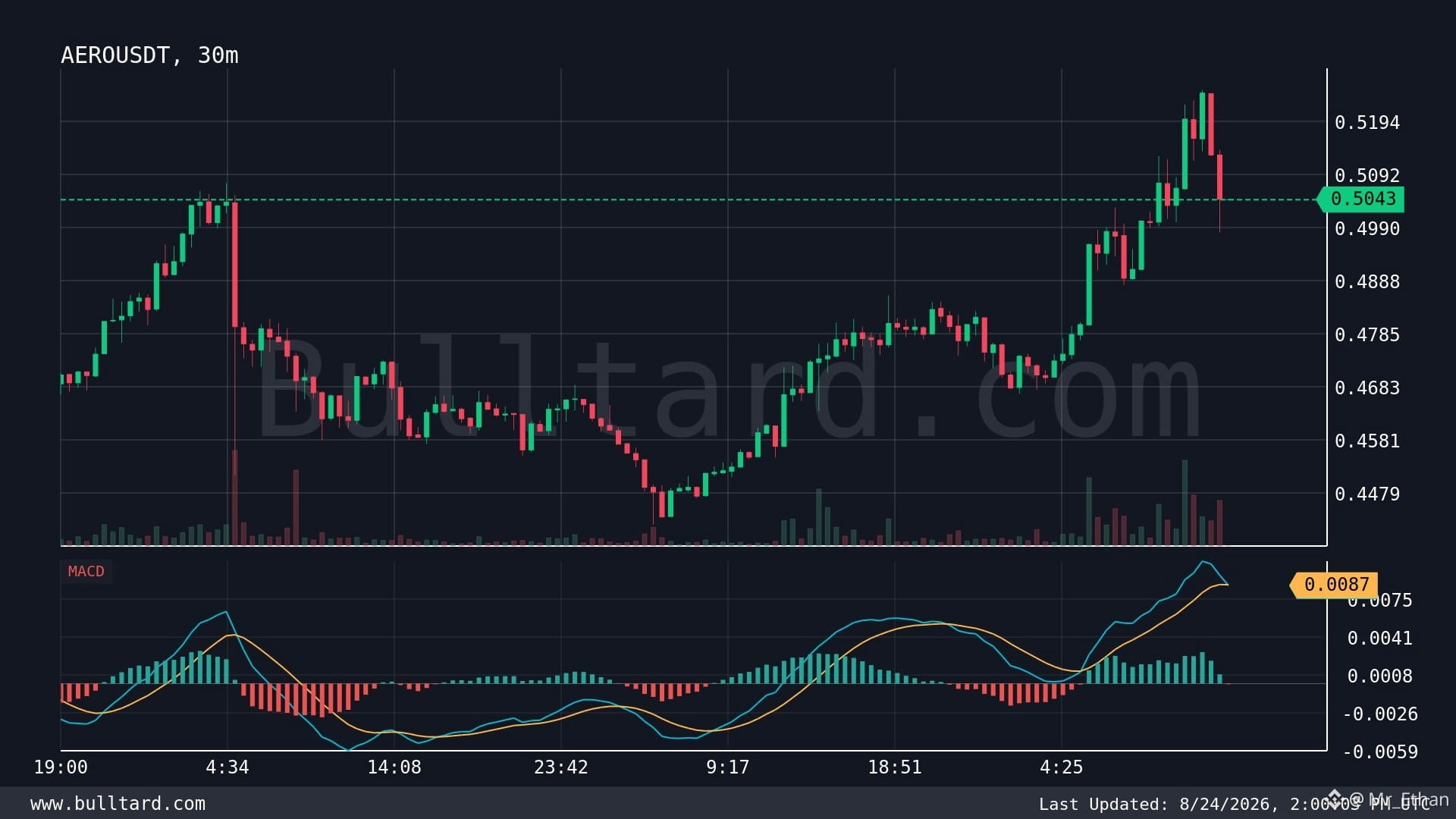
me montre pourquoi des projets solides ont encore besoin d’entrées soigneuses.
J’ai suivi Aerodrome de près, et j’aime ce qu’il apporte à l’écosystème de Base. Ce n’est pas juste un autre token. Aerodrome est construit autour du trading et de la liquidité, aidant les utilisateurs à échanger des actifs tandis que les fournisseurs de liquidité gagnent des incitations.
Ce que j’aime le plus, c’est son lien avec Base et la demande croissante de liquidité on-chain. Comparé à beaucoup d’autres tokens DEX plus modestes, a un rôle plus clair au sein d’un écosystème actif. Cela lui donne, à mon avis, une histoire fondamentale plus solide.
Mais je n’ignore pas les risques. La concurrence DeFi est intense, les émissions de tokens peuvent créer une pression à la vente, et peut encore bouger fortement avec le sentiment du marché plus large. Quand la liquidité se tarit, même de bonnes configurations peuvent échouer rapidement.
J’ai appris, en trading ces cycles, que les fondamentaux comptent, mais que le timing compte aussi. Un projet solide acheté au mauvais moment peut quand même faire mal au portefeuille.
Je surveille l’élan (momentum), la liquidité et l’activité des utilisateurs plutôt que de courir après chaque bougie verte.
Vous le conserveriez pour la croissance de l’écosystème, ou vous attendez une meilleure entrée ?
$AERO #aero @aero
{spot}(AEROUSDT)
$TUT
{spot}(TUTUSDT)
$TURTLE
{spot}(TURTLEUSDT)
me montre pourquoi des projets solides ont encore besoin d’entrées soigneuses.
J’ai suivi Aerodrome de près, et j’aime ce qu’il apporte à l’écosystème de Base. Ce n’est pas juste un autre token. Aerodrome est construit autour du trading et de la liquidité, aidant les utilisateurs à échanger des actifs tandis que les fournisseurs de liquidité gagnent des incitations.
Ce que j’aime le plus, c’est son lien avec Base et la demande croissante de liquidité on-chain. Comparé à beaucoup d’autres tokens DEX plus modestes, a un rôle plus clair au sein d’un écosystème actif. Cela lui donne, à mon avis, une histoire fondamentale plus solide.
Mais je n’ignore pas les risques. La concurrence DeFi est intense, les émissions de tokens peuvent créer une pression à la vente, et peut encore bouger fortement avec le sentiment du marché plus large. Quand la liquidité se tarit, même de bonnes configurations peuvent échouer rapidement.
J’ai appris, en trading ces cycles, que les fondamentaux comptent, mais que le timing compte aussi. Un projet solide acheté au mauvais moment peut quand même faire mal au portefeuille.
Je surveille l’élan (momentum), la liquidité et l’activité des utilisateurs plutôt que de courir après chaque bougie verte.
Vous le conserveriez pour la croissance de l’écosystème, ou vous attendez une meilleure entrée ?
$AERO #aero @Aero
$TUT
$TURTLE
J’ai suivi Aerodrome de près, et j’aime ce qu’il apporte à l’écosystème de Base. Ce n’est pas juste un autre token. Aerodrome est construit autour du trading et de la liquidité, aidant les utilisateurs à échanger des actifs tandis que les fournisseurs de liquidité gagnent des incitations.
Ce que j’aime le plus, c’est son lien avec Base et la demande croissante de liquidité on-chain. Comparé à beaucoup d’autres tokens DEX plus modestes, a un rôle plus clair au sein d’un écosystème actif. Cela lui donne, à mon avis, une histoire fondamentale plus solide.
Mais je n’ignore pas les risques. La concurrence DeFi est intense, les émissions de tokens peuvent créer une pression à la vente, et peut encore bouger fortement avec le sentiment du marché plus large. Quand la liquidité se tarit, même de bonnes configurations peuvent échouer rapidement.
J’ai appris, en trading ces cycles, que les fondamentaux comptent, mais que le timing compte aussi. Un projet solide acheté au mauvais moment peut quand même faire mal au portefeuille.
Je surveille l’élan (momentum), la liquidité et l’activité des utilisateurs plutôt que de courir après chaque bougie verte.
Vous le conserveriez pour la croissance de l’écosystème, ou vous attendez une meilleure entrée ?
$AERO #aero @Aero
$TUT
$TURTLE
282
·
--
Baissier
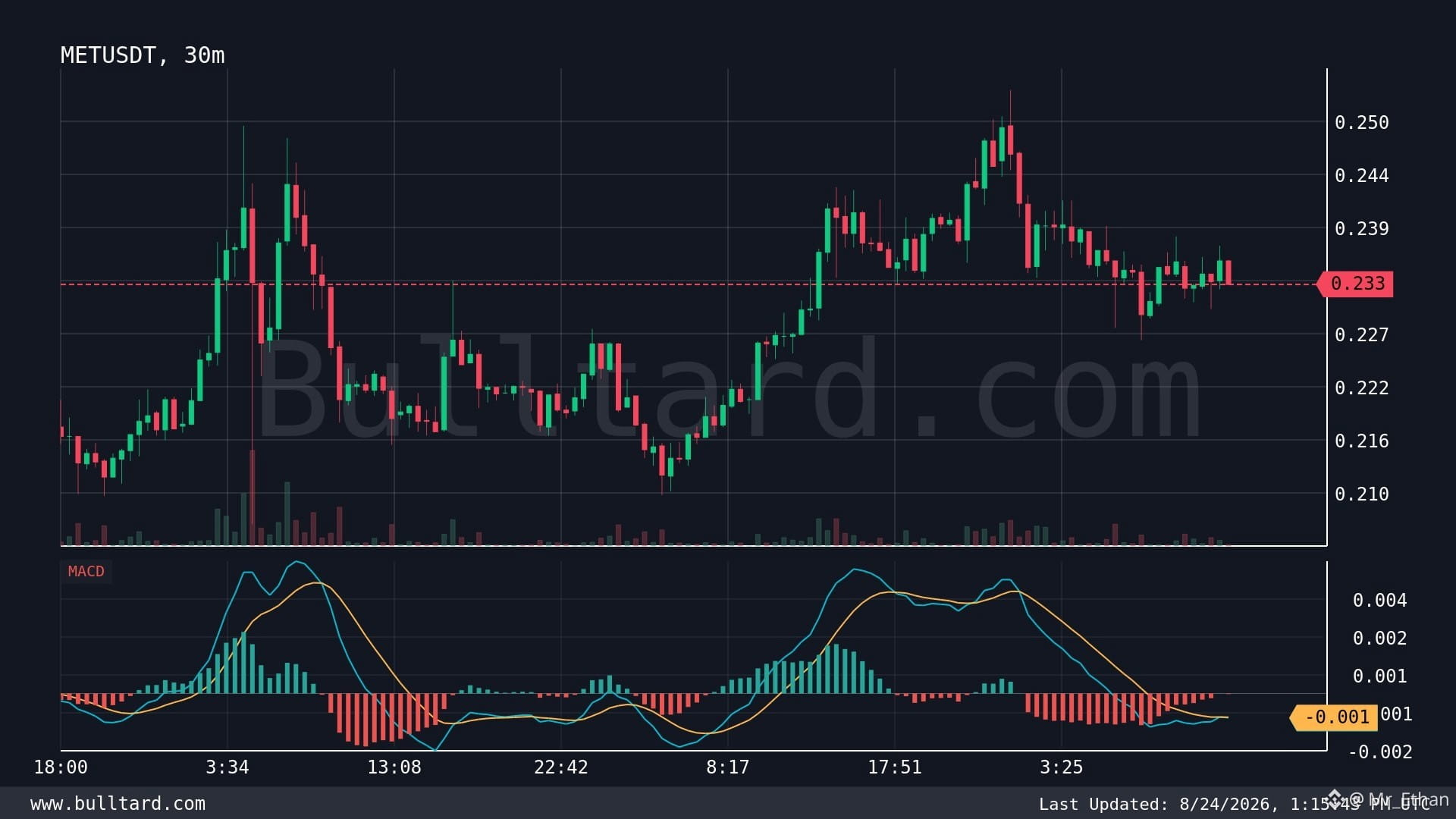
Elle montre un croisement MACD baissier sur le graphique 30m, et j’y prête attention.
J’ai appris que ces signaux sont utiles, mais ils fonctionnent mieux quand je regarde aussi la vue d’ensemble. Vers 0,2325 $, MET montre maintenant une faiblesse à court terme, ce qui pourrait vouloir dire que les vendeurs prennent le contrôle.
Ce que j’aime dans MET, c’est son rôle dans l’infrastructure Web3 plus large, et le potentiel d’une utilité réelle si l’adoption augmente. Mais cette force n’élimine pas les risques. La liquidité crypto peut changer rapidement, et un croisement baissier peut échouer si les acheteurs reviennent avec un fort volume.
Le principal enseignement que j’en tire en tradant ce type de configurations est simple : je ne traite jamais un seul indicateur comme une direction garantie. J’observe la structure des prix, le volume, les niveaux de support, et la manière dont le BTC se comporte avant de prendre une décision.
Pour l’instant, je reste prudent plutôt que de poursuivre le mouvement. Si les acheteurs reprennent l’élan, le signal pourrait rapidement perdre de sa force.
Attendrez-vous une confirmation sur MET, ou considéreriez-vous ce croisement baissier comme une alerte précoce ?
$SUPER
{spot}(SUPERUSDT)
$UAI
{future}(UAIUSDT)
$MET
{spot}(METUSDT)
Elle montre un croisement MACD baissier sur le graphique 30m, et j’y prête attention.
J’ai appris que ces signaux sont utiles, mais ils fonctionnent mieux quand je regarde aussi la vue d’ensemble. Vers 0,2325 $, MET montre maintenant une faiblesse à court terme, ce qui pourrait vouloir dire que les vendeurs prennent le contrôle.
Ce que j’aime dans MET, c’est son rôle dans l’infrastructure Web3 plus large, et le potentiel d’une utilité réelle si l’adoption augmente. Mais cette force n’élimine pas les risques. La liquidité crypto peut changer rapidement, et un croisement baissier peut échouer si les acheteurs reviennent avec un fort volume.
Le principal enseignement que j’en tire en tradant ce type de configurations est simple : je ne traite jamais un seul indicateur comme une direction garantie. J’observe la structure des prix, le volume, les niveaux de support, et la manière dont le BTC se comporte avant de prendre une décision.
Pour l’instant, je reste prudent plutôt que de poursuivre le mouvement. Si les acheteurs reprennent l’élan, le signal pourrait rapidement perdre de sa force.
Attendrez-vous une confirmation sur MET, ou considéreriez-vous ce croisement baissier comme une alerte précoce ?
$SUPER
$UAI
$MET
J’ai appris que ces signaux sont utiles, mais ils fonctionnent mieux quand je regarde aussi la vue d’ensemble. Vers 0,2325 $, MET montre maintenant une faiblesse à court terme, ce qui pourrait vouloir dire que les vendeurs prennent le contrôle.
Ce que j’aime dans MET, c’est son rôle dans l’infrastructure Web3 plus large, et le potentiel d’une utilité réelle si l’adoption augmente. Mais cette force n’élimine pas les risques. La liquidité crypto peut changer rapidement, et un croisement baissier peut échouer si les acheteurs reviennent avec un fort volume.
Le principal enseignement que j’en tire en tradant ce type de configurations est simple : je ne traite jamais un seul indicateur comme une direction garantie. J’observe la structure des prix, le volume, les niveaux de support, et la manière dont le BTC se comporte avant de prendre une décision.
Pour l’instant, je reste prudent plutôt que de poursuivre le mouvement. Si les acheteurs reprennent l’élan, le signal pourrait rapidement perdre de sa force.
Attendrez-vous une confirmation sur MET, ou considéreriez-vous ce croisement baissier comme une alerte précoce ?
$SUPER
$UAI
$MET
1
2
263
·
--
Haussier
Trading sur 30 j de 82.7 USDT en $DUSK
$DUSK #dusk @Dusk_Foundation
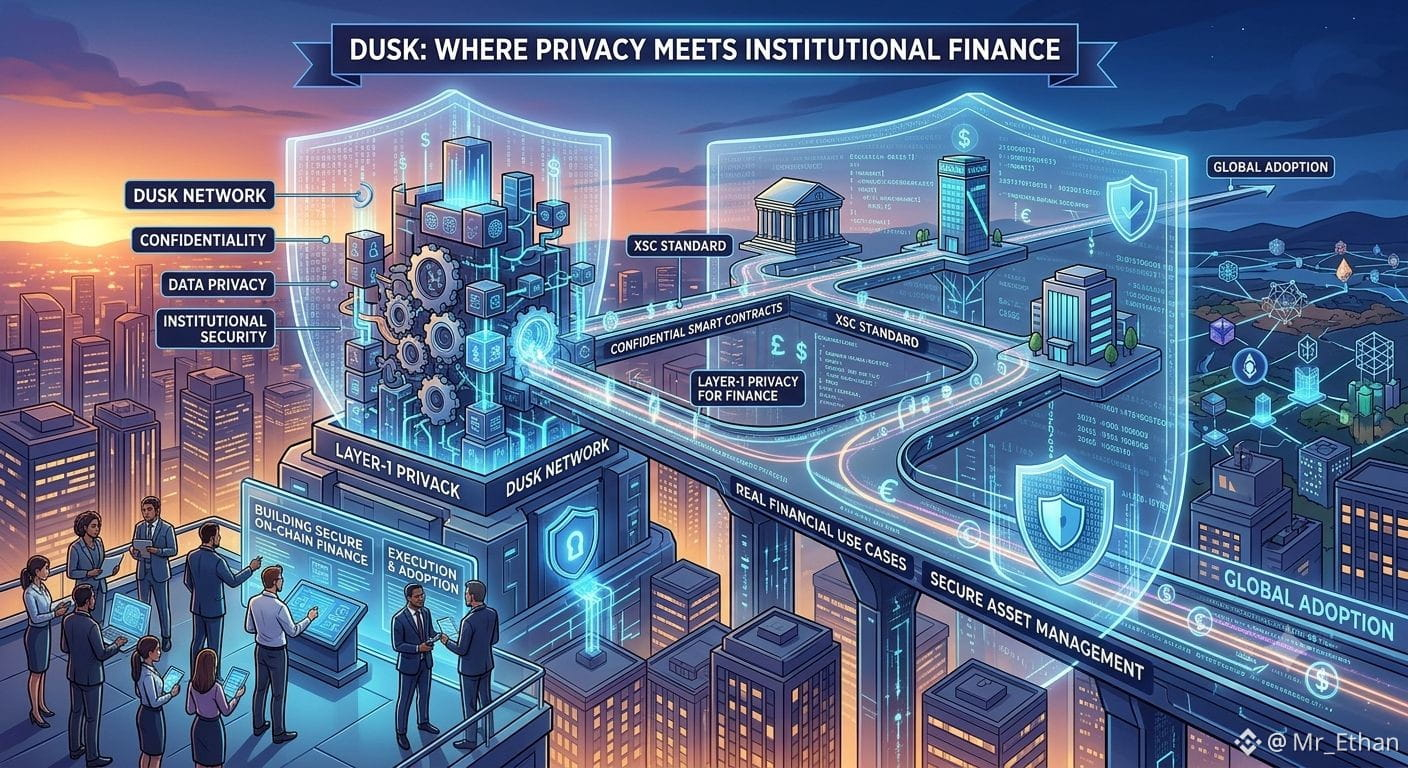
DUSK fait partie de ces projets qui, selon moi, méritent davantage d’attention lorsque le marché commence à parler sérieusement de la confidentialité et de cas d’usage financiers réels.
J’ai vu les récits crypto évoluer de la pure spéculation vers une infrastructure capable de résoudre de vrais problèmes. C’est précisément là que Dusk Network devient intéressant. C’est une couche 1 conçue autour de la confidentialité pour les applications financières, avec des smart contracts confidentiels et sa norme Confidential Security Contract (XSC).
Ce que j’apprécie, c’est la focalisation. Dusk n’essaie pas d’être tout à la fois. Il vise un problème concret : les institutions financières ont besoin des avantages de la blockchain sans exposer des données sensibles liées aux transactions et à l’activité de l’entreprise.
La force repose sur une utilité évidente, mais je reste réaliste quant aux risques. L’adoption est la question la plus importante. Une technologie solide ne garantit pas, à elle seule, les utilisateurs, la liquidité ou l’activité des développeurs. La concurrence dans la confidentialité et l’infrastructure blockchain institutionnelle est également très sérieuse.
Une leçon que j’ai tirée de la crypto, c’est que les récits peuvent générer de l’attention, mais l’adoption crée une valeur durable. Je surveille DUSK davantage pour son exécution que pour le battage médiatique.
Si la confidentialité devenait une exigence majeure pour la finance on-chain, est-ce que Dusk pourrait devenir l’un des réseaux qui en tireront profit ?$PROM $TUT
{future}(TUTUSDT)
{future}(PROMUSDT)
$DUSK #dusk @Dusk
DUSK fait partie de ces projets qui, selon moi, méritent davantage d’attention lorsque le marché commence à parler sérieusement de la confidentialité et de cas d’usage financiers réels.
J’ai vu les récits crypto évoluer de la pure spéculation vers une infrastructure capable de résoudre de vrais problèmes. C’est précisément là que Dusk Network devient intéressant. C’est une couche 1 conçue autour de la confidentialité pour les applications financières, avec des smart contracts confidentiels et sa norme Confidential Security Contract (XSC).
Ce que j’apprécie, c’est la focalisation. Dusk n’essaie pas d’être tout à la fois. Il vise un problème concret : les institutions financières ont besoin des avantages de la blockchain sans exposer des données sensibles liées aux transactions et à l’activité de l’entreprise.
La force repose sur une utilité évidente, mais je reste réaliste quant aux risques. L’adoption est la question la plus importante. Une technologie solide ne garantit pas, à elle seule, les utilisateurs, la liquidité ou l’activité des développeurs. La concurrence dans la confidentialité et l’infrastructure blockchain institutionnelle est également très sérieuse.
Une leçon que j’ai tirée de la crypto, c’est que les récits peuvent générer de l’attention, mais l’adoption crée une valeur durable. Je surveille DUSK davantage pour son exécution que pour le battage médiatique.
Si la confidentialité devenait une exigence majeure pour la finance on-chain, est-ce que Dusk pourrait devenir l’un des réseaux qui en tireront profit ?$PROM $TUT
DUSK fait partie de ces projets qui, selon moi, méritent davantage d’attention lorsque le marché commence à parler sérieusement de la confidentialité et de cas d’usage financiers réels.
J’ai vu les récits crypto évoluer de la pure spéculation vers une infrastructure capable de résoudre de vrais problèmes. C’est précisément là que Dusk Network devient intéressant. C’est une couche 1 conçue autour de la confidentialité pour les applications financières, avec des smart contracts confidentiels et sa norme Confidential Security Contract (XSC).
Ce que j’apprécie, c’est la focalisation. Dusk n’essaie pas d’être tout à la fois. Il vise un problème concret : les institutions financières ont besoin des avantages de la blockchain sans exposer des données sensibles liées aux transactions et à l’activité de l’entreprise.
La force repose sur une utilité évidente, mais je reste réaliste quant aux risques. L’adoption est la question la plus importante. Une technologie solide ne garantit pas, à elle seule, les utilisateurs, la liquidité ou l’activité des développeurs. La concurrence dans la confidentialité et l’infrastructure blockchain institutionnelle est également très sérieuse.
Une leçon que j’ai tirée de la crypto, c’est que les récits peuvent générer de l’attention, mais l’adoption crée une valeur durable. Je surveille DUSK davantage pour son exécution que pour le battage médiatique.
Si la confidentialité devenait une exigence majeure pour la finance on-chain, est-ce que Dusk pourrait devenir l’un des réseaux qui en tireront profit ?$PROM $TUT
2
1
107
·
--
$BANK /USDT affiche une cassure haussière (croisement) de la MACD sur le graphique 30 minutes, et je la surveille de près.
Le dernier prix est autour de 0,0363 $. D’après mon expérience, ces signaux MACD à court terme peuvent être utiles quand l’élan commence à changer, mais je ne considère jamais un seul croisement comme un mouvement garanti. Je veux voir le volume et l’évolution des prix le confirmer.
Ce qui m’intéresse avec BANK, c’est la tendance plus large autour des projets blockchain qui essaient de construire une utilité réelle plutôt que de compter uniquement sur la spéculation. Cela peut créer des narratifs plus solides à long terme, mais l’exécution, l’adoption, la liquidité et l’offre de tokens comptent encore énormément.
Le croisement haussier est un signal positif à court terme, mais le risque est simple : l’élan peut disparaître rapidement sur un graphique 30 minutes. J’ai vu de nombreuses transactions sembler parfaites au moment du croisement, puis s’inverser en quelques bougies.
Ma plus grande leçon, c’est d’utiliser la MACD comme confirmation, pas comme stratégie entière. Je surveille si BANK peut tenir sa zone actuelle et former des plus hauts plus élevés.
Est-ce que vous traderiez cette configuration haussière, ou attendriez-vous une confirmation plus forte ?
{spot}(BANKUSDT)
$TUT
{spot}(TUTUSDT)
$LAB
{future}(LABUSDT)
#BitcoinStrongestWeekSinceMarch2023 #AnthropicIPOCouldTopSpaceXRecordReportsSay #NvidiaAIServerPricesRiseOver15%
$BANK /USDT affiche une cassure haussière (croisement) de la MACD sur le graphique 30 minutes, et je la surveille de près.
Le dernier prix est autour de 0,0363 $. D’après mon expérience, ces signaux MACD à court terme peuvent être utiles quand l’élan commence à changer, mais je ne considère jamais un seul croisement comme un mouvement garanti. Je veux voir le volume et l’évolution des prix le confirmer.
Ce qui m’intéresse avec BANK, c’est la tendance plus large autour des projets blockchain qui essaient de construire une utilité réelle plutôt que de compter uniquement sur la spéculation. Cela peut créer des narratifs plus solides à long terme, mais l’exécution, l’adoption, la liquidité et l’offre de tokens comptent encore énormément.
Le croisement haussier est un signal positif à court terme, mais le risque est simple : l’élan peut disparaître rapidement sur un graphique 30 minutes. J’ai vu de nombreuses transactions sembler parfaites au moment du croisement, puis s’inverser en quelques bougies.
Ma plus grande leçon, c’est d’utiliser la MACD comme confirmation, pas comme stratégie entière. Je surveille si BANK peut tenir sa zone actuelle et former des plus hauts plus élevés.
Est-ce que vous traderiez cette configuration haussière, ou attendriez-vous une confirmation plus forte ?
$TUT
$LAB
#BitcoinStrongestWeekSinceMarch2023 #AnthropicIPOCouldTopSpaceXRecordReportsSay #NvidiaAIServerPricesRiseOver15%
Le dernier prix est autour de 0,0363 $. D’après mon expérience, ces signaux MACD à court terme peuvent être utiles quand l’élan commence à changer, mais je ne considère jamais un seul croisement comme un mouvement garanti. Je veux voir le volume et l’évolution des prix le confirmer.
Ce qui m’intéresse avec BANK, c’est la tendance plus large autour des projets blockchain qui essaient de construire une utilité réelle plutôt que de compter uniquement sur la spéculation. Cela peut créer des narratifs plus solides à long terme, mais l’exécution, l’adoption, la liquidité et l’offre de tokens comptent encore énormément.
Le croisement haussier est un signal positif à court terme, mais le risque est simple : l’élan peut disparaître rapidement sur un graphique 30 minutes. J’ai vu de nombreuses transactions sembler parfaites au moment du croisement, puis s’inverser en quelques bougies.
Ma plus grande leçon, c’est d’utiliser la MACD comme confirmation, pas comme stratégie entière. Je surveille si BANK peut tenir sa zone actuelle et former des plus hauts plus élevés.
Est-ce que vous traderiez cette configuration haussière, ou attendriez-vous une confirmation plus forte ?
$TUT
$LAB
#BitcoinStrongestWeekSinceMarch2023 #AnthropicIPOCouldTopSpaceXRecordReportsSay #NvidiaAIServerPricesRiseOver15%
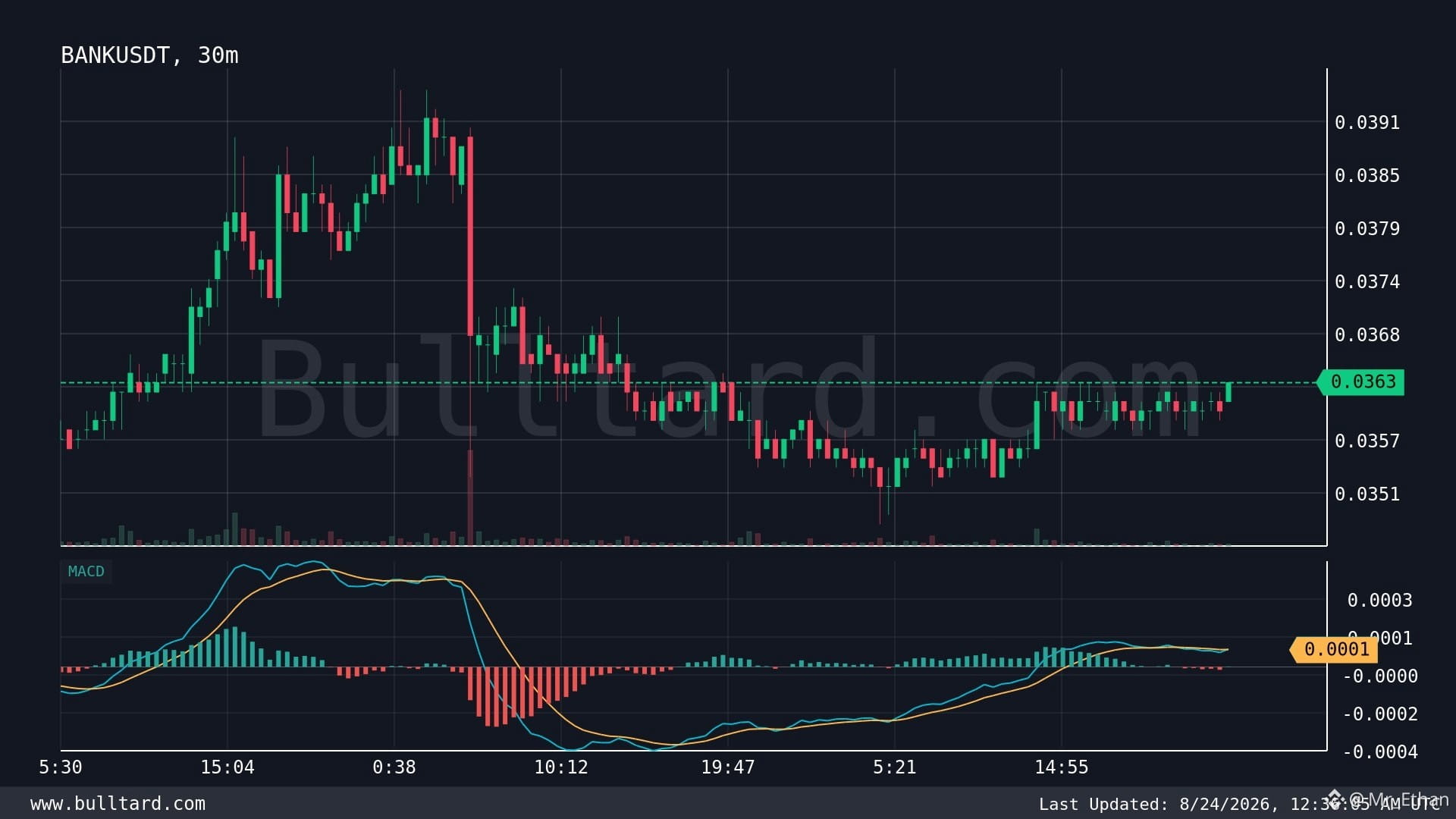
1
2
792
·
--
$POLY : La Partie que Je Regarde De Très Près
J’ai appris que les projets crypto les plus intéressants ne sont pas toujours ceux qui font le plus de bruit. POLY fait partie de ceux que je surveille, parce que la grande histoire tourne autour de l’utilité réelle de la blockchain et de la manière dont ✅les projets transforment l’infrastructure en ✅quelque chose que les gens utilisent vraiment.
⚖️D’après mon expérience, les marchés valorisent souvent d’abord les récits, puis les fondamentaux. Cela peut créer de fortes hausses, mais aussi punir une adoption faible très rapidement. Pour POLY, j’aime le potentiel 👆autour d’un usage pratique de la blockchain, mais je n’ignore pas les risques.$PENGU
La force, c’est l’angle de l’utilité et la possibilité d’en bénéficier si l’adoption on-chain continue de s’étendre. La faiblesse, c’est simple : une technologie solide$DOOD , à elle seule, ne garantit pas la demande. La concurrence est aussi très intense, et la liquidité, l’économie des tokens, l’activité de développement et les utilisateurs réels comptent davantage que les titres.$MASK
😭Une leçon que j’ai apprise, c’est d’arrêter d’acheter un token juste parce que l’histoire paraît bonne. Je veux voir les utilisateurs, le volume, le développement et l’intérêt durable.
Je garde POLY à l’œil, mais je préfère suivre une croissance réelle plutôt que courir après une hausse soudaine.
Qu’est-ce qui, selon vous, pèsera le plus pour : l’adoption, la technologie ou la dynamique du marché ?
#Polymarket #POLY
$POLY : La Partie que Je Regarde De Très Près
J’ai appris que les projets crypto les plus intéressants ne sont pas toujours ceux qui font le plus de bruit. POLY fait partie de ceux que je surveille, parce que la grande histoire tourne autour de l’utilité réelle de la blockchain et de la manière dont ✅les projets transforment l’infrastructure en ✅quelque chose que les gens utilisent vraiment.
⚖️D’après mon expérience, les marchés valorisent souvent d’abord les récits, puis les fondamentaux. Cela peut créer de fortes hausses, mais aussi punir une adoption faible très rapidement. Pour POLY, j’aime le potentiel 👆autour d’un usage pratique de la blockchain, mais je n’ignore pas les risques.$PENGU
La force, c’est l’angle de l’utilité et la possibilité d’en bénéficier si l’adoption on-chain continue de s’étendre. La faiblesse, c’est simple : une technologie solide$DOOD , à elle seule, ne garantit pas la demande. La concurrence est aussi très intense, et la liquidité, l’économie des tokens, l’activité de développement et les utilisateurs réels comptent davantage que les titres.$MASK
😭Une leçon que j’ai apprise, c’est d’arrêter d’acheter un token juste parce que l’histoire paraît bonne. Je veux voir les utilisateurs, le volume, le développement et l’intérêt durable.
Je garde POLY à l’œil, mais je préfère suivre une croissance réelle plutôt que courir après une hausse soudaine.
Qu’est-ce qui, selon vous, pèsera le plus pour : l’adoption, la technologie ou la dynamique du marché ?
#Polymarket #POLY
J’ai appris que les projets crypto les plus intéressants ne sont pas toujours ceux qui font le plus de bruit. POLY fait partie de ceux que je surveille, parce que la grande histoire tourne autour de l’utilité réelle de la blockchain et de la manière dont ✅les projets transforment l’infrastructure en ✅quelque chose que les gens utilisent vraiment.
⚖️D’après mon expérience, les marchés valorisent souvent d’abord les récits, puis les fondamentaux. Cela peut créer de fortes hausses, mais aussi punir une adoption faible très rapidement. Pour POLY, j’aime le potentiel 👆autour d’un usage pratique de la blockchain, mais je n’ignore pas les risques.$PENGU
La force, c’est l’angle de l’utilité et la possibilité d’en bénéficier si l’adoption on-chain continue de s’étendre. La faiblesse, c’est simple : une technologie solide$DOOD , à elle seule, ne garantit pas la demande. La concurrence est aussi très intense, et la liquidité, l’économie des tokens, l’activité de développement et les utilisateurs réels comptent davantage que les titres.$MASK
😭Une leçon que j’ai apprise, c’est d’arrêter d’acheter un token juste parce que l’histoire paraît bonne. Je veux voir les utilisateurs, le volume, le développement et l’intérêt durable.
Je garde POLY à l’œil, mais je préfère suivre une croissance réelle plutôt que courir après une hausse soudaine.
Qu’est-ce qui, selon vous, pèsera le plus pour : l’adoption, la technologie ou la dynamique du marché ?
#Polymarket #POLY

2
280
Connectez-vous pour découvrir plus de contenu
Rejoignez la communauté mondiale des adeptes de cryptomonnaies sur Binance Square
⚡️ Suviez les dernières informations importantes sur les cryptomonnaies.
💬 Jugé digne de confiance par la plus grande plateforme d’échange de cryptomonnaies au monde.
👍 Découvrez les connaissances que partagent les créateurs vérifiés.
Adresse e-mail/Nº de téléphone
Sujets d’actualité
ClarityActFacesProceduralVoteSept15
17,821 vues
324 mentions
#clarityactfacesproceduralvotesept15
🚨 La loi CLARITY fait face à un vote procédural le 15 septembre 🚨
La salle du Sénat est calme, mais le marché crypto surveille déjà l’horloge. Le 15 septembre, un vote procédural pourrait déterminer si un important projet de loi américain sur la structure du marché crypto a l’opportunité d’avancer.
La loi CLARITY ne fait pas face, ce jour-là, à un vote final. Les sénateurs devraient voter sur une motion visant à engager la procédure, une étape procédurale critique qui requiert 60 voix pour franchir l’obstacle au Sénat.
Cette distinction compte. Un vote favorable ne ferait pas du projet de loi une loi, mais il ouvrirait la porte à un examen plus approfondi au Sénat et à des négociations.
Les enjeux sont considérables, car le texte vise à établir des règles plus claires autour des actifs numériques et à déterminer comment les responsabilités sont partagées entre les régulateurs américains.
La révision la plus récente, longue de 630 pages, ajoute également des dispositions qui traitent certains protocoles de trading non décentralisés, tandis que plusieurs désaccords politiques et réglementaires restent à résoudre.
Mon avis : le 15 septembre devrait être vu moins comme un jour de victoire ou de défaite que comme un test de crédibilité. Franchir l’obstacle procédural pourrait renforcer la confiance que la législation crypto américaine avance vers un cadre plus clair. Un échec pourrait prolonger l’incertitude.
Pour les marchés crypto, la clarté réglementaire peut influencer la participation institutionnelle, les décisions des entreprises et la manière dont les investisseurs évaluent l’exposition aux États-Unis. Mais les attentes peuvent évoluer plus vite que la législation elle-même.
Le signal réel n’est pas de savoir si la crypto obtient une clarté du jour au lendemain, mais si les législateurs peuvent enfin construire suffisamment de consensus pour faire avancer le processus.
Le vote du 15 septembre deviendra-t-il un tournant pour la réglementation crypto aux États-Unis, ou un autre report ?
Avertissement : Cet article est fourni à des fins éducatives uniquement et ne constitue pas un conseil financier. Faites vos propres recherches et gérez les risques avec soin.
#CryptoRegulation #Bitcoin #GrowWithSAC $SUI $NEAR $BNB
#ClarityActFacesProceduralVoteSept15
Sienna Leo-你真棒-带我走
·3 mentions J’aime
·2.8k vues
US2YearYieldRisesTo4.61%
19,980 vues
404 mentions
US10YearTreasuryYieldNears5%
10,712 vues
240 mentions