
A Comprehensive Guide
Introduction
Cryptocurrency mining has emerged as a popular method for individuals to participate in the world of digital currencies and potentially earn profits. Mining involves verifying and adding transactions to a blockchain, thereby contributing to the security and decentralization of the network. If you're intrigued by the idea of cryptocurrency mining and want to get started, this comprehensive guide will walk you through the process.
1. Understand the Basics
Before you start mining, it's crucial to grasp the fundamental concepts of cryptocurrencies, blockchain technology, and the mining process. Cryptocurrencies like Bitcoin and Ethereum operate on decentralized networks, using consensus mechanisms such as Proof of Work (PoW) or Proof of Stake (PoS) to validate transactions.
2. Choose the Right Cryptocurrency
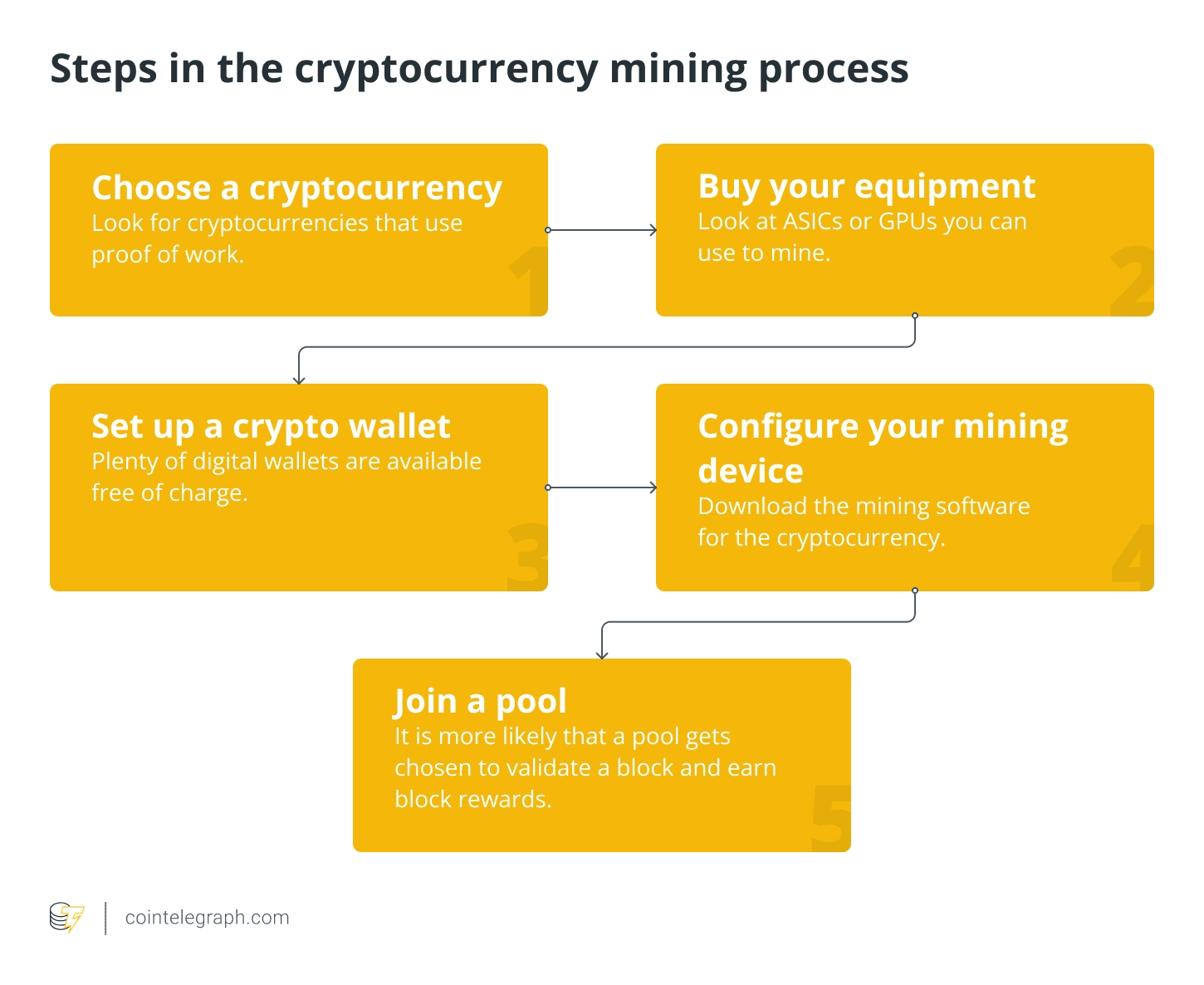
Different cryptocurrencies employ different mining algorithms. The most common algorithm is SHA-256, used by Bitcoin. Other popular algorithms include Ethash (Ethereum) and Scrypt (Litecoin). Select a cryptocurrency that matches your hardware's capabilities and potential profitability.
3. Get the Necessary Hardware
Mining requires specialized hardware known as mining rigs. These rigs consist of powerful graphics cards (GPUs) or application-specific integrated circuits (ASICs) designed for specific algorithms. Research and invest in hardware that's compatible with your chosen cryptocurrency's mining algorithm.
4. Select a Mining Pool
Mining alone can be extremely challenging due to the increasing difficulty levels and the possibility of not finding a block for an extended period. Mining pools allow miners to combine their computational power and share rewards. Choose a reputable mining pool with a fair distribution model and reasonable fees.
5. Set Up a Wallet
A cryptocurrency wallet is essential to receive and store the mined coins. Choose a secure wallet that's compatible with your chosen cryptocurrency. Hardware wallets are often considered the most secure option, as they are offline and less susceptible to hacks.
6. Install Mining Software
Install mining software compatible with your hardware and chosen cryptocurrency. Popular mining software options include CGMiner, EasyMiner, and BFGMiner. Configure the software with your wallet address and mining pool details.
7. Optimize Energy Efficiency
Mining can be energy-intensive, potentially affecting your profitability. Consider factors like electricity costs and cooling solutions to optimize energy efficiency. Some miners even locate their rigs in cooler climates or use renewable energy sources.
8. Stay Informed
The cryptocurrency and mining landscape is constantly evolving. Stay updated on industry news, technological advancements, and changes in mining algorithms. This knowledge will help you make informed decisions and adapt to market trends.
9. Monitor and Maintain
Regularly monitor your mining hardware's performance, temperature, and hash rate. Perform routine maintenance, including dusting off components and replacing worn-out parts. Proper maintenance can extend the lifespan of your mining equipment.
10. Be Prepared for Challenges
Cryptocurrency mining isn't without challenges. Fluctuating coin prices, regulatory changes, and network upgrades can impact your mining profitability. Have a plan for both bull and bear markets and be prepared to adapt your strategy as needed.
Conclusion
Starting cryptocurrency mining can be a rewarding venture for those willing to invest time, effort, and resources. By understanding the basics, choosing the right cryptocurrency, setting up the necessary hardware and software, and staying informed about the industry, you can position yourself for success in the ever-evolving world of cryptocurrency mining. Remember that mining involves risk, so conducting thorough research and staying adaptable are key to navigating this exciting field.